

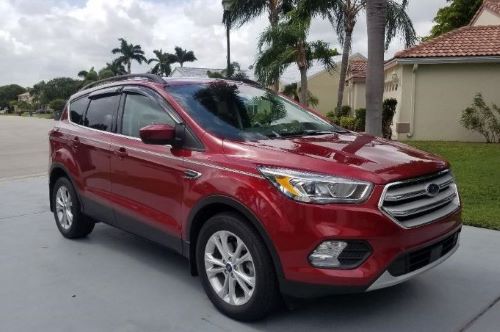
Most people spend hours negotiating the price of their next vehicle but give very little thought to maximizing the value of the one they're trading in.
That's unfortunate because the two negotiations are directly connected. Every additional dollar you receive for your trade-in reduces the overall cost of your next vehicle.
During my years as an auto broker, one thing became very clear: many owners unknowingly reduced their vehicle's value before the appraisal even began.
The good news is that increasing your trade-in value usually doesn't require expensive repairs. Instead, it often comes down to understanding how dealers think, presenting your vehicle properly, and avoiding common mistakes that create unnecessary doubt in the appraiser's mind.
In this guide, I'll explain how dealers evaluate trade-ins, the simple steps that can increase your vehicle's value, and why a little preparation before visiting the dealership can often pay for itself many times over.
What You'll Learn
- How dealers form their first impression of your vehicle
- Why presentation influences trade-in offers
- Which inexpensive improvements often pay for themselves
- How maintenance records build buyer confidence
- Which repairs are worth making, and which usually aren't
- Why honesty can actually increase your trade-in value
- How to negotiate from a position of strength
First, Get an Online Trade-In Estimate
Before visiting a dealership, it's important to have a realistic idea of what your vehicle is worth.
Doing a little homework beforehand gives you confidence during negotiations and helps you recognize whether a dealer's offer is fair.
No online valuation tool is perfect, but I've found the one at Edmunds Trade-In Values to be one of the most comprehensive available to consumers.
Rather than asking only for your vehicle's year, make, model, and mileage, it asks for your VIN or license plate number and then asks a series of detailed yes/no questions about your vehicle's condition. That generally results in a more specific and therefore more accurate estimate.
Even so, I also recommend comparing your results with Kelley Blue Book and NADA Guides. If all three estimates fall within a similar range, you'll have a much better understanding of your vehicle's approximate market value.
Buyer Tip
An online appraisal isn't a guaranteed trade-in offer, but it gives you an excellent starting point before negotiations begin. Knowledge is one of the strongest negotiating tools you can have.
If your goal is simply to sell your vehicle quickly without negotiating at a dealership, you may also want to compare your trade-in offer with an instant online cash offer. Even if you decide to trade the vehicle instead, having another offer gives you additional leverage.
How Dealers Really View Your Trade-In
Many people assume dealerships perform a lengthy mechanical inspection while evaluating a trade-in.
In reality, that's rarely the case.
Most dealerships simply don't have the time to perform an extensive inspection while you're waiting to complete the purchase of another vehicle.
Instead, the appraiser usually performs a careful visual inspection, takes a short test drive, checks the vehicle history, and tries to answer one very important question:
"Does this vehicle appear to have been well cared for?"
They're looking for signs that suggest either confidence, or risk.
A clean, well-maintained vehicle immediately creates a positive impression.
A dirty, cluttered, neglected-looking vehicle often raises concerns that go far beyond appearances.
Whether fair or not, people naturally judge the condition of a vehicle by the way it's presented.
If the owner neglected the obvious things they could easily see every day, the appraiser may reasonably wonder whether less-visible maintenance has also been neglected.
The Dealer's First Five Minutes
During a busy day, an appraiser may evaluate dozens of vehicles. The initial inspection often takes only a few minutes before a preliminary value is assigned.
That means the first impression your vehicle makes is extremely important.
While every dealership has its own appraisal process (see our Get A Fair Trade-In Value Guide), most appraisers look at many of the same things during those first few minutes.
| What the Appraiser Checks | Why It Matters |
|---|---|
| Overall appearance | Creates an immediate impression of how well the vehicle has been cared for. |
| Body panels and paint | Looks for collision repairs, dents, scratches, rust, and mismatched paint. |
| Tires | Worn tires may require immediate replacement before resale. |
| Interior condition | Stains, odors, excessive wear, or damage increase reconditioning costs. |
| Warning lights | Check Engine, ABS, Airbag, and other warning lights usually signal additional expense. |
| Engine start-up | The appraiser listens for unusual noises and watches for excessive smoke or rough operation. |
| Short test drive | Confirms basic engine, transmission, steering, and brake operation. |
| Vehicle history | Accident history, title issues, and prior damage can significantly affect value. |
Notice that most of these items aren't complicated mechanical tests.
They're simply an effort to estimate how much money the dealership will need to spend before offering the vehicle for sale.
The cleaner and better maintained your vehicle appears, the lower that estimated reconditioning cost usually becomes.
Buyer Tip
Dealers aren't just buying your vehicle, they're estimating how much they'll have invested in it after cleaning, repairing, inspecting, and preparing it for the next owner. The lower that expected cost, the stronger your trade-in offer is likely to be.
Think Like a Seller, Not Just a Buyer
This may be the single biggest mindset change you can make.
Most people walk into a dealership thinking only about buying their next vehicle.
But you're actually involved in two separate transactions.
The dealership is selling you a vehicle.
At the same time, you're selling your current vehicle to the dealership.
Once you begin thinking like a seller, your preparation naturally changes.
You become more focused on making your vehicle attractive to its buyer, the dealership, just as the dealership has carefully prepared the vehicle they're hoping you'll purchase.
Every improvement that increases the dealer's confidence has the potential to increase your trade-in value.
Buyer Tip
One of the biggest mistakes owners make is assuming their trade-in is simply part of the deal. It isn't. You're selling one vehicle while buying another, and both transactions deserve your full attention.
In the next section, we'll look at one of the simplest and most overlooked ways to increase your trade-in value before the appraiser even opens the driver's door.

Seriously... Wash the Car!
This may sound almost too obvious to mention, but I'm continually surprised by how many people overlook it.
Over the years I've seen countless trade-ins that weren't just dirty on the outside, they were cluttered inside, filled with old receipts, empty coffee cups, children's toys, sports equipment, and trunks packed with years' worth of forgotten items.
Many owners seemed to believe this actually helped their negotiating position.
The thinking often goes something like this:
"If the dealer sees I wasn't planning to buy a car today, maybe they'll think I'm harder to convince and lower the price."
I've even seen this recommended as a negotiating tactic over the years.
In my experience, it's usually a mistake.
Dealers have seen this strategy countless times before, if it was actually a strategy. They're far more likely to interpret a dirty, cluttered vehicle as a sign that it simply hasn't been well cared for.
Whether that's true or not almost doesn't matter.
First impressions influence people.
And first impressions influence trade-in values.
Buyer Tip
Your goal isn't to fool the dealer into thinking your vehicle is perfect. Your goal is to demonstrate that you've taken some pride in owning and maintaining it.
A freshly washed, waxed, and vacuumed vehicle immediately sends a positive message.
It tells the appraiser that this owner probably cared about the vehicle.
That doesn't guarantee a higher offer, but it certainly creates a better starting point than one covered in dirt, food wrappers, and old fast-food bags.
Clean the Inside, Too
The exterior gets attention first, but the interior often has an even bigger influence on the appraiser's opinion.
Take a few minutes to:
- Vacuum the carpets and seats.
- Wipe down the dashboard and door panels.
- Clean the windows inside and out.
- Remove stains if practical.
- Use an odor eliminator if necessary.
- Remove all personal belongings.
If the car has been smoked in, spend extra time eliminating odors.
Smoke odor is one of the most difficult issues for dealers to remove and can significantly reduce your vehicle's appeal to future buyers.
A professional detail may cost a couple hundred dollars, but depending on the vehicle, it can easily pay for itself.
Empty the Trunk and Glove Compartment
One of the easiest ways to make your vehicle look better costs absolutely nothing.
Empty it.
A trunk packed with boxes, old oil containers, jumper cables, worn-out parts, and miscellaneous junk doesn't inspire confidence.
Instead, remove everything and give the trunk a thorough vacuuming.
If the carpet has stains, shampoo it. If the spare tire compartment is dirty, clean that as well.
The glove compartment deserves the same attention.
Ideally, it should contain only the items a future owner would expect to find.
- Owner's manual
- Registration
- Maintenance records
- Warranty information (if applicable)
- Wheel-lock key (if equipped)
Having organized maintenance records immediately communicates something important:
"This owner cared about the vehicle."
That perception alone can help separate your vehicle from others the dealer appraises that day.
Maintenance Records Build Confidence
Many owners underestimate just how valuable good documentation can be.
If you've kept receipts for oil changes, transmission service, brake work, tires, battery replacement, timing belt service, or other major maintenance, organize them neatly before visiting the dealership.
Even if the appraiser doesn't examine every receipt, simply seeing a well-organized maintenance file creates confidence.
It suggests that routine maintenance wasn't ignored and that expensive surprises are less likely after the dealer purchases your vehicle.
Next, we'll look at the inexpensive repairs that often increase a vehicle's value, and the expensive repairs that usually don't pay for themselves before trading your vehicle in.
Spend a Little to Make a Little More
One of the questions I'm asked most often is:
"Should I spend money fixing my car before trading it in?"
The answer depends entirely on the repair.
Some inexpensive improvements can increase your trade-in value by more than they cost.
Others simply put money into the dealer's pocket instead of yours.
Your goal isn't to make the vehicle perfect.
Your goal is to eliminate inexpensive items that make the dealer question how well the vehicle has been maintained.
Repairs That Often Pay for Themselves
Before visiting the dealership, consider taking care of small maintenance items that improve the vehicle's appearance and demonstrate responsible ownership.
| Usually Worth Doing | Why It Helps |
|---|---|
| Replace worn wiper blades | Shows attention to routine maintenance. |
| Change overdue engine oil | Creates confidence that the vehicle has been properly maintained. |
| Top off all fluids | Makes the vehicle appear well cared for. |
| Replace burned-out bulbs | Eliminates an obvious defect that immediately catches an appraiser's attention. |
| Repair small windshield chips (when practical) | May prevent larger repair deductions. |
| Inflate tires properly | Improves the vehicle's appearance and suggests regular maintenance. |
None of these items is especially expensive, yet together they help create the impression that you've taken good care of the vehicle throughout your ownership.
Buyer Tip
Think like the dealer. If a repair immediately improves the vehicle's appearance or demonstrates responsible maintenance, it's often worth considering before your appraisal.
Repairs That Usually Aren't Worth Making
On the other hand, there are many expensive repairs that rarely return their full cost when you're planning to trade the vehicle in.
| Usually Not Worth Doing | Reason |
|---|---|
| Complete repaint | Dealers rarely increase their offer enough to recover the cost. |
| Major engine repairs | Unless necessary to keep the vehicle running, you'll often recover only part of your investment. |
| Transmission overhaul | Very expensive and seldom adds dollar-for-dollar value. |
| Premium aftermarket accessories | Dealers typically value vehicles based on factory equipment, not personal upgrades. |
| Expensive custom modifications | May actually reduce the number of future buyers. |
If your vehicle requires a major repair, it's often better to discuss it honestly with the dealer and allow them to factor the repair into their appraisal.
One of My Favorite Trade-In Strategies
This next suggestion surprises many people.
Instead of trying to convince the dealer your vehicle is perfect...
Point out one small problem yourself.
Maybe there's a tiny paint scratch.
Perhaps one interior light doesn't work.
Maybe you've noticed a loose trim piece or a small windshield chip.
Tell the appraiser before they discover it.
Why?
Because you're demonstrating honesty.
The dealer immediately begins thinking:
"If this owner is voluntarily pointing out something minor, there's a good chance they aren't hiding anything major."
That credibility is valuable.
It builds trust.
And trust often reduces the dealer's perceived risk.
Buyer Tip
Never try to hide significant problems. Dealers inspect hundreds of vehicles every year and usually discover them anyway. Being upfront often creates a much better negotiating atmosphere.
Honesty Can Actually Save You Money
If your vehicle does have a larger issue, such as a slipping transmission, an illuminated warning light, or accident damage, don't hope the dealership misses it.
They're very likely to find it.
When they do, you've not only lost credibility, but the uncertainty may cause them to reduce their offer even further to protect themselves against additional hidden problems.
On the other hand, if you've already built trust by presenting a clean, well-maintained vehicle and being honest throughout the appraisal, dealers are often more comfortable simply deducting the expected repair cost rather than assuming the worst.
Finally, let's put everything together. In the last section, I'll show you how planning ahead throughout your ownership can dramatically improve your vehicle's resale value, summarize the most important takeaways, and answer some of the most common trade-in questions I hear from buyers.
Planning Ahead Pays Dividends
Everything we've discussed so far can help increase your trade-in value before you visit the dealership.
But there's an even better approach.
Take care of your vehicle throughout the entire time you own it.
From the day you buy it, think of your vehicle as an investment rather than simply transportation, even though it almost always goes down in value over time.
Every oil change, tire rotation, transmission service, and scheduled maintenance item helps preserve not only the vehicle itself, but also its future value.
When it's finally time to sell or trade it, those years of proper care become part of your negotiating advantage.
Your Trade-In Preparation Checklist
Before heading to the dealership, take a few minutes to go through this simple checklist.
| Task | Completed? |
|---|---|
| Obtain online trade-in estimates | ☐ |
| Wash and wax the exterior | ☐ |
| Vacuum and clean the interior | ☐ |
| Empty the trunk and glove compartment | ☐ |
| Organize maintenance records | ☐ |
| Replace inexpensive worn items if needed | ☐ |
| Be prepared to discuss any known problems honestly | ☐ |
| Obtain offers from multiple dealerships | ☐ |
Buyer Tip
Many owners spend hours negotiating for another few hundred dollars off a new vehicle while overlooking simple steps that could increase their trade-in value by the same amount, or more.
Frequently Asked Questions
Should I have my vehicle professionally detailed before trading it in?
Usually, yes. A professional detail isn't necessary for every vehicle, but a clean, fresh-smelling interior and a well-presented exterior often create an excellent first impression. Depending on the condition of your vehicle, the improvement in your trade-in offer may easily exceed the cost of the detail.
Should I repair dents and scratches?
Minor cosmetic repairs can sometimes be worthwhile, but expensive bodywork rarely returns its full cost. If you're unsure, ask a trusted body shop for an estimate and compare that cost with the likely increase in your trade-in value.
Do maintenance records really matter?
Absolutely. They demonstrate responsible ownership and help reduce the dealer's uncertainty about the vehicle's condition. Even if the appraiser doesn't review every receipt, seeing organized records creates confidence.
Should I accept the first trade-in offer?
Not unless you've already compared it with other offers or you're confident it's fair. Different dealerships often place different values on the same vehicle depending on their inventory needs and current market conditions.
What's the biggest mistake people make?
Many owners focus entirely on negotiating the purchase price of their next vehicle while giving almost no attention to maximizing the value of the vehicle they're selling. Both transactions deserve equal attention.
Continue Your Research
Get Your Free Trade-In Estimate
How Dealers Really Determine Trade-In Values
Should You Buy The Last 2026 Models Or Wait For the 2027s
Final Thoughts
There's no secret formula for getting the highest possible trade-in value.
Instead, it's the result of understanding how dealerships evaluate vehicles and taking a few simple steps to present yours in the best possible light.
Think like a seller.
Make a great first impression.
Demonstrate that your vehicle has been well cared for.
Be honest about its condition.
And most importantly, let dealerships compete for your business by obtaining more than one trade-in offer.
Remember, you're negotiating two separate transactions: buying your next vehicle and selling your current one. Giving both negotiations equal attention is one of the easiest ways to save money on your next purchase.
I hope these insider tips help you maximize your trade-in value and make your next vehicle purchase a little easier.
Good luck, and happy car shopping!
If You're Buying A New Car ...
How Much Can You Negotiate Off a Used Car?
And it's different for "new" cars: