

A Complete Buyer's Guide to Choosing a Dependable Used Vehicle
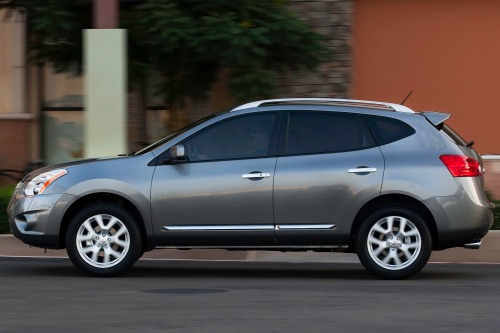
This guide compares the most reliable used cars, SUVs and trucks, explains which brands consistently earn high marks, and helps you choose a dependable used vehicle.
Reliability is one of the most important factors to consider when buying a used car. A dependable vehicle not only saves money on repairs, but also reduces stress, minimizes unexpected breakdowns, and often retains its value better over time.
Unfortunately, shopping for a reliable used vehicle isn't as simple as buying a particular brand. While manufacturers like Toyota, Honda and Lexus have earned excellent reputations, every automaker has produced both outstanding vehicles and disappointing ones. Likewise, even the most reliable model can become a poor purchase if it has been neglected or poorly maintained.
That's why the smartest used car buyers look beyond advertising claims and reputation alone. They consider maintenance history, known problem years, ownership costs, vehicle condition, and independent reliability data before making a decision.
In this guide, we'll bring together decades of reliability research, real-world ownership experience, and practical buying advice to help you choose a used vehicle that has the best chance of providing years of dependable service.
What You'll Learn
- What reliability really means when buying a used car.
- Which automakers consistently build dependable vehicles.
- Why maintenance history is often more important than brand.
- How reliability changes as vehicles age.
- The most reliable cars, SUVs and pickup trucks.
- Which brands typically have the highest repair costs.
- How to dramatically improve your chances of buying a dependable used vehicle.
What Makes a Used Car Reliable?
Many shoppers think reliability simply means "doesn't break." In reality, several factors determine whether a vehicle will be satisfying to own over the long term.
| Factor | Why It Matters |
|---|---|
| Frequency of repairs | How often the vehicle needs unexpected repairs. |
| Repair severity | Minor sensor replacements are very different from transmission failures. |
| Maintenance costs | Some vehicles require significantly more expensive routine service. |
| Parts availability | Common vehicles usually have less expensive replacement parts. |
| Expected lifespan | Many well-maintained vehicles today can exceed 200,000 miles. |
| Owner satisfaction | Long-term owner experiences often reveal issues not found during road tests. |
For example, replacing an oxygen sensor every 120,000 miles is relatively inexpensive. Replacing a turbocharger, dual-clutch transmission or sophisticated air suspension can cost several thousand dollars. Both vehicles technically had "a repair," but the ownership experience is dramatically different.
True reliability means consistently low repair frequency, affordable maintenance, reasonable repair costs, and the ability to provide dependable transportation for many years.
Reliability at a Glance
| If You're Looking For... | Recommended Brands |
|---|---|
| Best Overall Reliability | Toyota, Lexus |
| Excellent Value | Honda, Mazda |
| Reliable Luxury Vehicles | Lexus, Acura |
| Reliable SUVs | Toyota, Honda |
| Reliable Pickup Trucks | Toyota, Ford |
| Lowest Long-Term Ownership Costs | Toyota, Honda, Mazda |
| Highest Long-Term Repair Costs | BMW, Audi, Mercedes-Benz, Land Rover |
Buyer Tip: The difference between an average vehicle and an excellent vehicle often comes down to choosing the right model year. A dependable model with a known transmission problem during one generation may become one of the best vehicles in its class after a redesign.
Possibly Buying Soon? Know What the Dealer Knows
Before you sign, learn:
- What you don't know about dealer trade-in offers could cost you - Which dealer fees you must pay, can negotiate, or should avoid - How to avoid giving the dealer the upper hand on a used car price - How to avoid overpaying for a new car
Reliability vs. Maintenance: They're Not the Same Thing
One of the biggest misconceptions among used car buyers is believing that reliable vehicles require little or no maintenance. Even the most dependable Toyota or Honda needs regular servicing to stay reliable.
Routine maintenance includes oil changes, transmission fluid service, coolant replacement, brake service, spark plugs, filters, tires and suspension components. These expenses are normal ownership costs and shouldn't be confused with poor reliability.
Neglecting routine maintenance is one of the fastest ways to turn an otherwise dependable vehicle into an expensive repair project. Skipped oil changes can shorten engine life. Ignoring transmission service may lead to premature transmission failure. Worn cooling system components can cause overheating and major engine damage.
Simply put, maintenance protects reliability.
Why Maintenance History Matters More Than Brand
If there's one lesson I've learned after years of helping people buy vehicles, it's this:
A well-maintained average vehicle is usually a better purchase than a neglected vehicle with an excellent reputation.
Suppose you're comparing two similar midsize sedans.
Vehicle A is a Toyota Camry with spotty maintenance records, overdue fluid changes, mismatched tires and signs of neglected care.
Vehicle B is a Ford Fusion with complete maintenance records, regular oil changes, documented transmission service, recent brakes, quality tires and a clean inspection.
Despite Toyota's stronger reputation for reliability, Vehicle B may actually be the safer purchase.
Regular maintenance tells you a great deal about how the previous owner treated the vehicle. Someone who invested in routine servicing was also more likely to address small problems before they became major repairs.
Whenever possible, look for:
- Complete maintenance records.
- Regular oil changes.
- Transmission fluid service when recommended.
- Cooling system maintenance.
- Consistent tire replacement and rotations.
- Brake service records.
- One- or two-owner vehicles.
- A clean vehicle history report.
These factors often predict future reliability better than the badge on the hood.
How We Evaluated Used Car Reliability
No single study perfectly measures reliability. Each organization looks at different aspects of vehicle ownership, and every method has strengths and weaknesses.
Rather than relying on one source, this guide considers information from several respected resources, including long-term owner surveys, independent repair data, historical dependability studies, technical service bulletins, recall history, known mechanical issues, and real-world ownership experience.
Equally important is recognizing that reliability changes over time. A vehicle that performed exceptionally well during its first three years may develop different issues after 150,000 miles. Likewise, manufacturers continually improve engines, transmissions and electronics, so reliability often varies significantly between generations.
The rankings and recommendations that follow reflect long-term ownership trends rather than isolated repair stories or short-term impressions.
The Most Reliable Used Car Brands
While individual model years always matter, certain manufacturers have consistently demonstrated an ability to build durable, dependable vehicles over many decades. These brands generally have fewer major mechanical problems, lower repair costs and excellent long-term owner satisfaction.
Tier 1: Industry Leaders
Toyota
Toyota has earned its reputation through decades of conservative engineering, durable powertrains and outstanding long-term durability. Rather than introducing unproven technology too quickly, Toyota has traditionally emphasized proven designs that continue to perform well long after 150,000 or even 200,000 miles.
Popular models such as the Camry, Corolla, RAV4, Highlander, Tacoma and 4Runner have become benchmarks for long-term reliability. While no manufacturer is perfect, Toyota consistently produces some of the lowest ownership costs in the industry.
Strengths
- Excellent engine durability.
- Strong automatic transmissions.
- Low repair frequency.
- High resale values.
- Long expected lifespan.
Watch For
- Some excessive oil consumption on certain four-cylinder engines.
- Rust on older trucks in northern climates.
- Routine maintenance still matters.
Lexus
Lexus combines Toyota's engineering philosophy with premium interiors and luxury features. Unlike many European luxury brands, Lexus has consistently delivered outstanding long-term dependability while avoiding many of the costly repairs commonly associated with luxury ownership.
Models such as the ES, RX and GX routinely rank among the most dependable luxury vehicles available, making Lexus an excellent choice for buyers who want premium comfort without premium repair bills.
Strengths
- Outstanding long-term durability.
- Excellent owner satisfaction.
- Lower repair costs than most luxury competitors.
- High resale values.
Honda
Honda has built its reputation on durable engines, excellent fuel economy, strong resale value and relatively low ownership costs. Well-maintained Honda vehicles routinely exceed 200,000 miles, making them among the safest choices in the used car market.
Models such as the Accord, Civic, CR-V and Pilot have consistently earned high marks for dependability. However, unlike Toyota, Honda has experienced a few more model-year-specific issues over the years, particularly with certain automatic transmissions and the 1.5-liter turbocharged engine's fuel dilution concerns in some early applications.
Fortunately, most of these issues affected only specific years or powertrains rather than the brand as a whole.
Strengths
- Excellent engine longevity.
- Strong resale values.
- Affordable maintenance.
- Excellent fuel economy.
- Widely available replacement parts.
Watch For
- Certain automatic transmissions from the early 2000s.
- Some early 1.5-liter turbocharged engine fuel dilution concerns.
- Air conditioning compressor failures on some models.
Bottom Line: Honda remains one of the safest recommendations for used car buyers. Simply research the specific model year before purchasing, as a handful of years are considerably better than others.
Mazda
Mazda has quietly become one of the industry's biggest reliability success stories. Earlier Mazda vehicles occasionally struggled with rust in northern climates, but modern Mazdas have proven remarkably dependable while remaining enjoyable to drive.
The company's Skyactiv engines and conventional automatic transmissions have established an excellent reputation for durability without sacrificing fuel economy. Unlike some competitors, Mazda has generally avoided overly complicated engineering, helping keep long-term repair costs reasonable.
Popular models including the Mazda3, Mazda6, CX-5 and MX-5 Miata routinely receive strong owner satisfaction scores.
Strengths
- Excellent engine reliability.
- Traditional automatic transmissions.
- Lower maintenance costs.
- Fun driving characteristics.
- Excellent value on the used market.
Watch For
- Rust on older vehicles in snow-belt states.
- Limited rear-seat room in some models.
- Some turbocharged models require more careful maintenance.
Bottom Line: Mazda deserves to be mentioned alongside Toyota and Honda when shopping for modern used vehicles. Buyers often overlook the brand, creating excellent values in the used market.
Tier 2: Very Strong Choices
Lexus
Although Lexus belongs to Toyota, it deserves special recognition because it has consistently demonstrated that luxury vehicles don't have to be expensive to own. Many Lexus models combine premium comfort with Toyota-like dependability, something few luxury competitors can match.
Vehicles such as the ES, RX, GX and LX have earned outstanding reputations for longevity and relatively modest maintenance costs compared with German luxury brands.
Best Choices
- Lexus ES
- Lexus RX
- Lexus GX
- Lexus IS
Acura
Acura offers many of Honda's engineering strengths wrapped in a more luxurious package. While maintenance costs are slightly higher than Honda's, they're generally much lower than European luxury vehicles.
The TL, TSX, MDX and RDX have all developed strong reliability records in many model years, although buyers should still research individual years before purchasing.
Subaru
Subaru has built a loyal following thanks to standard all-wheel drive, excellent safety ratings and impressive capability in bad weather. Modern Subarus have become significantly more reliable than many older models, although some engines produced during the late 2000s and early 2010s experienced head gasket or excessive oil consumption issues.
Today's Forester, Outback, Crosstrek and Legacy generally provide excellent long-term value when properly maintained.
Strengths
- Standard all-wheel drive.
- Excellent safety.
- Strong owner loyalty.
- Good resale value.
Watch For
- Head gasket issues on older naturally aspirated engines.
- Oil consumption on certain engines.
- CVT maintenance.
Hyundai & Kia
Perhaps no manufacturers have improved more over the past two decades than Hyundai and Kia. Vehicles produced during the 1990s and early 2000s generally lagged behind Japanese competitors, but quality improved dramatically beginning around the early 2010s.
Today's Hyundai and Kia vehicles offer impressive technology, attractive styling and generous warranties when new. However, buyers should carefully research models equipped with certain Theta II four-cylinder engines, as these experienced well-publicized engine failures that resulted in recalls and warranty extensions.
Outside of those specific engines, many Hyundai and Kia models have proven to be dependable, affordable used vehicles.
Tier 3: Good Vehicles, But Research Matters
These manufacturers build many excellent vehicles, but their reliability tends to vary much more by model and generation. Buying the right year becomes especially important.
| Manufacturer | Reliability Assessment and Buyer Advice |
|---|---|
| Ford | General assessment: Many excellent trucks and SUVs. Buyer advice: Research EcoBoost engines and automatic transmissions by model year. |
| Chevrolet | General assessment: Several dependable trucks and SUVs. Buyer advice: Reliability can vary considerably by engine and transmission. |
| GMC | General assessment: Generally similar to Chevrolet. Buyer advice: Focus more on the specific powertrain and model year than the GMC badge. |
| Nissan | General assessment: Reliable engines in many models. Buyer advice: Be cautious with certain model years equipped with continuously variable transmissions. |
| Buick | General assessment: Often overlooked by used-car shoppers. Buyer advice: Many Buick sedans have delivered above-average reliability and strong used-car value. |
| Ram | General assessment: Capable trucks with several strong powertrain choices. Buyer advice: Research transmission history and exhaust-manifold problems by engine and model year. |
Notice that none of these manufacturers should automatically be avoided. In fact, several produce vehicles that rank among the most dependable in their respective classes. The key is identifying the strongest model years and avoiding known problem engines or transmissions.
Buyer Tip: Don't reject an entire manufacturer because of one poorly designed engine or transmission. Likewise, don't assume every vehicle from a traditionally reliable brand is automatically a good purchase. Research the specific model, engine and model year you're considering.
Luxury Brands: Reliability vs. Ownership Costs
Luxury vehicles deserve separate consideration because reliability is only part of the ownership equation. Many premium brands deliver exceptional performance, advanced technology and refined interiors, but those advantages often come with significantly higher maintenance and repair costs.
Even relatively minor repairs can cost substantially more simply because of higher parts prices, specialized labor and increasingly complex electronics.
| Brand | Reliability | Typical Ownership Costs |
|---|---|---|
| Lexus | Excellent | Low to Moderate |
| Acura | Very Good | Moderate |
| Genesis | Good to Very Good | Moderate |
| Volvo | Average to Good | Moderate to High |
| BMW | Average | High |
| Audi | Average | High |
| Mercedes-Benz | Average | Very High |
| Land Rover | Below Average | Very High |
For many buyers, a three-year-old luxury vehicle can represent an incredible value because depreciation is often steep. However, the repair costs rarely depreciate along with the purchase price. Always budget for premium maintenance when shopping luxury brands.
Most Reliable Used Sedans, SUVs & Trucks
While manufacturer reputation is helpful, your buying decision should ultimately focus on the specific vehicle. Some models have developed exceptional long-term reliability over multiple generations and continue to be excellent choices for used car buyers.
Most Reliable Used Sedans
| Vehicle | Why We Recommend It |
|---|---|
| Toyota Camry | Outstanding long-term reliability, inexpensive maintenance and excellent resale value. |
| Toyota Corolla | One of the most dependable compact cars ever built. |
| Honda Accord | Comfortable, durable and inexpensive to own. |
| Honda Civic | Excellent fuel economy and consistently strong reliability. |
| Mazda3 | Reliable, enjoyable to drive and often an excellent value. |
| Lexus ES | Luxury comfort with Toyota-like dependability. |
These vehicles have consistently demonstrated excellent durability while keeping ownership costs relatively low. They're among the safest recommendations for buyers seeking dependable daily transportation.
Buyer Tip: If your budget allows, look for vehicles that are six to ten years old with complete maintenance records. This often represents the best combination of price, reliability and remaining lifespan.
Most Reliable Used SUVs
| Vehicle | Why We Recommend It |
|---|---|
| Honda CR-V | Outstanding overall dependability and low ownership costs. |
| Toyota RAV4 | One of the industry's reliability leaders. |
| Toyota Highlander | Excellent family SUV with long service life. |
| Toyota 4Runner | Exceptional durability for buyers planning long-term ownership. |
| Mazda CX-5 | Excellent reliability combined with enjoyable driving characteristics. |
| Subaru Outback | Excellent all-weather capability with strong long-term value. |
SUV buyers should pay particular attention to maintenance records, as these vehicles often tow trailers, travel on rough roads or accumulate higher annual mileage than passenger cars.
Most Reliable Used Pickup Trucks
| Truck | Why We Recommend It |
|---|---|
| Toyota Tacoma | Excellent durability and class-leading resale value. |
| Toyota Tundra | Known for exceptional engine longevity. |
| Ford F-150 | Excellent choice when equipped with the right engine. |
| Ford Ranger | Simple, durable and inexpensive to maintain. |
| Honda Ridgeline | Excellent daily driver with above-average reliability. |
| Chevrolet Silverado | Many model years provide excellent long-term service when properly maintained. |
Truck reliability depends heavily on how the vehicle was used. A truck that spent its life towing heavy trailers or operating on construction sites may have experienced considerably more wear than one used primarily for commuting.
Most Reliable Used Luxury Cars
| Vehicle | Why We Recommend It |
|---|---|
| Lexus ES | Outstanding reliability with luxury comfort. |
| Lexus RX | One of the most dependable luxury SUVs available. |
| Acura TL / TLX | Excellent engineering with moderate ownership costs. |
| Acura MDX | Strong long-term reliability and practicality. |
| Genesis G80 | Impressive quality and value in newer model years. |
If you're considering a German luxury vehicle, don't focus solely on the purchase price. Research expected maintenance costs as carefully as you research reliability.
Most Reliable Used Hybrid Vehicles
| Vehicle | Why We Recommend It |
|---|---|
| Toyota Prius | One of the most reliable hybrid vehicles ever produced. |
| Toyota Camry Hybrid | Excellent fuel economy with outstanding dependability. |
| Toyota RAV4 Hybrid | Reliable hybrid technology with SUV practicality. |
| Honda Accord Hybrid | Smooth, efficient and dependable. |
| Lexus RX Hybrid | Luxury combined with Toyota hybrid reliability. |
Hybrid battery life is often much longer than many buyers expect. Modern hybrid batteries frequently last well beyond 150,000 miles, and many exceed 200,000 miles with little or no degradation.
Should You Buy Based on Brand or Model?
If there's one lesson that stands out after decades of reliability research, it's this:
Choose the right model first, then choose the right model year, and finally choose the best-maintained individual vehicle you can find.
That approach consistently produces better ownership experiences than simply buying a vehicle because of the badge on the hood. A carefully maintained Ford F-150 or Chevrolet Silverado can easily provide years of dependable service, while a neglected Toyota or Honda can become an expensive mistake.
Brand reputation should help narrow your search, but the individual vehicle should ultimately determine your buying decision.
Reliability Changes as Vehicles Age
A vehicle that performs exceptionally well during its first five years may present different challenges after 150,000 miles. Understanding how reliability evolves with age can help buyers choose the right vehicle for both their needs and budget.
3 to 5 Years Old
This is often an excellent age range for buyers who want modern technology while avoiding the steepest depreciation.
- Many factory warranties may still apply.
- Most maintenance costs remain relatively low.
- Modern safety technology is widely available.
- Repairs are generally limited to routine wear items.
Vehicles in this age range usually command higher prices, but they also present lower ownership risk.
6 to 10 Years Old
Many automotive experts consider this the sweet spot for used car buyers.
Depreciation has slowed significantly while many vehicles still have years of dependable service remaining. If maintenance has been performed consistently, these vehicles often represent outstanding value.
- Excellent balance of price and reliability.
- Many vehicles easily have another 100,000 miles remaining.
- Routine maintenance becomes increasingly important.
- Some suspension and cooling system repairs begin appearing.
10 to 15 Years Old
By this point, maintenance history becomes considerably more important than manufacturer reputation.
A carefully maintained fifteen-year-old vehicle can easily outperform a neglected eight-year-old vehicle.
Buyers should expect additional maintenance expenses involving suspension components, wheel bearings, cooling systems, alternators, starters and other normal wear items.
More Than 15 Years Old
Once vehicles reach this age, condition becomes everything.
Many well-maintained Toyota, Honda, Lexus and Ford trucks continue providing dependable transportation well beyond 200,000 miles. At the same time, neglected examples of these very same vehicles may require thousands of dollars in deferred maintenance.
Buyer Tip: Don't automatically reject higher-mileage vehicles. A 180,000-mile car with excellent maintenance records may be a much safer purchase than a 90,000-mile vehicle that received little maintenance.
What Makes One Model Year Better Than Another?
If you've spent any time researching used vehicles, you've probably noticed that buyers often recommend certain years while advising people to avoid others. That's because reliability frequently changes from one generation to the next.
Automakers continually redesign engines, transmissions, electronics and suspension systems. Sometimes these improvements significantly increase reliability. Occasionally they introduce entirely new problems.
Some of the most common reasons reliability changes include:
- New engine designs.
- New automatic or CVT transmissions.
- Turbocharging previously naturally aspirated engines.
- Introduction of complex electronics.
- Major body redesigns.
- Running engineering changes during production.
This is why first-year redesigns deserve extra scrutiny. While many are excellent, manufacturers occasionally discover problems only after thousands of vehicles have reached customers.
Later production years often benefit from engineering updates, improved manufacturing and software revisions that address early concerns.
The Most Common Reliability Mistakes Buyers Make
Buying a dependable used vehicle isn't just about choosing the right manufacturer. Many expensive ownership experiences result from avoidable buying mistakes.
Buying on Price Alone
The cheapest example is rarely the least expensive vehicle to own. Extremely low asking prices often reflect deferred maintenance or hidden mechanical issues.
Ignoring Maintenance Records
Service records often reveal more about a vehicle's future than its mileage.
Skipping the Pre-Purchase Inspection
Spending a few hundred dollars for an independent inspection can prevent thousands of dollars in unexpected repairs.
Buying the First Vehicle You See
Comparing several examples of the same model makes it much easier to recognize unusually clean—or unusually neglected—vehicles.
Ignoring Known Problem Years
Every manufacturer has produced excellent vehicles alongside a few disappointing ones. Learning which years to avoid can dramatically improve your ownership experience.
Reliability Studies: What Can We Learn?
No single reliability study tells the entire story. Different organizations measure different aspects of ownership, including repair frequency, owner satisfaction, warranty claims and long-term durability.
However, when multiple independent studies consistently identify the same manufacturers and models as dependable over many years, buyers can have greater confidence in those results.
Historical studies from organizations such as J.D. Power and Warranty Direct continue to provide valuable insight for shoppers considering older vehicles. While these reports reflect the vehicles available during those periods, they also demonstrate an important pattern: manufacturers like Toyota, Honda and Lexus have consistently ranked near the top across multiple decades and different research methods.
Just as importantly, these studies remind buyers that reliability is rarely absolute. Even manufacturers with outstanding reputations occasionally produce troublesome engines or transmissions, while brands with average overall reliability often build individual models that become long-term success stories.
The best buying strategy is to combine brand reputation with model-specific research and a careful inspection of the individual vehicle you're considering.
Before You Buy Any Used Car: A Reliability Checklist
Even the most dependable vehicle can become an expensive mistake if it has been poorly maintained or damaged in an accident. Before purchasing any used vehicle, take the time to complete a thorough evaluation.
| Checklist Item | Why It's Important |
|---|---|
| Vehicle History Report | Reveals accidents, title issues, flood damage and ownership history. |
| Maintenance Records | Shows whether the previous owner followed recommended servicing. |
| Professional Inspection | Can uncover expensive mechanical problems before you buy. |
| Cold Start | Many engine noises and smoke only appear before the engine warms up. |
| Test Drive | Evaluate acceleration, steering, braking and transmission operation. |
| Tire Wear | Uneven wear may indicate suspension or alignment problems. |
| Fluid Condition | Dirty or contaminated fluids often suggest neglected maintenance. |
| Recall Search | Verify that all outstanding safety recalls have been completed. |
Buyer Tip: A pre-purchase inspection performed by an independent mechanic is one of the best investments you can make. Spending $150 to $250 before buying can save thousands of dollars in unexpected repairs.
Buying a Reliable Used Car: What Matters Most?
After helping buyers purchase vehicles for many years, I've found that the people who are happiest with their purchase usually follow the same process. They don't simply chase the lowest price or buy the vehicle with the fewest miles. Instead, they focus on the overall quality of the individual vehicle.
Choose the Right Model Year
Every manufacturer has produced excellent vehicles—and every manufacturer has produced a few disappointing ones. Before shopping, spend a few minutes researching known problems for the exact model year you're considering.
Choosing the best year of a particular model can significantly reduce your chances of experiencing major repairs.
Prioritize Maintenance History
A complete folder of maintenance records often tells a better story than an odometer reading.
Look for evidence of:
- Regular oil changes.
- Transmission servicing.
- Cooling system maintenance.
- Brake service.
- Tire rotations and replacement.
- Routine inspections.
Consistent maintenance usually reflects careful ownership.
Compare Multiple Vehicles
One of the biggest advantages buyers have today is choice. Rarely should you feel pressured to buy the first vehicle you inspect.
Comparing several examples of the same model makes differences in condition much easier to recognize. You'll quickly begin noticing which vehicles have been carefully maintained and which ones have been neglected.
Budget for Preventive Maintenance
Even an excellent used vehicle will need routine servicing after purchase.
It's often wise to budget for:
- Oil and filter changes.
- Transmission fluid replacement.
- Engine coolant.
- Brake service.
- New tires if needed.
- Battery replacement.
Starting ownership with fresh maintenance provides a solid baseline and helps maximize long-term reliability.
Never Skip the Inspection
An independent inspection remains one of the smartest investments a buyer can make. Experienced technicians frequently identify oil leaks, suspension wear, collision repairs or transmission concerns that aren't obvious during a short test drive.
Bottom Line: The best used car isn't always the lowest-mileage vehicle or the cheapest one on the lot. It's the vehicle with the best combination of maintenance history, overall condition, proven reliability and a fair purchase price.
Frequently Asked Questions
What is the most reliable used car brand?
Toyota has consistently earned one of the strongest reputations for long-term reliability, followed closely by Lexus, Honda and Mazda. However, individual model years remain just as important as the manufacturer.
Is Honda as reliable as Toyota?
In many cases, yes. Honda has produced numerous outstanding vehicles, including the Accord, Civic and CR-V. Toyota generally has a slight advantage in long-term consistency, but both manufacturers offer excellent choices for used car buyers.
Is mileage or maintenance history more important?
Maintenance history is often more important. A well-maintained vehicle with 170,000 miles may be a safer purchase than a neglected vehicle showing only 90,000 miles.
Can a car with 200,000 miles still be reliable?
Absolutely. Many Toyota, Lexus, Honda, Ford trucks and several other models routinely exceed 200,000 miles when properly maintained. The vehicle's condition and service history become increasingly important as mileage increases.
Are luxury cars worth buying used?
They can be excellent values, but buyers should understand that maintenance and repair costs generally remain much higher than mainstream vehicles. A used luxury car may cost half its original purchase price while repair costs remain nearly the same.
Should I avoid first-year redesigns?
Not necessarily, but they deserve additional research. Manufacturers sometimes discover issues only after thousands of vehicles reach customers. Later production years often benefit from engineering improvements that address early concerns.
Powertrains That Deserve Extra Research
One of the biggest mistakes used car buyers make is judging an entire vehicle by its reputation. In reality, many reliability problems are tied to a specific engine or transmission rather than the vehicle itself.
A sedan, SUV or pickup may be an excellent choice with one powertrain but significantly less dependable with another. Spending a few minutes researching the engine and transmission before you buy can help you avoid some of the most expensive repairs in the used car market.
| Engine or Transmission | Models and What to Research |
|---|---|
| Ford PowerShift Dual-Clutch Transmission (2012–2018) | Found in: Ford Focus and Ford Fiesta. Why research it: Known for hesitation, rough shifting, clutch wear and repeated repairs on many vehicles. |
| Nissan CVT (Certain 2013–2018 Models) | Found in: Altima, Rogue, Sentra, Versa and other Nissan models. Why research it: Some model years experienced higher-than-average transmission failure rates. |
| Hyundai/Kia 2.0-Liter and 2.4-Liter Theta II Engines | Found in: Sonata, Santa Fe, Optima, Sorento, Sportage and other Hyundai and Kia models. Why research it: Certain engines were affected by premature bearing wear and engine failures, resulting in recalls and warranty extensions. |
| Ford 1.5-Liter and 2.0-Liter EcoBoost Engines (Certain Years) | Found in: Escape, Fusion, Edge and other Ford models. Why research it: Some engines experienced coolant intrusion that could lead to expensive engine repairs. |
| GM 3.6-Liter V6 (Earlier Direct-Injection Versions) | Found in: Chevrolet, GMC, Cadillac and Buick models. Why research it: Earlier versions experienced timing-chain wear, particularly when oil changes and other maintenance were neglected. |
| BMW 2.0-Liter Turbocharged Four-Cylinder (N20) | Found in: BMW 3 Series, 5 Series, X1, X3 and other models. Why research it: Early-production engines may develop timing-chain guide problems if preventive repairs are ignored. |
| Subaru 2.5-Liter Boxer Four-Cylinder (Earlier EJ-Series) | Found in: Legacy, Outback, Forester and Impreza. Why research it: Earlier generations are known for external head-gasket leaks, although later engines largely resolved the issue. |
It's important to remember that these powertrains don't automatically make a vehicle a poor purchase. Many have provided years of dependable service when properly maintained, repaired under factory programs or purchased in improved model years.
Buyer Tip: Don't avoid an entire vehicle because of one troublesome engine or transmission. Instead, identify which powertrain the vehicle has, research that specific combination and verify that any known issues have already been addressed.
Throughout AutoBrokerMagic, you'll notice that our reliability guides focus heavily on identifying the best model years, best engines and powertrains to avoid rather than making broad recommendations based solely on the manufacturer. That's because choosing the right engine and transmission often has a greater impact on long-term ownership than simply choosing the right brand.
Related Reliability Guides
If you're researching a specific manufacturer or vehicle, these detailed reliability guides provide far more in-depth information, including the best years to buy, years to avoid, common problems, maintenance costs and expected lifespan.
Here's some of the more popular:
- Audi A4 Reliability
- BMW 3 Series Reliability
- BMW 5 Series Reliability
- Chevrolet Silverado Reliability
- Chevrolet Trucks Reliability
- Chrysler Crossfire Reliability
- Ford Escape Reliability
- Ford F-150 Reliability
- Ford Trucks Reliability
- Honda Accord Reliability
- Honda Civic Reliability
- Honda CR-V Reliability
- Honda Ridgeline Reliability
- Jeep Wrangler Reliability
- Subaru Legacy Reliability
- Toyota Camry Reliability
- Toyota Corolla Reliability
- Toyota RAV4 Reliability
Final Thoughts
Buying a reliable used car isn't about finding the "perfect" vehicle—because one simply doesn't exist. Every manufacturer has built exceptional vehicles, and every manufacturer has produced a few disappointing ones.
The good news is that today's buyers have access to more information than ever before. By researching common problems, identifying the strongest model years, reviewing maintenance records, obtaining a professional inspection and purchasing a vehicle that has been well cared for, you can dramatically improve your chances of making an excellent purchase.
Brand reputation is certainly important, but it's only one piece of the puzzle. A carefully maintained Ford or Chevrolet can easily outlast a neglected Toyota or Honda. Likewise, choosing the right model year can make an enormous difference in long-term ownership satisfaction.
Take your time, compare several vehicles, don't be afraid to walk away from questionable examples, and remember that buying the best vehicle is usually much less expensive than repairing the wrong one.
Final Buyer Tip: Reliable used car ownership begins long before you receive the keys. Research carefully, inspect thoroughly, negotiate confidently and buy the best-maintained vehicle you can afford. Doing so will give you the best chance of enjoying years of dependable, affordable transportation.
Also, Dealers Are Looking For Used Cars
Strong demand for used vehicles means many dealers are actively buying cars directly from consumers, often paying more than buyers expect.
- You may receive a better offer than you think.
- A private sale means advertising, meeting strangers, test drives, paperwork, and negotiating.
- Many owners also prefer to avoid the stress of negotiating a trade-in at the dealership.
If a fast, hassle-free sale sounds appealing, or you simply want to see a no-obligation offer, you can get an instant online offer here.