

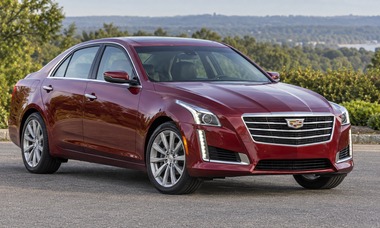
The Cadillac CTS can be an appealing used luxury car, offering distinctive styling, comfortable highway travel and more engaging handling than many buyers expect. But its reliability depends heavily on the year, engine, transmission and previous maintenance. A low purchase price can conceal repair costs that still reflect the car's original luxury-car equipment and complexity.
For U.S. buyers, the CTS spans 2003–2019, with three sedan generations and additional coupe, wagon and performance versions. Important concerns include early V6 timing-chain wear, certain AWD drivetrain failures, later eight-speed automatic transmission shudder, touchscreen problems and age-related suspension and cooling-system repairs.
Those problems do not apply equally to every CTS. The regular V6, turbocharged four-cylinder, twin-turbo V-Sport and V8-powered CTS-V have different ownership risks. Even within the same model year, choosing a different powertrain can change what you should inspect and how much you should budget.
This guide separates those differences so you can identify a worthwhile used CTS, recognize expensive warning signs and avoid carrying one generation's problems over to every other version.
In This Guide
- Overall Cadillac CTS reliability and potential lifespan
- Reliability and common problems by generation
- V6 timing chains, AWD failures and automatic transmission concerns
- CUE touchscreen problems and sunroof water leaks
- Reliability differences between the regular CTS, V-Sport and CTS-V
- Best years to consider and versions requiring more caution
- Maintenance, repair costs and higher-mileage buying decisions
Cadillac CTS Reliability Overview
A maintained CTS can provide many years of useful service, but I would approach it as a used luxury car requiring a repair reserve rather than as the cheapest way to obtain transportation. Some examples remain dependable at substantial mileage; others become expensive because several neglected systems need attention at once.
The early cars are now old enough that cooling-system condition, oil leaks, deteriorated rubber parts and previous repairs can matter as much as their original reliability reputation. The second generation adds important distinctions between rear-wheel drive and AWD, along with different V6 engines. The third generation brings better efficiency and newer equipment, but also turbocharged engines, more electronics and transmission concerns on applicable versions.
One encouraging point is that an expensive symptom does not always mean the entire component needs replacement. Certain second-generation AWD failures involve the connecting shafts between the transmission and transfer case. A damaged CUE touchscreen may be repairable without replacing every part of the infotainment system. Diagnosis matters before accepting a seller's explanation or assuming the largest possible repair bill.
However, the opposite is also true: a car that still starts and drives can have unresolved timing-chain codes, intermittent transmission shudder or water damage. Those are reasons to investigate before buying, rather than simply negotiating a small discount.
Cadillac CTS Reliability at a Glance
| Category | What Used Buyers Should Know |
|---|---|
| Model years covered | 2003–2019 U.S.-market CTS, including relevant coupe, wagon, V-Sport and CTS-V differences |
| Overall reliability | Highly dependent on powertrain, maintenance, age and previous repairs |
| Earlier V6 concern | Timing-chain wear deserves particular attention on older 2.8-liter and 3.6-liter engines |
| Second-generation AWD concern | Applicable early AWD cars can develop damaged transmission-to-transfer-case shaft connections |
| Later automatic transmission concern | Shudder on applicable GM eight-speed automatics, especially during light-throttle driving |
| Electronic concern | CUE touchscreen bubbling, cracking appearance and loss of touch response on equipped cars |
| Performance versions | V-Sport and CTS-V require separate evaluation, with greater repair exposure and more potential for hard use |
| Potential lifespan | 200,000 miles is possible; the financial practicality of reaching it depends on condition and major repairs |
| Most useful buying evidence | Detailed service invoices, a cold start, a thorough road test and inspection of the specific powertrain |
How Many Miles Can a Cadillac CTS Last?
A well-maintained Cadillac CTS can reach 200,000 miles, and some go beyond that, but I would not treat 200,000–250,000 miles as a lifespan every CTS will deliver economically. The engine may remain serviceable while transmission, suspension, electronics or cooling-system repairs make continued ownership expensive.
At 100,000 miles, maintenance history becomes particularly important. Ask about spark plugs, cooling-system work, transmission service and any timing-chain or drivetrain repairs. A car with documented work can be more attractive than a lower-mileage example with years of deferred maintenance.
At 150,000 miles, evaluate the whole car. Oil consumption, leaks, transmission behavior, differential noise, suspension wear and water intrusion can determine whether it still makes sense as everyday transportation.
At 200,000 miles, continued service is possible, but a low asking price should leave room for repairs. Reaching 250,000 miles is a favorable outcome for an individual car, rather than a reasonable promise to make about every engine and transmission combination.
For an older CTS, I would place more weight on how the car reached its present mileage than on the odometer alone. Regular oil changes, prompt attention to overheating and documented diagnosis of warning lights can make a substantial difference.
Cadillac CTS Reliability by Generation
First Generation: 2003–2007 Cadillac CTS

The 2003–2007 CTS introduced Cadillac's more athletic approach to the midsize luxury sedan. Regular models used rear-wheel drive, with manual and automatic transmissions available depending on year and engine.
The original 3.2-liter V6 was used in 2003–2004. A 3.6-liter V6 arrived for 2004, and a 2.8-liter V6 became the smaller-engine choice for 2005–2007. These are important distinctions: the 3.2-liter engine uses a timing belt, while the later 2.8-liter and 3.6-liter engines use timing chains.
The 2004–2007 CTS-V is a separate performance proposition, using a V8 and six-speed manual transmission. It should not be judged by the regular V6 car's timing-chain history, but its drivetrain, brakes, suspension and previous treatment require additional scrutiny.
Today, every first-generation CTS is an older vehicle. A well-kept example can still be comfortable and enjoyable, but even one with relatively modest mileage may need cooling-system, suspension, seal or electrical work simply because of age.
Common Problems on 2003–2007 Cadillac CTS Models
- Timing-chain concerns on the later V6 engines: Warning lights, camshaft-timing codes or abnormal engine noise require investigation. Certain 2007 cars were included in GM's historical timing-chain special coverage.
- Overdue timing-belt service on the 3.2-liter V6: A seller's statement that the engine “sounds fine” is not a substitute for documented belt service.
- Cooling-system deterioration: Radiators, hoses, water pumps and other aging components can leak or contribute to overheating.
- Automatic transmission problems: Delayed engagement, slipping, harsh shifts or contaminated fluid deserve diagnosis before purchase.
- Oil leaks and worn mounts: Leaks, vibration and deteriorated rubber components are increasingly relevant on cars of this age.
- Suspension and differential wear: Clunks, humming and vibration should be traced to their source rather than dismissed as normal Cadillac behavior.
- Recall history: Check the VIN for completed safety recalls, including applicable ignition-key campaigns.
Does an Older Cadillac CTS Have a Timing Belt or a Timing Chain?
The 2003–2004 CTS with the 3.2-liter V6 has a timing belt; the later 2.8-liter and 3.6-liter V6 engines use timing chains. That difference changes what maintenance records a buyer should request.
On the 3.2-liter car, verify the timing-belt replacement history against the maintenance schedule for that particular model year. Age matters as well as mileage. If the work cannot be documented, factor the necessary service into the purchase decision.
A timing chain is not normally replaced on the same scheduled basis as a timing belt, but it is not immune to wear. On the later V6 cars, oil-change history and evidence of timing-related diagnosis are particularly important.
Can a Coolant Leak Destroy the Transmission on an Older Cadillac CTS?
Yes. If an internal transmission-fluid cooler leaks between its coolant and transmission-fluid passages, coolant contamination can seriously damage an automatic transmission. This is different from an ordinary external radiator leak.
Reports involving older CTS automatics make contamination worth checking, but I would not label every 2003–2013 CTS as having the same defective radiator or a guaranteed transmission failure. The cooling arrangement and the actual source of contamination need to be established on the individual car.
Warning signs can include abnormal transmission operation and discolored or emulsified fluid. Visible fluid appearance alone is not a complete test, however. A technician may need to check for glycol contamination and inspect the cooler.
If coolant has entered the transmission, replacing the leaking radiator or cooler may not resolve damage already done to internal friction materials. Also, a broken internal transmission component, sometimes described as a waveplate failure, is a separate diagnosis and should not be combined with coolant contamination as though they were one problem.
Buyer Tip: On a first-generation CTS, identify the engine before judging its maintenance needs. For a 3.2-liter car, obtain timing-belt documentation; for the later V6 engines, review oil service and any timing-chain work. Inspect the cooling system carefully and investigate abnormal automatic transmission behavior.
Bottom Line: These cars can be inexpensive to buy, but their age makes condition more important than a simple best-year label. A maintained example with recent documented work can be worthwhile; a neglected luxury sedan can quickly consume its purchase-price savings.
Second Generation: 2008–2013 Cadillac CTS Sedan, With Later Coupe and Wagon Overlap
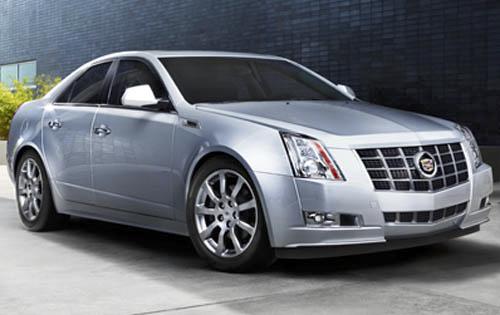
The second-generation CTS sedan ran from 2008–2013, bringing a more refined interior, improved handling and available AWD. The wagon arrived for 2010, and the coupe followed for 2011. The older-generation wagon continued through 2014, while the coupe continued through 2015.
That overlap matters when researching a used car. A 2014 CTS sedan belongs to the redesigned third generation, while a 2014 CTS coupe or wagon retains the previous architecture. A problem associated with the new sedan's equipment should not automatically be assigned to every CTS carrying the same model year.
Regular models offered several V6 configurations. Early cars included port-injected and direct-injected 3.6-liter engines; a 3.0-liter V6 became available for 2010. For 2012, the upgraded LFX 3.6-liter naturally aspirated V6 replaced the earlier direct-injected 3.6-liter version.
Later regular V6 cars are worth considering, but engine updates do not eliminate the need to inspect oil level, leaks, transmission behavior and service history. AWD adds another set of components, while the supercharged V8 CTS-V remains a substantially different buying decision.
Common Problems on Second-Generation Cadillac CTS Models
- V6 timing-chain wear: Earlier engines deserve particularly careful screening for timing codes, warning lights and questionable oil-service history.
- AWD shaft-connection damage on applicable early cars: Stripped splines between the transmission and transfer case can cause grinding or loss of forward and reverse movement.
- Differential and driveline noise: Humming, clunking or vibration may involve bearings, mounts, driveshaft components or other drivetrain parts.
- Sunroof water leaks: Blocked or disconnected drain hoses and other roof-system leaks can wet the headliner, carpets or trunk.
- Suspension and wheel-bearing wear: Road noise, looseness and uneven tire wear deserve a proper inspection.
- Oil leaks and cooling-system repairs: Age and mileage now make these important even on otherwise well-maintained examples.
- Expensive performance equipment on CTS-V models: Supercharger, differential, adaptive suspension and brake condition can materially change ownership costs.
Which Cadillac CTS Years Are Prone to Premature Timing-Chain Wear?
Earlier CTS models with the 2.8-liter and 3.6-liter V6 engines deserve the most careful timing-chain screening, with certain 2007–2009 cars specifically included in GM's historical special-coverage program. It would be misleading to treat every 2004–2014 CTS as having identical risk or warranty eligibility.
GM's program addressed premature timing-chain wear under certain operating conditions and the original oil-change intervals. It provided coverage for qualifying vehicles for 10 years or 120,000 miles from their original in-service date. That was historical coverage, not a warranty a typical buyer of one of these cars should expect to use today.
GM also issued timing-chain repair information covering additional CTS years and engines. A service bulletin's model list, however, is not proof that every listed car will fail, and it is not the same thing as an extended warranty.
Possible warning signs include a check-engine light and codes such as P0008, P0009 or P0016–P0019, which concern engine timing or the relationship between crankshaft and camshaft positions. Those codes need diagnosis; they do not prove chain wear by themselves. Abnormal startup noise is another reason to investigate.
For a used buyer, detailed oil-change records and an invoice for any previous chain repair are valuable. Ask what was replaced and whether the repair addressed the complete diagnosed problem. A seller saying “the timing was done” without documentation leaves too much uncertainty.
What Causes AWD Transfer-Case Failures on Some Cadillac CTS Models?
On applicable early second-generation AWD cars, the problem can be damaged splines—the interlocking teeth—where the transmission output shaft connects to the transfer-case input shaft. GM documented this condition on certain 2008–2010 CTS AWD applications.
The symptoms described in GM's service information include grinding when selecting a gear and no forward or reverse movement when attempting to pull away. The repair involves revised shaft components and attention to lubrication and alignment.
This distinction matters because GM noted that the transmission and transfer case often did not have damaged internal parts. A shaft-connection failure can still involve substantial labor, but it should not automatically be described as complete destruction of both units.
I would also avoid repeating the claim that this particular spline problem routinely locks the wheels. Grinding or loss of movement is the documented concern here. Binding during tight turns or a different driveline noise requires its own diagnosis.
Why Is the Carpet or Headliner Wet in a Cadillac CTS?
Sunroof drainage problems are one possible cause of wet carpets or headliners in a CTS, especially on older cars, but the leak needs to be traced rather than assumed. Drain hoses can become blocked or disconnected, and water can also enter through other seals or body openings.
The sunroof system is designed to collect and drain some water that passes the outer seal. A wet interior does not necessarily mean the glass itself needs replacement.
Inspect the headliner edges, pillars, front and rear carpets and trunk. A musty smell, staining or damp padding can reveal a problem even when the visible carpet surface feels dry. Ask whether previous repairs addressed the source and whether the interior was properly dried.
Water damage can affect wiring and electronic components, so I would not accept “it only leaks in heavy rain” as a harmless explanation. Drain testing and leak diagnosis should be performed carefully; aggressive compressed air can disconnect or damage hoses.
Buyer Tip: On a second-generation CTS, combine a cold engine start with a scan for stored codes, an extended road test and a check for water intrusion. On AWD cars, investigate grinding, loss of movement or driveline vibration before negotiating a price.
Bottom Line: A later, maintained regular V6 CTS can be an attractive used luxury car. Earlier timing-chain history, AWD condition and evidence of roof leaks can make the difference between a sensible purchase and an expensive project.
Third Generation: 2014–2019 Cadillac CTS Sedan
The 2014–2019 CTS sedan moved farther into the midsize luxury market, offering a lighter structure, strong handling and more modern technology. Regular models used a 2.0-liter turbocharged four-cylinder or a 3.6-liter naturally aspirated V6, with rear-wheel drive or AWD depending on configuration.
The V6 changed for 2016 to the LGX 3.6-liter naturally aspirated V6. Transmission choices also changed during this generation, making it important to identify the actual engine and automatic transmission rather than assuming every third-generation car has the same equipment.
The V-Sport used the LF3 3.6-liter twin-turbo V6 and an eight-speed automatic. The 2016–2019 CTS-V instead used the LT4 6.2-liter supercharged V8. These are different engines and different ownership propositions.
Later cars can avoid some of the older CTS concerns, but they introduce others. Touchscreen condition, automatic transmission behavior, turbocharged-engine health and expensive optional suspension equipment all deserve attention.
Common Problems on 2014–2019 Cadillac CTS Sedans
- CUE touchscreen deterioration: Bubbling, a cracked appearance, erratic inputs or an unresponsive screen can require hardware repair.
- Shudder on applicable GM eight-speed automatics: A rumble-strip sensation under light acceleration needs diagnosis and review of previous transmission work.
- Misfire and engine-damage concerns on some 2.0-liter turbo cars: A rough-running engine should not automatically be dismissed as needing only spark plugs or coils.
- Turbocharger and wastegate concerns on V-Sport models: Rattles, boost problems or warning lights require diagnosis specific to the twin-turbo engine.
- Rear-differential recall on certain 2014–2015 V-Sport cars: Confirm completion by VIN.
- Cooling-system leaks: Inspect the engine-specific cooling components and investigate any history of overheating.
- Adaptive suspension and other luxury equipment: Faults can be expensive even when the engine and transmission remain healthy.
Why Does a Cadillac CTS Shudder Like It Is Driving Over Rumble Strips?
On a CTS equipped with an applicable GM eight-speed automatic, a rumble-strip sensation during light-throttle driving can be related to torque-converter-clutch shudder. GM issued service procedures addressing this condition on applicable 2016–2019 CTS models.
The torque-converter clutch helps reduce slippage during steady driving. When its operation becomes unstable, the driver may feel a vibration even on a smooth road. GM's bulletin describes the concern at road speeds under light throttle.
Other problems—including an engine misfire, tire issue or driveline vibration—can feel similar. A technician should establish the cause before recommending a fluid procedure, torque converter or complete transmission.
The V-Sport's Aisin eight-speed automatic is a different transmission from the GM eight-speed units addressed by that shudder bulletin. Do not assume every CTS with eight forward gears has the same problem or repair procedure.
During a used-car test drive, include steady road-speed driving and gentle acceleration after the transmission warms up. Ask for invoices showing exactly what previous transmission work involved and whether the symptom returned.
How Do You Fix a Bubbling or Unresponsive Cadillac CUE Touchscreen?
A CUE screen that visibly bubbles or appears cracked beneath the surface can have physical display-layer deterioration, which a software update will not repair. Cadillac documented this condition on equipped CTS models.
CUE stands for Cadillac User Experience, the car's infotainment interface. Screen deterioration can affect touch response and make features difficult to operate, even if the system still displays information.
The repair depends on the failed component. Options may include a replacement touchscreen or a larger display/control assembly, with different costs and warranty terms. A blank screen, random reboot or connection problem can have another cause, so those symptoms should not all be diagnosed as delamination.
Before buying, test the entire screen, including its edges, and check audio, navigation if equipped, phone pairing and the backup-camera display. Inspect the screen with the system both on and off, because surface-layer damage can be easier to see in changing light.
Is the Cadillac CTS 2.0 Turbo Engine Reliable?
The 2.0-liter turbo can be a useful, efficient choice, but a used example needs careful screening for misfires, oil use and previous internal engine repairs. GM issued diagnostic information addressing piston damage and related running problems on applicable cars.
A flashing check-engine light, persistent rough idle or weak acceleration should not be explained away without testing. Ignition faults are possible, but compression and leak-down testing may be needed when the symptoms suggest an internal problem.
GM also documented ignition-related concerns on certain later applications. This reinforces why diagnosis matters: two cars with similar misfire symptoms can require very different repairs.
I would favor a stock car with consistent oil service and clear repair records over one with undocumented tuning. The small engine's fuel-economy advantage does not compensate for buying an example with unresolved engine trouble.
What Are the Common Mechanical Concerns on the Cadillac CTS V-Sport?
The V-Sport's principal buying concerns are the condition of its twin-turbo engine, cooling system, transmission and rear differential, along with evidence of modification or hard use. It is a more complex car than a regular naturally aspirated V6 CTS.
Its engine is the 3.6-liter twin-turbo V6, not a 3.5-liter engine. The LF4 engine sometimes mentioned in discussions belongs to the ATS-V and should not be substituted for the V-Sport's LF3 engine.
GM issued service information about wastegate-related rattles on applicable twin-turbo cars. A wastegate regulates exhaust flow through a turbocharger, and a rattle can involve its mechanism or nearby hardware. Noise alone does not establish that both turbochargers need replacement.
Direct-injection intake deposits are another possible diagnostic consideration when a car runs poorly, but I would not call carbon buildup an inevitable V-Sport failure. Misfires, hesitation and reduced power require testing for the actual cause.
Certain 2014–2015 V-Sport cars were recalled because rear-differential components could fail and allow the differential to seize. Confirm the VIN's recall history rather than assuming that every V-Sport was affected or that the work was completed.
Is a Cadillac CTS-V as Reliable as a Regular CTS?
A CTS-V can be durable, but its maintenance needs, repair costs and likelihood of hard use make it a different buying decision from a regular CTS. The V8 engines also mean that ordinary V6 timing-chain concerns should not be applied indiscriminately to it.
First-generation cars use naturally aspirated V8 engines and a manual transmission. Second-generation cars use a supercharged 6.2-liter V8 with manual or automatic transmission choices, while the third-generation CTS-V uses a different supercharged 6.2-liter V8 and an automatic.
Inspect the differential, clutch where fitted, cooling systems, brakes and suspension. On cars equipped with Magnetic Ride Control, Cadillac's electronically controlled adaptive shock absorbers, verify that the system works properly and check for leaking dampers.
Modifications deserve particular attention. More power can increase stress on supporting components, and a return to stock appearance does not erase previous use. A specialist inspection is especially valuable on a CTS-V or V-Sport.
Buyer Tip: On a third-generation sedan, test the CUE screen thoroughly and drive far enough to evaluate the warmed-up transmission. Identify which automatic is fitted, investigate any misfire and verify the differential recall on applicable V-Sport cars.
Bottom Line: The final CTS generation offers an appealing combination of comfort and handling, but powertrain and equipment selection still matter. A maintained regular V6 car can be a more manageable ownership proposition than a neglected turbocharged or performance version, even when their asking prices are similar.
What Are the Best Cadillac CTS Years to Buy?
For an ordinary used-car buyer, I would start with a well-maintained 2012–2013 CTS 3.6-liter V6 or a later 2017–2019 CTS 3.6-liter V6. These are sensible shopping starting points, rather than a guarantee that every car in those groups is reliable.
The 2012–2013 cars offer the updated second-generation 3.6-liter engine and can be attractive if you prefer the older design. The 2017–2019 sedans provide a newer interior, updated V6 and less age-related deterioration, but their applicable eight-speed automatic transmission still needs careful evaluation.
For either group, rear-wheel drive reduces the number of drivetrain components compared with AWD. That can make it a useful choice when AWD is unnecessary for your driving conditions.
| Years or Version | Why I Would Consider It |
|---|---|
| 2012–2013 CTS 3.6-liter V6 sedan | Updated engine in the established second-generation design; inspect for leaks, drivetrain noise and water intrusion |
| Later second-generation 3.6-liter coupe or wagon | Worth considering for buyers wanting these body styles; identify the generation and inspect age-related condition carefully |
| 2017–2019 CTS 3.6-liter V6 sedan | Newer V6 and more modern equipment; confirm smooth transmission operation and a fully working CUE system |
| Maintained rear-wheel-drive regular CTS | A simpler drivetrain choice when AWD is unnecessary |
| Documented V-Sport or CTS-V | Potentially rewarding for an enthusiast with an appropriate repair budget; requires inspection specific to the performance version |
I would not automatically reject a maintained car outside these groups. An older CTS with documented repairs can be preferable to a newer example with an unresolved misfire, transmission shudder or evidence of overheating.
Buyer Tip: Use model year to narrow the search, then let the actual powertrain, service records and inspection determine which car deserves your money.
Which Cadillac CTS Years Should You Avoid?
The CTS models requiring the most caution are earlier V6 cars with questionable timing-chain history, applicable early second-generation AWD cars with drivetrain symptoms, and third-generation cars with unresolved transmission or engine problems. I would avoid the individual problem car rather than declare every CTS from a particular year unsuitable.
| Years or Condition | Reason for Extra Caution |
|---|---|
| 2003–2004 3.2-liter V6 without timing-belt records | Unknown scheduled belt maintenance adds an immediate service concern |
| Earlier 2.8-liter and 3.6-liter V6 cars, especially certain 2007–2009 models | Timing-chain wear history; historical special coverage should not be mistaken for current protection |
| Applicable 2008–2010 AWD cars with grinding or loss of movement | Possible damage at the transmission-to-transfer-case shaft connection |
| 2014–2019 2.0-liter turbo cars with persistent misfires | Diagnosis must distinguish ignition faults from compression loss or internal engine damage |
| Applicable 2016–2019 GM eight-speed cars with shudder | Determine whether previous fluid or torque-converter work resolved the problem |
| Certain 2014–2015 V-Sport cars with an open differential recall | Arrange completion of the applicable safety recall before purchase and use |
| Any CTS with overheating, water damage or undocumented modifications | Potential repair exposure can extend beyond the symptom visible during a short test drive |
A first-year redesign deserves careful research, but being a 2008 or 2014 model is not enough by itself to prove a particular car is bad. Conversely, a desirable later year does not excuse warning lights, neglected fluid levels or an incomplete history.
Bottom Line: An unresolved major symptom is a stronger reason to walk away than the model year alone. If the seller will not allow proper diagnosis, there are other cars to consider.
Which Cadillac CTS Engine Would I Choose for Long-Term Ownership?
For most buyers balancing performance and repair exposure, I would favor a maintained later naturally aspirated 3.6-liter V6. “Naturally aspirated” means it produces power without a turbocharger or supercharger.
This preference avoids the additional turbocharger equipment of the 2.0-liter turbo and V-Sport, while still providing ample power. It does not make every 3.6-liter engine equally desirable: the earlier V6 timing-chain history and subsequent engine changes remain important.
Older 3.2-Liter V6
The 2003–2004 3.2-liter engine can still serve a buyer who finds a particularly well-maintained car, but timing-belt documentation and the vehicle's age are central considerations. I would not choose one simply because it avoids the later V6 timing-chain reputation.
Earlier 2.8-Liter and 3.6-Liter V6 Engines
These require careful attention to oil-service records, oil level and timing-related repairs. A documented chain repair can improve the buying picture, but it does not guarantee the rest of an aging car is healthy.
Later Naturally Aspirated 3.6-Liter V6 Engines
The updated second-generation 3.6-liter engine and the newer V6 introduced for 2016 are reasonable starting points for a regular CTS purchase. Inspect cooling-system condition, leaks and transmission operation rather than assuming the engine choice settles the entire reliability question.
2.0-Liter Turbocharged Four-Cylinder
The 2.0-liter turbo can make sense for a buyer who values fuel economy and finds a stock, maintained example. However, unresolved misfires, unexplained oil consumption or undocumented tuning would make me considerably more cautious.
V-Sport and CTS-V Engines
The twin-turbo V-Sport and V8 CTS-V are enthusiast choices. Their extra performance can be worth the ownership expense, but they are not the versions I would recommend to someone stretching a limited budget to buy a Cadillac.
Buyer Tip: Choose the powertrain for the ownership costs you can comfortably support. A performance model's depreciation can lower its asking price without lowering the cost of its specialized parts.
Is a Rear-Wheel-Drive Cadillac CTS More Reliable Than AWD?
Rear-wheel drive has fewer drivetrain components and can reduce repair exposure, but it does not automatically make a neglected CTS reliable. AWD adds a transfer case, front drive components and additional seals and bearings that may eventually need attention.
On applicable early second-generation AWD cars, review the shaft-connection concern discussed earlier. Later AWD cars have their own maintenance and inspection needs and should not be assigned the same failure history indiscriminately.
Check for leaks, driveline vibration and abnormal noises. Also inspect the tires: mismatched sizes or substantially different wear can be problematic for an AWD system. Follow the tire requirements for the particular vehicle.
If you do not need AWD, a rear-wheel-drive CTS can be a sensible way to simplify ownership. If you do need it, buy on condition and records rather than assuming the AWD badge is either a guarantee of capability or a reason to reject the car.
Are Cadillac CTS Coupes and Wagons Reliable?
The regular CTS coupe and wagon share many of their mechanical concerns with the second-generation sedan, but their body-specific equipment needs separate inspection. Their later model years should not be confused with the redesigned third-generation sedan.
Inspect coupe door and window operation, seals and interior trim. On a wagon, test the liftgate equipment where fitted and check the cargo area for water intrusion. On either body style, verify sunroof operation and inspect for dampness.
For V-series versions, apply the additional performance-car checks discussed earlier. A CTS-V wagon is a specialized enthusiast purchase, with a very different ownership proposition from a regular V6 wagon.
Mechanical service parts may be shared with other applications, but some body panels, trim pieces and model-specific equipment can be harder to source. Before buying a car with missing or damaged specialty parts, confirm availability and installed cost.
Cadillac CTS Maintenance and Repair Costs
Routine CTS maintenance can be manageable, but timing-chain work, drivetrain repairs and luxury equipment failures can produce substantial bills. Costs vary considerably between a regular V6 car and a V-Sport or CTS-V.
The following are broad U.S. budgeting ranges for professional service. They help show the scale of a repair rather than predict what every shop will charge.
| Maintenance or Repair | Typical Budgeting Range |
|---|---|
| Oil and filter change | $80–$160+ |
| Brake pads and rotors, one axle on a regular CTS | $450–$1,000+ |
| Spark plug replacement | $170–$600+ depending on engine and access |
| 2003–2004 3.2-liter timing-belt service | $1,000–$1,600+ depending on related components replaced |
| V6 timing-chain repair | $2,200–$4,000+ depending on repair scope |
| Water pump replacement | $750–$1,600+ depending on engine and year |
| Wheel bearing or hub replacement, one wheel | $400–$850+ |
| Engine mount replacement | $500–$1,000+ depending on mount and access |
| Conventional shocks, struts or substantial suspension work | $800–$2,000+ depending on components and scope |
| Magnetic Ride Control shock replacement | $1,000–$2,500+ per pair, potentially more with original-equipment parts |
| Automatic transmission fluid service | $250–$500+; an applicable shudder procedure may cost more |
| CUE touchscreen repair or screen replacement | $300–$800+ through an independent specialist |
| Larger CUE display/control assembly replacement | $1,200–$2,000+ depending on parts and programming |
| Sunroof drain diagnosis and minor repair | $150–$600+; housing repairs or water damage can cost much more |
| AWD shaft-connection or transfer-case repair | $2,000–$5,000+ depending on diagnosis and components required |
| Differential repair or replacement | $1,500–$4,000+; performance versions may cost more |
| Major automatic transmission repair or replacement | $4,000–$7,500+ |
| Engine replacement on a regular CTS | $5,000–$10,000+ depending on engine and replacement source |
These figures are broad budgeting ranges rather than repair quotes. Labor rates, location, model year, engine, parts choice and whether the work is performed by a Cadillac dealer or an independent specialist can substantially change the final cost. Taxes, diagnostic charges and additional damage may increase the total.
V-Sport and CTS-V repairs can exceed the regular-model ranges, particularly for engines, turbochargers or superchargers, brakes and specialized suspension equipment. Obtain a quote for the exact version before assuming an ordinary CTS estimate applies.
Applicable safety recall repairs are generally performed without charge. Do not confuse a recall with a service bulletin or an expired special-coverage program; those have different implications for who pays.
Are Cadillac CTS Repair Costs Too High for an Inexpensive Used Car?
They can be, especially when the purchase price leaves no room for an unexpected repair. A inexpensive CTS may still need several thousand dollars of work on components designed for a luxury or performance car.
Consider the combined condition of the car. One needed repair may be reasonable on an otherwise excellent example. A car needing timing-chain work, tires, suspension repairs and a touchscreen at the same time presents a different financial decision.
Recent documented repairs have value, but their quality and scope matter. An invoice identifying the parts and diagnosis is more useful than a seller's claim that “everything has been replaced.”
Buyer Tip: On an inexpensive older CTS, a seller who has already paid for cooling-system work, brakes, tires, suspension repairs or properly diagnosed timing-chain work may be offering a better purchase than a lower-mileage car that needs all of those items soon.
Bottom Line: Buy the car and its likely maintenance needs together. If a single $2,000–$3,000 repair would make ownership unmanageable, a simpler vehicle is probably a better fit.
What Maintenance Does a Cadillac CTS Need After 100,000 Miles?
After 100,000 miles, the priority is to identify overdue scheduled service and developing problems before they become major repairs. There is no single maintenance package that applies to every CTS engine and transmission.
- Review the exact maintenance schedule: Check spark plugs, coolant, transmission service and other items against the owner's manual and existing invoices.
- Monitor engine oil: Check the level between changes, investigate consumption or leakage and use the specified oil.
- Inspect the cooling system: Address leaks, abnormal temperature behavior and deteriorated hoses promptly.
- Evaluate drivetrain fluids and leaks: Include the transmission and differential, plus the additional components on AWD cars.
- Inspect suspension and mounts: Worn parts can produce vibration, clunks and poor tire wear even when the powertrain is healthy.
- Check for water intrusion: Inspect sunroof drainage and investigate damp carpets or a musty interior.
Do not order a transmission flush solely because the odometer passed a round number. Establish the unit's condition and history, then use the service procedure and fluid appropriate to that transmission. A fluid service is not a cure for mechanical damage.
Similarly, timing chains do not have a universal replacement interval. Warning lights, abnormal noise and test results should guide diagnosis. The timing belt on the older 3.2-liter engine is a separate scheduled-maintenance item.
Should You Buy a Cadillac CTS With Over 100,000 or 150,000 Miles?
A CTS with over 100,000 miles can be worth buying when its history and condition support the price. At 150,000 miles or more, I would become increasingly selective about unresolved problems and the amount of recent maintenance.
A 120,000-mile car with documented service, dry interior, smooth transmission and healthy cooling system can be preferable to an 80,000-mile example with years of neglect. Low mileage does not prevent age-related deterioration.
At 150,000 miles, ask what has already been repaired and what remains original. Original suspension, cooling components and drivetrain parts may still work, but their future replacement belongs in the budget.
I would be cautious about a higher-mileage turbocharged or performance version without detailed records. It can be an enjoyable purchase for an informed owner, but it is less suitable when dependable low-cost transportation is the main requirement.
How Long Does a Cadillac CTS Automatic Transmission Last?
A CTS automatic can remain serviceable beyond 150,000 miles, and some reach 200,000 miles or more, but there is no dependable mileage at which every unit will need replacement. The CTS used different transmissions, so a single lifespan claim would be misleading.
The vehicle's potential to reach 200,000 miles does not mean its original transmission will do so without repairs. Fluid condition, operating history, overheating, contamination and previous work all affect the outcome.
At higher mileage, evaluate engagement from Park, ordinary shifts, light-throttle cruising and operation after warming up. Slipping, delayed response, shudder or unusual noise should be diagnosed before buying.
Ask whether previous work involved fluid service, a torque converter, internal repair or replacement of the complete unit. Those are different repairs with different implications for the transmission's present condition.
Would I Buy a Cadillac CTS With 200,000 Miles?
Only if its condition, documentation and price leave room for repairs—and I would be more interested in a regular, maintained example than an unknown-history performance car. At this mileage, the entire vehicle needs to justify the purchase.
A sound engine is not enough if the transmission, differential, suspension and electronics all need work. Conversely, a car with substantial documented maintenance may still provide useful service.
For someone needing transportation with minimal financial surprises, a 200,000-mile CTS would rarely be my first recommendation. For a knowledgeable buyer who understands the car and can absorb repairs, it may still make sense.
Cadillac CTS Used-Car Inspection Checklist
These are the CTS-specific checks I would prioritize before making a purchase decision:
- Identify the exact engine, transmission and body generation: This is especially important for 2014–2015 coupes and wagons, eight-speed transmission applications and V-Sport versus CTS-V.
- Check timing-related history: Verify belt service on the 3.2-liter engine, and investigate cold-start noise or timing codes on applicable V6 cars.
- Evaluate the warmed-up drivetrain: Look for transmission shudder, delayed engagement, AWD grinding and differential noise.
- Test the CUE system and inspect for water damage: Check every area of the touchscreen, carpets, headliner and trunk.
- Investigate misfires, oil use and cooling problems: Give particular attention to turbocharged engines and any evidence of overheating.
- Verify recalls and performance-car condition: Check applicable ignition and V-Sport differential campaigns, modifications, adaptive dampers and specialized brake equipment.
A specialist familiar with the CTS can help distinguish an inexpensive repair from a major powertrain concern. That distinction is especially valuable when a seller has already offered an explanation for a warning light or vibration.
Cadillac CTS Pros and Cons
| Pros | Cons |
|---|---|
| Engaging handling and strong highway manners | Repair costs can remain substantial after the car depreciates |
| Distinctive styling and appealing luxury equipment | Older electronics and interior equipment can require expensive repairs |
| Several engine and drivetrain choices | Reliability research must match the exact powertrain |
| Coupe, wagon and performance versions add variety | Some body-specific and performance parts can be costly or harder to source |
| Later regular V6 cars can offer an attractive compromise | Transmission condition still deserves careful inspection |
| Capable of substantial mileage when maintained | Multiple repairs can make an inexpensive high-mileage example uneconomical |
Cadillac CTS Alternatives to Consider
BMW 5 Series: The BMW 5 Series is a natural comparison for buyers wanting a sporty midsize luxury sedan. Engine and generation selection are important, and an inexpensive example still needs a realistic maintenance budget.
Audi A6: The Audi A6 offers another approach to a refined luxury sedan, often with AWD. Research its exact engine and transmission rather than assuming the badge alone settles the reliability question.
Lexus ES: A Lexus ES is worth considering if comfort and predictable everyday ownership matter more than the CTS's handling or performance variants. It serves a somewhat different buyer, but it belongs on the list when evaluating whether a used luxury car suits your needs. See the used Lexus overview for model-specific considerations.
BMW 3 Series: If the earlier CTS appeals to you and you do not need the later sedan's size, the BMW 3 Series is another useful comparison. Its engines and generations also have distinct reliability histories.
Final Verdict: Is a Used Cadillac CTS Worth Buying?
A used Cadillac CTS can be worth buying when you want an enjoyable luxury car and can support its maintenance needs. It is less convincing when the main attraction is an unusually low asking price and there is little money left for repairs.
For a regular used-car purchase, I would begin with a maintained later naturally aspirated 3.6-liter V6. The 2012–2013 sedan and 2017–2019 V6 sedan are useful starting points, with the understanding that the newer car's transmission and electronics still need attention.
Earlier V6 cars require careful timing-chain research. Applicable early AWD cars need scrutiny of the transmission-to-transfer-case connection. Third-generation cars need a working CUE screen, smooth drivetrain and proper diagnosis of any misfire. V-Sport and CTS-V models deserve a separate enthusiast-level evaluation.
The best CTS is the one whose condition and records support both its purchase price and your ownership budget. Paying more for a well-maintained example can be the better decision than buying a cheaper car with several unresolved problems.
Your Trade-In
It's good to always know the value of your trade-in while you're evaluating your next possible purchase. Here's a good source for a quick and accurate appraisal: free trade-in appraisal.
What's Next?
If You You May Be Buying Soon
If you may be buying a used car soon, see how to identify the dealerships most motivated to get your sale, and therefore most ready to lower their price more than the rest. This is often the difference between getting a good price and getting a great one.
You'd Consider A New Car If ...
Would "new" be worth a look if you could buy close to or even below invoice, or at least at the best possible price even when demand is high?