

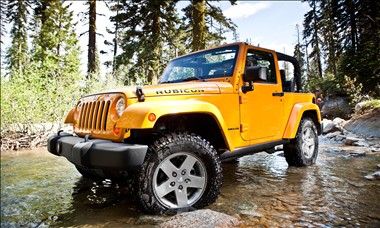
The Jeep Wrangler is unlike almost any other SUV on the market. It combines genuine off-road capability with removable doors and roof panels, exceptional aftermarket support, and a loyal owner community. Whether you're looking for a weekend trail vehicle or a daily driver with plenty of personality, the Wrangler delivers an experience few competitors can match.
Buying a used Wrangler, however, requires a different approach than buying a typical SUV. Two Wranglers with identical mileage can have dramatically different levels of wear depending on how they were maintained, modified, and driven. A carefully maintained 150,000-mile example can easily outlast a neglected 70,000-mile vehicle that spent years tackling difficult trails.
This guide covers every Jeep Wrangler from the 2007–2023 model years, highlighting the most reliable generations, common problems, expected maintenance costs, and the model years that offer the best long-term value.
In This Guide, You'll Learn
- Which Wrangler generations have the strongest reliability record.
- How the available engines compare for long-term ownership.
- The most common mechanical problems and what they cost to repair.
- Which model years deserve extra inspection before buying.
- How long a Wrangler can realistically last.
- What maintenance to expect after 100,000 miles.
- How modifications affect reliability and resale value.
- What to inspect before buying any used Wrangler.
- Which Wrangler is the best choice for different types of buyers.
Relative Reliability: Also, if you'd like to learn if the Wrangler ranks among the top SUVs for reliability, and how others rank, be sure to read our Most Reliable Vehicles Guide: Best Models & Years. This comprehensive guide on cars, trucks, and SUVs, highlights the best years to buy or avoid, common problems, potential maintenance costs, and more, and will likely help you make the right choice to meet your needs.
Whether you're considering an affordable early JK, a well-equipped late JK, or a newer JL, understanding the differences between each generation can save thousands of dollars and help you choose the Wrangler that's right for you.
Jeep Wrangler Reliability Overview
The 2007–2023 Wrangler earns an above-average reliability reputation overall, but dependability varies considerably depending on the engine, maintenance history, and previous use. Unlike many SUVs, Wranglers are frequently modified with lift kits, oversized tires, aftermarket bumpers, winches, and other off-road accessories. While these upgrades improve capability, they can also increase wear on steering, suspension, brakes, wheel bearings, and driveline components.
Fortunately, the Wrangler remains mechanically simpler than many modern SUVs. Its body-on-frame construction, solid axles, conventional four-wheel-drive system, and rugged driveline make repairs relatively straightforward. Parts are widely available, aftermarket support is unmatched, and nearly every independent repair shop is familiar with Wrangler maintenance.
Engine choice also makes a noticeable difference. Early 3rd gen models equipped with the 3.8-liter V6 generally require more maintenance and deliver less performance than later models powered by the 3.6-liter Pentastar V6. Beginning with the 4th generation, Jeep expanded the lineup with the 2.0-liter turbocharged engine, EcoDiesel, 392 V8, and 4xe plug-in hybrid, each with its own strengths and ownership considerations.
Perhaps the biggest reliability factor, however, is previous ownership. A Wrangler used primarily on pavement often ages exceptionally well, while one that spent years rock crawling, mud bogging, or running oversized tires may require significantly more suspension and steering work despite having relatively low mileage.
Jeep Wrangler Reliability at a Glance
- Overall Reliability: Above average, with later 3rd generation and 4th generation models earning the strongest reputation.
- Best Used Years: 2015–2018 JK and 2019–2023 JL (especially with the 3.6-liter Pentastar V6).
- Years Requiring Extra Inspection: 2007–2008, 2012, first-year 2018 JL models, and early 4xe models.
- Most Reliable Engine: 3.6-liter Pentastar V6.
- Expected Lifespan: 200,000–250,000+ miles with proper maintenance.
Buyer Tip: Maintenance records are usually more important than mileage. A stock or lightly modified Wrangler with documented service history is almost always a safer purchase than a lower-mileage vehicle with unknown modifications or evidence of heavy off-road use.
Overall, buyers seeking the best balance of reliability, comfort, and ownership costs will usually find the strongest value among well-maintained 2015–2018 models and naturally aspirated 2019–2023 models equipped with the 3.6-liter Pentastar V6.
Possibly Buying Soon? Know What the Dealer Knows
Before you sign, learn:
- What you don't know about dealer trade-in offers could cost you - Which dealer fees you must pay, can negotiate, or should avoid - How to avoid giving the dealer the upper hand on a used car price - How to avoid overpaying for a new car
Reliability by Generation
Although the Wrangler's iconic styling changed only gradually between 2007 and 2023, Jeep made significant improvements underneath. Better engines, improved transmissions, stronger chassis components, and more refined interiors all contributed to higher owner satisfaction over time.
Understanding these generation differences is one of the most important steps toward choosing the right used Wrangler.
Third Generation (JK, 2007–2011)
Generation at a Glance
- Production Years: 2007–2011
- Primary Engine: 3.8-liter V6
- Transmissions: 6-speed manual or 4-speed automatic
- Overall Assessment: Solid budget choice, but less desirable than later JK models.
- Best For: Buyers seeking the lowest purchase price.
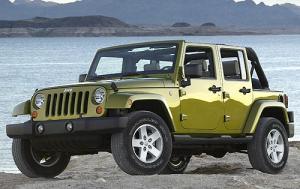
The 2007 Wrangler introduced the 3rd generation and marked one of the biggest redesigns in the model's history. Most importantly, Jeep introduced the four-door Unlimited model, transforming the Wrangler from a niche off-road vehicle into an SUV that many families could comfortably use every day.
Ride quality improved, the interior became more practical, and highway manners were noticeably better than earlier Wranglers. These changes helped broaden the Wrangler's appeal without sacrificing its legendary off-road capability.
The biggest weakness of early JK models is the 3.8-liter V6. While generally durable, it delivers modest performance, particularly in four-door Unlimited models or vehicles fitted with larger tires. As mileage increases, oil consumption also becomes more common.
Strengths
- Simple mechanical design.
- Excellent aftermarket support.
- Strong body-on-frame construction.
- Capable four-wheel-drive systems.
- Affordable purchase prices.
- Excellent resale value.
Things to Watch
- Underpowered 3.8-liter V6.
- Increasing oil consumption with higher mileage.
- Outdated 4-speed automatic transmission.
- Water leaks around removable tops.
- Rust on frames in northern climates.
- Suspension wear on heavily modified vehicles.
Buyer Tip: A stock Wrangler with complete maintenance records is usually a far better purchase than a heavily modified example. Lift kits and oversized tires often accelerate wear on steering and suspension components.
For budget-minded buyers, a well-maintained 2009–2011 Wrangler can still provide many years of dependable service. However, the biggest improvement to the 3rd generation arrived for 2012, when Jeep introduced the much more capable 3.6-liter Pentastar V6.
Third Generation (JK, 2012–2018)
Generation at a Glance
- Production Years: 2012–2018
- Primary Engine: 3.6-liter Pentastar V6.
- Transmissions: 6-speed manual or 5-speed automatic.
- Overall Assessment: The reliability sweet spot for most used Wrangler buyers.
- Best For: Buyers seeking the best balance of value, durability, and capability.
The 2012 model year transformed the Wrangler. Jeep replaced the aging 3.8-liter V6 with the far more capable 3.6-liter Pentastar V6, giving the Wrangler substantially better acceleration, smoother highway performance, and improved long-term reliability.
The new five-speed automatic transmission also made a noticeable difference. It shifted more smoothly, kept the engine in its power band more effectively, and made everyday driving considerably more enjoyable.
Why Buyers Prefer the 2012–2018 JK
- Much stronger 3.6-liter Pentastar V6.
- Better five-speed automatic transmission.
- Improved fuel economy.
- More refined interior.
- Excellent parts availability.
- Outstanding aftermarket support.
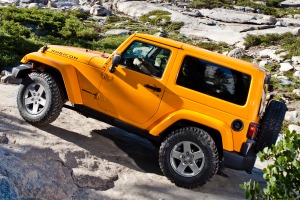
Jeep continued refining the this generation throughout its production run. Interior materials improved, electronics became more reliable, noise insulation increased slightly, and overall build quality became more consistent. These changes may seem minor individually, but together they make later models feel noticeably more polished than the 2007–2011 versions.
For many shoppers, the 2015–2018 Wrangler represents the best value in the entire 2007–2023 lineup. By this point, the Pentastar engine had established an excellent reliability record, most early production issues had been resolved, and purchase prices remain considerably lower than comparable 3rd gen models.
Strengths
- Excellent long-term engine reliability.
- Strong resale value.
- Simple mechanical design.
- Comfortable enough for daily driving.
- Exceptional off-road capability.
- Lower repair costs than many newer SUVs.
Things to Watch
- Suspension wear on lifted vehicles.
- Oil cooler housing leaks.
- Water leaks around removable tops.
- Steering wear on high-mileage examples.
- Rust in northern climates.
Buyer Tip: A completely stock 2015–2018 Wrangler with documented maintenance is one of the safest used Wrangler purchases you can make.
Fourth Generation (JL, 2018–2023)
Generation at a Glance
- Production Years: 2018–2023
- Available Engines: 3.6-liter Pentastar V6, 2.0-liter turbocharged inline-four, 3.0-liter EcoDiesel V6, 6.4-liter HEMI V8, and 4xe plug-in hybrid.
- Transmissions: 6-speed manual or 8-speed automatic.
- Overall Assessment: The most refined Wrangler generation covered in this guide.
- Best For: Buyers wanting modern comfort without sacrificing capability.
The 4th generation may look similar to the 3rd, but underneath it received significant engineering improvements. Jeep strengthened the chassis, reduced weight through greater use of aluminum, improved steering precision, upgraded the interior, and introduced several new powertrains.
The result is a Wrangler that remains exceptionally capable off-road while becoming much easier to live with every day.
Major Improvements
- Much quieter cabin.
- Improved ride quality.
- More precise steering.
- Excellent eight-speed automatic transmission.
- Higher-quality interior.
- Expanded engine lineup.
The eight-speed automatic transmission deserves particular praise. It is one of the best automatic transmissions ever fitted to a Wrangler, providing smooth shifts, excellent reliability, lower highway engine speeds, and improved fuel economy.
The JL also introduced several new engines, including the efficient 2.0-liter turbocharged four-cylinder, the torque-rich EcoDiesel, the high-performance Wrangler 392, and the innovative 4xe plug-in hybrid. While these options broadened the Wrangler's appeal, they also introduced additional complexity compared with the naturally aspirated Pentastar V6.
Strengths
- Most comfortable Wrangler to date.
- Excellent 8-speed automatic transmission.
- Improved fuel economy.
- Better highway manners.
- Outstanding resale value.
- World-class off-road capability.
Things to Watch
- Higher purchase prices.
- More electronic systems.
- Some first-year software issues.
- Greater complexity on hybrid and diesel models.
- Wind noise remains higher than conventional SUVs.
Buyer Tip: If your budget allows, a 2019–2023 with the 3.6-liter Pentastar V6 offers the best combination of refinement, reliability, and long-term ownership costs.
How the Wrangler Improved Over Time
Each Wrangler generation brought meaningful improvements without abandoning the vehicle's core character. Rather than completely redesigning the Wrangler, Jeep steadily refined the platform while preserving its legendary off-road capability.
| Generation | Biggest Improvements |
|---|---|
| 2007–2011 | Introduced four-door Unlimited, improved comfort and practicality. |
| 2012–2018 | New 3.6-liter Pentastar V6, better automatic transmission, improved refinement. |
| 2018–2023 | Stronger chassis, improved interior, eight-speed automatic, additional engine choices. |
Reliability has generally improved over time, but there is an important exception. As Jeep added turbocharging, hybrid technology, diesel emissions systems, and more sophisticated electronics, some powertrains became more complex to maintain. Buyers seeking maximum long-term simplicity will usually be happiest with the naturally aspirated 3.6-liter Pentastar V6.
Regardless of generation, previous ownership remains one of the biggest indicators of future reliability.
Wrangler Ownership Matters More Than Mileage
- A stock Wrangler often ages much better than a heavily modified one.
- Regular differential, transfer case, and transmission fluid changes are important.
- Quality lift kits are far preferable to inexpensive aftermarket setups.
- Frequent off-road use accelerates suspension and steering wear.
- Complete service records add significant value.
Bottom Line: The later 3rd and 4th generations are unquestionably the strongest choices for most buyers, but condition and maintenance history remain more important than the model year alone. A well-maintained Wrangler that has been responsibly owned will almost always be a better purchase than a neglected vehicle with fewer miles.
Reliability by Engine
Engine choice has a significant impact on long-term Wrangler ownership. Some engines prioritize simplicity and proven durability, while others offer better performance or fuel economy at the cost of added complexity.
For most buyers, one engine clearly stands above the rest.
Engine Reliability at a Glance
- 3.8-liter V6 (2007–2011): Reliable but underpowered. A reasonable budget choice with good maintenance records.
- 3.6-liter Pentastar V6 (2012–2023): The best overall choice for reliability, performance, and affordable repairs.
- 2.0-liter Turbocharged Inline-Four (2018–2023): A strong daily-driver engine with good torque and encouraging reliability.
- 3.0-liter EcoDiesel V6 (2020–2023): Best for towing and highway mileage, but more expensive to maintain.
- 6.4-liter HEMI V8 (2021–2023): Strong reliability and exceptional performance, with high operating costs.
- 4xe Plug-in Hybrid (2021–2023): Efficient and powerful, but more complex and without the Pentastar’s long-term track record.
3.8-liter V6 (2007–2011)
The 3.8-liter V6 has a reputation for modest performance rather than poor reliability. While it struggles to move heavier four-door Wranglers, it has proven durable when serviced regularly and many examples exceed 200,000 miles.
Strengths
- Simple, proven design.
- Generally dependable.
- Affordable repairs.
- Excellent parts availability.
Watch For
- Oil consumption.
- Limited performance.
- Average fuel economy.
Bottom Line: A solid budget engine if maintenance records are available.
3.6-liter Pentastar V6 (2012–2023)
The Pentastar V6 transformed the Wrangler. It delivers excellent performance, strong long-term reliability, and reasonable ownership costs, making it our top recommendation for most buyers.
Strengths
- Excellent reliability.
- Strong performance.
- Widely available parts.
- Reasonable repair costs.
- Frequently exceeds 200,000 miles.
Watch For
- Oil cooler housing leaks.
- Early 2012 cylinder head issues.
Bottom Line: The best all-around Wrangler engine.
2.0-liter Turbocharged Inline-Four (2018–2023)
The turbocharged four-cylinder provides impressive low-end torque and works exceptionally well with the eight-speed automatic. It's an excellent choice for buyers who spend most of their time on pavement.
Strengths
- Strong low-speed torque.
- Very good fuel economy.
- Smooth everyday performance.
Watch For
- Turbocharger adds complexity.
- Regular oil changes are especially important.
Bottom Line: An excellent daily-driver engine with encouraging reliability.
3.0-liter EcoDiesel V6 (2020–2023)
The EcoDiesel offers exceptional torque and excellent highway fuel economy, making it ideal for towing or long-distance driving. It also carries higher maintenance and repair costs than the gasoline engines.
Strengths
- Outstanding towing performance.
- Excellent highway fuel economy.
- Massive low-speed torque.
Watch For
- Diesel emissions systems.
- Higher repair costs.
Bottom Line: Best suited to buyers who regularly tow or drive long distances.
6.4-liter HEMI V8 (392)
The Wrangler 392 combines thrilling V8 performance with genuine off-road capability. Ownership costs are higher, but the engine itself has earned a strong reliability reputation.
Strengths
- Exceptional performance.
- Strong reliability.
- Outstanding towing and acceleration.
Watch For
- Poor fuel economy.
- Higher tire, brake, and insurance costs.
Bottom Line: A specialty model for enthusiasts willing to pay for the experience.
4xe Plug-in Hybrid (2021–2023)
The 4xe combines strong performance with limited electric-only driving. While owner satisfaction is high, the hybrid system adds complexity that hasn't yet matched the long-term track record of the Pentastar V6.
Strengths
- Excellent torque.
- Electric-only capability.
- Strong fuel economy for many owners.
Watch For
- Software updates.
- Charging system operation.
- Hybrid battery components.
Bottom Line: A good choice for buyers who can charge regularly at home, but the Pentastar remains the safer long-term bet.
Death Wobble
Overview
Death wobble is the Wrangler's best-known issue, although it's often misunderstood. It isn't caused by one defective part but by looseness somewhere in the steering or front suspension. Hitting a bump at highway speed can trigger violent steering wheel oscillation until the vehicle slows down.
Wranglers with oversized tires or poorly installed lift kits are particularly susceptible.
Typical Symptoms
- Violent steering wheel shake.
- Front-end vibration after hitting bumps.
- Vehicle settles once speed decreases.
- More common on modified vehicles.
Typical Repair Cost
- Track bar: $300–$700
- Ball joints: $600–$1,200
- Tie rods or steering linkage: $250–$900
- Complete front-end rebuild: $1,200–$2,500+
Buyer Tip: During the test drive, drive at highway speeds over uneven pavement if possible. Any steering vibration deserves further investigation before purchase.
Oil Cooler Housing Leaks (3.6-liter Pentastar)
Overview
The Pentastar V6 uses a plastic oil filter housing and oil cooler assembly mounted between the cylinder heads. After years of repeated heat cycles, the housing can crack and begin leaking oil or coolant.
This is one of the most common Pentastar repairs but is well understood and straightforward for experienced technicians.
Typical Symptoms
- Burning oil smell.
- Oil collecting beneath the intake manifold.
- Coolant loss.
- Oil spots on the driveway.
Typical Repair Cost
- Replacement housing: $700–$1,500
- Upgraded aluminum housing: slightly more but often longer lasting.
Buyer Tip: Many owners upgrade to an aftermarket aluminum housing during the repair. If this has already been done, it's generally a positive sign.
Water Leaks Around Hard Tops and Soft Tops
Overview
Because every Wrangler has removable roof panels and doors, occasional water leaks are more common than on conventional SUVs. Most leaks result from worn weather seals, improper roof alignment, or aging door seals rather than serious structural problems.
Typical Symptoms
- Wet carpets after rain.
- Water dripping from roof panels.
- Moisture around door openings.
- Wind noise that increases over time.
Typical Repair Cost
- Weather seal replacement: $100–$600
- Roof adjustment: Minimal to $300
Buyer Tip: Lift the floor mats during your inspection. Damp carpets can indicate long-term leaks that may eventually lead to mold, interior corrosion, or electrical problems.
Front Suspension and Steering Wear
Overview
Solid front axles are extremely durable off-road, but they also place greater stress on steering and suspension components than the independent front suspension used by most SUVs. Lift kits and oversized tires accelerate wear even further.
Typical Symptoms
- Loose or wandering steering.
- Clunking over bumps.
- Uneven tire wear.
- Steering wheel vibration.
Typical Repair Cost
- Tie-rod ends: $250–$500
- Track bar: $300–$700
- Ball joints: $600–$1,200
- Complete suspension refresh: $1,500–$3,000+
Buyer Tip: A professionally installed lift kit isn't necessarily a problem. Poor-quality components or improper installation are far more concerning than the lift itself.
Rust and Frame Corrosion
Overview
Like any body-on-frame SUV, the Wrangler can develop corrosion on its frame, suspension brackets, skid plates, and brake lines, particularly in northern climates where road salt is common.
Light surface rust is normal on older vehicles, but structural corrosion deserves serious attention.
Typical Symptoms
- Heavy scaling on the frame.
- Rust around suspension mounting points.
- Corroded brake or fuel lines.
- Rusted crossmembers or skid plates.
Typical Repair Cost
- Surface rust treatment: $200–$800
- Brake or fuel lines: $300–$1,000
- Major frame repairs: $2,000–$6,000+
Buyer Tip: Spend several minutes underneath the vehicle with a flashlight. It's almost always cheaper to buy a cleaner Wrangler than repair extensive corrosion.
Differential and Axle Wear
Overview
Wrangler Dana axles are among the strongest in the SUV market, but years of hard off-road use, oversized tires, or neglected fluid changes can eventually lead to bearing, seal, or gear wear.
Typical Symptoms
- Whining while driving.
- Gear oil leaks.
- Vibration under acceleration.
- Clicking during turns.
Typical Repair Cost
- Axle seals: $300–$700
- Wheel bearings: $500–$1,200
- Differential rebuild: $1,200–$2,500+
Buyer Tip: Ask whether the differential and transfer case fluids have been serviced regularly, especially if the Wrangler has seen frequent off-road use.
Manual Transmission Clutch Wear
Overview
The Wrangler's manual transmissions are generally durable, but clutch life depends heavily on driving style. Frequent off-road crawling, towing, or inexperienced drivers can shorten clutch life significantly.
Typical Symptoms
- Clutch slipping.
- High engagement point.
- Difficulty shifting.
- Burning clutch smell.
Typical Repair Cost
- Complete clutch replacement: $1,000–$2,000
Buyer Tip: During the test drive, accelerate firmly in a higher gear. Engine speed should increase smoothly without the clutch slipping.
Maintenance & Repair Cost Outlook
Compared with many midsize SUVs, Wrangler ownership costs are generally moderate. Routine maintenance is straightforward, replacement parts are plentiful, and independent repair shops know the platform well.
Costs begin to increase when a Wrangler has been heavily modified or used extensively off-road. Larger tires, lift kits, winches, and additional weight place greater stress on brakes, wheel bearings, steering, and suspension components.
| Typical Ownership Expense | Estimated Cost |
|---|---|
| Routine annual maintenance | $400–$800 |
| Maintenance and repairs after 100,000 miles | $900–$1,800 annually |
| Brake replacement | $400–$900 |
| Shock absorbers | $600–$1,400 |
| Cooling system repairs | $300–$1,200 |
| Steering or suspension repairs | $500–$2,500+ |
| Replacement tires (stock size) | $900–$1,500 |
| Large off-road tires | $1,500–$3,000+ |
One ownership expense many first-time buyers underestimate is tires. Aggressive all-terrain and mud-terrain tires are significantly more expensive than conventional SUV tires, especially in larger aftermarket sizes.
Bottom Line: A stock Wrangler with regular maintenance is surprisingly affordable to own. Modified vehicles can cost considerably more as steering and suspension components wear.
Important Wrangler Negotiating Tip:
It should be noted that establishing a competition among multiple dealers for your business remains one of the most effective ways to get a better price. If you'd like a step-by-step explanation of this strategy, see my Used Car Negotiation Guide.
How Long Does a Jeep Wrangler Last?
Longevity is one of the Wrangler's greatest strengths. Properly maintained examples regularly exceed 200,000 miles, and many owners continue driving them well beyond 250,000 miles.
The Wrangler's body-on-frame construction and relatively simple mechanical design make it economical to keep on the road for decades compared with many crossover SUVs.
Expected Component Life
| Component | Typical Lifespan |
|---|---|
| 3.6-liter Pentastar V6 | 200,000–250,000+ miles |
| 3.8-liter V6 | 180,000–220,000+ miles |
| Automatic transmissions | 200,000+ miles with proper maintenance |
| Dana axles | Often the life of the vehicle |
| Frame and body | 20–30+ years if rust is controlled |
Maintenance history is usually a much better predictor of longevity than mileage. Regular fluid changes, rust prevention, and prompt suspension repairs allow many Wranglers to remain dependable long after other SUVs have been retired.
Buyer Tip: Don't automatically avoid a 150,000-mile Wrangler. If it's stock, rust-free, and has excellent service records, it may be a better purchase than a neglected 80,000-mile example.
Expected Maintenance After 100,000 Miles
Crossing the 100,000-mile mark doesn't signal the end of a Wrangler's life. It simply means certain wear items become increasingly likely to need attention.
Maintenance You Should Expect
- Shock absorber replacement.
- Ball joints or tie-rod ends.
- Control arm bushings.
- Cooling system components.
- Wheel bearings.
- Brake components.
- Weather seals around the roof and doors.
- Battery and charging system inspection.
Higher-mileage Wranglers often benefit from a complete steering and suspension refresh. While this may cost several thousand dollars, it frequently restores the vehicle to nearly new driving condition.
Bottom Line: Budget for preventive maintenance rather than waiting for parts to fail. A proactive owner will usually spend less over the long run.
Model Years to Avoid or Inspect Carefully
No Wrangler model year is universally considered a poor vehicle, but several deserve a more thorough inspection before purchase.
| Model Year | Reason |
|---|---|
| 2007 | First-year JK with the aging 3.8-liter V6 and early production issues. |
| 2008 | Still uses the 3.8-liter V6 and older automatic transmission. |
| 2012 | Verify early Pentastar cylinder head repairs have been completed. |
| 2018 | First model year; confirm recalls and software updates. |
| 2021 4xe | Verify recall completion and hybrid software updates. |
These model years aren't necessarily poor purchases. They simply deserve closer inspection and stronger maintenance documentation before money changes hands.
Recommended Model Years
Several Wrangler model years consistently stand out for reliability, owner satisfaction, and long-term value.
| Recommended Years | Why We Like Them |
|---|---|
| 2015–2018 | Mature generation, excellent Pentastar reliability, outstanding value. |
| 2019–2023 (3.6 V6) | Most refined Wrangler with excellent dependability. |
| 2020–2023 (2.0 Turbo) | Strong performance and encouraging reliability. |
Bottom Line: For most buyers, a 2015–2018 JK or a 2019–2023 JL equipped with the 3.6-liter Pentastar V6 offers the best balance of purchase price, reliability, maintenance costs, and long-term ownership confidence.
Best Wrangler for Different Buyers
The "best" Wrangler depends on how you plan to use it. Some buyers want the lowest purchase price, while others prioritize comfort, fuel economy, or serious off-road capability.
| If You Want... | Our Recommendation |
|---|---|
| Best overall value | 2015–2018 with the 3.6-liter Pentastar V6 |
| Best daily driver | 2019–2023 with the 3.6-liter Pentastar V6 |
| Best fuel economy | 2018–2023 with the 2.0-liter turbocharged engine |
| Best off-road capability | Rubicon (any generation) |
| Best budget purchase | 2009–2011 with documented maintenance |
| Best for towing | 2020–2023 EcoDiesel |
| Best performance | 2021–2023 Wrangler 392 |
Bottom Line: If you're unsure which Wrangler to buy, it's difficult to go wrong with a well-maintained 2015–2018 or a 2019–2023 equipped with the 3.6-liter Pentastar V6.
Buying a Used Jeep Wrangler: What Matters Most?
Unlike many SUVs, a Wrangler's condition often depends more on its previous owner than its mileage. How it was driven, maintained, and modified usually matters far more than the number shown on the odometer.
Many Wranglers spend their lives as weekend cruisers or daily commuters. Others are used extensively for rock crawling, mud bogging, or deep-water crossings. Those two vehicles can require very different levels of maintenance despite having similar mileage.
Prioritize These Factors
- Complete maintenance records.
- Stock or lightly modified vehicles.
- Evidence of regular fluid changes.
- Rust-free frame.
- Smooth steering with no vibration.
- Professional-quality modifications, if any.
Don't automatically avoid modified Wranglers, but inspect them carefully. High-quality suspension components from reputable manufacturers are generally far less concerning than inexpensive lift kits or poorly executed modifications.
Buyer Tip: Maintenance history should always outweigh mileage. A carefully maintained 150,000-mile Wrangler is often a safer purchase than a neglected 80,000-mile example.
Pre-Purchase Inspection Checklist
Before buying any used Wrangler, inspect the following items carefully.
- Review all maintenance records.
- Inspect the frame for rust or accident damage.
- Look underneath for oil, coolant, transmission, or differential leaks.
- Drive at highway speeds to check for steering vibration or death wobble.
- Verify four-wheel drive engages correctly.
- Inspect the steering and suspension for looseness.
- Check tire wear for alignment problems.
- Inspect the roof and door seals for water leaks.
- Operate all electrical accessories.
- Inspect underneath for evidence of severe off-road impacts.
- If modified, inspect the quality of the suspension and steering components.
- Arrange a professional pre-purchase inspection whenever possible.
Bottom Line: Spending a couple hundred dollars on an inspection can prevent thousands of dollars in unexpected repairs.
What Should Increase or Lower the Price?
Not every Wrangler with similar mileage is worth the same amount. The following factors should influence your offer.
Worth Paying More For
- Complete service history.
- Stock or lightly modified condition.
- One- or two-owner history.
- Rust-free frame.
- Recent steering or suspension repairs.
- Excellent hard top or premium soft top.
- 3.6-liter Pentastar-powered models.
Reasons to Negotiate a Lower Price
- Steering vibration or death wobble.
- Frame corrosion.
- Poor-quality lift kits.
- Fluid leaks.
- Uneven tire wear.
- Water leaks.
- Missing maintenance records.
- Evidence of severe off-road abuse.
Buyer Tip: Suspension repairs, steering work, rust repair, and replacing oversized tires can easily cost several thousand dollars. Use those expenses during negotiations.
Overall Wrangler Pros and Cons
Pros
- Exceptional off-road capability.
- Excellent resale value.
- Simple body-on-frame construction.
- Outstanding aftermarket support.
- Removable roof and doors.
- Strong parts availability.
- Late JK and JL models have excellent reliability.
- Can realistically last well beyond 200,000 miles.
Cons
- Ride quality remains firmer than most SUVs.
- More wind and road noise.
- Modified vehicles may hide expensive repairs.
- Fuel economy is only average.
- Aggressive tires increase ownership costs.
- Water leaks are more common than on conventional SUVs.
- Some newer powertrains are more complex to maintain.
Comparison with Key Competitors
| Vehicle | Strengths | Where the Wrangler Wins |
|---|---|---|
| Toyota 4Runner | Outstanding reliability and durability. | Better off-road capability, removable roof and doors, stronger aftermarket. |
| Ford Bronco | Modern interior, comfortable ride, strong engine lineup. | Longer reliability history and larger aftermarket support. |
| Toyota FJ Cruiser | Excellent reliability. | Better availability, easier parts sourcing, removable top. |
| Land Rover Defender | Luxury interior and advanced technology. | Lower ownership costs and simpler mechanical design. |
Bottom Line: If long-term reliability is your only priority, the Toyota 4Runner has a slight advantage. If you want genuine open-air driving combined with exceptional off-road capability, the Wrangler stands in a class of its own.
Should You Buy One?
For many buyers, absolutely.
The Wrangler isn't the quietest SUV or the most fuel-efficient, but that's never been its mission. It offers a driving experience unlike almost anything else on the market while remaining one of the world's most capable factory-built off-road vehicles.
Choose a well-maintained example, avoid neglected or poorly modified vehicles, and budget for normal steering and suspension wear as mileage increases. Do that, and a Wrangler can provide decades of enjoyable ownership.
Final Verdict
The 2007–2023 Jeep Wrangler remains one of the most distinctive and capable SUVs ever built. Throughout the 3rd and 4th generations, Jeep steadily improved performance, comfort, refinement, and reliability without sacrificing the Wrangler's rugged character.
For most buyers, the sweet spot is a 2015–2018 or a 2019–2023 equipped with the 3.6-liter Pentastar V6. These models combine proven durability, reasonable ownership costs, excellent resale value, and the capability that has made the Wrangler an icon.
Regardless of model year, the best Wrangler is usually the one that has been responsibly owned. Prioritize maintenance history, inspect carefully, and don't be afraid of higher mileage if the vehicle has been well cared for.
Buyer Summary
- Best Overall Choice: 2019–2023 with the 3.6-liter Pentastar V6.
- Best Value: 2015–2018 with the 3.6-liter Pentastar V6.
- Best Budget Choice: 2009–2011 with documented maintenance.
- Years Requiring Extra Inspection: 2007–2008, 2012, first-year 2018 4th gen models, and early 4xe models.
- Most Reliable Engine: 3.6-liter Pentastar V6.
- Expected Lifespan: 200,000–250,000+ miles with proper maintenance.
- Biggest Buying Advice: Buy condition and maintenance history before you buy mileage.
A carefully maintained Jeep Wrangler can provide many years of dependable service while delivering an ownership experience that few other SUVs can match. Buy wisely, maintain it properly, and it's entirely realistic to enjoy well over 200,000 miles of reliable adventures both on and off the road.