

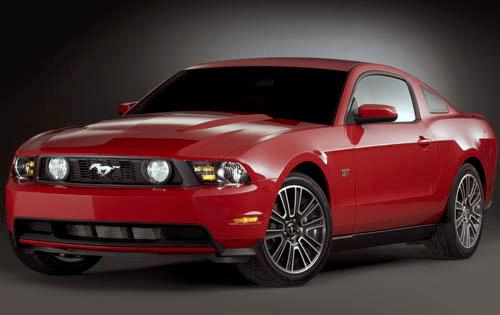
The 2010 Ford Mustang is generally a reliable older performance car, but it occupies an unusual position in Mustang history. It received the substantially updated exterior and interior introduced for 2010, while retaining the previous-generation 4.0-liter V6 and 4.6-liter V8 engines. The much more powerful 3.7-liter V6 and 5.0-liter Coyote V8 didn't arrive until 2011.
That doesn't make the 2010 Mustang a bad choice. In fact, both of its engines were mature designs by this point and are capable of high mileage when properly maintained. For a buyer more concerned about durability and purchase price than having the most horsepower, a clean 2010 Mustang can still make considerable sense.
The base Mustang uses Ford's naturally aspirated 4.0-liter SOHC V6. It isn't particularly sophisticated or powerful by modern standards, but the engine is generally durable. Its biggest engine-specific concern is the timing-chain system. The 4.0-liter uses multiple timing chains, including a rear-mounted chain arrangement that can make major timing-chain repairs labor-intensive and expensive.
The Mustang GT uses the naturally aspirated 4.6-liter three-valve Modular V8. This engine had been used in the Mustang GT since 2005 and was well developed by 2010. It produces substantially more power than the V6 and is generally capable of 200,000 miles or more with good maintenance. Timing-chain components, ignition components, oil leaks, and other age-related issues can occur, but the basic engine has a good durability record.
Transmission choices are also relatively conventional. The V6 uses either a five-speed manual or five-speed automatic, while the GT was available with a five-speed manual or five-speed automatic. This is significant because the 2010 Mustang predates the MT82 six-speed manual introduced for 2011, which developed complaints involving difficult and notchy shifting.
As with virtually any older Mustang, previous ownership can matter as much as the original mechanical design. Mustangs are frequently modified, raced, subjected to hard launches, or simply driven aggressively. A stock 120,000-mile car with excellent service records may be a much safer purchase than a modified 70,000-mile example with an unknown tune and obvious evidence of hard use.
Overall, I would rate the 2010 Ford Mustang as above average for reliability among performance-oriented cars of its age. The engines and transmissions are relatively proven, parts are readily available, and most independent shops can service the car without difficulty.
- Overall reliability: Above Average for an older performance car
- Expected lifespan: 175,000 to 225,000+ miles with proper maintenance, with well-maintained examples capable of going farther
- Most reliable engine: The 4.6-liter V8 has a particularly strong long-term record, although a well-maintained 4.0-liter V6 can also provide substantial mileage
- Best choice: Stock or lightly modified example with documented maintenance and no evidence of repeated hard use
- Watch for: 4.0-liter timing-chain noise, 4.6-liter timing components, spark plug and ignition problems, clutch wear, differential noise, suspension wear, and questionable modifications
Bottom line: The 2010 Mustang is generally a good used-car choice. Its engines aren't as powerful as the dramatically improved 2011 lineup, but they are proven designs, and the 2010 avoids the MT82 manual transmission introduced the following year. I'd concentrate heavily on maintenance, modifications, and evidence of previous abuse when choosing one.
- Why it's a good choice: Proven naturally aspirated engines, conventional transmissions, excellent parts availability, relatively simple mechanicals, and affordable prices
- Biggest concern: Expensive timing-chain work on a neglected 4.0-liter V6 and the possibility of previous hard use or poor-quality modifications
- Best version: A well-maintained 4.6-liter GT is particularly appealing, while the V6 can make an inexpensive everyday Mustang
- Buy only if: The engine starts quietly, the transmission and differential operate properly, and modifications and previous use don't raise concerns
Is the 2010 Ford Mustang a Good Year or One to Avoid?
The 2010 Ford Mustang is generally a good year to buy rather than one to avoid. Its biggest disadvantage isn't poor reliability; it's that the 2011 Mustang that followed it received much more powerful engines. That has sometimes left the 2010 overshadowed in the used market.
For a reliability-focused buyer, however, the 2010's mature drivetrain can actually be attractive. Ford had been using the 4.0-liter V6 and 4.6-liter three-valve V8 in the Mustang for several years, and both were well understood by the time the 2010 model arrived.
The 4.6-liter GT is the version I'd find most appealing if purchase price and condition are comparable. The V8 is generally durable, provides the traditional Mustang sound and performance buyers expect, and avoids the 4.0-liter V6's particularly awkward timing-chain arrangement.
The V6 shouldn't automatically be dismissed. It can make an inexpensive commuter or entry point into Mustang ownership and is capable of substantial mileage. However, startup timing-chain rattling deserves serious attention because repairing worn chains, guides, or tensioners can be labor-intensive.
There's also an interesting comparison with the 2011 Mustang. The 2011 is much faster—the new 3.7-liter V6 alone produces substantially more power than the old 4.0-liter. But the 2010 manual-transmission cars avoid the MT82 six-speed that became a concern on some later Mustangs. Which year is preferable therefore depends partly on whether performance or drivetrain simplicity matters more to the buyer.
Buyer Takeaway: I wouldn't avoid the 2010 Mustang. It's actually a fairly straightforward older performance car with proven engines and conventional transmissions. The key is buying condition rather than horsepower or mileage. A clean, stock, well-maintained 2010 can be a much smarter purchase than a newer Mustang that has been modified or abused.
Multiple dealers → compete for your business → you save
If you may be buying a vehicle soon, I'd recommend reading my most effective negotiation method for used cars, which details a quick way to identify the dealerships most motivated to "deal", no matter how busy they may seem, and how to follow up once you've found them. This can be the difference between getting a good price and getting a great one. And a variation of it is my top method for new cars, if you are also exploring that market.
You can see them here at used cars and new cars.
2010 Ford Mustang Common Mechanical Problems
The 2010 Mustang doesn't have one universal defect that makes the entire model year troublesome. Instead, buyers should investigate several engine-specific issues along with the clutch, transmissions, rear differential, suspension, and evidence of previous performance modifications.
- 4.0-liter V6 timing-chain wear: Timing chains, guides, and tensioners are among the most important concerns on the V6. Rattling during startup or persistent mechanical noise can indicate wear. The engine's timing-chain arrangement makes some repairs considerably more labor-intensive than on a conventional front-mounted chain system.
- 4.0-liter timing-chain tensioner or guide problems: Worn guides or tensioners can allow excessive chain movement. Ignoring significant timing-chain noise risks more extensive engine damage, so a noisy V6 shouldn't be purchased without determining the cause.
- 4.0-liter oil leaks: Gaskets and seals can begin leaking with age. Check the oil level before startup and inspect underneath the engine. Proper oil level is particularly important for timing-chain and tensioner longevity.
- 4.0-liter cooling-system problems: Aging thermostats, hoses, radiator components, water pumps, and seals can eventually cause coolant leaks or overheating. Look for dried coolant residue and ask about any history of overheating.
- 4.6-liter V8 timing-chain components: The Modular V8's timing chains are generally durable, but guides, tensioners, and related components can wear at high mileage or when oil maintenance has been poor. Persistent startup rattling should be investigated.
- 4.6-liter spark plug and ignition problems: Misfires can result from worn plugs or failing ignition coils. These are generally manageable repairs, but persistent misfires should be diagnosed rather than ignored.
- 4.6-liter oil leaks: Valve cover gaskets and other seals can begin leaking as the engine ages. Minor seepage may not be serious, but substantial leakage should be reflected in the vehicle's price.
- Electronic throttle body problems: Hesitation, reduced-power conditions, warning lights, or inconsistent throttle response can involve the electronic throttle system or related components. Any intermittent loss of throttle response deserves proper diagnosis.
- Manual transmission clutch wear: Clutch life varies dramatically depending on previous driving habits. Slipping during acceleration, chatter when pulling away, difficulty engaging gears, or an unusually high engagement point can indicate wear.
- Manual transmission synchronizer wear: Grinding or resistance when shifting can indicate synchronizer, clutch, or linkage problems. Test every gear repeatedly at different engine speeds.
- Five-speed automatic transmission wear: The conventional automatic is generally serviceable but should shift smoothly. Check for slipping, flare between gears, delayed engagement, harsh shifts, or unusual behavior after it reaches operating temperature.
- Automatic transmission fluid leaks: Seals, gaskets, cooler lines, and related areas can develop leaks. A transmission that has spent considerable time operating with insufficient fluid may have additional internal wear.
- Rear differential noise: Listen for whining, humming, or clunking during acceleration and deceleration. Hard launches and performance driving can place considerable stress on the rear axle and differential.
- Rear axle seal leaks: Inspect around the differential and axle areas for gear-oil leakage. Low differential fluid can eventually cause expensive bearing and gear damage.
- Driveshaft and driveline vibration: Vibration at particular road speeds can come from tires and wheels, but driveshaft, universal-joint, differential, or modified driveline components should also be considered.
- Engine and transmission mount wear: Deteriorated mounts can cause excessive vibration or clunking as the drivetrain loads and unloads. Hard driving can accelerate mount deterioration.
- Front suspension wear: Struts, control arms, bushings, ball joints, sway bar links, and related components can wear with mileage. Clunks, uneven tire wear, excessive bouncing, or vague steering suggest further inspection is needed.
- Rear suspension bushing wear: The solid rear axle is mechanically robust, but control-arm and other bushings can deteriorate. Aftermarket suspension components can also increase noise and harshness or create alignment problems if poorly installed.
- Wheel bearing wear: A humming or growling noise that becomes louder with road speed can indicate a worn bearing or hub.
- Brake wear: Mustangs driven aggressively can consume pads and rotors rapidly. Check for pulsation, pulling, uneven wear, overheated components, or inexpensive replacement parts on a car showing evidence of performance use.
- Air conditioning problems: Compressors, condensers, refrigerant leaks, blend-door components, and electrical controls can develop problems as the car ages. Test both heating and air conditioning thoroughly.
- Interior water leaks: Check the carpeting, footwells, trunk, and other interior areas for dampness, staining, mildew odors, or evidence of previous water intrusion. Drainage and sealing problems should be corrected before they lead to additional electrical or interior damage.
- Electrical and accessory problems: Power windows, door locks, seat controls, audio equipment, sensors, lighting, and switches can develop age-related faults. Test everything before buying.
- Aftermarket tuning and modifications: Exhaust systems, cold-air intakes, suspension changes, gears, computer tunes, and forced-induction conversions are common. Modifications aren't automatically bad, but poor workmanship or aggressive tuning can substantially change the reliability equation.
- Evidence of racing or hard launches: Excessive rear-tire wear, modified suspension or driveline parts, clutch problems, differential noise, and unusual underbody wear can provide clues about how the car has been used.
For a 2010 Mustang, I'd separate normal old-car repairs from problems that can significantly change the value of the vehicle. Worn shocks or a wheel bearing are manageable. A rattling 4.0-liter timing-chain system combined with clutch problems and a noisy differential is much more concerning.
Buyer Tip: Always hear the engine start completely cold. This is especially important with the 4.0-liter V6 because timing-chain noise may be most noticeable during startup. Put the car on a lift and look for leaks, non-factory parts, damaged suspension components, differential problems, and evidence that previous modifications have been removed. A diagnostic scan should also be part of the inspection even when no warning lights are showing.
More On The Ford Mustang's Reliability
If you'd like to compare different Mustang model years, or engines, etc., be sure to read our Ford Mustang Reliability & Problems: Best Used Mustangs & Years Guide. It highlights the models, best years to buy, common problems and more, and helps you choose the right vehicle for you.
2010 Ford Mustang Pros and Cons
The 2010 Mustang's biggest strength today is that it combines the improved styling and interior of the 2010 redesign with relatively mature mechanical components. It doesn't offer the dramatic horsepower of the 2011 models, but for an older used performance car, proven mechanicals and lower purchase prices have their own appeal.
Pros
- Generally reliable engines: Both the 4.0-liter V6 and 4.6-liter V8 can provide substantial mileage with proper maintenance.
- Strong 4.6-liter V8 durability: The three-valve Modular V8 had already been used for several years by 2010 and is a well-understood engine with excellent parts support.
- Naturally aspirated engines: Neither engine uses a turbocharger or supercharger, reducing powertrain complexity.
- Conventional automatic transmission: The five-speed automatic is a traditional geared transmission rather than a CVT or dual-clutch design.
- Pre-MT82 manual transmissions: Manual 2010 Mustangs avoid the MT82 six-speed transmission introduced for 2011, which developed a mixed reputation for shift quality.
- Good performance from the GT: Although substantially less powerful than the 2011 5.0-liter car, the 4.6-liter GT still provides genuine V8 Mustang performance and sound.
- Improved 2010 styling and interior: The 2010 received substantial exterior and cabin updates while retaining the established drivetrain.
- Excellent parts availability: Factory, aftermarket, performance, and used parts are abundant.
- Easy to find knowledgeable repair shops: Mustang mechanical systems are well understood, and specialist support is excellent.
- Potentially attractive used value: Because enthusiasts often prefer the much more powerful 2011 models, the 2010 can sometimes provide a lower-cost entry into this generation of Mustang.
Cons
- 4.0-liter V6 timing-chain repairs can be expensive: The engine's chain layout can turn what sounds like a routine timing repair into a substantial job.
- V6 performance was quickly overshadowed: The 2011 3.7-liter V6 provides dramatically more power, which can make the 2010 V6 less desirable in the used market.
- GT was also overshadowed by the 2011 5.0: The 4.6-liter V8 is durable and enjoyable, but the following year's Coyote engine provides substantially greater performance.
- Previous abuse is a significant buying risk: Burnouts, drag racing, aggressive shifting, and hard launches can accelerate clutch, differential, tire, brake, and suspension wear.
- Modified cars require extra scrutiny: The Mustang's enormous aftermarket means modifications are common and workmanship varies considerably.
- Rear seat is cramped: The back seat is useful occasionally but isn't comparable with a conventional sedan for adult passenger space.
- V8 fuel economy is modest: A GT driven as intended can consume considerably more fuel than an ordinary compact or midsize car.
- Age-related repairs are increasingly relevant: Rubber bushings, seals, mounts, suspension components, climate-control equipment, and electrical accessories can deteriorate even on relatively low-mileage cars.
And several others ... There are also other numbers that can significantly affect the final out-the-door cost. A well-negotiated selling price can quickly lose its advantage if the dealer makes up for the concession with a below-market trade-in offer. Also, dealer fees and add-ons can further increase the final cost, making it important to learn which fees you must pay, can negotiate, or should avoid.
To become better informed about these important but often-confusing parts of the deal, be sure to see my articles on trade-ins and dealer fees.
In addition, used-car interest rates are typically higher than new-car rates, and can leave you owing much more than the vehicle is worth. Before buying, it's a good idea to review how car-loan rates affect your total cost and your alternative choices for substantial savings.
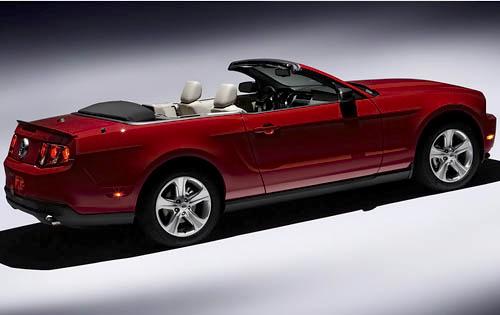
Buyer Takeaway: The 2010 Ford Mustang is generally a good older performance car and shouldn't be dismissed simply because the 2011 received much better engines. In some respects, the 2010's mature drivetrain is an advantage. I particularly like a clean, mostly stock 4.6-liter GT with documented maintenance, while the 4.0-liter V6 can provide inexpensive Mustang ownership if its timing-chain system is quiet and healthy. As with any older Mustang, I'd place tremendous weight on how the individual car has been maintained and driven. A stock 120,000-mile Mustang that has been cared for can be a much better buy than a modified 60,000-mile example that has spent its life being raced or abused.