

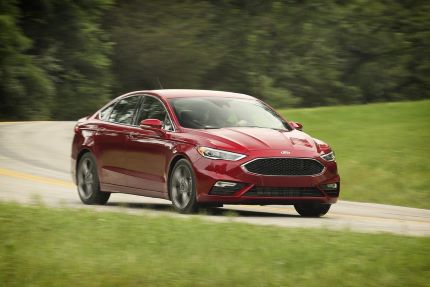
Which Ford Fusion years are the most reliable? Which years should you avoid? And if you're shopping for a used Fusion, which engine and generation offer the best combination of reliability, fuel economy, and long-term value?
The Ford Fusion was one of Ford's most successful midsize sedans, competing directly with the Toyota Camry and Honda Accord from 2006 through 2020. It offered comfortable seating, good road manners, several engine choices, available all-wheel drive, and eventually hybrid and plug-in hybrid versions. Reliability, however, varies considerably depending on the model year and powertrain.
Some Fusion engines are capable of exceeding 200,000 miles with relatively routine maintenance, while certain EcoBoost engines developed coolant intrusion and other expensive problems. Transmission condition is another important consideration, particularly on higher-mileage conventional gasoline models.
This guide covers every Ford Fusion model year from 2006 through 2020, including reliability by generation, common problems, engine differences, maintenance costs, expected lifespan, and the best years to buy.
In This Guide You'll Learn
- How reliable the Ford Fusion is over the long term
- Which Ford Fusion years are the best choices
- Which years and engines require extra inspection
- The most common problems by generation
- Which Ford Fusion engines are the most reliable
- How the Fusion Hybrid compares for long-term reliability
- How many miles a Ford Fusion can last
- What to inspect before buying a used Fusion
Is the Ford Fusion Reliable?
Overall, the Ford Fusion earns an average-to-above-average reliability reputation, but engine choice makes a substantial difference. The simplest naturally aspirated four-cylinder versions generally offer the lowest long-term mechanical risk, while some turbocharged EcoBoost models require considerably more careful shopping.
The first-generation Fusion sold from 2006 through 2012 developed a respectable reputation for durability. Many examples equipped with the naturally aspirated four-cylinder engines have exceeded 200,000 miles, and the available V6 engines can also provide long service lives when maintained properly.
The redesigned 2013 Fusion became more sophisticated. Ford offered multiple EcoBoost engines, conventional naturally aspirated engines, hybrids, plug-in hybrids, and available all-wheel drive. While this gave buyers far more choices, it also created significant differences in long-term reliability.
One of the most important engines for used-car shoppers is the 2.5-liter naturally aspirated inline-four. It lacks the performance of the turbocharged engines, but its relatively simple design and strong durability make it one of the safest choices for buyers primarily interested in reliability.
Certain EcoBoost engines deserve more scrutiny. Some 1.5-liter and 2.0-liter turbocharged engines from the second-generation Fusion have been associated with coolant intrusion into the cylinders. When severe, the problem can require major engine repairs or replacement.
The Fusion Hybrid presents another interesting option. Its gasoline-electric drivetrain differs significantly from conventional Fusions and has generally developed a good reputation for longevity. A properly maintained Fusion Hybrid can be an excellent used-car choice, although battery condition becomes increasingly important as these vehicles age.
Strengths
- Durable naturally aspirated four-cylinder engines
- Many examples capable of exceeding 200,000 miles
- Good reliability from the hybrid drivetrain
- Widely available and relatively inexpensive replacement parts
- Comfortable ride and spacious interior
- Good fuel economy, especially with four-cylinder and hybrid models
Potential Weaknesses
- Coolant intrusion concerns with certain EcoBoost engines
- Automatic transmission problems on some higher-mileage models
- Electronic power steering concerns on certain years
- Turbocharger-related repairs as EcoBoost models age
- Electrical and infotainment problems on some second-generation cars
- Hybrid battery condition becomes important on older hybrids
Bottom Line: The Ford Fusion can be an excellent used sedan, but powertrain choice matters. Buyers looking for maximum simplicity and long-term durability should give particular consideration to naturally aspirated four-cylinder models and carefully maintained hybrids.
Reliability at a Glance
| Category | Our Assessment |
|---|---|
| Overall Reliability | Average to Above Average |
| Best Used Years | 2010-2012, 2017-2020 with the right powertrain |
| Years Requiring Extra Inspection | 2013-2016 and certain later EcoBoost models |
| Strong Gasoline Engine Choice | 2.5-liter naturally aspirated inline-four |
| Alternative Powertrain | Fusion Hybrid |
| Expected Lifespan | 200,000-250,000+ miles with proper maintenance |
| Maintenance Costs | Moderate |
Buyer Tip: Don't shop for a Fusion based only on model year. Identify the exact engine before purchasing because two Fusions from the same year can have substantially different long-term reliability prospects.
Possibly Buying Soon? Avoid These Dealer Traps
Before you sign, learn:
- What you don't know about dealer trade-in offers could cost you - Which dealer fees you must pay, can negotiate, or should avoid - How to avoid giving the dealer the upper hand on a used car price - How to avoid overpaying for a new car
Reliability by Generation
2006-2012: First Generation
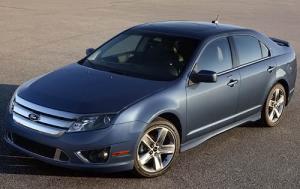
The original Ford Fusion arrived for the 2006 model year as Ford's new midsize sedan. Its relatively straightforward mechanical design helped many first-generation cars develop impressive longevity.
Early four-cylinder models used a 2.3-liter naturally aspirated inline-four, while later versions received a 2.5-liter inline-four. V6 engines were also available, including a 3.0-liter V6 and, in the Fusion Sport, a 3.5-liter V6.
For buyers prioritizing low ownership costs, the four-cylinder models are particularly attractive. The engines are generally durable, parts are inexpensive, and there are fewer expensive components than on later turbocharged Fusions.
The 2010 model year brought a substantial refresh along with the newer 2.5-liter four-cylinder engine. These later first-generation cars are among the easiest Fusions to recommend, particularly when they have documented maintenance histories.
Automatic transmission condition should still be evaluated carefully. Some higher-mileage cars develop harsh or delayed shifting, and transmission repairs can exceed the value of an inexpensive older Fusion.
Common Problems
- Automatic transmission shifting problems on some vehicles
- Motor mounts wearing with age
- Wheel bearing failures
- Suspension component wear
- Air conditioning and HVAC problems
- Normal oil and coolant leaks on higher-mileage engines
Buyer Tip: A 2010-2012 Fusion with the 2.5-liter inline-four and a strong maintenance history is one of the simplest and potentially most economical Fusion combinations to own.
Bottom Line: The first-generation Fusion has aged surprisingly well. Later 2010-2012 four-cylinder models are particularly appealing for buyers who value mechanical simplicity over newer technology.
2013-2020: Second Generation
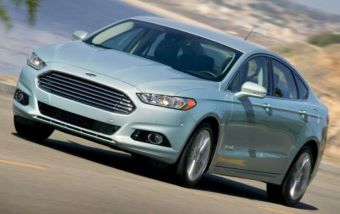
The completely redesigned 2013 Fusion looked dramatically different from its predecessor and introduced a much broader range of powertrains. Buyers could choose from naturally aspirated engines, several turbocharged EcoBoost engines, conventional hybrids, and plug-in hybrid Fusion Energi models.
This generation is more complicated from a reliability standpoint because engine choice can dramatically affect long-term ownership costs.
2.5-Liter Naturally Aspirated Inline-Four
The 2.5-liter naturally aspirated inline-four is one of the standout engines of the second-generation Fusion. It doesn't provide the acceleration or fuel economy advantages of some EcoBoost engines, but its relative simplicity makes it attractive on the used market.
There is no turbocharger, and it avoids the coolant intrusion concerns associated with certain EcoBoost applications. With regular oil changes and cooling system maintenance, these engines can commonly exceed 200,000 miles.
For someone looking for an inexpensive Fusion to keep for many years, a well-maintained 2.5-liter model deserves serious consideration.
Buyer Tip: Don't dismiss the 2.5-liter Fusion because it was often the less expensive engine when new. Simpler engineering can become an advantage once a vehicle is ten years old.
1.5-Liter and 1.6-Liter EcoBoost Engines
Ford's smaller EcoBoost engines were designed to combine strong low-speed torque with improved fuel economy. They accomplish that through turbocharging and direct injection, but the additional complexity creates more potential repair points as mileage increases.
The 1.6-liter EcoBoost used in early second-generation cars was subject to several cooling-system-related concerns and deserves a thorough inspection before purchase.
The later 1.5-liter EcoBoost is common in used Fusions. Many provide reliable service, but certain versions have developed a reputation for coolant intrusion problems. Symptoms can include unexplained coolant loss, white exhaust smoke, rough starts, misfires, or an illuminated check-engine light.
A Fusion displaying any of those symptoms should receive a professional diagnosis before purchase.
2.0-Liter EcoBoost Engine
The 2.0-liter turbocharged inline-four provides significantly stronger performance and was available with all-wheel drive on some Fusions. When operating properly, it gives the Fusion acceleration approaching that of larger V6-powered sedans.
However, certain versions of the 2.0-liter EcoBoost have also been associated with coolant intrusion concerns. Because major engine repairs can be expensive, service history becomes particularly important when considering a higher-mileage example.
Regular oil changes are also essential for turbocharger longevity. Long oil-change intervals or poor-quality oil can accelerate wear in both the engine and turbocharger.
Ford Fusion Hybrid
The Fusion Hybrid deserves separate consideration because its drivetrain differs substantially from the conventional gasoline models. Ford paired a gasoline engine with an electric motor and electronically controlled continuously variable transmission.
Overall, the hybrid system has developed a strong reputation for durability. High-mileage examples used as commuter vehicles demonstrate that the drivetrain can provide excellent longevity when maintained properly.
The primary concern as these cars age is the high-voltage hybrid battery. Battery degradation doesn't necessarily mean immediate failure, but reduced capacity can affect fuel economy and eventually require repair or replacement.
Even so, the Fusion Hybrid can be one of the better choices in the entire lineup for buyers who want excellent fuel economy and long-term durability.
Common Second-Generation Problems
- Coolant intrusion on certain EcoBoost engines
- Automatic transmission hesitation or harsh shifting
- Turbocharger-related repairs on higher-mileage EcoBoost models
- Electronic power steering problems on some vehicles
- Infotainment and electrical glitches
- Suspension wear as mileage increases
Buyer Tip: Before buying any second-generation Fusion, determine the exact engine. The 2.5-liter naturally aspirated four-cylinder, EcoBoost engines, and hybrid powertrain have very different reliability considerations.
Bottom Line: The 2013-2020 Fusion can be an excellent used sedan, but choosing the right powertrain is far more important than simply choosing the newest model year.
Also, More On Ford Reliability
If you'd like to compare different Ford models, or years, be sure to read our Ford Reliability & Problems: Best Used Fords & Years Guide. It highlights the models, best years to buy, common problems, and helps you choose the right vehicle.
Best Ford Fusion Years to Buy
The Ford Fusion doesn't have a simple dividing line between good and bad years. Powertrain choice matters almost as much as model year, particularly during the second generation when Ford offered several naturally aspirated, turbocharged, and hybrid configurations.
For buyers prioritizing long-term reliability, the later first-generation cars and properly equipped later second-generation models are generally the strongest choices.
| Model Year | Why We Recommend It |
|---|---|
| 2010-2012 | Mature first-generation models with proven engines, particularly the durable 2.5-liter naturally aspirated inline-four. |
| 2017-2018 | Refreshed second-generation models with improved technology; the 2.5-liter engine and Hybrid are particularly attractive choices. |
| 2019-2020 | Final production years with modern safety features and a mature platform. Powertrain selection remains important. |
Ford Fusion Years to Avoid or Inspect Carefully
| Model Year | Reason |
|---|---|
| 2013-2014 | Early years of the complete redesign with more first-year issues and additional scrutiny warranted for EcoBoost-equipped cars. |
| 2015-2016 | Generally improved, but engine choice remains important and certain EcoBoost versions deserve careful inspection for coolant loss or misfires. |
| Certain 2017-2020 EcoBoost Models | Some 1.5-liter and 2.0-liter EcoBoost applications require careful evaluation for coolant intrusion symptoms and maintenance history. |
Buyer Tip: Don't interpret the later years as automatically reliable regardless of engine. A 2019 Fusion with a questionable EcoBoost engine history may be a greater financial risk than a well-maintained 2012 with the naturally aspirated 2.5-liter four-cylinder.
Bottom Line: The 2010-2012 models are excellent choices for mechanical simplicity, while later second-generation cars can also be very good purchases when equipped with the right powertrain.
Which Ford Fusion Engine Is Most Reliable?
If long-term reliability is your highest priority, the 2.5-liter naturally aspirated inline-four is arguably the safest gasoline-engine choice in the Ford Fusion lineup.
It isn't the most powerful engine Ford offered, but that simplicity becomes increasingly valuable as a used car ages. Without a turbocharger and with fewer potential high-cost failure points than certain EcoBoost engines, the 2.5-liter can provide excellent service well beyond 200,000 miles.
2.5-Liter Inline-Four
- Simple naturally aspirated design
- No turbocharger
- Strong long-term durability
- Widely available replacement parts
- Reasonable maintenance costs
- Excellent choice for high-mileage ownership
The earlier 2.3-liter naturally aspirated four-cylinder also developed a solid reputation, although vehicles equipped with it are now old enough that overall condition matters more than the engine's original reliability record.
V6 Engines
The naturally aspirated 3.0-liter and 3.5-liter V6 engines offered in first-generation Fusions can also provide long service lives. They offer considerably stronger performance than the four-cylinder engines but use more fuel and leave less working room under the hood.
For someone considering an older Fusion, a properly maintained V6 shouldn't be dismissed simply because it has higher mileage.
EcoBoost Engines
The EcoBoost engines provide better low-speed torque and stronger acceleration, but they're not our first recommendation for someone whose only goal is minimizing long-term repair risk.
This doesn't mean every EcoBoost Fusion should be avoided. Many have accumulated substantial mileage without serious problems. The key is verifying the exact engine, maintenance history, and whether there are any symptoms of coolant intrusion or turbocharger problems.
Buyer Tip: If you're comparing two similarly priced Fusions and don't particularly need the extra performance of an EcoBoost engine, the naturally aspirated 2.5-liter four-cylinder is generally the lower-risk choice.
How Reliable Is the Ford Fusion Hybrid?
The Ford Fusion Hybrid is one of the more appealing versions of the Fusion for long-term ownership. Its gasoline-electric drivetrain has generally proven durable, while regenerative braking can reduce wear on conventional brake components.
Unlike conventional gasoline Fusions, the Hybrid uses an electronically controlled continuously variable transmission designed specifically for the hybrid system rather than a traditional belt-driven CVT. The design has developed a generally good durability record.
As these vehicles age, the high-voltage battery deserves consideration. Hybrid batteries gradually lose capacity, and eventual replacement can be expensive. However, battery age shouldn't automatically disqualify an otherwise well-maintained Fusion Hybrid.
A pre-purchase inspection that includes evaluation of the hybrid system is worthwhile on an older or higher-mileage example.
Bottom Line: A properly maintained Fusion Hybrid can be one of the most economical and dependable Fusions to own, especially for drivers who accumulate substantial mileage.
Maintenance & Repair Costs
Routine Ford Fusion maintenance is generally affordable. Parts availability is excellent, and independent repair shops are familiar with the car. Naturally aspirated four-cylinder models are particularly inexpensive to maintain.
The financial picture changes if an EcoBoost model develops a serious engine or turbocharger problem, which is another reason to have these vehicles inspected carefully before purchase.
| Maintenance or Repair | Typical Cost |
|---|---|
| Oil change | $60-$110 |
| Brake pads and rotors | $350-$800 |
| Transmission service | $200-$400 |
| Wheel bearing replacement | $350-$700 |
| Starter replacement | $400-$750 |
| Suspension repairs | $600-$1,500+ |
These figures are approximate and vary by model year, engine, labor rates, and the parts used.
Buyer Tip: Don't focus exclusively on the purchase price. Paying somewhat more for a Fusion with documented maintenance can easily save more than the difference in price during the first few years of ownership.
How Long Does a Ford Fusion Last?
A properly maintained Ford Fusion can commonly reach 200,000 miles, while particularly well-maintained examples can exceed 250,000 miles. The naturally aspirated four-cylinder engines and hybrid drivetrain are especially attractive for buyers planning to keep the car for a long time.
Reaching high mileage economically depends on more than engine durability. Transmission maintenance, cooling system condition, suspension repairs, rust prevention, and prompt attention to warning signs all influence how long the vehicle remains worth keeping.
Typical Lifespan
- 150,000 miles: Easily achievable for a properly maintained Fusion.
- 200,000 miles: Common for well-maintained examples.
- 250,000 miles: Realistic with excellent maintenance and a durable powertrain.
- 300,000+ miles: Possible for exceptional examples, particularly those with extensive highway use and consistent maintenance.
A high-mileage Fusion with a complete maintenance history shouldn't automatically be rejected. In many cases, a 170,000-mile car that has been serviced consistently can be a safer purchase than an 85,000-mile example with little documentation.
Bottom Line: Expect approximately 200,000 miles from a good Fusion, with 250,000 miles or more realistically achievable from the better powertrains when maintenance has been excellent.
Buying a Used Ford Fusion: What Matters Most?
The Ford Fusion can offer exceptional value on the used market because discontinued sedans often sell for less than comparable SUVs. That can allow buyers to purchase a relatively modern, comfortable vehicle without paying the premium attached to crossovers.
But the wide range of Fusion powertrains means you should know exactly what you're buying before negotiating a price.
Before You Buy
- Identify the exact engine and transmission.
- Review oil change and maintenance records.
- Check the coolant level before the test drive.
- Look for unexplained coolant loss.
- Watch for white exhaust smoke after startup.
- Listen for rough running or misfires during a cold start.
- Verify smooth automatic transmission operation.
- Test the air conditioning and electronic accessories.
- Check the suspension for clunks or excessive noise.
- Inspect underneath for rust on vehicles from northern climates.
- Check recall history and verify applicable repairs were completed.
- Have an independent mechanic perform a pre-purchase inspection.
For an EcoBoost Fusion, cooling system condition deserves particular attention. Unexplained coolant loss, repeated misfire codes, rough cold starts, or white exhaust smoke should be investigated before purchasing the vehicle.
For a Fusion Hybrid, have the hybrid system evaluated and consider battery age and condition along with the usual mechanical inspection.
Buyer Tip: A used Fusion with the 2.5-liter naturally aspirated four-cylinder may not be the fastest or most sophisticated version, but for a buyer seeking affordable transportation for another 100,000 miles, simplicity can be a major advantage.
Final Verdict
The Ford Fusion is one of the more compelling values on today's used-car market. It offers a comfortable interior, good road manners, readily available parts, and several powertrains capable of providing more than 200,000 miles of service.
The 2010-2012 models stand out for buyers who prioritize simplicity and affordability, especially when equipped with the durable 2.5-liter naturally aspirated inline-four. Later 2017-2020 models provide more modern styling, safety technology, and convenience features, but engine choice becomes especially important.
The 2.5-liter four-cylinder remains one of our preferred gasoline engines for long-term ownership, while the Fusion Hybrid deserves serious consideration for buyers seeking excellent fuel economy and potentially impressive longevity.
EcoBoost-powered Fusions shouldn't automatically be avoided, but certain versions deserve additional scrutiny because coolant intrusion or turbocharger-related repairs can turn an inexpensive used sedan into an expensive one.
Ultimately, the best Ford Fusion isn't necessarily the newest or lowest-mileage example. It's the car with the right powertrain, documented maintenance, and a thorough inspection showing that expensive problems aren't waiting for the next owner.
Choose carefully, and a Ford Fusion can provide 200,000 to 250,000 miles or more of comfortable, economical transportation.
Some Insider Insights: