

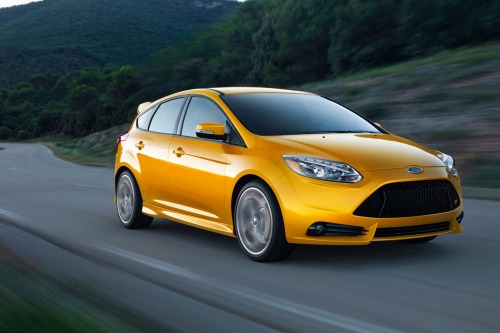
Which Ford Focus years are the most reliable? Which years should you avoid? And if you're shopping for a used Focus, which engines and transmissions offer the best combination of reliability, fuel economy, and long-term value?
The Ford Focus was one of Ford's most important compact cars in the United States from 2000 through 2018. It earned a reputation for good handling, affordable parts, practical interiors, and excellent fuel economy. But reliability varies dramatically depending on the model year and, especially, the transmission.
The biggest dividing line is the 2012-2018 third-generation Focus equipped with Ford's PowerShift DPS6 dual-clutch automatic transmission. Those cars are responsible for much of the Focus's poor reliability reputation. In contrast, many manual-transmission Focus models from the same years are far easier to recommend.
This guide covers every U.S. Ford Focus model year from 2000 through 2018, including reliability by generation, common problems, transmission concerns, maintenance costs, expected lifespan, years to avoid, and the best versions to buy.
In This Guide You'll Learn
- How reliable the Ford Focus is over the long term
- Which Ford Focus years are the best choices
- Which years and transmissions should be approached cautiously
- The most common problems by generation
- Which engines have the strongest reliability records
- Why the PowerShift DPS6 automatic is such an important buying consideration
- How much common repairs can cost
- How long a Ford Focus can last
- What to inspect before buying a used Focus
Is the Ford Focus Reliable?
Overall, the Ford Focus can be a reliable compact car, but that statement comes with an important qualification: transmission choice matters more here than with almost any other mainstream used car.
The first-generation Focus sold from 2000 through 2007 can provide excellent longevity when maintained properly. Many examples equipped with naturally aspirated four-cylinder engines have exceeded 200,000 miles, and repairs are usually straightforward and relatively inexpensive.
The extensively revised 2008-2011 Focus also developed a solid reputation for durability. These models are mechanically simple, inexpensive to maintain, and often represent some of the safest used Focus choices for buyers prioritizing reliability over newer styling or technology.
The situation changes dramatically with the 2012 redesign. Ford introduced the PowerShift DPS6 six-speed dual-clutch automatic transmission in many conventional Focus models. Although technically an automated manual rather than a traditional torque-converter automatic, it was marketed and driven like an automatic.
Many DPS6-equipped cars developed shuddering, hesitation, jerky low-speed operation, clutch wear, transmission control module problems, and repeated repair needs. Some owners experienced acceptable service, but the transmission's reputation is serious enough that buyers should identify the transmission before considering any 2012-2018 Focus.
Manual-transmission cars from the same generation tell a much different story. The underlying engines and chassis can be quite durable, making a manual 2012-2018 Focus substantially more attractive than an automatic from the same year.
Strengths
- Durable naturally aspirated four-cylinder engines
- Low routine maintenance costs
- Excellent parts availability
- Good fuel economy
- Strong handling for an economy car
- Manual-transmission models can provide excellent longevity
- Large supply of inexpensive used parts
Potential Weaknesses
- PowerShift DPS6 automatic transmission problems on 2012-2018 models
- Engine mount wear on some older cars
- Ignition and electrical issues on early models
- Suspension and wheel bearing wear with age
- Door latch and interior hardware problems on some later models
- Turbocharger-related costs on higher-performance or EcoBoost versions
Bottom Line: The Ford Focus is not uniformly unreliable. The key is separating the durable manual and traditional automatic versions from the problematic DPS6-equipped cars.
Reliability at a Glance
| Category | Our Assessment |
|---|---|
| Overall Reliability | Average, but highly dependent on transmission |
| Best Used Years | 2008-2011 and manual-transmission 2015-2018 models |
| Years Requiring Extra Inspection | 2000-2002 and automatic 2012-2018 models |
| Strong Engine Choice | 2.0-liter naturally aspirated inline-four |
| Major Reliability Concern | PowerShift DPS6 dual-clutch automatic transmission |
| Expected Lifespan | 200,000-250,000+ miles with the right drivetrain and maintenance |
| Maintenance Costs | Low to Moderate |
Buyer Tip: Before buying any 2012-2018 Focus, determine whether it has the DPS6 automatic or a manual transmission. That one detail can completely change the reliability outlook.
Reliability by Generation
2000-2007: First Generation
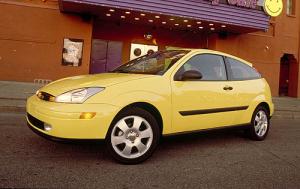
The Ford Focus arrived in the United States for the 2000 model year and quickly earned praise for its sharp handling, practical interior, and European-influenced chassis tuning.
Early models used several naturally aspirated four-cylinder engines, including 2.0-liter engines in multiple configurations and later a 2.3-liter inline-four in certain versions. These engines are generally durable, but the earliest cars experienced more recalls, electrical issues, and quality-control complaints than later examples.
By the middle and later years of the generation, many of the launch-year problems had been addressed. The basic drivetrain is relatively simple, and high-mileage examples can be inexpensive to keep on the road.
Automatic transmissions from this period are conventional automatics rather than the later DPS6 dual-clutch unit, which makes them much less controversial than the automatics used in 2012-2018 cars.
Common Problems
- Engine mount wear and vibration
- Ignition coil and electrical problems
- Alternator and starter replacement with age
- Wheel bearing wear
- Suspension bushing and strut wear
- Power window and door hardware problems
- Cooling system leaks on higher-mileage vehicles
Buyer Tip: On a first-generation Focus, age-related condition matters more than the odometer alone. A 150,000-mile car with documented maintenance can be a safer purchase than a neglected low-mileage example.
Bottom Line: The 2000-2007 Focus can be a durable, inexpensive compact car, especially in the later years of the generation.
2008-2011: Revised North American Focus
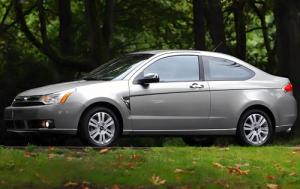
Ford heavily revised the Focus for 2008 in North America, updating the exterior, interior, safety features, and equipment while retaining a relatively simple mechanical foundation.
These cars generally use a 2.0-liter naturally aspirated inline-four paired with either a manual or conventional automatic transmission. That combination has developed one of the stronger reliability records in the Focus lineup.
The engine is simple, parts are inexpensive, and the conventional automatic avoids the design concerns that would affect the next generation. For buyers seeking basic, dependable transportation, the 2008-2011 cars are among the easiest Focus models to recommend.
Most problems today are related to age and mileage rather than serious design flaws. Motor mounts, suspension parts, wheel bearings, alternators, and air conditioning components may eventually require attention.
Common Problems
- Engine mount deterioration
- Suspension and strut wear
- Wheel bearing replacement
- Alternator and battery issues
- Air conditioning component failures
- Normal oil and coolant leaks on higher-mileage cars
Buyer Tip: A well-maintained 2008-2011 Focus with the 2.0-liter engine and conventional automatic or manual transmission is one of the safest low-cost Focus combinations to buy.
Bottom Line: If reliability and affordability are more important than newer styling or technology, the 2008-2011 Focus deserves serious consideration.
2012-2018: Third Generation
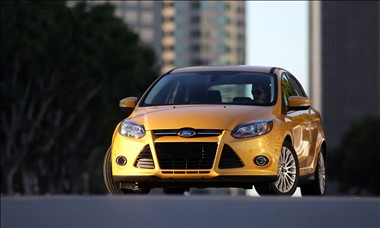
The redesigned 2012 Focus was a major step forward in styling, interior quality, handling, fuel economy, and technology. Unfortunately, it also introduced the single biggest reliability problem in the model's U.S. history.
Many mainstream Focus models used Ford's PowerShift DPS6 six-speed dual-clutch automatic transmission. The design used computer-controlled dry clutches rather than a traditional torque converter.
In theory, the system combined the efficiency of a manual transmission with the convenience of an automatic. In practice, many owners experienced shuddering, hesitation, jerky starts, clutch chatter, delayed engagement, repeated clutch replacements, and transmission control module failures.
The problem was especially noticeable during low-speed driving, stop-and-go traffic, hill starts, and parking maneuvers. Some repairs provided only temporary improvement.
This doesn't mean the entire 2012-2018 Focus should be avoided. Manual-transmission cars use a conventional manual gearbox and eliminate the DPS6 issue entirely, transforming the reliability outlook.
2.0-Liter Naturally Aspirated Inline-Four
The 2.0-liter naturally aspirated inline-four used in many third-generation Focus models is generally a durable engine. The engine itself is not the main reason these cars developed such a poor reliability reputation.
With regular oil changes and normal cooling-system maintenance, the 2.0-liter can exceed 200,000 miles. When paired with a manual transmission, the same Focus that looks risky with the DPS6 can become a very reasonable used-car choice.
Buyer Tip: Don't assume a 2012-2018 Focus is unreliable simply because of the year. The transmission is the critical distinction.
PowerShift DPS6 Dual-Clutch Automatic
The DPS6 is the issue every used Focus shopper should understand before buying. Common complaints include shuddering when accelerating from a stop, hesitation, slipping sensations, inconsistent engagement, and repeated clutch or control-module repairs.
Some owners describe the normal characteristics of a dry dual-clutch transmission as different from a conventional automatic, but severe or persistent shuddering, delayed engagement, or repeated warning messages should not be considered normal.
Because repair history can be complicated, buyers should review service records carefully and determine whether clutches, seals, or the transmission control module have been replaced.
Common DPS6 Symptoms
- Shuddering when accelerating from a stop
- Jerky low-speed operation
- Delayed engagement in Drive or Reverse
- Clutch chatter
- Transmission warning messages
- Repeated clutch replacement
- Transmission control module failures
Buyer Tip: A DPS6-equipped Focus that seems smooth during a short test drive isn't automatically problem-free. Drive the car in stop-and-go traffic, from a complete stop, uphill, in reverse, and after the transmission is fully warmed up.
Manual-Transmission Models
Manual-transmission third-generation Focus models are much easier to recommend. Without the DPS6 automatic, the car's strong chassis and durable naturally aspirated engine become the main story.
Clutch wear still depends on previous driving habits, but a conventional clutch replacement is a far more predictable ownership expense than repeated DPS6 problems.
For buyers comfortable driving a manual, a well-maintained 2015-2018 Focus can provide an attractive combination of modern features, excellent handling, fuel economy, and long-term reliability.
Focus ST
The Focus ST uses a 2.0-liter turbocharged EcoBoost inline-four and a six-speed manual transmission. It is significantly more powerful than a conventional Focus and can be durable when kept close to stock and maintained carefully.
As with the Mustang, modification history matters. Aftermarket tunes, increased boost, aggressive driving, and track use can increase stress on the turbocharger, clutch, engine, and cooling system.
Buyer Tip: A stock Focus ST with documented maintenance is generally a safer purchase than a heavily modified example, even if the modified car has lower mileage.
1.0-Liter EcoBoost Models
Ford also offered a 1.0-liter turbocharged three-cylinder EcoBoost engine in certain later Focus models. It provides excellent fuel economy, but the small turbocharged engine is more mechanically complex than the naturally aspirated 2.0-liter.
For a buyer primarily interested in long-term simplicity, the naturally aspirated 2.0-liter remains the more straightforward choice.
Common 2012-2018 Problems
- PowerShift DPS6 transmission shuddering and clutch problems
- Transmission control module failures
- Door latch and door hardware issues
- Infotainment and electrical glitches
- Engine mount wear
- Suspension noise and wheel bearing wear
- Turbocharger-related repairs on higher-mileage EcoBoost and ST models
Buyer Tip: When shopping for a 2012-2018 Focus, we'd generally rather buy a higher-mileage manual-transmission car with excellent maintenance records than a lower-mileage DPS6 automatic with an uncertain repair history.
Bottom Line: The third-generation Focus is really two different used cars from a reliability standpoint. Manual-transmission models can be very good; DPS6 automatic models deserve substantial caution.
What Are The Best Ford Focus Years to Buy?
The best Ford Focus years depend heavily on transmission choice. For buyers who want the least complicated ownership experience, the strongest choices are generally the later pre-PowerShift cars and manual-transmission examples from the final generation.
| Model Year | Why We Recommend It |
|---|---|
| 2008-2011 | Simple 2.0-liter naturally aspirated engine, conventional automatic or manual transmission, low repair costs, and a strong durability record. |
| 2015-2018 Manual | Modern styling and features without the DPS6 automatic transmission risk. The 2.0-liter engine itself is generally durable. |
| Focus ST | Strong performance and a conventional six-speed manual. Best when stock or lightly modified with documented maintenance. |
Buyer Tip: If you are choosing between a 2011 conventional automatic and a 2016 DPS6 automatic, the older 2011 may actually be the lower-risk purchase.
However, getting a loan on the older models can be an issue. Its age can limit your options. Some lenders have vehicle-age, loan amount, or mileage limits, while others, particularly credit unions, finance considerably older vehicles. Buyers will generally have the best car loan options with good credit, reasonable mileage, and a shorter loan term.
Which Ford Focus Years Should You Avoid or Inspect Carefully?
The most important caution applies to 2012-2018 Focus models equipped with the PowerShift DPS6 dual-clutch automatic. Not every one will fail, but the problem history is significant enough that these cars deserve much more scrutiny than manual-transmission versions.
| Model Year | Why Extra Inspection Is Important |
|---|---|
| 2000-2002 | Early production years with more age-related electrical, ignition, cooling-system, and quality-control concerns. |
| 2012-2014 Automatic | Early DPS6-equipped cars with a particularly strong history of shuddering, clutch wear, control-module problems, and repeated repairs. |
| 2015-2018 Automatic | Later DPS6 cars may have received updates, but the underlying transmission design still warrants caution. |
Bottom Line: If maximum reliability is the priority, we'd generally avoid the DPS6 automatic unless the vehicle is unusually well documented and has been thoroughly inspected by someone familiar with the transmission.
Which Ford Focus Engine Is Most Reliable?
For most buyers, the naturally aspirated 2.0-liter inline-four is the strongest all-around engine choice. It is simple, widely available, inexpensive to service, and capable of high mileage when maintained properly.
2.0-Liter Naturally Aspirated Inline-Four
This engine appears in several Focus generations and has developed a good reputation for durability. It avoids turbocharger complexity and generally responds well to routine maintenance.
With regular oil changes, cooling-system service, and timely replacement of wear items, 200,000 miles is realistic.
2.3-Liter Naturally Aspirated Inline-Four
The 2.3-liter engine used in certain earlier Focus models is also a solid choice. These vehicles are now old enough that overall condition, rust, and maintenance history matter more than minor differences in engine design.
2.0-Liter EcoBoost in the Focus ST
The Focus ST's turbocharged 2.0-liter engine can be durable, but previous use matters. A stock car with regular oil changes and sensible driving is much easier to recommend than one with aggressive tuning or extensive performance modifications.
1.0-Liter EcoBoost
The 1.0-liter turbocharged three-cylinder offers impressive fuel economy, but its smaller displacement and turbocharged design introduce more complexity than the naturally aspirated 2.0-liter.
For buyers prioritizing long-term simplicity over maximum fuel economy, we'd generally choose the naturally aspirated engine.
Buyer Tip: With the Focus, engine reliability is often secondary to transmission choice. A durable 2.0-liter engine paired with the wrong transmission can still make the car an expensive ownership proposition.
Ford Focus Repair & Maintenance Costs
Routine Focus maintenance is generally inexpensive. Parts are easy to find, labor is straightforward for most conventional repairs, and older cars can often be maintained affordably at independent shops.
The exception is the DPS6 transmission. Repeated clutch, actuator, seal, or transmission control module repairs can turn an otherwise inexpensive compact car into a costly one.
| Maintenance or Repair | Typical Cost |
|---|---|
| Oil change | $60-$100 |
| Brake pads and rotors | $300-$700 |
| Engine mount replacement | $250-$600 |
| Wheel bearing replacement | $350-$700 |
| Conventional clutch replacement | $900-$1,600+ |
| DPS6 clutch or related repair | $1,200-$2,500+ |
| Suspension repairs | $600-$1,500+ |
Actual costs vary by model year, labor rates, parts used, and the exact failure.
Buyer Tip: A very low purchase price on a DPS6-equipped Focus is not necessarily a bargain if the transmission immediately needs major work.
How Long Does a Ford Focus Last?
A properly maintained Ford Focus can commonly reach 200,000 miles, and some naturally aspirated manual-transmission models can exceed 250,000 miles.
The engine is often not the limiting factor. Transmission condition, rust, suspension wear, cooling-system maintenance, and accumulated age-related repairs usually determine how long the car remains economical to keep.
Typical Lifespan
- 150,000 miles: Easily achievable for a properly maintained Focus.
- 200,000 miles: Common for the stronger drivetrains.
- 250,000 miles: Realistic for well-maintained manual or conventional automatic models.
- 300,000+ miles: Possible, but increasingly dependent on rust, maintenance history, and prior repairs.
A 2008-2011 Focus with a conventional automatic or manual transmission may have a better chance of reaching very high mileage economically than a newer DPS6-equipped car.
Bottom Line: Around 200,000 miles is a realistic expectation for a good Focus, while 250,000 miles or more is possible with a durable drivetrain and consistent maintenance.
Buying a Used Ford Focus: What Matters Most?
More than almost anything else, buying the right Focus means identifying the transmission and making a well-negotiated purchase.
For 2012-2018 cars, do not assume that "automatic" simply means a conventional automatic transmission. Most mainstream automatic Focus models from those years use the DPS6 dual-clutch system.
Before You Buy
- Identify the exact engine and transmission.
- Determine whether a 2012-2018 car has the DPS6 automatic.
- Review transmission repair history.
- Ask whether the clutch packs or transmission control module have been replaced.
- Drive the car in stop-and-go traffic.
- Test low-speed acceleration from a complete stop.
- Reverse several times.
- Drive uphill if possible.
- Listen for clutch chatter or abnormal drivetrain noise.
- Check for delayed engagement in Drive or Reverse.
- Review engine oil and coolant condition.
- Inspect suspension and wheel bearings.
- Check for rust underneath older cars.
- Scan for stored diagnostic trouble codes.
- Verify applicable recalls and service campaigns have been completed.
- Have an independent mechanic perform a pre-purchase inspection.
On a manual-transmission Focus, evaluate clutch engagement and gear synchronization. On an ST, investigate tuning and modification history just as carefully as maintenance records.
Buyer Tip: A manual-transmission 2016 Focus with 120,000 miles can be a much more attractive purchase than a 70,000-mile automatic from the same year.
Pros & Cons of Buying a Used Ford Focus
Pros
- Low purchase prices
- Good fuel economy
- Durable naturally aspirated engines
- Excellent parts availability
- Low routine maintenance costs
- Good handling
- Manual-transmission models can be very reliable
Cons
- DPS6 automatic transmission problems
- Later automatic models can require expensive repeated repairs
- Older cars may have rust and suspension wear
- Interior and electrical hardware can age poorly
- Turbocharged versions require more careful maintenance
Final Verdict
The Ford Focus has a much better reliability story than its overall reputation suggests, but only if buyers separate the good drivetrains from the problematic ones.
The 2008-2011 models are among the strongest choices for buyers who want inexpensive, straightforward transportation. Their 2.0-liter naturally aspirated engine and conventional transmission choices make them relatively simple to own.
The 2012-2018 generation is more complicated. The car itself is well designed, and the 2.0-liter engine can be very durable, but the PowerShift DPS6 automatic transmission is serious enough that we'd approach those cars cautiously.
Manual-transmission versions from the same years are a completely different proposition and can be excellent used cars. The Focus ST can also be a durable and entertaining choice when it remains close to stock and has been maintained properly.
Ultimately, the best Ford Focus isn't necessarily the newest or lowest-mileage example. It is the car with the right transmission, a strong maintenance history, and an inspection showing that expensive problems aren't waiting for the next owner.
Choose carefully, and a Ford Focus can provide 200,000 to 250,000 miles or more of economical transportation.
Your Trade-In
Also, it's good to always know the value of your trade-in while you're evaluating your next possible purchase. Here's a good source for a quick and accurate appraisal: free trade-in appraisal.
Or, there's more on the topic here at KBB versus Edmunds appraisals - which is better.
What's Next?
Also, if you'd like to compare different Ford models, or years, be sure to read our Ford Reliability & Problems: Best Used Fords & Years Guide. It highlights the models, best years to buy, common problems, and helps you choose the right vehicle.
An Insider Insight: