

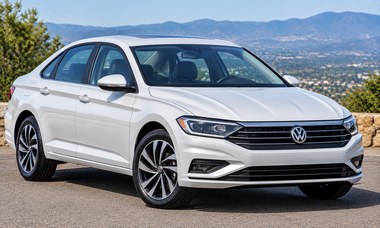
The Volkswagen Jetta has been one of America's most familiar European compact sedans for decades, but Jetta reliability varies considerably depending on the year, engine and transmission. Some versions can be durable, enjoyable cars that comfortably exceed 150,000 miles. Others combine complicated engines, expensive transmission repairs or years of deferred maintenance that can make an inexpensive used Jetta surprisingly costly.
That's why shopping for a used Jetta requires more than choosing a model year. A naturally aspirated 2.5-liter five-cylinder Jetta, turbocharged GLI, diesel TDI and later 1.4T or 1.5T Jetta may share the same name but present very different long-term ownership considerations.
This guide covers 2000 through 2024 U.S.-market Volkswagen Jettas, including the major gasoline engines, TDI diesels and GLI performance versions where their reliability differs meaningfully from the standard car.
In This Guide You'll Learn
- Which Volkswagen Jetta years are generally the best used-car choices
- Which Jetta years and powertrains deserve extra caution
- How the 2.0-liter, 1.8T, 2.5-liter, TDI, 1.4T, 1.5T and GLI engines compare
- What to know about Volkswagen manual, conventional automatic and DSG transmissions
- Why maintenance history is particularly important on a used Volkswagen
- How many miles a Volkswagen Jetta can realistically last
- Which Jetta generation offers the best combination of reliability, price and longevity
However, if you are also considering the purchase of a brand new Jetta, before you start negotiating be sure to see how I approach buying a new car near or even below invoice, or at least at the best possible price during a period of high demand.
Volkswagen Jetta Reliability Overview
Overall Jetta reliability ranges from average to good, but the strongest versions can be considerably better used-car choices than the weakest ones. Volkswagen has offered an unusually wide range of engines and transmissions in the Jetta, and those differences matter more than they do with many competing compact sedans.
Older naturally aspirated gasoline engines are generally simpler than the turbocharged engines that became increasingly common later. The 2.5-liter five-cylinder used in many 2005–2014 Jettas deserves particular attention because it can be a durable used-car powertrain and avoids some of the complexity associated with Volkswagen's turbo engines.
The TDI diesels are a separate category. Properly maintained diesel Jettas can accumulate very high mileage, but buyers need to consider diesel-specific fuel and emissions equipment as well as the emissions modifications affecting certain 2009–2015 TDI vehicles.
Transmission choice also matters. Volkswagen offered traditional manuals and conventional automatics as well as its DSG dual-clutch transmission on certain performance and diesel versions. A properly maintained DSG can work very well, but it has specific service requirements that shouldn't be ignored.
Volkswagen Jetta Reliability at a Glance
| Category | Assessment |
|---|---|
| Overall Reliability | Average to good; varies significantly by engine, transmission and maintenance history |
| Best Used Years | Selected 2.5-liter models, later sixth-generation cars and stronger seventh-generation years |
| Years Requiring Extra Inspection | Older turbocharged cars with poor records, certain early sixth-generation cars, and neglected DSG or TDI models |
| Notable Durable Engine | 2.5-liter naturally aspirated five-cylinder |
| Performance Choice | GLI, but maintenance and previous-owner treatment matter considerably |
| Expected Lifespan | About 150,000–200,000 miles; strong examples can exceed 200,000 miles |
How Many Miles Can a Volkswagen Jetta Last?
A well-maintained Volkswagen Jetta can realistically last 150,000 to 200,000 miles, while particularly good examples can exceed 200,000 miles. Some TDI diesels and simpler gasoline-engine Jettas have traveled considerably farther, but maintenance becomes increasingly important as mileage rises.
At 100,000 miles: A good Jetta can still have substantial useful life remaining. This is where we'd want to see evidence of proper engine maintenance, transmission service where required, cooling-system care and timely replacement of engine-specific maintenance items.
At 150,000 miles: Individual condition matters much more than reputation. A properly maintained 150,000-mile Jetta can be a better purchase than a 90,000-mile example with incomplete records, neglected fluid changes and several developing problems.
At 200,000 miles: This mileage is achievable, particularly with the more durable powertrains. Expect age-related repairs involving suspension components, wheel bearings, mounts, cooling-system parts, seals and electrical equipment even when the engine remains healthy.
Beyond 200,000 miles: High-mileage Jettas do exist, especially diesels and well-maintained examples with simpler powertrains. At this point, however, continued reliability depends heavily on how the car was maintained throughout its life rather than simply which model year it is.
Volkswagen Jetta Reliability by Generation
2000–2005 Jetta: Durable Engines but Age Is Now a Major Factor
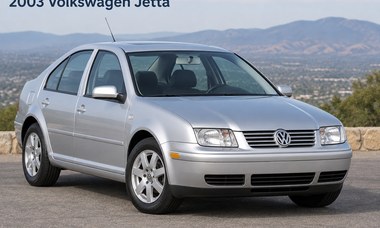
The early-2000s Jetta offered an unusually broad powertrain lineup, including the basic 2.0-liter four-cylinder, turbocharged 1.8-liter four-cylinder, VR6 and TDI diesel. Manual and automatic transmissions were available, and enthusiasts still seek out some versions today.
The basic 2.0-liter naturally aspirated gasoline engine isn't particularly powerful, but its relative simplicity can be an advantage in an older used car. The 1.8T delivers considerably stronger performance but adds turbocharger and related complexity, making maintenance history more important.
The TDI diesel can be extremely long-lived when maintained properly, but buying one today means evaluating a vehicle that's roughly two decades old. Fuel-system condition, timing-belt history, turbocharger health and general age-related deterioration deserve careful attention.
Electrical problems, window and door hardware, cooling-system components, oil and vacuum leaks, suspension wear and neglected maintenance can all become relevant at this age. Rust also matters in cars that spent years in severe winter climates.
Buyer Tip: Don't buy an early-2000s Jetta based primarily on its reputation or low mileage. At this age, documented maintenance and present mechanical condition matter far more.
2005–2010 Jetta: The 2.5-Liter Five-Cylinder Becomes an Important Used-Car Choice
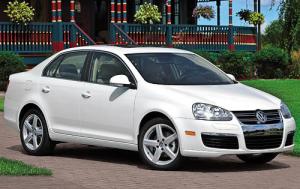
The next-generation Jetta became larger and more substantial, and the 2.5-liter five-cylinder gasoline engine became one of its defining powertrains. This engine is particularly interesting today because it combines respectable durability with less complexity than many later turbocharged Volkswagen engines.
It's not completely trouble-free. Vacuum-system problems, ignition components, oil leaks and other age-related issues can appear as mileage accumulates. But a properly maintained 2.5-liter Jetta can be one of the more appealing older Jettas for someone who values durability over maximum fuel economy or performance.
The 2.0T-powered GLI is much quicker and more entertaining, but it deserves more scrutiny. Turbocharged engines add additional components and heat, and maintenance history becomes especially important when buying an older performance-oriented car.
The TDI returned for 2009 with newer common-rail diesel technology. These diesels can provide excellent fuel economy and substantial engine life, but fuel-system and emissions-related components make them more complicated than earlier diesels.
Buyer Tip: If you're primarily interested in dependable transportation rather than maximum performance, a well-maintained 2.5-liter Jetta from this generation deserves serious consideration.
2011–2018 Jetta: Many Engines, Major Differences Between Versions
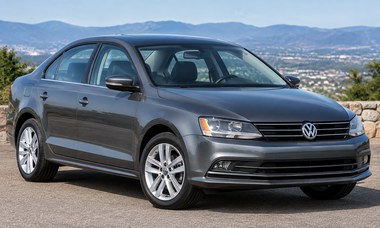
The sixth-generation Jetta presents one of the widest ranges of used-car choices. During its long run, U.S. buyers could find versions powered by naturally aspirated 2.0-liter and 2.5-liter engines, turbocharged 1.4-liter and 1.8-liter engines, the performance-oriented 2.0T in the GLI and TDI diesel engines.
For reliability-focused buyers, the 2.5-liter five-cylinder cars remain especially interesting. They don't offer the fuel economy of the later small turbo engines or the performance of a GLI, but their relatively straightforward powertrain can make them attractive used cars.
The later 1.4T Jetta brought excellent fuel economy and useful low-speed torque, while the 1.8T provided stronger performance. These engines can be good choices, but we'd place more emphasis on consistent oil changes, cooling-system condition and evidence that previous owners addressed problems promptly.
The GLI again deserves to be evaluated separately. Its turbocharged 2.0-liter engine and available DSG provide considerably more performance than a standard Jetta, but a neglected or aggressively driven example can become expensive quickly.
The TDI story is also important here. Certain 2009–2015 2.0-liter TDI Volkswagens were involved in Volkswagen's diesel-emissions settlement and emissions-modification program. When shopping for one today, verify the individual vehicle's history rather than assuming every TDI received identical work or coverage.
Buyer Tip: Don't shop for a 2011–2018 Jetta by model year alone. Identify the engine and transmission first. A 2.5-liter automatic, 1.4T manual, TDI DSG and GLI DSG are very different used-car propositions.
2019–2024 Jetta: Modern Turbo Engines and a Stronger Overall Package
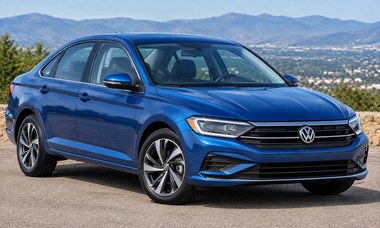
The seventh-generation Jetta arrived for 2019 with a much simpler mainstream powertrain lineup. Standard models initially used a 1.4-liter turbocharged four-cylinder, paired with either a manual transmission or conventional eight-speed automatic.
For 2022, Volkswagen replaced the 1.4T with a 1.5-liter turbocharged four-cylinder producing 158 horsepower. The manual remained available, while automatic Jettas continued with the conventional eight-speed automatic rather than the DSG used by the GLI.
The GLI remained the performance alternative, using a 2.0-liter turbocharged engine with either a six-speed manual or DSG dual-clutch transmission. It can be an excellent enthusiast sedan, but we'd again inspect a used GLI more carefully for modifications, aggressive previous use and complete maintenance history.
For most shoppers, the 2019–2024 generation is where we'd begin if the budget permits. These cars are newer, generally more refined and haven't yet accumulated the age-related deterioration found on many earlier Jettas.
Buyer Tip: A well-maintained later Jetta can be a very appealing used compact sedan. Standard automatic models and GLIs use fundamentally different transmission designs, so make sure you know which powertrain you're evaluating.
Volkswagen Jetta Engine Reliability
2.0-Liter Naturally Aspirated Four-Cylinder
The older 2.0-liter naturally aspirated four-cylinder is one of the simpler Jetta gasoline engines. Performance is modest, but simplicity can be valuable in an inexpensive older car. At today's age, oil leaks, cooling-system condition, ignition components and maintenance history matter more than horsepower.
1.8-Liter Turbocharged Four-Cylinder
The 1.8T appeared in different generations and forms over the years and provides noticeably stronger performance than Volkswagen's basic naturally aspirated engines. Turbocharger health, oil-change history, cooling-system condition and engine-specific timing-system maintenance deserve particular attention.
Because Volkswagen used different versions of the 1.8T over many years, don't assume an early-2000s 1.8T and a much later Jetta 1.8T have identical reliability concerns.
2.5-Liter Five-Cylinder
The 2.5-liter five-cylinder is one of our favorite older Jetta engines from a used-car reliability standpoint. It combines adequate performance with relatively straightforward construction and can accumulate substantial mileage when maintained properly.
Vacuum-system components, ignition parts, oil leaks and age-related issues still occur, but the engine avoids some of the additional complexity associated with Volkswagen's turbocharged powertrains. For buyers considering an older Jetta primarily as transportation, the 2.5-liter deserves a place near the top of the shopping list.
2.0-Liter TDI Diesel
The 2.0-liter TDI diesel can provide excellent fuel economy and substantial engine longevity, but it requires a different buying approach from a gasoline Jetta. Fuel-system components, turbocharger condition and emissions equipment can be expensive, and applicable emissions modifications and recalls should be verified by VIN.
Diesel Jettas can be excellent high-mileage cars for the right owner, but we'd rather buy one with extensive maintenance documentation than an unusually cheap example with an uncertain history.
1.4-Liter Turbocharged Four-Cylinder
The 1.4T became an important Jetta engine during the later sixth generation and powered the mainstream seventh-generation Jetta through 2021. It offers good fuel economy and useful torque without the performance focus of the GLI.
As with any used turbocharged Volkswagen, consistent oil changes and cooling-system care matter. We'd also investigate warning lights, abnormal noises, coolant loss or drivability problems rather than assuming they're minor.
1.5-Liter Turbocharged Four-Cylinder: 2022–2024
Volkswagen introduced the 1.5-liter turbocharged four-cylinder to the Jetta for 2022. It produces 158 horsepower and was available with a manual transmission or conventional eight-speed automatic.
These cars are still relatively young compared with the older Jettas in this guide, so they don't yet provide the same very-high-mileage history. For someone planning long-term ownership, however, a properly maintained 2022–2024 Jetta is a logical modern choice.
2.0-Liter Turbocharged GLI
The 2.0T GLI is the enthusiast's Jetta. Later versions provide substantially more power than the standard car and can be paired with a manual or DSG dual-clutch transmission.
We wouldn't judge GLI reliability solely by the engine design. Previous-owner behavior matters. Modifications, aggressive driving, skipped maintenance and neglected DSG service can turn an otherwise desirable GLI into an expensive used car.
Which Volkswagen Jetta Engine Is Most Reliable?
For an older used Jetta, the naturally aspirated 2.5-liter five-cylinder is one of the powertrains we'd be most comfortable recommending. It isn't the most fuel-efficient or powerful Jetta engine, but its combination of durability and relative simplicity makes it particularly attractive today.
The older basic 2.0-liter gasoline engine can also be durable, although performance is modest and vehicle age is now a major consideration. Properly maintained TDI diesels can achieve impressive mileage, but their fuel and emissions systems introduce costs that don't exist on the simpler gasoline cars.
Later 1.4T and 1.5T Jettas offer a better balance of modern performance and fuel economy, while the GLI's 2.0T is the choice for enthusiasts rather than buyers seeking maximum simplicity.
Ultimately, we'd rather buy a Jetta with the "second-best" engine and excellent maintenance records than one with our preferred engine that has been neglected.
Common Volkswagen Jetta Problems by Generation
2000–2005 Jetta
- Cooling-system problems: Aging plastic components, hoses and related parts deserve careful inspection.
- Oil and vacuum leaks: Increasingly relevant as these cars age.
- Electrical and convenience equipment: Window, lock and other electrical problems can appear on older examples.
- Turbo and diesel-specific issues: 1.8T and TDI cars require powertrain-specific inspection rather than a generic Jetta evaluation.
- Age-related suspension and rubber deterioration: Bushings, mounts, hoses and other components may simply be worn out after two decades.
Buyer Tip: At this age, service records and a thorough inspection matter far more than finding the lowest-mileage car.
2005–2010 Jetta
- Vacuum and intake-related problems: Particularly worth checking on higher-mileage 2.5-liter cars.
- Ignition problems: Misfires should be diagnosed rather than dismissed as normal aging.
- Oil leaks: Inspect the engine carefully as mileage increases.
- DSG maintenance: On equipped cars, verify that required transmission servicing hasn't been ignored.
- TDI fuel and emissions systems: Diesel-specific components can be expensive if problems develop.
Buyer Tip: A documented 2.5-liter Jetta can be a particularly sensible choice from this generation, but condition still matters more than reputation.
2011–2018 Jetta
- Engine-specific problems: This generation used too many different engines to treat every Jetta alike.
- Turbocharged-engine cooling and oil issues: Inspect 1.4T, 1.8T and GLI models carefully for leaks and evidence of neglected maintenance.
- Timing-system concerns: Requirements and potential trouble spots vary by engine, making engine identification important.
- DSG service history: Particularly important on equipped GLI and TDI models.
- TDI emissions-system history: Verify applicable modifications, recalls and service history on diesel cars.
Buyer Tip: Ask exactly which engine and transmission the car has before deciding whether a particular 2011–2018 Jetta is one of the better versions.
2019–2024 Jetta
- Cooling-system condition: Investigate unexplained coolant loss or leaks promptly.
- Turbocharged-engine maintenance: Consistent oil changes remain important for long-term ownership.
- Electrical and driver-assistance systems: Test cameras, warning systems, infotainment and convenience features.
- GLI modifications and previous use: Inspect performance models carefully for tuning or aggressive prior ownership.
- Transmission identification: Standard automatic Jettas use a conventional automatic, while DSG-equipped GLIs require different maintenance considerations.
Buyer Tip: For most shoppers, this is the generation we'd investigate first if the budget permits, particularly a well-maintained standard Jetta with complete service records.
What Are The Best Volkswagen Jetta Years to Buy?
The best Volkswagen Jetta years depend partly on what you want from the car. A buyer looking for simple, inexpensive transportation may be better served by a naturally aspirated 2.5-liter Jetta, while someone wanting a newer car with better fuel economy and safety technology will probably prefer the seventh generation.
2008–2010: Good Older Choices With the 2.5-Liter Engine
A well-maintained 2008–2010 Jetta with the 2.5-liter five-cylinder can be one of the better inexpensive older Jettas. The engine is relatively straightforward, can handle substantial mileage and avoids the turbocharger-related complexity found in several other Volkswagen powertrains.
These cars are now old enough that maintenance history and current condition matter enormously. We'd rather have a 150,000-mile example with extensive records than a neglected 90,000-mile car that needs several years of deferred repairs.
2012–2014: The 2.5-Liter Jetta Sweet Spot
For buyers specifically seeking the 2.5-liter five-cylinder, 2012–2014 cars deserve serious consideration. They combine the simpler naturally aspirated engine with a newer vehicle than the previous generation.
As always, inspect the individual car carefully. But among older gasoline Jettas, a good 2.5-liter example from this period offers an appealing balance of price, durability and relative mechanical simplicity.
2016–2018: Stronger Later Sixth-Generation Choices
The later sixth-generation Jettas are another group we'd investigate. By this point the lineup had shifted toward turbocharged engines, including the economical 1.4T, so buyers need to be comfortable with somewhat greater powertrain complexity than in a 2.5-liter car.
A documented 2016–2018 Jetta can nevertheless be a good used-car choice, particularly when previous owners have been consistent about oil changes and other maintenance.
2020–2021: Attractive Early Seventh-Generation Cars
2020–2021 Jettas are appealing choices for buyers who want a modern car without paying for the newest examples. The 1.4-liter turbo provides excellent fuel economy, and automatic versions use a conventional eight-speed automatic rather than the DSG found in the GLI.
We'd still investigate cooling-system condition, maintenance records, electronics and any unusual drivability symptoms, but these years are a good starting point for a late-model used Jetta search.
2022–2024: Our Preferred Modern Jettas
For most buyers with the budget, we'd begin with a well-maintained 2022–2024 Jetta. These cars use the newer 1.5-liter turbocharged engine and benefit from the updates Volkswagen made for 2022.
They're still relatively young, so we don't yet have the same 15- or 20-year reliability history available for older generations. That's why we'd describe them as promising modern choices rather than declaring them proven 200,000-mile cars.
Which Volkswagen Jetta Years Should You Avoid or Approach With Extra Caution?
There isn't one simple block of Jetta years that we'd tell every buyer to avoid. Engine, transmission and maintenance history are too important for that. Several groups do, however, deserve extra scrutiny.
2000–2005: Buy Primarily on Condition
Some early-2000s Jettas have very durable engines, but these cars are now old enough that age can overwhelm their original reliability reputation. Cooling-system deterioration, electrical problems, leaks, worn suspension components and years of deferred maintenance can turn a cheap purchase into an expensive project.
Turbocharged and diesel versions also require powertrain-specific inspection. We'd buy one today because a particular car is exceptionally well maintained, not simply because a certain engine has a reputation for longevity.
Early Turbocharged Cars With Incomplete Maintenance Records
We'd be cautious about any older 1.8T or 2.0T Jetta without convincing maintenance documentation. Turbocharged Volkswagen engines can deliver excellent performance and long service, but neglect tends to be considerably less forgiving than it is with a simple naturally aspirated economy-car engine.
Oil-change history, timing-system condition where applicable, cooling-system health, turbocharger operation and evidence of modifications should all influence the decision.
2011–2014: Choose the Powertrain Carefully
We wouldn't classify all 2011–2014 Jettas as poor choices. In fact, the 2.5-liter version is one of our preferred older Jettas. The problem is that this period includes several substantially different powertrains.
This is a good example of why shopping by model year alone can be misleading. We'd identify the engine and transmission before deciding whether a particular car belongs on the shopping list.
2009–2015 TDI: Understand What You're Buying
Diesel Jettas from this period deserve their own evaluation because of Volkswagen's diesel-emissions issue and the subsequent emissions modifications affecting applicable vehicles.
That doesn't automatically make a TDI a bad used car. Some remain excellent high-mileage vehicles. But we'd verify the individual vehicle's emissions history, maintenance records and current fuel and emissions-system condition before purchase.
Which Volkswagen Jetta Generation Is Most Reliable?
There isn't a single generation that wins under every definition of reliability. If mechanical simplicity is the priority, a good 2.5-liter Jetta from the 2005–2014 period is particularly attractive. If age, safety equipment and overall refinement matter more, we'd favor the seventh-generation 2019–2024 Jetta.
Within the sixth generation, the later cars can also be good choices, but engine selection matters considerably. The enormous variety of powertrains offered from 2011–2018 makes it difficult to assign one reliability rating to the entire generation.
For the typical shopper today, we'd narrow the search to either a particularly clean 2.5-liter older Jetta or a well-maintained 2020–2024 seventh-generation car, depending on budget.
Volkswagen Jetta Transmission Reliability
Volkswagen Jettas have used manual transmissions, conventional automatics and DSG dual-clutch transmissions. Knowing which transmission you're buying is important because their operation, maintenance requirements and potential repair costs aren't the same.
Manual Transmission
Manual-transmission Jettas can be attractive long-term choices, particularly for buyers who value mechanical simplicity. The transmission itself can last a long time, although clutch life depends heavily on how the car was driven.
A slipping clutch, difficult shifting, grinding or unusual bearing noise should be investigated before purchase. On a used GLI, also consider the possibility that the car has been driven considerably harder than a typical economy sedan.
Conventional Automatic
Many standard Jettas use conventional automatic transmissions rather than DSGs. These can provide good service when maintained, but a test drive should still reveal smooth engagement and predictable shifting without slipping, harsh shifts or significant delays.
This distinction is particularly useful on later Jettas: the standard seventh-generation automatic Jetta uses a conventional eight-speed automatic, while the automatic GLI uses a DSG.
DSG Dual-Clutch Transmission
The DSG can provide very quick shifts and is one reason performance-oriented Volkswagens are enjoyable to drive. But it shouldn't be treated like a maintenance-free conventional automatic.
Service history matters. On a DSG-equipped used Jetta, we'd want documentation showing that the applicable transmission maintenance was performed at the proper intervals.
During the test drive, investigate warning lights, abnormal noises, severe shuddering, delayed engagement or other behavior that seems excessive. Some low-speed characteristics of a dual-clutch transmission can feel different from a conventional automatic, so the goal is to distinguish normal operation from an actual problem.
Most Serious Volkswagen Jetta Problems
1. Cooling-System Leaks and Failures
Cooling-system problems deserve attention across several Jetta generations and engines. Water pumps, thermostat-related components, hoses and plastic cooling-system parts can develop leaks or failures.
Unexplained coolant loss should never simply be topped off repeatedly. Determine where the coolant is going before buying the car.
2. Timing Belt or Timing-System Problems
Different Jetta engines use different timing arrangements, so there isn't one universal Jetta maintenance schedule. Some engines require timing-belt replacement, while others use timing chains and associated tensioning components.
This is another reason engine identification matters. Determine exactly which engine is in the car and verify its applicable maintenance requirements rather than relying on generic Jetta advice.
3. Oil Leaks and Oil-Related Problems
Oil leaks become increasingly common as Volkswagens age. On turbocharged engines, consistent oil changes are especially important because the turbocharger and other engine components depend on proper lubrication.
A small seep on an older car isn't necessarily a reason to walk away, but substantial leakage, low oil level or evidence of prolonged neglect deserves investigation.
4. DSG Problems and Neglected Service
The DSG itself isn't automatically a reason to avoid a Jetta, but neglected maintenance increases the risk. Repairing a major dual-clutch transmission problem can be expensive enough that service records deserve real weight in the purchase decision.
5. TDI Fuel and Emissions-System Problems
Modern TDI engines include fuel and emissions components that can be expensive when problems develop. A diesel's ability to accumulate high mileage doesn't necessarily mean every component surrounding the engine will be inexpensive to maintain.
For this reason, we'd strongly favor a TDI with extensive service documentation and a clearly understood emissions history.
6. Electrical and Convenience Problems
Older Jettas can develop problems involving windows, locks, sensors, warning lights and other electrical equipment. Later cars add considerably more electronic and driver-assistance technology.
Operate everything during a pre-purchase inspection. Several individually minor electrical problems can become irritating and expensive when accumulated on one car.
7. Suspension, Bushings and Wheel Bearings
High-mileage Jettas can develop worn struts, control-arm bushings, mounts and wheel bearings. Listen for clunks over bumps and humming or growling noises that change with vehicle speed.
Volkswagen Jetta Maintenance and Repair Costs
A Jetta doesn't necessarily have to be expensive to maintain, but neglected maintenance can be considerably more costly than simply performing required service on time. Turbocharged, diesel and DSG-equipped versions can also produce larger repair bills than the simplest naturally aspirated cars.
| Service or Repair | Approximate Cost |
|---|---|
| Oil and filter change | $70–$140+ |
| Brake service | $400–$900+ |
| Battery replacement | $180–$350+ |
| Wheel bearing | $400–$800+ |
| Cooling-system repair | $400–$1,500+ |
| Suspension repairs | $600–$1,800+ |
| Oil-leak repair | $300–$1,500+ depending on source |
| Timing-belt related service on applicable engines | $800–$1,500+ |
| Turbocharger-related major repair | $1,500–$3,000+ |
| Major DSG repair | $2,000–$5,000+ depending on failure |
These figures are broad estimates rather than repair quotes. Labor rates, location, engine, transmission and the exact failed component can produce substantial differences in actual cost.
Typical Volkswagen Jetta Maintenance After 100,000 Miles
A 100,000-mile Jetta can still have a great deal of useful life remaining, but this is where knowing exactly which engine and transmission you own becomes particularly important. Volkswagen's maintenance requirements vary considerably among powertrains.
- Continue regular oil and filter changes using the correct specification for the engine
- Verify timing-belt history on engines where scheduled replacement applies
- Confirm applicable DSG transmission servicing on DSG-equipped cars
- Inspect the cooling system for leaks and deteriorating components
- Check for oil and vacuum leaks
- Inspect suspension bushings, struts, mounts and wheel bearings
- Evaluate turbocharger operation on turbocharged gasoline and diesel engines
- Address warning lights and stored trouble codes rather than simply clearing them
At 150,000 miles and beyond, we'd expect some repairs even from a good Jetta. The goal isn't finding a car that has never needed anything; it's finding one whose previous owners repaired problems as they occurred rather than allowing them to accumulate.
What to Check Before Buying a Used Volkswagen Jetta
Because Jetta powertrains vary so widely, we'd concentrate on a handful of model-specific checks rather than a generic used-car inspection list:
- Identify the exact engine: Reliability concerns and maintenance requirements vary substantially among the naturally aspirated gasoline, turbocharged gasoline and TDI engines.
- Identify the transmission: Determine whether you're evaluating a manual, conventional automatic or DSG and verify the appropriate maintenance history.
- Inspect for coolant and oil leaks: Pay particular attention to unexplained coolant loss on turbocharged cars.
- Verify timing-system maintenance: Determine what applies to the specific engine rather than assuming every Jetta uses the same system.
- For TDI or GLI models, investigate the car's history more deeply: Verify applicable diesel emissions work on TDIs and look carefully for modifications or unusually hard previous use on GLIs.
Volkswagen Jetta Pros and Cons
Pros
- Several engines can provide substantial mileage when properly maintained
- 2.5-liter five-cylinder is an appealing older used-car powertrain
- TDI models can deliver excellent fuel economy and very high mileage
- Manual transmissions available across numerous years
- GLI provides substantially more performance for enthusiasts
- Later Jettas combine excellent fuel economy with good highway comfort
- Often provides a more European driving feel than typical economy sedans
Cons
- Reliability varies considerably by engine and transmission
- Cooling-system problems can become expensive
- Turbocharged versions require more careful maintenance
- DSG-equipped cars have specific transmission service requirements
- TDI fuel and emissions equipment can produce costly repairs
- Older Volkswagens can accumulate electrical and age-related problems
- A neglected Jetta can become expensive very quickly despite a low purchase price
Volkswagen Jetta Reliability vs. Its Rivals
The Volkswagen Jetta competes with some of the most reliable compact sedans on the used-car market. Its biggest advantage is that it can offer a more European driving feel, strong highway comfort and, depending on the year, unusually broad engine and transmission choices. Its disadvantage is that several rivals are simpler and generally less expensive to own as they age.
Volkswagen Jetta vs. Toyota Corolla
If long-term reliability and low repair costs are the priorities, we'd generally choose the Toyota Corolla. The Corolla has fewer complicated powertrains and has built an exceptional reputation for reaching high mileage with relatively modest repair expenses.
The Jetta can be more enjoyable to drive and may feel more substantial on the highway. A well-maintained 2.5-liter Jetta can also be a very durable car, but the Corolla is usually the safer choice for someone who simply wants inexpensive transportation for as many years as possible.
Volkswagen Jetta vs. Honda Civic
The Honda Civic is another difficult reliability rival. Overall, we'd give the Civic the advantage for long-term dependability and ownership costs, although reliability varies by Civic generation and powertrain too.
The Jetta may appeal more to buyers who prefer its ride, interior character and European road manners. We'd be more selective about the exact engine and transmission when buying the Volkswagen, while a good Civic generally presents fewer powertrain combinations to sort through.
Volkswagen Jetta vs. Mazda3
The Mazda3 is probably one of the more natural alternatives for a buyer who likes the Jetta because both can be more engaging to drive than the typical economy sedan.
For reliability, we'd generally give a well-chosen Mazda3 a slight advantage. The Jetta counters with excellent highway manners, available performance-oriented GLI versions and, in older cars, unusual choices such as the 2.5-liter five-cylinder and TDI diesel.
Volkswagen Jetta vs. Hyundai Elantra and Kia Forte
The Hyundai Elantra and Kia Forte can provide a lot of equipment for the money and are frequently priced competitively on the used market. Their reliability also varies substantially by year and engine, so neither should automatically be considered more dependable than a Jetta.
We'd compare the specific model years and powertrains rather than choose among these cars solely by brand reputation. A documented Jetta with one of the stronger powertrains can be a better purchase than a neglected or problem-prone version of any rival.
Bottom Line: If maximum reliability and minimum long-term repair expense are the main goals, the Corolla and Civic generally have the advantage. The Jetta becomes more compelling for buyers who value its driving character, highway comfort and available performance while accepting the need to be more selective about engine, transmission and maintenance history.
Final Volkswagen Jetta Reliability and Buyer Summary
The Volkswagen Jetta can be a reliable and long-lasting used car, but choosing the right engine, transmission and individual vehicle matters considerably more than the Jetta name alone.
For buyers wanting an older, relatively simple gasoline Jetta, we'd give serious consideration to a 2008–2010 or 2012–2014 2.5-liter five-cylinder example with a strong maintenance history. These cars don't provide the fuel economy of the later turbo engines, but their relative simplicity is appealing as they age.
Later 2016–2018 Jettas can also make good used cars, although engine choice becomes more important. Turbocharged versions reward proper maintenance and deserve more careful inspection than the older naturally aspirated cars.
For most buyers with a larger budget, 2020–2024 Jettas are where we'd begin the search. They provide a much newer platform, strong fuel economy and modern safety and convenience features. The 2022–2024 cars with the 1.5-liter turbo are especially interesting, although they're still too young for definitive very-high-mileage conclusions.
TDI diesels deserve a separate decision. A properly maintained diesel Jetta can accumulate impressive mileage, but we'd buy one only after understanding its fuel system, emissions equipment, emissions-modification history and maintenance requirements.
Likewise, a GLI shouldn't be evaluated as though it's simply a faster base Jetta. Its turbocharged performance engine, available DSG and greater likelihood of enthusiastic previous ownership make service records and vehicle history particularly important.
A realistic lifespan for a good Jetta is approximately 150,000 to 200,000 miles, while well-maintained examples can exceed 200,000 miles. Some diesels and simpler gasoline cars can travel considerably farther. At high mileage, however, maintenance history usually tells us more about the car's future than the odometer alone.
The Jetta can therefore be an excellent used-car value, but we'd resist shopping primarily by price. Paying somewhat more for the right engine, documented maintenance and a well-cared-for car can be far cheaper than buying the least expensive Jetta available.
Your Trade-In
Also, it's good to always know the value of your trade-in while you're evaluating your next possible purchase. Here's a good source for a quick and accurate appraisal: free trade-in appraisal.
What's Next?
If you may be buying soon, you may want to take a look at my most effective negotiation method for used cars. It explains a quick way to identify the dealerships most motivated to deal, no matter how busy they may seem, and how to follow up once you've found them. This can be the difference between getting a good price and getting a great one.
And beware of "Dealer Fees": Before agreeing to a dealer's numbers, see which dealer fees are legitimate, which can be negotiated, and which can be avoided.
Some Insider Insights:
Learn How To Get A Top Trade-In Value