
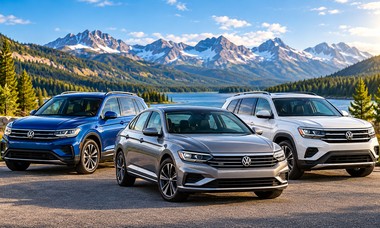
Volkswagen has long appealed to drivers who want something a little different from the typical used car. Its sedans, hatchbacks and SUVs often offer refined handling, comfortable interiors and turbocharged performance. But are used Volkswagens reliable, and which models and years are the best to buy?
The answer depends considerably on the model, engine, transmission and maintenance history. Some Volkswagens can provide 200,000 miles or more of dependable service, while others have developed expensive problems involving timing chains, water pumps, oil consumption, turbochargers and transmissions.
This guide compares 11 Volkswagen models: the Beetle, Golf, GTI, Jetta, Passat, Tiguan, Atlas, Taos, Touareg, Arteon and ID.4. We'll look at the generations most worth considering, the years that deserve closer inspection, and the mechanical problems used-car buyers should know about.
Or, Looking For "New"?
If you're also considering a new Volkswagen, you may want to come back to this and take a look at a handy technique that locates the dealer in your area most ready to make price concessions.
Volkswagen Reliability Overview
Volkswagen reliability is best described as mixed. Many of its engines and transmissions are capable of long service lives, but repair costs and maintenance requirements can be higher than those of comparable Toyota or Honda models.
One important distinction is that Volkswagen uses several different transmissions. A conventional automatic, a manual transmission and a dual-clutch DSG automatic can have very different maintenance needs and potential problems. Similarly, the reliability of an older turbocharged 2.0-liter engine may differ substantially from that of a newer version.
For buyers, the most important consideration is finding the right combination of model year, engine and transmission, backed by a documented maintenance history.
Volkswagen Reliability at a Glance
| Volkswagen Model | Used Reliability | Expected Lifespan | Main Concerns |
|---|---|---|---|
| Beetle | Average to good | 150,000–200,000+ miles | Timing chains, cooling system, electrical problems |
| Golf | Good with maintenance | 180,000–220,000+ miles | Water pumps, carbon buildup, electronics |
| GTI | Average to good | 150,000–200,000+ miles | Timing chains on older models, water pumps, DSG maintenance |
| Jetta | Average to good | 180,000–220,000+ miles | Cooling system, timing components, transmission issues |
| Passat | Average to good | 180,000–220,000+ miles | Cooling system, oil leaks, transmission maintenance |
| Tiguan | Average | 150,000–200,000+ miles | Timing chains on older models, water pumps, oil consumption |
| Atlas | Mixed | 150,000–200,000+ miles | Cooling system, electronics, recalls |
| Taos | Mixed, limited history | 150,000–200,000 miles* | Early engine and fuel-system concerns, electronics |
| Touareg | Average, costly to maintain | 180,000–220,000+ miles | Cooling system, oil leaks, complex electronics |
| Arteon | Average, limited history | 150,000–200,000+ miles | Cooling system, electronics, DSG maintenance |
| ID.4 | Still developing | Long-term lifespan uncertain | Software, electronics, recalls, charging equipment |
These mileage ranges are broad expectations for properly maintained vehicles, not guarantees or statistically established averages. *The Taos has not been on the road long enough to establish a dependable 200,000-mile track record.
What Are the Most Common Volkswagen Reliability Problems?
Timing chain tensioner and timing component failures: Certain older Volkswagen turbocharged engines, particularly some late-2000s and early-2010s 2.0-liter TSI engines, experienced timing chain tensioner failures or excessive chain stretch. A failure can allow the engine to lose valve timing and suffer serious internal damage. Later revisions improved the design, but buyers should verify the specific engine and repair history.
Water pump and thermostat housing leaks: Plastic cooling-system components used on various Volkswagen turbocharged engines can develop leaks. Warning signs include falling coolant levels, a sweet smell, visible coolant residue and overheating. These problems are particularly relevant to many Golf, GTI, Jetta, Passat and Tiguan models.
DSG transmission and automatic transmission problems: Volkswagen's dual-clutch DSG transmissions can shift quickly and perform well, but some versions require scheduled fluid and filter service. Clutch wear, mechatronic control problems and rough shifting can become expensive. Conventional automatics have different service requirements and should not be confused with DSG units.
Oil consumption, carbon buildup and electrical issues: Some Volkswagen engines develop oil consumption or carbon deposits on intake valves, particularly direct-injection engines without supplemental port injection. Electrical complaints can involve window regulators, sensors, infotainment systems and driver-assistance features. The frequency and severity vary substantially by model and year.
Volkswagen Beetle Reliability
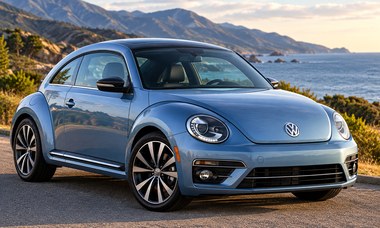
The Volkswagen Beetle combines distinctive styling with mechanical components shared with other Volkswagen models. Its reliability depends heavily on the engine, with some simpler older engines offering fewer potential problems than certain turbocharged versions.
1998–2010 Volkswagen New Beetle
The first modern New Beetle offered several engines, including a naturally aspirated 2.0-liter four-cylinder, a turbocharged 1.8-liter four-cylinder and diesel options. The 2.0-liter gasoline engine is generally one of the simpler choices, although its modest performance and age-related repairs should be considered.
Common Problems on 1998–2010 Volkswagen Beetles
- Timing belt maintenance: Several engines require scheduled timing belt replacement, and neglected service can lead to major engine damage.
- Cooling system leaks: Plastic flanges, hoses, thermostats and water pumps can deteriorate with age.
- Automatic transmission problems: Harsh shifting or slipping can indicate expensive transmission repairs.
- Window regulator failures: Power windows can become stuck or operate intermittently.
- Electrical faults: Door locks, instrument displays and various sensors can malfunction.
- Interior deterioration: Aging trim, headliners and plastic components may require attention.
Buyer Tip: On these older Beetles, documented timing belt service, cooling-system condition and transmission operation are especially important. Rust and general age-related deterioration can outweigh differences between individual model years.
2012–2019 Volkswagen Beetle
The redesigned Beetle offered a more conventional interior layout and a wider range of gasoline engines. Depending on the year, buyers may encounter the naturally aspirated 2.5-liter five-cylinder, turbocharged 1.8-liter four-cylinder or turbocharged 2.0-liter four-cylinder.
The 2.5-liter five-cylinder is an appealing choice for buyers who prioritize mechanical simplicity over maximum fuel economy or performance. Later turbocharged engines can also be good purchases, but their cooling systems and maintenance histories deserve closer attention.
Common Problems on 2012–2019 Volkswagen Beetles
- Timing chain concerns: Certain earlier 2.0-liter turbo engines deserve checks for chain stretch and tensioner condition.
- Water pump leaks: Turbocharged engines can develop coolant leaks around the pump or thermostat housing.
- Carbon buildup: Direct-injection engines may develop intake-valve deposits that contribute to rough running.
- Ignition coil failures: Misfires and rough acceleration can result from failing coils or spark plugs.
- Sunroof and window problems: Water leaks and electrical mechanisms should be checked carefully.
- Transmission hesitation: Any harsh shifting or delayed engagement warrants further investigation.
Buyer Tip: A well-maintained 2.5-liter five-cylinder Beetle can be an attractive used purchase. For turbocharged models, inspect the cooling system and confirm that any applicable timing-chain concerns have been addressed.
What Are the Best Volkswagen Beetle Years to Buy?
| Recommended Years | Why Consider Them? |
|---|---|
| 2013–2014 2.5L | Relatively straightforward five-cylinder engine and updated Beetle design. |
| 2016–2019 | Later production years with improved equipment and more mature engine offerings. |
| 2008–2010 2.0L | Potentially inexpensive older choices when timing belt service and overall condition are excellent. |
Bottom Line: The Beetle can be a dependable and enjoyable used car, but engine selection and maintenance history are more important than its appearance. Older examples should be purchased primarily on condition.
For a more detailed look at common mechanical problems, reliability concerns, and what to inspect before buying, see our Volkswagen Beetle reliability guide.
Volkswagen Golf Reliability
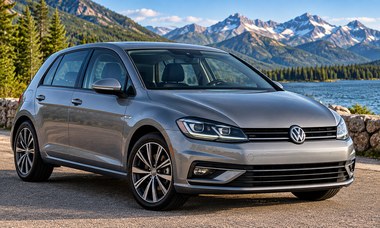
The Golf has long been one of Volkswagen's most practical and refined compact cars. Its combination of hatchback versatility, comfortable driving characteristics and efficient engines makes it appealing to used-car buyers.
2006–2009 Volkswagen Rabbit
Sold under the Rabbit name in the United States, this generation primarily used Volkswagen's naturally aspirated 2.5-liter five-cylinder engine. It avoids some of the turbocharger-related complexity found in later models.
Common Problems on 2006–2009 Volkswagen Rabbits
- Vacuum pump oil leaks: Oil can seep from the vacuum pump and surrounding seals.
- Ignition coil problems: Misfires and rough running may develop.
- Cooling system wear: Thermostats, water pumps and plastic cooling components can leak.
- Automatic transmission shifting: Harsh or delayed shifts require investigation.
- Suspension wear: Control-arm bushings, struts and other components may deteriorate.
- Electrical problems: Door locks, windows and sensors can develop age-related faults.
Buyer Tip: A Rabbit with the 2.5-liter engine, documented maintenance and a smooth-shifting transmission can be a good inexpensive Volkswagen. At this age, rust and deferred repairs are major considerations.
2010–2014 Volkswagen Golf
The sixth-generation Golf continued with the 2.5-liter five-cylinder gasoline engine in the U.S. market, along with a 2.0-liter TDI diesel option. The gasoline model is generally the simpler choice for buyers seeking lower maintenance complexity.
Diesel models offer excellent fuel economy but require particular attention to emissions equipment, fuel-system condition and their recall or emissions-modification history.
Common Problems on 2010–2014 Volkswagen Golfs
- Vacuum pump and gasket leaks: Oil leaks can develop on 2.5-liter engines.
- Cooling system failures: Water pumps and thermostats can require replacement.
- Ignition system problems: Worn plugs or failing coils can cause misfires.
- Diesel emissions components: TDI models may require expensive emissions-related repairs.
- Diesel fuel-system failures: High-pressure fuel-system damage can be particularly costly.
- Transmission and clutch wear: Check for rough shifting, slipping and poor engagement.
Buyer Tip: The 2.5-liter gasoline Golf is a particularly appealing choice for buyers who want the Golf's refinement without the additional complexity of a turbocharged engine or diesel emissions system.
2015–2021 Volkswagen Golf
The seventh-generation Golf introduced a more modern platform, improved fuel economy and turbocharged gasoline engines. Most regular U.S. Golf models used a 1.8-liter turbocharged four-cylinder, while later versions adopted a 1.4-liter turbocharged engine.
These cars generally offer a strong balance of driving enjoyment, interior quality and practicality. However, cooling-system leaks, electronics and transmission behavior deserve attention.
Common Problems on 2015–2021 Volkswagen Golfs
- Water pump and thermostat leaks: Coolant loss can develop around plastic cooling-system components.
- Turbocharger wastegate problems: Rattling, boost faults or reduced performance can occur on some engines.
- Carbon buildup: Certain direct-injection engines may develop deposits on intake valves.
- Sunroof water leaks: Blocked drains or sealing problems can allow water into the cabin.
- Infotainment and electrical faults: Touchscreens, sensors and other electronics may malfunction.
- Transmission hesitation: Rough shifting or delayed engagement should be evaluated.
Buyer Tip: Inspect the coolant level when the engine is cold, look for dried coolant residue, and check carpets for moisture. A complete service history is a strong advantage.
What Are the Best Volkswagen Golf Years to Buy?
| Recommended Years | Why Consider Them? |
|---|---|
| 2017–2019 | Well-developed seventh-generation models with modern features and useful used-car availability. |
| 2020–2021 | Later U.S. regular Golf models with efficient 1.4-liter turbo engines. |
| 2010–2014 2.5L | Straightforward naturally aspirated engine and comfortable hatchback design. |
Bottom Line: The Golf is one of Volkswagen's more attractive used-car choices. The older 2.5-liter gasoline models offer relative simplicity, while later seventh-generation cars provide a more modern driving experience.
Volkswagen GTI Reliability
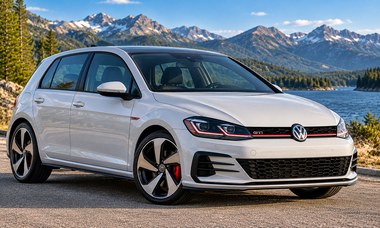
The GTI is Volkswagen's popular performance hatchback. It combines everyday practicality with a turbocharged engine, sport-tuned suspension and responsive handling. But reliability depends heavily on the generation, maintenance and whether the car has been modified.
2006–2009 Volkswagen GTI
The fifth-generation GTI used a turbocharged 2.0-liter four-cylinder engine. Engine design and timing-drive arrangements varied during the production run, making the exact engine version important.
Common Problems on 2006–2009 Volkswagen GTIs
- Cam follower wear: Certain earlier 2.0-liter turbo engines can experience wear affecting the high-pressure fuel pump drive.
- Timing belt maintenance: Earlier belt-driven engines require documented replacement at the appropriate interval.
- Timing chain tensioner problems: Some later chain-driven engines require checks for tensioner revisions and chain condition.
- Carbon buildup: Direct-injection engines can develop intake-valve deposits.
- PCV and diverter valve failures: Faulty pressure-control components can cause boost leaks or rough running.
- DSG and clutch wear: Check for harsh shifting and verify required transmission service.
Buyer Tip: Determine which 2.0-liter turbo engine the car has before evaluating its maintenance needs. Avoid examples with undocumented tuning or unresolved timing-system problems.
2010–2014 Volkswagen GTI
The sixth-generation GTI continued with a turbocharged 2.0-liter engine and a choice of manual or DSG transmissions. It is enjoyable to drive, but its earlier timing chain tensioner design is a particularly important reliability concern.
Common Problems on 2010–2014 Volkswagen GTIs
- Timing chain tensioner failure: Earlier tensioner designs can fail and cause severe engine damage.
- Timing chain stretch: Excessive chain wear can trigger timing-related faults and starting problems.
- Water pump leaks: Plastic pump housings and seals can leak coolant.
- Carbon buildup: Intake-valve deposits can contribute to rough idle and misfires.
- Intake manifold faults: Flap mechanisms can fail and trigger warning lights.
- DSG mechatronic or clutch problems: Poor shifts or hesitation can require costly repairs.
Why Do 2010–2014 Volkswagen GTIs Have Timing Chain Problems?
Some of these GTIs use an earlier timing chain tensioner design that can lose its ability to maintain proper chain tension. If the chain jumps out of time, pistons and valves can collide, potentially destroying the engine.
Before purchasing one, obtain documentation showing whether the tensioner has been updated and whether chain stretch has been evaluated. A quiet engine alone does not prove the original components are safe.
Buyer Tip: An older GTI with documented timing chain tensioner replacement is generally a much more reassuring purchase than one with an unknown repair history.
2015–2021 Volkswagen GTI
The seventh-generation GTI introduced a revised turbocharged 2.0-liter engine and a lighter, more modern platform. It generally represents a more appealing used-car choice than the preceding generation, particularly when maintenance has been consistent.
Common Problems on 2015–2021 Volkswagen GTIs
- Water pump and thermostat housing leaks: Coolant loss is a well-known concern on this engine family.
- Carbon buildup: Intake-valve deposits can develop with mileage.
- Turbocharger wastegate problems: Boost-control faults or rattling may occur.
- Clutch slipping: Manual-transmission cars, especially tuned examples, can wear clutches prematurely.
- DSG service neglect: Skipped scheduled maintenance can increase transmission risk.
- Sunroof and electronics problems: Water leaks and infotainment faults should be checked.
Buyer Tip: A stock 2018–2021 GTI with complete service records is often a strong candidate. Inspect the cooling system carefully and ask whether the engine or transmission software has been modified.
2022–Present Volkswagen GTI
The eighth-generation GTI introduced revised styling, updated technology and a more powerful version of Volkswagen's turbocharged 2.0-liter engine. Manual and DSG versions were offered initially, with the manual transmission discontinued in the U.S. after the 2024 model year.
Common Problems on 2022–Present Volkswagen GTIs
- Infotainment glitches: Touch-sensitive controls and software functions have generated owner complaints.
- Driver-assistance warnings: Some vehicles have experienced intermittent steering-wheel or Travel Assist warnings.
- Cooling system leaks: Water pump and thermostat condition remains worth monitoring.
- Electrical faults: Sensors and control modules can produce intermittent warnings.
- Clutch and DSG behavior: Check for smooth engagement and correct transmission maintenance.
- Performance-related wear: Tires, brakes and suspension components may wear quickly on aggressively driven cars.
Buyer Tip: Newer GTIs should be checked for completed software updates, recalls and warranty repairs. Long-term reliability evidence is still developing.
What Are the Best Volkswagen GTI Years to Buy?
| Recommended Years | Why Consider Them? |
|---|---|
| 2018–2021 | Mature seventh-generation models with strong performance and a generally improved engine design. |
| 2016–2017 | Potentially good values when cooling-system and maintenance history are satisfactory. |
| 2023–2025 | Modern performance and technology, though long-term reliability evidence is limited. |
Bottom Line: The GTI can be a rewarding used performance car, but maintenance records and evidence of modifications are critical. Later seventh-generation models are especially attractive for buyers seeking a balance of performance, price and reliability.
Volkswagen Jetta Reliability
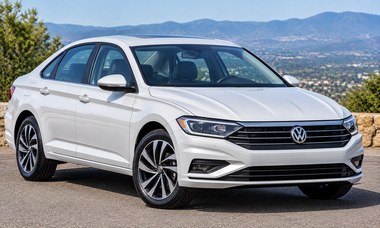
The Jetta is one of Volkswagen's most popular used sedans. It offers a comfortable ride, good interior space and, in many versions, excellent fuel economy. Its reliability varies considerably by engine and generation.
2005–2010 Volkswagen Jetta
The fifth-generation Jetta offered several engines, including the naturally aspirated 2.5-liter five-cylinder, turbocharged gasoline engines and TDI diesels. The 2.5-liter gasoline engine is often the most straightforward choice for buyers seeking affordable long-term ownership.
Common Problems on 2005–2010 Volkswagen Jettas
- Vacuum pump oil leaks: The 2.5-liter engine can develop oil leaks around the vacuum pump.
- Cooling system failures: Water pumps, thermostats and hoses can deteriorate.
- Automatic transmission problems: Harsh shifting or slipping can indicate expensive repairs.
- Timing belt service: Applicable turbocharged and diesel engines require careful attention to scheduled belt replacement.
- Electrical faults: Window regulators, door locks and sensors may malfunction.
- Suspension wear: Control-arm bushings and other components can wear with mileage.
Buyer Tip: A well-maintained 2.5-liter gasoline Jetta with a smooth-shifting transmission is often preferable to a neglected turbocharged or diesel version.
2011–2018 Volkswagen Jetta
The sixth-generation Jetta offered an unusually wide range of engines, including the 2.0-liter naturally aspirated four-cylinder, 2.5-liter five-cylinder, turbocharged 1.4-liter and 1.8-liter engines, and performance-oriented 2.0-liter turbocharged GLI versions.
The base 2.0-liter engine is relatively simple but slow. The 2.5-liter five-cylinder offers a useful balance of durability and performance, while later turbocharged engines deliver better fuel economy.
Common Problems on 2011–2018 Volkswagen Jettas
- Timing chain problems: Certain earlier turbocharged engines require checks for tensioner revisions and chain condition.
- Water pump leaks: Turbocharged engines can develop coolant leaks around plastic housings.
- Carbon buildup: Direct-injection engines may develop intake-valve deposits.
- Turbocharger faults: Boost-control or wastegate problems can reduce performance.
- Transmission problems: Check for rough shifting, slipping or delayed engagement.
- Electrical and air-conditioning faults: Sensors, blower components and control systems can require repairs.
Buyer Tip: Engine selection is particularly important in this generation. The older 2.5-liter five-cylinder can be appealing for simplicity, while later 1.4-liter turbo models provide better fuel economy.
2019–Present Volkswagen Jetta
The redesigned Jetta introduced a roomier interior, improved efficiency and a turbocharged 1.4-liter engine, replaced by a 1.5-liter turbocharged engine beginning with the 2022 model year. The sportier GLI continued with a more powerful 2.0-liter turbocharged engine.
Common Problems on 2019–Present Volkswagen Jettas
- Transmission noise or hesitation: Some early automatic models generated complaints about unusual noises or shifting behavior.
- Fuel-system and engine warnings: Certain vehicles may develop misfires or fuel-related faults.
- Cooling system leaks: Inspect coolant levels and hoses for leakage.
- Infotainment problems: Touchscreens, connectivity and electronic functions can malfunction.
- Driver-assistance faults: Sensors and electronic warning systems should be checked.
- GLI maintenance requirements: Turbocharged performance models require attention to cooling-system and transmission service.
Buyer Tip: Later 2022–2025 Jettas offer an efficient 1.5-liter engine and modern safety features. Check recall completion and verify that the transmission operates smoothly in stop-and-go driving.
What Are the Best Volkswagen Jetta Years to Buy?
| Recommended Years | Why Consider Them? |
|---|---|
| 2013–2014 2.5L | Relatively straightforward five-cylinder engine with good everyday usability. |
| 2016–2018 | Later sixth-generation models with improved equipment and efficient engine choices. |
| 2022–2025 | Updated 1.5-liter turbo engine and modern features; inspect service and recall history. |
Bottom Line: The Jetta can be a very good used compact sedan, particularly when buyers select a well-maintained engine and transmission combination rather than shopping by model year alone.
For additional information about Jetta reliability, common problems, and important considerations when shopping for a used model, see our Volkswagen Jetta reliability guide.
Volkswagen Passat Reliability
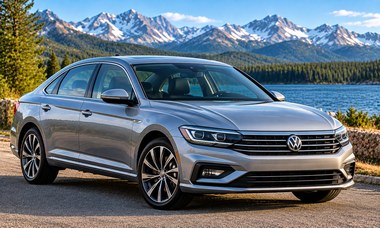
The Passat offers a spacious interior, comfortable highway ride and a more refined driving experience than many inexpensive used sedans. The best versions can be good values, but engine and transmission differences matter.
2006–2010 Volkswagen Passat
These Passats offered turbocharged four-cylinder and six-cylinder engines, depending on year and configuration. They provide strong performance and an upscale feel, but their age and mechanical complexity require careful inspection.
Common Problems on 2006–2010 Volkswagen Passats
- Timing belt or timing chain maintenance: Requirements differ by engine, and neglected service can lead to major damage.
- Cam follower wear: Certain earlier turbocharged 2.0-liter engines can experience high-pressure fuel pump follower wear.
- Oil consumption: Some turbocharged engines may use excessive oil.
- Cooling system leaks: Water pumps, thermostats and plastic fittings can fail.
- Electrical problems: Electronic parking brakes, sensors and interior controls may malfunction.
- Transmission issues: Check for harsh shifts, delayed engagement and incomplete maintenance.
Buyer Tip: A low purchase price can be misleading if the car needs timing-system, cooling-system or transmission repairs. Obtain a thorough inspection before buying.
2012–2019 Volkswagen Passat
The U.S.-market Passat was redesigned for 2012 with more interior space and a focus on comfort. Available engines included a naturally aspirated 2.5-liter five-cylinder, a turbocharged 1.8-liter four-cylinder, a 3.6-liter VR6 six-cylinder and, for certain years, a TDI diesel.
The 2.5-liter engine is generally a straightforward choice, while the 1.8-liter turbo offers better fuel efficiency. The VR6 delivers strong performance but has higher fuel consumption and additional maintenance considerations.
Common Problems on 2012–2019 Volkswagen Passats
- Water pump and thermostat leaks: Turbocharged engines can develop cooling-system problems.
- Oil leaks: Vacuum pumps, gaskets and seals can deteriorate.
- Ignition coil failures: Misfires or rough acceleration can occur.
- Carbon buildup: Direct-injection engines may develop intake-valve deposits.
- DSG transmission maintenance: VR6 and applicable diesel versions require attention to dual-clutch transmission service.
- Diesel emissions repairs: TDI models may require costly emissions-system maintenance.
Buyer Tip: The 2.5-liter gasoline Passat is attractive for buyers seeking a roomy sedan with relatively simple mechanical components. Later 1.8-liter turbo models are also worth considering with documented maintenance.
2020–2022 Volkswagen Passat
The final U.S.-market Passat continued with a turbocharged 2.0-liter four-cylinder engine and conventional automatic transmission. It emphasized comfort, cabin space and straightforward transportation rather than sporty handling.
Common Problems on 2020–2022 Volkswagen Passats
- Cooling system leaks: Water pump, thermostat and hose condition remain important.
- Oil leaks: Gaskets and seals can require attention with mileage.
- Ignition and sensor faults: Misfires or warning lights may develop.
- Transmission behavior: Check for smooth shifting and engagement.
- Infotainment problems: Connectivity and electronic functions should be tested.
- Suspension wear: Inspect bushings, shocks and other components on higher-mileage cars.
Buyer Tip: These final-year Passats can be appealing used values because of their generous interior space. Prioritize documented service and inspect the cooling system.
What Are the Best Volkswagen Passat Years to Buy?
| Recommended Years | Why Consider Them? |
|---|---|
| 2012–2013 2.5L | Spacious sedan with a relatively straightforward five-cylinder gasoline engine. |
| 2016–2019 | Updated styling, useful safety equipment and established engine choices. |
| 2020–2022 | Final U.S. production years with comfortable interiors and conventional automatic transmissions. |
Bottom Line: A carefully maintained Passat can be an excellent value for buyers who want a roomy sedan. The simpler gasoline powertrains are generally easier to recommend than neglected high-performance or diesel versions.
For a closer look at Volkswagen Passat reliability, known trouble spots, and what used-car buyers should watch for, see our Volkswagen Passat reliability guide.
Volkswagen Tiguan Reliability
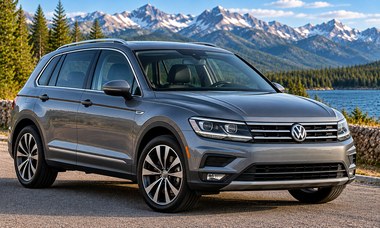
The Volkswagen Tiguan is one of the brand's most popular SUVs, offering a comfortable ride, upscale interior and available all-wheel drive. However, its reliability record varies considerably between generations, especially when it comes to timing chains, oil consumption and cooling-system problems.
2009–2017 Volkswagen Tiguan
The first-generation Tiguan used a turbocharged 2.0-liter four-cylinder engine paired with a conventional automatic transmission. It offered good performance for a compact SUV, but certain engine problems make these older models relatively risky used purchases.
Common Problems on 2009–2017 Volkswagen Tiguans
- Timing chain tensioner failure: Earlier engines can experience tensioner failure that allows the chain to jump and cause severe internal engine damage.
- Timing chain stretch: Worn timing chains can cause rattling, check-engine lights and camshaft timing faults.
- Excessive oil consumption: Some engines develop piston-ring or other internal wear that increases oil usage.
- Water pump leaks: Plastic pump housings and seals can develop coolant leaks.
- Carbon buildup: Direct fuel injection can allow deposits to accumulate on intake valves.
- Intake manifold failures: Internal flap mechanisms can malfunction and trigger warning lights.
- Turbocharger and PCV problems: Boost-control or crankcase ventilation failures can cause poor performance and rough running.
Why Do Older Volkswagen Tiguans Have Timing Chain Problems?
Some earlier Tiguan 2.0-liter turbo engines used timing chain tensioners that could fail without providing much warning. When the tensioner loses its ability to maintain proper chain tension, the chain can jump out of time, potentially allowing the pistons to strike the valves.
The risk is particularly important on earlier first-generation models. Later engines received revised components, but a buyer should verify the exact engine and whether any necessary timing-system repairs have been completed.
Buyer Tip: Before purchasing a 2009–2013 Tiguan, obtain documentation showing whether the timing chain tensioner has been updated. A vehicle with unknown timing-system history deserves particular caution.
2018–2024 Volkswagen Tiguan
The redesigned Tiguan grew considerably and offered a roomier cabin, with an available small third row on certain front-wheel-drive models. Its turbocharged 2.0-liter engine uses a different configuration from the earlier generation, and an eight-speed conventional automatic transmission replaced the older six-speed unit.
This generation generally makes a more appealing used purchase, although cooling-system leaks, oil consumption on some vehicles and electronic problems remain concerns.
Common Problems on 2018–2024 Volkswagen Tiguans
- Water pump and thermostat housing leaks: Coolant can escape from plastic cooling-system components.
- Oil consumption: Some owners report the need to add oil between scheduled services.
- Carbon buildup: Intake-valve deposits can develop with mileage on direct-injection engines.
- Transmission hesitation: Some vehicles exhibit delayed or abrupt shifts, particularly at lower speeds.
- Sunroof water leaks: Drainage or sealing problems can allow water into the interior.
- Infotainment problems: Touchscreens, connectivity and electronic features can malfunction.
- Suspension noises: Bushings, links and other suspension components may develop rattles or clunks.
Buyer Tip: Check coolant levels, look for signs of water intrusion around the panoramic sunroof, and evaluate transmission behavior in both city and highway driving.
2025–Present Volkswagen Tiguan
The redesigned 2025 Tiguan introduced updated styling, technology and a revised turbocharged 2.0-liter engine. It also moved away from the previous generation's optional third-row configuration in the U.S. market.
These vehicles are too new for meaningful long-term reliability conclusions. Buyers should pay attention to recalls, software updates, warranty coverage and early ownership reports rather than assuming that a redesigned model will be more dependable.
What Are the Best Volkswagen Tiguan Years to Buy?
| Recommended Years | Why Consider Them? |
|---|---|
| 2021–2024 | Later second-generation models with modern features and an established powertrain. |
| 2019–2020 | Potentially good values when maintenance, cooling-system condition and electronics check out. |
| 2015–2017 | Later first-generation models, but timing-system and oil-consumption history remain important. |
Bottom Line: The 2018–2024 Tiguan is generally the better starting point for used buyers. Earlier models can be inexpensive, but potentially costly engine problems make a thorough inspection essential.
Also, Know Your Trade-In Value
While you're narrowing down your next vehicle choice, it's also highly recommended that you know the value of your trade-in. Having a realistic appraisal is necessary to establish your budget as well as negotiate a better overall deal. Here's a good source for a quick and accurate appraisal: free trade-in appraisal.
Volkswagen Atlas Reliability
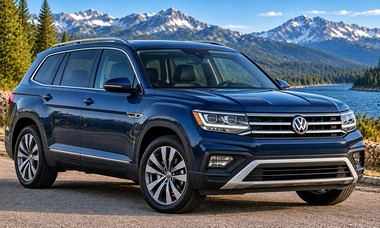
The Volkswagen Atlas is a spacious three-row SUV designed primarily for the North American market. Its generous passenger room and comfortable ride make it appealing to families, but its reliability record includes cooling-system, electrical and recall-related concerns.
2018–2023 Volkswagen Atlas
Early Atlas models offered a turbocharged 2.0-liter four-cylinder or a naturally aspirated 3.6-liter VR6 six-cylinder engine. Both were paired with an eight-speed conventional automatic transmission, with available 4Motion all-wheel drive.
The six-cylinder engine offers smoother power delivery and avoids turbocharger complexity, but it uses more fuel. Neither engine should be assumed trouble-free.
Common Problems on 2018–2023 Volkswagen Atlases
- Coolant leaks: Water pumps, thermostats and related cooling-system components can develop leaks.
- Electrical faults: Sensors, control modules and wiring problems can produce warning lights or intermittent failures.
- Airbag and occupant-detection recalls: Certain vehicles have been subject to recalls involving passenger occupant-detection systems.
- Fuel-system problems: Some vehicles have experienced fuel-related faults or recall campaigns.
- Transmission hesitation: Delayed or rough shifting should be investigated.
- Infotainment malfunctions: Screens, connectivity and electronic controls may behave inconsistently.
- Water intrusion: Sunroof drains and seals should be inspected for leaks.
Buyer Tip: Check the VIN for outstanding recalls, inspect the cooling system and test every major electronic feature. On an Atlas with a panoramic sunroof, look carefully for damp carpets or water stains.
2024–Present Volkswagen Atlas
The refreshed Atlas replaced the previous six-cylinder option with a more powerful turbocharged 2.0-liter four-cylinder engine. The updated interior features additional technology and revised controls.
These models offer improved performance and modern equipment, but their long-term reliability is still being established. Electronic functions, software updates, cooling-system condition and recall completion deserve attention.
What Are the Best Volkswagen Atlas Years to Buy?
| Recommended Years | Why Consider Them? |
|---|---|
| 2021–2023 | Later examples of the original design with a choice of four-cylinder or VR6 engines. |
| 2024–2025 | Updated powertrain, styling and technology, although long-term reliability evidence is limited. |
| 2019–2020 | Potentially lower prices, but recalls and maintenance history deserve especially careful review. |
Bottom Line: The Atlas offers excellent interior space, but its reliability record is less reassuring than those of some competing family SUVs. A later, well-maintained example with completed recalls is generally preferable.
Volkswagen Taos Reliability
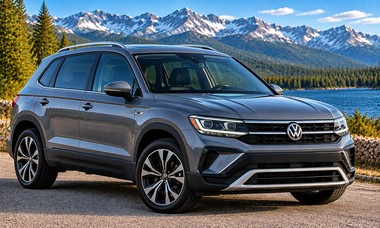
The Volkswagen Taos is a small SUV introduced for the 2022 model year. It offers generous interior space for its size, good fuel economy and a turbocharged engine, but early production models developed several reliability concerns.
2022–2024 Volkswagen Taos
The original Taos used a turbocharged 1.5-liter four-cylinder engine. Front-wheel-drive versions had an eight-speed conventional automatic transmission, while 4Motion all-wheel-drive versions used a seven-speed dual-clutch DSG transmission.
That distinction is important because the two transmissions have different driving characteristics and maintenance requirements.
Common Problems on 2022–2024 Volkswagen Taoses
- Head gasket coolant leaks: Some early 1.5-liter engines experienced coolant loss associated with head gasket problems.
- Fuel-system concerns: Certain vehicles have been subject to fuel-related recalls or complaints.
- DSG hesitation: All-wheel-drive models may exhibit abrupt low-speed engagement or shifting behavior.
- Engine hesitation: Some owners report delayed acceleration or uneven throttle response.
- Electrical faults: Warning lights, sensors and infotainment problems can occur.
- Brake wear: Some owners have reported unusually rapid rear brake wear.
Do Volkswagen Taos SUVs Have Head Gasket Problems?
Some early Taos models equipped with the turbocharged 1.5-liter engine developed coolant leaks associated with head gasket sealing problems. Owners may notice falling coolant levels, coolant warnings or unexplained coolant loss.
Because continued coolant loss can lead to overheating and engine damage, any used Taos should be inspected for evidence of previous coolant leaks or repairs. Service records are especially important on 2022 and 2023 models.
Buyer Tip: For an early Taos, ask specifically about head gasket repairs, coolant loss and transmission complaints. Confirm that applicable recalls have been completed.
2025–Present Volkswagen Taos
The refreshed Taos received an updated version of the 1.5-liter turbocharged engine and revised technology. Volkswagen also moved all-wheel-drive versions to a conventional eight-speed automatic transmission, replacing the earlier DSG configuration.
These changes may appeal to buyers concerned about the original model's low-speed DSG behavior, but the newer vehicles have not accumulated enough mileage to establish long-term reliability.
What Are the Best Volkswagen Taos Years to Buy?
| Recommended Years | Why Consider Them? |
|---|---|
| 2025–2026 | Updated powertrain and conventional automatic transmission across the lineup; long-term durability remains unproven. |
| 2024 | Later original-generation example, provided cooling-system and transmission condition are satisfactory. |
| 2022–2023 | Consider only with especially careful inspection and documentation of relevant repairs. |
Bottom Line: The Taos offers useful space and efficiency, but early head gasket and transmission concerns make it a model that deserves careful shopping. Newer versions are promising, although their long-term durability is not yet established.
Volkswagen Touareg Reliability
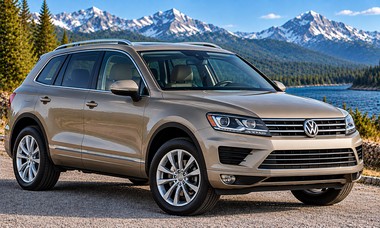
The Volkswagen Touareg is a midsize luxury SUV with sophisticated engineering, strong highway performance and available all-wheel drive. It shares some of its engineering heritage with more expensive European luxury SUVs, which helps explain both its capabilities and its potentially high repair costs.
2004–2010 Volkswagen Touareg
The first-generation Touareg offered several engines, including six-cylinder and eight-cylinder gasoline engines and diesel options. Its advanced four-wheel-drive system and available air suspension made it capable, but also mechanically complex.
Common Problems on 2004–2010 Volkswagen Touaregs
- Air suspension failures: Equipped vehicles can develop leaking air springs, compressor problems or height-control faults.
- Cooling-system leaks: Water pumps, hoses and plastic components can deteriorate.
- Electrical problems: Control modules, wiring and convenience features can malfunction.
- Driveshaft support bearing wear: Vibration or thumping may develop from worn driveline components.
- Oil leaks: Aging engine seals and gaskets can require expensive repairs.
- Diesel system complexity: Certain diesel engines can be particularly costly to repair.
- Suspension and steering wear: Heavy vehicle weight places demands on bushings and other components.
Buyer Tip: Avoid buying an early Touareg solely because its asking price is low. Suspension, electrical and engine repairs can quickly exceed the value of an inexpensive example.
2011–2017 Volkswagen Touareg
The second-generation Touareg became more refined and somewhat less complicated in certain configurations. U.S. buyers could choose a 3.6-liter VR6 gasoline engine or, through the 2016 model year, a 3.0-liter turbocharged diesel V6.
The gasoline VR6 avoids the diesel's emissions equipment and high-pressure fuel-system complexity, making it a more straightforward choice for many used buyers.
Common Problems on 2011–2017 Volkswagen Touaregs
- Cooling-system leaks: Water pumps, thermostats and related components may require replacement.
- Oil leaks: Engine seals and gaskets can deteriorate with mileage.
- Diesel emissions problems: TDI models may require repairs involving emissions-control components.
- Diesel fuel-system failures: High-pressure fuel-system problems can be expensive.
- Electrical faults: Infotainment, sensors and convenience systems may malfunction.
- Suspension wear: Control-arm bushings and other components can wear under the SUV's weight.
- Transmission and transfer-case concerns: Unusual noises, vibration or rough engagement deserve investigation.
Buyer Tip: A later VR6 gasoline Touareg with comprehensive maintenance records is often the most approachable version for used buyers. Diesel versions require additional expertise and a careful emissions-system inspection.
What Are the Best Volkswagen Touareg Years to Buy?
| Recommended Years | Why Consider Them? |
|---|---|
| 2015–2017 VR6 | Later gasoline models with a refined design and fewer diesel-specific maintenance concerns. |
| 2012–2014 VR6 | Potentially good values when cooling-system, suspension and service history are excellent. |
| 2011–2016 TDI | Strong torque and fuel economy, but only for buyers comfortable with diesel repair costs and emissions-system complexity. |
Bottom Line: The Touareg can be a satisfying luxury SUV, but it is not an inexpensive vehicle to maintain. A well-documented second-generation VR6 is generally the safest starting point.
Volkswagen Arteon Reliability
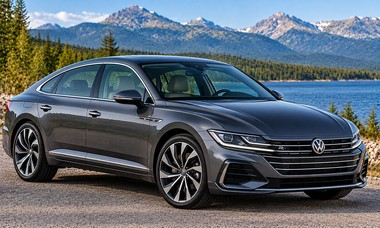
The Volkswagen Arteon is a stylish midsize fastback that replaced the CC in Volkswagen's U.S. lineup. Sold in the United States from 2019 through 2023, it combines a roomy interior, upscale styling and turbocharged performance.
2019–2021 Volkswagen Arteon
Early U.S. Arteons used a turbocharged 2.0-liter four-cylinder engine paired with an eight-speed conventional automatic transmission. Front-wheel drive and 4Motion all-wheel drive were available, depending on configuration.
Common Problems on 2019–2021 Volkswagen Arteons
- Water pump and thermostat leaks: Cooling-system components can develop coolant loss.
- Carbon buildup: Direct-injection engines may develop intake-valve deposits.
- Turbocharger-related faults: Wastegate or boost-control problems can affect performance.
- Electrical problems: Sensors, driver-assistance systems and infotainment functions can malfunction.
- Sunroof water leaks: Drainage and sealing problems can allow moisture into the cabin.
- Transmission hesitation: Check for smooth shifting and consistent engagement.
Buyer Tip: Check the cooling system and electronic features carefully. The Arteon's relatively limited U.S. sales also make availability of certain body and trim parts worth considering.
2022–2023 Volkswagen Arteon
For 2022, the Arteon received a more powerful turbocharged 2.0-liter engine and a seven-speed DSG dual-clutch automatic transmission. These models deliver stronger performance but introduce different transmission maintenance considerations.
Common Problems on 2022–2023 Volkswagen Arteons
- Cooling-system leaks: Water pump and thermostat components remain important inspection points.
- DSG transmission behavior: Rough engagement, hesitation or neglected scheduled maintenance can become concerns.
- Infotainment problems: Touchscreen and connectivity issues may occur.
- Electronic warning faults: Sensors and driver-assistance features can generate intermittent alerts.
- Turbocharger and ignition problems: Misfires or reduced boost require diagnosis.
- Suspension wear: Inspect bushings, shocks and tires for uneven wear.
Buyer Tip: The later Arteon offers substantially stronger performance, but buyers should verify DSG service requirements and inspect the car for modifications or aggressive previous use.
What Are the Best Volkswagen Arteon Years to Buy?
| Recommended Years | Why Consider Them? |
|---|---|
| 2022–2023 | Stronger engine and updated performance, with relatively limited long-term reliability evidence. |
| 2020–2021 | Comfortable, stylish models with a conventional automatic transmission. |
Bottom Line: The Arteon can offer impressive used-car value, particularly compared with similarly equipped luxury sedans. Its limited sales history and potentially expensive repairs make a thorough inspection worthwhile.
Volkswagen ID.4 Reliability
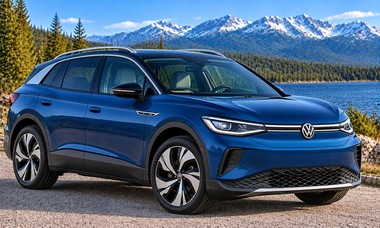
The Volkswagen ID.4 is an all-electric compact SUV introduced in the United States for the 2021 model year. Unlike gasoline-powered Volkswagens, it has no conventional engine, turbocharger, timing chain or multi-speed automatic transmission.
Its reliability concerns instead center on software, electrical systems, charging equipment, door mechanisms and battery-related components.
2021–2023 Volkswagen ID.4
Early ID.4 models offered rear-wheel drive or dual-motor all-wheel drive, depending on year and trim. They provide a quiet ride and relatively low routine maintenance requirements, but early software and electrical problems have affected ownership satisfaction.
Common Problems on 2021–2023 Volkswagen ID.4s
- Software glitches: Infotainment screens, displays and vehicle functions can freeze or malfunction.
- Door handle problems: Certain vehicles have been subject to recalls involving electronic door handle mechanisms.
- Display failures: Instrument and infotainment screens may malfunction or reset.
- Charging problems: Charging interruptions or communication faults can occur.
- Electrical system warnings: Control-module faults may trigger warning messages.
- Battery management issues: Software and electronic problems can affect battery-related functions.
Buyer Tip: Verify recall completion and software updates, test both AC and DC charging when practical, and check battery health using appropriate diagnostic information.
2024–Present Volkswagen ID.4
Many 2024 and later ID.4 configurations received updated motors, revised software and improved infotainment equipment. Battery size, motor output and charging capability vary by year and trim.
These changes improved several aspects of the driving experience, but long-term battery and electrical-system reliability remain difficult to judge because the model is relatively new.
Common Problems on 2024–Present Volkswagen ID.4s
- Software and infotainment faults: Electronic functions may still require updates or repairs.
- Door handle recalls: Verify whether any applicable campaigns have been completed.
- Charging compatibility: Confirm that the vehicle charges properly with the equipment you expect to use.
- Electrical warning messages: Intermittent faults should be diagnosed before purchase.
- Battery condition: Check available battery-health information and remaining warranty coverage.
- Tire wear: Vehicle weight and electric-motor torque can contribute to accelerated tire wear.
Buyer Tip: An ID.4 should be evaluated differently from a gasoline-powered Volkswagen. Battery condition, charging performance, software status and warranty coverage are more important than conventional engine-maintenance history.
What Are the Best Volkswagen ID.4 Years to Buy?
| Recommended Years | Why Consider Them? |
|---|---|
| 2024–2025 | Updated technology and improved performance on many configurations; long-term reliability remains uncertain. |
| 2023 | Potentially attractive used pricing, provided recalls and software updates are complete. |
| 2021–2022 | Consider mainly when pricing, warranty coverage and documented repairs justify the additional early-production risk. |
Bottom Line: The ID.4 can offer low routine maintenance costs and a comfortable electric driving experience, but software and electrical reliability deserve close attention. Battery health and completed recalls should be verified before purchase.
Which Used Volkswagen Models Are the Most Reliable?
For buyers who want relatively straightforward transportation, the Golf, Jetta and Passat are among Volkswagen's more appealing used choices, particularly when equipped with well-maintained gasoline engines and conventional transmissions.
The older 2.5-liter five-cylinder engine used in certain Golf, Jetta, Passat and Beetle models is especially worth considering. It avoids turbocharger complexity and has an established history of durable service, although oil leaks, cooling-system repairs and other age-related problems remain possible.
Among newer Volkswagens, the seventh-generation Golf and GTI, later second-generation Tiguan and carefully maintained Jetta are attractive options. The GTI provides more performance but generally requires greater attention to cooling-system maintenance, transmission service and previous modifications.
The Atlas, Taos and ID.4 deserve additional caution because of their early-production problems and recall histories. The Touareg and Arteon can be rewarding purchases, but their complexity and potential repair costs make them less suitable for buyers seeking the lowest possible ownership expenses.
Which Volkswagen Models and Years Should You Avoid or Inspect More Carefully?
Volkswagen has produced many dependable vehicles, but certain model years and mechanical combinations carry enough risk to deserve closer inspection.
| Model / Years | Main Concern | Buyer Guidance |
|---|---|---|
| 2009–2013 Tiguan | Timing chain tensioner failures, chain stretch and oil consumption | Require timing-system documentation and inspect engine condition. |
| 2010–2014 GTI | Earlier timing chain tensioner design and cooling-system problems | Verify tensioner updates and evaluate chain condition. |
| Early 2.0L TSI models | Timing chain, oil consumption and cooling-system concerns | Identify the exact engine and investigate its repair history. |
| 2022–2023 Taos | Head gasket coolant leaks, transmission behavior and early-production problems | Check cooling-system repairs, recalls and transmission operation. |
| 2018–2020 Atlas | Early-production electrical, cooling-system and recall-related issues | Verify VIN-specific recalls and inspect all electronic features. |
| 2021–2022 ID.4 | Software, electrical and door-handle problems | Verify updates, recalls, charging performance and battery warranty. |
| 2004–2010 Touareg | Complex suspension, electrical systems and expensive repairs | Purchase only after a thorough specialist inspection. |
These are not automatic disqualifications. A vehicle with documented repairs and careful maintenance may be a better purchase than a supposedly safer model year that has been neglected.
Volkswagen Pricing
Knowing which Volkswagen model or years to concentrate on is step 1. Step 2 is knowing how to actually get an excellent used Volkswagen price.
Also, getting a strong trade-in allowance will have the biggest impact on your final price. See KBB versus Edmunds Appraisals - Which Is Better to learn about getting accurate and fair trade-in values before negotiating with a dealer.
How Many Miles Can a Volkswagen Last?
A well-maintained Volkswagen can often last 150,000–200,000 miles, and some models exceed 200,000 miles. However, the cost of reaching those mileages depends heavily on the engine, transmission and previous maintenance.
At approximately 100,000 miles, buyers should pay particular attention to cooling-system components, ignition parts, transmission service and suspension wear. By 150,000 miles, oil leaks, timing-system condition, turbocharger health and accumulated electrical problems may become more important.
At 200,000 miles or more, overall condition and repair history matter far more than the odometer reading alone. A vehicle with documented preventive maintenance can be a better purchase than a lower-mileage example with unresolved mechanical problems.
These mileage expectations refer to the overall vehicle, not the guaranteed life of an individual engine, turbocharger, transmission or battery. Electric models such as the ID.4 require a different evaluation focused on battery health and electrical-system condition.
What Should You Check Before Buying a Used Volkswagen?
In addition to the normal used-car inspection items, pay particular attention to these potential Volkswagen-specific trouble spots.
- Timing chain or timing belt history: Determine which system the engine uses and verify any required replacement or updated tensioner components.
- Cooling-system leaks: Look for low coolant, dried residue around the water pump or thermostat housing, and evidence of previous overheating.
- Engine oil consumption: Ask whether oil must be added between services and inspect for leaks or exhaust smoke.
- Turbocharger operation: Check for abnormal noises, hesitation, boost-related warning lights and signs of modifications.
- DSG maintenance: Verify the correct service schedule for the specific transmission and confirm that required services were performed.
- Transmission behavior: Evaluate engagement, shifting and low-speed operation on a thorough test drive.
- Carbon buildup symptoms: Rough idle, cold-start misfires and hesitation may warrant further investigation on certain direct-injection engines.
- Sunroof and interior water leaks: Inspect carpets, headliners and drainage areas for moisture.
- Electrical and infotainment systems: Test displays, windows, door locks, climate controls, cameras and driver-assistance features.
- Recalls and warranty extensions: Check the VIN for outstanding safety recalls and applicable manufacturer service programs.
- Diesel emissions equipment: On TDI models, verify emissions-system condition, modification history and any remaining applicable coverage.
- Electric-vehicle battery health: On the ID.4, confirm charging operation, software updates and battery warranty status.
A pre-purchase inspection by a mechanic familiar with Volkswagen vehicles is particularly valuable on turbocharged, diesel, performance and luxury models.
Volkswagen Alternatives to Consider
Toyota: Models such as the Corolla, Camry and RAV4 are often attractive alternatives for buyers who place the highest priority on long-term dependability and predictable maintenance costs. Volkswagen may offer a more European driving feel, but Toyota generally has a stronger reputation for low-maintenance ownership.
Honda: The Civic, Accord and CR-V provide practical alternatives to the Jetta, Passat and Tiguan. Honda models can also develop mechanical problems, but many have extensive service networks and well-established long-term ownership histories.
Mazda: The Mazda3, Mazda6 and CX-5 appeal to drivers who appreciate Volkswagen's handling and interior quality. Certain naturally aspirated Mazda engines offer a relatively straightforward alternative to turbocharged Volkswagen powertrains.
Subaru: The Impreza, Crosstrek, Forester and Outback are worth considering for buyers who prioritize all-wheel-drive capability. However, Subaru has its own potential reliability concerns, particularly involving certain CVTs and older engines.
Final Verdict: Is a Used Volkswagen a Good Car to Buy?
Yes, a used Volkswagen can be a good car to buy, particularly for drivers who appreciate comfortable interiors, refined handling and strong highway performance. However, choosing the right engine, transmission and model year is more important than simply finding a Volkswagen with low mileage.
For buyers seeking dependable everyday transportation, a well-maintained Golf, Jetta or Passat is a sensible starting point. The older 2.5-liter five-cylinder gasoline models are particularly appealing for mechanical simplicity, while later seventh-generation Golfs and newer Jettas offer more modern features and improved efficiency.
Higher-risk choices include older Tiguans with undocumented timing chain repairs, early Taos models with unresolved coolant-loss problems, and older Touaregs with complicated suspension or electrical issues. Performance models such as the GTI also require careful attention to maintenance and previous modifications.
The best used Volkswagen is one with a known service history, the right powertrain and a clean pre-purchase inspection. A carefully selected example can provide years of enjoyable ownership, but neglected maintenance can quickly turn an inexpensive Volkswagen into an expensive purchase.
What's Next?
Understand Dealer Fees
Before agreeing to a dealer's numbers, see which dealer fees are legitimate, which can be negotiated, and which can be avoided.
Some Insider Insights: