

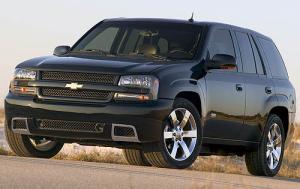
Is a used Chevy Trailblazer reliable? Yes. A carefully selected Chevrolet Trailblazer can be a dependable and excellent used SUV, whether you're considering the original truck-based model or the much newer, fuel-efficient crossover that revived the name.
The original TrailBlazer has always been appealing for its combination of comfortable highway driving, practical interior space, and rugged SUV capability. Its strong 4.2-liter inline-six engine has earned a particularly good reputation for longevity, and many well-maintained examples have accumulated more than 200,000 miles.
The newer Trailblazer offers a very different experience. Introduced for 2021, it's a much smaller crossover with modern safety features, good fuel economy, and turbocharged three-cylinder engines. It's particularly attractive for commuting and everyday transportation, although its long-term reliability history is still developing.
The important distinction is that these are two completely different vehicles that happen to share a name. In this guide, I'll explain which Trailblazer years and engines I'd consider first, which versions deserve closer inspection, how long each can last, and what repairs may cost. We'll cover the 2002–2009 and 2021–2024 U.S.-market Chevrolet Trailblazers.
In This Guide
- How many miles a Chevy Trailblazer can last
- The best Trailblazer model years and engines to buy
- Years and powertrains requiring closer inspection
- Reliability and potential problems by generation
- The original 4.2-liter inline-six and available V8 engines
- The newer 1.2-liter and 1.3-liter turbocharged engines
- Four-speed automatic, CVT, and nine-speed transmission differences
- Typical maintenance and repair costs
- Other used SUVs worth considering
Or, Are You Considering "New" as Well?
If you're also considering a new Trailblazer, you may want to come back to this and take a look at a handy technique I use to buy new vehicles at or below invoice price. It's not always successful, but works far more than you probably think.
Or, perhaps you'd find this helpful: 2026 Chevrolet Trailblazer MSRP vs. Invoice Price.
How Many Miles Can a Chevy Trailblazer Last?
A properly maintained 2002–2009 Chevy TrailBlazer can realistically reach 200,000 miles, and some well-cared-for examples exceed 250,000 miles. Its naturally aspirated 4.2-liter inline-six has demonstrated excellent durability, although transmission condition and the age of the surrounding vehicle can affect how long ownership remains economical.
At 100,000 miles, a healthy original TrailBlazer may still have many useful years ahead. I wouldn't consider that especially high mileage for its inline-six engine, provided it has received consistent maintenance and hasn't been overheated.
At 150,000 miles, I'd pay more attention to the transmission, four-wheel-drive system, suspension, and maintenance already completed. A properly rebuilt transmission and documented repairs can make a higher-mileage TrailBlazer more appealing than one with an unknown history.
At 200,000 miles, the engine may still be healthy, but accumulated repairs can become a larger consideration. The transmission, drivetrain, cooling system, and chassis all need to remain in good enough condition to justify continued ownership.
Reaching 250,000 miles or more is possible, especially with the 4.2-liter engine. However, I wouldn't assume every original TrailBlazer will reach that mileage without significant repairs along the way.
For the 2021–2024 Trailblazer, I'd be more cautious about predicting lifespan. Its 1.2-liter and 1.3-liter turbocharged three-cylinder engines are fundamentally different from the old inline-six. These vehicles haven't yet accumulated enough high-mileage history to establish how routinely they'll reach 200,000 miles.
That doesn't make the newer Trailblazer a poor choice. Many should provide years of useful transportation with appropriate maintenance. It's simply important not to apply the original TrailBlazer's established engine longevity reputation to an unrelated modern powertrain.
With either vehicle, I'd rather buy a carefully maintained example with reassuring service records than focus solely on finding the lowest odometer reading.
What Are the Best Chevy Trailblazer Model Years to Buy?
The best Trailblazer years depend on which version you're considering. The original SUV has a well-established high-mileage history, while the newer crossover offers much better fuel economy, modern technology, and a more comfortable ownership experience for everyday commuting.
2006–2007 Chevy TrailBlazer 4.2: Excellent Older Choices
The 2006–2007 TrailBlazer is among the original-generation years I'd investigate first. By this point, Chevrolet had several years of experience with the platform, while the durable naturally aspirated 4.2-liter inline-six remained the most common engine.
These models offer strong everyday performance, comfortable highway driving, and available four-wheel drive. The 4.2-liter engine can provide substantial mileage, making a well-maintained example particularly appealing for inexpensive SUV transportation.
I'd prioritize a healthy automatic transmission, working four-wheel drive where equipped, minimal rust, and documented maintenance. A clean example can still be a good purchase despite its age.
2008–2009 Chevy TrailBlazer 4.2: Best Late-Production Choices
The final two years of the original TrailBlazer are particularly attractive for buyers who want a traditional body-on-frame SUV. They combine the mature version of the platform with the durable 4.2-liter inline-six and familiar four-speed automatic transmission.
These SUVs offer useful towing capability, comfortable seating, and substantial highway durability. They also avoid the cost and complexity of some newer turbocharged powertrains.
However, I wouldn't pay a large premium simply because one is a 2008 or 2009. A clean 2006 with complete records and a healthy transmission can easily be a better purchase than a neglected 2009.
2006–2009 Chevy TrailBlazer SS: Best Performance Choice
The TrailBlazer SS is an interesting choice for buyers seeking serious V8 performance in a practical SUV. Its naturally aspirated 6.0-liter LS2 V8 provides tremendous acceleration, while the suspension and drivetrain were upgraded to handle the additional power.
The engine itself can be very durable, but I'd evaluate an SS differently from an ordinary family TrailBlazer. Previous engine tuning, hard launches, and demanding driving can accelerate wear on the transmission, differential, and other performance components.
A largely stock SS with excellent maintenance records can be a rewarding enthusiast vehicle, although it wouldn't be my first choice for minimizing long-term ownership expenses.
2022–2023 Chevy Trailblazer 1.3 Turbo: Best Early Newer Choices
For someone who wants the newer Trailblazer, I'd begin with the 2022–2023 models equipped with the turbocharged 1.3-liter three-cylinder. These offer a useful combination of fuel economy, modern safety technology, comfortable everyday driving, and somewhat stronger performance than the standard 1.2-liter engine.
The 1.3-liter uses a timing chain, whereas the 1.2-liter has an oil-immersed timing belt requiring scheduled replacement. That's a meaningful mechanical difference for buyers considering long-term ownership.
Front-wheel-drive 1.3-liter versions use a continuously variable transmission, while all-wheel-drive models have a conventional nine-speed automatic. I'd consider either drivetrain when its maintenance and operating condition are reassuring.
2024 Chevy Trailblazer 1.3 Turbo: Best Updated Choice
The refreshed 2024 Trailblazer offers updated styling, an improved infotainment system, and an attractive selection of safety and convenience features. It's especially appealing for buyers who want a relatively new, economical crossover at a reasonable used price.
The turbocharged 1.3-liter engine provides better performance than the smaller 1.2-liter while retaining good fuel economy. Available all-wheel drive adds traction and uses a conventional nine-speed automatic transmission.
A well-maintained 2024 can be an excellent everyday SUV, although I'd describe it as an attractive newer choice rather than a proven 200,000-mile vehicle. There simply hasn't been enough time to establish that level of long-term durability.
Which Chevy Trailblazer Years Should You Avoid or Inspect More Carefully?
There aren't many Trailblazer years I'd automatically eliminate. However, several years and configurations have meaningful concerns that deserve closer attention before purchasing.
- 2002–2003 TrailBlazer: These early models have durable engines, but automatic-transmission problems and accumulated age-related deterioration deserve particular attention. I'd favor an exceptionally well-maintained example over one with an uncertain history.
- 2005–2007 TrailBlazer: Certain vehicles developed premature fuel-level sensor wear, causing inaccurate fuel-gauge readings. GM established a special coverage program for qualifying vehicles. Verify that the gauge works correctly and investigate previous repairs.
- Any high-mileage 2002–2009 TrailBlazer: The 4.2-liter engine may remain healthy while the transmission, four-wheel-drive hardware, or structural rust becomes the larger concern. I'd evaluate the entire SUV rather than rely on engine reputation alone.
- 2006–2009 TrailBlazer SS: These can be excellent performance SUVs, but aftermarket tuning, repeated hard launches, and drivetrain wear can significantly affect repair expenses. I'd be particularly selective about modified examples.
- 2021 Trailblazer 1.2-liter turbo: Certain vehicles experienced turbocharger failures significant enough for GM to establish extended warranty coverage. Verify eligibility, previous turbocharger repairs, and any history of reduced engine power.
- 2021–2024 Trailblazer with CVT: Some front-wheel-drive models developed transmission-fluid leaks, shuddering, or abnormal noises. A properly operating CVT can still be a good choice, but I'd investigate unresolved symptoms before purchasing.
These concerns aren't automatic reasons to reject a Trailblazer. A properly maintained vehicle with completed repairs can still provide excellent service. The generation sections below explain the recognized problems in more detail.
Reminder For Later: Before You Pick a Car
Free things to do:
- Get a quick and accurate trade-in appraisal.
- Get instant multiple financing offers to compare.
Neither of these obligate you to anything. They're just very helpful to know while you're car shopping.
Chevy Trailblazer Reliability by Generation
The Chevrolet Trailblazer name has been used on two very different SUVs. The original was a midsize body-on-frame vehicle designed for traditional SUV duties, while the revived version is a smaller, more efficient crossover intended primarily for everyday transportation.
Understanding that difference is particularly important when researching reliability. A problem associated with the original four-speed automatic transmission, for example, has no direct relationship to the continuously variable transmission used in newer front-wheel-drive models.
Original Generation: 2002–2009 Chevy TrailBlazer Reliability
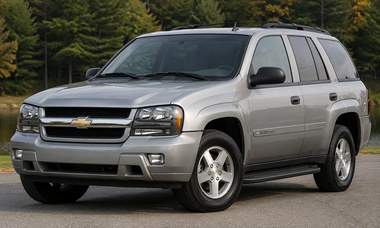
The original TrailBlazer remains appealing for buyers seeking an affordable, traditional SUV with substantial interior space, useful towing capability, and a comfortable highway ride. Its body-on-frame construction and available four-wheel drive distinguish it from the smaller crossovers that dominate today's market.
Most versions use Chevrolet's naturally aspirated 4.2-liter Atlas inline-six, an engine that developed an excellent reputation for high-mileage durability. Depending on year and model, buyers could also find a 5.3-liter V8, while the performance-oriented TrailBlazer SS used a naturally aspirated 6.0-liter V8.
The ordinary TrailBlazer generally uses a four-speed automatic transmission, while the SS received a strengthened version designed for its greater power. These vehicles can provide many years of dependable service, although their age means that transmission condition, drivetrain maintenance, and previous repairs now deserve substantial attention.
Potential problems worth checking:
- 2002–2009 four-speed automatic transmission: The 4L60E used in ordinary TrailBlazers has a recognized history of clutch wear, slipping, harsh shifting, and internal failures, particularly at higher mileage. Some early units experienced reaction sun-shell failures that could eliminate certain gears. Check for delayed engagement, slipping, and previous rebuilding or replacement. The SS uses the stronger 4L70E transmission.
- Four-wheel-drive transfer case and encoder motor: Some 4WD TrailBlazers developed failed encoder motors, selector switches, or front-axle actuators, causing warning lights or an inability to engage four-wheel drive. Check each applicable operating mode and previous repairs. A properly functioning system remains a useful advantage.
- 2005–2007 fuel-level sensor: Premature wear in the fuel-tank sender could cause the gauge to read empty, display an inaccurate level, or stop working. GM established Special Coverage 10054 for qualifying vehicles and later revised its payment policy. That historical coverage has expired, but documented replacement is worth checking.
- Instrument-cluster gauge failures: Some original TrailBlazers developed inaccurate or inoperative speedometers, tachometers, and other gauges because of failing stepper motors or related cluster components. Verify that the gauges operate normally and investigate previous cluster repairs.
- Cooling-fan clutch problems: Some 2002–2006 TrailBlazers developed problems involving the electronically controlled fan clutch, causing excessive fan noise, poor air-conditioning performance at low speeds, or abnormal cooling behavior. GM issued service procedures addressing applicable vehicles. Check for persistent fan roaring and previous repairs.
- HVAC blower-motor resistor: Some original TrailBlazers developed a blower that worked only at certain fan speeds or stopped operating because of a failed resistor or electrical connector. RepairPal identifies this as a recurring reported problem. Test the different fan settings and investigate previous repairs.
- Wheel-hub and bearing failures: Some TrailBlazers experienced premature front wheel-bearing or hub wear, producing humming, growling, or vibration that changes with road speed. Check for bearing noise and previous replacement, particularly on higher-mileage vehicles.
Buyer Tip: The original 4.2-liter inline-six is one of the strongest reasons to consider a used TrailBlazer. However, a healthy engine doesn't guarantee a healthy transmission or four-wheel-drive system. I'd prioritize documented drivetrain maintenance, minimal rust, and completed major repairs over a small difference in model year.
The available V8 engines are also worth considering. The 5.3-liter offers stronger towing performance, while the TrailBlazer SS's 6.0-liter V8 provides exceptional acceleration. Some later 5.3-liter engines have cylinder-deactivation hardware that adds another possible maintenance consideration, so identify the exact engine before buying.
The SS is particularly interesting as an enthusiast vehicle, but I'd investigate previous modifications and performance driving carefully. Its strong engine doesn't make the transmission, differential, tires, brakes, or other performance components inexpensive to replace.
Revived Trailblazer: 2021–2024 Reliability
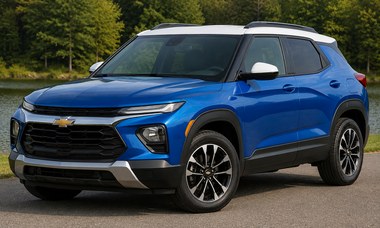
The revived Trailblazer is a very different SUV, designed primarily for comfortable commuting, good fuel economy, and everyday practicality. Its compact exterior dimensions make it easy to maneuver and park, while its attractive interior, available all-wheel drive, and modern safety features provide useful versatility.
Buyers can choose between two turbocharged three-cylinder engines. The standard naturally aspirated engines of the original TrailBlazer are gone, replaced by a 1.2-liter turbo and a stronger 1.3-liter turbo. Both provide economical everyday transportation, with the 1.3-liter offering noticeably better acceleration.
Transmission selection also matters. Front-wheel-drive Trailblazers use a continuously variable transmission (CVT), while all-wheel-drive models with the 1.3-liter engine use a conventional nine-speed automatic. The two engines also have different timing systems: the 1.2-liter uses an oil-immersed timing belt, while the 1.3-liter uses a timing chain.
These newer Trailblazers can be enjoyable, efficient used crossovers. Their long-term high-mileage reliability history is still developing, but several specific mechanical concerns have emerged that are worth checking without assuming they affect most vehicles.
Potential problems worth checking:
- 2021 1.2-liter turbocharger failures: Some early Trailblazers developed turbocharger failures causing reduced engine power, poor acceleration, and check-engine warnings. GM subsequently extended qualifying turbocharger coverage to 15 years or 150,000 miles. Check for previous replacement and any recurring loss-of-power symptoms.
- 2021–2024 CVT transmission problems: Some front-wheel-drive Trailblazers developed delayed engagement, slipping, shuddering, abnormal whining, or even loss of forward drive. Reported causes include internal valve-body problems and transmission-fluid leaks. Check for smooth operation, particularly after the transmission warms up, and investigate previous repairs.
- 2021 electronic brake-assist problems: Certain early Trailblazers were recalled because a defective electronic brake-booster connection could cause loss of power-assisted braking. Owners have also reported ABS warnings and brake-system malfunctions, although these don't necessarily share the same cause. Verify recall completion and investigate any previous brake-system repairs.
- Infotainment and electrical glitches: Some 2021–2024 owners have reported intermittent infotainment problems, frozen displays, smartphone connection failures, and warning-light or electronic-control issues. These are generally less serious than engine or transmission problems, but recurring faults can be frustrating. Check for unresolved symptoms and previous repairs.
Buyer Tip: I'd give the 1.3-liter turbo serious consideration for its additional performance and timing-chain design. Buyers who prefer a conventional geared automatic can choose an AWD model, while front-wheel-drive versions offer good fuel economy with the CVT. Neither configuration should be assumed trouble-free, and maintenance history remains important.
On the 1.2-liter engine, Chevrolet specifies replacement of the oil-immersed timing belt and oil-pump drive belt at 150,000 miles or 15 years, whichever comes first. That's scheduled maintenance rather than a documented defect, but it's an important expense to understand when considering long-term ownership.
I'd generally favor a well-maintained 2022–2024 example over a comparable first-year 2021, particularly when the price difference is modest. However, a carefully serviced 2021 with completed repairs can still be an attractive used crossover.
No Matter The Generation
Evaluating a Traiblazer for a possible purchase is a very important first step. The next step would be learning how to actually get an excellent used Trailblazer price, and I have some important pointers on that.
Of course, the value of the car you already own also factors into the overall cost of changing vehicles.
Chevy Trailblazer Maintenance and Repair Costs
One of the Trailblazer's advantages is that routine maintenance is generally manageable, with replacement parts widely available and many independent mechanics familiar with Chevrolet vehicles. The original TrailBlazer's established mechanical systems are relatively straightforward, while the newer crossover offers improved fuel economy and fewer age-related repairs.
According to RepairPal, the Chevrolet Trailblazer averages approximately $524 annually for maintenance and repairs across model years. RepairPal doesn't currently assign the Trailblazer a separate reliability rating because its available repair data doesn't meet the site's statistical requirements.
That annual figure is a broad average across two very different generations, so an individual owner's actual expenses can vary considerably. Here are several model-specific RepairPal repair estimates:
| Maintenance or Repair | Approximate Cost |
|---|---|
| Average annual maintenance and repairs | $524 |
| Brake-pad replacement | $344–$401 |
| Spark-plug replacement | $242–$320 |
| Battery replacement | $400–$446 |
| Wheel-hub assembly replacement | $540–$644 |
| Transmission-fluid change | $273–$333 |
| Water-pump replacement | $1,012–$1,366 |
| Fuel-pump replacement | $1,067–$1,283 |
| 1.2-liter timing-belt replacement | $1,166–$1,645 |
These are RepairPal estimates across different Trailblazer model years, so actual costs vary by engine, location, and the work required. Brake-pad estimates don't include rotors, and individual repair costs can differ significantly between the original SUV and the newer crossover.
Overall, the Trailblazer can be a reasonably economical vehicle to maintain, particularly when previous owners have kept up with routine service. Before buying, I'd have a mechanic identify upcoming maintenance and factor those expenses into the purchase price. A slightly more expensive Trailblazer with good service records and recently completed repairs can often be the better value.
Speaking of possible unexpected costs, before agreeing to a dealer's numbers, see which dealer fees are legitimate, which can be negotiated, and which can be avoided.
Chevy Trailblazer Alternatives to Consider
The Trailblazer name covers two very different SUVs, so the best alternatives depend on which version you're shopping for. I'd compare the actual vehicles available rather than assume a larger or newer SUV will automatically be the better purchase.
- Chevrolet Equinox: A practical alternative to the newer Trailblazer, offering more interior space, a comfortable ride, and attractive used prices. Engine selection matters, especially on older Equinox models, but a well-maintained later example can provide excellent everyday transportation.
- Ford Escape: Another comfortable compact crossover with several engine and drivetrain choices. Certain versions offer stronger performance or hybrid fuel economy, although reliability varies by powertrain and model year.
- Toyota RAV4: Particularly appealing for buyers prioritizing long-term dependability, fuel economy, and resale value. Used RAV4s often cost more than comparable Trailblazers, making the Chevrolet attractive when it offers meaningful savings.
- Chevrolet Tahoe: A more suitable alternative to the original 2002–2009 TrailBlazer for buyers who need genuine towing capability and a traditional truck-based SUV. It's larger and usually less fuel-efficient, but several Tahoe V8 engines have strong high-mileage durability records.
If I wanted inexpensive traditional SUV capability, I'd compare the original TrailBlazer with a well-maintained Tahoe or similar truck-based vehicle. For economical commuting and everyday practicality, I'd compare the newer Trailblazer with the Equinox, Escape, and RAV4.
Also, for more Chevrolet model reliability information, see our Chevrolet Reliability and Problems Guide. This guide covers the best used Chevy models and years, common problems, and which vehicles deserve closer inspection.
Final Verdict: Is a Used Chevy Trailblazer a Good SUV to Buy?
Yes. A carefully selected Chevy Trailblazer can be a dependable and excellent used SUV value. The important distinction is whether you're considering the original truck-based model or the much newer crossover, since their strengths, reliability records, and ownership expenses are very different.
For an inexpensive older SUV, I'd begin with a clean 2006–2009 TrailBlazer equipped with the naturally aspirated 4.2-liter inline-six. Its excellent engine durability, comfortable ride, and traditional SUV capability make it appealing when the transmission, four-wheel-drive system, and overall condition are reassuring.
The TrailBlazer SS is an attractive alternative for enthusiasts seeking exceptional V8 performance, although I'd shop carefully for a largely stock example with documented maintenance and minimal evidence of abusive driving.
For the newer crossover, I'd concentrate on well-maintained 2022–2024 models with the turbocharged 1.3-liter engine. It offers stronger everyday performance and a timing-chain design, while AWD models provide a conventional nine-speed automatic rather than a CVT.
I'd be more selective about early 2021 1.2-liter turbo models with unresolved power-loss problems and any newer Trailblazer exhibiting persistent CVT shuddering or abnormal transmission noises. A properly repaired vehicle can still be a good purchase, but I'd want documentation explaining the work performed.
Whichever Trailblazer you choose, I'd prioritize complete maintenance records, a thorough test drive, and an independent pre-purchase inspection. The right vehicle can provide many years of comfortable transportation, and paying a little more for one with reassuring maintenance and repair history is often the better investment.
Used Cars Are Again Near Record High Prices
If there's a bright side to this, it's that your own vehicle may be worth considerably more than you think. Here's a good source for a quick and accurate appraisal: free trade-in appraisal.
Whether you're planning to trade it, sell it, or simply keep track of its value as an asset, it's always good to know what it's worth.