

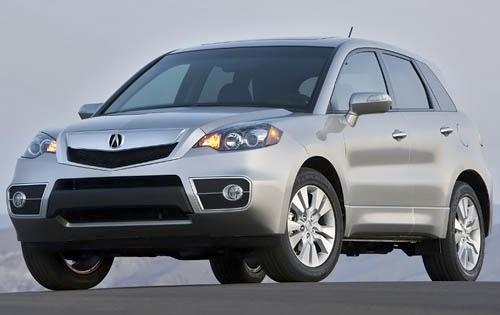
The 2010 Acura RDX is a sporty compact luxury SUV with a strong reputation for durability, but it is somewhat more complicated and expensive to maintain than the typical Honda or Acura of the same era. Its turbocharged engine, sophisticated all-wheel-drive system, and performance-oriented suspension provide an enjoyable driving experience, but they also create additional maintenance considerations as the vehicle approaches higher mileage.
Every 2010 RDX is powered by a turbocharged 2.3-liter four-cylinder engine producing 240 horsepower. The engine itself is generally durable when properly maintained, and examples exceeding 200,000 miles are not unusual. However, regular oil changes are particularly important because the turbocharger depends on clean engine oil for lubrication and cooling. A poorly maintained RDX can develop turbocharger, oil consumption, or other engine-related problems that are expensive to correct.
The five-speed automatic transmission is generally dependable and has a better long-term reputation than some transmissions used in earlier Acura and Honda products. Regular transmission fluid changes using the correct Honda/Acura fluid are still important, particularly on vehicles that have spent much of their lives in stop-and-go traffic.
One important distinction for 2010 is that Acura offered both front-wheel-drive and SH-AWD versions of the RDX. The available Super Handling All-Wheel Drive system provides excellent traction and handling, but it requires additional differential maintenance and introduces more components that can eventually require repair. Buyers who don't need all-wheel drive may find the front-wheel-drive version slightly less expensive to maintain.
The RDX also benefits from Acura's generally strong build quality. Interiors tend to hold up well, major electrical failures are relatively uncommon, and the basic chassis is durable. Most problems on higher-mileage vehicles involve normal suspension wear, air conditioning components, engine mounts, sensors, and other age-related items rather than catastrophic drivetrain failures.
Overall, the 2010 Acura RDX is an above-average used luxury crossover for reliability, provided it has received consistent maintenance. It isn't as inexpensive to operate as a Honda CR-V, but buyers willing to accept somewhat higher maintenance costs get considerably stronger performance and a more engaging driving experience.
- Overall reliability: Above Average
- Expected lifespan: 200,000 to 250,000+ miles with proper maintenance
- Best choice: Stock, well-maintained example with extensive service records
- Watch for: Turbocharger condition, oil consumption, transmission service, SH-AWD maintenance, and suspension wear
For more on RDX reliability, see our Used Acura Reliability Guide. This comprehensive guide highlights all Acura models, including the RDX, for best years to buy, those to avoid, common problems, potential maintenance costs, and more.
Bottom line: The 2010 Acura RDX is a durable performance-oriented crossover that can accumulate substantial mileage when maintained correctly. The turbocharged engine makes maintenance history more important than it would be on a simpler naturally aspirated SUV, but a properly cared-for example can still be an excellent long-term purchase.
- Why it's a good choice: Durable powertrain, strong performance, excellent handling, quality interior, and good long-term build quality
- Biggest concern: Turbocharger and other expensive repairs if previous owners neglected maintenance
- Best version: An unmodified RDX with complete service records and evidence of frequent oil changes
- Buy only if: The turbocharger performs properly, the transmission shifts smoothly, and the vehicle passes a thorough pre-purchase inspection
Is the 2010 Acura RDX a Good Year or One to Avoid?
The 2010 Acura RDX is generally a good year to consider. By this point Acura had several years of experience with the first-generation RDX, and the 2010 model also received updates that helped keep it competitive. It remains an appealing choice for buyers who want a smaller luxury SUV that feels more like a sport sedan from behind the wheel.
The important qualification is that this isn't a vehicle to buy simply because it carries the Acura name. The turbocharged engine and available SH-AWD system make it considerably more complex than an older CR-V. A neglected RDX can require enough repairs to erase the savings from a low purchase price.
For that reason, I would favor a 120,000-mile RDX with excellent service documentation over an 80,000-mile example with an unknown history. Evidence of frequent oil changes, transmission servicing, and proper drivetrain maintenance should carry considerable weight in your buying decision.
Buyer Takeaway: The 2010 RDX is a good year rather than one to avoid, but buy based on maintenance history and condition rather than mileage alone. A properly maintained example can be a very durable used luxury SUV; a neglected one can quickly become expensive.
Pricing
Knowing you may want an RDX is step 1. Step 2 is knowing how to actually get an excellent used RDX price.
Also, getting a strong trade-in allowance usually has the biggest impact on your final price. See KBB versus Edmunds Appraisals - Which Is Better to get accurate and fair trade-in values before negotiating with a dealer.
2010 Acura RDX Common Mechanical Problems
The 2010 Acura RDX does not have an unusually long list of catastrophic mechanical weaknesses, but several problems become increasingly important as these vehicles age. Because some RDX-specific components are more expensive than ordinary Honda parts, identifying upcoming repairs before purchasing can save a substantial amount of money.
- Turbocharger wear: The turbocharger is one of the most important components to evaluate. Poor oil-change history can accelerate bearing and seal wear, potentially causing reduced boost, unusual whining noises, smoke from the exhaust, or increased oil consumption. Turbocharger replacement can be expensive, so any suspicious symptoms deserve professional diagnosis before purchasing.
- Oil consumption and oil leaks: Higher-mileage engines may begin consuming oil or develop leaks from valve cover gaskets and other seals. Check the oil level before the test drive and inspect underneath the engine. An engine that has repeatedly been operated with a low oil level is particularly concerning because of the additional risk to the turbocharger.
- Automatic transmission wear: The five-speed automatic is generally dependable, but neglected fluid changes can eventually contribute to harsh shifting, delayed engagement, or transmission shudder. Test the vehicle both cold and fully warmed up and make sure every shift is smooth and predictable.
- SH-AWD differential maintenance: All-wheel-drive models require proper rear differential fluid servicing. Old or incorrect fluid can contribute to noise, binding, or vibration during tight turns. During your test drive, make several slow, tight turns in both directions and listen for abnormal drivetrain noises.
- Engine mount deterioration: Worn engine mounts can cause noticeable vibration at idle, particularly when the transmission is placed in Drive. This is generally repairable, but replacing multiple mounts can become relatively expensive.
- Air conditioning problems: Compressors, relays, and other climate-control components can fail as the RDX ages. Verify that the air conditioning becomes consistently cold and remains cold throughout the test drive rather than checking it for only a few seconds.
- Suspension wear: Struts, shocks, control arm bushings, ball joints, and sway bar links eventually wear, especially on vehicles driven over rough roads. Clunks, looseness, uneven tire wear, or excessive bouncing indicate that suspension work may be approaching.
- Wheel bearing wear: Higher-mileage RDX models may develop worn wheel bearings. A humming or growling noise that becomes louder with road speed is a common symptom. Replacement is routine but should be factored into the purchase price.
- Power steering system leaks: Hoses, seals, and other hydraulic power steering components can begin leaking with age. Look for fluid around the pump and steering components and listen for whining while turning at low speeds.
- Ignition coils and spark plugs: Worn plugs or failing ignition coils can produce misfires, rough running, reduced power, or a check-engine light. Correct spark plug maintenance is particularly important on a turbocharged engine.
- Exhaust and catalytic converter issues: Higher-mileage vehicles can eventually develop exhaust leaks or catalytic converter problems. Warning lights, rattling underneath the vehicle, or unusual exhaust noises deserve investigation.
- Electrical and accessory failures: Door lock actuators, power windows, navigation equipment, audio components, and sensors can fail as the vehicle gets older. These problems aren't usually mechanically serious, but luxury-car electronics can be surprisingly expensive to repair.
The most important distinction is between normal age-related wear and evidence of poor maintenance. A 2010 RDX needing struts or a wheel bearing can still be an excellent purchase. An RDX with a noisy turbocharger, questionable transmission behavior, low engine oil, and no maintenance records is an entirely different proposition.
Buyer Tip: Start the RDX completely cold and listen for unusual engine or turbocharger noises. After the engine is warm, accelerate firmly several times to make sure power delivery is smooth and consistent. On SH-AWD models, make tight low-speed turns to check for drivetrain binding or noise. Maintenance records showing frequent oil changes and proper transmission and differential servicing are especially valuable.
2010 Acura RDX Pros and Cons
The 2010 RDX is somewhat unusual among older compact luxury SUVs because Acura emphasized performance and handling rather than simply creating a more luxurious version of a family crossover. That personality remains one of its biggest attractions, although it comes with higher fuel and maintenance costs than simpler alternatives.
Pros
- Strong performance: The turbocharged 2.3-liter four-cylinder produces excellent acceleration for an SUV of this age and gives the RDX a much sportier personality than many competitors.
- Excellent handling: Responsive steering and a relatively firm suspension make the RDX enjoyable on winding roads and give it a more car-like feel than many older crossovers.
- Capable SH-AWD system: Acura's available Super Handling All-Wheel Drive system provides excellent traction while also helping the vehicle corner more confidently.
- Durable basic powertrain: With proper maintenance, the engine and five-speed automatic transmission are capable of substantial mileage.
- High-quality interior: Materials, switches, seats, and other cabin components generally age well, helping a clean RDX feel newer than its actual age.
- Useful size: The RDX provides crossover practicality without the bulk of a larger three-row SUV, making it easy to maneuver and park.
- Good equipment levels: Many examples include luxury and convenience features that were expensive when new but add relatively little to today's used purchase price.
- Attractive used-car value: Depreciation makes the RDX considerably more affordable today while still providing genuine luxury-brand performance and equipment.
Cons
- Premium fuel requirement: The turbocharged engine's fuel requirements and relatively modest fuel economy increase operating costs compared with mainstream compact SUVs.
- Turbocharger adds complexity: The turbo delivers excellent performance but represents an additional expensive component that simpler naturally aspirated competitors don't have.
- Maintenance history is critical: Missed oil changes are much more concerning on a turbocharged RDX than on many simpler Honda and Acura models.
- Firm ride: The performance-oriented suspension provides excellent handling but can feel stiff over rough pavement compared with softer competitors.
- SH-AWD adds maintenance: The sophisticated all-wheel-drive system performs very well but requires additional fluid service and introduces more components that can eventually need attention.
- Fuel economy isn't a strength: Buyers expecting four-cylinder economy may be disappointed. The RDX's turbocharged performance and all-wheel-drive system can result in fuel consumption closer to some V6 SUVs.
- Luxury-brand repair costs: Although Acura reliability is generally strong, some RDX-specific components cost considerably more than equivalent repairs on a Honda CR-V.
- Age matters: Even an exceptionally reliable RDX is now an older luxury vehicle. Suspension, seals, hoses, electronics, and accessories should all be evaluated rather than focusing solely on engine mileage.
Buyer Takeaway: The 2010 Acura RDX is a particularly good choice for someone who wants an affordable used crossover that's genuinely enjoyable to drive and is willing to spend somewhat more on fuel and maintenance. Buyers seeking the lowest possible ownership costs would probably be better served by a Honda CR-V or Toyota RAV4. But if you find an unmodified RDX with excellent maintenance records, a healthy turbocharger, and smooth drivetrain operation, it can provide an appealing combination of performance, practicality, and long-term durability.
Also, it's good to always know the value of your trade-in while you're evaluating your next possible purchase. Here's a good source for a quick and accurate appraisal: free trade-in appraisal.
Some Insider Insights ...