

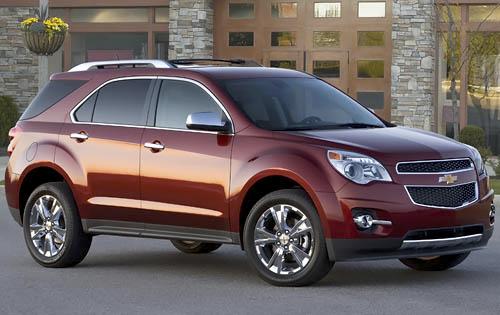
2011 Chevy Equinox Reliability
The 2011 Chevy Equinox offers a comfortable ride, roomy interior, and good fuel economy for a compact SUV of its era, but reliability is mixed. The biggest concern is the standard 2.4-liter four-cylinder engine, which has a history of excessive oil consumption that can eventually contribute to timing-chain wear and serious internal engine damage if the oil level isn't monitored carefully.
Most 2011 Equinox models are powered by the naturally aspirated 2.4-liter four-cylinder. When healthy and properly maintained, it provides adequate performance and reasonable fuel economy. Unfortunately, some engines consume substantial amounts of oil between changes. Owners who don't regularly check the dipstick can unknowingly operate the engine with dangerously low oil levels.
Low oil is particularly concerning because the 2.4-liter engine uses a timing chain. Insufficient lubrication can accelerate wear of the chain, guides, and tensioner, potentially causing rattling, timing-related trouble codes, poor running, or ultimately significant engine damage. For that reason, oil consumption history and timing-chain condition should be two of the first things investigated on a used 2011 Equinox.
An optional naturally aspirated 3.0-liter V6 was also available. It provides stronger acceleration and avoids the 2.4-liter engine's particular oil-consumption reputation, but it isn't trouble-free. The V6 can develop timing-chain problems of its own, especially when oil maintenance has been neglected, and fuel economy is considerably worse.
Both engines are paired with a six-speed automatic transmission. Transmission reliability is mixed, with some higher-mileage vehicles developing harsh shifts, hesitation, slipping, or other problems. A long test drive is important because transmission behavior can change after the drivetrain reaches operating temperature.
Outside the powertrain, buyers should expect the usual age-related repairs involving suspension components, wheel bearings, engine mounts, air conditioning, electrical accessories, and emissions equipment. Parts availability is excellent, and most independent repair shops are familiar with the Equinox.
Also, More On Equinox Reliability: If you'd like to compare different Equinox model years, be sure to read our Chevy Equinox Reliability, Problems And Best Years Guide. It highlights the best years to buy or avoid, common problems to check first, and more.
Overall, I would rate the 2011 Equinox as below average to average for reliability. It isn't an SUV I'd automatically reject, but the individual vehicle's maintenance history matters enormously. A four-cylinder Equinox with excessive oil consumption or timing-chain noise can quickly become much more expensive than its purchase price suggests.
- Overall reliability: Below Average to Average
- Expected lifespan: 150,000 to 200,000+ miles with proper maintenance; exceptionally well-maintained examples can go farther
- Best choice: Well-maintained example with documented oil-change history, controlled oil consumption, and a quiet timing-chain system
- Watch for: Excessive oil consumption, timing-chain noise, transmission problems, fuel-system issues, cooling-system leaks, and evidence of low-oil operation
Bottom line: The 2011 Chevy Equinox can provide useful and affordable transportation, but the 2.4-liter engine makes careful inspection especially important. A clean exterior and low mileage aren't enough. Before buying, verify oil consumption, listen carefully for timing-chain noise, check the oil level, and make sure the automatic transmission operates properly.
- Why it's a good choice: Comfortable ride, spacious rear seat, useful cargo room, affordable pricing, and widely available replacement parts
- Biggest concern: Excessive oil consumption from the 2.4-liter engine can lead to low oil levels and potentially serious engine damage
- Best version: The best-maintained example you can find with extensive service records and no evidence of excessive oil consumption
- Buy only if: The engine maintains proper oil level, starts quietly, runs smoothly, the transmission behaves normally, and the vehicle passes a thorough pre-purchase inspection
Is the 2011 Chevy Equinox a Good Year or One to Avoid?
The 2011 Chevy Equinox is a year I would approach cautiously. I wouldn't call every 2011 Equinox a vehicle to avoid because some have accumulated substantial mileage with attentive maintenance. However, the four-cylinder engine's oil-consumption problem creates enough risk that I wouldn't recommend buying one without investigating the engine carefully.
The 2.4-liter four-cylinder is particularly dependent on an owner who checks the oil between changes. That's an important distinction: even an Equinox that received oil changes at the recommended intervals may have operated with a low oil level if it consumed significant oil between services and nobody checked it.
The 3.0-liter V6 eliminates that particular concern but introduces higher fuel consumption and still requires careful attention to timing-chain and overall maintenance history. I wouldn't choose the V6 blindly simply to avoid the four-cylinder.
At this age, I'd also put substantial weight on documented repairs. An Equinox with evidence that important engine problems were professionally corrected may be more attractive than a lower-mileage vehicle with an untouched engine and no meaningful service records.
Buyer Takeaway: The 2011 Equinox is closer to a "buy only after careful inspection" year than a strong reliability recommendation. If you find a well-maintained example with acceptable oil consumption, a quiet engine, smooth transmission operation, and good service records, it can still make sense at the right price. If the oil level is low, the engine rattles, or the seller can't answer basic questions about oil consumption, I'd keep shopping.
Pricing
Knowing you may want an Equinox is step 1. Step 2 is knowing how to actually get an excellent used Equinox price.
Also, getting a strong trade-in allowance usually has the biggest impact on your final price. See KBB versus Edmunds Appraisals - Which Is Better to get accurate and fair trade-in values before negotiating with a dealer.
2011 Chevy Equinox Common Mechanical Problems
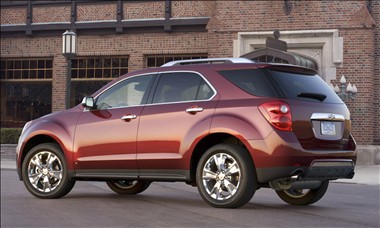
The 2011 Equinox has several mechanical issues buyers should specifically investigate. The 2.4-liter engine deserves the most attention because seemingly manageable oil consumption can become a much more serious problem when the oil level isn't monitored.
- Excessive oil consumption: This is the most important concern with the 2.4-liter four-cylinder. Some engines can consume substantial oil between changes. Ask the seller specifically how much oil needs to be added and how frequently. Check the dipstick yourself before the engine is started. A very low oil level is a major warning sign.
- Piston and piston-ring wear: Excessive oil consumption can be related to piston and ring problems rather than a simple external leak. Correcting severe consumption may therefore involve significant internal engine work. Documentation showing previous corrective repairs can be valuable when evaluating a used Equinox.
- Timing-chain wear: The 2.4-liter engine's timing chain depends heavily on proper lubrication. Repeated low-oil operation can accelerate wear of the chain, guides, and tensioner. Startup rattling, timing-related trouble codes, rough running, or poor performance can indicate problems requiring further diagnosis.
- 3.0-liter V6 timing-chain problems: The optional V6 can also experience timing-chain stretch or related problems, particularly when oil-change intervals have been extended. Check-engine lights, rough running, startup noise, or camshaft/crankshaft correlation codes deserve attention.
- Automatic transmission problems: The six-speed automatic can develop harsh shifting, hesitation, delayed engagement, slipping, or shuddering as mileage increases. Test the vehicle both cold and fully warmed up and pay attention to every upshift and downshift.
- Fuel pump and fuel-system problems: Fuel delivery components can create hard starting, hesitation, poor running, or no-start conditions. Direct-injection fuel-system repairs can be more expensive than comparable repairs on simpler port-injected engines.
- High-pressure fuel pump concerns: The direct-injection system relies on high fuel pressure, and problems can cause hard starting, reduced performance, diagnostic codes, or drivability issues. Fuel-pressure-related faults should be properly diagnosed rather than addressed through random parts replacement.
- Carbon buildup: Direct fuel injection can allow deposits to accumulate over time. Significant buildup can contribute to rough idle, hesitation, reduced performance, or misfires and may eventually require intake cleaning.
- PCV and crankcase ventilation problems: Problems in the crankcase ventilation system can contribute to oil consumption, leaks, rough running, or abnormal pressure inside the engine. These concerns deserve attention when evaluating an Equinox already showing unusual oil usage.
- Water pump and cooling-system leaks: Water pumps, thermostats, hoses, and other cooling-system components can require replacement as the vehicle ages. Check for low coolant, dried residue, overheating history, or a coolant odor after driving.
- Engine mount wear: Worn mounts can cause excessive vibration at idle or a noticeable thump when shifting between Reverse and Drive. Mount problems are usually repairable but can make the vehicle feel much rougher than it should.
- Wheel bearing wear: Worn wheel bearings can produce a humming or growling sound that increases with road speed. This is a fairly routine higher-mileage repair but should be included when calculating immediate ownership costs.
- Front suspension wear: Struts, control arm bushings, ball joints, sway bar links, and other suspension components can wear with age. Clunks over bumps, loose steering, uneven tire wear, or excessive bouncing indicate that chassis repairs may be approaching.
- Air conditioning problems: Compressors, actuators, switches, and refrigerant leaks can reduce cooling performance. Test the system throughout the test drive and verify that airflow and temperature controls operate correctly.
- Electrical and sensor problems: Door locks, window components, sensors, infotainment equipment, warning systems, and other electrical accessories can fail as the vehicle ages. Test every feature before purchasing.
- Rust and underbody corrosion: Equinox models from road-salt regions should be inspected underneath for corrosion affecting brake lines, suspension mounting areas, exhaust components, and structural sections.
The most important thing is to consider these problems together. An otherwise excellent Equinox needing a wheel bearing or sway bar link can still be a reasonable purchase. An inexpensive example with low engine oil, timing-chain noise, transmission hesitation, and several warning lights can easily require repairs worth more than the vehicle.
Buyer Tip: Ask the seller not to start the Equinox before you arrive. Check the oil level first, then listen closely during the initial cold start for rattling or other abnormal engine noises. Ask directly how much oil the engine uses between changes. A diagnostic scan and pre-purchase inspection are particularly worthwhile on the 2011 model, even when no warning lights are currently illuminated.
2011 Chevy Equinox Pros and Cons
The 2011 Equinox has several qualities that continue to make it attractive as an inexpensive used SUV. It's comfortable, spacious for its exterior size, and often considerably cheaper than a comparable Honda CR-V or Toyota RAV4. The problem is that a low purchase price doesn't necessarily translate into low ownership costs if you choose an example with unresolved engine problems.
Pros
- Comfortable ride: The Equinox is tuned more for comfort than sporty handling and works particularly well for commuting and highway driving.
- Roomy rear seat: Passenger space is generous for a compact SUV, making the Equinox useful for families or adults who regularly carry rear passengers.
- Useful cargo space: The flexible interior provides practical carrying capacity without requiring a larger three-row SUV.
- Good four-cylinder fuel economy for its era: A healthy 2.4-liter model can provide reasonable fuel economy compared with many older SUVs.
- Conventional automatic transmission: The Equinox uses a traditional six-speed automatic rather than a CVT.
- Affordable used prices: The Equinox frequently costs less than comparable CR-V and RAV4 models, which can make a carefully selected example attractive to a budget-conscious buyer.
- Widely available parts: Mechanical and body parts are readily available, and most independent repair shops are familiar with the vehicle.
- Available V6: Buyers wanting stronger acceleration can choose the 3.0-liter V6 rather than relying exclusively on the four-cylinder.
Cons
- 2.4-liter oil consumption is a major concern: This is more significant than a minor inconvenience because allowing the oil level to drop can contribute to expensive internal engine damage.
- Timing-chain repairs can be costly: Chain, tensioner, and guide problems can become serious, particularly on engines that have repeatedly operated with low oil.
- V6 isn't automatically trouble-free: The 3.0-liter engine avoids the four-cylinder's specific oil-consumption reputation but has its own timing-chain concerns and uses substantially more fuel.
- Transmission reliability is mixed: Harsh shifts, slipping, or other six-speed automatic problems can make an inexpensive Equinox costly to repair.
- Direct injection adds complexity: High-pressure fuel-system components and possible carbon buildup create repair considerations absent from simpler older engines.
- Reliability trails the strongest competitors: A well-maintained Equinox can last a long time, but its powertrain record isn't as consistently strong as the best CR-V and RAV4 years.
- Age-related repairs can accumulate: Bearings, suspension components, mounts, cooling-system parts, and electrical accessories may now need attention regardless of mileage.
- Cheap examples can be false bargains: An Equinox priced thousands below a comparable Toyota isn't a bargain if it immediately requires major engine or transmission work.
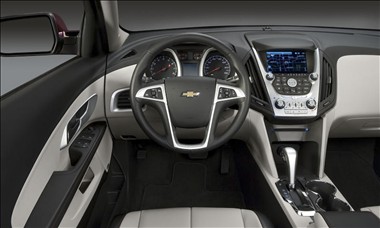
Buyer Takeaway: The 2011 Chevy Equinox can still make sense as an affordable used SUV, but this is a model where I'd prioritize mechanical history over appearance, equipment, or even mileage. Pay particular attention to the 2.4-liter engine's oil consumption and timing-chain condition. A well-maintained example with stable oil consumption, a quiet cold start, smooth transmission operation, and good service records can provide useful transportation. An Equinox already showing low oil, engine noise, or questionable transmission behavior is one I'd pass on regardless of how attractive the price looks.
Also, it's good to always know the value of your trade-in while you're evaluating your next possible purchase. Here's a good source for a quick and accurate appraisal: free trade-in appraisal.
Some Insider Insights:
Major Trade-In Do's And Don'ts
Car Prices Have Forced Buyers Into Older Vehicles