

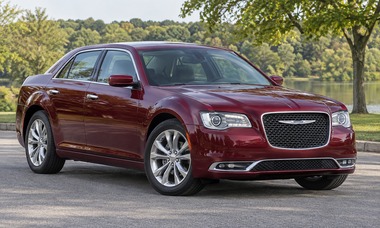
The Chrysler 300 can be a comfortable, durable used sedan, but its reliability depends heavily on the engine, model year and previous maintenance. An inexpensive early 2.7-liter V6, a later 3.6-liter V6 commuter and a high-performance Hemi model present very different ownership risks.
This guide covers 2005–2023 U.S.-market Chrysler 300 sedans, including the 300C, 300S, AWD models and SRT8 versions. It does not cover the earlier front-wheel-drive Chrysler 300M, and it distinguishes U.S. performance models from versions sold overseas.
The most important used-car concerns include older V6 maintenance, Hemi engine noises, early 3.6-liter cylinder-head problems, oil-filter housing leaks, suspension wear, transmission operation and electrical recalls. Later cars also deserve a careful inspection of their Uconnect touchscreen.
In This Guide
- Chrysler 300 reliability and expected lifespan
- Reliability and common problems by generation
- V6, Hemi V8, SRT8 and AWD ownership differences
- Best years to consider and versions requiring more caution
- Maintenance and repair costs
- High-mileage buying advice and model-specific inspection checks
Chrysler 300 Reliability Overview
A well-maintained later 3.6-liter V6 Chrysler 300 is generally the most practical starting point for someone seeking manageable ownership costs. It offers adequate performance without the fuel consumption and performance-related expenses of a Hemi V8. However, it still needs screening for oil-filter housing leaks, abnormal engine ticking and unresolved warning lights.
The 5.7-liter Hemi V8 adds substantially stronger performance and can provide long service. Its condition matters more than its reputation alone: a persistent tick, misfire or questionable oil-change history deserves investigation before purchase. A documented exhaust leak and a worn camshaft are very different problems, even though both may initially be described as a “Hemi tick.”
Older cars require a different calculation. The first-generation 300 can be affordable, but deferred cooling-system work, suspension repairs, timing-belt service on the 3.5-liter V6 and years of neglected maintenance can quickly consume the apparent savings.
Chrysler 300 Reliability at a Glance
| Category | What Buyers Should Know |
|---|---|
| Overall reliability | Potentially good with careful powertrain selection and maintenance; older neglected examples can be expensive. |
| Practical powertrain choice | A later 3.6-liter V6 with documented maintenance, smooth transmission operation and no unresolved engine noise or leaks. |
| Performance choice | The 5.7-liter Hemi, provided its engine condition and service history justify the additional ownership costs. |
| Older engine requiring extra caution | The 2.7-liter V6, particularly with incomplete oil-change records, cooling problems or evidence of contamination. |
| Important early second-generation concern | Cylinder-head problems on qualifying 2011–2013 3.6-liter cars, plus applicable alternator and shifter recalls. |
| Later-car concerns | Oil-filter housing leaks, engine ticking, Uconnect screen problems, suspension wear and electrical or shifting complaints. |
| AWD considerations | Additional front driveline components, transfer-case condition, leaks and matching tires. |
| Expected lifespan | About 150,000–200,000 miles is a reasonable planning range for a sound, maintained example; some reach 200,000–250,000 miles or more. |
How Many Miles Can a Chrysler 300 Last?
A properly maintained Chrysler 300 can reach 200,000 miles, and some continue beyond 250,000 miles, but those figures should be treated as possible outcomes rather than promises. For budgeting purposes, I would consider approximately 150,000–200,000 miles a reasonable ownership horizon for a sound example, while recognizing that condition can vary enormously.
The engine and transmission are only part of that calculation. A high-mileage 300 may remain mechanically serviceable while needing suspension work, cooling-system repairs, air conditioning, electronics or other items that determine whether keeping it makes financial sense.
- At 100,000 miles: Review engine-specific maintenance, spark plugs, fluid history, cooling-system condition and suspension wear. On an older 3.5-liter car, documented timing-belt service is particularly important.
- At 150,000 miles: Give more weight to engine noise, oil and coolant leaks, transmission behavior and the condition of the steering and suspension.
- At 200,000 miles: A healthy car may still be useful, but its purchase price should leave room for repairs. Previous major work should be documented rather than described vaguely as “rebuilt.”
- At 250,000 miles: Judge the individual car carefully. Reaching this mileage does not mean the original engine, transmission and every accessory have remained untouched.
Chrysler 300 Reliability by Generation
First Generation: 2005–2010 Chrysler 300
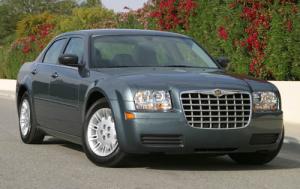
The 2005–2010 Chrysler 300 brought rear-wheel-drive proportions, a spacious interior and available Hemi performance to the mainstream full-size sedan market. Selected versions also offered all-wheel drive.
Engine choices included a 2.7-liter V6, 3.5-liter V6 and 5.7-liter Hemi V8. The 2006–2010 SRT8 used a 6.1-liter Hemi V8. These engines should not be grouped together when discussing reliability or maintenance.
The 2.7-liter V6 deserves the most cautious screening. Its oil-sludge reputation makes maintenance records important, and its internally mounted, timing-chain-driven water pump creates a potentially expensive repair. Cooling-system problems and contaminated oil require immediate investigation.
The 3.5-liter V6 is a different engine with a timing belt. A seller's claim that “these engines have chains” is therefore not enough. Buyers should obtain evidence that the belt and associated components were serviced according to the applicable schedule, including the time requirement.
The Hemi models offer stronger performance, but age, overheating history, modifications and previous driving habits can change their risk substantially. The 6.1-liter SRT8 also brings more expensive tires, brakes and other performance components.
Four-speed and five-speed automatic transmissions appear in this generation depending on the configuration. Identify the actual powertrain rather than assuming that every first-generation 300 has the same gearbox.
Common Problems on 2005–2010 Chrysler 300s
- 2.7-liter oil-sludge and cooling concerns: Poor maintenance, abnormal oil deposits, coolant loss or contaminated oil are important warning signs.
- Overdue 3.5-liter timing-belt service: Missing records can mean a significant immediate maintenance expense and engine-damage risk.
- Stalling after refueling on certain 2005–2006 cars: Chrysler documented a fuel-tank valve problem and a specific warranty extension for qualifying vehicles.
- Front suspension wear: Worn tension-strut bushings, control arms, ball joints and other components can cause clunks, vibration or imprecise steering.
- Hemi engine noise: Exhaust leakage and internal engine problems require different diagnoses.
- Age-related transmission and driveline problems: Leaks, delayed engagement, vibration and abnormal shifting should be investigated.
- Uncompleted safety recalls: Check the VIN, especially for Takata airbag campaigns. Follow any applicable do-not-drive instruction until the recall repair is completed.
Are Chrysler 300 2.7-Liter Engines Prone to Oil Sludge?
The 2.7-liter V6 has a significant oil-sludge reputation, making a neglected example a particularly risky budget purchase. Sludge consists of thick deposits that can interfere with lubrication; it should not be confused with ordinary dark oil.
Consistent oil changes matter, but the cooling system also deserves attention. An internal coolant leak can contaminate the oil and damage the engine. A low coolant level, unexplained coolant loss, milky contamination or abnormal engine noise calls for diagnosis rather than an oil change and reassurance.
I would want convincing maintenance records before considering one. A clean dipstick alone cannot establish that the inside of an old engine is healthy, and an inexpensive purchase price does not offset the cost of a failing engine.
Does the Chrysler 300 3.5-Liter V6 Have a Timing Belt?
Yes. The first-generation 3.5-liter V6 uses a timing belt, so its replacement history is an important buying consideration. This differs from the 2.7-liter V6, later 3.6-liter V6 and Hemi engines, which use timing chains.
Confirm the schedule for the particular model year and ask for an invoice showing what was replaced. Belt service commonly includes related components, and the water pump should be evaluated while access is available.
If the seller cannot document the work, include it in the immediate ownership budget. A belt that looks acceptable externally is not equivalent to a verified replacement history.
Why Does a Chrysler 300 Stall After Filling the Gas Tank?
On certain 2005–2006 Chrysler 300s, a malfunctioning valve inside the fuel tank can allow liquid gasoline into the evaporative-emissions system and cause stalling shortly after refueling. Chrysler documented this specific condition in its X53 fuel-tank warranty program.
The bulletin applies to qualifying vehicles equipped with the specified 19-gallon tank and describes replacement with a revised tank. It is not a blanket explanation for stalling on every Chrysler 300.
A buyer encountering this symptom should ask a Chrysler dealer to verify the VIN's eligibility and repair history. Replacing unrelated ignition parts or repeatedly clearing codes may leave the actual problem unresolved.
What Causes Front Suspension Clunks on a Chrysler 300?
Clunks can come from worn control-arm or tension-strut bushings, ball joints, stabilizer links and other steering or suspension components. The noise alone does not identify which part needs replacement.
During a road test, note whether the sound occurs over bumps, during braking or while turning. Steering vibration and uneven tire wear can provide additional clues, but tire or brake problems may produce overlapping symptoms.
A proper inspection should check both sides of the suspension and distinguish normal movement from excessive play. Repeatedly replacing the easiest component can become expensive when the actual source has not been identified.
Buyer Tip: On a first-generation 300, identify the engine first. Verify timing-belt service on a 3.5-liter car, examine maintenance and cooling history closely on a 2.7-liter car, and check applicable recalls before arranging a test drive.
Bottom Line: This generation can offer a lot of comfort or performance for the money, but its age makes deferred maintenance a major concern. A documented, mechanically sound example is much more attractive than a cheap car with unresolved engine, suspension or cooling problems.
Second Generation, Early Years: 2011–2014 Chrysler 300
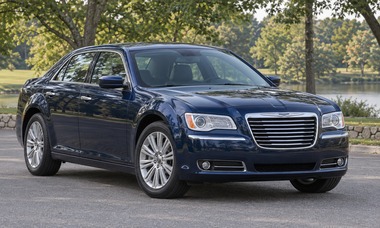
The 2011 redesign improved the interior, refinement and equipment while replacing the older regular-production V6 engines with the 3.6-liter Pentastar V6. “Pentastar” is Chrysler's name for this V6 engine family.
The 5.7-liter Hemi remained available. The 2012–2014 SRT8 used a larger 6.4-liter Hemi V8, replacing the previous generation's 6.1-liter performance engine.
The transmission transition requires attention. The 2011 model began with a five-speed automatic, while eight-speed availability arrived for V6 cars for 2012. Configuration matters during these early years; buyers should confirm the actual transmission rather than assign an eight-speed to every 2011–2014 car.
These early second-generation cars deserve particular research because certain 3.6-liter engines received cylinder-head warranty coverage, and applicable vehicles were included in alternator and electronic-shifter recalls.
That history does not make every early second-generation 300 a poor purchase. A car with completed repairs, a healthy engine and documented maintenance can be preferable to a newer vehicle with unresolved problems.
Common Problems on 2011–2014 Chrysler 300s
- Cylinder-head problems on qualifying 2011–2013 V6 cars: Persistent misfires can require more than plugs or ignition coils.
- 3.6-liter oil-filter adapter and cooler-area leaks: Oil can collect beneath the intake manifold and travel down the engine.
- Alternator recall concerns: Certain configurations can suffer loss of charging, stalling or overheating within the alternator.
- Earlier electronic-shifter recall: Certain 2012–2014 V6 eight-speed cars used a spring-return selector associated with a rollaway risk.
- Engine ticking: V6 rocker-arm problems and Hemi valvetrain concerns require engine-specific diagnosis.
- Suspension and AWD wear: Mileage, tire matching, driveline condition and previous maintenance remain important.
Which Chrysler 300 V6 Years Had Cylinder-Head Problems?
Chrysler's documented cylinder-head warranty program included qualifying 2011–2013 Chrysler 300s with the 3.6-liter V6. The service procedure addresses excessive cylinder leakage and replacement of the affected cylinder head when required.
Relevant diagnostic codes include P0300, P0302, P0304 and P0306, which identify random or particular-cylinder misfires. These codes are clues rather than proof of a bad cylinder head: ignition, fuel delivery and other mechanical problems can also cause misfires.
Ask whether cylinder-head work was performed and obtain the invoice. Historical extended coverage should not be assumed to remain available today; eligibility and any remaining coverage require verification for the individual VIN.
Why Is a Chrysler 300 3.6-Liter Engine Leaking Oil?
One important source is the oil-filter adapter and cooler assembly beneath the intake manifold, although seals, the filter-cap O-ring and other engine components can also leak. Oil from this area can run downward and make the source difficult to identify from underneath.
This is why an apparent leak near the rear of the engine should not automatically be diagnosed as a rear main seal. The area beneath the intake should be inspected before authorizing a more extensive repair.
Ask what was replaced if the seller says the “oil cooler was fixed.” A receipt identifying the assembly, seals and related work is more informative than a general claim. Repair does not eliminate the need to inspect for present leakage.
Which Chrysler 300s Were Recalled for Alternator Failure?
Certain 2011–2014 Chrysler 300s were included in alternator recalls, with eligibility determined by engine, alternator and other equipment. The P60 campaign concerned specified 3.6-liter cars with 160-amp alternators, while the later T36 campaign included certain 3.6-liter and 5.7-liter configurations.
Failed alternator diodes can stop the charging system from supplying power, potentially causing an engine stall. The documented condition can also produce overheating, smoke or fire within the alternator.
Check the VIN for completed campaigns and ask for the repair record. A battery replacement does not establish that an affected alternator was replaced or that the charging problem was resolved.
What Was the Chrysler 300 Electronic-Shifter Recall?
The significant earlier recall involved certain 2012–2014 3.6-liter cars with an eight-speed automatic and a spring-return electronic shift lever. Drivers could mistakenly believe that Park had been selected, creating a rollaway risk.
This selector returns to its central position after use, unlike a conventional lever that stays in the selected position. Chrysler's recall remedy addressed the vehicle's control strategy; buyers should verify completion of the applicable S27 campaign.
This is separate from the rotary-dial selector introduced for 2015. An article or seller referring generally to an “electronic shifter recall” may be describing a different system from the one fitted to the car being considered.
Buyer Tip: On a 2011–2014 car, confirm the engine and transmission, review any cylinder-head or oil-filter housing repairs, and verify the applicable alternator and shifter campaigns.
Bottom Line: These cars offer a meaningful improvement over the first generation, but the early 3.6-liter engine history and configuration-specific recalls deserve attention. Completed repairs and a healthy current condition matter more than a broad judgment about the entire year range.
Second Generation, Refreshed Models: 2015–2023 Chrysler 300
The 2015 refresh updated the styling and interior details and brought the eight-speed automatic to the regular 5.7-liter V8 models as well as the V6. A rotary electronic gear selector replaced the earlier console-lever arrangement.
For most ordinary used-car buyers, this is the most appealing portion of the 300's production run. The platform was established, the cabin remained comfortable and the V6 provided a sensible balance of performance and operating costs.
However, later production does not eliminate engine or accessory repairs. The 3.6-liter engine still deserves inspection for oil-filter housing leaks and abnormal ticking. The Hemi still requires careful evaluation of persistent noise, misfires and maintenance history.
For these U.S.-market years, AWD is associated with the V6; regular V8 models are rear-wheel drive. Overseas listings and modified vehicles can create confusion, so use the VIN and original specifications to establish what the car actually is.
The final 2023 300C is a special case with a 6.4-liter Hemi, rather than simply another version of an older 5.7-liter 300C. It belongs in the performance-car ownership category, with corresponding fuel, tire, brake and insurance considerations.
Common Problems on 2015–2023 Chrysler 300s
- 3.6-liter oil-filter housing and related leaks: Inspect beneath the intake and identify the source of any oil or coolant loss.
- V6 rocker-arm or other valvetrain noise: Persistent ticking or a tick accompanied by a misfire deserves diagnosis.
- Hemi lifter and camshaft concerns: Internal wear can require substantial repair, but not every ticking sound indicates this failure.
- Uconnect touchscreen problems: Owners report bubbling, separating screen layers and unintended touch inputs, particularly on some 2017–2019 cars.
- Electronic-selector and shifting complaints: Warning messages, delayed engagement or harsh shifts should be diagnosed rather than dismissed as normal behavior.
- Suspension, wheel-bearing and driveline wear: Large wheels, poor roads and accumulated mileage affect repair needs.
- AWD-related concerns: Check for abnormal vibration, fluid leaks and mismatched tires.
What Causes the Hemi Tick on a Chrysler 300?
A Hemi tick can come from an exhaust leak, ordinary injector operation or an internal valvetrain problem; the sound alone does not establish lifter failure. Identifying its location, temperature dependence and accompanying symptoms is essential.
An exhaust leak may be especially noticeable when the engine is cold and become quieter as it warms. Internal lifter or camshaft problems may produce persistent rhythmic noise, a misfire or reduced performance. These patterns provide clues, but they are not substitutes for testing.
If a lifter roller or camshaft lobe is damaged, repair can involve substantially more than replacing one noisy part. A qualified technician should determine the extent of wear and whether contamination or additional damage is present.
I would not buy a persistently ticking Hemi on the strength of “they all do that.” Equally, I would not condemn a healthy engine solely because its injectors are audible. Obtain a diagnosis before deciding what the noise means for the purchase.
Why Does a Chrysler 300 V6 Make a Ticking Noise?
A persistent tick on the 3.6-liter V6 can involve a worn rocker-arm roller or another valvetrain component, although injector noise and other sources must also be considered. This is a different engine and diagnostic problem from the Hemi V8.
A tick accompanied by a check-engine light, misfire or rough running deserves particular attention. Continued operation with a damaged valvetrain component can increase the scope of repair.
Ask for a written diagnosis identifying the source. “Normal Chrysler noise” and “needs a whole engine” are both inadequate conclusions without supporting inspection and testing.
Why Is the Chrysler 300 Uconnect Screen Bubbling or Pressing Buttons by Itself?
Separation of the touchscreen's layers can create visible bubbles and unintended inputs, often called “ghost touches.” Owners have reported this on later Chrysler 300s, including 2017–2019 examples.
The display may change settings, switch audio sources or become difficult to operate. A software update may help a software fault, but it does not repair physical separation within the screen.
Test the system long enough to check the touchscreen, audio, phone connection and backup camera. Ask whether a previous repair replaced the display, another component or the complete radio, and confirm that every affected function now works.
Does a Chrysler 300 Service Shifter Warning Mean the Transmission Is Bad?
No. A Service Shifter message does not, by itself, prove that the transmission's internal mechanical components have failed. The selector, electrical supply, wiring, communication between modules and transmission controls all require consideration.
However, a car stuck in Park, repeatedly displaying warnings or failing to engage a gear has an unresolved drivability problem. It should not be purchased on the assumption that a battery reset will permanently cure it.
Likewise, harsh shifting or delayed engagement requires a separate diagnosis. Confirm the applicable software, fluid condition and stored codes before authorizing major repairs, and follow the correct fluid and service procedures for the particular transmission.
Buyer Tip: Test a later 300 from a cold start through a fully warmed road test. Listen for engine noise, inspect the V6 oil-filter housing area, operate the touchscreen thoroughly and investigate any selector or transmission warning.
Bottom Line: A sound later V6 is a strong candidate for a comfortable used full-size sedan. Hemi and 6.4-liter versions offer more performance, but the purchase budget should reflect their higher running costs and the consequences of buying one with unresolved engine problems.
What Are The Best Chrysler 300 Years to Buy?
For an ordinary used-car buyer, I would start with a well-maintained 2015–2023 Chrysler 300 with the 3.6-liter V6. These cars combine the updated interior and controls with the eight-speed automatic, while avoiding the earliest V6 cylinder-head program discussed above.
This is a practical buying preference, not a claim that every later year has a statistically proven lower failure rate. Oil-filter housing leaks, engine ticking, touchscreen problems and suspension wear still need screening.
A clean 2018–2023 V6 would be particularly appealing if the price is reasonable, but I would not pay a large premium for a newer badge while overlooking poor maintenance. On a 2017–2019 car, examine the Uconnect display closely for bubbling and unintended touch inputs.
2014 V6 models can also be worthwhile when their condition and price are attractive. They still require verification of applicable alternator and shifter recalls, along with inspection for leaks and ordinary age-related repairs.
For buyers who specifically want V8 performance, a documented 2015–2023 5.7-liter Hemi offers the benefit of the eight-speed automatic. I would prioritize a stock car with a quiet, healthy engine and consistent maintenance over one with modifications or an unexplained tick.
Knowing which model years to concentrate on is step 1. Step 2 is knowing how to get a good used 300 price.
Which Chrysler 300 Years Should You Avoid?
I would avoid a Chrysler 300 with unresolved engine noise, overheating, contaminated oil or serious shifting problems before rejecting an entire model year. However, some versions require considerably more caution.
| Year Group or Version | Why It Deserves More Caution |
|---|---|
| 2005–2010 2.7-liter V6 | Oil-sludge reputation, maintenance sensitivity and potentially expensive internal water-pump work. |
| 2005–2010 3.5-liter V6 without timing-belt records | Overdue belt service can create an immediate expense and an engine-damage risk. |
| Certain 2005–2006 cars that stall after refueling | A documented fuel-tank valve condition requires proper diagnosis and verification of the applicable repair program. |
| 2011–2013 3.6-liter V6 with persistent misfires | Qualifying cars were included in a cylinder-head warranty program; ignition parts may not resolve a mechanical fault. |
| Applicable 2011–2014 cars with incomplete recalls | Alternator and, on specified configurations, electronic-shifter campaigns require VIN verification. |
| Any Hemi with an unexplained persistent tick or misfire | Potential lifter or camshaft damage can turn an inexpensive purchase into a major repair. |
| Later cars with bubbling or malfunctioning touchscreens | Physical screen damage may require component replacement rather than a software update. |
| Modified, overheated or poorly documented performance models | Previous use and repair quality can outweigh mileage or model year. |
A car with documented repairs should not automatically be rejected because it once had a known problem. The important questions are what failed, what was replaced and whether the vehicle now operates correctly.
Which Chrysler 300 Engine Is Most Reliable?
For a balance of reliability, operating costs and everyday usefulness, I would usually choose a later 3.6-liter V6 with a verified maintenance history. That recommendation reflects the overall ownership package rather than a guarantee that the V6 will outlast every Hemi.
| Engine | Used-Car Reliability Considerations |
|---|---|
| 2.7-liter V6: 2005–2010 | The most cautious choice. Oil-change history, cooling-system condition and evidence of contamination are especially important. |
| 3.5-liter V6: 2005–2010 | Can be serviceable, but timing-belt records and cooling-system condition are essential. |
| 3.6-liter V6: 2011–2023 | A practical everyday choice. Screen early cars for cylinder-head history and all examples for leaks, ticking and misfires. |
| 5.7-liter Hemi V8: 2005–2023 | Strong performance and potential longevity, with higher fuel costs and careful screening for abnormal valvetrain noise. |
| 6.1-liter Hemi V8: 2006–2010 SRT8 | Performance-car purchase. Age, modifications, previous use and expensive supporting components deserve attention. |
| 6.4-liter Hemi V8: 2012–2014 SRT8 and 2023 300C | High-performance ownership costs; these U.S. versions should not be confused with overseas SRT production years. |
Is the Chrysler 300 V6 More Reliable Than the Hemi V8?
The V6 is generally the more economical ownership choice, but engine condition matters more than a simple V6-versus-V8 ranking. A well-maintained Hemi can be a better purchase than a V6 with unresolved misfires, leaks or neglected maintenance.
The 3.6-liter engine has its own repair concerns, including the oil-filter housing and valvetrain. The Hemi adds fuel consumption and the possibility of expensive lifter or camshaft work.
For commuting, I would normally choose the later V6. For someone who values the V8's performance and has room in the budget for its running costs, a carefully inspected Hemi can make sense.
Are Chrysler 300S and 300C Models More Reliable?
The 300S and 300C badges do not, by themselves, establish greater reliability. Their engines and equipment vary by year, and a trim name is not a substitute for identifying the actual powertrain.
A 300S may have a V6 or V8 depending on the year and configuration. The 2023 300C has the 6.4-liter Hemi, making it a different ownership proposition from earlier 300C models.
Larger wheels, performance tires, additional electronics and upgraded brakes can increase costs even when the underlying engine remains healthy. Choose the equipment you want, then judge its condition individually.
Is a Chrysler 300 AWD More Expensive to Maintain?
AWD adds components that can require maintenance or repair, including a transfer case, front differential and front drive axles. It can be useful in appropriate conditions, but it increases the number of items to inspect on a used car.
Look for fluid leaks, abnormal driveline noise, vibration and excessive play. Check that all four tires are the correct size and reasonably matched in type and wear; substantial differences can create additional driveline concerns.
A low-speed turning test can help reveal abnormal noises or behavior, but it does not establish that every AWD component is healthy. Any persistent vibration should be diagnosed rather than attributed vaguely to “the tires.”
For 2015–2023 U.S.-market cars, AWD goes with the V6. Earlier V8 AWD configurations exist, so verify the original specifications before relying on a seller's description.
Buyer Tip: If you do not need AWD, a rear-wheel-drive V6 reduces mechanical complexity. If you do need it, prioritize a documented, quiet driveline and matching tires over cosmetic upgrades.
Are Chrysler 300 Automatic Transmissions Reliable?
A healthy Chrysler 300 automatic can provide long service, but transmission type, maintenance and current operation matter more than the number of gears. The model used several automatic transmissions during its production run.
First-generation cars have four-speed or five-speed units depending on configuration. The eight-speed arrived in V6 applications for 2012, while regular V8 models received it for the 2015 refresh.
For any version, test engagement of Drive and Reverse, gentle acceleration, ordinary shifts and highway operation. Repeated slipping, delayed engagement, strong shudder or warning messages require investigation.
The earlier electronic-shifter recall concerns gear selection and rollaway protection; it should not be interpreted as proof that every affected transmission has failed internally. Likewise, a later selector fault is not automatically a complete transmission replacement.
Fluid service must use the correct specification and procedure. Ask what was done, when it was done and whether a previous repair involved software, the selector, a control component or the complete transmission.
Chrysler 300 Maintenance and Repair Costs
Routine maintenance can be manageable, but a major engine, transmission or AWD repair can cost several thousand dollars. Performance versions also bring higher tire and brake expenses than a basic V6 sedan.
The following are broad U.S. budgeting ranges for parts and labor. They describe different repair scopes rather than a fixed price for every Chrysler 300.
| Maintenance or Repair | Typical Budgeting Cost |
|---|---|
| Oil and filter change | $70–$140 |
| Brake pads and rotors, one axle | $400–$900+; performance brakes can cost more |
| Spark plug replacement | $250–$650+ depending on engine and access |
| 3.5-liter timing-belt service | $900–$1,600+ depending on included components |
| 3.6-liter oil-filter housing / cooler assembly repair | $500–$1,200+ depending on parts and repair scope |
| Water pump replacement on externally accessible applications | $450–$1,000+ |
| 2.7-liter internal water-pump repair | $1,200–$2,500+; associated engine damage costs extra |
| Front control arm or tension-strut replacement | $350–$800+ per assembly; alignment may be additional |
| Wheel bearing / hub replacement | $350–$750+ per wheel |
| Shocks, struts or substantial suspension work | $800–$2,000+ depending on the work required |
| Automatic transmission fluid and filter service | $250–$650+ depending on transmission and procedure |
| Air-conditioning repair | $300–$1,800+ depending on the failed component |
| Uconnect display or radio repair / replacement | $400–$2,000+ depending on component and replacement source |
| 3.6-liter rocker-arm repair | $1,000–$2,500+; camshaft or additional damage can increase the cost |
| Hemi camshaft and lifter repair | $3,000–$6,000+ depending on damage and included work |
| Major AWD transfer-case or differential repair | $1,500–$4,000+ depending on component and replacement source |
| Major transmission repair or replacement | $3,500–$7,000+ |
| Engine replacement | $5,000–$10,000+; performance engines can cost substantially more |
| Applicable safety recall repair | Free through the manufacturer's recall program |
These figures are budgeting estimates rather than repair quotes. Labor rates, location, model year, engine, parts choice and dealer versus independent-shop pricing can substantially change the final bill. An estimate for replacing one component also may not include related damage, diagnostics, fluids or alignment.
Some jobs overlap. For example, water-pump work performed during 3.5-liter timing-belt service should be quoted as a combined job rather than simply adding two full standalone estimates.
Buyer Tip: Recent documented repairs have real value on an older 300. A car with completed suspension work, fresh brakes, sound tires and verified engine-specific maintenance may be a better purchase than a lower-mileage example needing all of those items soon.
In addition, your trade-in allowance, if you are doing that, will also affect the overall potential cost analysis of moving into a 300 (KBB versus Edmunds Appraisals - Which Is Better).
What Maintenance Does a Chrysler 300 Need at 100,000 Miles?
At 100,000 miles, a Chrysler 300 needs a review of its engine-specific schedule and existing service history, rather than an identical replacement list for every version. Some work may already have been required by time or mileage.
- Confirm the timing system: On the older 3.5-liter V6, verify documented timing-belt service. Do not apply that belt requirement to the later 3.6-liter or Hemi engines.
- Review spark-plug history: Intervals vary by engine and year. A Hemi's plug requirements differ from those of a V6.
- Inspect the cooling and lubrication systems: Look for coolant loss, pump or thermostat leakage and oil collecting around the V6 filter housing.
- Evaluate the transmission and driveline: Review fluid history and check the applicable differential and AWD components.
- Check front suspension and tire wear: Clunks, wandering and uneven wear can point to work that an ordinary oil-change history does not address.
- Verify campaign and repair records: Applicable recalls and previous cylinder-head, fuel-tank or valvetrain repairs should be identifiable.
Timing chains are not automatically due for replacement at 100,000 miles. Abnormal noise, timing-related codes or a diagnosed mechanical problem should guide that decision.
Is a High-Mileage Chrysler 300 Worth Buying?
A high-mileage Chrysler 300 can be worthwhile when the price reflects its condition and its maintenance history supports continued use. Mileage alone does not reveal whether expensive work is approaching.
At 150,000 miles, I would want smooth cold and warm operation, no unresolved engine noise, stable fluid levels and a transmission that behaves consistently. On an AWD car, the driveline deserves the same attention as the engine.
At 200,000 miles, the car should be inexpensive enough to accommodate repairs without undermining the purchase. A vehicle already needing major engine or transmission work is a different proposition from one needing ordinary tires or brakes.
The 200,000–250,000-mile potential discussed earlier applies to the vehicle as a whole. It does not promise that its original transmission, touchscreen, suspension and other components will last that long without repair.
Is a Lower-Mileage Older Chrysler 300 a Better Buy?
Not necessarily. Age can create maintenance needs even when mileage is low. Tires, seals, hoses, suspension bushings and cooling components can deteriorate during years of limited use.
A low-mileage 3.5-liter car still needs consideration of timing-belt age. An older Hemi still needs evaluation of overheating history, current engine operation and modifications.
Give the odometer appropriate weight, but compare the actual repairs needed and the quality of the records before deciding which car offers better value.
Chrysler 300 Used-Car Inspection Checklist
In addition to a professional inspection, I would concentrate on these six model-specific checks:
- Identify the engine, transmission and drivetrain: Verify the VIN and original equipment, especially on 300S, 300C, SRT8 and AWD listings.
- Check engine noise cold and warm: Investigate persistent V6 or Hemi ticking, misfires and any seller's claim that abnormal noise is harmless.
- Inspect the relevant leak areas: Examine the 3.6-liter filter housing area; on older V6 cars, scrutinize coolant loss, oil contamination and cooling history.
- Verify engine-specific maintenance and repairs: Seek 3.5-liter timing-belt invoices and records for any cylinder-head, rocker-arm, camshaft or lifter work.
- Test suspension, transmission and AWD operation: Note clunks, steering play, delayed engagement, vibration and tire mismatch.
- Check electronics and VIN campaigns: Test the touchscreen and camera, verify relevant alternator, shifter and airbag campaigns, and follow any applicable do-not-drive instruction before a road test.
Chrysler 300 Pros and Cons
| Pros | Cons |
|---|---|
| Comfortable ride and spacious cabin | Older examples can accumulate substantial deferred maintenance |
| Useful V6 performance with generally lower running costs | V6 oil-filter housing and valvetrain repairs remain possible |
| Strong available Hemi performance | Higher fuel costs and potentially expensive internal engine repairs |
| Available AWD on appropriate versions | Additional driveline components and tire-matching requirements |
| Later models offer an eight-speed automatic and updated equipment | Touchscreen and electronic-selector problems can be costly or inconvenient |
| Distinctive styling and an established mechanical platform | Performance trims bring more expensive tires, brakes and insurance |
Chrysler 300 Alternatives to Consider
Toyota Avalon: The Avalon makes a useful comparison for someone seeking a comfortable full-size sedan without prioritizing rear-wheel drive or V8 performance. Compare maintenance history, equipment and the condition of the particular car.
Buick LaCrosse: Another comfort-oriented alternative. Engine, year and drivetrain differences still matter, so its badge alone should not replace a mechanical inspection.
Ford Taurus: The Ford Taurus offers another large-sedan option, including AWD versions. Its turbocharged SHO is a different ownership proposition from a regular V6 model.
Cadillac CTS: The Cadillac CTS is worth comparing if handling and a more sporting character matter. It also requires careful engine and transmission selection, with luxury-car repair costs.
Hyundai Genesis: The Hyundai Genesis sedan provides another rear-wheel-drive luxury alternative, with V6 and V8 versions whose maintenance and equipment should be evaluated individually.
If the search eventually expands to a new vehicle, the price comparison also changes: shopping the dealers, not just the car becomes part of the equation.
Final Chrysler 300 Buyer Summary
The Chrysler 300 can be a worthwhile used sedan when its powertrain, condition and price fit the buyer's needs. A later 3.6-liter V6 is my usual starting point for comfortable everyday transportation, while a healthy Hemi suits someone willing to pay more for performance.
I would be particularly cautious with a poorly documented 2.7-liter car, a 3.5-liter example without timing-belt records, an early 3.6-liter with unresolved misfires or any Hemi with an unexplained persistent tick.
Completed repairs can make a known-problem vehicle worth considering; unresolved symptoms make even a newer example less attractive. Choose the car with the strongest evidence of sound maintenance and current mechanical health, while leaving a realistic reserve for repairs.
Your Trade-In
It's good to always know the value of your trade-in while you're evaluating your next possible purchase. Here's a good source for a quick and accurate appraisal: free trade-in appraisal.
Questionable Dealer Fees
Beware of "dealer fees". Before agreeing to a dealer's numbers, see which dealer fees are legitimate, which can be negotiated, and which can be avoided.
Some Insider Insights:
Dealers Hate This Negotiation Method
Money-Saving Step-By-Step Car Buying Guide