

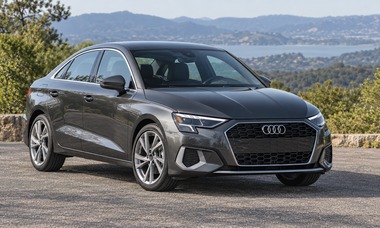
The Audi A3 can be a rewarding used luxury car, offering a comfortable cabin, responsive handling and useful performance in a compact package. But a low purchase price does not turn it into an inexpensive economy car to repair. Engine selection, transmission service and the condition of its cooling system can materially change the ownership experience.
There is also more than one kind of A3. U.S. buyers will encounter the earlier hatchback, later sedans and convertibles, diesel versions and the A3 Sportback e-tron plug-in hybrid. Their engines, transmissions and maintenance requirements are not interchangeable.
This guide covers the 2006–2024 U.S.-market Audi A3. It distinguishes those cars from overseas versions whose smaller engines and different transmissions frequently appear in online discussions. The higher-performance S3 and RS 3 are related models, but their additional power and specialized components deserve a separate buying assessment.
The most important used-car concerns include timing-system condition on affected older engines, coolant leaks, oil-use history, dual-clutch transmission maintenance, functioning quattro all-wheel drive and completed recalls. A maintained A3 can be a good purchase; an unknown-history example can quickly consume the savings from its attractive asking price.
In This Guide
- Overall Audi A3 reliability and expected lifespan
- Reliability and common problems by generation
- Timing belts, timing chains and early fuel-pump cam-follower wear
- Oil consumption, piston problems and cooling-system leaks
- S tronic transmission behavior and quattro maintenance
- Diesel, convertible and plug-in hybrid buying considerations
- Best years, caution years, repair costs and high-mileage ownership
Audi A3 Reliability Overview
The A3 is best approached as a compact European luxury car that rewards accurate maintenance, rather than a car that can be bought cheaply and serviced casually. Its size can keep some routine expenses manageable, but its turbocharged engines, electronic systems and specialized transmissions introduce costs beyond those of a basic compact car.
The earlier hatchback generation requires particularly careful engine identification. Some 2.0-liter gasoline engines use a timing belt, while later versions use a timing chain. The familiar Audi timing-chain warnings do not apply in exactly the same way to both designs.
The later sedan generation offers a more modern cabin and generally more appealing everyday refinement. However, cooling-system repairs, transmission faults and specific safety campaigns still deserve attention. The newest generation adds digital equipment and a mild-hybrid system, with less evidence available about very high-mileage ownership.
A complete maintenance history is valuable, but the records should show what was actually done. An invoice for an oil change does not establish that the transmission, all-wheel-drive coupling or timing system received the attention it required.
Audi A3 Reliability at a Glance
| Model Years and Version | Reliability and Buying Considerations |
|---|---|
| 2006–2013 A3 hatchback | Identify the engine and timing-system design. Inspect applicable timing-chain concerns, earlier gasoline-engine cam-follower wear, cooling-system condition, transmission service and age-related repairs. |
| 2010–2013 A3 TDI hatchback | Diesel-specific maintenance and emissions equipment add important considerations. Verify emissions-modification history, timing-belt service and any remaining VIN-specific coverage. |
| 2015–2020 A3 sedan; 2015–2019 Cabriolet | More modern package, but inspect water-pump and thermostat leaks, transmission operation, quattro function, electronic equipment and applicable fuel-system and passenger-airbag recalls. |
| 2015 A3 TDI sedan | Separate diesel assessment required. Do not assume gasoline-engine repair advice or maintenance intervals apply. |
| 2016–2018 A3 Sportback e-tron | Plug-in hybrid hatchback with a different engine and transmission package. Evaluate charging, battery condition, hybrid-system faults and completed service actions. |
| 2022–2024 A3 sedan | Newer design with a 2.0-liter turbocharged engine, seven-speed dual-clutch transmission and 48-volt mild-hybrid system. Check software, camera operation, recalls and warranty history. |
How Many Miles Can an Audi A3 Last?
A maintained Audi A3 can reach 150,000–200,000 miles, and some continue beyond that. However, reaching those mileages economically depends on the individual engine, transmission, maintenance history and willingness to pay for repairs as the car ages.
I would not use 250,000 miles as the expected outcome when budgeting for an unknown-history A3. It is possible for individual cars, but keeping an older luxury car roadworthy can require substantial spending long before the engine reaches its mechanical limit.
- At 100,000 miles: Check whether the appropriate transmission, timing-system and drivetrain services have been completed. Cooling-system repairs, suspension wear and oil-use history also matter.
- At 150,000 miles: Put more weight on documented repairs and present condition. Turbocharger, clutch, transmission, engine-mount and electronic repairs can materially affect the ownership budget.
- At 200,000 miles: Continued operation is possible, but distinguish a sound car with known needs from one with uncertain engine or transmission problems.
- At 250,000 miles: Treat this as an individual car's achievement, rather than a mileage every buyer can expect from the original powertrain without major work.
The vehicle's potential lifespan is also different from the lifespan of its original transmission, turbocharger or hybrid battery. A high-mileage success story may include replacement of one or more of those components.
Audi A3 Reliability by Generation
Second Generation, First in the U.S.: 2006–2013 Audi A3 Hatchback
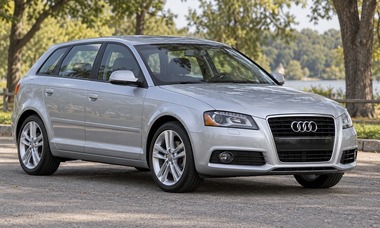
The A3's first U.S. generation was a practical five-door hatchback. Known as the 8P generation, meaning the earlier U.S. hatchback design, it offered an appealing combination of compact dimensions, useful cargo access and a more upscale cabin than many ordinary small cars.
Depending on year, buyers will encounter a turbocharged 2.0-liter gasoline engine, a 3.2-liter six-cylinder engine or a 2.0-liter TDI diesel. Manual and S tronic dual-clutch transmissions were offered on particular versions, with front-wheel drive or quattro all-wheel drive depending on the configuration.
The gasoline 2.0-liter engine changed during this generation. Earlier cars used the EA113 2.0-liter turbocharged direct-injection four-cylinder engine, with a main timing belt. Later cars used the EA888 2.0-liter turbocharged four-cylinder engine family, with a timing chain. There is overlap around the transition, so the actual engine should be identified rather than guessed from registration year alone.
This distinction is important because the earlier engine's fuel-pump cam-follower concern and the later engine's timing-chain tensioner concern are different problems. A seller saying that “the timing was done” should be able to produce an invoice showing the engine, parts and repair performed.
Common Problems on 2006–2013 Audi A3s
- Timing-chain and tensioner problems on affected chain-driven engines: Failure can cause serious internal engine damage. Certain 2008–2012 A3s were included in a historical timing-chain warranty program, but eligibility depended on the vehicle.
- Timing-belt service on earlier gasoline engines and diesels: A belt-driven engine requires its own maintenance assessment. Timing-chain guidance is not a substitute.
- Fuel-pump cam-follower wear on applicable earlier 2.0-liter gasoline engines: Wear in this small component can damage the high-pressure fuel pump and camshaft.
- Water-pump and other coolant leaks: Certain later 2.0-liter engines were included in a separate water-pump warranty extension. Present condition matters now that many older programs have expired by age.
- Intake-valve deposits and ignition-related misfires: Rough running can involve carbon buildup, coils, spark plugs, injectors or other faults.
- Transmission, all-wheel-drive and age-related repairs: Service history, clutch condition, mounts, suspension, roof equipment and water intrusion deserve close inspection.
Does an Older Audi A3 Have a Timing Belt or a Timing Chain?
It depends on the engine: the earlier 2.0-liter gasoline design uses a main timing belt, while later 2.0-liter gasoline engines use a timing chain. The 3.2-liter six-cylinder uses chains, and the diesel engines require their own belt-service assessment.
U.S. 2006–2008 gasoline cars commonly have the earlier belt-driven design, while later cars commonly have the chain-driven engine. Because the changeover includes overlapping applications, confirm the engine identification and service information for the particular car.
On a belt-driven car, obtain evidence of the relevant belt service and inspect what related components were replaced. On an affected chain-driven car, establish whether the tensioner and chain have been inspected or updated.
A timing belt and the external accessory belt are also different components. A receipt for an accessory-belt replacement does not establish that the engine's timing system was serviced.
How Do You Check for Timing-Chain Problems on an Older Audi A3?
A cold-start inspection, diagnostic scan and engine-specific mechanical assessment are more useful than listening for a rattle alone. Some chain or tensioner problems produce noise, but the absence of noise does not prove that an older tensioner is safe.
Warning signs can include abnormal startup rattling, difficult starting, rough running or a camshaft/crankshaft correlation code such as P0016. That code means the engine computer has detected an unexpected relationship between the positions of those rotating components; it does not identify the failed part by itself.
On an applicable engine, a qualified Audi or Volkswagen specialist can assess the tensioner version, chain condition and relevant diagnostic measurements. A written record of that assessment is more reassuring than a seller's statement that the engine sounds normal.
If the timing system loses control of valve timing, internal engine damage can result. Persistent abnormal rattling or timing-related faults should therefore be investigated before further driving or purchase.
What Is the Audi A3 Fuel-Pump Cam-Follower Problem?
On applicable earlier 2.0-liter gasoline engines, a small follower between the camshaft and high-pressure fuel pump can wear through. This is separate from the later timing-chain concern.
The follower transfers motion from the camshaft to the pump. If it deteriorates severely, the pump and camshaft can be damaged, turning a relatively small component issue into a much larger repair.
Low fuel-pressure faults, hesitation or poor running can prompt investigation, but inspection history is useful even when the car appears to run normally. The procedure and relevance depend on the actual engine design.
Buyer Tip: On an older gasoline A3, identify the engine before evaluating timing-system records or cam-follower advice. Do not pay for a car with uncertain timing-related symptoms on the assumption that it only needs a sensor.
Bottom Line: The earlier hatchback can be practical and enjoyable, but engine selection and documented repairs are essential. A low asking price is much less attractive when the timing system, transmission and cooling system all have unknown histories.
Diesel Versions: 2010–2013 A3 TDI Hatchback and 2015 A3 TDI Sedan
The TDI models use a turbocharged 2.0-liter diesel engine. Their fuel economy and highway range can appeal to frequent long-distance drivers, but diesel-specific equipment changes the reliability calculation.
These cars were involved in the Volkswagen Group diesel-emissions matter. A used buyer should establish whether the approved emissions modification was completed and obtain the corresponding service history. Any extended emissions coverage depends on the particular vehicle, modification date and applicable limits.
The diesel particulate filter, exhaust-gas recirculation equipment and other emissions components can add expensive repair needs. Repeated short trips are also a different operating environment from the sustained highway driving many diesel buyers envision.
Important A3 TDI Buying Concerns
- Emissions-modification and warranty history: Verify the specific car rather than assuming coverage remains available.
- Timing-belt maintenance: Follow the requirements for the diesel engine and model year.
- Emissions-system warnings: Investigate filter, sensor and other system faults before purchase.
- Fuel-system condition: Diesel high-pressure fuel-system repairs can be costly, particularly if contamination affects multiple components.
- Transmission service: Confirm the applicable dual-clutch maintenance history.
Is an Audi A3 TDI a Better High-Mileage Buy Than a Gasoline A3?
It can suit a frequent highway driver, but it is not automatically the cheaper or more reliable choice. Fuel savings need to be weighed against diesel emissions equipment, timing-belt service and potential fuel-system repairs.
A car with documented modification history, sound emissions equipment and appropriate maintenance deserves a different assessment from one with warning lights or altered emissions components.
Bottom Line: Buy an A3 TDI for a use pattern that suits it and with a clear understanding of its maintenance. Its diesel engine does not eliminate the other costs of owning an aging Audi.
Third Generation: 2015–2020 Audi A3 Sedan and 2015–2019 Cabriolet
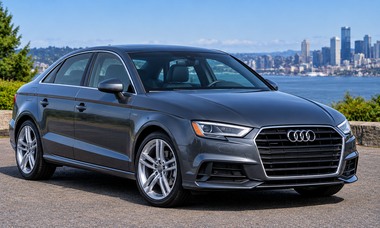
The 8V generation, meaning the later U.S. sedan and convertible design, brought a more modern cabin and a broader luxury-car feel. The regular gasoline hatchback was no longer the main U.S. offering, although the plug-in hybrid later provided a separate Sportback hatchback option.
Early gasoline sedans offered a 1.8-liter turbocharged engine with front-wheel drive or a 2.0-liter turbocharged engine with quattro. Later versions moved to 2.0-liter engines across the regular gasoline lineup. Transmission details also changed, with six-speed or seven-speed S tronic units depending on year and powertrain.
S tronic is Audi's name for its dual-clutch automatic transmission. Its behavior differs from that of a conventional torque-converter automatic, but that does not mean pronounced shudder, slipping or warning messages should be considered normal.
This generation can be an attractive used-car choice, particularly when cooling-system repairs, transmission maintenance and recall completion are documented. It should not inherit every problem associated with older Audi engines, but it has specific concerns of its own.
Common Problems on 2015–2020 Audi A3s
- Water-pump and thermostat-area coolant leaks: Certain cars were included in a warranty program covering the primary water pump. Check the VIN, age and mileage before assuming coverage remains.
- Transmission faults on applicable cars: Audi documented an auxiliary hydraulic-pump issue affecting certain 2017–2018 seven-speed applications.
- Piston-fracture concerns on certain 2015–2017 cars: Audi issued a specific warranty extension. This is different from claiming that all A3 engines have the same oil-consumption defect.
- Quattro coupling or pump problems: The car may lose rear-wheel assistance even though it remains driveable.
- Fuel-system and passenger-airbag recalls: Applicable campaigns require VIN-specific verification, including the suction-jet-pump recall on certain front-wheel-drive cars.
- Electronic, roof and water-intrusion concerns: Test infotainment, cameras, sunroof equipment and convertible operation, and inspect for dampness or previous leak repairs.
Why Does an Audi A3 Keep Losing Coolant Without Leaving a Puddle?
A leak around the water-pump or thermostat assembly is one possibility, even when coolant does not collect beneath the parked car. Coolant can remain on components or the underbody covering, and some leaks become more apparent when the system is hot and pressurized.
Look for a declining reservoir level, dried coolant residue, a sweet smell or a low-coolant warning. A pressure test and inspection of the assembly, hoses and other cooling-system components can help locate the source.
The lack of a puddle does not establish that the coolant loss is normal. Nor should every case be attributed to a cracked housing without inspection; seals, connections and other components can also leak.
Certain 2015–2020 A3s were included in a water-pump settlement program with an eight-year/80,000-mile warranty extension, subject to eligibility and terms. That historical coverage does not mean every car remains covered today, and it should not be extended automatically to 2022–2024 models.
Why Does an Audi A3 S Tronic Shudder or Show a Gearbox Malfunction Warning?
Clutch operation, hydraulic control, transmission components or other drivetrain faults can be involved; the symptom does not establish that the car has a defective dry-clutch transmission. The seven-speed dry-clutch warnings frequently discussed for overseas A3s should not be applied indiscriminately to the U.S. lineup.
Some low-speed behavior differs from a conventional automatic, but repeated pronounced shudder, loss of drive, slipping or a gearbox warning requires diagnosis.
Audi's service information identifies an auxiliary hydraulic-pump issue on certain 2017–2018 A3 and Cabriolet seven-speed transmissions. Relevant faults can include P0C2900, which concerns the auxiliary transmission-fluid pump, along with particular clutch-control codes.
The bulletin distinguishes transmission production dates and whether service action 34L4 was completed. It is therefore more useful to obtain the actual codes and campaign history than to assume the complete transmission needs replacement.
Do Later Audi A3 Engines Have the Same Oil-Consumption Problem as Older Audis?
Not automatically. Oil use requires investigation, but it is inaccurate to label every 1.8-liter or 2.0-liter A3 engine from 2009–2020 as having one universal piston-ring defect.
Ask how often the seller adds oil and check the current level. External leaks, crankcase-ventilation faults, turbocharger problems and internal engine wear can have different repair implications.
Audi's 2024 warranty bulletin separately identifies certain 2015–2017 A3s for piston-fracture coverage. Its oil-consumption provisions identify other Audi models. Those are distinct categories, and neither should be treated as a blanket promise of free A3 engine repairs.
A car with a persistent misfire, low compression or a history of internal engine work deserves a documented diagnosis. Eligibility for any remaining extended coverage depends on the VIN, original in-service date, mileage and program terms.
Why Does Quattro Stop Working on an Audi A3?
On an applicable A3, a fault in the rear all-wheel-drive coupling or its pump can prevent the rear wheels from receiving the intended assistance. This does not necessarily mean the main transmission has failed.
The coupling system is often called Haldex, meaning the electronically controlled clutch arrangement used to engage rear-wheel drive on these versions. Audi service information includes diagnosis of the coupling pump and associated faults.
Fluid maintenance for this system is separate from engine-oil changes and main-transmission service. A service history saying only “all fluids checked” does not establish that the coupling received its required maintenance.
A car may still drive without functioning rear assistance, so a normal parking-lot test is not conclusive. A specialist can scan the system and verify operation without relying on unsafe attempts to provoke wheelspin.
Why Does an Audi A3 Smell Like Gas or Keep Clicking Off the Fuel Nozzle?
On certain front-wheel-drive A3s, these symptoms can be associated with the recalled suction jet pump inside the fuel tank. A failed seal can allow fuel to enter the evaporative-emissions system and potentially leak through the charcoal canister.
Audi's recall 20YF, identified by NHTSA as 24V-110, covers certain 2015–2020 sedans and 2015–2019 Cabriolets. Eligibility depends on the VIN and configuration.
Documented symptoms include early fuel-nozzle shutoff, fuel spillback and fuel odor. Persistent symptoms should not be dismissed as an inconvenient gas-station pump, particularly because leaking fuel creates a fire risk.
The recall remedy replaces the suction jet pump on eligible cars. Confirm completion of the applicable campaign rather than relying solely on an older fuel-system repair receipt.
Do Audi A3 Engines Need Intake-Valve Carbon Cleaning?
Some direct-injection engines develop intake-valve deposits that require physical cleaning, but there is no single cleaning mileage appropriate for every A3. Symptoms and diagnosis should guide the decision.
Direct injection delivers gasoline into the cylinders rather than over the backs of the intake valves. Deposits can therefore accumulate in an area that ordinary fuel-tank additives may not clean effectively.
Possible symptoms include cold-start misfires, rough idle, hesitation or reduced performance. However, spark plugs, ignition coils, injectors, air leaks and other faults can produce similar symptoms.
A buyer should look for a diagnosis identifying the deposits and the work performed, rather than assuming that every misfire means the engine needs walnut blasting or another intake-cleaning procedure.
Buyer Tip: On this generation, prioritize cooling-system condition, transmission and quattro service, oil-use history and recall completion. On a Cabriolet, also operate the roof fully and inspect seals, drains and the cabin for evidence of leaks.
Bottom Line: A maintained later A3 can be an appealing compact luxury car. An unresolved coolant leak, drivetrain warning or internal engine concern deserves much more weight than an attractive interior or low asking price.
Plug-In Hybrid: 2016–2018 Audi A3 Sportback e-tron
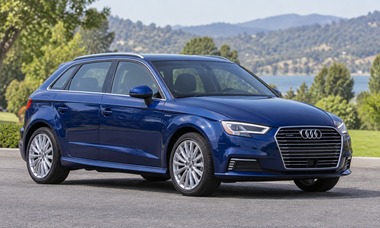
The A3 Sportback e-tron is a plug-in hybrid hatchback, combining a 1.4-liter turbocharged gasoline engine, an electric motor, a high-voltage battery and a dedicated six-speed dual-clutch transmission.
It is not the same vehicle as Audi's later fully electric e-tron SUV. Its engine and hybrid drivetrain also require different maintenance from the regular 1.8-liter and 2.0-liter A3 sedans.
The appeal is useful electric operation for short trips with a gasoline engine available for longer journeys. The buying concern is whether charging, battery capacity and hybrid-system operation remain healthy as the car ages.
Important A3 Sportback e-tron Checks
- Charging operation and available electric range: Test the actual car with a charged battery and account for temperature and driving conditions.
- High-voltage warning and repair history: Obtain records for battery, cooling-system and charging faults.
- Battery-related service actions: Certain vehicles received campaigns involving the high-voltage battery housing or related concerns. Verify the VIN-specific history.
- Hybrid transmission maintenance: Use the service requirements for this drivetrain rather than those of a regular gasoline A3.
- Passenger-airbag recall completion: Certain e-tron models were included in the occupant-detection campaigns.
Is a Used Audi A3 e-tron Worth Buying?
It can be worthwhile for a buyer who can charge regularly and obtains a convincing hybrid-system assessment. A low purchase price alone is not enough to establish good value.
Displayed range varies with weather, recent driving and accessory use, so one dashboard number does not measure battery health. Charging tests, diagnostic information and a realistic drive provide more useful evidence.
Bottom Line: The e-tron offers a different kind of A3 ownership, but its potential fuel savings should be weighed against aging hybrid equipment and specialist repair costs.
Fourth Generation: 2022–2024 Audi A3 Sedan
The 8Y generation, meaning the newest U.S. sedan design covered here, arrived for the 2022 model year with updated styling, a more digital interior and a revised powertrain.
U.S. A3s use a turbocharged 2.0-liter four-cylinder engine, a seven-speed S tronic transmission and a 48-volt mild-hybrid system. Unlike the older plug-in e-tron, this system does not require charging from an outlet or provide the same kind of sustained electric-only driving.
These cars have less age and generally more modern equipment than earlier A3s. However, there is less evidence about ownership at 150,000–200,000 miles, and their newer electronics add components that may require attention over time.
Common Concerns and Checks on 2022–2024 Audi A3s
- Infotainment and software operation: Test the touchscreen, phone connection, audio and digital instruments, and review update history.
- Rearview-camera campaigns: Certain vehicles were included in software-related recalls. Confirm the applicable VIN history and test the display repeatedly.
- Mild-hybrid and electrical warnings: Investigate faults rather than assuming every warning is a weak conventional battery.
- Transmission behavior: Test cold and warm operation and diagnose persistent shudder, slipping or warning messages.
- Cooling-system condition: Inspect leaks and coolant level without automatically applying an older generation's warranty program.
Is the 2022–2024 Audi A3 More Reliable Than the Older Models?
Its younger age is an advantage, but it is too early to declare it the most durable A3 generation at very high mileage. Less accumulated wear is different from proof that every new system will be inexpensive to maintain long term.
A clean car with remaining warranty coverage, completed campaigns and documented maintenance can reduce near-term uncertainty. Buyers should still test the electronics and drivetrain carefully.
Buyer Tip: On a newer A3, obtain the warranty and software-update history alongside ordinary maintenance records. Confirm that intermittent camera or electrical complaints were resolved.
Bottom Line: This generation offers a modern A3 experience and less age-related wear. Its long-term ownership costs should be judged cautiously until more high-mileage history develops.
What Are the Best Audi A3 Years to Buy?
For a used gasoline A3, I would begin with a properly-maintained and well-negotiated 2018–2020 sedan, while also considering a clean 2023–2024 car when the budget allows. These are practical starting points based on age, equipment and documented problem areas—not a statistical guarantee that those years will need fewer repairs than every earlier car.
A later third-generation sedan offers a relatively modern package without the age of the original U.S. hatchbacks. However, coolant leaks, transmission condition, drivetrain maintenance and recall completion still need to be checked. Certain 2018 transmission applications also fall within Audi's auxiliary hydraulic-pump service information.
The newer generation has less accumulated wear, but its digital equipment and mild-hybrid system have less very high-mileage history. Remaining warranty coverage can be valuable, provided the particular car's coverage and exclusions are understood.
| Years or Version | Why I Would Consider It |
|---|---|
| 2018–2020 gasoline sedan | A useful starting point for a modern used A3. Require documented maintenance, sound cooling-system and transmission operation, and completed applicable campaigns. |
| 2023–2024 sedan | Less age and modern equipment. Review warranty, software and repair history rather than assuming newer electronics will remain inexpensive indefinitely. |
| 2015–2017 gasoline sedan | Can be worthwhile at an appropriate price, but needs careful review of piston-related eligibility, cooling-system history, transmission configuration and recalls. |
| 2006–2013 hatchback | Potentially appealing for cargo flexibility or a lower budget. Engine identification, timing-system records and age-related condition are particularly important. |
| 2015–2019 Cabriolet | Worth considering for buyers who want an open-top car and accept additional roof, seal and drainage inspections. |
| TDI or Sportback e-tron | Choose for a suitable driving pattern and with a specialist assessment of the diesel or hybrid systems, rather than solely for an attractive price. |
Buyer Tip: A documented repair can improve the value of an individual car. An A3 with a properly repaired cooling system and complete drivetrain service may be preferable to a slightly newer example with unresolved warnings or missing records.
Which Audi A3 Years Should You Avoid?
I would avoid unresolved mechanical problems and poor maintenance before rejecting an entire A3 model year. The engine and transmission installed in the car matter too much for a simple list of “bad years” to tell the whole story.
Some year groups nevertheless deserve additional screening because of specific documented concerns.
| Years or Condition | Reason for Additional Caution |
|---|---|
| Affected older chain-driven 2.0-liter cars, particularly within the historical 2008–2012 program | Unknown timing-chain or tensioner history can introduce a substantial engine-damage risk. Confirm the actual engine and repair history. |
| Earlier belt-driven gasoline cars without service records | Timing-belt maintenance and applicable fuel-pump cam-follower condition need to be established. |
| Certain 2015–2017 cars | Review piston-fracture program eligibility and investigate persistent misfires, low compression or unexplained internal engine repairs. |
| Certain 2017–2018 seven-speed cars | Check auxiliary hydraulic-pump service-action history and diagnose any gearbox warning or relevant fault codes. |
| Any car losing coolant or regularly needing oil top-ups | The cause and likely repair cost should be established before purchase, rather than treated as normal Audi ownership. |
| Modified cars with unclear service or tuning history | Additional power, altered software and hard use can change the demands on the engine, clutch, transmission and cooling system. |
| Diesel or hybrid cars with unresolved system warnings | Specialized diagnosis and repairs can outweigh the savings from a low purchase price. |
A completed recall or a properly documented repair is not a reason by itself to reject a car. An unresolved fault, an uncertain explanation or a seller who will not allow appropriate diagnosis is much more concerning.
Buyer Tip: Do not let a clean interior and desirable options distract from a persistent misfire, coolant loss or drivetrain warning. Those issues can have a much larger effect on the car's value.
Which Audi A3 Engine Would I Choose?
For a general-purpose used A3, I would usually favor a maintained later 2.0-liter gasoline sedan over an older car with uncertain timing history or a specialized diesel or hybrid with unresolved faults. That preference reflects the overall ownership package, not a claim that every later engine is trouble-free.
| Engine or Version | Main Reliability Considerations |
|---|---|
| Earlier 2.0-liter turbocharged gasoline engine with a timing belt | Verify timing-belt service, applicable cam-follower inspection, cooling-system condition and oil-use history. |
| Later 2.0-liter gasoline engine in the older hatchback | Assess timing-chain and tensioner condition, water-pump history, intake deposits and general maintenance. |
| 3.2-liter six-cylinder hatchback | Different engine with its own timing-chain and age-related repair considerations. More cylinders do not automatically mean lower ownership risk. |
| 1.8-liter turbocharged gasoline sedan or convertible | Check cooling-system condition, oil use, transmission operation and applicable piston-related coverage or repair history. |
| Later 2.0-liter turbocharged gasoline sedan | Often an appealing overall package, provided cooling-system, drivetrain and recall records support the purchase. |
| 2.0-liter TDI diesel | Requires diesel-specific timing, emissions and fuel-system assessment. Best considered in relation to the buyer's driving pattern. |
| 1.4-liter plug-in hybrid | Assess the gasoline engine, hybrid transmission, charging equipment and battery as a combined system. |
| 2022–2024 2.0-liter gasoline engine with mild-hybrid assistance | Less age, but additional electrical equipment and a shorter record of very high-mileage ownership. |
The engine cannot be separated completely from the rest of the car. A sound engine paired with a neglected transmission, malfunctioning quattro system or leaking convertible roof may still make a poor purchase.
Is the Audi A3 1.8T More Reliable Than the 2.0T?
There is no dependable rule that the 1.8-liter version is always more reliable than the 2.0-liter. Model year, engine design, drivetrain configuration and maintenance history matter more than the displacement badge alone.
A front-wheel-drive 1.8-liter car avoids the additional rear all-wheel-drive components, which can simplify ownership. However, it still has a turbocharged direct-injection engine, specialized transmission and its own cooling-system and repair considerations.
The 2.0-liter can provide stronger performance and, on appropriate versions, quattro traction. Those benefits should be weighed against the actual condition and service needs of the car being considered.
Does an S Line Badge Mean the A3 Has a Different Engine?
Not necessarily. S line generally identifies an appearance or equipment package, rather than turning an A3 into an S3. The engine and drivetrain should be confirmed from the particular car's specifications.
Larger wheels and sport-oriented equipment can affect tire prices, ride comfort and replacement costs. They do not establish that the engine is more durable or that the car has received better maintenance.
A genuine S3 or RS 3 is a different performance proposition. More powerful engines, specialized brakes and other components require their own repair budget and scrutiny of previous use.
Is a Front-Wheel-Drive A3 Cheaper to Own Than Quattro?
It can be, because it has fewer drivetrain components to maintain and repair. Quattro adds useful traction, but it also adds a rear coupling system, associated controls and additional service requirements.
On the A3 versions covered here, quattro should not be assumed to use the same mechanical arrangement as every larger Audi. The coupling-based system discussed in Part 1 has its own fluid and diagnostic requirements.
Check records for the applicable all-wheel-drive service and use tires that meet the vehicle's requirements for size and compatibility. Uneven wear or mismatched tires deserves attention.
Front-wheel drive does not eliminate transmission or fuel-system concerns. Certain front-wheel-drive cars are specifically involved in the suction-jet-pump recall, so a simpler drivetrain is not a substitute for checking the VIN.
Buyer Tip: Choose quattro because its traction is useful to you, then verify that the system works and has been maintained. A badge on the trunk does not establish functioning rear-wheel assistance.
Are Audi A3 S Tronic Transmissions Reliable?
They can provide long service, but correct maintenance and present condition are essential. S tronic identifies a transmission family and operating concept, not one identical gearbox installed in every A3.
The six-speed and seven-speed units, as well as the hybrid's dedicated transmission, have different applications and service requirements. Online accounts involving overseas dry-clutch gearboxes should not be used to diagnose an unrelated U.S. car.
A dual-clutch transmission can feel different from a conventional automatic when maneuvering slowly. However, persistent pronounced shudder, delayed engagement, engine-speed flare, loss of drive or a gearbox warning deserves investigation.
How Often Does an Audi A3 Need S Tronic Fluid Service?
Use the schedule for the exact model year, engine and transmission; there is no single interval that applies to every A3. Some applications specify service at 40,000-mile intervals, while others use different intervals and procedures.
The required work can also differ in whether it includes a filter and which fluid is used. A receipt for a generic transmission service may not establish that the correct procedure was followed.
Before buying, compare the car's mileage with its applicable maintenance schedule and ask for the relevant invoices. Do not assume that a seven-speed transmission has the same requirements as an earlier six-speed unit.
Does an A3 Gearbox Warning Mean the Entire Transmission Needs Replacement?
No. A warning can involve a pump, control system, clutch or another component, although some faults do require major repair. The actual diagnostic codes and testing determine the answer.
The documented auxiliary hydraulic-pump issue on certain 2017–2018 cars is one example of why diagnosis matters. A clutch-related code can also require further investigation rather than automatically proving that the clutch itself is the only failed component.
Obtain a written diagnosis that identifies the cause, recommended repair and expected cost. Clearing the warning or resetting adaptations without resolving the underlying fault does not establish that the car is healthy.
Audi A3 Maintenance and Repair Costs
An A3 can have manageable routine costs, but major repairs remain luxury-car expenses. Cooling-system assemblies, turbochargers, transmission components and specialized electronic equipment can be costly even when the car's resale value has fallen substantially.
The following are broad U.S. budgeting ranges for parts and labor. The exact engine, transmission, body style and extent of the work can change the bill significantly.
| Maintenance or Repair | Typical Budget Range |
|---|---|
| Oil and filter change | $120–$220+ |
| Brake pads and rotors, one axle | $450–$950+ |
| Spark plug replacement, four-cylinder gasoline engine | $200–$450+ |
| Ignition coil replacement | $150–$300+ per coil; multiple coils cost more |
| S tronic fluid service | $350–$650+ depending on transmission and procedure |
| Quattro coupling fluid service | $150–$350+ depending on required work |
| Water-pump / thermostat-area repair | $900–$1,800+ depending on components replaced |
| Timing-belt service on an applicable engine | $900–$1,600+ depending on related parts |
| Timing-chain and tensioner repair, four-cylinder engine | $1,800–$3,500+ before consequential engine damage |
| Earlier gasoline-engine cam-follower replacement, without related damage | $200–$450+ |
| Intake-valve carbon cleaning | $500–$1,000+ |
| Engine-mount replacement | $450–$900+ per mount |
| Wheel-bearing replacement | $400–$800+ per wheel |
| Struts / substantial suspension work | $900–$2,000+ |
| Quattro coupling-pump repair | $600–$1,300+ depending on diagnosis and related work |
| Turbocharger replacement | $1,800–$3,500+ |
| Major S tronic component repair | $1,500–$4,000+ depending on the failed component |
| Complete transmission replacement | $4,000–$8,000+ |
| Major internal engine repair or replacement | $5,000–$10,000+ depending on damage and replacement source |
| Applicable safety-recall remedy | No charge through Audi on eligible vehicles |
These figures are budgeting estimates rather than repair quotes. Labor rates, location, model year, engine, parts choice and dealer versus independent-shop pricing can substantially change the final cost. Hybrid battery work, complex convertible-roof repairs and six-cylinder timing-chain repairs require separate estimates.
Buyer Tip: Recent documented repairs can have real value. A seller who has already paid for the appropriate timing work, cooling-system repair, transmission service, brakes or suspension may be offering a better purchase than someone selling a lower-mileage car with all of those expenses approaching.
In addition, any trade-in allowance also affects the overall cost analysis of moving into a CTS. And the different estimates for that same trade-in are at the heart of the KBB versus Edmunds appraisal debate.
Can a Cheap Audi A3 Become an Expensive Purchase?
Yes, particularly when several deferred repairs arrive together. A car needing cooling-system work, tires, brakes and transmission diagnosis can cost much more than its asking price suggests. And a discount does not make an uncertain engine or transmission fault harmless, however. An established repair estimate is much more useful than a seller's guess that the problem is inexpensive.
Repair-Cost Bottom Line: The A3 can be reasonable to own when maintenance is current and major systems are sound. It becomes much less economical when a low purchase price disguises several unresolved problems.
What Maintenance Does an Audi A3 Need Around 100,000 Miles?
At 100,000 miles, review the exact maintenance schedule and completed work rather than buying a generic mileage-based service package. Engine, transmission and drivetrain differences are too important for one universal checklist.
- Timing-system history: Establish belt-service status on applicable engines and the inspection or repair history of an affected chain-driven engine.
- S tronic service: Confirm the required fluid and filter work at the intervals specified for the actual transmission.
- Quattro maintenance: Review the separate coupling-service history and verify operation where fitted.
- Cooling-system condition: Inspect pump and thermostat areas, hoses, coolant level and signs of previous overheating.
- Engine maintenance: Review oil changes, oil use, spark plugs and any misfire diagnosis rather than replacing parts speculatively.
- Version-specific equipment: Check diesel emissions systems, hybrid charging and battery condition, or convertible roof operation as appropriate.
Age-based work matters too. Brake fluid, filters, rubber components and other scheduled items should not be ignored simply because the car has not reached a particular mileage.
A specialist familiar with the relevant Audi and Volkswagen powertrain can help distinguish required maintenance from optional recommendations and unnecessary parts replacement.
Is an Audi A3 With More Than 100,000 Miles Worth Buying?
It can be, but the asking price should reflect both the car's condition and its likely near-term expenses. At this mileage, maintenance and repair records become especially valuable.
A documented higher-mileage car can be preferable to a lower-mileage example with coolant loss, oil-use concerns or a transmission warning. The useful comparison is the total cost of purchasing and maintaining each car.
At 150,000 miles, I would place still more weight on engine health, transmission operation, cooling-system history and repairs already completed. A car approaching 200,000 miles should be bought with a clear understanding of its condition and an appropriate repair reserve.
Buyer Tip: Do not spend the entire available budget on the purchase itself. An older A3 should leave room for maintenance and a meaningful unexpected repair.
How Long Can an Audi A3 Turbocharger Last?
There is no universal replacement mileage. A turbocharger can remain serviceable at high mileage, but lubrication, operating conditions, modifications and the individual component's condition affect its life.
Persistent loss of power, abnormal noise, smoke or boost-related codes requires diagnosis. A hose leak, control problem or another engine fault can produce symptoms that resemble a failed turbocharger.
Ask what any previous turbo-related repair actually involved. Replacing a control component or repairing a leak is different from installing a complete turbocharger.
What Should You Check Before Buying a Used Audi A3?
The most useful checks focus on the installed powertrain and the failures that could materially change the car's value.
- Identify the engine and transmission: Confirm the timing-system design and relevant service requirements rather than relying on the badge or an overseas forum discussion.
- Check timing, oil use and cold-start operation: Review applicable timing repairs, listen for abnormal noise and investigate misfires, frequent oil top-ups or internal engine work.
- Inspect the cooling system: Look for declining coolant, dried residue, active leaks and evidence of overheating. Obtain testing when the cause is uncertain.
- Test the transmission and quattro system: Drive from cold through fully warmed conditions, scan warnings and verify rear-wheel assistance where fitted.
- Confirm fuel-system and airbag campaigns: Check the VIN and investigate fuel odor, refueling problems or passenger-airbag warnings.
- Inspect version-specific equipment: Test roof operation and water drainage, diesel emissions equipment, hybrid charging or newer camera and infotainment systems as applicable.
Audi A3 Pros and Cons
| Pros | Cons |
|---|---|
| Enjoyable handling and useful turbocharged performance | Major repairs can be expensive relative to used-car value |
| Upscale cabin in a compact, easy-to-park package | Rear-seat and cargo space can be limited in the sedan |
| Quattro available on appropriate versions | Additional drivetrain service and repair requirements |
| Earlier hatchback and e-tron offer useful cargo access | The A3 name covers several different powertrains |
| Later models offer modern equipment and refinement | Electronics, software and specialized components add repair possibilities |
| Maintained examples can provide substantial useful life | Deferred maintenance can quickly undermine a low purchase price |
Buyer Takeaway: The A3 suits someone who values compact luxury and driving enjoyment and can budget for accurate maintenance. It is less suitable for someone whose overriding requirement is the lowest possible repair cost.
Audi A3 vs. Other Used Cars
Audi A4
The Audi A4 offers more space and a different driving package. Its engines, transmissions and all-wheel-drive arrangements vary by generation, so it should not be assumed to have exactly the same repair concerns as an A3 with a similar engine badge.
BMW 3 Series
The BMW 3-Series is worth considering when additional cabin space and driving character matter more than compact dimensions. Engine selection and documented maintenance remain central to the comparison, and ownership costs can be substantial on either model.
Volkswagen Golf or GTI
A Golf or GTI can offer related mechanical technology with a different balance of practicality, performance and cabin finish. Shared components also mean that changing badges does not necessarily eliminate cooling-system, transmission or engine-maintenance concerns.
Honda Civic
A Civic can make more sense when practicality and a manageable ownership budget take priority over the luxury badge. Compare the specific engine and transmission, since Civic powertrains also change across the years.
Toyota Corolla
A Corolla generally targets a different buyer: someone willing to accept less luxury and performance in exchange for straightforward transportation. It is a useful comparison when deciding whether the A3's additional appeal justifies its repair budget.
Among the choices, maintenance and condition can make one example a much better purchase than another, unlike new cars where the differences are more often in the deal itself when shopping the dealers, not just the car.
Final Buyer Summary: Is the Audi A3 a Good Used Car?
Yes, a maintained Audi A3 can be a good used car—but it should be bought with a realistic luxury-car repair budget. Its compact size, attractive cabin and enjoyable performance are genuine benefits when the mechanical condition supports them.
For a general used-car search, I would begin with a clean later third-generation gasoline sedan, then compare individual examples by maintenance, repairs and price. A newer 2023–2024 car can reduce age-related uncertainty, but its long-term electronic and mild-hybrid costs are less established.
The earlier hatchbacks require accurate engine identification and careful timing-system review. Diesel, convertible and plug-in hybrid versions deserve additional checks tailored to their equipment and intended use.
The strongest purchase is an A3 with a sound engine and transmission, no unexplained fluid loss, functioning equipment and documented service. A neglected example does not become a bargain simply because its price has fallen into economy-car territory.
If you're considering other Audi models, our Used Audi Reliability Guide compares nine popular Audi cars and SUVs, including their most common mechanical problems, the best years to buy, and model years that deserve closer inspection. It's a useful way to compare your options before deciding which used Audi is right for you.
Your Trade-In
It's good to always know the value of your trade-in while you're evaluating your next possible purchase. Here's a good source for a quick and accurate appraisal: free trade-in appraisal.
Questionable Dealer Fees
Beware of "dealer fees". Before agreeing to a dealer's numbers, see which dealer fees are legitimate, which can be negotiated, and which can be avoided.
Some Insider Insights:
Easy Car Negotiation Technique