

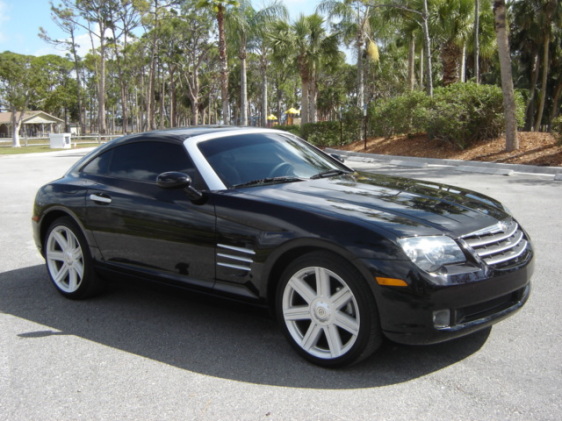
The Chrysler Crossfire has always been something of an automotive oddity. Introduced during the DaimlerChrysler era, it combined bold American styling with proven Mercedes-Benz engineering to create a sports coupe unlike anything else on the road. More than twenty years later, it remains one of the used car market's best-kept secrets, often selling for thousands less than comparable German sports cars while sharing much of their mechanical foundation.
That combination naturally raises an important question: Is the Crossfire actually reliable?
For most buyers, the answer is surprisingly positive. Despite wearing a Chrysler badge, the Crossfire's engine, transmission, suspension, steering, and much of its chassis came directly from the first-generation Mercedes-Benz SLK. The result is a sports car with a remarkably durable drivetrain and relatively few major mechanical weaknesses.
Age, however, has become the biggest factor. Every 2004–2008 Crossfire is now at least seventeen years old, meaning maintenance history often matters far more than mileage. A carefully maintained example can still provide many years of dependable service, while a neglected car can quickly require thousands of dollars in deferred repairs.
The good news is that most of the Crossfire's common problems are well understood. There are no widespread engine failures, no notoriously weak transmissions, and few truly catastrophic defects. Instead, buyers should focus on predictable age-related wear, previous maintenance, and overall condition.
That said, with only 80,000 sold here, they are getting harder to find in good condition with each passing year. But the fact is some gems continue to pop up as many owners didn't use them as their everyday cars, resulting in lower mileage examples (75,000 or less) to be found out there, although you may need to expand your geographic search to locate them.
In this guide, we'll examine every model year, highlight the most common problems, compare engines and transmissions, discuss maintenance costs and ownership expectations, and help you decide whether a Chrysler Crossfire still deserves a place in your garage today.
In this guide, you'll learn:
- How reliable the Chrysler Crossfire really is.
- The best and worst model years to buy.
- The most common mechanical and electrical problems.
- How reliable each engine and transmission is.
- Expected maintenance after 100,000 miles.
- Whether parts are becoming difficult to find.
- What to inspect before buying.
- Whether the Crossfire makes a good daily driver or weekend toy.
- Its overall pros and cons.
Relative Reliability: Also, if you'd like to learn if this model and year ranks among the top used cars, trucks, and SUVs for reliability, be sure to read my Most Reliable Vehicles Guide: Best Models & Years. This comprehensive guide highlights the best years to buy or avoid, common problems, potential maintenance costs, and more, and will likely help you make the right choice to meet your needs.
Quick Reliability Verdict
| Category | Verdict |
|---|---|
| Overall Reliability | ★★★★☆ (4.3/5) |
| Engine Reliability | Excellent |
| Transmission Reliability | Excellent |
| Maintenance Costs | Moderate |
| Parts Availability | Good, although some trim and body parts are becoming scarce. |
| Best Years | 2005–2008 |
| Year Requiring Extra Inspection | 2004 |
| Expected Lifespan | 200,000+ miles with proper maintenance |
Overall Reliability
As used sports cars go, the Chrysler Crossfire has aged remarkably well. While it never sold in large numbers, owners have generally reported dependable long-term mechanical reliability, particularly from the naturally aspirated models. Its biggest advantage is the use of mature Mercedes-Benz components that had already proven themselves in thousands of SLK roadsters before Chrysler adopted them.
That's not to say ownership is inexpensive. Maintenance costs are generally higher than those of a typical Japanese sports coupe, and some replacement parts reflect the car's German engineering. However, the Crossfire largely avoids the major engine and transmission failures that can quickly turn an older performance car into a financial burden.
Buyer Takeaway: Shop for maintenance history, not just mileage. A well-documented 140,000-mile Crossfire is usually a safer purchase than an 80,000-mile example that has spent years sitting neglected.
Reliability At a Glance
- Engine: One of Mercedes-Benz's most durable V6 engines.
- Automatic transmission: Excellent reliability when serviced.
- Manual transmission: Durable with normal clutch wear.
- Electrical systems: Generally above average for a vehicle of this age.
- Biggest concerns: Aging rubber components, hydraulic leaks, suspension wear, and scarce cosmetic parts.
Why the Crossfire Is Different
One of the biggest misconceptions about the Crossfire is that it's simply a Chrysler sports car with unusual styling. In reality, it is much closer to a Mercedes-Benz wearing Chrysler bodywork.
Developed during the DaimlerChrysler partnership and assembled in Germany by Karmann, the Crossfire borrowed roughly eighty percent of its major mechanical components from the first-generation Mercedes-Benz SLK (R170). By the time the Crossfire reached showrooms, these components had already built an excellent reliability record.
That shared engineering gives buyers several advantages today.
- A proven 3.2-liter Mercedes-Benz V6.
- Well-tested Mercedes automatic and manual transmissions.
- Excellent chassis durability.
- Widely understood service procedures among independent European repair shops.
- Many interchangeable Mercedes replacement parts.
On the other hand, some repair costs can be higher than buyers expect from a Chrysler, particularly when genuine Mercedes components are required. Fortunately, these repairs are generally infrequent, and the platform itself has proven exceptionally durable over the long term.
Model Range At a Glance
Unlike many sports cars that underwent multiple redesigns, the Crossfire remained largely unchanged throughout its five-year production run. That makes choosing the right example more about condition, maintenance history, and equipment than dramatic year-to-year engineering differences.
| Model | Best For | Reliability Notes |
|---|---|---|
| Coupe | Most buyers | Fewer weather-related issues and generally lower maintenance. |
| Roadster | Open-air driving | Adds convertible-top hydraulics and seals that require inspection. |
| SRT-6 | Performance enthusiasts | Very reliable but significantly more expensive to maintain. |
For buyers prioritizing long-term reliability and reasonable ownership costs, the naturally aspirated coupe remains the safest choice. The Roadster offers the same dependable drivetrain but introduces additional components that inevitably require more attention as the vehicle ages, while the supercharged SRT-6 rewards enthusiasts willing to accept higher maintenance costs.
Multiple dealers → compete for your business → you save
If you're serious about buying soon, I'd highly recommend reading my most effective negotiation method for used cars, which details a quick way to identify the dealerships most motivated to "deal", no matter how busy they may seem, and how to follow up once you've found them. This can be the difference between getting a good price and getting a great one. And a variation of it is my top method for new cars, if you are also exploring that market.
You can see them here at used cars and new cars.
Reliability by Model Year
In the Crossfire's fairly unique case, there are no disastrous model years to avoid and no dramatically redesigned versions that completely changed the ownership experience.
Instead, the differences are relatively subtle. Chrysler refined production after the first year, while the proven Mercedes-Benz mechanicals remained largely unchanged. For most buyers, maintenance history, condition, and service records are considerably more important than choosing between a 2005 and a 2007.
Generation at a Glance (2004–2008)
| Category | Verdict |
|---|---|
| Overall Reliability | Very Good |
| Best Years | 2005–2008 |
| Year Requiring Extra Inspection | 2004 |
| Best Engine | 3.2-liter naturally aspirated V6 |
| Transmission Choice | Automatic or manual — both are dependable |
| Biggest Concerns | Age-related wear, cooling system components, suspension bushings, convertible-top hydraulics (Roadster) |
Buyer Takeaway: Don't spend weeks searching for a specific model year. Spend that time finding the best-maintained example you can afford. Service records are worth far more than a newer badge on the trunk.
2004 Chrysler Crossfire
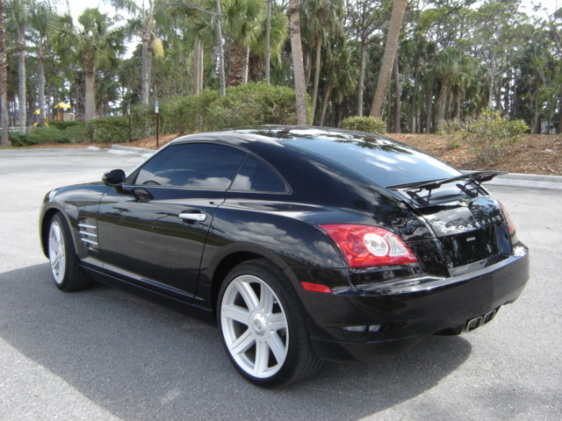
As the inaugural model year, the 2004 Crossfire carries the normal caveat that applies to many first-year vehicles. Fortunately, because Chrysler adopted an already mature Mercedes-Benz platform rather than introducing an all-new design, first-year problems were relatively minor.
The drivetrain is every bit as durable as later models, but buyers should inspect 2004 examples more carefully simply because they are now the oldest cars in the lineup. Rubber components, suspension parts, cooling system hoses, weather seals, and interior trim have had another year to deteriorate.
Worth buying? Yes, provided it has complete maintenance records and passes a thorough pre-purchase inspection.
2005 Chrysler Crossfire
The 2005 model year is widely regarded as one of the strongest values in the entire lineup. Chrysler had a full year of production experience behind it, yet the car retained the same dependable Mercedes mechanical package that made the Crossfire appealing from the beginning.
Examples from this year are now old enough that condition varies considerably, but well-maintained cars routinely accumulate high mileage without major drivetrain repairs.
For buyers wanting the lowest purchase price without sacrificing reliability, the 2005 model deserves serious consideration.
- Excellent drivetrain durability.
- Very few year-specific problems.
- Often priced lower than later models despite nearly identical reliability.
2006 Chrysler Crossfire
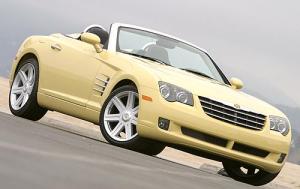
By 2006, the Crossfire had settled into a mature production cycle with few notable mechanical changes. Reliability remained consistently strong, and these models have earned a reputation for dependable long-term ownership when serviced properly.
The naturally aspirated V6 continues to be the standout feature, while both available transmissions have proven capable of well over 150,000 miles with routine maintenance.
This model year also strikes an attractive balance between purchase price and age, making it one of the easiest recommendations in today's market.
Bottom Line: If you find a clean 2006 with documented maintenance, there's little reason to hesitate. It's one of the safest bets in the Crossfire lineup.
2007 Chrysler Crossfire
The 2007 Crossfire benefits from everything Chrysler had learned during production while remaining mechanically familiar. Reliability is excellent, and most ownership complaints today stem from normal aging rather than design flaws.
Many enthusiasts actively seek 2007 models because they're newer than early production cars yet often sell for only a modest premium.
Provided maintenance has been consistent, there's little practical difference in long-term reliability between a 2006 and a 2007.
- Excellent long-term mechanical durability.
- Very few known year-specific concerns.
- Often considered one of the best overall model years.
2008 Chrysler Crossfire
The 2008 model marked the final year of production. Mechanically, it changed very little from previous years, which is actually good news for reliability. Chrysler wisely left the proven drivetrain largely untouched.
Because these are the newest Crossfires, they often command slightly higher prices. Whether that premium is worthwhile depends largely on condition rather than the calendar.
A pristine 2008 is certainly desirable, but buyers shouldn't overlook an equally well-maintained 2005 or 2006 simply because it is a few years older.
Which Model Years Should You Buy?
If you're shopping primarily for reliability, the good news is that the Crossfire doesn't have any truly bad model years. Instead, the buying decision comes down to balancing purchase price, maintenance history, and overall condition.
Best Years
There's really very little difference.
- 2005 — Outstanding value with excellent reliability.
- 2006 — More of the same.
- 2007 — Good choice for model/cost balance.
- 2008 — Most recent so slight premium.
Years Requiring Extra Inspection
- 2004 — Still not a year to avoid, but the additional age means buyers should pay closer attention to maintenance history and age-related wear.
Buyer Takeaway: Rather than paying a premium for the newest Crossfire you can find, prioritize a car with complete maintenance records, regular fluid changes, and evidence of careful ownership. That strategy will usually produce a far more satisfying ownership experience than chasing a specific model year.
Reliability by Engine
Engine choice is one of the easiest parts of shopping for a Chrysler Crossfire. Unlike many sports cars that offered several engines with very different reliability records, the Crossfire used two versions of the same basic Mercedes-Benz 3.2-liter V6.
For most buyers, the standard naturally aspirated engine is the smarter long-term choice. The SRT-6 is exciting and collectible, but it brings higher repair costs and more specialized parts.
| Engine | Found In | Reliability Verdict | Buyer Advice |
|---|---|---|---|
| 3.2-liter naturally aspirated V6 | Base Coupe and Roadster | Excellent | Best choice for most buyers. |
| 3.2-liter supercharged V6 | SRT-6 | Very Good | Fast and durable, but more expensive to maintain. |
3.2-Liter Naturally Aspirated V6
The standard Crossfire engine is one of the car's greatest strengths. This Mercedes-Benz V6 is smooth, durable, and far less complicated than many newer German engines. It avoids turbochargers, direct injection, complex variable-lift systems, and other components that often become expensive as vehicles age.
With regular oil changes and basic preventive maintenance, this engine is fully capable of exceeding 200,000 miles. Many higher-mileage examples still run smoothly when they have been serviced properly.
Common Issues to Watch
- Valve cover gasket leaks: Common with age, usually manageable if addressed early.
- Oil seepage: Minor leaks are not unusual on older examples.
- Cooling system wear: Hoses, thermostat, radiator, and expansion tank should be inspected.
- Crankshaft position sensor failure: Can cause stalling or no-start conditions.
- Motor mount wear: May create vibration at idle.
Buyer Takeaway: The naturally aspirated V6 is the engine you want if your priority is dependable, affordable long-term ownership. It is not exotic, but that is exactly why it has aged so well.
3.2-Liter Supercharged V6: SRT-6
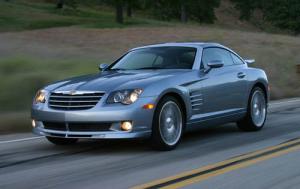
The SRT-6 used a supercharged version of the same basic Mercedes-Benz V6 architecture. It transformed the Crossfire from a stylish grand touring coupe into a genuinely quick performance car, with acceleration that still feels strong today.
Reliability is still very good, but ownership expectations need to be different. The supercharger system, intercooler components, higher-performance brakes, suspension tuning, and SRT-specific parts all make the car more expensive to maintain.
- Performance: Significantly stronger than the standard Crossfire.
- Reliability: Generally durable when maintained correctly.
- Maintenance costs: Noticeably higher than the base model.
- Parts availability: More difficult for SRT-specific components.
- Best buyer: Enthusiast who values performance and rarity.
The SRT-6 is not a fragile car, but it is not the best choice for someone seeking an average cost ownership experience. Buy one because you specifically want the performance model, not because it happens to be the nicest Crossfire available locally.
Transmission Reliability
Transmission reliability is another strong point. The Crossfire was available with both a manual transmission and a Mercedes automatic, and both have proven dependable over time.
The automatic is the better choice for most buyers. It suits the car's grand touring character, has an excellent durability record, and tends to be easier to live with in everyday driving.
| Transmission | Reliability | Best For | Watch For |
|---|---|---|---|
| 5-speed automatic | Excellent | Most buyers | Fluid service history, smooth shifts |
| 6-speed manual | Very Good | Enthusiasts | Clutch wear, shift feel, synchro condition |
5-Speed Automatic
The 5-speed automatic is one of the Crossfire's most reliable major components. It is smooth, strong, and well matched to the 3.2-liter V6. In normal driving, it gives the car a relaxed grand touring personality rather than a sharp-edged sports car feel.
The most important issue is maintenance history. Some owners treat older automatic transmissions as sealed-for-life units, but fluid age still matters. A Crossfire with documented transmission service is more appealing than one with unknown history.
- Check for smooth upshifts and downshifts.
- Look for hesitation when shifting from Park to Drive or Reverse.
- Avoid cars with harsh engagement or slipping.
- Prioritize examples with documented fluid service.
6-Speed Manual
The manual transmission is also durable, though it depends more heavily on how the car was driven. A careful owner can make the clutch last a long time, while aggressive driving can shorten its life considerably.
Manual Crossfires are more engaging, but they are not necessarily more reliable than automatics. They simply shift some of the long-term cost risk from transmission internals to clutch wear.
Bottom Line: Choose the manual if you specifically want the driving experience. Choose the automatic if you want the easiest and most dependable ownership path.
Common Crossfire Problems
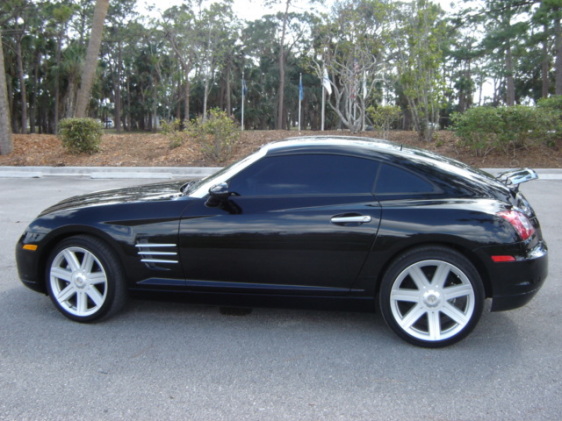
The Crossfire does not have a long list of possible serious defects. Most problems are predictable for an older European-derived sports car and become much easier to manage if caught before purchase.
The key is separating normal aging from neglect. A car with worn suspension bushings, old tires, faded trim, and leaking seals may not be mechanically doomed, but those repairs add up quickly.
Most Common Issues
| Problem Area | How Serious? | Buyer Advice |
|---|---|---|
| Oil leaks | Usually moderate | Common with age; inspect valve covers and lower engine area. |
| Cooling system wear | Important | Replace aging hoses, thermostat, radiator, and expansion tank before failure. |
| Suspension bushings | Moderate | Expect wear on older or higher-mileage examples. |
| Crankshaft position sensor | Moderate | Can cause stalling or no-start condition; usually repairable. |
| Convertible-top issues | Potentially expensive | Roadsters require careful inspection of hydraulics, seals, and operation. |
| Interior trim deterioration | Annoying | Cosmetic parts may be harder to source than mechanical parts. |
Cooling System Wear
The cooling system deserves special attention on any Crossfire. The engine itself is strong, but like many older European cars, it does not tolerate overheating well.
Buyers should inspect the radiator, hoses, thermostat, water pump, and expansion tank. If these parts are original, preventive replacement is often smarter than waiting for a failure.
Buyer Takeaway: A healthy cooling system is more important than low mileage. An overheated Crossfire can become expensive quickly, even if the engine is otherwise durable.
Suspension and Steering Wear
The Crossfire's chassis is solid, but age takes a toll on suspension components. Worn control arm bushings, ball joints, tie rods, shocks, and mounts can make the car feel loose, noisy, or less precise than it should.
This is not unusual for a car of this age, but it should affect what you pay. A Crossfire that needs a full suspension refresh can still be worth buying, but only if the price reflects the work ahead.
- Listen for clunks over bumps.
- Check for uneven tire wear.
- Look for vague steering or wandering.
- Inspect shocks, control arms, bushings, and ball joints.
Electrical Issues
Electrical reliability is generally better than many buyers expect, especially compared with some German luxury cars from the same era. Still, small failures can occur as the car ages.
Before buying, test every switch, light, window, lock, mirror, seat adjustment, gauge, and warning light. These are not always deal-breakers, but they can be frustrating if parts are difficult to source.
Roadster Convertible-Top Problems
The Roadster is mechanically as dependable as the coupe, but its convertible top adds another layer of inspection. Hydraulic leaks, slow operation, worn seals, and water intrusion are the main concerns.
Operate the top several times during a pre-purchase inspection. It should move smoothly, latch correctly, and show no signs of binding, hesitation, or fluid leakage.
- Check for damp carpets or musty smells.
- Inspect seals around the windows and top.
- Look for hydraulic fluid leaks.
- Confirm the top opens and closes smoothly.
- Make sure the rear window and trim are secure.
A clean Roadster can be a wonderful ownership experience, but a neglected one can be far more expensive than a coupe to sort out.
Maintenance Cost Outlook
The Chrysler Crossfire costs more to maintain than a typical economy car, but it is generally less expensive to own than many European luxury sports cars of the same era. Thanks to its proven Mercedes-Benz drivetrain, most owners spend their money on normal age-related maintenance rather than major mechanical failures.
If you use a reputable independent European repair shop rather than a dealership, ownership costs are often surprisingly reasonable. The naturally aspirated models are particularly affordable compared with the higher-performance SRT-6.
| Maintenance Category | Typical Cost | Notes |
|---|---|---|
| Routine annual maintenance | $400–$800 | Oil changes, filters, inspections and fluid services. |
| Typical annual maintenance & repairs (100,000+ miles) | $900–$1,600 | Includes normal wear items and occasional repairs. |
| Cooling system refresh | $600–$1,200 | Water pump, thermostat, hoses and related components. |
| Suspension refresh | $800–$2,000+ | Depends on how many bushings, control arms and shocks require replacement. |
| Major engine repairs | Uncommon | The M112 V6 rarely suffers catastrophic internal failures when maintained properly. |
| SRT-6 ownership | 15–30% higher | Supercharger and performance-specific components increase maintenance costs. |
Buyer Takeaway: Budget approximately $900–$1,600 per year for maintenance and occasional repairs on a well-maintained, higher-mileage Crossfire. Owners who stay ahead of preventive maintenance typically avoid the large repair bills that can come from neglect.
How Long Do Chrysler Crossfires Last?
With proper maintenance, a Chrysler Crossfire can easily last 200,000 miles or more. Much of the car's longevity comes from its proven Mercedes-Benz 3.2-liter V6 and durable automatic and manual transmissions, both of which have established excellent long-term reliability records.
Reaching that kind of mileage depends less on the drivetrain and more on how well the vehicle has been maintained. Regular oil changes, cooling system service, transmission maintenance, and replacing aging suspension and rubber components as needed are far more important than simply finding the lowest-mileage example.
Many Crossfires now have well over 100,000 miles and continue to provide dependable service. In fact, a well-documented 140,000-mile car is often a better purchase than an 80,000-mile example that has spent years sitting with deferred maintenance.
Buyer Takeaway: Don't be afraid of mileage. A properly maintained Crossfire with complete service records can reasonably provide another 50,000 to 100,000 miles of enjoyable ownership.
What to Expect After 100,000 Miles
Most Crossfires on today's market have either reached or are approaching the 100,000-mile mark. Fortunately, mileage alone is rarely a reason to walk away from a well-maintained example.
Instead, buyers should expect certain components to have either been replaced already or require attention in the near future.
- Suspension bushings and ball joints.
- Shock absorbers or struts.
- Motor and transmission mounts.
- Cooling system components.
- Accessory drive belt and tensioner.
- Brake hoses and rubber seals.
- Valve cover gaskets and other minor oil leaks.
None of these repairs are unusual for a twenty-year-old sports car. In fact, seeing invoices showing that much of this work has already been completed is often a positive sign that the previous owner stayed ahead of maintenance.
Repair Costs Compared with Competitors
The Crossfire's ownership costs compare favorably with several sports cars that buyers often consider alongside it.
| Vehicle | Repair Costs | Overall Reliability |
|---|---|---|
| Chrysler Crossfire | Moderate | Very Good |
| Nissan 350Z | Moderate | Very Good |
| BMW Z4 (E85) | Moderate to High | Good |
| Porsche Boxster (986) | High | Good, but costlier to maintain |
| Mercedes-Benz SLK320 (R170) | Moderate | Very Good |
| Mazda MX-5 Miata | Low | Excellent |
The Mazda Miata remains the least expensive sports car to own, while the Porsche Boxster generally carries the highest repair costs. The Crossfire sits comfortably in the middle, offering German engineering without the financial commitment often associated with premium European brands.
Parts Availability
Mechanical parts availability remains surprisingly good. Because so many components were shared with Mercedes-Benz models, sourcing service items such as brakes, filters, sensors, suspension components, and drivetrain parts is rarely difficult.
The bigger challenge is cosmetic and model-specific parts.
- Exterior body panels.
- Interior trim pieces.
- Unique dashboard components.
- Roadster-specific trim.
- SRT-6 body and performance parts.
Fortunately, these items rarely prevent a Crossfire from remaining roadworthy, but they can increase repair costs following an accident or restoration project.
Bottom Line: Mechanical repairs are generally manageable. Cosmetic restoration is where patience—and sometimes a larger budget—may be required.
Daily Driver or Weekend Car?
The Crossfire can serve either role surprisingly well, although it was designed more as a grand touring coupe than a razor-sharp sports car.
As a daily driver, it offers comfortable highway manners, dependable mechanicals, and respectable fuel economy for its era. Visibility is adequate, ride quality is firm without being punishing, and the automatic transmission makes commuting relatively effortless.
Its limitations are practical rather than mechanical. Cargo space is limited, cabin storage is modest, and replacement body parts are no longer as plentiful as those for mainstream vehicles.
| Ownership Style | Verdict |
|---|---|
| Daily commuting | Very Good |
| Weekend touring | Excellent |
| Long-distance trips | Very Good |
| Winter driving | Fair |
| Collector use | Increasingly attractive |
For many owners, the Crossfire works best as a second vehicle that sees regular weekend use rather than heavy daily mileage. That allows owners to enjoy its distinctive styling and engaging driving experience while minimizing age-related wear.
What It's Like to Own a Crossfire Today
Perhaps the Crossfire's greatest strength is that it still feels special. Even after two decades, its dramatic fastback profile and distinctive rear hatch attract attention in a way that many newer sports cars do not.
The driving experience also holds up well. The steering feels solid, the naturally aspirated V6 delivers smooth, predictable power, and the chassis feels planted on winding roads without becoming overly harsh.
What owners tend to appreciate most is the balance. The Crossfire isn't the fastest sports car of its era, nor is it the cheapest to maintain, but it combines reliability, comfort, performance, and individuality better than many competitors selling for similar money.
- Distinctive styling that still stands out.
- Solid highway manners.
- Excellent long-term drivetrain durability.
- Comfortable grand touring character.
- Strong enthusiast community and owner support.
Collector Value Outlook
The Chrysler Crossfire has quietly begun attracting increased attention from collectors, particularly low-mileage examples, SRT-6 models, and well-preserved Roadsters.
Its relatively low production numbers, German engineering, and unique place in Chrysler history give it qualities that many modern sports cars lack. While it is unlikely to become a high-dollar collectible in the near future, depreciation has slowed considerably, and excellent examples are beginning to command stronger prices.
The best candidates for future appreciation include:
- Low-mileage, unmodified coupes.
- Original SRT-6 models.
- Roadsters with fully functioning convertible tops.
- Cars with complete service documentation.
- Examples retaining original paint and factory equipment.
Buyer Takeaway: If you're considering a Crossfire, now is probably a better time to buy than five years from now. Exceptional examples are becoming harder to find, and values for the best cars appear to have stabilized.
Biggest Mistakes Buyers Make
Most disappointing Crossfire ownership experiences can be traced back to a handful of common purchasing mistakes rather than inherent reliability problems.
- Buying solely on mileage instead of maintenance history.
- Ignoring cooling system condition.
- Overlooking suspension wear during a test drive.
- Assuming every part is inexpensive because of the Chrysler badge.
- Failing to operate the Roadster's convertible top several times before purchase.
- Skipping a professional pre-purchase inspection.
A careful inspection before purchase is almost always less expensive than correcting years of deferred maintenance afterward.
Pre-Purchase Inspection Checklist
Before buying any Crossfire, spend extra time evaluating these key areas:
- ✔ Check for complete maintenance records.
- ✔ Inspect for oil and coolant leaks.
- ✔ Confirm smooth transmission operation.
- ✔ Examine suspension for clunks or looseness.
- ✔ Test every electrical accessory.
- ✔ Verify proper cooling system operation.
- ✔ Inspect tires for uneven wear.
- ✔ Look underneath for rust or accident repairs.
- ✔ Roadster: fully cycle the convertible top several times.
- ✔ Have the vehicle inspected by an experienced independent mechanic before purchase.
Pros and Cons
Like any aging sports car, the Chrysler Crossfire has both strengths and compromises. Fortunately, its advantages generally outweigh its weaknesses for buyers who understand what they're purchasing.
Pros
- Excellent long-term engine reliability.
- Dependable Mercedes-Benz automatic and manual transmissions.
- Distinctive styling that still stands out today.
- Comfortable grand touring ride.
- Solid high-speed stability and confident handling.
- Generally fewer catastrophic mechanical failures than many competitors.
- Good parts availability for most mechanical components.
- Strong value on today's used market.
- Potential future collector appeal, particularly SRT-6 models.
Cons
- Some Mercedes-derived parts can be expensive.
- Interior and exterior trim pieces are becoming harder to source.
- Limited cargo and cabin storage space.
- Roadster models require additional convertible-top maintenance.
- Ride is firmer than many buyers expect.
- SRT-6 ownership costs are noticeably higher.
And another con ...
And of course, there are other numbers besides price that can significantly affect the final out-the-door cost. A well-negotiated selling price can quickly lose its advantage if the dealer makes up for the concession with a below-market trade-in offer. Dealer fees and add-ons can also further increase the final cost, making it important to learn which fees you must pay, can negotiate, or should avoid.
To become better informed about these important but often-confusing parts of the deal, be sure to see my articles on trade-ins and dealer fees.
Buyer Decision Shortcut
If you're still undecided, here's the short version.
| If you want... | Our Recommendation |
|---|---|
| The most dependable ownership experience | 2005–2007 Coupe with the naturally aspirated V6 and automatic transmission. |
| The best value | A well-maintained 2005 or 2006 with complete service records. |
| Maximum performance | SRT-6, provided you're comfortable with higher maintenance costs. |
| Long-term collectability | Low-mileage, unmodified SRT-6 or exceptionally clean final-year models. |
Quick Advice: Don't let a Chrysler badge discourage you, and don't buy solely because it shares Mercedes-Benz components. Judge each Crossfire on its individual condition, maintenance history, and how well it has been cared for over the past two decades.
Ownership Snapshot
| Category | Rating |
|---|---|
| Overall Reliability | ★★★★☆ |
| Engine Durability | ★★★★★ |
| Transmission Reliability | ★★★★★ |
| Maintenance Costs | ★★★☆☆ |
| Parts Availability | ★★★★☆ |
| DIY Friendliness | ★★★☆☆ |
| Daily Driver Suitability | ★★★★☆ |
| Collector Potential | ★★★★☆ |
| Overall Value Today | ★★★★★ |
Should You Buy a Used Chrysler Crossfire?
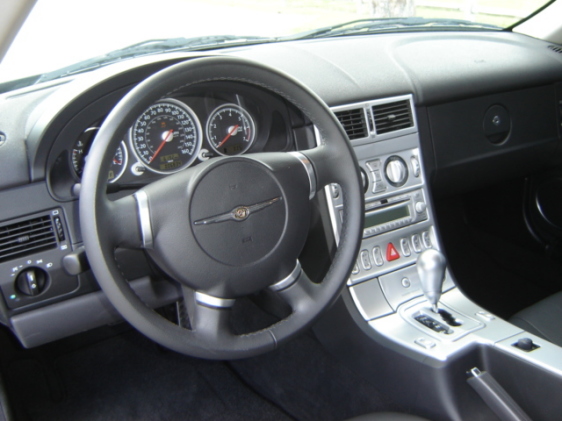
For the right buyer, the answer is yes.
The Crossfire remains one of the more underrated used sports cars available today. Its distinctive styling continues to turn heads, the Mercedes-Benz drivetrain has proven exceptionally durable, and ownership costs are generally lower than many buyers expect. While it isn't as inexpensive to maintain as a Mazda MX-5 Miata, it also avoids many of the serious engine and transmission problems that affect some European competitors from the same era.
More importantly, the Crossfire rewards buyers who shop carefully rather than impulsively. Because mechanical differences between model years are relatively small, finding an example with documented maintenance, a clean history, and evidence of attentive ownership is far more important than chasing a specific production year.
If your priorities are dependable long-term ownership, distinctive styling, and an enjoyable grand touring driving experience, a naturally aspirated 2005–2007 coupe is difficult to fault. Buyers wanting open-air driving should not automatically dismiss the Roadster, but they should budget for the additional maintenance that comes with any aging convertible. Enthusiasts looking for maximum performance will find the SRT-6 especially rewarding, provided they understand its higher operating costs.
Final Verdict
The Chrysler Crossfire is a far better used-car purchase than its modest reputation might suggest. Beneath its unique styling lies a mature Mercedes-Benz platform with a durable V6 engine, dependable transmissions, and relatively few widespread mechanical weaknesses. Most problems encountered today are the predictable result of age rather than flawed engineering, making maintenance history the single most important factor when evaluating any example.
Among naturally aspirated models, the 2005 through 2007 model years represent the sweet spot of the range, although a well-maintained 2004 or 2008 can be every bit as satisfying. Rather than searching endlessly for the "perfect" model year, buyers will usually be better served by finding the cleanest, best-documented Crossfire available.
For enthusiasts seeking an affordable, distinctive grand touring coupe with proven mechanicals and genuine long-term durability, the 2004–2008 Chrysler Crossfire remains one of the used market's hidden gems. Buy carefully, stay ahead of routine maintenance, and there's every reason to expect many more years and miles of ownership.