

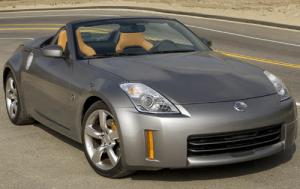
Which Nissan 350Z years are the most reliable? Are there any years you should avoid? And if you're shopping for a used 350Z today, which engine offers the best combination of performance and long-term dependability?
The Nissan 350Z remains one of the best sports car bargains on the used market. With rear-wheel drive, a naturally aspirated V6, available manual transmission, and timeless styling, it's become an affordable modern classic. Many examples have exceeded 200,000 miles with relatively few major repairs, but some years are noticeably better than others.
This guide covers every Nissan 350Z model year from 2003 through 2009, including reliability, common problems, the best years to buy, expected maintenance costs, and what to inspect before purchasing one.
In This Guide You'll Learn
- Whether the Nissan 350Z is a reliable used sports car
- Which model years offer the fewest problems
- The differences between the DE, Rev-Up, and HR engines
- Common mechanical and electrical issues by model year
- Typical maintenance and repair costs
- How long a properly maintained 350Z can last
- What to inspect before buying a used 350Z
Is the Nissan 350Z Reliable?
Overall, the Nissan 350Z earns an above-average reputation for reliability, especially compared with many European sports cars from the same era. Its simple naturally aspirated V6 engines, conventional rear-wheel-drive layout, and relatively uncomplicated electronics make ownership more predictable than many competitors.
That doesn't mean every 350Z is equally dependable. Early models built from 2003 through 2005 can suffer from excessive oil consumption, while the 2006 "Rev-Up" engine developed its own reputation for using oil as mileage increases. Fortunately, Nissan addressed many of these concerns with the redesigned HR engine introduced for 2007.
Because the newest 350Z is now more than fifteen years old, maintenance history often matters more than model year. A well-maintained 2004 may prove more dependable than a neglected 2008.
Many owners report reaching 180,000 to well over 250,000 miles with only routine maintenance, making the 350Z one of the longer-lasting affordable sports cars available today.
Strengths
- Durable V6 engines when properly maintained
- Strong manual transmissions overall
- Timing chain instead of a timing belt
- Simple mechanical design compared with many competitors
- Excellent aftermarket parts availability
- Large enthusiast community and repair resources
Potential Weaknesses
- Oil consumption on some early engines
- Interior materials wear faster than average
- Window motors and hatch struts commonly fail with age
- Suspension bushings eventually require replacement
- Many cars have been heavily modified or driven aggressively
Bottom Line: The Nissan 350Z is generally a reliable sports car, but buying the right example is more important than simply choosing the newest model year.
Reliability at a Glance
| Category | Our Assessment |
|---|---|
| Overall Reliability | Above Average |
| Best Used Years | 2007–2009 |
| Years Requiring Extra Inspection | 2003–2006 |
| Most Reliable Engine | 3.5-liter V6 (VQ35HR) |
| Expected Lifespan | 200,000–250,000+ miles |
| Maintenance Costs | Moderate |
Buyer Tip: Service records, oil change history, and evidence of careful ownership are often more important than mileage alone when shopping for a used 350Z.
Possibly Buying Soon? Avoid These Dealer Traps
Before you sign, learn:
- What you don't know about dealer trade-in offers could cost you - Which dealer fees you must pay, can negotiate, or should avoid - How to avoid giving the dealer the upper hand on a used car price - How to avoid overpaying for a new car
Reliability by Generation
2003–2005: Early DE Engine Models
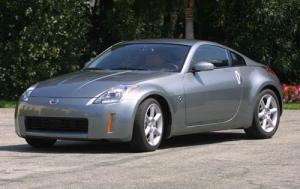
The original Nissan 350Z launched for the 2003 model year with the 3.5-liter V6 (VQ35DE), producing up to 287 horsepower depending on trim level. These cars quickly earned praise for strong performance, balanced handling, and solid mechanical durability.
The biggest concern involves engine oil consumption. Some engines begin using noticeable amounts of oil as mileage increases, particularly if oil levels were allowed to run low throughout their lives. Owners who monitored oil regularly and changed it on schedule often experienced few serious problems.
These years also begin showing their age in predictable ways. Window regulators slow or fail, hatch struts lose pressure, suspension bushings soften, and interior plastics become worn after years of exposure to heat and sunlight.
Despite these issues, many early 350Zs remain dependable daily drivers with well over 200,000 miles.
Common Problems
- Oil consumption on some engines
- Window regulator failures
- Hatch strut wear
- Front suspension bushing deterioration
- Interior trim wear
- Occasional manual transmission synchro wear
Buyer Tip: Check engine oil level before and after an extended test drive. Low oil may indicate excessive consumption or poor maintenance.
Bottom Line: A properly maintained early DE-powered 350Z can be an excellent value, but service history is essential.
2006: The Rev-Up Engine
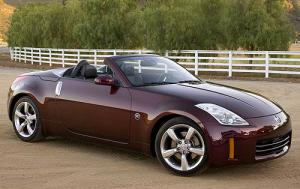
For 2006, Nissan introduced the revised 3.5-liter V6 commonly known as the "Rev-Up" engine in manual-transmission models. Horsepower increased slightly, and the engine could rev higher, improving overall performance.
Unfortunately, many Rev-Up engines developed a stronger reputation for oil consumption than earlier DE models. Some consume very little oil, while others require owners to add oil regularly between changes.
This doesn't necessarily make the 2006 model a poor choice. Many examples have accumulated high mileage without major repairs. The key is confirming that previous owners monitored oil levels and performed regular maintenance.
Common Problems
- Higher likelihood of oil consumption
- Window motor failures
- Interior wear
- Normal suspension aging
- Clutch wear on higher-mileage cars
Buyer Tip: Ask specifically how often the previous owner checked and added engine oil. A knowledgeable owner is usually a good sign.
Bottom Line: The 2006 model delivers enjoyable performance but deserves a more thorough inspection than later HR-powered cars.
2007–2009: HR Engine Models
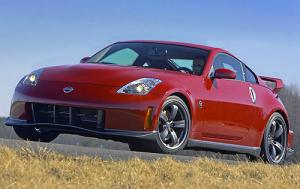
The biggest mechanical improvement arrived for 2007 with the introduction of Nissan's redesigned 3.5-liter V6 (VQ35HR). Besides producing more horsepower, the HR engine received extensive internal revisions that improved durability, cooling, breathing, and overall refinement.
Oil consumption complaints became much less common, and the engine developed one of the strongest reliability reputations in the entire Z-car lineup. These later models also benefited from several smaller improvements throughout the vehicle.
While age-related maintenance still becomes necessary—including suspension components, cooling system parts, brakes, and clutch replacement—the drivetrain itself is generally capable of very high mileage.
Common Problems
- Window regulator failures as the cars age
- Worn suspension bushings and ball joints
- Clutch replacement on higher-mileage manual cars
- Hatch lift support failure
- Occasional wheel bearing wear
- Aging cooling system components
Buyer Tip: The 2007-2009 HR-powered cars generally represent the sweet spot of the 350Z lineup, offering the best balance of performance, reliability, and long-term ownership costs.
Bottom Line: If your budget allows, the 2007-2009 models are the years most buyers should target.
Best & Worst Nissan 350Z Years
Best Years to Buy
If reliability is your primary concern, these model years deserve the strongest consideration.
| Model Year | Why We Recommend It |
|---|---|
| 2007 | First year of the improved HR engine with significantly fewer oil consumption complaints. |
| 2008 | Excellent combination of reliability, performance, and mature production improvements. |
| 2009 | Final production year with the most refined version of the platform. |
Years That Require Extra Inspection
| Model Year | Reason |
|---|---|
| 2003-2005 | Inspect carefully for engine oil consumption and signs of neglected maintenance. |
| 2006 | Rev-Up engines have the highest reputation for oil consumption. |
Bottom Line: None of the 350Z model years are inherently unreliable, but later HR-powered cars generally require fewer compromises.
Maintenance & Repair Costs
Compared with many European sports cars from the same era, the Nissan 350Z is relatively affordable to maintain. Parts are widely available, independent repair shops are familiar with the platform, and the engines avoid many of the expensive timing belt services or turbocharger repairs found on competitors.
However, buyers should remember that every 350Z is now an aging performance car. Rubber components, suspension parts, cooling system hoses, and seals naturally deteriorate with time regardless of mileage.
| Maintenance Item | Typical Cost |
|---|---|
| Oil change | $70-$120 |
| Brake pads and rotors | $400-$900 |
| Clutch replacement (manual) | $1,200-$2,000 |
| Window regulator | $300-$600 |
| Radiator replacement | $600-$1,100 |
| Suspension refresh | $800-$2,000+ |
Owners who perform preventative maintenance before problems become major repairs generally enjoy relatively reasonable ownership costs.
Buyer Tip: A well-maintained 350Z with complete service records is often a better investment than a lower-priced car needing suspension, clutch, cooling system, and brake work.
How Long Does a Nissan 350Z Last?
The Nissan 350Z regularly exceeds 200,000 miles when maintained properly. Many enthusiast-owned examples have surpassed 250,000 miles while retaining their original engines and transmissions.
The drivetrain is rarely the limiting factor. Instead, suspension wear, cooling system maintenance, clutch replacement, and normal aging determine how enjoyable the car remains over time.
Typical Lifespan
- 150,000 miles: Easily achievable with routine maintenance.
- 200,000 miles: Common for well-maintained examples.
- 250,000+ miles: Frequently possible with consistent preventative care.
Because the engine uses a timing chain rather than a timing belt, owners avoid one of the largest scheduled maintenance expenses found on many other sports cars.
Bottom Line: Mileage alone should not discourage buyers. Maintenance history is usually a far better indicator of future reliability.
Buying a Used Nissan 350Z: What Matters Most?
Shopping for a used Nissan 350Z is different from buying an ordinary commuter car. Many have been modified, driven enthusiastically, or even used for autocross and track events. That doesn't automatically make them bad purchases, but it does mean careful inspection is essential.
Rather than focusing only on the lowest mileage example, look for evidence of careful ownership. Complete maintenance records, regular oil changes, and an unmodified drivetrain often matter more than the number on the odometer.
Before You Buy
- Check for documented oil changes.
- Inspect for excessive engine oil consumption.
- Listen for transmission or differential noise.
- Verify smooth clutch engagement.
- Inspect suspension bushings and ball joints.
- Check cooling system components for leaks.
- Test both power windows.
- Look for accident repairs or poor-quality modifications.
- Confirm all dashboard warning lights operate normally.
- Have the vehicle inspected by an independent mechanic before purchase.
Modified cars deserve extra scrutiny. While tasteful upgrades aren't necessarily a problem, poorly installed suspension components, engine tuning, or aftermarket forced-induction systems can significantly affect long-term reliability.
Buyer Tip: A stock or lightly modified 350Z with complete maintenance records is usually the safest purchase, even if it costs a little more.
Final Verdict
The Nissan 350Z has earned its reputation as one of the best affordable sports cars of the 2000s. It combines engaging rear-wheel-drive performance with relatively simple mechanical design and better-than-average long-term reliability.
The 2007-2009 HR-powered models stand out as the best overall choices thanks to their improved engine design and lower likelihood of oil consumption. Earlier DE-powered cars can still provide years of dependable service, provided they've been maintained carefully and show no signs of excessive oil use.
Today, the biggest challenge isn't choosing the right model year—it's finding a car that hasn't been neglected or heavily abused. A thorough pre-purchase inspection and complete maintenance history will usually have a greater impact on ownership satisfaction than whether the car is a 2005 or a 2008.
For buyers looking for an affordable, naturally aspirated sports car with classic styling, strong aftermarket support, and the potential to exceed 200,000 miles, the Nissan 350Z remains one of the best values on the used market.
Also, More On Nissan Reliability
If you'd like to compare different Nissan models, or years, be sure to read our Nissan Reliability & Problems: Best Used Nissans & Years Guide. It highlights the models, best years to buy or avoid, common problems, and helps you narrow in on the right vehicle.
Knowledge Is Leverage: