

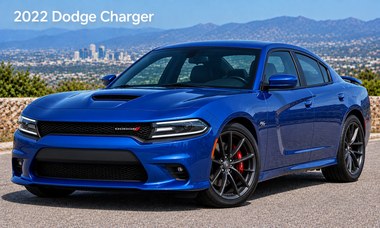
The Dodge Charger is unusual among used sedans because the name covers everything from relatively ordinary V6 family cars to 700-plus-horsepower supercharged performance models. That makes statements about "Charger reliability" potentially misleading unless you separate the engines, transmissions and ways these cars were likely to have been driven.
A well-maintained V6 Charger can be a surprisingly durable high-mileage car. The 5.7-liter Hemi V8 can also last a long time, but brings additional mechanical concerns and higher running costs. Move into the 6.4-liter and supercharged performance models and reliability becomes even more dependent on maintenance, modifications and previous-owner treatment.
This guide covers 2006-2023 Dodge Chargers, the modern rear-wheel-drive Charger era. I stop at 2023 because the Charger that followed represents a fundamentally different generation and powertrain strategy rather than a continuation of the same used-car reliability story.
Overall, I'd rate the 2006-2023 Charger as having average reliability, with some versions considerably better used-car bets than others. The strongest choices combine later production years, proven engines, good maintenance and evidence that the car hasn't spent its life being abused.
In This Guide You'll Learn
- Which Dodge Charger years are generally the best to buy
- Which Charger years deserve more caution
- How many miles a Dodge Charger can last
- How the 3.5-liter V6 compares with the later 3.6-liter Pentastar V6
- Whether the 5.7-liter Hemi is reliable at high mileage
- What to know about Hemi lifter and camshaft problems
- How 6.1-liter and 6.4-liter performance models differ from ordinary Chargers
- Which Charger transmissions are the better choices
- Whether AWD adds meaningful reliability concerns
- Why former police Chargers require additional inspection
Dodge Charger Reliability Overview
The modern Charger has been around long enough to prove that the basic platform can accumulate substantial mileage. There are plenty of Chargers that have passed 150,000 miles, and well-maintained examples can reach 200,000 miles or more. But engine choice makes a significant difference.
Early 2006-2010 cars offered several engines, including the 2.7-liter and 3.5-liter V6s along with 5.7-liter and 6.1-liter Hemi V8s. At this age, condition matters enormously, but I wouldn't consider the early 2.7-liter V6 one of the engines to seek out. The 3.5-liter is generally the more appealing early V6 choice.
The Charger changed substantially for 2011. Of particular importance to used-car shoppers, Dodge introduced the 3.6-liter Pentastar V6. It provided substantially better performance than the previous base engines and became the mainstream Charger engine for the remainder of this generation.
The 3.6 can be a durable engine, but it isn't flawless. Known trouble areas include oil-filter/oil-cooler housing leaks, cooling-system components and valvetrain problems on some engines. Earlier Pentastar engines also developed a reputation for cylinder-head issues that were addressed during subsequent production.
The 5.7-liter Hemi V8 is capable of very high mileage when maintained properly, but buyers should listen carefully for abnormal valvetrain noise. Lifter failure and resulting camshaft damage can turn an otherwise appealing used Charger into a costly repair.
The 6.1-liter, 6.4-liter and later supercharged V8 models need to be evaluated differently. They're performance cars, and the condition of a particular example can matter more than broad reliability statistics. A stock, carefully maintained performance Charger is a very different purchase from one that has been repeatedly modified, tuned, raced or driven hard.
Dodge Charger Reliability at a Glance
| Category | Assessment |
|---|---|
| Overall Reliability | Average; varies considerably by engine and previous use |
| Expected Lifespan | About 150,000-200,000+ miles with good maintenance |
| Best Mainstream Engine | Later 3.6-liter Pentastar V6 |
| Best V8 for Everyday Use | 5.7-liter Hemi when properly maintained |
| Early Engine to Approach Carefully | 2.7-liter V6 |
| Major V8 Concern | Hemi lifter and camshaft wear |
| Good Later-Year Range | 2015-2023 |
| Biggest Used-Car Variable | Maintenance, modifications and previous-owner treatment |
How Many Miles Can a Dodge Charger Last?
A well-maintained Dodge Charger can realistically last 150,000 to 200,000 miles or more. Reaching that mileage isn't unusual enough that I'd reject a Charger simply because it has crossed 100,000 miles.
At 100,000 miles, a Charger can still have plenty of useful life remaining. I'd start paying closer attention to cooling-system condition, suspension wear, engine mounts, oil leaks and transmission maintenance. On a Hemi, I'd also listen carefully for persistent valvetrain ticking or other signs of lifter and camshaft trouble.
At 150,000 miles, maintenance history becomes much more important than the badge on the trunk. A 150,000-mile 3.6-liter Charger that received regular oil changes and appropriate repairs can be a better purchase than a 70,000-mile V8 car with questionable modifications and evidence of hard use.
Reaching 200,000 miles is realistic, particularly for a Charger that accumulated substantial highway mileage and received consistent maintenance. But by then, suspension, cooling, air-conditioning, electrical and drivetrain components can require enough attention that overall condition matters more than engine life alone.
Buyer comparison: If I were choosing between a well-documented 120,000-mile V6 Charger and an 80,000-mile Hemi with an uncertain maintenance history and noticeable engine ticking, I'd take the higher-mileage V6. Mileage is only one part of Charger reliability.
And I can't stress this enough:
Multiple dealers → compete for your business → you save
If you may be buying a vehicle soon, I'd recommend reading my most effective negotiation methods for either new cars or used cars. Each explains a quick way to identify the dealerships most motivated to deal, no matter how busy they may seem, and how to follow up once you've found them. That can be the difference between getting a good price and getting a great one.
Dodge Charger Reliability by Generation
2006-2010: First Modern Dodge Charger Generation
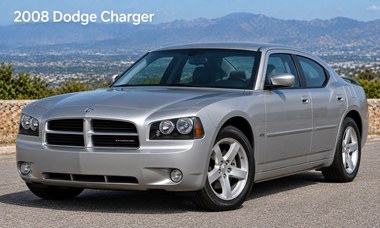
The 2006-2010 Charger returned the nameplate as a large rear-wheel-drive four-door sedan. Buyers could choose from several engines ranging from relatively modest V6s to genuinely powerful Hemi V8s.
The engine matters greatly when evaluating one today. The 2.7-liter V6 isn't my preferred choice because its modest performance in such a heavy car is combined with a less favorable long-term reliability reputation. The 3.5-liter V6 is generally a more appealing early V6 Charger.
The 5.7-liter Hemi transformed the Charger into the kind of V8-powered sedan that made the modern model distinctive. The engine itself can last a long time, but cylinder-deactivation hardware, valvetrain condition, cooling-system maintenance and previous treatment deserve attention as mileage rises.
The 6.1-liter SRT8 is a different proposition. It is an enthusiast performance model, so I'd care at least as much about originality and previous-owner behavior as I would about its model year.
Common 2006-2010 Dodge Charger Problems
- 2.7-liter V6 concerns: This is the early engine I'd be least interested in buying unless the car were unusually well maintained and inexpensive.
- Front suspension wear: Control arms, bushings, ball joints and related components can produce noises and loose handling as these cars age.
- Cooling-system problems: Thermostats, water pumps, radiators and other components can require attention.
- Hemi valvetrain concerns: Persistent ticking deserves investigation rather than being automatically dismissed as normal engine noise.
- Transmission and driveline wear: Maintenance history becomes increasingly important on older, higher-mileage cars.
- Electrical and age-related problems: These Chargers are now old enough that switches, sensors, wiring and interior equipment can become part of the ownership equation.
Buyer Tip: If I wanted an inexpensive 2006-2010 Charger for everyday use, I'd look first for an exceptionally clean 3.5-liter V6 with good records. If I wanted the V8 experience, I'd spend more time finding a well-maintained 5.7-liter car rather than buying the cheapest Hemi available.
Bottom Line: Early Chargers can still be worthwhile, but age now matters as much as their original reliability. Condition and engine choice should drive the purchase decision.
2011-2014: Second-Generation Dodge Charger
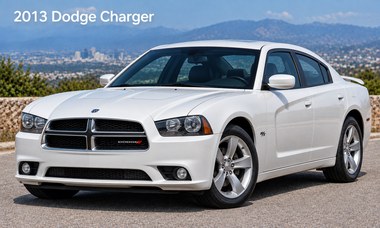
The redesigned 2011 Charger was a significant improvement. The biggest reliability-related change for mainstream buyers was the arrival of the 3.6-liter Pentastar V6, which replaced the previous V6 lineup and became the engine found in a huge number of Chargers.
The 3.6-liter engine is capable of substantial mileage, but early versions deserve some additional attention. Cylinder-head problems affected some early Pentastar applications, while oil-filter/oil-cooler housing leaks became another familiar issue. The housing sits in the engine valley, and leakage can sometimes be mistaken for a more serious engine oil leak.
The 5.7-liter Hemi remained available and is an appealing choice for buyers who specifically want V8 power. Again, I'd pay close attention to valvetrain noise and oil-change history because lifter problems can damage the camshaft and turn a relatively straightforward used-car purchase into a major repair.
These Chargers also continued using older transmission designs before the eight-speed automatic became widely paired with the V6. That later transmission would become one of the more meaningful improvements to the Charger as production continued.
Common 2011-2014 Dodge Charger Problems
- Early 3.6-liter cylinder-head problems: Some early Pentastar engines experienced cylinder-head and valvetrain-related issues.
- Oil-cooler/filter-housing leaks: A common Pentastar trouble area that can create substantial oil leakage.
- Hemi lifter and cam wear: Persistent ticking, misfires or abnormal valvetrain noise warrant investigation.
- Cooling-system repairs: Thermostats, water pumps and related components remain common aging-car maintenance items.
- Suspension wear: A heavy sedan puts substantial demands on control arms, bushings and other suspension components.
- Electrical issues: Infotainment, sensors and other electronic equipment can develop faults as the cars age.
Buyer Tip: When shopping for a 2011-2014 V6 Charger, I'd want to know whether the car has had cylinder-head or valvetrain work and whether the oil-cooler housing has already been replaced. Neither automatically makes the car a bad purchase; documented repair can actually remove uncertainty.
Bottom Line: These Chargers are considerably more appealing than the earliest cars, particularly with the 3.6-liter V6, but later examples benefit from further powertrain improvements.
2015-2023: Updated Second-Generation Dodge Charger
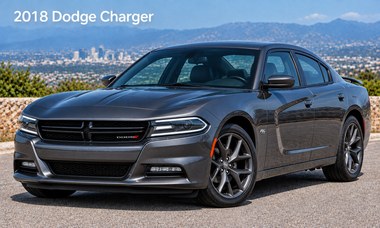
The Charger received a major update for 2015, and these later cars are generally where I'd begin shopping if budget permits. They combine the mature 3.6-liter Pentastar and Hemi engine choices with newer electronics, revised styling and broader use of the excellent eight-speed automatic transmission.
For ordinary transportation, a later 3.6-liter V6 with the eight-speed automatic may be the smartest Charger combination. It provides enough power for the car, avoids some of the additional expense and mechanical concerns of the Hemi and can deliver substantial mileage when maintained properly.
The 5.7-liter R/T remains the choice for buyers who want the traditional Charger V8 experience. I wouldn't consider the 5.7 inherently unreliable, but I'd investigate engine noise, oil-change history and previous use more carefully than I would on an ordinary V6 car.
The 6.4-liter Scat Pack and SRT models add substantially more performance. The supercharged Hellcat versions go much further. These cars shouldn't be evaluated as if they were simply more powerful trim levels of the same family sedan. Tires, brakes, driveline components, modifications and evidence of hard use all become much more important.
Common 2015-2023 Dodge Charger Problems
- 3.6-liter oil-cooler housing leaks: Still one of the better-known Pentastar repair items.
- Hemi lifter and camshaft problems: Not every Hemi develops the issue, but symptoms deserve prompt investigation.
- Cooling-system repairs: Water pumps, thermostats and related components can require replacement.
- Uconnect/electronic issues: Touchscreens and other electronic systems can malfunction or deteriorate with age.
- Suspension wear: Bushings, control arms, wheel bearings and related components can require attention, particularly on hard-driven cars.
- Performance-model wear: Tires, brakes, differential and driveline components can experience substantially greater stress on cars that have been raced, modified or repeatedly driven aggressively.
Buyer Tip: For a daily-driver Charger, I'd strongly consider a later 3.6-liter V6 with the eight-speed automatic. If you're buying a Scat Pack or Hellcat, I'd place originality, maintenance records and evidence of previous abuse ahead of finding the lowest-mileage example.
Bottom Line: The 2015-2023 cars are generally the strongest all-around Charger group. There are still known problems, but the later powertrains are well developed and the buyer has a wide range of choices from sensible V6 transportation to extreme performance.
Which Dodge Charger Engine Is Most Reliable?
For someone buying a Charger primarily as an everyday used car, my choice would generally be a later 3.6-liter Pentastar V6. It provides a good balance of durability, performance, fuel economy, parts availability and repair cost.
For technical identification, the mainstream 3.6-liter is commonly known as the Pentastar, while Dodge's modern V8s belong to the Hemi family. Those names are far more useful to a used-car shopper than memorizing individual engine codes.
The early 3.5-liter V6 can be durable, but it's attached to an older car and doesn't provide the same combination of performance and efficiency as the later 3.6. The 2.7-liter is the engine I'd be least inclined to seek out.
The 5.7-liter Hemi is more complicated. A properly maintained one can exceed 150,000 or even 200,000 miles, and many do. But the possibility of lifter and camshaft problems means I wouldn't buy one without listening carefully to the engine and reviewing its maintenance history.
The 6.1-liter and 6.4-liter V8s can also be durable, but once you're shopping for an SRT or Scat Pack, how the car was treated becomes part of engine reliability. A stock, carefully serviced 100,000-mile performance Charger can be preferable to a 50,000-mile car that has been tuned, raced and repeatedly subjected to hard launches.
Buyer comparison: If I were choosing a Charger for another 100,000 miles of ordinary use, I'd favor a later 3.6-liter V6. If I specifically wanted a V8 Charger, I'd accept the higher maintenance and repair risk of a well-documented 5.7-liter Hemi because the V8 experience is a major part of the reason to buy one.
Is the Dodge Charger 5.7 Hemi Reliable?
Yes, the 5.7-liter Hemi can be a reliable high-mileage engine, but it's not an engine I'd buy casually without listening to it and checking its history.
The concern most buyers hear about is the so-called "Hemi tick." That term can describe more than one sound, so a ticking Hemi isn't automatically suffering catastrophic damage. Exhaust-manifold hardware can produce ticking noises, while valvetrain problems involving lifters and the camshaft are potentially much more serious.
That's why diagnosis matters. If a used Charger has a persistent tick, misfire, check-engine light or obvious valvetrain noise, I'd want the cause identified before buying rather than accepting the explanation that "they all sound like that."
Frequent oil changes with the correct oil are particularly important. A documented Hemi that has been serviced consistently is much more attractive to me than one whose owner can't produce basic maintenance records.
Dodge Charger Transmission Reliability
Transmission reliability varies because the Charger used several different automatics during its long production run. The most important development for later used-car buyers is the eight-speed automatic, which became one of the Charger's better powertrain features.
The eight-speed provides quicker shifts, better fuel economy and keeps both the V6 and V8 engines in a more useful part of their power range. With proper maintenance, it has generally proved to be a strong transmission and is one reason I'd favor many later Chargers over otherwise comparable early cars.
Older five-speed automatics can also last a long time, but age and maintenance history are now significant. Harsh shifts, delayed engagement, slipping or fluid leakage deserve investigation.
Which would I buy? For an everyday used Charger, my preferred combination would be a later 3.6-liter V6 and eight-speed automatic. It isn't the most exciting Charger, but it may be the best combination for someone who wants the appearance, space and rear-wheel-drive character of the car without paying the full ownership costs of a Hemi.
Is an AWD Dodge Charger Reliable?
An all-wheel-drive Charger can be a good choice for buyers who regularly deal with snow or poor weather, and AWD itself isn't a reason to avoid the car. It does, however, add components that a rear-wheel-drive Charger doesn't have.
On a higher-mileage AWD car, I'd listen for bearing or driveline noise, inspect for leaks and make sure all four tires are appropriately matched. Significant differences in tire size or wear can place unnecessary stress on an all-wheel-drive system.
If you live where AWD provides little practical benefit, the rear-wheel-drive Charger is mechanically simpler. If you genuinely need additional winter traction, I wouldn't hesitate to consider a well-maintained AWD example.
Should You Buy a Used Police Dodge Charger?
Former police Chargers can look like bargains because they're often priced below comparable civilian cars, but odometer mileage tells only part of their story.
Police cars may spend enormous amounts of time idling. An engine showing relatively modest road mileage may therefore have accumulated thousands of additional operating hours. Police use can also mean repeated acceleration, long periods of stationary operation, heavy electrical loads and greater wear on suspension, brakes and interior components.
That doesn't make every former police Charger a bad purchase. Fleet maintenance can be quite thorough, and some cars have excellent service records. But I'd want to see engine-hour and idle-hour information where available, not just mileage.
Buyer comparison: Given similarly priced cars, I'd normally choose a 120,000-mile civilian Charger with good maintenance history over an 80,000-mile police Charger with very high idle hours and an uncertain service history. The police car would need to be enough cheaper — and well documented enough — to compensate for its unusual duty cycle.
Best Dodge Charger Years to Buy
The best Charger years depend partly on what you want from the car. Someone shopping for dependable everyday transportation should evaluate the lineup differently from someone specifically looking for a Hemi-powered R/T, Scat Pack or Hellcat.
For most buyers, I'd concentrate on the later 2015-2023 Chargers. By this point the basic platform was mature, the 3.6-liter Pentastar had years of production behind it, and the eight-speed automatic made the car both more responsive and more efficient.
2015-2020: Strong Used-Car Value
These years can provide an excellent balance between price and mechanical maturity. A 3.6-liter V6 is the sensible choice for someone primarily concerned with reliability and operating costs, while the 5.7-liter R/T provides the traditional V8 Charger experience without moving into the expense of the higher-performance models.
I'd still inspect the Pentastar oil-cooler housing for leakage and listen carefully to any Hemi, but there isn't one broad mechanical problem that would make me reject this entire year group.
2021-2023: Best Choice if Budget Allows
The final years benefit from a platform and powertrains that Dodge had been producing and refining for a long time. They're also young enough that age-related deterioration is less of a concern than it is on earlier Chargers.
The tradeoff is price. If a well-maintained 2017 or 2018 Charger costs substantially less than a comparable 2022, I wouldn't automatically pay the premium just to get the newer model year.
Dodge Charger Years to Approach With More Caution
I wouldn't classify every Charger from a particular year as unreliable, but there are several groups where I'd shop more carefully.
2006-2010 Chargers
The earliest modern Chargers aren't automatically bad cars, but they're now old enough that age, maintenance history and previous repairs dominate the buying decision. I'd be particularly cautious with neglected examples and cars equipped with the 2.7-liter V6.
A clean 3.5-liter or 5.7-liter Charger with extensive records can still be worthwhile. The problem is that inexpensive early Chargers frequently reach the market after years of deferred maintenance.
2011-2013 V6 Chargers
These early 3.6-liter Pentastar cars deserve additional investigation because some engines experienced cylinder-head problems. That doesn't mean an early Pentastar should automatically be avoided, particularly if the relevant repairs were performed years ago and the engine has accumulated substantial trouble-free mileage since.
I'd simply want more documentation before buying one than I would with a later 3.6-liter car.
What Is the Most Reliable Dodge Charger?
If reliability and everyday ownership costs were my main priorities, I'd choose a later 3.6-liter V6 Charger with the eight-speed automatic.
The V6 eliminates the Hemi's additional valvetrain concerns, uses less fuel and generally costs less to buy, insure and maintain. It also provides enough performance that it doesn't feel like the underpowered base versions of the earliest modern Charger.
For someone who specifically wants a V8, a well-maintained 5.7-liter R/T would be my practical choice. The larger performance engines are enormously entertaining, but they increase fuel, tire, brake and potentially drivetrain costs while also increasing the importance of determining how the previous owner treated the car.
Buyer comparison: If I had to choose between a 100,000-mile 3.6-liter Charger with excellent records and a 60,000-mile 5.7-liter car with modifications and questionable maintenance, I'd take the V6. If both cars had equally good histories and I specifically wanted the Hemi experience, the decision would be different.
Common Dodge Charger Problems and Expensive Repairs
The Charger doesn't have one catastrophic problem that affects every version. Instead, the important trouble areas depend heavily on which engine and year you're considering.
3.6-Liter Oil Cooler and Filter Housing Leaks
The oil-filter and oil-cooler housing is one of the most familiar repair areas on the 3.6-liter Pentastar. Leakage can allow oil to collect in the engine valley and eventually spread down the engine, sometimes making the source difficult to identify at first glance.
It's usually a repair rather than a reason to abandon an otherwise good Charger. If the housing has already been replaced properly, I'd consider that useful maintenance history.
Hemi Lifter and Camshaft Problems
Lifter failure is one of the more financially important problems to investigate on a Hemi-powered Charger. A failing lifter can damage a camshaft lobe, substantially increasing the repair cost.
Persistent ticking, misfires or valvetrain noise shouldn't be ignored. Some Hemi ticking can come from less serious sources such as exhaust-manifold hardware, so diagnosis is more useful than assuming every tick means the engine needs a camshaft.
Cooling-System Problems
Water pumps, thermostats, radiators and related components can require replacement as Chargers age. An overheating history deserves particular attention because continued operation while overheated can turn an ordinary cooling-system repair into engine damage.
Front Suspension Wear
The Charger is a large, heavy car, and suspension components eventually show it. Worn control arms, bushings, ball joints and wheel bearings can create clunks, looseness, vibration and uneven tire wear.
A Charger that feels sloppy or noisy over broken pavement may simply need suspension work, but several worn components replaced together can create a substantial repair bill.
Electrical and Infotainment Problems
Later Chargers contain considerably more electronic equipment than the early cars. Touchscreen problems, sensors, cameras, switches and other electrical components can fail without affecting the basic durability of the engine or transmission.
Operate everything before buying rather than assuming an electronic problem will be inexpensive to correct.
Dodge Charger Maintenance and Repair Costs
Routine Charger maintenance is generally less expensive than maintaining a European performance sedan, and parts availability is excellent. Costs rise considerably, however, as you move from a V6 into the Hemi performance models.
Approximate independent-shop costs can include:
| Service or Repair | Approximate Cost |
|---|---|
| Oil and Filter Change | $70-$150+ |
| Brake Pads and Rotors | $500-$1,200+ per axle |
| 3.6 Oil Cooler/Filter Housing | $700-$1,400+ |
| Water Pump | $600-$1,200+ |
| Thermostat | $300-$650+ |
| Front Suspension Repairs | $600-$1,800+ depending on components |
| 5.7 Hemi Lifter/Camshaft Repair | $3,000-$6,000+ depending on damage |
| Transmission Repair | $2,000-$5,000+ depending on problem |
| Major Engine Replacement | Potentially $6,000-$12,000+ depending on engine |
Performance versions can cost considerably more. Scat Pack and Hellcat tires and brakes aren't ordinary sedan consumables, and aggressive driving can shorten their lives dramatically.
Dodge Charger Maintenance After 100,000 Miles
A Charger doesn't suddenly become unreliable at 100,000 miles. This is simply the point where I'd become more interested in what has already been replaced and what may be approaching the end of its normal service life.
- Inspect the cooling system: Check the water pump, thermostat, radiator, hoses and coolant condition.
- Check for oil leaks: On the 3.6-liter engine, pay particular attention to the oil-cooler/filter housing area.
- Listen carefully to Hemi engines: Investigate persistent ticking, misfires or abnormal valvetrain noise.
- Inspect the suspension: Control arms, bushings, ball joints, wheel bearings and shocks may need attention.
- Review transmission maintenance: Don't assume an automatic transmission never needs service simply because it has been shifting normally.
- Inspect the differential and AWD system where applicable: Look for leaks, noises and evidence of neglected fluid service.
What to Check Before Buying a Used Dodge Charger
- Listen to the engine from a cold start: This is particularly useful on a Hemi because abnormal valvetrain or exhaust-manifold noises may be easier to identify before the engine warms.
- Inspect the 3.6-liter oil-cooler housing: Look for oil accumulation and evidence of previous leakage or repair.
- Look carefully for modifications: Tunes, exhaust work, suspension changes and other performance modifications matter much more on R/T, Scat Pack and Hellcat cars.
- Inspect the rear tires and wheel wells: Excessive tire wear, rubber residue and other signs of repeated burnouts or hard launches should influence how you evaluate a performance Charger.
- Check police history: If the car was previously used by law enforcement, review engine and idle hours in addition to odometer mileage.
- Test the drivetrain: Hard shifts, differential noise, vibration or clunks deserve investigation before purchase.
Dodge Charger Pros and Cons
Pros
- Strong 3.6-liter V6 available for everyday use
- 5.7-liter Hemi provides genuine V8 performance
- Later eight-speed automatic is an excellent transmission
- Large interior and usable rear seat
- Rear-wheel-drive layout is increasingly unusual among sedans
- AWD available on many V6 models
- Excellent parts availability
- Huge selection of used cars and powertrain combinations
- 150,000-200,000+ miles possible with good maintenance
Cons
- Hemi lifter and camshaft problems can be expensive
- 3.6-liter oil-cooler housing leaks are common
- Early cars now face significant age-related repairs
- Heavy weight contributes to suspension, brake and tire wear
- V8 fuel costs can be substantial
- Performance models may have been driven very hard
- Modified cars require especially careful inspection
- Former police Chargers can have extremely high idle hours
And several others ... There are also other numbers that can significantly affect the final out-the-door cost. A well-negotiated selling price can quickly lose its advantage if the dealer makes up for the concession with a below-market trade-in offer. Also, dealer fees and add-ons can further increase the final cost, making it important to learn which fees you must pay, can negotiate, or should avoid.
To become better informed about these important but often-confusing parts of the deal, be sure to see my articles on trade-ins and dealer fees.
In addition, used-car interest rates are typically higher than new-car rates, and can leave you owing much more than the vehicle is worth. Before buying, it's a good idea to review how car-loan rates affect your total cost and your alternative choices for substantial savings.
Dodge Charger vs. Other Used Cars
The Charger's combination of four doors, rear-wheel drive and available V8 power makes direct comparisons difficult. The best alternative depends heavily on which version of the Charger you're considering.
- Dodge Challenger: Mechanically closely related and available with many of the same engines. The Challenger emphasizes two-door muscle-car styling, while the Charger provides a much more usable rear seat and four-door practicality.
- Chevrolet Camaro: A natural alternative for buyers considering a V8 Charger primarily for performance. The Camaro is smaller, lighter and more sports-car focused, while the Charger provides four doors, a much more usable rear seat and greater everyday practicality. V6 versions of both also give buyers a lower-cost way into their respective platforms.
- Chevrolet Impala: A more conventional large sedan and generally the more sensible choice for someone who doesn't care about rear-wheel drive or V8 performance. The Charger offers far greater enthusiast appeal.
- Honda Accord: Usually the stronger choice when fuel economy, resale value and straightforward long-term ownership are the priorities. The Charger offers a very different driving experience, particularly with a Hemi.
- Toyota Camry: The Camry is the more conservative reliability choice, while the Charger provides rear-wheel-drive dynamics, greater performance potential and considerably more personality for buyers who value those things.
Buyer comparison: If my only goal were inexpensive transportation for another 100,000 miles, I'd probably favor one of the mainstream Japanese sedans. The reason to choose the Charger is that it combines everyday practicality with a driving experience those cars generally don't attempt to provide.
Is a High-Mileage Dodge Charger a Good Buy?
A high-mileage Charger can be a good purchase, particularly with the 3.6-liter V6, but I'd buy based on maintenance history rather than trying to establish an arbitrary mileage cutoff.
A 120,000-mile V6 Charger with regular oil changes, a properly shifting transmission, a healthy cooling system and recent suspension work wouldn't concern me simply because of its mileage.
A high-mileage Hemi requires a little more investigation. I'd listen for valvetrain noise, check for misfires, review oil-change history and look for modifications or evidence of hard use.
Highway mileage can also be easier on a Charger than low-mileage operation dominated by short trips, prolonged idling or aggressive driving. This is particularly important when comparing civilian and former police cars.
Buyer comparison: I'd rather buy a carefully maintained 140,000-mile civilian V6 Charger than an 80,000-mile former police car with thousands of idle hours and incomplete records. The odometer doesn't measure every form of wear.
Is a Used Charger R/T a Good Buy?
A used Charger R/T can be an excellent choice for someone who genuinely wants a V8 sedan. The 5.7-liter Hemi produces the sound and low-rpm torque that distinguish the Charger from ordinary family sedans without moving into the much greater performance and expense of the Scat Pack or Hellcat.
The important question is whether you're willing to accept the additional fuel consumption and potential Hemi repair costs. If you don't particularly care about having a V8, the 3.6-liter Charger is the more rational purchase.
If you do want a Hemi, I'd rather pay more for a stock R/T with extensive service records than save money on one with a tune, questionable modifications and evidence of repeated hard driving.
Should You Buy a Used Scat Pack or Hellcat?
The 6.4-liter Scat Pack and supercharged Hellcat versions need to be treated as performance-car purchases rather than ordinary used Chargers.
The engines themselves can be durable, but tires, brakes, differential components, driveshafts, axles and transmissions can experience dramatically different levels of stress depending on how the car has been used. Modifications also become much more important because increasing the output of an already powerful car can affect both reliability and driveline life.
A low odometer reading doesn't tell you whether those miles consisted of relaxed highway driving or repeated drag-strip launches.
For one of these cars, I'd strongly favor stock or lightly modified examples with extensive documentation. A professional pre-purchase inspection becomes increasingly worthwhile as performance and purchase price rise.
Final Dodge Charger Reliability Verdict
The 2006-2023 Dodge Charger has average overall reliability but better long-term potential than its reputation sometimes suggests. A properly maintained Charger can reach 150,000-200,000 miles or more, but engine choice and previous-owner treatment make a major difference.
I'd approach the earliest cars more carefully, particularly those with the 2.7-liter V6 or years of deferred maintenance. The 2011 introduction of the 3.6-liter Pentastar made the V6 Charger much more appealing, although the earliest versions deserve additional investigation for cylinder-head history.
For most used-car buyers, my preferred combination is a 2015-2023 Charger with the 3.6-liter V6 and eight-speed automatic. It provides the Charger's space, styling and rear-wheel-drive character without the higher fuel and potential repair costs of a Hemi.
If the V8 is the reason you want a Charger, a well-maintained 5.7-liter R/T can be worth the additional risk and expense. I'd simply listen carefully for valvetrain problems and put maintenance history ahead of mileage alone.
The higher-performance Scat Pack and Hellcat models require another level of scrutiny because previous use can matter as much as inherent mechanical reliability.
Whichever Charger you choose, the recurring theme is simple: buy the history and condition, not merely the horsepower or the odometer reading. A carefully maintained higher-mileage Charger can be a far better purchase than a lower-mileage car that spent its life being neglected, modified or abused.
Some Insider Insights: