

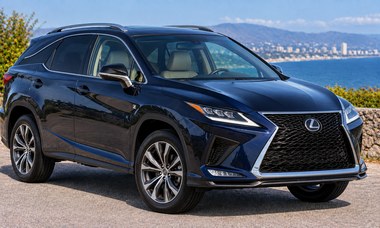
The Lexus RX has one of the strongest long-term reliability records among luxury SUVs, and a well-maintained example can realistically remain useful well beyond 150,000 miles. Some reach 200,000 to 250,000 miles or more without major engine problems, which helps explain why older RX models remain popular used vehicles.
That doesn't mean every Lexus RX year is equally desirable. Early RX 300 models can develop expensive transmission problems, some later V6 models have oil leaks and cooling-system concerns, and hybrid versions introduce a high-voltage battery and additional components that conventional RX buyers don't have to consider.
This guide covers the 1999-2024 Lexus RX sold in the U.S., including the RX 300, RX 330, RX 350, RX 400h, RX 450h and the newer turbocharged and hybrid versions. We'll compare the five generations, engines, transmissions, front-wheel drive, AWD and hybrid models to identify the combinations I'd be most comfortable buying used.
In This Guide You'll Learn
- Which Lexus RX years are generally the best to buy
- Which Lexus RX years deserve more caution
- How many miles a Lexus RX can last
- Which Lexus RX generation is the most reliable
- Whether the RX 300, RX 330 or RX 350 is the better used buy
- How reliable the Lexus RX 350 engine is
- Whether an RX 450h hybrid is a good high-mileage choice
- What to know about Lexus RX transmission problems
- How long Lexus RX hybrid batteries can last
- Which RX powertrain I'd choose for long-term ownership
Lexus RX Reliability Overview
Overall, the Lexus RX has above-average reliability, particularly when compared with many similarly priced luxury SUVs. One reason is that Lexus has frequently used proven Toyota-family engines and drivetrains rather than pushing the RX toward the most complicated or highly stressed powertrains available.
The sweet spot for many used buyers is the naturally aspirated V6 era. The RX 330 and especially the RX 350 can accumulate substantial mileage, and later versions of the 3.5-liter V6 combine strong performance with very good durability.
The biggest exception among older RX models is the 1999-2003 RX 300. Its basic engine can last a long time, but automatic-transmission failure is a significant enough concern that I'd evaluate one much more cautiously than most later RX models.
The RX 400h and RX 450h hybrids can also be remarkably durable. Their additional complexity shouldn't automatically scare buyers away, but battery condition becomes increasingly important as these vehicles age. A high-mileage hybrid with a healthy battery and excellent maintenance history can still be a good purchase.
The fifth-generation RX introduced for 2023 represents a more substantial mechanical change. The long-running naturally aspirated V6 disappeared, replaced by four-cylinder turbocharged and hybrid powertrains. These models were still too new through 2024 to have the same long-term reliability history as the older V6 generations, so I'd distinguish between promising early performance and the much stronger high-mileage evidence available for earlier RX models.
Lexus RX Reliability at a Glance
| Category | Assessment |
|---|---|
| Overall Reliability | Above average |
| Expected Lifespan | About 200,000-250,000+ miles with excellent maintenance |
| Strong Used-Car Years | Later third-generation and fourth-generation models |
| Best Proven Engine | Naturally aspirated 3.5-liter V6 |
| Older Model Requiring Most Caution | 1999-2003 RX 300 |
| Major Early-RX Concern | Automatic transmission |
| Hybrid Concern | High-voltage battery condition as vehicles age |
| High-Mileage Potential | Excellent with documented maintenance |
And I can't stress this enough:
Multiple dealers → compete for your business → you save
How Many Miles Can a Lexus RX Last?
A well-maintained Lexus RX can realistically last 200,000 to 250,000 miles or more. Among used luxury SUVs, the RX is one of the models where I wouldn't consider 100,000 miles particularly intimidating if the vehicle has a strong maintenance history.
At 100,000 miles, a good RX may still have a substantial portion of its useful life ahead. Maintenance history becomes more important, however, and older models may begin needing suspension components, engine mounts, cooling-system parts, seals and other wear items.
At 150,000 miles, I'd pay much more attention to the individual vehicle than the odometer. A properly maintained RX 350 with 150,000 miles can be a better purchase than an 85,000-mile example that has missed oil changes, spent years sitting or has an incomplete service history.
At 200,000 miles, the engine may still be healthy, particularly on the proven naturally aspirated V6 models. The bigger question becomes how much of the rest of the vehicle has already been renewed. Suspension, wheel bearings, cooling components, air conditioning, engine mounts and various electrical components can all affect whether a 200,000-mile RX remains economical to own.
Reaching 250,000 miles or more is possible, but I'd expect a vehicle at that mileage to have needed considerably more than routine oil changes. Longevity doesn't mean maintenance-free ownership.
Buyer comparison: Given a choice between a 140,000-mile RX 350 with extensive maintenance records and an 80,000-mile RX with an uncertain history, I'd be very comfortable considering the higher-mileage vehicle if an inspection confirmed its condition.
If you may be buying soon, I'd recommend reading my most effective negotiation methods for either new cars or used cars. Each explains a quick way to identify the dealerships most motivated to deal, no matter how busy they may seem, and how to follow up once you've found them. That can be the difference between getting a good price and getting a great one.
Lexus RX Reliability by Generation
1999-2003: First-Generation Lexus RX
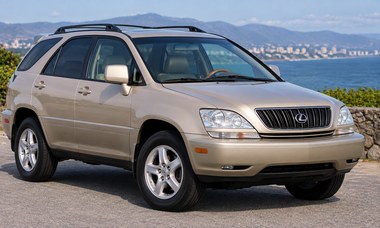
The first-generation Lexus RX, sold for 1999-2003, established the formula that made the model so successful: comfortable ride, car-like driving manners, useful SUV space and Toyota-derived mechanical components.
All U.S. versions were RX 300 models powered by a 3.0-liter V6. The engine itself can be durable, but proper oil-change history is important, and these engines developed a reputation for sludge when maintenance was neglected.
The bigger used-car concern is the automatic transmission, particularly on higher-mileage examples. Transmission failure can turn an otherwise inexpensive first-generation RX into an uneconomical repair very quickly.
Common First-Generation Lexus RX Problems
- Automatic transmission problems: The most important expensive mechanical concern when evaluating an RX 300.
- Engine sludge: Poor oil-change history can create serious internal engine deposits and damage.
- Oil leaks: Aging gaskets and seals can begin leaking as mileage and age increase.
- Suspension wear: Struts, bushings and other components may require replacement.
- Engine mounts: Worn mounts can create excessive vibration.
- Age-related electrical and interior problems: Increasingly relevant now that these vehicles are more than two decades old.
Buyer Tip: On an RX 300, I'd pay particular attention to transmission behavior. Delayed engagement, slipping, harsh shifts or other abnormalities are reasons for much closer investigation. I'd also want evidence of consistent oil changes.
Bottom Line: The first-generation RX can still provide dependable transportation, but the possibility of expensive transmission problems makes it the generation I'd approach most cautiously. I'd generally pay more for a good later RX rather than choose an RX 300 simply because it's inexpensive.
2004-2009: Second-Generation Lexus RX
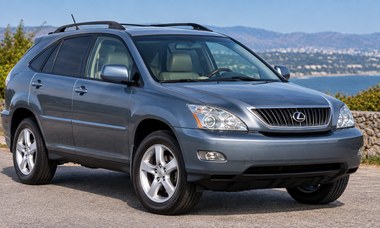
The second-generation Lexus RX, sold for 2004-2009, is a significant step forward as a used vehicle. The generation began with the RX 330, later transitioned to the more powerful RX 350, and also introduced the RX 400h hybrid.
The RX 330 uses a 3.3-liter V6 and can be a durable SUV. One important ownership difference is that it uses a timing belt, so replacement history matters when shopping for an older example.
The RX 350 arrived with the 3.5-liter V6 and is particularly appealing. This engine uses a timing chain rather than a routine-replacement timing belt and became one of the defining powertrains of later RX generations.
The RX 400h added a gasoline-electric hybrid system. These hybrids can accumulate impressive mileage, but today the age and condition of the high-voltage battery deserve consideration before purchase.
Common Second-Generation Lexus RX Problems
- RX 330 timing-belt maintenance: Verify replacement history rather than assuming the service was performed.
- Oil leaks: Valve covers and other sealing points can leak as these vehicles age.
- Cooling-system wear: Water pumps, radiators and related components eventually require attention.
- Suspension wear: Struts, bushings and wheel bearings become increasingly relevant at higher mileage.
- Dashboard deterioration: Some vehicles can develop cracking or other age-related interior deterioration.
- RX 400h battery aging: Battery condition becomes increasingly important on hybrids approaching two decades old.
Buyer Tip: Between a similarly maintained RX 330 and RX 350, I'd generally choose the RX 350. The 3.5-liter V6 provides more power and eliminates routine timing-belt replacement.
Bottom Line: The second generation is where the RX becomes much easier for me to recommend as an older used luxury SUV. A well-maintained RX 350 is particularly attractive, while the RX 330 can also be excellent if its timing-belt history is documented.
2010-2015: Third-Generation Lexus RX
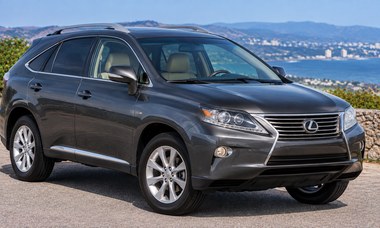
The third-generation Lexus RX, sold for 2010-2015, is one of the strongest places to start if reliability is the primary reason you're considering an RX.
The conventional RX 350 continued with the naturally aspirated 3.5-liter V6, while the RX 450h provided a more powerful and efficient hybrid alternative. Both can be excellent high-mileage vehicles when properly maintained.
This generation strikes an appealing balance for used buyers. It's modern enough to provide the comfort, safety equipment and refinement expected from a luxury crossover, but its conventional RX 350 powertrain remains relatively straightforward compared with many newer turbocharged luxury SUVs.
Common Third-Generation Lexus RX Problems
- Oil leaks: Aging seals and gaskets can develop leaks as mileage increases.
- Water-pump and cooling-system repairs: Worth checking on higher-mileage vehicles.
- Suspension wear: Struts, bushings and wheel bearings may eventually require replacement.
- Engine mounts: Deteriorated mounts can produce vibration.
- Power accessories and electronics: Individual components can fail as the vehicle ages.
- RX 450h battery condition: Increasingly important on older and higher-mileage hybrids.
Buyer Tip: If I wanted a Lexus RX to keep well beyond 150,000 miles without paying fourth-generation prices, a well-maintained third-generation RX 350 would be very high on my list.
Bottom Line: The 2010-2015 RX 350 is one of the most compelling combinations of proven reliability, reasonable mechanical simplicity, comfort and used-car value in the entire RX lineup.
2016-2022: Fourth-Generation Lexus RX
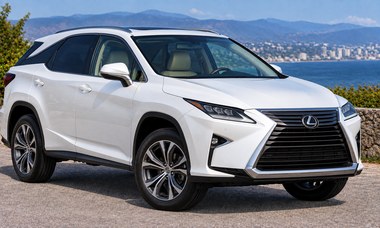
The fourth-generation Lexus RX, sold for 2016-2022, brought much more aggressive styling and newer technology while retaining one of the previous generation's greatest strengths: the naturally aspirated 3.5-liter V6 in the RX 350.
For many buyers, this generation represents the sweet spot between traditional RX durability and modern luxury. The V6 is proven, performance is adequate, and you avoid the turbocharged four-cylinder that replaced it in the next generation.
The RX 450h continued to offer a hybrid alternative. As with earlier Lexus hybrids, the system itself has demonstrated good durability, although battery health becomes an increasingly relevant consideration as mileage accumulates.
Later fourth-generation RX models are particularly appealing because they combine a mature platform with less age than the earlier V6 generations.
Common Fourth-Generation Lexus RX Problems
- Oil and coolant leaks: Check carefully as mileage increases.
- Water-pump and cooling-system issues: Potential maintenance items on higher-mileage V6 models.
- Suspension wear: Bushings, struts and wheel bearings can eventually need replacement.
- Infotainment and electronic issues: More technology means more components that can occasionally malfunction.
- AWD maintenance: Check drivetrain-fluid history and listen for abnormal bearing or driveline noise.
- Hybrid battery aging: Relevant on higher-mileage RX 450h models, particularly as the earliest examples get older.
Buyer Tip: If budget permits, a well-maintained later fourth-generation RX 350 is one of the RX models I'd be most comfortable buying for long-term ownership. It combines a proven naturally aspirated V6 with a considerably newer vehicle around it.
Bottom Line: The 2016-2022 RX 350 is among the strongest used RX choices. Buyers who specifically want the proven V6 should pay attention to this generation because it was the last RX generation to offer it.
2023-2024: Fifth-Generation Lexus RX
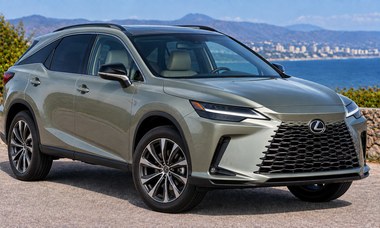
The fifth-generation Lexus RX began with the 2023 model year and represents one of the biggest powertrain changes in RX history. The naturally aspirated V6 disappeared, and Lexus moved to four-cylinder turbocharged and hybrid powertrains.
The RX 350 uses a turbocharged 2.4-liter four-cylinder, while the RX 350h uses a naturally aspirated four-cylinder hybrid system. Performance-oriented hybrid versions add further complexity and considerably more power.
Nothing about the 2023-2024 models gives me a reason to assume they won't be durable, but they simply haven't accumulated the 10-, 15- and 20-year ownership history available for earlier RX generations.
That's particularly important in a reliability article. A three-year-old vehicle can have excellent early reliability without proving that its turbocharger, cooling system, electronics and other components will routinely remain trouble-free at 175,000 or 200,000 miles.
Common 2023-2024 Lexus RX Concerns
- Limited long-term history: These models haven't been on the road long enough to establish the same high-mileage record as older RX generations.
- Turbocharged RX 350 complexity: The turbocharged four-cylinder has more components and operates differently from the old naturally aspirated V6.
- New-generation electronics: Additional technology creates more potential long-term repair points.
- Hybrid-system complexity: Hybrid versions add batteries, electric motors and power electronics, although Lexus has extensive hybrid experience.
Buyer Tip: I wouldn't avoid a fifth-generation RX because it's turbocharged or hybrid, but I also wouldn't claim it has already proven itself as thoroughly as the older V6 RX 350. Buyers planning extremely long ownership should recognize that distinction.
Bottom Line: The 2023-2024 RX may eventually develop an excellent long-term record, but it's too early to place it ahead of the best proven V6 generations on high-mileage reliability.
Which Lexus RX Generation Is Most Reliable?
For proven long-term reliability, I'd put the third-generation 2010-2015 RX and fourth-generation 2016-2022 RX at the center of my search.
The third generation has the advantage of simplicity, extensive high-mileage history and generally lower used prices. The fourth generation retains the proven naturally aspirated V6 while giving buyers a newer vehicle with more modern safety and convenience features.
Which would I buy? For maximum value, I'd look hard at a well-maintained later third-generation RX 350. With a larger budget, I'd favor a later fourth-generation RX 350 because it gives you the proven V6 drivetrain in a younger vehicle.
Which Lexus RX Engine Is Most Reliable?
The naturally aspirated 3.5-liter V6 used in the RX 350 is the engine I'd choose when proven long-term durability is the priority. This Toyota/Lexus V6 family is commonly identified as the 2GR, but the more useful distinction for buyers is simply the naturally aspirated 3.5-liter V6 used across multiple RX generations.
It's powerful enough for the RX without relying on turbocharging, uses a timing chain rather than a routine-replacement timing belt, and has accumulated extensive real-world high-mileage history.
That doesn't make it indestructible. Oil leaks, water pumps, cooling-system components and other age-related repairs can occur. But the underlying engine is capable of very high mileage with regular maintenance.
The older 3.3-liter V6 in the RX 330 can also be durable, but its timing belt adds a maintenance requirement. The 3.0-liter RX 300 engine can last a long time as well, although the first-generation vehicle's transmission history makes the complete RX 300 package less attractive.
Buyer comparison: If I were choosing an RX specifically to own from 100,000 miles through 200,000 miles and beyond, a naturally aspirated RX 350 V6 with documented maintenance would be my first powertrain choice.
Is the Lexus RX 350 Reliable?
Yes. The Lexus RX 350 is one of the more dependable choices among used luxury SUVs, particularly the V6-powered models built before the fifth-generation redesign.
The RX 350's appeal isn't that nothing ever breaks. At 100,000 to 200,000 miles, owners may encounter oil leaks, water-pump replacement, suspension wear, engine mounts, wheel bearings and various electrical or accessory repairs.
What makes the RX 350 attractive is that the core engine and drivetrain can remain healthy while those more ordinary age-related repairs are addressed.
A properly maintained RX 350 with 100,000 miles wouldn't concern me simply because it has crossed six figures. In fact, maintenance history and condition would matter considerably more to me than whether the odometer showed 85,000 or 115,000 miles.
Lexus RX 350 vs. RX 450h Reliability
Both can be excellent long-term vehicles, but they present different ownership risks.
The conventional RX 350 is my choice for buyers who prioritize mechanical simplicity. There is no high-voltage hybrid battery to evaluate, and the naturally aspirated V6 versions have an extensive high-mileage record.
The RX 450h adds a hybrid battery, electric motors and associated electronics, but Lexus and Toyota hybrid systems have demonstrated that additional complexity doesn't automatically translate into poor reliability. The hybrid drivetrain can also reduce some traditional mechanical wear because the electric system shares propulsion duties.
Age is the important distinction when buying used. A healthy hybrid battery can continue working for many years, but battery replacement becomes a potential expense that conventional RX 350 owners don't face.
Buyer comparison: If I were buying a 10- to 15-year-old RX and expected to keep it for many more years, I'd choose the RX 350 for the simplest ownership equation. I wouldn't reject an RX 450h, however, if its battery tested well, its maintenance history was excellent and the price appropriately reflected its age.
Is Lexus RX AWD Reliable?
Yes. An AWD Lexus RX can be a very reliable high-mileage vehicle, and I wouldn't avoid AWD solely because of durability concerns.
AWD does add drivetrain components, so there are additional fluids, bearings, seals and mechanical parts that can eventually require attention. Tire condition also matters because substantial differences in tire circumference can place unnecessary stress on an AWD system.
For buyers who genuinely benefit from AWD because of snow, steep terrain or other conditions, the additional complexity is reasonable. Buyers living in warm climates who don't need AWD may prefer front-wheel drive simply because there are fewer drivetrain components to maintain.
Buyer comparison: I wouldn't pay extra for AWD unless I had a reason to use it, but I also wouldn't pass up an exceptionally maintained AWD RX in favor of a poorer front-wheel-drive example merely to avoid the system.
Best Lexus RX Years to Buy
For most used buyers, I'd concentrate on the 2013-2022 Lexus RX, with particularly strong choices available throughout the later third generation and fourth generation. These models combine the RX's proven naturally aspirated V6 with enough age to establish a meaningful reliability record.
Earlier RX models can also be excellent purchases, but as these vehicles get older, condition and maintenance history become increasingly important. A well-maintained 2008 RX 350 can still be a better vehicle than a neglected 2016.
2013-2015 Lexus RX 350: Excellent Value
The later third-generation RX 350 is one of my favorite used RX combinations. By this point the basic platform and 3.5-liter V6 were well established, and these years provide much of the durability people associate with the RX without the higher purchase price of newer examples.
They're also old enough that buyers should expect some normal repairs. Suspension components, engine mounts, wheel bearings, oil leaks and cooling-system parts can require attention, particularly as mileage approaches or exceeds 150,000.
2016-2022 Lexus RX 350: Best Overall Choice
If budget permits, the fourth-generation RX 350 is where I'd begin. It retains the proven naturally aspirated 3.5-liter V6 while providing a considerably newer vehicle with more modern safety equipment, interior technology and refinement.
The later years of this generation are particularly attractive for someone planning long-term ownership. They were also the last RX 350 models with the naturally aspirated V6 before Lexus changed the powertrain substantially for 2023.
Lexus RX Years to Approach With More Caution
The RX doesn't have a long list of years I'd universally avoid. There are, however, several groups where I'd investigate particular issues more carefully.
1999-2003 Lexus RX 300
The first-generation RX 300 is the RX I'd approach most cautiously because of its automatic-transmission history. The 3.0-liter V6 can last a long time with proper oil changes, but a transmission failure can easily overwhelm the economics of buying an inexpensive 20-plus-year-old luxury SUV.
These vehicles are also old enough that suspension, cooling-system, electrical and interior deterioration can become significant even when mileage is relatively low.
2004-2006 Lexus RX 330
I wouldn't classify the RX 330 as a bad RX. In fact, a well-maintained one can be extremely durable. I'd simply verify timing-belt replacement history because the 3.3-liter V6 uses a belt rather than the timing chain found on the later RX 350.
At today's vehicle ages, I'd also inspect carefully for oil leaks, cooling-system deterioration and suspension wear.
2023-2024 Lexus RX
The fifth-generation RX belongs in a different type of caution category. These aren't years I'd avoid because of an established pattern of poor reliability. Instead, they're too new to have accumulated the high-mileage evidence available for the older V6 RX models.
Someone buying a newer RX may reasonably prefer the additional efficiency, performance and technology. Someone specifically seeking a powertrain with a long record at 150,000 to 250,000 miles has much more evidence available with the earlier naturally aspirated V6.
RX 300 vs. RX 330 vs. RX 350 Reliability
If I were choosing among the three conventional gasoline versions as used vehicles today, the RX 350 would be my first choice.
| Model | Main Advantage | Main Concern |
|---|---|---|
| RX 300 | Simple older design and low purchase prices | Automatic transmission and extreme age |
| RX 330 | Durable V6 and improved second-generation platform | Timing-belt maintenance and age |
| RX 350 | Proven 3.5-liter V6, timing chain and excellent longevity | Normal oil leaks, cooling and age-related repairs |
The RX 300 can still be a reasonable inexpensive vehicle if the transmission is healthy and the price reflects its age. The RX 330 is a considerable improvement and can last well beyond 200,000 miles with proper maintenance.
But the V6-powered RX 350 gives buyers the combination I find most appealing: strong performance, no routine timing-belt replacement and extensive evidence of high-mileage durability.
Common Lexus RX Problems and Expensive Repairs
The RX's strong reliability record doesn't mean owners avoid repairs altogether. At the mileages many used RX models now have, several problems deserve attention before purchase.
RX 300 Automatic Transmission Problems
Transmission problems are one of the biggest reasons I'd be cautious about the first-generation RX 300. Symptoms can include delayed engagement, slipping, abnormal shifting or other changes in transmission behavior.
A properly operating transmission doesn't guarantee that it will last indefinitely, but obvious symptoms shouldn't be dismissed simply because the rest of the vehicle appears well maintained.
On an inexpensive RX 300, a major transmission repair or replacement can cost enough to make the vehicle economically difficult to justify.
Engine Oil Leaks
Oil leaks become increasingly common as RX engines accumulate age and mileage. Valve-cover gaskets and other seals can deteriorate, and some leaks are considerably more labor-intensive to address than others.
Minor seepage on an older RX isn't necessarily alarming. Significant leakage, a low oil level or evidence that the owner has ignored a leak for years deserves much more attention.
Water Pump and Cooling-System Problems
Water pumps, radiators, hoses and related cooling components can eventually require replacement. These are ordinary long-term ownership expenses, but cooling-system condition matters greatly on a high-mileage vehicle.
I'd be much more concerned about evidence that an RX has repeatedly overheated than about a properly documented water-pump replacement. In fact, records showing that major age-related components have already been replaced can make a high-mileage RX more attractive.
RX 330 Timing-Belt Maintenance
The RX 330's timing belt isn't a defect; it's a scheduled maintenance item. The problem arises when owners postpone the service or a used-car buyer has no idea when it was last performed.
If documentation is unavailable, I'd factor timing-belt service into the purchase decision rather than assume the previous owner took care of it.
Suspension and Wheel-Bearing Wear
Struts, bushings, control-arm components and wheel bearings can wear as RX models accumulate mileage. Symptoms can include clunks, looseness, vibration, uneven tire wear or declining ride quality.
One suspension repair is rarely a reason to reject a good RX. Several worn components combined with other deferred maintenance can make an apparently inexpensive high-mileage vehicle much less attractive.
Engine Mounts
Worn engine mounts can cause vibration at idle or when shifting between drive and reverse. Mount deterioration becomes more likely as vehicles age and accumulate mileage.
This isn't usually a catastrophic problem, but replacing multiple mounts can add substantially to the repair bill.
How Long Does a Lexus RX Hybrid Battery Last?
There isn't a fixed mileage at which an RX hybrid battery automatically fails. Many Lexus hybrid batteries can remain functional well beyond 100,000 or 150,000 miles, and some continue considerably farther, but age, climate, usage and individual battery condition all matter.
That's why I wouldn't reject a 150,000-mile RX 450h simply because it still has its original battery, nor would I assume a lower-mileage battery is healthy simply because the vehicle hasn't traveled as far.
For an older RX 400h or RX 450h, battery condition should be evaluated as part of the purchase rather than guessed from the odometer.
A documented replacement battery can add value, but find out exactly what was installed. A new complete battery, a remanufactured battery and a repair involving individual modules aren't necessarily equivalent.
Is a High-Mileage Lexus RX 450h a Good Buy?
It can be. The gasoline engine and hybrid drivetrain can both provide impressive longevity, and 150,000 miles alone wouldn't prevent me from considering an RX 450h.
The purchase becomes a question of overall condition and battery health. I'd want strong maintenance records, a properly operating hybrid system and no evidence that significant warning lights or battery deterioration have been ignored.
Buyer comparison: Between a 150,000-mile RX 450h with excellent records and a healthy hybrid battery and a 100,000-mile example with an uncertain history and signs of battery deterioration, I'd prefer the higher-mileage vehicle.
Lexus RX Maintenance and Repair Costs
The RX is a luxury vehicle, but maintenance and repair costs are often more manageable than those of many European luxury SUVs. Toyota-family mechanical components and the model's popularity also help with parts availability.
| Service or Repair | Approximate Cost |
|---|---|
| Oil and Filter Change | $80-$150+ |
| RX 330 Timing-Belt Service | $900-$1,500+ |
| Water Pump | $700-$1,500+ depending on engine and labor |
| Valve-Cover Gasket Repair | $400-$900+ |
| Engine Mount Replacement | $500-$1,500+ depending on mounts |
| Brake Pads and Rotors | $500-$1,000+ per axle |
| Wheel Bearing | $400-$800+ each |
| Suspension Repairs | $600-$2,000+ depending on components |
| Hybrid Battery Replacement | $2,000-$5,000+ depending on battery and repair approach |
| Major Transmission Repair | $3,000-$6,000+ depending on model and repair |
These are broad estimates and actual prices vary substantially by model year, location, labor rate and parts used. Lexus-dealer pricing can also be considerably higher than pricing from a qualified independent Toyota/Lexus specialist.
Lexus RX Maintenance After 100,000 Miles
A Lexus RX with 100,000 miles can still be an excellent long-term vehicle, but I'd want maintenance to become more proactive rather than simply waiting for something to fail.
- Check fluid history: Engine oil, coolant, brake fluid, transmission fluid and AWD-related fluids should not be ignored.
- Verify RX 330 timing-belt service: Documentation matters on models using the belt-driven 3.3-liter V6.
- Inspect the cooling system: Check the water pump, radiator, hoses and evidence of coolant leakage.
- Look for engine oil leaks: Determine where they're coming from rather than assuming every leak is minor.
- Inspect suspension and wheel bearings: Particularly as the vehicle approaches 150,000 miles.
- Evaluate hybrid battery condition: Important on older RX 400h and RX 450h models.
What to Check Before Buying a Used Lexus RX
- RX 300 transmission: Test carefully for slipping, delayed engagement, harsh shifting or other abnormal behavior.
- RX 330 timing belt: Ask for documentation showing when the belt was last replaced.
- V6 oil and coolant leaks: Inspect the engine carefully rather than assuming every leak is inexpensive to repair.
- Hybrid battery: On an RX 400h or RX 450h, evaluate battery condition and investigate any previous battery repair or replacement.
- AWD drivetrain: Check fluid history, tire condition and abnormal driveline or bearing noises.
- Maintenance records: On a 150,000-mile RX, a thick service history can be more valuable than a surprisingly low odometer reading.
Lexus RX Pros and Cons
Pros
- Excellent long-term reliability for a luxury SUV
- 200,000-250,000+ mile potential with proper maintenance
- Proven naturally aspirated V6 available through 2022
- Comfortable ride and quiet interior
- RX 350 avoids routine timing-belt replacement
- Hybrid models can also achieve very high mileage
- Generally lower ownership risk than many European luxury SUVs
- Good parts and independent-service availability
Cons
- First-generation RX 300 transmission problems can be expensive
- RX 330 requires timing-belt maintenance
- Oil leaks and cooling-system repairs become more common with age
- Hybrid battery condition matters on older RX 400h and RX 450h models
- High-mileage examples can accumulate suspension and mount repairs
- AWD adds components and maintenance
- Newer turbocharged RX 350 doesn't yet have the V6 model's long-term history
And several others ... There are also other numbers that can significantly affect the final out-the-door cost. A well-negotiated selling price can quickly lose its advantage if the dealer makes up for the concession with a below-market trade-in offer. Also, dealer fees and add-ons can further increase the final cost, making it important to learn which fees you must pay, can negotiate, or should avoid.
To become better informed about these important but often-confusing parts of the deal, be sure to see my articles on trade-ins and dealer fees.
In addition, used-car interest rates are typically higher than new-car rates, and can leave you owing much more than the vehicle is worth. Before buying, it's a good idea to review how car-loan rates affect your total cost and your alternative choices for substantial savings.
Lexus RX vs. Other Used Luxury SUVs
The RX's strongest selling point isn't necessarily performance or maximum cargo capacity. It's the combination of comfort, refinement and long-term durability, particularly in the V6 generations.
- Acura RDX: Generally sportier to drive than the RX and another strong Japanese luxury-SUV choice. Powertrains vary considerably by generation, while the V6 RX 350 emphasizes comfort and proven longevity.
- BMW X5: Offers considerably more performance and a more athletic driving experience, but generally brings greater mechanical complexity and higher potential repair costs as mileage increases.
- BMW X3: Smaller and more handling-oriented than the RX. The Lexus is generally the more comfort-focused choice for buyers prioritizing long-term ownership.
Buyer comparison: If driving dynamics were my priority, I'd look more closely at the BMW alternatives or the RDX. If I planned to own the vehicle deep into six-figure mileage and wanted to minimize the risk of expensive luxury-SUV repairs, the RX would be especially attractive.
Is a High-Mileage Lexus RX a Good Buy?
Yes. The Lexus RX is one of the luxury SUVs I'd be most willing to consider with 125,000 to 175,000 miles, provided its maintenance and condition supported the mileage.
A high-mileage RX should also be priced as a high-mileage vehicle. Reliability doesn't make suspension, air conditioning, electronics, bearings, mounts, seals and other components immune to age and wear.
I'd pay particular attention to what has already been replaced. A 160,000-mile RX with a documented water pump, refreshed suspension, good tires, recent brakes and years of maintenance records can present a much better ownership proposition than a 110,000-mile example about to need all of those things.
Buyer comparison: I wouldn't automatically pay thousands more to reduce the odometer from 150,000 miles to 100,000 miles. I'd first determine which vehicle had received the better maintenance and which one was likely to need fewer expensive repairs during my ownership.
Is a Lexus RX Reliable After 200,000 Miles?
A Lexus RX can remain reliable after 200,000 miles, especially a well-maintained RX 350, but expectations should change at this mileage.
You're no longer simply evaluating whether the engine can continue running. You're evaluating the entire vehicle. Suspension components, wheel bearings, cooling-system parts, air conditioning, electronics, engine mounts, seals and other components may have already been replaced or may be approaching the end of their useful lives.
A 200,000-mile RX with extensive records showing that these items have been addressed can still be a viable vehicle. A neglected one that has reached 200,000 miles on little more than oil changes may have a large amount of deferred maintenance waiting for its next owner.
The RX's durability makes 200,000 miles achievable. It doesn't make 200,000-mile ownership maintenance-free.
Is the Lexus RX 350 a Good Used Luxury SUV?
For someone who values comfort, durability and reasonable long-term ownership costs more than sports-car handling, the V6-powered RX 350 is one of the most compelling older luxury-SUV combinations.
I'd particularly consider the 2010-2022 RX 350. The third generation offers excellent value, while the fourth generation provides a newer vehicle without giving up the proven naturally aspirated V6.
I'd still insist on maintenance records and a good inspection. Lexus reliability is sometimes so highly regarded that buyers assume any RX is automatically a safe purchase. A neglected Lexus can be a bad used car just as a carefully maintained high-mileage Lexus can be an excellent one.
Final Lexus RX Reliability Verdict
The Lexus RX has earned its reputation as a dependable long-term luxury SUV. Properly maintained examples can realistically reach 200,000 to 250,000 miles or more, and the naturally aspirated V6-powered RX 350 has one of the most appealing combinations of durability, performance and mechanical simplicity in the lineup.
The 1999-2003 first-generation RX 300 deserves the most caution because of its automatic-transmission history. The RX 330 can be an excellent older choice if timing-belt maintenance is documented, while the RX 400h and RX 450h demonstrate that Lexus hybrids can also provide impressive longevity when their batteries remain healthy.
For value, I'd look particularly closely at the 2013-2015 third-generation RX 350. With a larger budget, the 2016-2022 fourth-generation RX 350 would be my preferred overall choice because it combines the proven V6 with a newer vehicle and more modern features.
The fifth-generation RX introduced for 2023 may eventually prove equally durable, but its turbocharged and newer hybrid powertrains haven't yet accumulated the same long-term evidence.
If I were buying an RX to keep well beyond 100,000 miles, I'd put maintenance history ahead of mileage and concentrate on a well-cared-for V6 RX 350. That's the combination with the strongest balance of proven longevity, reasonable complexity and long-term ownership confidence.
Some Insider Insights: