

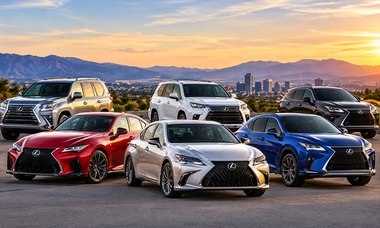
How reliable are used Lexus cars and SUVs? Lexus has one of the strongest long-term reliability reputations among luxury brands, with many models capable of reaching 200,000 miles or more when properly maintained. However, reliability varies by model, generation, engine and drivetrain, and some Lexus repairs can be surprisingly expensive.
This guide compares popular used Lexus sedans, SUVs and coupes, identifies their most important mechanical problems, and highlights the model years worth considering. The goal is to help you find a dependable used luxury vehicle without overlooking costly trouble spots.
Lexus Reliability at a Glance
These general assessments are starting points. Reliability can vary significantly between generations and powertrains within the same model.
| Lexus Model | Reliability Assessment |
|---|---|
| ES | Very Good to Excellent |
| IS | Good to Very Good |
| GS | Very Good, With Qualifications |
| LS | Good, Higher Repair Costs |
| RX | Very Good to Excellent |
| NX | Good to Very Good |
| GX | Very Good, With Qualifications |
| LX | Very Good, Higher Repair Costs |
| UX | Good to Very Good |
| TX | Limited Long-Term Data |
| RC | Good to Very Good |
Or, Looking For "New"?
If you're also considering a new Lexus, you may want to come back to this and take a look at a handy technique that locates the dealer in your area most ready to make price concessions.
What Are the Biggest Lexus Reliability Problems?
Engine problems: Although Lexus engines generally have excellent durability, certain models have experienced specific problems. The 2006–2013 IS 250's 2.5-liter direct-injection V6 can develop carbon buildup on intake valves, causing rough idling and misfires. Some V6 engines develop timing-cover oil leaks or water-pump leaks, while older V8 models can require expensive cooling-system and gasket repairs. Certain newer Lexus models equipped with the twin-turbocharged 3.4-liter V6 have also been affected by engine-related recalls.
Transmission and drivetrain problems: Most Lexus conventional automatic transmissions have strong reliability records, but older high-mileage vehicles can develop harsh shifting, delayed engagement or fluid leaks. All-wheel-drive models have additional drivetrain components to maintain. On the GX and LX, transfer-case, differential and four-wheel-drive system condition become particularly important, especially when vehicles have been used for towing or off-road driving.
Suspension, brakes and electrical problems: Older Lexus luxury sedans and SUVs can develop expensive suspension problems, particularly models equipped with air suspension or electronically controlled dampers. Certain LS models have experienced brake-actuator and brake-booster problems, while aging hybrid vehicles can eventually require high-voltage battery repairs. Dashboard deterioration, navigation-system failures and other electronic problems can also affect particular generations.
Buyer Tip: Lexus reliability is generally excellent, but don't assume every model has the same ownership costs. A used ES 350 with a naturally aspirated V6 presents a very different repair-risk profile from an older LS with air suspension or a high-mileage LX with complex four-wheel-drive equipment. Check the exact powertrain, maintenance records and recall history through the NHTSA recall database.
Lexus ES Reliability
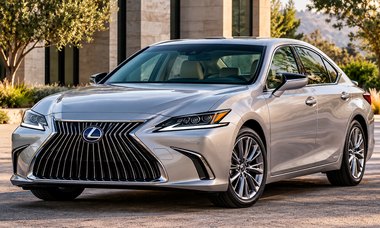
The Lexus ES is one of the safest starting points for buyers seeking a dependable used luxury sedan. Its comfortable ride, generally durable engines and relatively manageable maintenance costs make it particularly appealing. The ES 350's naturally aspirated 3.5-liter V6 has an excellent long-term reputation, while hybrid versions offer strong fuel economy without sacrificing much of the model's traditional dependability.
2002–2006 Lexus ES
The ES 300 and later ES 330 use Toyota-derived V6 engines with conventional automatic transmissions. These can be durable cars, but age-related repairs now dominate the buying decision. The ES 300's 3.0-liter V6 and ES 330's 3.3-liter V6 use timing belts, making documented replacement important. Oil leaks, worn engine mounts, suspension deterioration and cooling-system problems are common inspection priorities. Neglected oil changes can also be particularly troublesome on some earlier V6 engines.
2007–2012 Lexus ES
The ES 350 introduced the naturally aspirated 3.5-liter V6, a major reason this generation remains attractive to used buyers. The engine uses a timing chain rather than a routine-replacement timing belt and can accumulate substantial mileage with proper maintenance. Potential problems include water-pump leaks, timing-cover oil seepage, worn engine mounts and deteriorating dashboard materials. Some 2007–2008 vehicles deserve additional attention for oil-line concerns and documented repairs.
2013–2018 Lexus ES
This generation continued the proven 3.5-liter V6 in the ES 350 and introduced the ES 300h hybrid to U.S. buyers. The ES 350 is particularly appealing for long-term ownership because it combines a mature engine with a conventional six-speed automatic transmission. The ES 300h uses a 2.5-liter four-cylinder hybrid system with an electronically controlled continuously variable transmission, a different design from a conventional belt-driven CVT. Both can be dependable, although hybrid battery condition becomes more important as these vehicles age.
2019–2025 Lexus ES
The redesigned ES 350 retained the naturally aspirated 3.5-liter V6 but adopted an eight-speed automatic transmission. The ES 300h continued with a four-cylinder hybrid powertrain and improved efficiency. These are generally strong used-car choices, with potential concerns involving infotainment equipment, electronic accessories, occasional transmission complaints and ordinary suspension or cooling-system wear as mileage increases. The hybrid's battery and electrical systems should be inspected separately from the conventional V6 model.
Typical Issues: Water-pump leaks, timing-cover oil seepage, aging engine mounts, dashboard deterioration on certain older years, suspension wear and hybrid battery aging on higher-mileage ES 300h models. Earlier ES 300 and ES 330 models also require timing-belt maintenance.
What Are the Best Lexus ES Years to Buy?
| Best Used ES Years | Recommendation |
|---|---|
| 2010–2012 | Good lower-cost choices with the proven 3.5-liter V6, provided maintenance is documented. |
| 2015–2018 | Excellent balance of reliability, comfort and used-car value. Among our preferred ES 350 years. |
| 2019–2022 | Strong newer choices with updated safety features and the proven V6 or efficient hybrid powertrain. |
| 2023–2025 | Worth considering for newer technology and lower age, although long-term ownership evidence is shorter. |
Buyer Tip: For a dependable used luxury sedan with relatively predictable maintenance costs, the 2015–2018 ES 350 is particularly appealing. If you prefer a newer car, the 2019–2022 ES 350 is another strong choice. On older ES 300 and ES 330 models, verify timing-belt service; on hybrids, evaluate battery condition and remaining warranty coverage.
Lexus IS Reliability
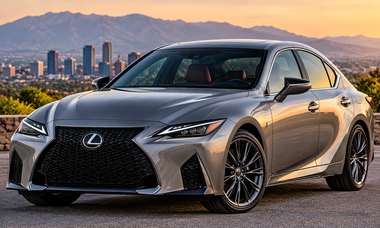
The Lexus IS is a good choice for buyers who want a sporty luxury sedan without giving up Lexus's reputation for durability. However, the IS has used several very different engines, including naturally aspirated four-cylinders and V6s, a turbocharged four-cylinder and a high-performance V8. The IS 250's carbon buildup problems and the different transmission arrangements in rear-wheel-drive and all-wheel-drive versions make powertrain selection especially important.
2001–2005 Lexus IS
The original IS 300 uses a naturally aspirated 3.0-liter inline-six engine related to the Toyota Supra's well-known engine family. It can be exceptionally durable with proper maintenance, but these cars are now old enough that condition matters more than mileage alone. Common concerns include oil leaks, worn suspension bushings, aging cooling-system components and neglected timing-belt service. Both manual and conventional automatic transmissions were offered, and heavily modified examples deserve extra caution.
2006–2013 Lexus IS
The second-generation IS introduced the 2.5-liter V6 in the IS 250 and the more powerful 3.5-liter V6 in the IS 350. The IS 250's direct-injection engine can develop carbon buildup on intake valves, sometimes causing rough idling, misfires, hesitation and reduced performance. The IS 350 uses a different fuel-injection arrangement that helps reduce this particular concern, making it an appealing choice for buyers prioritizing engine reliability. Both models can develop water-pump leaks, timing-cover oil seepage and suspension wear. The IS F, produced from 2008–2014, uses a powerful 5.0-liter V8 that can be durable but carries higher performance-car maintenance costs.
2014–2020 Lexus IS
The redesigned IS continued with V6 powertrains while introducing the turbocharged 2.0-liter four-cylinder IS 200t for 2016, later renamed IS 300. Rear-wheel-drive and all-wheel-drive versions use different engine and transmission combinations, so the badge alone does not identify the powertrain. The naturally aspirated 3.5-liter V6 remains an attractive choice, while the turbocharged four-cylinder adds potential turbocharger, cooling-system and intake-related repairs. Suspension noises, water-pump leaks and electronic problems are additional inspection priorities.
2021–2025 Lexus IS
The updated IS retained much of the previous generation's underlying mechanical design while introducing revised styling, suspension tuning and technology. The IS 300 continued with different four-cylinder or V6 powertrains depending on drivetrain configuration, while the IS 350 used a naturally aspirated 3.5-liter V6. The IS 500 introduced a naturally aspirated 5.0-liter V8 for 2022, offering strong performance without turbochargers but with higher fuel, tire and brake costs. Long-term durability has generally been encouraging, although electronic equipment, suspension components and cooling systems still require inspection.
Typical Issues: Carbon buildup and misfires on certain IS 250 engines, water-pump leaks, timing-cover oil seepage, worn suspension bushings, dashboard deterioration on some older models and higher maintenance costs on IS F and IS 500 performance versions.
What Are the Best Lexus IS Years to Buy?
| Best Used IS Years | Recommendation |
|---|---|
| 2010–2013 IS 350 | An appealing older choice with the naturally aspirated 3.5-liter V6 and fewer carbon buildup concerns than the IS 250. |
| 2016–2020 IS 350 | Strong balance of performance, durability and modern equipment. One of our preferred IS combinations. |
| 2021–2024 IS 350 | A good newer choice with the proven V6, updated styling and improved handling. |
| 2022–2025 IS 500 | Worth considering for V8 performance, provided the buyer accepts higher operating costs and limited high-mileage history. |
Buyer Tip: If reliability is your main priority, concentrate on an IS 350 with the naturally aspirated 3.5-liter V6. Inspect an IS 250 carefully for carbon buildup symptoms, especially rough idle and misfires. On all-wheel-drive models, check for drivetrain noises and confirm the exact engine and transmission combination before buying.
Lexus GS Reliability
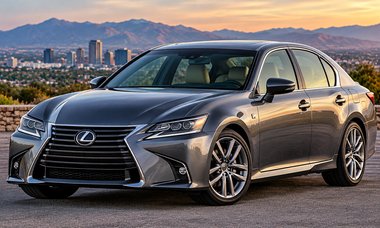
The Lexus GS combines luxury-sedan comfort with more engaging handling than the ES. Its strongest reliability choices are generally the naturally aspirated V6 models, particularly the GS 350. However, the GS has also been offered with a V8, a hybrid powertrain and a turbocharged four-cylinder, each with different maintenance requirements. Because the GS was discontinued in the United States after 2020, buyers should also consider parts availability and the condition of aging electronic and suspension systems.
1998–2005 Lexus GS
The second-generation GS 300 uses a naturally aspirated 3.0-liter inline-six, while the GS 400 and GS 430 use V8 engines. These powertrains can be exceptionally durable, but timing-belt replacement, oil leaks, cooling-system repairs and worn suspension components are major considerations today. The V8 versions are especially appealing to enthusiasts, although neglected maintenance can make an inexpensive example costly to restore. Transmission condition and evidence of previous modifications should be evaluated carefully.
2006–2011 Lexus GS
The third-generation GS introduced the GS 300, GS 350, GS 430, GS 460 and GS 450h hybrid across different years. The GS 350's naturally aspirated 3.5-liter V6 is generally a strong engine, but water-pump leaks and timing-cover oil seepage can develop. Certain early 3.0-liter direct-injection V6 applications deserve attention for carbon buildup. The GS 450h offers impressive performance and fuel economy but adds a high-voltage battery and hybrid electronics that can become expensive as the vehicle ages. Some versions also have electronically controlled suspension components that cost more to repair than conventional shocks.
2013–2015 Lexus GS
The redesigned GS 350 continued with a naturally aspirated 3.5-liter V6 and conventional automatic transmission, making it one of the most attractive used GS combinations. Rear-wheel-drive and all-wheel-drive models have different transmission arrangements, but both can be dependable with proper maintenance. The GS 450h hybrid offers strong acceleration and efficiency, although battery condition deserves careful evaluation. Potential problems include water-pump leaks, suspension wear, electronic faults and occasional infotainment-system issues.
2016–2020 Lexus GS
The refreshed GS introduced the turbocharged 2.0-liter four-cylinder GS 200t, later renamed GS 300, alongside the naturally aspirated GS 350. The turbocharged engine offers adequate performance but adds potential turbocharger and cooling-system repair concerns. The GS 350 remains the more appealing choice for buyers seeking a proven engine and stronger acceleration. The high-performance GS F, sold from 2016–2020, uses a naturally aspirated 5.0-liter V8 that can be durable but has substantially higher tire, brake and performance-related maintenance costs.
Typical Issues: Water-pump leaks, timing-cover oil seepage, aging suspension bushings, electronic and infotainment problems, expensive electronically controlled suspension repairs on equipped models, and hybrid battery aging on GS 450h versions. Older models also require careful timing-belt and cooling-system maintenance.
What Are the Best Lexus GS Years to Buy?
| Best Used GS Years | Recommendation |
|---|---|
| 2010–2011 GS 350 | Good older choices with the naturally aspirated V6, provided maintenance and suspension condition are satisfactory. |
| 2013–2015 GS 350 | Excellent combination of reliability, performance and used-car value. Among our preferred GS years. |
| 2016–2020 GS 350 | Strong newer choices with the proven V6 and updated equipment. |
| 2016–2020 GS F | An appealing performance choice with a naturally aspirated V8, but substantially higher ownership costs. |
Buyer Tip: For the best balance of reliability and performance, the 2013–2020 GS 350 is particularly appealing. Check for water-pump leaks, suspension noises and electronic problems. On GS 450h hybrids, have the high-voltage battery evaluated; on GS F models, budget for performance tires, brakes and other specialized maintenance.
Lexus LS Reliability
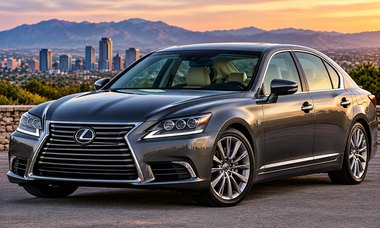
The Lexus LS has long been known for exceptional refinement and impressive engine durability, but it is also one of the most expensive Lexus models to maintain as it ages. A well-kept LS can travel well beyond 200,000 miles, yet repairs involving air suspension, electronically controlled brakes, steering components and luxury electronics can cost thousands of dollars. The best used LS is usually one with comprehensive maintenance records rather than simply the lowest mileage.
1990–2000 Lexus LS
The original LS 400 and its updated versions use Toyota's naturally aspirated 4.0-liter V8, an engine famous for long service life. However, these vehicles are now several decades old. Timing-belt replacement, cooling-system repairs, power-steering leaks, worn suspension components and aging electrical equipment are common concerns. Some models also develop problems involving dashboard displays, climate-control components and deteriorating rubber seals. A well-maintained example can remain dependable, but restoration costs can easily exceed the purchase price of a neglected car.
2001–2006 Lexus LS
The LS 430 introduced a larger naturally aspirated 4.3-liter V8 and remains one of the most respected Lexus luxury sedans for long-term durability. Its engine and conventional automatic transmission can provide excellent service, but timing-belt maintenance remains essential. Common problems include worn engine mounts, power-steering leaks, suspension deterioration, failing electronic accessories and air-suspension repairs on equipped models. The optional air suspension can be particularly expensive when struts, compressors or height sensors fail.
2007–2012 Lexus LS
The LS 460 introduced a naturally aspirated 4.6-liter V8 and an eight-speed automatic transmission, while the LS 600h L added a hybrid V8 powertrain. Although these vehicles deliver excellent performance and comfort, this generation developed several expensive reliability concerns. Brake actuators and related electronically controlled braking components can fail, producing warning lights, unusual pump operation or costly repairs. Front suspension control arms and bushings can wear prematurely, and air-suspension problems are another significant concern on equipped models. The LS 600h L adds high-voltage battery and hybrid-system repair risks.
2013–2017 Lexus LS
The updated LS 460 retained the naturally aspirated 4.6-liter V8 and improved styling, equipment and refinement. These later examples can be more attractive than earlier LS 460s, but they still use complex braking, suspension and electronic systems. Buyers should inspect for brake-actuator problems, suspension noises, air-suspension faults and electronic warning messages. The LS 600h L continued as a hybrid alternative, although its additional complexity makes battery condition and specialized maintenance history especially important.
2018–2025 Lexus LS
The redesigned LS 500 replaced the naturally aspirated V8 with a twin-turbocharged 3.4-liter V6 paired with a ten-speed automatic transmission. The LS 500h uses a different hybrid powertrain combining a naturally aspirated 3.5-liter V6 with electric motors and a complex multi-stage transmission arrangement. The LS 500's twin-turbocharged engine introduces additional cooling, lubrication and turbocharger-related maintenance concerns compared with earlier V8 models. Certain Lexus and Toyota vehicles equipped with related twin-turbocharged V6 engines have also been subject to engine recalls, so VIN-specific verification is important. Electronic suspension, steering and luxury equipment remain potential high-cost repair areas.
Typical Issues: Expensive brake-actuator failures on certain LS 460 models, worn front control arms and bushings, air-suspension leaks or compressor failures, power-steering and cooling-system leaks, aging electronic accessories, hybrid battery deterioration and potential twin-turbocharged V6 concerns on newer LS 500 models.
What Are the Best Lexus LS Years to Buy?
| Best Used LS Years | Recommendation |
|---|---|
| 2004–2006 LS 430 | Among the most appealing older Lexus luxury sedans for engine durability, provided timing-belt and suspension maintenance are documented. |
| 2013–2017 LS 460 | Preferred later LS 460 years, but brake and suspension repairs remain important buying considerations. |
| 2021–2025 LS 500 | Worth considering for modern luxury and technology, with careful attention to engine recalls and higher long-term repair costs. |
Buyer Tip: For buyers who value proven V8 durability and can accept an older luxury car, a well-maintained 2004–2006 LS 430 is especially appealing. If considering an LS 460, obtain a thorough inspection of the brake actuator, front suspension and air suspension. On newer LS 500 models, verify engine-related recall status and review the complete dealer service history.
Lexus RX Reliability
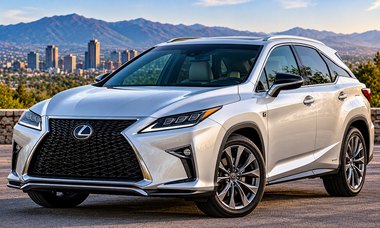
The Lexus RX is one of the most dependable used luxury SUVs, with a long history of durable V6 engines, comfortable driving characteristics and relatively manageable maintenance costs. The RX 350 and RX 350h are particularly appealing, although buyers should distinguish the older naturally aspirated V6 models from newer turbocharged and hybrid powertrains. Many well-maintained RX models can exceed 200,000 miles, but repair costs increase with age and mileage.
1999–2003 Lexus RX
The original RX 300 uses a naturally aspirated 3.0-liter V6 and a conventional four-speed automatic transmission. The engine can provide long service life, but neglected oil changes can contribute to sludge problems, while high-mileage transmissions can develop slipping or shifting failures. Timing-belt replacement is essential, and buyers should also inspect for power-steering leaks, worn suspension components and cooling-system deterioration.
2004–2009 Lexus RX
The second-generation RX introduced the RX 330 with a 3.3-liter V6, followed by the RX 350 with a 3.5-liter V6 for 2007. The RX 330 requires timing-belt maintenance, while the RX 350 uses a timing chain. The RX 400h hybrid added electric-motor assistance and excellent fuel economy for its class, but its high-voltage battery and hybrid electronics require additional attention as the vehicle ages. Common concerns include water-pump leaks, steering-rack seepage, suspension wear and dashboard cracking on certain years.
2010–2015 Lexus RX
The third-generation RX 350 uses the proven naturally aspirated 3.5-liter V6 with a conventional automatic transmission, making it one of the strongest used luxury SUV choices. The RX 450h hybrid combines a 3.5-liter V6 with an electric drivetrain and an electronically controlled continuously variable transmission, which is different from a conventional belt-driven CVT. Potential problems include water-pump leaks, timing-cover oil seepage, worn engine mounts and aging suspension components. Hybrid buyers should also consider high-voltage battery condition.
2016–2022 Lexus RX
The redesigned RX continued with a naturally aspirated 3.5-liter V6 in the RX 350 and a V6 hybrid powertrain in the RX 450h. The RX 350 adopted an eight-speed automatic transmission, while hybrid versions retained their electronically controlled transmission arrangement. These models generally have strong reliability records, although buyers should inspect for cooling-system leaks, rough shifting, suspension noises and infotainment problems. The available RX L added a third row but retained much of the standard RX's underlying mechanical design.
2023–2026 Lexus RX
The fifth-generation RX introduced substantially different powertrains. The RX 350 replaced the previous naturally aspirated V6 with a turbocharged 2.4-liter four-cylinder and an eight-speed automatic transmission. The RX 350h uses a naturally aspirated 2.5-liter four-cylinder hybrid system, while the RX 500h combines a turbocharged engine with a performance-oriented hybrid drivetrain and a six-speed automatic transmission. The RX 450h+ plug-in hybrid adds external charging capability and a larger battery. These newer models have less high-mileage history, so buyers should pay particular attention to cooling-system condition, electronic warnings, hybrid operation and documented warranty repairs.
Typical Issues: Oil sludge and transmission wear on some early RX 300 models, timing-belt maintenance on RX 300 and RX 330 versions, water-pump leaks, timing-cover oil seepage, suspension wear, dashboard deterioration on certain older models and hybrid battery aging. Newer turbocharged and plug-in hybrid powertrains have shorter long-term reliability histories.
What Are the Best Lexus RX Years to Buy?
| Best Used RX Years | Recommendation |
|---|---|
| 2007–2009 RX 350 | Good lower-cost choices with the durable 3.5-liter V6, provided maintenance and suspension condition are satisfactory. |
| 2013–2015 RX 350 | Among our preferred RX years for proven mechanical reliability, comfort and used-car value. |
| 2018–2022 RX 350 | Excellent newer choices with the naturally aspirated V6 and modern safety equipment. |
| 2023–2025 RX 350h | Worth considering for fuel economy and updated technology, although long-term reliability evidence remains limited. |
Buyer Tip: For a dependable used luxury SUV with a proven powertrain, the 2013–2015 and 2018–2022 RX 350 are especially appealing. On older RX models, check timing-belt records where applicable and inspect for cooling-system leaks. On hybrids, evaluate battery condition and remaining warranty coverage. The newer turbocharged RX 350 should be judged separately from the earlier V6 versions.
For more information about common problems, model years to avoid, repair costs and lifespan, see my Lexus RX reliability guide.
Also, Know Your Potential Trade-In Value
While you're narrowing down your next vehicle choice, it's also highly recommended that you know the value of your trade-in. Having a realistic appraisal is necessary to establish your budget as well as negotiate a better overall deal. Here's a good source for a quick and accurate appraisal: free trade-in appraisal.
Lexus NX Reliability
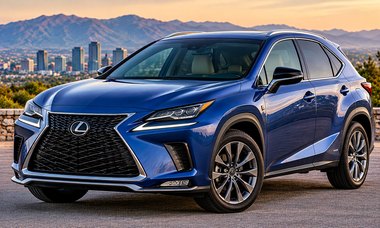
The Lexus NX is a practical compact luxury SUV with generally good reliability and lower ownership costs than many European competitors. Introduced in the United States for 2015, it has been offered with turbocharged gasoline engines, conventional hybrids and a plug-in hybrid. The NX 300h and newer NX 350h are particularly interesting for buyers seeking fuel economy, while gasoline versions require attention to their specific turbocharged engines and transmissions.
2015–2017 Lexus NX
The original NX 200t uses a turbocharged 2.0-liter four-cylinder engine paired with a conventional six-speed automatic transmission. This engine can be dependable with proper maintenance, but buyers should inspect for coolant leaks, oil seepage, rough running and turbocharger-related problems. The NX 300h uses a naturally aspirated 2.5-liter four-cylinder hybrid system with an electronically controlled continuously variable transmission. Hybrid versions avoid turbocharger complexity but introduce battery and hybrid-electronics considerations. Suspension noises and infotainment complaints can also occur.
2018–2021 Lexus NX
The NX 200t was renamed NX 300 for 2018, retaining the turbocharged 2.0-liter engine and six-speed automatic transmission. The NX 300h continued with its hybrid powertrain. These later first-generation models are appealing because their basic mechanical designs had been in production for several years. Potential problems include water-pump or cooling-system leaks, turbocharger plumbing concerns, worn suspension components and aging electronic accessories. Hybrid battery condition becomes increasingly important on higher-mileage NX 300h models.
2022–2026 Lexus NX
The redesigned NX introduced several new powertrain choices. The NX 250 uses a naturally aspirated 2.5-liter four-cylinder with an eight-speed automatic transmission, while the NX 350 uses a turbocharged 2.4-liter four-cylinder. The NX 350h combines a 2.5-liter engine with an electric hybrid system, and the NX 450h+ adds plug-in charging capability. The naturally aspirated NX 250 and NX 350h may appeal to buyers seeking to avoid turbocharger complexity, but all versions have relatively limited long-term ownership histories. Electronic features, charging equipment on plug-in models and software-related concerns deserve attention.
Typical Issues: Cooling-system leaks, oil seepage, occasional turbocharger-related problems on gasoline models, suspension noises, infotainment glitches and hybrid battery aging. Newer NX models add more complex electronic equipment, while the NX 450h+ requires inspection of its charging system and plug-in hybrid components.
What Are the Best Lexus NX Years to Buy?
| Best Used NX Years | Recommendation |
|---|---|
| 2018–2021 NX 300 | Good later first-generation choices with an established turbocharged engine and conventional automatic transmission. |
| 2018–2021 NX 300h | Appealing hybrid choices with strong fuel economy and a well-established powertrain design. |
| 2022–2025 NX 250 | Worth considering for its naturally aspirated engine and conventional automatic transmission. |
| 2022–2025 NX 350h | A strong newer hybrid option, although long-term reliability evidence is still developing. |
Buyer Tip: For an established used NX, the 2018–2021 NX 300h is particularly appealing if its hybrid battery and maintenance history check out. Buyers who prefer a conventional gasoline powertrain should compare the older turbocharged NX 300 with the newer naturally aspirated NX 250. On all-wheel-drive models, inspect for drivetrain noises and verify that all four tires have similar wear.
Used Lexus Pricing
Knowing which Lexus model years to concentrate on is step 1. Step 2 is knowing how to actually get an excellent used Lexus price.
Lexus GX Reliability
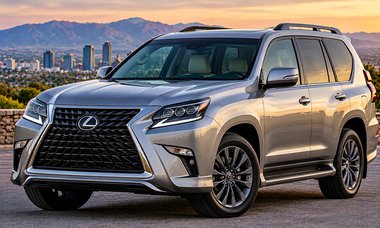
The Lexus GX is one of the most durable traditional luxury SUVs, combining body-on-frame construction, full-time four-wheel drive and a long history of naturally aspirated V8 engines. Its truck-based design makes it particularly appealing for towing and off-road use, but fuel consumption is high and neglected suspension, drivetrain or cooling-system maintenance can become expensive. The GX 470 and GX 460 have different engine designs and maintenance requirements, while the redesigned GX 550 introduces a twin-turbocharged V6.
2003–2009 Lexus GX
The GX 470 uses a naturally aspirated 4.7-liter V8 and a conventional five-speed automatic transmission. This engine has an excellent durability reputation, but it requires periodic timing-belt replacement. Common concerns include radiator and cooling-system leaks, exhaust-manifold cracks, worn suspension components and deterioration of the optional rear air suspension. Four-wheel-drive components, including the transfer case and differentials, should be inspected for leaks or abnormal noises. Frame rust is particularly important on vehicles from regions where roads are salted.
2010–2013 Lexus GX
The GX 460 introduced a naturally aspirated 4.6-liter V8 with a timing chain and a six-speed automatic transmission. This eliminated the GX 470's scheduled timing-belt replacement requirement, although regular cooling-system and drivetrain maintenance remained important. Potential problems include radiator leaks, water-pump wear, secondary air-injection system faults and suspension deterioration. Vehicles equipped with rear air suspension or the Kinetic Dynamic Suspension System (KDSS), a hydraulic system that helps control body roll, may require more expensive suspension repairs as they age.
2014–2023 Lexus GX
The updated GX 460 retained the proven 4.6-liter V8 and six-speed automatic transmission. These later models are particularly appealing because the powertrain remained largely unchanged for many years. Common concerns include cooling-system leaks, worn suspension bushings, air-suspension problems on equipped versions and hydraulic leaks involving the KDSS system. Heavy towing, off-road use and neglected differential or transfer-case service can accelerate drivetrain wear. Rust inspection remains important on older examples.
2024–2026 Lexus GX
The redesigned GX 550 replaced the naturally aspirated V8 with a twin-turbocharged 3.4-liter V6 paired with a ten-speed automatic transmission. It also introduced updated electronics, suspension designs and off-road technology. The newer engine delivers stronger torque but has a much shorter long-term reliability record than the previous V8. Certain Toyota and Lexus vehicles equipped with related twin-turbocharged V6 engines have been subject to engine-related recalls, making VIN-specific verification essential. Buyers should also inspect electronic four-wheel-drive functions, suspension components and cooling-system operation.
Typical Issues: Timing-belt maintenance on GX 470 models, radiator and water-pump leaks, secondary air-injection faults, rear air-suspension deterioration, KDSS hydraulic leaks, worn suspension bushings, differential and transfer-case leaks, and frame rust. Newer GX 550 models have less established engine and transmission durability.
What Are the Best Lexus GX Years to Buy?
| Best Used GX Years | Recommendation |
|---|---|
| 2007–2009 GX 470 | Excellent older choices with the durable 4.7-liter V8, provided timing-belt service and suspension condition are documented. |
| 2014–2019 GX 460 | Strong balance of proven V8 reliability, traditional four-wheel drive and used-vehicle value. |
| 2020–2023 GX 460 | Among our preferred newer GX models because they retain the established naturally aspirated V8 powertrain. |
| 2024–2026 GX 550 | Worth considering for modern technology and stronger performance, but long-term reliability remains less established. |
Buyer Tip: For buyers who prioritize proven mechanical durability, the 2014–2023 GX 460 is especially appealing. Inspect the cooling system, suspension and four-wheel-drive components carefully. On GX 470 models, verify timing-belt replacement; on GX 550 models, check applicable engine recalls and review the complete warranty and service history.
Lexus LX Reliability
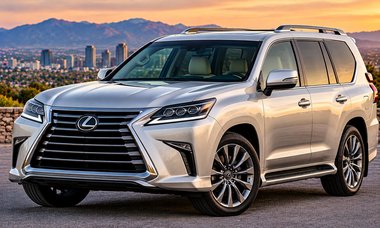
The Lexus LX is a full-size luxury SUV closely related to the Toyota Land Cruiser. Its body-on-frame construction, heavy-duty four-wheel-drive system and traditionally durable V8 engines have made it a favorite among buyers seeking exceptional longevity. However, the LX is considerably more expensive to maintain than a typical Lexus sedan or crossover. Hydraulic suspension repairs, large tires, cooling-system work and neglected four-wheel-drive components can make an inexpensive used LX costly to own.
1996–1997 Lexus LX
The original LX 450 uses a naturally aspirated 4.5-liter inline-six engine and a conventional four-speed automatic transmission. Its mechanical design is rugged, but these vehicles are now nearly three decades old. Common concerns include cooling-system deterioration, oil leaks, worn suspension components, steering-system leaks and rust. Buyers should pay particular attention to head-gasket condition, overheating history and the operation of the full-time four-wheel-drive system.
1998–2007 Lexus LX
The LX 470 introduced a naturally aspirated 4.7-liter V8 that has an excellent reputation for durability. It uses a timing belt requiring periodic replacement, and neglected timing-belt or cooling-system maintenance can lead to expensive repairs. The LX 470 also features Active Height Control (AHC), a hydraulic suspension system that can develop leaks, worn accumulators, pump failures and height-control problems as the vehicle ages. Steering-rack leaks, radiator deterioration, suspension wear and frame rust are additional concerns.
2008–2015 Lexus LX
The LX 570 introduced a naturally aspirated 5.7-liter V8 and a six-speed automatic transmission. The engine uses a timing chain rather than a routine-replacement timing belt and can provide excellent long-term service. However, buyers should inspect for radiator and water-pump leaks, oil seepage and deterioration of the hydraulic height-control suspension. Heavy towing and off-road use can accelerate wear on brakes, suspension components and drivetrain equipment. The large V8 also has substantial fuel consumption.
2016–2021 Lexus LX
The updated LX 570 retained the proven 5.7-liter V8 but adopted an eight-speed automatic transmission. These later LX 570 models are particularly appealing for buyers seeking a traditional naturally aspirated V8 luxury SUV. Potential problems include cooling-system leaks, worn suspension bushings, hydraulic suspension faults and electronic accessory failures. Although the basic engine is durable, repairs involving the suspension, steering or four-wheel-drive system can be expensive.
2022–2026 Lexus LX
The redesigned LX 600 replaced the naturally aspirated V8 with a twin-turbocharged 3.4-liter V6 and a ten-speed automatic transmission. The LX 700h hybrid joined the lineup for 2025, combining the twin-turbocharged V6 with an electric motor. These newer powertrains deliver strong torque and improved efficiency, but their long-term durability is less established than that of the older V8. Certain LX 600 vehicles have been included in engine-related recalls involving machining debris, making VIN-specific recall verification especially important. Buyers should also inspect the electronic four-wheel-drive equipment, cooling system and suspension controls.
Typical Issues: Timing-belt maintenance on LX 470 models, cooling-system leaks, steering-rack seepage, hydraulic suspension failures, worn suspension bushings, differential and transfer-case leaks, and frame rust on older vehicles. Newer LX 600 models have additional twin-turbocharged engine concerns and less established long-term reliability.
What Are the Best Lexus LX Years to Buy?
| Best Used LX Years | Recommendation |
|---|---|
| 2003–2007 LX 470 | Excellent older choices with the durable 4.7-liter V8, provided timing-belt and hydraulic suspension maintenance are documented. |
| 2013–2015 LX 570 | Strong used luxury SUV choices with the proven 5.7-liter V8 and conventional automatic transmission. |
| 2016–2021 LX 570 | Among our preferred newer LX models for established V8 durability and updated equipment. |
| 2022–2026 LX 600 | Worth considering for modern technology and performance, but verify engine recalls and recognize the shorter reliability history. |
Buyer Tip: For proven engine durability, concentrate on a well-maintained LX 570, particularly the 2013–2021 models. Have the hydraulic suspension inspected before purchase, since repairs can be expensive. On older LX 470 models, verify timing-belt replacement and inspect for rust. On newer LX 600 models, confirm recall completion using the vehicle's VIN.
Lexus UX Reliability
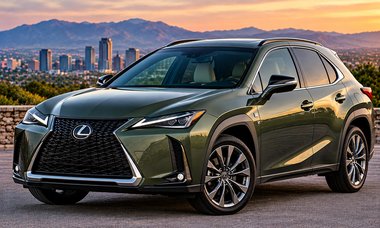
The Lexus UX is the brand's smallest crossover and generally offers good reliability, especially in hybrid form. Its Toyota-derived engines and relatively modest performance demands make it an appealing choice for buyers seeking economical luxury transportation. However, the UX has less cargo space and a firmer ride than the larger NX or RX, and buyers should distinguish the conventional gasoline UX 200 from the UX 250h and newer UX 300h hybrids.
2019–2022 Lexus UX
The original UX 200 uses a naturally aspirated 2.0-liter four-cylinder engine paired with a Direct Shift continuously variable transmission (CVT), which incorporates a physical launch gear. The UX 250h combines a 2.0-liter four-cylinder with an electric hybrid system and an electronically controlled continuously variable transmission, a different design from the UX 200's mechanical CVT. Both can be dependable, although buyers should check for transmission hesitation, unusual noises, cooling-system leaks and electronic warning messages. The UX 250h also requires attention to hybrid battery cooling and long-term battery condition.
2023–2024 Lexus UX
For 2023, the U.S. UX lineup became hybrid-only, with the UX 250h continuing as the standard powertrain. These later examples benefit from several years of production experience and updated technology. The hybrid system is generally well suited to urban driving, although buyers should inspect the battery cooling intake, check for warning lights and verify that all electronic features operate properly. Suspension noises, infotainment issues and ordinary tire or brake wear are additional considerations.
2025–2026 Lexus UX
The UX 300h replaced the UX 250h for 2025, introducing a more powerful fifth-generation Lexus hybrid system. It continues to use a naturally aspirated 2.0-liter four-cylinder engine with electric-motor assistance and an electronically controlled transmission. The newer hybrid offers improved performance and excellent fuel economy, but it has a shorter long-term ownership record. Buyers should evaluate battery cooling, electronic systems and documented service history rather than assuming the newer powertrain has the same high-mileage track record as earlier Lexus hybrids.
Typical Issues: Occasional transmission hesitation or unusual noises on gasoline UX 200 models, infotainment and electronic glitches, suspension noises, cooling-system leaks and hybrid battery cooling or aging concerns. Long-term repair history for the newer UX 300h remains limited.
What Are the Best Lexus UX Years to Buy?
| Best Used UX Years | Recommendation |
|---|---|
| 2020–2022 UX 250h | Good lower-cost hybrid choices with an established Toyota-derived powertrain. |
| 2023–2024 UX 250h | Among our preferred UX years for fuel economy, updated equipment and an established hybrid design. |
| 2025–2026 UX 300h | Appealing for improved performance and efficiency, although long-term reliability evidence remains limited. |
Buyer Tip: For a used UX with an established reliability record, the 2020–2024 UX 250h is particularly appealing. Check that the hybrid battery cooling intake is clean and that the vehicle has received regular maintenance. If considering a UX 200, pay close attention to CVT operation during a test drive, especially acceleration from a stop.
Lexus TX Reliability
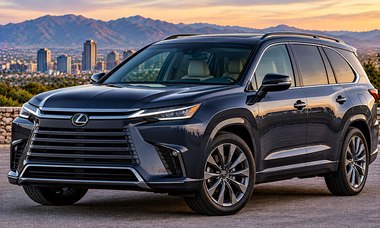
The Lexus TX is a three-row luxury crossover introduced for the 2024 model year. It offers substantially more passenger and cargo space than the RX and shares important mechanical components with other Toyota and Lexus crossovers. However, the TX is still too new for a meaningful high-mileage reliability record. Buyers should focus on the differences between its gasoline, hybrid and plug-in hybrid powertrains, along with recall history and warranty coverage.
2024 Lexus TX
The first-year TX 350 uses a turbocharged 2.4-liter four-cylinder engine with an eight-speed automatic transmission. The TX 500h combines a turbocharged 2.4-liter engine with electric-motor assistance and a six-speed automatic transmission, while the TX 550h+ uses a naturally aspirated 3.5-liter V6 plug-in hybrid system. These are substantially different powertrains, so their reliability should not be evaluated as though they were identical. The 2024 TX was also affected by a significant side-curtain airbag recall that temporarily interrupted sales. Buyers should verify completion of applicable recall repairs and inspect electronic systems, hybrid operation and transmission behavior.
2025–2026 Lexus TX
The TX continued with gasoline, hybrid and plug-in hybrid choices. The TX 350 remains the simpler option in terms of electrification, although its turbocharged engine still adds complexity compared with older naturally aspirated Lexus V6 engines. The TX 500h offers stronger performance but combines a turbocharged engine with additional hybrid equipment. The TX 550h+ avoids a turbocharger but adds a larger high-voltage battery and external charging equipment. Because all three powertrains are relatively new in this application, long-term reliability judgments should remain cautious.
Typical Issues: Early-production recall concerns, electronic and infotainment glitches, potential turbocharged-engine cooling or lubrication problems, hybrid-system warning messages and charging-equipment concerns on plug-in hybrid versions. High-mileage reliability data remains limited.
What Are the Best Lexus TX Years to Buy?
| Used TX Years to Consider | Recommendation |
|---|---|
| 2024 TX 350 | Worth considering if applicable recalls are completed and warranty coverage remains available. |
| 2025–2026 TX 350 | Reasonable choices for buyers wanting a spacious three-row Lexus, but long-term reliability is still unproven. |
| 2024–2026 TX 500h | Appealing for performance, with additional turbocharged and hybrid-system complexity. |
| 2024–2026 TX 550h+ | Attractive for plug-in capability, but buyers should evaluate battery, charging equipment and warranty coverage. |
Buyer Tip: Because the TX has such a short ownership history, prioritize a vehicle with remaining factory warranty coverage and a complete service record. Verify all recalls by VIN, test every electronic feature and have the hybrid or plug-in charging system inspected where applicable. There is not yet enough evidence to declare one TX model year substantially more reliable than another.
Lexus RC Reliability
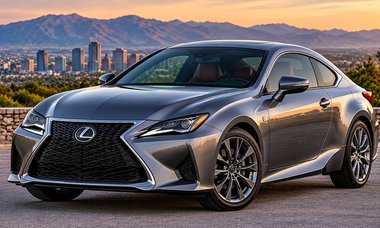
The Lexus RC is a luxury sport coupe produced for the 2015–2025 model years. It combines distinctive styling with generally durable Toyota-derived engines and conventional automatic transmissions. The naturally aspirated V6 versions are particularly appealing to buyers seeking a dependable luxury coupe, while the high-performance RC F offers a powerful V8 with higher operating costs. Engine and transmission differences are important because not every RC has the same mechanical design.
2015–2017 Lexus RC
The original RC 350 uses a naturally aspirated 3.5-liter V6 with a conventional automatic transmission. Rear-wheel-drive models use an eight-speed automatic, while all-wheel-drive versions use a six-speed automatic. The RC 300h hybrid was not offered in the United States.
For 2016, Lexus introduced the turbocharged 2.0-liter four-cylinder RC 200t and the RC 300 AWD with a less powerful 3.5-liter V6. The turbocharged engine adds potential cooling-system and turbocharger-related maintenance concerns, while the V6 versions benefit from a longer-established engine family. Buyers should inspect for water-pump leaks, timing-cover oil seepage, suspension noises and electronic problems.
2018–2021 Lexus RC
The RC 200t was renamed RC 300 for 2018, while the RC 300 AWD continued with a naturally aspirated 3.5-liter V6. The RC 350 retained its more powerful 3.5-liter V6. These later models benefit from several years of production experience, and the V6 versions remain attractive for long-term ownership.
Potential problems include cooling-system leaks, worn suspension bushings, occasional transmission hesitation and infotainment complaints. The turbocharged four-cylinder should be inspected for oil leaks, coolant loss and unusual noises during acceleration.
2022–2025 Lexus RC
The final RC model years continued with the turbocharged RC 300, naturally aspirated V6-powered RC 300 AWD and RC 350, and high-performance RC F. The basic mechanical designs were well established by this point, making these later examples appealing to buyers who want a relatively modern luxury coupe without an entirely new powertrain.
The RC 350's naturally aspirated V6 remains a strong reliability choice. The turbocharged RC 300 requires attention to cooling-system and turbocharger condition, while the RC F carries higher tire, brake and other performance-related maintenance costs. As with any used sport coupe, buyers should also look for evidence of aggressive driving, modifications or neglected maintenance.
2015–2025 Lexus RC F
The RC F uses a naturally aspirated 5.0-liter V8 paired with an eight-speed automatic transmission. This engine has a strong reputation for durability when properly maintained and avoids the additional complexity of turbochargers. However, the RC F is a high-performance vehicle, and ownership costs can be substantially greater than those of a conventional RC 350.
Buyers should inspect the cooling system, check for oil leaks and evaluate the condition of the brakes, tires and suspension. Vehicles used regularly on racetracks or modified for additional performance deserve particularly careful inspection.
Typical Issues: Water-pump leaks, timing-cover oil seepage, suspension noises, aging electronic equipment, occasional transmission hesitation and turbocharger-related concerns on four-cylinder models. RC F models can have significantly higher brake, tire and performance-maintenance costs.
What Are the Best Lexus RC Years to Buy?
| Best Used RC Years | Recommendation |
|---|---|
| 2016–2018 RC 350 | Good lower-cost choices with the naturally aspirated 3.5-liter V6 and conventional automatic transmission. |
| 2019–2021 RC 350 | Excellent balance of established V6 reliability, updated styling and used-car value. |
| 2022–2025 RC 350 | Among our preferred newer RC models for buyers seeking a proven naturally aspirated V6. |
| 2018–2025 RC F | Appealing for V8 performance and engine durability, provided the buyer accepts higher maintenance costs. |
Buyer Tip: For the best combination of performance, reliability and reasonable maintenance costs, concentrate on the RC 350 with the naturally aspirated 3.5-liter V6. Rear-wheel-drive and all-wheel-drive versions use different transmissions, so test-drive the exact configuration you intend to purchase. On RC F models, inspect the brakes, tires and suspension carefully and look for signs of track use or performance modifications.
Which Used Lexus Models Are the Most Reliable?
For buyers whose main priority is long-term dependability, the Lexus ES 350, RX 350 and GS 350 are among the strongest choices. Their naturally aspirated 3.5-liter V6 engines have extensive ownership histories, and their conventional automatic transmissions generally provide dependable service when properly maintained.
The Lexus GX 460 and LX 570 are also excellent candidates for high-mileage ownership. Their naturally aspirated V8 engines are particularly durable, although the vehicles themselves have higher fuel consumption and potentially expensive suspension and four-wheel-drive repairs.
The Lexus IS 350 and RC 350 are appealing alternatives for buyers who want sportier handling without sacrificing the advantages of a proven V6 engine. Hybrid buyers should also consider the ES 300h, RX 450h, NX 300h and UX 250h, provided the high-voltage battery and related components are in good condition.
Which Lexus Models and Years Deserve Extra Caution?
2006–2013 Lexus IS 250: The 2.5-liter direct-injection V6 can develop carbon buildup on intake valves, causing rough idling, hesitation and misfires. An IS 350 from the same general period may be a better choice for buyers prioritizing engine reliability.
2007–2012 Lexus LS 460: Brake-actuator failures, worn front suspension components and expensive air-suspension repairs can make these luxury sedans costly to maintain. Later LS 460 models deserve consideration, but the braking and suspension systems still require careful inspection.
Older Lexus models with air or hydraulic suspension: Certain LS, GX and LX models have sophisticated suspension systems that can become expensive to repair. A vehicle with a durable engine can still require thousands of dollars in suspension work.
Early Lexus RX 300 models: Neglected oil changes, aging automatic transmissions and overdue timing-belt maintenance can make an otherwise affordable RX expensive to own. Condition and documented maintenance are especially important.
Newer twin-turbocharged Lexus models: The LS 500, LX 600 and GX 550 use newer, more complex engines than their naturally aspirated predecessors. Some vehicles equipped with related Toyota and Lexus twin-turbocharged V6 engines have been subject to engine-related recalls. Verify the specific vehicle's recall status rather than assuming every model or year is affected.
How Many Miles Can a Lexus Last?
A well-maintained Lexus can often last 200,000 miles or more, and some examples reach 250,000–300,000 miles. However, these are potential vehicle lifespans rather than guarantees, and individual components may need replacement much sooner.
At 100,000 miles: Many Lexus vehicles are still capable of providing years of dependable service. Review cooling-system maintenance, suspension condition, transmission operation and any scheduled timing-belt replacement.
At 150,000 miles: Water pumps, engine mounts, suspension bushings, steering components and electronic accessories may begin requiring more attention. Hybrid buyers should consider battery condition, while luxury models with air or hydraulic suspension deserve particularly careful inspection.
At 200,000 miles: A properly maintained ES, RX, GS or naturally aspirated V8-powered GX or LX may still have substantial useful life remaining. However, transmission condition, cooling-system repairs, oil leaks and accumulated maintenance costs become increasingly important.
At 250,000 miles and beyond: Some Lexus vehicles can continue operating reliably, but their remaining lifespan depends heavily on maintenance history, climate, previous use and the cost of necessary repairs. An exceptionally durable engine does not guarantee that the transmission, suspension or electronic systems will last equally long.
What Should You Inspect Before Buying a Used Lexus?
In addition to the normal used-car inspection items, pay particular attention to these potential Lexus-specific trouble spots.
- Cooling-system leaks: Inspect the water pump, radiator, hoses and engine for signs of coolant loss or previous overheating.
- Timing-cover oil leaks: Look for oil seepage around the engine, particularly on higher-mileage V6 models.
- IS 250 carbon buildup: Check for rough idling, misfires, hesitation and evidence of previous intake-valve cleaning.
- LS braking systems: On affected LS 460 models, inspect for brake warning lights, unusual actuator noises and documented brake-system repairs.
- Air and hydraulic suspension: Check for uneven ride height, warning messages, leaking components and unusual suspension noises on equipped LS, GX and LX models.
- Hybrid battery condition: Evaluate high-voltage battery operation, cooling-system condition and any hybrid warning messages.
- Four-wheel-drive components: On GX and LX models, inspect the transfer case, differentials, driveshafts and suspension for leaks, noises or damage from off-road use.
- Timing-belt records: Verify scheduled replacement on older Lexus engines that use timing belts, including the LS 430, GX 470 and LX 470.
- Recall history: Check the vehicle's VIN for open recalls, particularly on newer models with twin-turbocharged V6 engines and early-production TX models.
Final Verdict: Is a Used Lexus a Good Car to Buy?
Yes. A carefully chosen used Lexus is one of the better options for buyers seeking luxury, comfort and long-term dependability. The brand's strongest models combine durable engines, well-established transmissions and generally lower repair risk than many competing luxury vehicles.
For most buyers, the ES 350 and RX 350 are particularly appealing. The GS 350, IS 350 and RC 350 are also strong choices, while the GX 460 and LX 570 offer exceptional traditional SUV durability for buyers willing to accept higher operating costs.
However, not every Lexus is equally inexpensive to maintain. Older LS models, vehicles with complex suspension systems, certain IS 250 engines and newer twin-turbocharged powertrains deserve additional research and inspection. A complete maintenance history is often more valuable than choosing a particular model year based on reputation alone.
The best approach is to identify the Lexus model and powertrain that suit your needs, compare the strongest used years, and have the specific vehicle inspected before purchase. With the right choice and proper maintenance, a used Lexus can provide many years of comfortable, dependable transportation.
What's Next?
Your Trade-In
Getting a strong trade-in allowance will significantly reduce your final price. See KBB versus Edmunds Appraisals - Which Is Better for the first step in getting accurate and fair trade-in values.
Understand Dealer Fees
Before agreeing to a dealer's numbers, see which dealer fees are legitimate, which can be negotiated, and which can be avoided.