

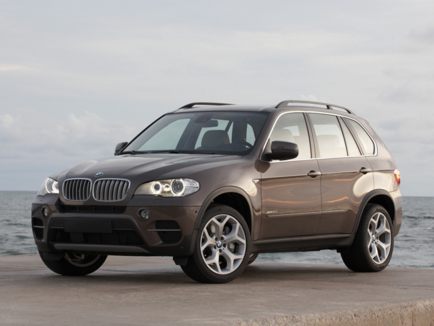
Since arriving for the 2000 model year, the BMW X5 has helped define the luxury performance SUV segment. Unlike many competitors that emphasized off-road capability, the X5 focused on delivering the driving dynamics of a sports sedan while offering the practicality of an SUV. That combination has made it one of BMW's best-selling vehicles for more than two decades.
Well-maintained X5s commonly exceed 200,000 miles, particularly those equipped with BMW's naturally aspirated and newer turbocharged inline-six engines. However, ownership costs and reliability can vary dramatically depending on the generation, engine, and maintenance history. Some versions are among the most dependable luxury SUVs on the used market, while others can become very expensive if neglected.
The good news is that BMW continually improved the X5 throughout its production. Newer engines have become significantly more reliable, electronics have matured, and several generations now offer an excellent balance of luxury, performance, and long-term durability.
This guide covers every BMW X5 sold from 2000 through 2023, including generation-by-generation reliability, common problems, engine comparisons, maintenance costs, expected lifespan, and the best years to buy.
Other BMWs: Also, if you may be looking at other BMW models, visit our BMW Reliability Hub to compare reliability, common problems, and the best years to buy across BMW's most popular cars and SUVs.
What You'll Learn Here
- Which BMW X5 years have the strongest reliability records
- The model years requiring extra inspection
- How each X5 generation compares for long-term ownership
- Which BMW engines are the most dependable
- The most common engine, transmission, suspension, and electronic problems
- Typical maintenance and repair costs
- How long a BMW X5 can realistically last
- Which X5 offers the best value today
Relative Reliability: Also, if you'd like to learn if this model and year ranks among the top used cars, trucks, and SUVs for reliability, be sure to read my Most Reliable Vehicles Guide: Best Models & Years. This comprehensive guide highlights the best years to buy or avoid, common problems, potential maintenance costs, and more, and will likely help you make the right choice to meet your needs.
BMW X5 Reliability at a Glance
- Overall Reliability: Good to Very Good, depending heavily on engine choice and maintenance history.
- Best Used Years: 2004–2006, 2013, 2017–2018, and 2021–2023.
- Years Requiring Extra Inspection: 2000–2003, 2007–2010, 2014–2016, and some early 2019 models.
- Most Reliable Gasoline Engine: 3.0-liter turbocharged inline-six (B58).
- Best Older Engine: 3.0-liter inline-six (M54).
- Best Diesel: 3.0-liter turbocharged diesel inline-six (M57).
- Typical Lifespan: 200,000–300,000 miles.
- Ownership Costs: Higher than average but reasonable when preventative maintenance is performed.
- Overall Buying Recommendation: Highly recommended with the right engine and complete maintenance records.
Buyer Tip: When buying a used X5, service history is usually more important than mileage. A properly maintained 150,000-mile example is often a better purchase than a neglected SUV showing only 80,000 miles.
Possibly Buying Soon? Avoid These Dealer Traps
Before you sign, learn:
- What you don't know about dealer trade-in offers could cost you - Which dealer fees you must pay, can negotiate, or should avoid - How to avoid giving the dealer the upper hand on a used car price - How to avoid overpaying for a new car
BMW X5 Generations at a Glance
First Generation (2000–2006)
- Excellent driving dynamics.
- Simple electronics compared to newer models.
- Very dependable inline-six engines.
- Higher maintenance needs as these vehicles age.
Second Generation (2007–2013)
- Larger, more luxurious interior.
- Improved safety and technology.
- Introduction of turbocharged engines.
- Some V8 reliability concerns.
Third Generation (2014–2018)
- Lighter chassis.
- Improved fuel economy.
- Excellent B58 engine introduced later in production.
- More sophisticated electronics.
Fourth Generation (2019–2023)
- Outstanding refinement.
- Excellent B58-powered models.
- Improved driver assistance technology.
- Among BMW's most reliable modern SUVs.
Bottom Line: The X5 has become increasingly dependable over time. While certain engines deserve closer inspection, the right combination of model year and powertrain can provide years of enjoyable ownership.
First-Generation BMW X5 Reliability (2000–2006)

The original X5 introduced BMW's "Sports Activity Vehicle" concept and immediately stood apart from traditional SUVs. Rather than emphasizing rugged off-road capability, it delivered handling that felt remarkably similar to BMW's sport sedans while still providing all-weather capability and generous cargo space.
Today, the first generation remains surprisingly desirable among enthusiasts because of its relatively simple mechanical design and excellent steering feel. While age-related repairs are inevitable, many examples continue serving as dependable daily drivers more than twenty years after leaving the factory.
Reliability Overview
Overall reliability is good to very good. The naturally aspirated inline-six models have proven exceptionally durable, while V8-powered versions require more attention as they age. Cooling system components eventually become routine maintenance items, but catastrophic engine failures are relatively uncommon on properly maintained six-cylinder models.
Because every first-generation X5 is now at least twenty years old, age-related wear often matters more than original design flaws.
Generation at a Glance
- Overall Reliability: Very Good
- Best Years: 2004–2006
- Best Engine: 3.0-liter inline-six (M54)
- Watch For: Cooling system components, oil leaks, suspension wear, window regulators.
- Expected Lifespan: 250,000–300,000 miles.
2000–2003 Models
The earliest X5s established the model's excellent reputation for driving enjoyment. Six-cylinder models are generally dependable, while early V8s offer strong performance but significantly higher maintenance costs.
Buyers should pay particular attention to cooling system service history, as radiators, expansion tanks, water pumps, and thermostats typically require replacement over time.
Buyer Tip: An X5 with documented cooling-system replacement is often worth paying more for than one with lower mileage but no maintenance history.
2004–2006 Models
BMW refined the X5 during the later years of the generation, improving electronics, interior quality, and drivetrain calibration. These remain our favorite first-generation models because they combine the dependable M54 inline-six with several years of production improvements.
Clean, well-maintained examples have become increasingly sought after by enthusiasts who appreciate BMW's simpler engineering before electronics became substantially more complex.
Bottom Line: A 2004–2006 X5 3.0i remains one of the smartest ways to experience BMW ownership on a reasonable budget.
Common Problems (2000–2006)
Cooling System Components
Expansion tanks, radiators, thermostats, hoses, and water pumps eventually require replacement on nearly every high-mileage example.
Valve Cover and Oil Filter Housing Gaskets
Oil leaks become common with age but are generally straightforward repairs.
Window Regulators
Power window mechanisms occasionally fail and are considered normal age-related repairs.
Front Suspension Wear
Control arms, bushings, and ball joints wear over time, particularly on vehicles driven over rough roads.
Cooling Fan and Expansion Tank Failures
Ignoring cooling system maintenance can lead to overheating and significantly more expensive repairs.
Buyer Tip: A thorough pre-purchase inspection by an independent BMW specialist is one of the best investments you can make when considering any first-generation X5.
Second-Generation BMW X5 Reliability (2007–2013)

The second-generation X5 grew in nearly every dimension. Interior quality improved substantially, safety features expanded, ride comfort increased, and BMW introduced a new range of turbocharged engines that significantly boosted both performance and fuel economy.
However, this generation also became mechanically more complex. While many owners enjoy years of dependable service, engine selection becomes considerably more important than it was on the original X5.
Reliability Overview
Overall reliability ranges from fair to very good depending largely on engine choice. The naturally aspirated six-cylinder remains dependable, the turbocharged inline-six performs well when maintained properly, while certain V8-powered models can become expensive to own as mileage increases.
The later years of this generation remain among the best values available in the used luxury SUV market.
Generation at a Glance
- Overall Reliability: Good to Very Good
- Best Years: 2013
- Best Engine: 3.0-liter turbocharged inline-six (N55)
- Best Diesel: 3.0-liter turbocharged diesel inline-six (M57)
- Watch For: Turbocharger maintenance, oil leaks, high-pressure fuel pumps on early turbo models, V8 timing and oil consumption issues.
- Expected Lifespan: 200,000–300,000 miles.
2007–2010 Models
The early years of the second generation introduced a much more sophisticated X5. Ride quality improved noticeably, the cabin became quieter, and BMW added a wide range of luxury features that helped the X5 compete with the Mercedes-Benz M-Class, Audi Q7, and Porsche Cayenne.
Mechanically, however, buyers need to be selective. The naturally aspirated 3.0-liter inline-six (N52) remains one of the safer choices, while the twin-turbocharged V8 (N63) can become one of the most expensive BMW engines to own if maintenance has been neglected.
Diesel-powered xDrive35d models equipped with the 3.0-liter turbocharged diesel inline-six (M57) have developed an excellent reputation for longevity when emissions equipment has been properly maintained.
Buyer Tip: Unless you specifically want maximum performance, the six-cylinder models generally provide a much better balance of reliability, operating costs, and resale value.
2011–2013 Models
BMW continued refining the X5 throughout the final years of the generation. The introduction of the 3.0-liter turbocharged inline-six (N55) brought stronger performance while simplifying the earlier twin-turbo six-cylinder design.
The N55-powered xDrive35i has become one of the most desirable used X5 models because it combines excellent performance with considerably better long-term reliability than many V8-powered versions.
Meanwhile, the diesel xDrive35d continued earning praise for exceptional fuel economy and the ability to accumulate very high mileage when serviced properly.
Bottom Line: For most buyers shopping this generation, the 2013 xDrive35i with the N55 engine represents the sweet spot.
Common Problems (2007–2013)
Oil Leaks
Valve cover gaskets, oil filter housing gaskets, and oil pan gaskets commonly develop leaks as mileage increases. These repairs are expected rather than unusual on aging BMW engines.
Cooling System Components
Electric water pumps and thermostats eventually require replacement on many six-cylinder models. Fortunately, proactive replacement helps prevent overheating.
High-Pressure Fuel Pump
Some early turbocharged gasoline engines experienced high-pressure fuel pump failures. Many were replaced under warranty, but buyers should verify service history.
Twin-Turbocharged 4.4-Liter V8 (N63)
The N63 V8 delivers outstanding performance but has become known for oil consumption, timing chain wear, valve stem seal failures, cooling system repairs, and expensive maintenance. These models can become rewarding enthusiast vehicles, but ownership costs are substantially higher than six-cylinder versions.
Air Suspension
Many X5s equipped with rear air suspension eventually require replacement air springs or compressors. These repairs become more common after ten years of service.
Buyer Tip: A complete maintenance history is especially valuable on V8-powered X5s. Evidence of preventative maintenance can significantly reduce future ownership costs.
Third-Generation BMW X5 Reliability (2014–2018)
The third-generation X5 represented another major step forward. Weight decreased despite additional technology, fuel economy improved, and BMW introduced one of its finest modern engines during the production run: the B58 turbocharged inline-six.
The chassis remained engaging to drive while becoming more comfortable for long-distance travel. Interior quality also improved noticeably, making these models feel surprisingly modern today.
Reliability Overview
Overall reliability ranges from good to excellent depending on engine selection. The later years of this generation are among the best X5s BMW has ever produced, particularly those powered by the B58 inline-six.
Maintenance remains more expensive than mainstream SUVs, but catastrophic failures are considerably less common than on several earlier BMW models.
Generation at a Glance
- Overall Reliability: Very Good
- Best Years: 2017–2018
- Best Engine: 3.0-liter turbocharged inline-six (B58)
- Best Value: 2017 xDrive40i
- Watch For: Air suspension, cooling system components, timing chain concerns on four-cylinder models, electronic accessories.
- Expected Lifespan: 250,000–300,000 miles.
2014–2016 Models
The early third-generation X5 immediately impressed reviewers with its refined ride, reduced weight, and excellent balance between luxury and performance.
Most six-cylinder models remain dependable, although buyers should understand that four-cylinder versions equipped with the 2.0-liter turbocharged engine have experienced timing chain concerns that make them less desirable than the inline-six models.
Electronic systems became considerably more sophisticated during this generation, making routine software updates increasingly important.
Buyer Tip: If your budget allows, prioritize the six-cylinder models. The additional purchase price is often offset by stronger resale value and better long-term reliability.
2017–2018 Models
These final years introduced BMW's outstanding 3.0-liter turbocharged inline-six (B58), an engine widely regarded as one of the company's finest modern powerplants.
The B58 combines excellent performance, smooth operation, and a reliability record that has quickly become one of the strongest among modern luxury SUV engines.
Combined with several years of production refinement, these models rank among our top overall recommendations.
Bottom Line: The 2017–2018 X5 xDrive40i is one of the best used luxury SUVs currently available.
Common Problems (2014–2018)
Air Suspension Components
Rear air springs and compressors eventually require replacement on some vehicles, particularly those driven in harsh climates.
Electronic Accessories
Navigation systems, backup cameras, and infotainment electronics occasionally require software updates or component replacement.
Timing Chain Concerns
Some four-cylinder engines have experienced premature timing chain wear. Buyers seeking maximum reliability should generally favor the six-cylinder engines.
Cooling System Components
Electric water pumps and thermostats remain wear items, although overall reliability has improved compared to earlier generations.
Buyer Tip: A pre-purchase inspection that includes a diagnostic scan can identify expensive electronic faults before purchase.
Fourth-Generation BMW X5 Reliability (2019–2023)
The fourth-generation X5 represents BMW's most refined luxury SUV to date. Ride quality, interior craftsmanship, technology, and drivetrain refinement all improved substantially while preserving the athletic driving character that has always distinguished the X5 from its competitors.
These models have also benefited from many years of BMW engineering experience with turbocharged engines, resulting in some of the most dependable modern BMWs ever built.
Reliability Overview
Overall reliability is very good to excellent. Six-cylinder models powered by the B58 engine continue establishing an outstanding reputation for durability, while the latest electronics have proven more dependable than many earlier BMW systems.
Generation at a Glance
- Overall Reliability: Excellent
- Best Years: 2021–2023
- Best Engine: 3.0-liter turbocharged inline-six (B58)
- Best Performance Model: X5 M50i with proper maintenance
- Watch For: Early software updates and routine luxury vehicle maintenance.
- Expected Lifespan: 250,000–300,000+ miles.
BMW X5 Reliability by Engine
More than almost any other luxury SUV, long-term X5 reliability depends on the engine under the hood. BMW has offered everything from naturally aspirated inline-six engines to turbocharged diesels and high-performance twin-turbo V8s. Some have earned excellent reputations, while others require significantly larger maintenance budgets.
If you're shopping for a used X5, choosing the right engine is often more important than choosing the right model year.
3.0-Liter Inline-Six (M54)
Used In: 2000–2006 X5 3.0i
The M54 is widely regarded as one of BMW's greatest engines. It produces smooth power, responds well to regular maintenance, and routinely exceeds 250,000 miles with proper care.
Most repairs involve normal wear items rather than major design flaws.
- Excellent long-term durability
- Simple mechanical design
- Relatively inexpensive repairs by BMW standards
- Outstanding parts availability
Reliability Rating: Excellent
3.0-Liter Inline-Six (N52)
Used In: 2007–2010 xDrive30i
The naturally aspirated N52 continued BMW's tradition of dependable inline-six engines while incorporating lightweight magnesium construction and improved efficiency.
Although electric water pumps and oil leaks become common with age, the engine itself is capable of very high mileage.
- Strong overall durability
- Smooth operation
- Moderate maintenance costs
- Cooling system maintenance becomes important after 100,000 miles
Reliability Rating: Very Good
3.0-Liter Turbocharged Inline-Six (N55)
Used In: 2011–2018 xDrive35i
The N55 simplified BMW's earlier twin-turbo six-cylinder design by using a single twin-scroll turbocharger. The result was improved reliability without sacrificing performance.
Routine maintenance remains important, but the N55 has developed an excellent reputation among BMW enthusiasts.
- Excellent balance of performance and reliability
- Generally dependable turbocharger
- Oil leaks remain common with age
- Cooling system maintenance still required
Reliability Rating: Very Good
3.0-Liter Turbocharged Inline-Six (B58)
Used In: 2017–2023 xDrive40i
The B58 is considered one of BMW's finest modern engines. It combines outstanding performance with a reliability record that has impressed both owners and independent repair specialists.
While no modern turbocharged engine is inexpensive to maintain, the B58 has avoided many of the widespread issues associated with earlier BMW powerplants.
- Outstanding long-term reliability
- Strong power and fuel economy
- Excellent engineering improvements
- One of the best modern BMW engines ever built
Reliability Rating: Excellent
Buyer Tip: If your budget allows, prioritize an X5 equipped with the B58. It represents the best combination of performance, refinement, and long-term ownership costs.
4.4-Liter V8 (N62)
Used In: 2004–2010 X5 4.4i and 4.8i
The naturally aspirated N62 delivers effortless power and an excellent exhaust note, but it also introduced significantly higher maintenance costs than BMW's six-cylinder engines.
Oil leaks, cooling system repairs, valve stem seal issues, and other age-related repairs become increasingly common as mileage rises.
- Excellent performance
- Higher ownership costs
- Numerous age-related repairs
- Not ideal for buyers seeking low operating costs
Reliability Rating: Fair
4.4-Liter Twin-Turbocharged V8 (N63)
Used In: 2011–2023 xDrive50i and M50i
The N63 delivers exceptional acceleration, but it has also become one of BMW's most controversial engines. Early versions experienced numerous reliability concerns, including oil consumption, timing chain wear, injector failures, cooling system problems, and valve stem seal issues.
BMW introduced multiple updates over the years, and later versions are considerably improved, but maintenance costs remain substantially higher than six-cylinder models.
- Outstanding performance
- High maintenance costs
- Complex turbocharged design
- Requires meticulous maintenance history
Reliability Rating: Fair to Good (depending on model year)
3.0-Liter Turbocharged Diesel Inline-Six (M57)
Used In: 2009–2013 xDrive35d
The M57 diesel has earned one of the strongest reputations in the X5 lineup. When emissions equipment is maintained correctly, these engines routinely accumulate extremely high mileage while delivering excellent fuel economy.
- Excellent longevity
- Outstanding highway fuel economy
- Very strong low-speed torque
- Emissions equipment can become expensive with age
Reliability Rating: Excellent
Best BMW X5 Engines
| If You Want... | Our Recommendation |
|---|---|
| Maximum reliability | 3.0-liter turbocharged inline-six (B58) |
| Best older X5 | 3.0-liter inline-six (M54) |
| Best value | 3.0-liter turbocharged inline-six (N55) |
| Highest fuel economy | 3.0-liter turbocharged diesel inline-six (M57) |
| Highest performance | 4.4-liter twin-turbocharged V8 (N63) |
Bottom Line: For most buyers, the six-cylinder engines are the clear winners. They provide nearly all the performance most owners want while dramatically reducing long-term ownership costs compared with the V8 models.
xDrive Reliability
BMW's xDrive all-wheel-drive system has proven to be one of the company's most dependable mechanical systems. Unlike some competing luxury SUVs, catastrophic transfer case failures are relatively uncommon when fluid changes are performed periodically.
The system continuously adjusts torque distribution between the front and rear axles, improving traction without requiring driver input.
Common xDrive Issues
- Transfer case fluid that has never been changed.
- Worn front driveshafts on high-mileage vehicles.
- Occasional transfer case actuator failures.
- Uneven tire wear causing drivetrain stress.
Buyer Tip: Always replace all four tires as a matching set. Significant differences in tire circumference can shorten transfer case life.
Transmission Reliability
Most X5 models use ZF automatic transmissions that are widely respected throughout the automotive industry. Despite BMW's original "lifetime fluid" recommendation, transmission specialists overwhelmingly recommend fluid and filter changes approximately every 60,000 to 80,000 miles.
With regular maintenance, these transmissions commonly exceed 200,000 miles before requiring major repairs.
Watch For
- Delayed engagement when shifting into Drive or Reverse.
- Harsh or erratic shifting.
- Transmission warning lights.
- Evidence that fluid has never been serviced.
Bottom Line: The transmission itself is usually not the weak link. Neglected maintenance is a much more common cause of expensive transmission repairs.
Air Suspension Reliability
Many X5 models use rear air suspension or optional adaptive air suspension to improve ride quality and load-leveling capability. These systems generally perform well but become more expensive to maintain as vehicles age.
Most air suspension repairs occur well after 100,000 miles and should be viewed as normal wear rather than design defects.
Common Air Suspension Problems
- Leaking air springs.
- Air compressor wear.
- Ride-height sensor failures.
- Slow overnight suspension sag.
While repairs are more expensive than conventional coil springs, replacement components are widely available, and many independent BMW specialists perform these repairs at substantially lower cost than dealerships.
Maintenance & Repair Cost Outlook
Owning a BMW X5 will almost always cost more than owning a comparable Toyota Highlander or Honda Pilot, but that doesn't mean every X5 is expensive to own. The largest factor is choosing the right engine and purchasing a vehicle with documented maintenance.
The inline-six models have proven to be considerably less expensive over the long term than the V8-powered versions. Buyers who budget for preventative maintenance rather than waiting for breakdowns generally enjoy much lower ownership costs.
| Generation | Typical Annual Maintenance |
|---|---|
| 2000–2006 | $900–$1,600 |
| 2007–2013 | $1,000–$2,000 |
| 2014–2018 | $900–$1,800 |
| 2019–2023 | $700–$1,400 |
Buyer Tip: Spending a little more for a well-maintained X5 almost always saves money over purchasing the cheapest example available.
Typical Maintenance After 100,000 Miles
Most X5s become more expensive to maintain after reaching six-figure mileage, but many of these repairs are predictable wear items rather than unexpected failures.
- Cooling system components
- Suspension bushings and control arms
- Shock absorbers or air suspension components
- Valve cover and oil filter housing gaskets
- Transmission fluid and filter service
- Spark plugs and ignition coils (gasoline engines)
- Battery replacement
- Drive belts and pulleys
Properly maintained examples commonly provide another 100,000 miles or more after these services are completed.
How Long Does a BMW X5 Last?
The BMW X5 is capable of an exceptionally long service life when maintained properly. While luxury SUVs generally cost more to maintain than mainstream vehicles, the X5 rewards attentive owners with impressive longevity.
| Engine | Typical Lifespan |
|---|---|
| 3.0-liter inline-six (M54) | 250,000–300,000+ miles |
| 3.0-liter inline-six (N52) | 220,000–280,000 miles |
| 3.0-liter turbocharged inline-six (N55) | 220,000–300,000 miles |
| 3.0-liter turbocharged inline-six (B58) | 250,000–300,000+ miles |
| 3.0-liter turbocharged diesel (M57) | 300,000+ miles |
| 4.4-liter V8 models | 180,000–250,000 miles |
Bottom Line: Six-cylinder X5s consistently outlast their V8 counterparts while requiring significantly less maintenance.
BMW X5 Years to Avoid
No BMW X5 should automatically be dismissed based solely on model year. However, several years deserve closer inspection because of specific engines or early-production issues.
| Model Year(s) | Reason |
|---|---|
| 2000–2003 | Oldest vehicles with age-related wear and deferred maintenance. |
| 2007–2010 V8 | Higher ownership costs and additional engine complexity. |
| 2011–2013 N63 V8 | Oil consumption and timing-related concerns. |
| 2014–2016 four-cylinder models | Timing chain concerns make the six-cylinder a better choice. |
| Early 2019 production | Minor first-year software updates and production refinements. |
These recommendations do not mean every example is problematic. Excellent maintenance history often matters more than the model year itself.
Best BMW X5 Years to Buy
| If You Want... | Our Recommendation |
|---|---|
| Best overall reliability | 2021–2023 xDrive40i |
| Best value | 2017–2018 xDrive40i |
| Best budget purchase | 2004–2006 X5 3.0i |
| Best diesel | 2009–2013 xDrive35d |
| Lowest ownership costs | 2004–2006 or 2017–2018 six-cylinder models |
Buyer Tip: If you can comfortably afford one, a 2021–2023 xDrive40i equipped with the B58 engine is arguably the best used BMW SUV currently available.
BMW X5 vs. the Competition
The X5 competes against several outstanding luxury SUVs. While all have strengths, BMW's inline-six models provide one of the best balances of performance, refinement, and long-term dependability.
| Vehicle | Overall Reliability |
|---|---|
| BMW X5 | Very Good (six-cylinder models) |
| Lexus RX | Excellent |
| Acura MDX | Very Good |
| Audi Q7 | Good |
| Mercedes-Benz GLE | Good |
| Volvo XC90 | Average to Good |
Buyer Tip: If maximum reliability is your only goal, the Lexus RX is difficult to beat. If you want one of the most enjoyable luxury SUVs to drive while still offering solid long-term dependability, the X5 is one of the strongest choices available.
Buying a Used BMW X5: What Matters Most?
Maintenance history should always take priority over mileage. A well-maintained X5 with 140,000 miles is often a much better purchase than a neglected example showing only 75,000 miles.
Whenever possible:
- Choose one of the recommended six-cylinder engines.
- Review complete maintenance records.
- Purchase a vehicle that has received regular oil changes.
- Look for evidence of cooling system maintenance.
- Confirm transmission service history.
- Have the vehicle inspected by an independent BMW specialist before purchasing.
- Compare several examples before making a final decision.
Buyer Tip: The purchase price is only the beginning. Buying the best-maintained X5 you can find usually produces the lowest overall ownership cost.
Frequently Asked Questions
Is the BMW X5 Reliable?
Yes—provided you choose the right engine and buy a well-maintained example. Six-cylinder X5 models, particularly those powered by the 3.0-liter turbocharged inline-six (B58), have earned an excellent reputation for long-term reliability. Earlier naturally aspirated six-cylinder models are also capable of exceptionally high mileage with regular maintenance.
Which BMW X5 Engine Is the Most Reliable?
Our top recommendation is the 3.0-liter turbocharged inline-six (B58) found in 2017–2023 xDrive40i models. It combines outstanding performance, smooth operation, and one of the strongest reliability records of any modern BMW engine.
Among older X5s, the 3.0-liter inline-six (M54) used from 2000–2006 remains one of BMW's most dependable engines ever built.
Which BMW X5 Years Should I Avoid?
No model year should automatically be avoided, but buyers should perform additional research before purchasing early V8-powered models, four-cylinder versions from 2014–2016, and the earliest fourth-generation (2019) vehicles. In nearly every case, maintenance history is more important than the model year alone.
Can a BMW X5 Last 300,000 Miles?
Yes. Many X5s equipped with BMW's inline-six engines have exceeded 300,000 miles. Achieving that kind of longevity requires regular oil changes, cooling system maintenance, transmission servicing, and prompt attention to minor repairs before they become major ones.
Is the BMW X5 Expensive to Maintain?
Maintenance costs are higher than those of mainstream SUVs like the Honda Pilot or Toyota Highlander, but they are generally manageable if preventative maintenance is performed. Buyers who wait until problems become severe often face significantly larger repair bills.
Is the BMW X5 Better Than the Audi Q7?
Both are excellent luxury SUVs, but they appeal to different buyers. The X5 offers sharper handling and a more engaging driving experience, while the Audi Q7 emphasizes ride comfort and a spacious three-row interior. From a long-term ownership standpoint, we generally give the edge to six-cylinder X5 models.
Should I Buy an X5 With Over 100,000 Miles?
Absolutely—if it has been properly maintained. A high-mileage X5 with complete service records is usually a safer purchase than a lower-mileage example that has been neglected. Always have any used BMW inspected by an independent BMW specialist before completing the purchase.
Is the BMW X5 a Good Used Luxury SUV?
Yes. The X5 remains one of our favorite used luxury SUVs because it combines premium comfort, strong performance, excellent safety, and surprisingly good long-term reliability when equipped with the right engine. Models powered by BMW's inline-six engines consistently offer the best ownership experience.
Bottom Line: If you focus on the recommended model years, choose one of BMW's dependable inline-six engines, and verify complete maintenance records, a used BMW X5 can be one of the most rewarding luxury SUVs to own.
Final Verdict
The BMW X5 has earned its place as one of the benchmark luxury SUVs over the past two decades. While some engines have proven considerably better than others, the overall reliability trend has steadily improved with each generation.
Our favorite older model remains the 2004–2006 X5 3.0i, while the 2017–2018 xDrive40i offers the best combination of price, performance, and dependability. Buyers seeking the very best should focus on the 2021–2023 xDrive40i, whose B58 engine has quickly established itself as one of BMW's finest modern powerplants.
If you choose the right engine, verify maintenance history, and budget for preventative maintenance, a BMW X5 can realistically provide 250,000 miles or more of enjoyable ownership.
Overall Recommendation: Highly Recommended — especially six-cylinder models with complete maintenance records.