

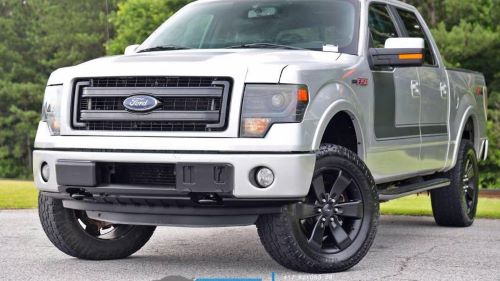
The Ford F-150 has been America's best-selling pickup truck for decades, and for good reason. It offers an enormous range of engines, cab configurations, towing capacities, and trim levels that allow it to serve as everything from a basic work truck to a luxury family vehicle. That popularity also means there are millions of used F-150s on the market, giving buyers plenty of choices across a wide range of budgets.
However, not every F-150 is created equal. Some model years have earned an outstanding reputation for durability, while others are known for expensive engine problems, transmission issues, or electronic glitches that can quickly turn a bargain into a costly mistake. Choosing the right engine is often just as important as choosing the right model year.
In this guide we'll examine every F-150 generation from 2004 through 2023, compare the major engines, discuss the most common problems, identify the best and worst years, estimate maintenance costs and expected lifespan, and explain what to inspect before buying a used Ford F-150.
What You'll Learn
- Which Ford F-150 model years have the strongest reliability records.
- Which engines have proven to be the most dependable.
- The most common mechanical and electronic problems by generation.
- Typical maintenance and repair costs.
- Which years deserve extra inspection before buying.
- How long a well-maintained F-150 can realistically last.
- Which used F-150 offers the best overall value today.
However, if you're also considering a new F-150, you may want to come back to this and take a look at a handy technique that locates the dealer most ready to make concessions.
Ford F-150 Reliability Overview
Overall, the 2004–2023 Ford F-150 earns an above-average reliability rating, but there is more variation between engines than many competing full-size pickups. A well-maintained truck equipped with one of Ford's better engines can often exceed 250,000 miles with relatively few major repairs. On the other hand, some engine and transmission combinations have developed reputations for expensive failures that buyers should understand before making a purchase.
The biggest reliability dividing line isn't between generations—it's between powertrains. The naturally aspirated 4.6-liter Modular V8, 5.0-liter Coyote V8, 6.2-liter SOHC V8, and newer 2.7-liter EcoBoost V6 have generally established excellent long-term reputations. Meanwhile, the 5.4-liter Triton 3-valve V8, early 3.5-liter EcoBoost V6, and some early ten-speed automatic transmission applications require more careful evaluation.
Ford also improved corrosion protection, frame durability, electronics, interior quality, fuel economy, and towing technology throughout these two decades. By the early 2020s, the F-150 had become not only more capable but generally more refined and dependable than many earlier models.
Buyers willing to prioritize maintenance history over mileage often find better long-term ownership experiences than those simply chasing the newest or lowest-mileage truck available. A properly maintained 180,000-mile F-150 with complete service records is frequently a better purchase than a neglected 100,000-mile example.
Reliability At A Glance
- Overall Reliability: Above average, with significant differences between engines.
- Best Used Years: 2009–2010, 2015–2017 (5.0L V8), 2018–2020 (2.7L EcoBoost), 2021–2023.
- Years Worth Extra Inspection: 2004–2008 (5.4L 3-valve), 2011–2014 (early EcoBoost), some 2018–2020 ten-speed transmission applications.
- Most Reliable Engines: 4.6-liter Modular V8, 5.0-liter Coyote V8, 6.2-liter SOHC V8, 2.7-liter EcoBoost V6.
- Typical Lifespan: 250,000–350,000 miles with proper maintenance.
- Typical Annual Maintenance Cost: Approximately $800–$1,200, depending on age and usage.
Buyer Tip: When shopping for a used F-150, engine choice usually has a greater impact on long-term ownership costs than trim level or options. Start by selecting the right powertrain, then look for the best-maintained truck equipped with that engine.
Reliability By Generation
Eleventh Generation (2004–2008)
Generation At A Glance
- Overall Reliability: Average to Above Average.
- Best Years: 2007–2008.
- Engines: 4.2-liter V6, 4.6-liter Modular V8, 5.4-liter Triton V8.
- Transmissions: Four-speed automatic (early), four-speed automatic with updates.
- What To Watch For: Spark plug issues, timing chain and cam phaser failures on 5.4-liter engines, rust in northern climates.
The 2004 redesign represented one of the biggest changes in F-150 history. The fully boxed frame improved rigidity, crash safety, towing performance, and ride quality, while the interior became significantly more comfortable than previous generations. These trucks still feel surprisingly modern today.
Unfortunately, this generation also introduced one of Ford's most infamous truck engines: the 5.4-liter Triton 3-valve V8. While many examples have accumulated impressive mileage, enough have suffered cam phaser, timing chain, oil pressure, and spark plug problems that buyers should approach them with caution unless excellent maintenance documentation is available.
The 4.6-liter Modular V8, by comparison, developed one of the strongest reputations of any gasoline F-150 engine. It doesn't produce the same towing performance as the larger V8, but it routinely delivers excellent long-term durability with relatively modest repair costs.
Rust is another important consideration. Trucks from northern states should receive careful inspections of the frame, rocker panels, cab corners, brake lines, suspension mounting points, and pickup bed supports before purchase.
Strengths
- Durable fully boxed frame.
- Comfortable ride quality.
- Simple, proven electronics.
- Excellent long-term durability with the 4.6-liter V8.
- Widely available replacement parts.
- Generally affordable purchase prices today.
Common Problems
- Cam phaser failures on the 5.4-liter Triton V8.
- Timing chain wear on some 5.4-liter engines.
- Spark plug removal difficulties.
- Exhaust manifold bolt failures.
- Rust in northern climates.
- Window regulator failures.
Buyer Tip: If you're considering an 11th-generation F-150, the engine matters far more than the model year. A clean truck equipped with the 4.6-liter V8 is often a safer long-term purchase than a newer truck powered by a neglected 5.4-liter Triton.
Twelfth Generation (2009–2014)
Generation At A Glance
- Overall Reliability: Above Average.
- Best Years: 2009–2010 and 2013–2014.
- Engines: 4.6-liter Modular V8, 5.4-liter Triton V8, 3.7-liter Duratec V6, 5.0-liter Coyote V8, 3.5-liter EcoBoost V6, 6.2-liter SOHC V8.
- Transmissions: Six-speed automatic.
- What To Watch For: Early EcoBoost timing chain stretch and carbon buildup, remaining 5.4-liter issues, turbo maintenance history.
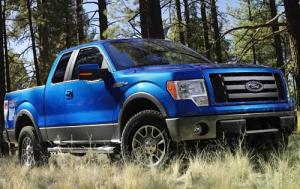
The 2009 redesign substantially improved refinement, ride quality, towing capability, and interior quality. Ford also expanded the engine lineup dramatically over the next several years, giving buyers everything from economical V6 models to powerful V8s and eventually the revolutionary EcoBoost turbocharged engines.
This generation marks an important turning point in F-150 history because buyers suddenly had excellent engine choices alongside several that require much more careful evaluation. Understanding those differences is the key to buying one of these trucks successfully.
The 2009–2010 models represent the final years of the long-running Modular V8 family before Ford introduced an entirely new generation of engines. Buyers looking for proven simplicity often seek out these trucks because they combine a mature platform with relatively straightforward mechanical systems.
For 2011, Ford completely transformed the F-150 powertrain lineup. The aging 4.6-liter Modular V8 and 5.4-liter Triton V8 were replaced by the new 5.0-liter Coyote V8, 3.7-liter Duratec V6, 3.5-liter EcoBoost V6, and optional 6.2-liter SOHC V8. These engines dramatically improved horsepower, fuel economy, and towing performance while introducing new technologies such as direct injection and turbocharging.
The biggest success story proved to be the 5.0-liter Coyote V8. It quickly earned a reputation as one of Ford's best truck engines thanks to its strong performance, relatively simple naturally aspirated design, and excellent long-term durability. Many owners have accumulated well over 250,000 miles with routine maintenance.
The first-generation 3.5-liter EcoBoost V6 changed opinions about turbocharged truck engines almost overnight. It produced V8-like torque and excellent towing capability while delivering better fuel economy for many drivers. However, early examples also experienced timing chain stretch, condensation-related intercooler issues, carbon buildup on intake valves, and occasional turbocharger problems. Many of these issues were addressed over time, but maintenance history is especially important when buying one today.
The 6.2-liter SOHC V8 was offered primarily in higher trim levels and towing-oriented configurations. Although fuel economy suffers, it has established an excellent reputation for durability and remains one of the most desirable engines for buyers who regularly tow heavy trailers.
Strengths
- Excellent six-speed automatic transmission.
- Outstanding 5.0-liter Coyote V8 reliability.
- Strong towing capability across the lineup.
- Improved ride quality and interior refinement.
- Excellent parts availability.
- Wide selection of configurations on the used market.
Common Problems
- Timing chain stretch on early 3.5-liter EcoBoost engines.
- Carbon buildup on direct-injected EcoBoost engines.
- Intercooler condensation under certain conditions.
- Remaining 5.4-liter Triton cam phaser issues (2009–2010).
- Electric power steering faults on some trucks.
- Door lock actuator failures.
Buyer Tip: If your budget allows, a well-maintained 2013–2014 F-150 with the 5.0-liter Coyote V8 is one of the safest used truck purchases in this entire guide, combining modern capability with an excellent reliability record.
Thirteenth Generation (2015–2020)
Generation At A Glance
- Overall Reliability: Above Average to Excellent.
- Best Years: 2017, 2019–2020.
- Engines: 3.5-liter EcoBoost V6, 2.7-liter EcoBoost V6, 5.0-liter Coyote V8, 3.3-liter V6, 3.0-liter Power Stroke diesel.
- Transmissions: Six-speed automatic (2015–2017), ten-speed automatic (2017–2020).
- What To Watch For: Ten-speed transmission calibration, oil consumption on some 5.0-liter V8s, cam phasers on certain EcoBoost engines.
The 2015 F-150 was arguably the most revolutionary truck Ford had produced in decades. The adoption of an aluminum-alloy body reduced weight by hundreds of pounds while improving fuel economy, acceleration, braking, towing capability, and resistance to rust. Initially, many buyers questioned aluminum durability, but years of real-world experience have largely validated Ford's decision.
Ford also continued refining its EcoBoost engines during this generation. The second-generation 3.5-liter EcoBoost became both more powerful and generally more dependable than earlier versions, although some engines later developed revised cam phaser concerns. The smaller 2.7-liter EcoBoost quietly became one of the stars of the lineup, combining excellent fuel economy with surprisingly impressive durability.
The naturally aspirated 5.0-liter Coyote V8 remained a favorite among buyers who preferred traditional V8 ownership. Most examples have proven highly reliable, although certain 2018 and later trucks developed higher-than-normal oil consumption that Ford addressed through service updates.
Beginning in late 2017, Ford introduced the ten-speed automatic transmission developed jointly with General Motors. When operating properly, it provides excellent performance and fuel economy. However, some owners have reported harsh shifting, hesitation, gear hunting, or software-related drivability concerns that often require updated programming rather than complete transmission replacement.
The optional 3.0-liter Power Stroke diesel offers outstanding highway fuel economy and excellent towing characteristics, but ownership costs tend to be higher than gasoline models due to emissions equipment and diesel-specific maintenance requirements.
Strengths
- Excellent corrosion resistance from the aluminum body.
- Outstanding towing and payload capability.
- Refined ride quality.
- Excellent 2.7-liter EcoBoost reliability.
- Strong resale value.
- Modern safety and technology features.
Common Problems
- Cam phaser noise on some 3.5-liter EcoBoost engines.
- Ten-speed automatic shift quality concerns.
- Oil consumption on certain 5.0-liter V8 engines.
- Electronic throttle body issues.
- Occasional sunroof and panoramic roof leaks.
- Door latch recalls on some model years.
Buyer Tip: Don't automatically avoid every truck equipped with the ten-speed automatic. Many transmission complaints were corrected through software updates, so documented dealer service history can be far more important than the transmission itself.
Fourteenth Generation (2021–2023)
Generation At A Glance
- Overall Reliability: Excellent.
- Best Years: 2022–2023.
- Engines: 3.3-liter V6, 2.7-liter EcoBoost V6, 5.0-liter Coyote V8, 3.5-liter EcoBoost V6, 3.5-liter PowerBoost Hybrid, Raptor high-output EcoBoost.
- Transmissions: Ten-speed automatic.
- What To Watch For: Software updates, hybrid electrical components, remaining cam phaser repairs on some EcoBoost engines.
Although this generation looks similar to its predecessor, Ford made substantial improvements beneath the sheet metal. Interior quality increased dramatically, towing technology became more sophisticated, and new features such as Pro Power Onboard transformed the F-150 into a mobile generator for contractors, campers, and homeowners.
The biggest mechanical addition was the 3.5-liter PowerBoost hybrid. Combining a twin-turbocharged V6 with an electric motor, it delivers exceptional torque, impressive towing capability, and surprisingly good fuel economy for a full-size pickup. Early ownership data has been encouraging, although long-term durability is still being established because these trucks are relatively new.
The proven 2.7-liter EcoBoost, 5.0-liter Coyote V8, and updated 3.5-liter EcoBoost continue to form one of the strongest engine lineups in the segment. By this point, Ford had refined many of the issues seen in earlier years, resulting in one of the most dependable F-150 generations overall.
Strengths
- Excellent overall reliability.
- Outstanding engine lineup.
- Improved interior quality.
- Excellent towing technology.
- Advanced driver assistance systems.
- Very strong resale values.
Common Problems
- Occasional software glitches requiring updates.
- Minor infotainment issues.
- Limited hybrid repair network in some areas.
- Isolated electronic sensor failures.
Buyer Tip: If your budget allows, the 2022–2023 F-150 represents one of the best combinations of capability, refinement, and reliability Ford has produced to date.
How The F-150 Improved Over Time
| Generation | Major Improvements |
|---|---|
| 2004–2008 | Fully boxed frame, improved ride, significantly better interior. |
| 2009–2014 | Six-speed automatic, introduction of EcoBoost engines, Coyote V8, improved towing. |
| 2015–2020 | Aluminum body, major weight reduction, better fuel economy, more advanced technology. |
| 2021–2023 | PowerBoost hybrid, improved interior, advanced towing systems, Pro Power Onboard. |
Reliability By Engine
Unlike many vehicles where choosing the right model year is the biggest decision, the Ford F-150 requires buyers to pay just as much attention to the engine. Several engines have become legendary for their durability, while others require more careful evaluation because of known design issues or higher maintenance costs.
4.6-liter Modular V8
The 4.6-liter Modular V8 is one of the most dependable gasoline engines ever offered in the F-150. While it lacks the towing power of larger engines, it is mechanically simple, relatively inexpensive to maintain, and commonly exceeds 250,000 miles with routine service.
- Reliability: Excellent.
- Strengths: Proven durability, lower repair costs, long service life.
- Watch For: Age-related cooling system and ignition component wear.
- Recommendation: One of the safest choices for budget-minded buyers.
5.4-liter Triton V8 (2-Valve)
The earlier two-valve version of the Triton generally proved more dependable than the later three-valve design. While not completely trouble-free, it avoids many of the cam phaser and timing chain problems that affected later versions.
5.4-liter Triton V8 (3-Valve)
The 5.4-liter Triton 3-valve V8 remains one of the most controversial engines Ford has produced. Many owners have accumulated well over 200,000 miles without major failures, while others have experienced expensive timing system repairs long before that point. Regular oil changes and prompt attention to engine noise appear to have a significant impact on longevity.
- Reliability: Average.
- Strengths: Strong towing capability, abundant used parts.
- Watch For: Cam phaser failures, timing chain wear, variable valve timing components, broken or seized spark plugs.
- Recommendation: Buy only with excellent maintenance records and a quiet, smooth-running engine.
3.7-liter Duratec V6
The naturally aspirated 3.7-liter Duratec V6 often receives less attention than Ford's V8s or EcoBoost engines, but it has quietly developed an excellent reliability record. While it isn't the best choice for frequent heavy towing, it provides dependable daily transportation with relatively low ownership costs.
- Reliability: Excellent.
- Strengths: Simple design, low repair costs, dependable operation.
- Watch For: Routine cooling system maintenance and ignition components.
- Recommendation: Excellent value for buyers who don't regularly tow heavy loads.
5.0-liter Coyote V8
The 5.0-liter Coyote V8 has become one of the most respected engines in the F-150 lineup. It combines strong performance with a relatively simple naturally aspirated design and generally excellent durability. While some later engines experienced higher-than-normal oil consumption, the overall reliability record remains outstanding.
- Reliability: Excellent.
- Strengths: Long service life, strong towing capability, plentiful parts availability.
- Watch For: Oil consumption on some 2018–2020 trucks, routine cooling system maintenance.
- Recommendation: One of the best overall engines offered during the entire 2004–2023 production period.
3.5-liter EcoBoost V6 (2011–2016)
The original EcoBoost demonstrated that a turbocharged V6 could outperform many naturally aspirated V8s while delivering better fuel economy. Early examples, however, experienced several growing pains that buyers should understand before purchasing.
- Reliability: Above Average.
- Strengths: Outstanding torque, excellent towing performance.
- Watch For: Timing chain stretch, intercooler condensation, carbon buildup, turbocharger maintenance.
- Recommendation: A good choice when maintenance history is complete and repairs have been documented.
3.5-liter EcoBoost V6 (2017–2023)
Ford addressed many of the earlier EcoBoost concerns through continual engineering updates. Although some later engines experienced cam phaser issues, overall reliability improved substantially, and these engines remain among the strongest performers in the full-size pickup segment.
- Reliability: Above Average to Excellent.
- Strengths: Excellent towing capability, strong acceleration, improved durability.
- Watch For: Cam phaser repairs, routine turbocharger maintenance.
- Recommendation: An excellent choice for buyers who tow regularly.
2.7-liter EcoBoost V6
The smallest EcoBoost engine has become one of Ford's biggest reliability success stories. Its compacted graphite iron block provides exceptional strength, while real-world owner experiences have demonstrated that the engine is capable of very high mileage when properly maintained.
- Reliability: Excellent.
- Strengths: Outstanding fuel economy, impressive durability, strong performance.
- Watch For: Routine turbocharger maintenance and cooling system service.
- Recommendation: One of the very best engines available for most buyers.
6.2-liter SOHC V8
Although relatively uncommon, the 6.2-liter V8 has earned an outstanding reputation among owners who tow heavy trailers or use their trucks commercially. Fuel economy is modest, but reliability is excellent.
- Reliability: Excellent.
- Strengths: Exceptional towing capability, proven durability.
- Watch For: Higher fuel consumption than other engines.
- Recommendation: Excellent choice for frequent towing.
3.0-liter Power Stroke Diesel
The Power Stroke diesel offers excellent highway fuel economy and strong towing performance. However, like most modern light-duty diesels, emissions equipment and diesel-specific maintenance increase ownership costs.
- Reliability: Above Average.
- Strengths: Excellent fuel economy, strong torque.
- Watch For: DEF system maintenance, emissions components, higher repair costs.
- Recommendation: Best suited to buyers who regularly drive long highway distances or tow frequently.
3.5-liter PowerBoost Hybrid
The PowerBoost combines Ford's proven EcoBoost engine with hybrid technology to deliver impressive towing capability and excellent fuel economy. Although long-term data is still developing, early ownership experiences have been encouraging.
- Reliability: Above Average.
- Strengths: Outstanding torque, excellent fuel economy, onboard electrical power.
- Watch For: Hybrid cooling system maintenance and software updates.
- Recommendation: Excellent for buyers wanting maximum versatility.
Engine Buyer's Summary
- Best Overall Engine: 5.0-liter Coyote V8.
- Most Reliable Engine: 4.6-liter Modular V8.
- Best Value: 2.7-liter EcoBoost V6.
- Best For Heavy Towing: 6.2-liter V8 or later 3.5-liter EcoBoost.
- Best Fuel Economy: 3.5-liter PowerBoost Hybrid.
- Engine Requiring The Most Careful Inspection: 5.4-liter Triton 3-valve V8.
Bottom Line: If we were buying a used F-150 today, we'd narrow our search to trucks equipped with the 5.0-liter Coyote V8, 2.7-liter EcoBoost V6, 6.2-liter V8, or a well-maintained later 3.5-liter EcoBoost V6. Those powertrains offer the best combination of performance, durability, and long-term ownership costs.
Which Ford F-150 Engine Should You Buy?
Choosing the right engine is arguably the single most important decision when buying a used Ford F-150. While almost every engine has strengths, some have proven to be significantly more dependable or better suited to certain types of buyers.
| If You Want... | Best Choice | Why |
|---|---|---|
| Best Overall Engine | 5.0-liter Coyote V8 | Excellent reliability, strong towing, simple naturally aspirated design, and outstanding long-term durability. |
| Lowest Ownership Costs | 4.6-liter Modular V8 | Simple, proven engine with relatively inexpensive repairs. |
| Best Fuel Economy | 3.5-liter PowerBoost Hybrid | Outstanding efficiency while maintaining excellent towing capability. |
| Best Daily Driver | 2.7-liter EcoBoost V6 | Strong performance, impressive reliability, and excellent fuel economy. |
| Best Heavy Towing | 6.2-liter V8 or later 3.5-liter EcoBoost | Excellent torque and proven towing performance. |
| Best Budget Used Truck | 2009–2010 4.6-liter V8 | Affordable purchase price with excellent durability. |
| Engine Requiring The Most Careful Inspection | 5.4-liter Triton 3-valve V8 | Known for cam phaser, timing chain, and spark plug issues if maintenance has been neglected. |
Our Recommendations
If reliability is your top priority, we'd look first for a 5.0-liter Coyote V8. It has one of the strongest long-term track records in the F-150 lineup and offers an excellent balance of power, towing capability, and reasonable maintenance costs.
If you drive mostly without heavy trailers, don't overlook the 2.7-liter EcoBoost. It has quietly become one of Ford's most dependable truck engines while delivering noticeably better fuel economy than the larger V8s.
If you tow frequently, the later 3.5-liter EcoBoost and 6.2-liter V8 are both excellent choices. The EcoBoost provides tremendous low-end torque, while the 6.2-liter appeals to buyers who prefer a naturally aspirated V8.
If you're shopping on a tighter budget, a well-maintained 2009–2010 truck with the 4.6-liter Modular V8 remains one of the safest older F-150s to own.
Bottom Line: There isn't one perfect F-150 for every buyer, but there are several outstanding choices. For most people, we'd narrow the search to the 5.0-liter Coyote V8, the 2.7-liter EcoBoost, or a well-maintained later 3.5-liter EcoBoost. Those engines consistently offer the best combination of reliability, performance, and long-term ownership value.
Common Problems To Watch For
5.4-liter Triton Cam Phaser & Timing Chain Failures
This is the single most important issue affecting early F-150s equipped with the 5.4-liter Triton 3-valve V8. As oil pressure drops or timing components wear, the variable valve timing system may begin producing a characteristic ticking or knocking noise, especially during cold starts or at idle. Continued operation can eventually lead to more serious engine damage.
Symptoms include rough idle, loss of power, check engine lights, rattling noises, and poor fuel economy.
Typical Repair Costs
- Cam phaser replacement: $1,500–$3,000
- Complete timing chain service: $2,500–$4,500+
- Engine replacement (worst case): $6,000–$10,000+
Buyer Tip: Walk away from any 5.4-liter truck with obvious timing noise unless the purchase price clearly reflects the repair costs.
Are the 5.4L Triton V8 Spark Plugs Really That Bad to Change?
Yes, spark plug service can be unusually troublesome on some 5.4-liter Triton V8s, particularly the 3-valve engines used in many 2004–2008 F-150s. The plugs can become difficult to remove after years of heat cycles and carbon buildup, and the long two-piece spark plugs used in these engines can sometimes separate or break during removal.
That doesn't mean every 5.4-liter F-150 will have a spark plug disaster. Trucks that have already had the plugs replaced correctly may never give their next owner a problem. But on a used truck with no documentation, it's worth asking when the plugs were last changed and whether any broke during the job.
Don't confuse this problem with the spark-plug blowout issue associated with some earlier Ford engines. A plug that breaks during removal and a plug that is ejected from the cylinder head are different problems associated with different cylinder-head and spark-plug designs.
Buyer Tip: If you're considering a 5.4-liter 3-valve F-150 and the seller can't document previous spark plug service, assume the next plug change may cost more than a routine tune-up and have an experienced Ford technician perform the work.
Early EcoBoost Timing Chain Stretch
Some early 3.5-liter EcoBoost engines developed timing chain stretch after extended service intervals or infrequent oil changes. Fortunately, many trucks have already received repairs, making documented maintenance history especially valuable.
Symptoms include cold-start rattles, check engine lights, rough running, and reduced performance.
Typical Repair Costs
- Timing chain replacement: $2,000–$3,500
- Cam phaser replacement (if required): $3,000–$4,500
What Causes the 3.5L EcoBoost "Death Rattle" on Cold Starts?
On certain 2017–2020 F-150s with the 3.5-liter EcoBoost, a brief rattle or tapping noise immediately after a cold start can be caused by worn variable camshaft timing (VCT) units, commonly called cam phasers. Ford issued service information specifically addressing this condition.
The characteristic noise usually comes from the front of the engine after the truck has been sitting long enough for the engine to become cold. Ford described the noise as a ticking, tapping or rattle that may last roughly two to five seconds after startup.
This shouldn't automatically be confused with timing-chain stretch on earlier 3.5-liter EcoBoost engines. Although the symptoms can sound similar to a buyer, Ford identified worn VCT units as the cause of the documented cold-start rattle on affected later engines and specified replacement of the VCT units as the repair.
Buyer Tip: When inspecting a used 2017–2020 3.5-liter EcoBoost F-150, try to hear the engine start completely cold rather than allowing the seller or dealer to warm it up before you arrive. A pronounced startup rattle deserves further investigation and a review of the truck's repair history.
Why Does the Ford 10-Speed Automatic Transmission Shift Hard or Lurch Between Gears?
Harsh or delayed shifting in an F-150 with Ford's 10-speed automatic can have several causes, ranging from transmission-control software and adaptive shift behavior to valve-body problems or internal transmission wear. It does not automatically mean the transmission needs to be replaced.
Ford has issued technical service information covering harsh or delayed engagement and harsh or delayed shifts on 2017–2023 F-150s equipped with the 10-speed transmission. Depending on the truck and symptoms, Ford's diagnostic procedures have identified possible causes including PCM or TCM software, transmission solenoid strategy, sticking valves in the main control valve body and movement of the CDF clutch-cylinder sleeve.
That's an important distinction for used buyers because two F-150s that both seem to "clunk" or lurch between gears may require very different repairs. One may improve after updated programming or transmission service, while another may have a valve-body or internal mechanical problem requiring substantially more expensive work.
During a test drive, pay attention to delayed engagement when shifting into Drive or Reverse, unusually hard upshifts or downshifts, repeated hesitation between gears and any slipping or flare in engine speed during a shift. Drive the truck both cold and fully warmed up if possible.
Buyer Tip: Don't assume every rough-shifting 10-speed F-150 needs a complete transmission, but don't dismiss persistent harsh shifting as "normal" either. Check the service history for previous software updates or transmission repairs and have recurring shift problems diagnosed before buying.
Typical Repair Costs
- Software update or transmission relearn: Often covered or under $300
- Transmission fluid and filter service: $250–$500
- Valve body or solenoid repairs: $800–$1,800
- Torque converter replacement: $1,500–$3,000+
- Internal transmission repair: $2,500–$5,000+
- Transmission replacement: $5,000–$8,000+
Why Are 2018–2020 Ford F-150s with the 5.0L V8 Burning So Much Oil?
Some 2018–2020 F-150s with the 5.0-liter Coyote V8 developed excessive oil consumption, and Ford issued a technical service bulletin specifically addressing the problem. Ford's bulletin defined the condition as oil consumption greater than one quart in 3,000 miles with no visible external oil leak.
Ford identified high intake-manifold vacuum during certain deceleration events as a possible cause. Under those conditions, oil could be pulled into the combustion chamber from the crankcase, valve-guide and PCV areas.
Ford's service procedure included reprogramming the powertrain control module with revised calibration designed to reduce engine vacuum during those deceleration events. The procedure also called for an updated engine-oil level indicator along with an oil and filter change.
This issue doesn't mean the 5.0-liter Coyote is an unreliable engine overall. It remains one of the strongest engine choices in the F-150 lineup, but a 2018–2020 truck deserves additional scrutiny. Ask whether the owner has needed to add oil between changes and check the service records for previous oil-consumption complaints or Ford service work.
Buyer Tip: Check the oil level yourself before buying. An unusually low level, repeated top-offs between oil changes or a history of oil-consumption complaints deserves investigation before you commit to the truck.
Typical Repair Costs
- Monitoring and software updates: Minimal.
- Major internal repairs (rare): Several thousand dollars.
What Causes That Front Grinding Noise When Driving a 4WD F-150?
On many 4WD F-150s, a grinding, clicking or ratcheting noise from the front wheel area can be caused by the Integrated Wheel End (IWE) system partially engaging when it shouldn't. Ford has issued technical service information addressing this condition on many 2006–2020 non-Raptor 4WD F-150s.
The IWE system controls engagement of the front wheel ends as the four-wheel-drive system is used. Problems with the vacuum system or worn IWE components can allow partial engagement, producing a grinding or ratcheting sound that can easily make a test-drive shopper suspect a much more serious front differential or transmission problem.
The exact repair depends on the model year and configuration. Diagnosis may involve checking the vacuum system for leaks and inspecting the IWE components for wear rather than simply replacing the front hubs or assuming the transfer case has failed.
The noise may be particularly noticeable while the truck is operating in two-wheel drive under acceleration or load. Ford has specifically documented that symptom on some F-150s.
Buyer Tip: If a 4WD F-150 makes a grinding or ratcheting noise from either front wheel during a test drive, don't let the seller dismiss it without diagnosis. The repair may be relatively straightforward, but continued partial engagement can damage components and the sound can also have other causes that need to be ruled out.
Rust (Primarily 2004–2014 Trucks)
While Ford significantly improved corrosion protection over the years, older F-150s from northern climates can develop serious rust. Frame corrosion is the biggest concern because structural repairs are often uneconomical.
Inspect the following areas carefully:
- Frame rails
- Rear spring mounts
- Cab corners
- Rocker panels
- Brake and fuel lines
- Bed crossmembers
Buyer Tip: Cosmetic rust can usually be repaired. Structural frame rust is often a reason to keep shopping.
Maintenance & Repair Cost Outlook
| Maintenance Item | Typical Cost |
|---|---|
| Oil Change | $60–$120 |
| Brake Pads & Rotors (Front) | $350–$700 |
| Complete Brake Job | $800–$1,500 |
| Spark Plug Replacement | $250–$700 |
| Transmission Service | $250–$500 |
| Water Pump Replacement | $700–$1,300 |
| Shock Replacement | $700–$1,500 |
| Complete Suspension Refresh | $1,500–$3,500 |
Overall ownership costs are generally lower than many competing full-size trucks because replacement parts are widely available and nearly every independent repair shop is familiar with the F-150. Routine maintenance is straightforward, and aftermarket parts availability helps keep repair costs competitive.
The largest repair bills usually involve engine timing systems, transmission replacement, or neglected suspension components on high-mileage work trucks.
In addition, your trade-in allowance, if you are doing that, will also affect the overall potential cost analysis of moving into an F-150 (KBB versus Edmunds Appraisals - Which Is Better).
How Long Does A Ford F-150 Last?
A properly maintained Ford F-150 routinely lasts between 250,000 and 350,000 miles. Many commercial fleets have documented significantly higher mileage when routine maintenance is performed consistently.
Longevity depends more on maintenance and engine selection than mileage alone. Trucks used primarily for highway driving often accumulate remarkably high mileage with relatively little wear compared to trucks that spend their lives towing heavy trailers or operating off-road.
| Engine | Expected Lifespan |
|---|---|
| 4.6-liter Modular V8 | 300,000+ miles |
| 5.0-liter Coyote V8 | 300,000+ miles |
| 2.7-liter EcoBoost | 250,000–300,000+ miles |
| 3.5-liter EcoBoost | 250,000+ miles |
| 6.2-liter V8 | 300,000+ miles |
Bottom Line: Mileage alone shouldn't discourage you from buying an F-150. Service history, overall condition, and engine choice are much better predictors of future reliability.
Typical Maintenance After 100,000 Miles
Most F-150s require more preventive maintenance after crossing the 100,000-mile mark. Budgeting for these items helps avoid unpleasant surprises during ownership.
- Cooling system inspection and possible water pump replacement.
- Suspension bushings, ball joints, and shocks.
- Wheel bearings.
- Brake system overhaul.
- Transmission fluid service.
- Differential and transfer case fluid changes.
- Battery replacement.
- Spark plugs and ignition components.
Many owners who stay ahead of these maintenance items enjoy years of dependable service well beyond 200,000 miles.
Which F-150 Years Should You Avoid (Or Inspect Extra Carefully)?
| Model Year(s) | Reason |
|---|---|
| 2004–2006 | Highest risk of 5.4-liter Triton timing and spark plug issues. |
| 2007–2008 (5.4L) | Improved but still susceptible to cam phaser problems. |
| 2011–2012 EcoBoost | Early turbocharged engine updates and timing chain concerns. |
| 2018 | Oil consumption on some 5.0-liter V8s and early ten-speed calibration complaints. |
It's important to remember that these years aren't automatically bad purchases. Many have already received updated parts or repairs. The goal is simply to perform a more thorough inspection before buying.
What Are The Best Ford F-150 Years To Buy?
| Model Year(s) | Why We Recommend Them |
|---|---|
| 2009–2010 | Mature platform with proven drivetrains. |
| 2013–2014 | Excellent 5.0-liter Coyote reliability and refined six-speed automatic. |
| 2017 | Updated EcoBoost engines and excellent capability. |
| 2019–2020 | Refined aluminum-body trucks with proven powertrains. |
| 2022–2023 | Outstanding blend of technology, capability, and reliability. |
Best F-150 For Different Buyers
| If You Want... | Our Recommendation |
|---|---|
| Lowest Long-Term Ownership Costs | 2013–2014 5.0-liter Coyote V8 |
| Best Budget Truck | 2009–2010 4.6-liter V8 |
| Best Fuel Economy | 2021–2023 PowerBoost Hybrid |
| Best Daily Driver | 2019–2023 2.7-liter EcoBoost |
| Best Heavy Tow Vehicle | 2017–2023 3.5-liter EcoBoost or 6.2-liter V8 |
| Best Overall Used Buy | 2013–2017 5.0-liter Coyote V8 |
Knowing which F-150 model years to concentrate on is step 1. Step 2 is knowing how to get a good used F-150 price.
Buying A Used Ford F-150: What Matters Most?
The biggest mistake many used truck buyers make is focusing almost entirely on mileage. While mileage certainly matters, maintenance history is usually a much better indicator of how an F-150 will perform over the next several years.
Look for trucks with complete service records showing regular oil changes, transmission service, differential fluid changes, cooling system maintenance, and repairs performed promptly when problems first appeared. A truck that has clearly been cared for often represents a much better investment than a lower-mileage example with little documented maintenance.
Engine selection is equally important. A well-maintained 5.0-liter Coyote V8 or 2.7-liter EcoBoost will generally provide lower long-term ownership costs than a neglected early 5.4-liter Triton or poorly maintained first-generation EcoBoost.
Always arrange for an independent pre-purchase inspection before buying. An experienced technician can identify leaks, suspension wear, transmission concerns, accident repairs, rust, and engine problems that may not be obvious during a short test drive.
Buyer Tip: Compare several trucks before making a decision. The F-150 is one of the most common vehicles on the used market, giving buyers the luxury of being selective. Walking away from a questionable truck is often the smartest negotiating strategy.
Pros and Cons
Pros
- Excellent engine choices.
- Outstanding towing and hauling capability.
- Huge availability of used trucks.
- Strong resale values.
- Excellent parts availability.
- Comfortable ride quality.
- Long potential service life.
Cons
- Some engines have expensive timing system issues.
- Early EcoBoost engines require careful evaluation.
- Ten-speed transmission calibration complaints on some trucks.
- Rust can be a major issue on older northern vehicles.
- Repair costs can become significant if maintenance has been neglected.
Ford F-150 vs. The Competition
| Truck | Strength |
|---|---|
| Chevy Silverado 1500 | Smoother V8 powertrains and competitive towing. |
| GMC Sierra | More upscale interior in higher trims. |
| Ram 1500 | Excellent ride quality and refined cabin. |
| Toyota Tundra | Outstanding long-term reliability, though fewer engine choices. |
| Nissan Titan | Strong standard V8 but limited market availability. |
Should You Buy A Used Ford F-150?
Yes—provided you buy the right one.
The Ford F-150 remains one of the best used full-size pickups available because it offers exceptional versatility, excellent parts availability, and a wide range of dependable engines. While a few engines and model years deserve closer inspection, most reliability concerns are well understood today, making it much easier to separate excellent trucks from expensive mistakes.
If we were shopping today, we'd focus on a well-maintained 2013–2017 truck equipped with the 5.0-liter Coyote V8 or a 2019–2023 model with the 2.7-liter EcoBoost. Those combinations offer an excellent balance of reliability, capability, maintenance costs, and overall value.
Buyer's Summary
- Overall Reliability: Above Average to Excellent.
- Best Years: 2013–2017, 2019–2023.
- Best Engine: 5.0-liter Coyote V8.
- Best Value: 2013–2017 5.0-liter V8.
- Best Budget Buy: 2009–2010 4.6-liter V8.
- Expected Lifespan: 250,000–350,000 miles.
- Our Overall Verdict: One of the best used full-size trucks you can buy, provided you choose the right engine and verify maintenance history.
Also, if you're comparing different Ford trucks, be sure to read our Ford Truck Reliability & Problems: Best Used Models & Years. It compares the F-150, Ranger, Super Duty, Maverick, and other popular Ford trucks, highlights the best years to buy, common problems, and helps you choose the right truck for your needs.
Your Trade-In
Also, it's good to always know the value of your trade-in while you're evaluating your next possible purchase. Here's a good source for a quick and accurate appraisal: free trade-in appraisal.