

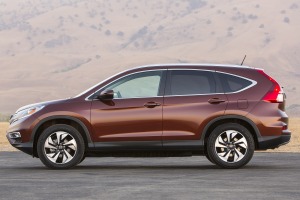
The Honda CR-V has long been one of the safest recommendations in the compact SUV market. It combines excellent practicality, strong resale value, good fuel economy, and a reputation for lasting well beyond 200,000 miles with proper maintenance. For many buyers, it's the benchmark against which every other compact SUV is judged.
However, not every CR-V is equally dependable. During the 2007–2024 model years Honda introduced new engines, direct fuel injection, continuously variable transmissions (CVTs), turbocharging, hybrid technology, and increasingly sophisticated electronics. While most changes improved refinement and efficiency, some also introduced new reliability concerns that shoppers should understand before buying.
The good news is that there are far more good CR-Vs than bad ones. Knowing which years to target, which engines have proven themselves over time, and what problems to inspect before purchasing can dramatically improve your chances of buying a dependable SUV that will provide years of inexpensive transportation.
In this guide, you'll learn:
- How reliable the 2007–2024 Honda CR-V is overall
- The best generations and model years to buy
- Which years deserve extra caution
- How the different engines compare for long-term reliability
- The most common problems owners encounter
- Typical maintenance and repair costs
- How long a Honda CR-V can realistically last
- What to inspect before purchasing a used CR-V
More On Reliability: Also, if you are interested in the reliability of other Honda models and years, be sure to read our Used Honda Reliability & Problems: Best Used Models & Years Guide. This comprehensive guide highlights the best years to buy or avoid, common problems, potential maintenance costs, and more, and will likely help you make the right choice for your needs.
Honda CR-V Reliability Overview
Overall, the Honda CR-V earns an above-average reliability rating and remains one of the strongest choices in the used compact SUV market. Its biggest strengths are durable four-cylinder engines, relatively low operating costs, widespread parts availability, and an enormous network of independent repair shops familiar with Honda vehicles.
The earlier generations are mechanically simpler and generally have fewer expensive failures. Beginning in 2015, Honda introduced direct injection and a CVT, followed shortly by the 1.5-liter turbocharged engine. These newer powertrains improved performance and fuel economy but also became more dependent on proper maintenance.
None of this means newer CR-Vs should be avoided. Many have accumulated high mileage without major repairs. It simply means maintenance history becomes increasingly important as the technology becomes more complex.
- Overall Reliability: ★★★★☆
- Best Used Years: 2009–2011, 2013–2014, 2016, and 2020–2022
- Years Requiring Extra Inspection: 2015 and 2017–2018
- Most Reliable Engine: 2.4-liter naturally aspirated four-cylinder
- Expected Lifespan: 200,000–250,000+ miles with proper maintenance
Bottom Line: Few compact SUVs combine practicality, resale value, and long-term durability as consistently as the Honda CR-V. Buyers who choose the right model year and verify a solid maintenance history are likely to enjoy many years of dependable ownership.
Reliability by Generation
3rd Generation (2007–2011)
The 3rd Generation Honda CR-V established the formula that made the model one of America's best-selling SUVs. Every U.S. model used Honda's proven 2.4-liter naturally aspirated four-cylinder engine paired with a conventional five-speed automatic transmission, a combination that remains one of the most durable powertrains Honda has produced.
Most reliability concerns today are simply the result of age rather than design flaws. Buyers should expect normal wear to the suspension, air-conditioning system, door-lock actuators, and other accessories, but major engine and transmission failures remain relatively uncommon on well-maintained examples.
3rd Generation At A Glance
- Overall Reliability: ★★★★☆
- Best Years: 2009–2011
- Years Requiring Extra Inspection: 2007–2008
- Engine: 2.4-liter naturally aspirated four-cylinder (K24)
- Transmission: Five-speed automatic
- Watch For: Air-conditioning repairs, rear differential service, suspension wear, and door-lock actuators
Engine and Transmission Reliability
The K24 engine has earned one of the strongest long-term reliability reputations of any modern Honda engine. Its timing chain normally lasts the life of the engine when oil changes are performed regularly, and high-mileage examples exceeding 250,000 miles are common.
The five-speed automatic transmission is equally dependable when serviced with the correct Honda transmission fluid. Buyers should still verify regular fluid changes, particularly on higher-mileage vehicles.
All-wheel-drive models require periodic rear differential fluid changes. If neglected, owners may notice groaning or binding during slow turns, although fresh fluid often restores normal operation.
Common Problems
- Air-conditioning compressor or condenser failure
- Door-lock actuator failure
- Rear differential fluid neglect on AWD models
- Suspension wear including struts, sway-bar links, and wheel bearings
- Minor oil consumption on some higher-mileage engines
- Paint deterioration and clear-coat fading on older vehicles
Buyer Takeaway: A clean 2009–2011 CR-V remains one of the best values in the used SUV market. Maintenance history is considerably more important than mileage, and a well-cared-for example can still provide many years of dependable service.
4th Generation (2012–2016)
The 4th Generation improved refinement, safety, fuel economy, and interior space while maintaining the CR-V's reputation for reliability. However, this generation also marked the beginning of Honda's transition toward more modern powertrains.
The 2012–2014 models retained a naturally aspirated 2.4-liter engine and conventional five-speed automatic transmission. For 2015, Honda introduced direct fuel injection and replaced the automatic with a continuously variable transmission, creating an important dividing line for used-car buyers.
4th Generation At A Glance
- Overall Reliability: ★★★★☆
- Best Years: 2013–2014 and 2016
- Years Requiring Extra Inspection: 2012 and 2015
- Best Powertrain: 2012–2014 naturally aspirated engine with five-speed automatic
- Watch For: VTC actuator rattle, idle vibration, starter failures, and neglected CVT maintenance
Why Does a 4th-Gen Honda CR-V Make a Grinding Noise on Cold Starts?
A brief metallic rattle or grinding noise immediately after a cold start can indicate a worn Variable Timing Control (VTC) actuator. When the actuator does not lock properly after the engine is shut off, it may rattle for a second or two while oil pressure builds during the next startup. The problem is especially associated with some fourth-generation CR-Vs, although not every cold-start noise has the same cause.
The noise does not necessarily mean that the engine is about to fail, but it should not be dismissed without diagnosis. Similar sounds can also involve the timing chain, tensioner, oil level, oil condition, or another engine component. Start the vehicle when the engine is completely cold during a pre-purchase inspection, because the noise may disappear on subsequent starts. If it rattles, have a Honda specialist identify the cause and obtain a repair estimate before buying; a confirmed VTC actuator problem can provide legitimate negotiating leverage.
2012–2014 Reliability
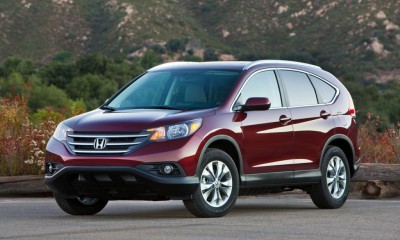
The earlier 4th Generation models are among the most desirable CR-Vs ever built. They combine the proven 2.4-liter engine with Honda's conventional automatic transmission while offering a more refined interior than the previous generation.
The most common complaint is a brief cold-start rattle caused by wear in the variable valve timing (VTC) actuator. While often more annoying than serious, buyers should always insist on starting the engine cold before purchase.
Other common repairs include air-conditioning components, suspension wear, starters, and normal age-related maintenance.
2015–2016 Reliability
The updated 2015 model introduced direct injection and a CVT, improving fuel economy but adding complexity. The biggest concern became excessive vibration while idling in gear, particularly with the air conditioner operating.
Honda issued software updates and revised repair procedures, but many buyers still prefer the earlier powertrain. The 2016 model generally improved refinement and is considered the better choice of the two.
Are the CVT Transmissions in 2015–2016 Honda CR-V Models Reliable?
The continuously variable transmission used in 2015–2016 Honda CR-V models is generally dependable when maintained correctly, but its operation and service history deserve careful attention. A CVT can hold engine speed differently from a conventional automatic, so some steady engine noise or unusual RPM behavior may be normal. Pronounced shuddering, delayed engagement, slipping, surging, warning lights, or persistent vibration should be investigated rather than dismissed as normal CVT behavior.
During a test drive, check for smooth engagement in both Drive and Reverse and accelerate at light, moderate, and highway speeds. Because vibration can also originate from the engine, mounts, wheels, axles, or other components, it should be diagnosed before blaming the transmission. Review the maintenance records for evidence that the correct Honda-specified CVT fluid was changed at appropriate intervals; avoid vehicles with an unknown history, incorrect fluid, or signs of an aggressive transmission flush. A well-maintained CVT that operates smoothly is not automatically a reason to avoid a 2015–2016 CR-V, but unresolved shuddering or slipping warrants a professional inspection before purchase.
- Common Problems:
- VTC actuator cold-start rattle
- Infrequent CVT shuttering or slipping
- Idle vibration, especially on 2015 models
- Starter failures
- Air-conditioning repairs
- Wheel-bearing and suspension wear
- Carbon buildup on direct-injected engines
Buyer Takeaway: The 2013–2014 CR-V represents one of the best combinations of reliability, simplicity, and value in the entire CR-V lineup. Buyers wanting a newer model should generally favor the 2016 over the 2015.
5th Generation (2017–2022)
The 5th Generation Honda CR-V brought major improvements in interior space, ride quality, safety technology, and fuel economy. It also introduced Honda's 1.5-liter turbocharged engine across most trim levels, marking the biggest reliability shift in the CR-V's history.
While these models remain excellent family SUVs, buyers should pay much closer attention to maintenance history than with earlier naturally aspirated CR-Vs. The turbocharged engine is more sensitive to oil quality, cooling-system condition, and driving habits, particularly on vehicles that spent most of their lives making short trips.
Honda also introduced the CR-V Hybrid in 2020, offering impressive fuel economy with a naturally aspirated 2.0-liter engine paired with Honda's proven two-motor hybrid system.
5th Generation At A Glance
- Overall Reliability: ★★★★☆
- Best Years: 2020–2022
- Years Requiring Extra Inspection: 2017–2018
- Best Conventional Engine: Early LX 2.4-liter four-cylinder
- Best Fuel Economy: 2020–2022 Hybrid
- Watch For: Fuel dilution, fuel injectors, cooling-system problems, infotainment glitches, and overdue CVT service
What Causes the 2017–2018 Honda CR-V 1.5L Turbo "Oil Dilution" Issue?
Oil dilution in some 2017–2018 Honda CR-Vs with the 1.5-liter turbocharged engine occurs when unburned gasoline passes the piston rings and mixes with the engine oil. It is most likely during repeated short trips, extended idling, and cold-weather driving because the engine may not remain hot long enough to evaporate the accumulated fuel. Warning signs include an oil level that rises above the full mark, a gasoline smell on the dipstick, rough running, hesitation, or unusually frequent oil-change reminders.
Honda introduced a product update that included engine-control software changes, revised climate-control operation, and an oil change. When inspecting a used 2017 or 2018 CR-V, check the dipstick for an unusually high oil level or strong fuel odor and review the service history to determine whether the update was completed. The update may reduce the problem, but buyers who make frequent short trips in very cold weather should still monitor the oil level and follow an appropriate oil-change schedule.
Powertrain Reliability
The 1.5-liter turbo engine delivers noticeably stronger low-speed torque and better fuel economy than the previous 2.4-liter engine. However, it also introduced concerns involving fuel dilution, fuel injectors, and, on some higher-mileage vehicles, cooling-system and head-gasket failures.
Fuel dilution received the most publicity during the first few years of production. Under repeated short-trip driving, particularly in colder climates, gasoline could contaminate the engine oil before reaching full operating temperature. Honda issued software updates to improve warm-up performance, and many owners have accumulated high mileage without major problems, but maintenance history remains especially important.
The CR-V Hybrid uses a naturally aspirated 2.0-liter engine with Honda's two-motor hybrid system. Early reliability has been encouraging, and the hybrid eliminates both the turbocharger and conventional belt-driven CVT found in gasoline models.
Common Problems
- Fuel dilution on some early turbocharged models
- Fuel-injector failures
- Cooling-system and possible head-gasket problems
- Weak 12-volt batteries causing electrical warnings
- Infotainment software glitches
- Air-conditioning repairs
- Neglected CVT fluid maintenance
- Driver-assistance warning messages
Buyer Takeaway: The later 2020–2022 models are generally the safest purchases in this generation. A complete maintenance history is considerably more valuable than unusually low mileage.
6th Generation (2023–2024)
The redesigned 6th Generation CR-V is larger, quieter, and more refined than any previous model. Buyers can choose between an updated 1.5-liter turbocharged engine or Honda's 2.0-liter hybrid system.
Because these vehicles are still relatively new, long-term reliability is not yet fully established. Early ownership reports have been generally positive, although several recalls and software updates are typical for any first-generation redesign.
6th Generation At A Glance
- Overall Reliability: Too early for a final verdict
- Best Years: 2024
- Year Requiring Extra Inspection: 2023
- Available Engines: 1.5-liter turbo and 2.0-liter hybrid
- Watch For: Steering recalls, software updates, warning lights, and unresolved first-year issues
At this point, buyers should purchase these vehicles for their excellent refinement, safety features, and remaining warranty rather than assuming their long-term durability matches older CR-V generations.
Buyer Takeaway: The 2024 model is currently the most attractive choice simply because it benefits from another year of production experience.
Reliability by Engine
Engine selection has a greater impact on long-term ownership costs than trim level or equipment. Honda offered four distinctly different powertrains during the years covered by this guide, each with its own strengths and weaknesses.
| Engine | Reliability Outlook | Main Concerns |
|---|---|---|
| 2.4-liter naturally aspirated 2007–2014 |
Excellent. The best overall choice for long-term durability and mechanical simplicity. | Oil consumption, VTC actuator noise, and normal age-related repairs. |
| 2.4-liter direct injected 2015–2019 LX |
Very good. A strong alternative for buyers who want to avoid the turbocharged engine. | Idle vibration, intake-valve deposits, and neglected CVT maintenance. |
| 1.5-liter turbo 2017–2024 |
Good when properly maintained, but more sensitive to service history than the older engines. | Fuel dilution, fuel injectors, coolant loss, and possible head-gasket problems. |
| 2.0-liter hybrid 2020–2024 |
Very good so far. Particularly attractive for drivers who spend substantial time in city traffic. | Hybrid electronics, cooling-system components, sensors, and eventual battery aging. |
2.4-Liter Naturally Aspirated Engine (2007–2014)
This remains the benchmark for long-term Honda reliability. The engine is mechanically simple, uses a timing chain rather than a timing belt, and regularly exceeds 200,000 miles with routine maintenance.
Most repairs involve normal wear items rather than internal engine failures. Buyers should simply watch for oil leaks, VTC actuator noise during cold starts, and evidence of regular oil changes.
Bottom Line: If maximum reliability is your priority, this is the engine we would choose.
2.4-Liter Direct-Injected Engine (2015–2019 LX)
The updated 2.4-liter retained Honda's naturally aspirated design while adding direct fuel injection. It provides a good balance between performance and reliability, although direct injection introduces the possibility of intake-valve carbon buildup over time.
When paired with a properly maintained CVT, this engine has proven dependable and avoids the turbocharger-related concerns of later models.
Bottom Line: A 2016 CR-V with this engine remains one of the strongest all-around choices in the lineup.
1.5-Liter Turbocharged Engine (2017–2024)
The 1.5-liter turbo offers better acceleration and fuel economy but requires more careful shopping. Vehicles with complete maintenance records have generally performed well, while neglected examples can become expensive.
Inspect carefully for coolant loss, rough cold starts, warning lights, fuel odors in the engine oil, or signs of previous overheating. Regular oil changes are especially important for long-term durability.
Bottom Line: Buy the vehicle, not just the engine. A well-maintained turbo CR-V is often a better purchase than a neglected naturally aspirated one.
2.0-Liter Hybrid System (2020–2024)
Honda's hybrid system combines a naturally aspirated 2.0-liter engine with two electric motors instead of relying on a conventional transmission. Early reliability has been excellent, and the system eliminates several components found on gasoline models.
Hybrid buyers should still verify proper operation of the high-voltage system and ensure there are no warning lights or outstanding recall campaigns.
Bottom Line: For drivers spending most of their time in city traffic, the hybrid may become the best long-term ownership choice in the entire CR-V lineup.
Common Problems to Watch For
No Honda CR-V is completely free of problems, but most recurring issues are well understood and relatively easy to identify during a careful inspection. Knowing which symptoms to look for can help you avoid thousands of dollars in unexpected repairs.
How Do I Check for Parasitic Battery Drain on a Used Honda CR-V?
Begin by asking whether the Honda CR-V has required repeated jump-starts or battery replacements and by checking the battery’s age, condition, and charging-system output. A healthy-looking voltage reading does not rule out parasitic drain. The proper test measures how much electrical current the vehicle continues to draw after it has been turned off, locked, and allowed enough time for its electronic modules to enter sleep mode.
A technician can connect an ammeter and then isolate an excessive draw by checking individual fuses and circuits. Depending on the model year, possible causes can include a sticking relay, an accessory or light that remains powered, an aftermarket device, or an electronic module that fails to shut down. A faulty air-conditioning compressor relay has been reported as one possible source, but it should not be assumed to be the cause without testing. If the seller reports recurring dead batteries, have the charging system and key-off electrical draw tested before purchasing the vehicle.
Battery-drain complaints can occur in any aging vehicle, but the 2012–2014, certain 2017, and some 2019 Honda CR-Vs had specific software-related problems that could leave the battery discharged. These were not all caused by the same component, so repeated dead batteries should be diagnosed rather than automatically blamed on a weak battery or faulty relay.
On 2012–2014 CR-Vs, Honda found that the charging-system software did not always select the appropriate charging mode, potentially leaving the battery undercharged. Honda issued a software update covering all CR-Vs from those three model years. Buyers should check the service history and ask a Honda dealer whether the applicable update was completed.
Certain 2017 CR-Vs could develop an intermittent electrical draw because the Vehicle Stability Assist (VSA) control unit did not shut down correctly after the vehicle was turned off. Honda’s repair involved updating the VSA software, but the bulletin applied only to designated VIN ranges. A Honda dealer can determine whether a particular 2017 CR-V was included and whether it received the update.
Honda also issued a product update for 2019 CR-V EX, EX-L, and Touring models. Under certain conditions, the evaporative-emissions system could perform a leak check after the vehicle was parked and fail to return the powertrain control module to sleep mode, eventually discharging the battery. The prescribed repair was a PGM-FI software update and, when necessary, battery testing, charging, or replacement.
When inspecting one of these CR-Vs, ask about repeated jump-starts or battery replacements and verify the relevant software updates through the VIN. A proper diagnosis should also test the battery, alternator, cables, and key-off electrical draw because an old battery, charging-system failure, aftermarket accessory, or unrelated electrical component can produce similar symptoms.
Air-Conditioning Failure
Air-conditioning repairs are among the most common expenses across multiple CR-V generations. Depending on the model year, failures may involve the compressor, condenser, evaporator, pressure switches, or refrigerant leaks.
- Typical Symptoms: Warm air, intermittent cooling, unusual compressor noise, or the system cooling only while driving.
- Typical Repair Cost: Approximately $300–$2,000 depending on the failed component.
- Buyer Tip: Test the air conditioner after a 15-minute drive. Some systems cool normally for a few minutes before failing.
VTC Actuator Cold-Start Rattle
Many naturally aspirated 2.4-liter engines develop a brief metallic rattle during the first second after a cold start. The problem is usually caused by wear in the Variable Timing Control (VTC) actuator.
- Typical Symptoms: One- or two-second grinding or rattling noise immediately after starting a cold engine.
- Typical Repair Cost: Approximately $700–$1,500.
- Buyer Tip: Never inspect one of these engines after the seller has already warmed it up.
Oil Consumption
Some higher-mileage 2.4-liter engines begin consuming oil between oil changes. Minor consumption is not uncommon, but excessive oil use should always be investigated.
- Typical Symptoms: Low oil level, blue exhaust smoke, or the owner routinely adding oil.
- Typical Repair Cost: Minor leaks may cost a few hundred dollars. Internal engine repairs can exceed several thousand dollars.
- Buyer Tip: Always check the dipstick before and after the test drive.
Fuel Dilution (1.5-Liter Turbo)
Fuel dilution occurs when gasoline contaminates the engine oil, most commonly after repeated short trips in cold weather. Honda issued software updates to improve warm-up performance, but maintenance history remains important.
- Typical Symptoms: Rising oil level, gasoline odor on the dipstick, reduced heater performance.
- Typical Repair Cost: Often corrected through maintenance or software updates, although neglected engines may require significantly more extensive repairs.
- Buyer Tip: Ask how the vehicle was driven. Highway miles are generally easier on these engines than repeated short commutes.
Fuel Injector Failure
Direct-injection fuel injectors can eventually clog or fail, causing rough running and multiple warning lights.
- Typical Symptoms: Rough idle, hesitation, misfire codes, reduced fuel economy, check engine light.
- Typical Repair Cost: Approximately $1,000–$2,000 for injector replacement.
- Buyer Tip: Have the vehicle scanned for pending trouble codes even if no warning lights are illuminated.
Cooling-System and Head-Gasket Problems
Some higher-mileage turbocharged CR-Vs have experienced cooling-system failures or head-gasket problems. Although not widespread across every vehicle, coolant loss should never be ignored.
- Typical Symptoms: Coolant loss, overheating, white exhaust smoke, rough cold starts, or bubbles in the coolant reservoir.
- Typical Repair Cost: Approximately $2,500–$4,500 or more.
- Buyer Tip: A seller who regularly adds coolant without explaining why is a major red flag.
CVT Maintenance Neglect
Honda's continuously variable transmission has generally proven dependable when serviced properly. Most serious problems are associated with neglected fluid maintenance rather than inherent design flaws.
- Typical Symptoms: Hesitation, shuddering, whining, delayed acceleration, or harsh engagement.
- Typical Repair Cost: Fluid service approximately $150–$300. Transmission replacement may exceed $5,000.
- Buyer Tip: Service records are far more important than unusually low mileage.
Idle Vibration (2015 Models)
The updated 2015 CR-V became known for excessive vibration while idling in gear, particularly with the air conditioner operating.
- Typical Symptoms: Steering wheel, dashboard, or seat vibration while stopped.
- Typical Repair Cost: Varies depending on the underlying cause.
- Buyer Tip: Test the vehicle in Drive with the air conditioner running before making a decision.
Rear Differential Noise (AWD Models)
All-wheel-drive CR-Vs require periodic rear differential fluid changes. When neglected, the differential may groan or bind during low-speed turns.
- Typical Symptoms: Groaning, chatter, or binding during parking-lot maneuvers.
- Typical Repair Cost: Fluid service approximately $150–$250. Internal repairs cost considerably more.
- Buyer Tip: Drive slow circles in both directions during your test drive.
Door-Lock Actuators and Electrical Accessories
Door-lock actuators, window regulators, infotainment systems, and other electrical accessories become more common repair items as CR-Vs age.
- Typical Symptoms: Locks operating intermittently, windows moving slowly, or infotainment screens freezing or restarting.
- Typical Repair Cost: Approximately $250–$1,500 depending on the component.
- Buyer Tip: Test every electrical feature before purchasing the vehicle.
Suspension and Wheel Bearings
After 100,000 miles, suspension components become normal maintenance items rather than reliability concerns. Fortunately, parts remain affordable and widely available.
- Typical Symptoms: Clunks over bumps, uneven tire wear, or humming noises that increase with speed.
- Typical Repair Cost: Approximately $300–$1,600 depending on the repair.
- Buyer Tip: Drive the vehicle on rough pavement rather than only smooth roads.
Maintenance & Repair Cost Outlook
One of the Honda CR-V's greatest strengths is its relatively low ownership cost. Routine maintenance is generally less expensive than many European competitors, and replacement parts are widely available from both Honda and the aftermarket.
| Ownership Stage | Typical Annual Budget |
|---|---|
| Lower-mileage CR-V | $400–$800 |
| 75,000–125,000 miles | $700–$1,300 |
| Over 125,000 miles | $1,000–$2,000 |
| Poorly maintained example | $2,000–$5,000+ |
Typical Maintenance Costs
- Oil change: $60–$130
- Transmission or CVT service: $150–$300
- Rear differential service (AWD): $150–$250
- Brake fluid service: $120–$220
- Spark plugs: $250–$500
- Front brakes: $500–$900
- Battery: $175–$350
- Four tires: $700–$1,200
- Coolant service: $150–$300
Independent Honda specialists can perform most maintenance and repairs at substantially lower cost than a dealership. However, recalls, software updates, and hybrid-system diagnostics are often best handled by a Honda dealer.
Buyer Budget Recommendation: Even the most reliable CR-V should never consume your entire purchase budget. Plan to keep at least $1,500–$2,500 in reserve after buying any older used vehicle.
In addition, any trade-in allowance also affects the overall cost analysis of moving into a CR-V. And the different estimates for that same trade-in are at the heart of the KBB versus Edmunds appraisal debate.
How Many Miles Does a Honda CR-V Last?
One of the Honda CR-V's biggest strengths is longevity. With regular maintenance, many owners see 200,000 to 250,000 miles without major engine or transmission repairs. Well-maintained examples have exceeded 300,000 miles, although that should be viewed as the exception rather than the expectation.
As mileage increases, the condition of the vehicle becomes far more important than the number shown on the odometer. A carefully maintained CR-V with 180,000 miles is often a better purchase than a neglected example with half that mileage.
What Determines CR-V Lifespan?
- Regular oil changes using the correct oil
- Routine transmission or CVT fluid service
- Rear differential service on AWD models
- Prompt repair of cooling-system problems
- Allowing the engine to reach full operating temperature regularly
- Rust prevention in northern climates
- Quality replacement parts and proper repairs
- Complete maintenance records
Buyer Tip: Maintenance history is a far better indicator of future reliability than mileage alone.
Bottom Line: Buyers looking for maximum long-term durability should focus on naturally aspirated 2.4-liter models with documented maintenance and no history of overheating.
Expected Maintenance After 100,000 Miles
Passing 100,000 miles does not mean a Honda CR-V becomes unreliable. It simply marks the point where routine wear items begin requiring more frequent attention.
100,000–150,000 Miles
- Spark plugs
- Transmission or CVT fluid service
- Rear differential fluid (AWD models)
- Cooling-system inspection
- Battery testing
- Brake inspection and service
- Suspension inspection
- Wheel-bearing inspection
- Engine and transmission mounts
150,000–200,000 Miles
- Possible starter or alternator replacement
- Air-conditioning repairs
- Suspension components
- Oil leaks
- Wheel bearings
- Catalytic converter or oxygen sensors
- Cooling-system repairs if neglected
Buyer Takeaway: None of these repairs are unusual for a vehicle of this age. They should be viewed as normal ownership costs rather than evidence of poor reliability.
Which Honda CR-V Years Should You Avoid or Inspect Carefully?
No Honda CR-V model year should automatically be dismissed. However, several years deserve closer inspection because they introduced new technology or developed recurring issues that later models improved upon.
2007
The first year of the 3rd Generation is now approaching two decades old. Age-related repairs are generally a bigger concern than original design flaws.
- First model year of the generation
- More likely to need suspension and air-conditioning repairs
- Inspect carefully for rust and deferred maintenance
Verdict: Worth considering, but a 2009–2011 model is usually the better value.
2012
The redesigned 2012 CR-V remained reliable but introduced a new generation with a handful of early-production refinements.
- First year of the 4th Generation
- Possible VTC actuator noise
- Battery and electrical complaints
Verdict: A solid vehicle overall, although later years are generally preferable.
2015
The 2015 model introduced both direct injection and the CVT, along with well-documented idle vibration complaints.
- First year of the revised powertrain
- Idle vibration
- More complex than earlier models
Verdict: Inspect carefully. Most buyers are better served by either a 2013–2014 or a 2016.
2017
The first year of the 5th Generation introduced Honda's 1.5-liter turbocharged engine and several early-production issues.
- Fuel dilution concerns
- Fuel injector complaints
- Software and infotainment issues
Verdict: Buy only with complete maintenance records.
2018
Many early 5th Generation concerns continued into 2018, although Honda gradually improved software and calibration.
- Fuel dilution
- Injector problems
- Cooling-system history deserves careful review
Verdict: Still a good vehicle when properly maintained, but inspect more carefully than later years.
2023
The redesigned 2023 CR-V is too new to establish a complete long-term reliability record.
- First year of a redesign
- Steering-related recalls
- Software updates
Verdict: Attractive because of remaining warranty, but long-term durability is still developing.
What Honda CR-V Model Years Are The Best To Buy?
2009–2011
These remain some of the best budget SUVs on the used market. The combination of Honda's 2.4-liter engine and five-speed automatic transmission has proven exceptionally durable.
- Excellent long-term reliability
- Simple mechanical design
- Affordable purchase prices
2013–2014
Many buyers consider these the sweet spot of the entire CR-V lineup. They combine the refined 4th Generation body with Honda's proven naturally aspirated engine and conventional automatic transmission.
- No turbocharger
- No CVT
- Outstanding reliability record
2016
The final year of the 4th Generation refined the updated powertrain and avoided many of the complaints associated with the 2015 model.
- Improved refinement
- Strong fuel economy
- Generally fewer complaints than 2015
2020–2022
The later 5th Generation offers the best combination of modern technology, interior space, safety features, and overall refinement.
- Improved production maturity
- Available hybrid
- Excellent family SUV
Best CR-V for Different Buyers
| Buyer Priority | Recommended Model |
|---|---|
| Maximum Reliability | 2013–2014 |
| Best Budget Buy | 2009–2011 |
| Best Newer Non-Turbo | 2016 |
| Best Family Vehicle | 2020–2022 |
| Best Fuel Economy | 2020–2024 Hybrid |
| Newest Design | 2024 |
Among the choices, maintenance and condition can make one example a much better purchase than another, unlike new cars where the differences are more often in the deal itself when shopping the dealers, not just the car.
Pre-Purchase Inspection Checklist
Even the most reliable Honda CR-V can become an expensive mistake if it has been neglected. Before buying any used example, have it inspected by an independent mechanic familiar with Honda vehicles and verify that routine maintenance has been performed.
Before Starting the Engine
- Verify the engine is completely cold.
- Check engine oil level and condition.
- Inspect coolant level and look for signs of leaks.
- Look underneath for oil, coolant, or transmission fluid.
- Inspect tires for uneven wear.
- Check for rust, accident repairs, or poor paintwork.
During the Cold Start
- Listen for VTC actuator rattle on 2.4-liter engines.
- Watch for warning lights that remain illuminated.
- Listen for rough idle or unusual engine noises.
- Check for excessive exhaust smoke.
During the Test Drive
- Verify smooth acceleration and shifting.
- Listen for suspension or wheel-bearing noise.
- Check steering feel and straight-line tracking.
- Test the brakes for vibration or pulling.
- Drive several tight circles in AWD models to check the rear differential.
- Monitor engine temperature throughout the drive.
Interior and Electronics
- Test the air conditioner and heater.
- Operate every window, lock, and seat adjustment.
- Test the infotainment system and backup camera.
- Verify all driver-assistance features function normally.
- Confirm both key fobs are included.
Records to Review
- Oil change history
- Transmission or CVT service records
- Rear differential service (AWD models)
- Cooling-system repairs
- Recall completion
- Accident history
- Professional pre-purchase inspection report
Buyer Tip: A complete maintenance history is often worth paying more for than a lower-mileage vehicle with little documentation.
Pros and Cons
Pros
- Excellent long-term reliability
- Strong resale value
- Spacious interior and cargo area
- Comfortable ride quality
- Low ownership costs
- Excellent parts availability
- Large independent repair network
- Available hybrid powertrain
- Good fuel economy
- Strong overall safety record
Cons
- Some model years command high used prices.
- Air-conditioning repairs can be expensive.
- Early turbocharged engines require more careful shopping.
- Fuel injectors can be costly on direct-injected models.
- CVT maintenance is sometimes neglected.
- Newer generations have more electronic complexity.
How the Honda CR-V Compares
Toyota RAV4
The Toyota RAV4 is the CR-V's closest competitor and offers similarly excellent reliability. The RAV4 generally has the advantage in long-term powertrain simplicity, while the CR-V offers a roomier interior and a more refined driving experience.
Verdict: Two outstanding choices. Buy the better-maintained vehicle.
Mazda CX-5
The Mazda CX-5 is more enjoyable to drive and has a premium-feeling interior, while the CR-V provides more passenger space and cargo capacity.
Verdict: Choose the CX-5 for driving enjoyment and the CR-V for practicality.
Subaru Forester
The Forester offers standard all-wheel drive and outstanding visibility, but the CR-V generally has the stronger long-term reliability record and lower ownership costs.
Verdict: The CR-V is usually the safer long-term purchase.
Nissan Rogue
The Rogue often sells for less on the used market, but Honda's long-term reliability record gives the CR-V a clear advantage.
Verdict: We'd generally pay more for a comparable CR-V.
Ford Escape
The Escape can be an excellent value, but certain engines and transmissions have experienced more serious long-term problems than the CR-V.
Verdict: The Honda is the more dependable choice for most buyers.
Should You Buy a Used Honda CR-V?
For most buyers, the answer is yes.
The Honda CR-V has earned its reputation through years of dependable service, practical design, and relatively low ownership costs. Although newer generations introduced more complexity, the CR-V remains one of the safest recommendations in the compact SUV market when purchased carefully.
Buyers seeking maximum reliability should focus on the naturally aspirated 2.4-liter models, particularly the 2013–2014 CR-V. Those wanting a newer SUV with modern safety features should look toward the 2020–2022 models or the hybrid, provided maintenance records are complete.
- Buy One If: You want a dependable, practical compact SUV with excellent resale value.
- Think Carefully If: You're considering an early turbocharged model without maintenance records.
- Look Elsewhere If: You need serious towing or off-road capability.
Final Verdict
The Honda CR-V remains one of the most dependable compact SUVs built during the past two decades. While some later models introduced new technology and a handful of additional reliability concerns, Honda's reputation for durability remains well deserved.
Our favorite overall choices are the 2013–2014 models, which combine a refined interior with Honda's proven naturally aspirated powertrain. Buyers shopping newer vehicles should strongly consider the 2016, while those wanting the latest technology should focus on the 2020–2022 models or the hybrid.
- Overall Reliability: ★★★★☆
- Best Overall Years: 2013–2014
- Best Budget Buy: 2009–2011
- Best Newer Model: 2020–2022
- Best Engine: 2.4-liter naturally aspirated four-cylinder
- Years Requiring Extra Inspection: 2015 and 2017–2018
- Expected Lifespan: 200,000–250,000+ miles
- Best For: Buyers wanting dependable, low-cost, family transportation.
Whether you're shopping for an inexpensive commuter or a newer family SUV, the Honda CR-V remains one of the strongest recommendations in the used market. Focus on maintenance history, choose the model year that best fits your budget, and don't hesitate to pay a little more for a well-cared-for example. In the long run, it will almost always be the better value.
Or, for the new Honda CR-V see 15 questions to ask before buying a 2027 Honda CR-V
Your Trade-In
Also, it's good to always know the value of your trade-in while you're evaluating your next possible purchase. Here's a good source for a quick and accurate appraisal: free trade-in appraisal.