

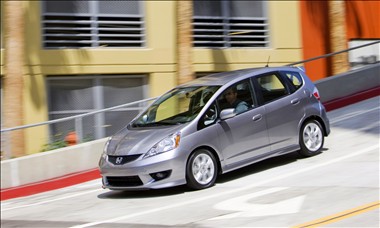
Which Honda Fit years are the most reliable? Are there any years you should avoid? And if you're shopping for a used Fit, which generation offers the best combination of reliability, fuel economy, and long-term value?
The Honda Fit has earned one of the strongest reliability reputations in the subcompact car segment. Despite its small size, the Fit offers remarkable cargo space, excellent fuel economy, low ownership costs, and the ability to accumulate hundreds of thousands of miles with routine maintenance. While no vehicle is completely free of problems, the Fit has proven to be one of Honda's most dependable modern vehicles.
This guide covers every Honda Fit sold in the United States from 2007 through 2020, including reliability, common problems, maintenance costs, expected lifespan, and the best years to buy.
In This Guide You'll Learn
- How reliable the Honda Fit is over the long term
- Which model years are the best choices
- The most common problems by generation
- Typical maintenance and repair costs
- How many miles a Honda Fit can last
- What to inspect before buying a used Fit
More On Reliability: Also, if you are interested in the reliability of other Honda models and years, be sure to read our Used Honda Reliability & Problems: Best Used Models & Years Guide. This comprehensive guide highlights the best years to buy or avoid, common problems, potential maintenance costs, and more, and will likely help you make the right choice for your needs.
Is the Honda Fit Reliable?
Overall, the Honda Fit is one of the most reliable subcompact cars ever sold in North America. Its naturally aspirated four-cylinder engines, simple mechanical design, and Honda's reputation for durability have allowed countless owners to exceed 200,000 miles with relatively few major repairs.
The Fit's reliability also benefits from its straightforward engineering. Unlike many newer small cars, most model years avoid turbochargers, dual-clutch transmissions, and other complex components that can increase long-term repair costs. Routine maintenance—including oil changes, transmission service, coolant replacement, and spark plugs—is usually all that's required to keep these cars running for many years.
Although later models introduced more technology and safety features, Honda largely preserved the Fit's reputation for dependable transportation throughout its production run.
Strengths
- Excellent engine durability
- Low long-term ownership costs
- Outstanding fuel economy
- Simple naturally aspirated powertrains
- Practical "Magic Seat" cargo system
- Excellent parts availability
Potential Weaknesses
- Ignition coil failures on some higher-mileage vehicles
- Air conditioning compressor issues on certain years
- Starter replacement as mileage increases
- Suspension wear after 150,000 miles
- Road noise compared with larger Hondas
Bottom Line: Few small cars can match the Honda Fit's combination of reliability, practicality, and exceptionally low ownership costs.
Reliability at a Glance
| Category | Our Assessment |
|---|---|
| Overall Reliability | Excellent |
| Best Used Years | 2013-2020 |
| Years Requiring Extra Inspection | 2007-2008 and some 2015 models |
| Most Reliable Engine | 1.5-liter inline-four (L15 Series) |
| Expected Lifespan | 250,000-300,000+ miles |
| Maintenance Costs | Low |
Buyer Tip: Maintenance history is generally more important than mileage. A properly serviced Honda Fit with 180,000 miles is often a better purchase than a neglected example with half the mileage.
Reliability by Generation
2007-2008: First Generation
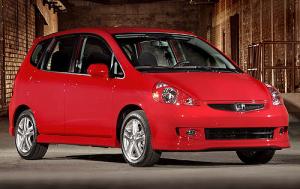
The Honda Fit arrived in the United States for the 2007 model year and quickly gained a reputation for combining impressive interior space with excellent fuel economy and Honda's trademark reliability.
Powered by a 1.5-liter inline-four engine, these early Fits are mechanically simple and remarkably durable. Many have now exceeded 250,000 miles while requiring little more than routine maintenance.
As these vehicles continue to age, most reliability concerns involve normal wear items rather than major mechanical failures. Suspension components, air conditioning systems, and starters eventually require replacement, but catastrophic engine or transmission failures remain uncommon.
Common Problems
- Air conditioning compressor wear
- Starter motor failures
- Ignition coil replacement
- Rear hatch handle deterioration
- Suspension bushing wear
- Wheel bearing replacement on higher-mileage vehicles
Buyer Tip: Because these cars are now approaching twenty years old, overall maintenance history matters far more than model year.
Bottom Line: The first-generation Fit remains one of the most dependable used subcompact cars available.
2009-2014: Second Generation
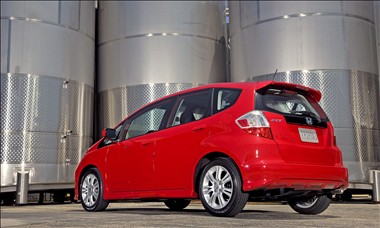
Honda completely redesigned the Fit for 2009, making it slightly larger while improving ride quality, crash safety, refinement, and interior comfort. The practical Magic Seat system remained one of the vehicle's biggest selling points, allowing owners to transport cargo that wouldn't fit in many larger sedans.
Reliability remained outstanding throughout this generation. The updated 1.5-liter engine continued Honda's reputation for durability, while routine maintenance costs stayed among the lowest in the industry.
Most repairs involve normal aging rather than widespread design flaws. Ignition coils, suspension components, air conditioning systems, and brake components eventually require attention, particularly after 150,000 miles.
Common Problems
- Ignition coil failures
- Air conditioning compressor replacement
- Front suspension wear
- Battery replacement
- Occasional power window switch failures
- Starter replacement on higher-mileage vehicles
Buyer Tip: The 2013 and 2014 models represent some of the best values in the entire Fit lineup, combining excellent reliability with affordable purchase prices.
Bottom Line: Many buyers consider the second generation to offer the best balance of simplicity, dependability, and value.
2015-2020: Third Generation
The third-generation Honda Fit introduced for 2015 brought a more modern design, improved fuel economy, updated safety technology, and a significantly more refined driving experience. Despite becoming more sophisticated, it retained the reliability that made the Fit so popular.
The 1.5-liter inline-four engine continued to provide excellent durability, while available Honda Sensing safety features made later models especially attractive to used-car shoppers. Most owners experience relatively few unexpected repairs beyond routine maintenance.
Although early production years experienced a handful of recalls and isolated issues, Honda resolved most concerns quickly, and later models from 2018 through 2020 rank among the most dependable Fits ever produced.
Common Problems
- Occasional fuel injector issues on some vehicles
- Air conditioning compressor failures
- Battery replacement
- Infotainment system glitches on some early models
- Suspension component wear on higher-mileage vehicles
- Normal brake and tire replacement
Buyer Tip: The 2018-2020 models combine Honda's mature third-generation design with modern safety features and excellent long-term reliability.
Bottom Line: The third-generation Fit remains one of the best used subcompact cars available today.
Best & Worst Honda Fit Years
What Are The Best Honda Fit Years to Buy?
If reliability and low ownership costs are your priorities, these model years deserve the strongest consideration.
| Model Year | Why We Recommend It |
|---|---|
| 2013 | One of the most dependable second-generation models with excellent value. |
| 2014 | Final year of the second generation with a proven drivetrain and mature design. |
| 2018 | Updated third-generation model with improved features and strong reliability. |
| 2019-2020 | Among the best Fits ever built, combining reliability, safety, and excellent fuel economy. |
Which Honda Fit Years Should You Avoid Or Require Extra Inspection?
| Model Year | Reason |
|---|---|
| 2007-2008 | Age-related repairs become increasingly common despite excellent overall reliability. |
| 2015 | First model year of a redesign; verify recall work and maintenance history. |
Bottom Line: Unlike many vehicles, there are no truly "bad" Honda Fit years. The differences between model years are relatively small compared with the importance of proper maintenance.
Maintenance & Repair Costs
The Honda Fit is one of the least expensive vehicles in its class to maintain. Routine service is straightforward, parts are widely available, and the naturally aspirated engine avoids many of the expensive repairs associated with turbocharged competitors.
Most owners spend their maintenance budget replacing normal wear items such as brakes, tires, batteries, suspension components, and fluids rather than dealing with major engine or transmission repairs.
| Maintenance Item | Typical Cost |
|---|---|
| Oil change | $60-$100 |
| Brake pads and rotors | $300-$700 |
| Transmission service | $180-$350 |
| Air conditioning compressor | $900-$1,500 |
| Starter replacement | $450-$800 |
| Suspension refresh | $700-$1,600 |
Following Honda's maintenance schedule and addressing small repairs promptly usually keeps ownership costs impressively low over the long term.
Buyer Tip: Look for documented transmission fluid changes, especially on automatic or continuously variable transmission (CVT) models. Regular fluid service helps maximize transmission life.
How Long Does a Honda Fit Last?
The Honda Fit is widely regarded as one of the longest-lasting small cars ever sold. With routine maintenance, reaching 250,000 miles is common, and many owners have exceeded 300,000 miles while retaining the original engine and transmission.
Its simple drivetrain, durable engine, and relatively light weight place less stress on mechanical components than many larger vehicles, contributing to its outstanding longevity.
Typical Lifespan
- 150,000 miles: Easily achievable with routine maintenance.
- 250,000 miles: Common for well-maintained examples.
- 300,000+ miles: Frequently reported by owners who follow Honda's maintenance schedule.
Because catastrophic engine failures are uncommon, many Fits remain economical to repair even after accumulating very high mileage.
Bottom Line: If properly maintained, the Honda Fit can realistically provide decades of dependable transportation.
Buying a Used Honda Fit: What Matters Most?
The Honda Fit has developed a loyal following because it delivers the reliability of a much larger Honda while remaining inexpensive to own and operate. Fortunately, many owners maintain their Fits carefully, making it possible to find excellent used examples even with relatively high mileage.
Rather than focusing only on mileage, look for complete maintenance records, signs of careful ownership, and evidence that routine services have been performed on schedule.
Before You Buy
- Review maintenance records.
- Verify regular engine oil changes.
- Confirm transmission fluid has been serviced according to Honda's recommendations.
- Test the air conditioning thoroughly.
- Inspect suspension components during the test drive.
- Check for uneven tire wear.
- Test all power windows, locks, and electrical accessories.
- Inspect underneath for rust if the vehicle spent time in northern climates.
- Look for accident repairs or poor-quality bodywork.
- Have the vehicle inspected by an independent mechanic before purchase.
One-owner vehicles with documented maintenance are often worth paying a premium for, particularly if they have spent most of their lives on the highway.
Buyer Tip: Don't be afraid of a Honda Fit showing 180,000 or even 200,000 miles if it has an excellent maintenance history. These cars are well known for lasting far beyond that point.
Final Verdict
The Honda Fit has earned its reputation as one of the most reliable small cars ever built. Across all three generations, it combines outstanding fuel economy, exceptional practicality, and remarkably low ownership costs with the ability to accumulate hundreds of thousands of miles.
The 2018-2020 models represent the strongest overall choices, while the 2013-2014 second-generation Fits remain outstanding values for buyers seeking dependable transportation at a lower purchase price.
Perhaps more than almost any other modern vehicle, maintenance history outweighs model year. A properly maintained Honda Fit with higher mileage is often a smarter purchase than a neglected example with fewer miles.
If you're looking for an affordable used car that delivers excellent reliability, flexible cargo space, low operating costs, and the potential to exceed 300,000 miles, the Honda Fit deserves to be at the top of your shopping list.
Your Trade-In
It's good to always know the value of your trade-in while you're evaluating your next possible purchase. Here's a good source for a quick and accurate appraisal: free trade-in appraisal.
What's Next?
If You're Buying Soon
If you may be buying a used car soon, see how to identify the dealerships most motivated to get your sale, and therefore most ready to lower their price more than the rest. This is often the difference between getting a good price and getting a great one.