

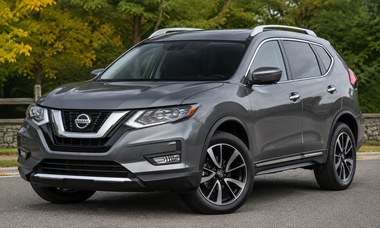
Is the Nissan Rogue reliable? Which Rogue years are the best to buy, which should you avoid, and how long can a Rogue realistically last before expensive repairs become likely?
Those questions are especially important with the Rogue because its reliability history is closely tied to two major components: Nissan's continuously variable transmission (CVT) and, on newer models, the 1.5L VC-Turbo three-cylinder engine.
The basic 2.5L four-cylinder used through most of the Rogue's history can be quite durable. The problem is that a healthy engine doesn't necessarily make a used Rogue a good buy if the CVT is nearing the end of its life. More recently, Nissan replaced the traditional 2.5L engine with a technologically complex variable-compression turbo engine, creating a different set of reliability questions.
This guide covers the 2008-2024 U.S. Nissan Rogue. It separates the three generations, explains the important engine and transmission differences, and looks at whether a Rogue with 100,000, 150,000 or even 200,000 miles can still make sense.
In This Guide You'll Learn
- Which Nissan Rogue years are generally the best used buys
- Which Rogue years deserve extra caution
- How first-, second- and third-generation Rogue reliability compares
- How serious Nissan Rogue CVT problems can be
- Whether later Rogue CVTs are more reliable
- How long a Nissan Rogue CVT can last
- How reliable the 2.5L four-cylinder engine is
- What to know about the newer 1.5L VC-Turbo engine
- Whether FWD or AWD Rogues are better long-term choices
- Whether a Nissan Rogue with 100,000 miles is worth buying
- Whether a Rogue can realistically last 150,000 or 200,000 miles
- What to inspect before buying a high-mileage Rogue
Nissan Rogue Reliability Overview
The Nissan Rogue has a mixed reliability record. The SUV itself can be practical, economical and capable of substantial mileage, but transmission reliability has been the defining issue for many older examples.
The 2008-2013 first-generation Rogue uses Nissan's 2.5L QR25DE four-cylinder and a CVT. The engine is generally the stronger part of the powertrain. CVT overheating, whining, reduced performance and eventual transmission failure are much more important concerns on higher-mileage examples.
The 2014-2020 second generation continued with a 2.5L four-cylinder and CVT. These Rogues became enormously popular, but CVT concerns didn't disappear. Nissan ultimately extended CVT warranty coverage on 2014-2018 Rogues as part of a class-action settlement. :contentReference[oaicite:0]{index=0}
Later second-generation cars are generally more appealing than early ones, but maintenance history remains extremely important. A Rogue that drives normally today isn't automatically guaranteed to have a healthy CVT for another 75,000 miles.
The 2021-2024 third generation changes the reliability equation. The 2021 Rogue primarily retained a naturally aspirated 2.5L four-cylinder, while the 1.5L variable-compression turbocharged three-cylinder became the major powertrain story thereafter.
That newer engine now deserves significant caution. Nissan has issued recalls involving certain VC-Turbo engines because bearing problems can lead to engine damage or failure. A 2026 recall specifically covers certain 2023-2025 Rogues with the 1.5L VC-Turbo, expanding earlier action involving VC-Turbo engines. :contentReference[oaicite:1]{index=1}
Bottom Line: The Rogue isn't a vehicle I'd buy based solely on model year or low mileage. On older Rogues, CVT condition and service history can determine whether the vehicle is a bargain or an expensive mistake. On newer 1.5L VC-Turbo models, engine recall history and completion of applicable recall work have become equally important.
Nissan Rogue Reliability at a Glance
| Rogue | Reliability Outlook |
|---|---|
| 2008-2010 | Early first-generation cars; aging CVTs and overall vehicle age make these higher-risk purchases today |
| 2011-2013 | Better-developed first generation, but CVT condition remains critical |
| 2014-2016 | Early second-generation years; CVT history deserves substantial caution |
| 2017-2018 | More mature second generation, but still included in Nissan's CVT warranty extension |
| 2019-2020 | Generally among the more appealing 2.5L/CVT Rogues if maintenance history is strong |
| 2021 | First year of the third generation; naturally aspirated 2.5L powertrain makes it mechanically distinct from later VC-Turbo Rogues |
| 2022 | Introduction of widespread 1.5L VC-Turbo use adds considerable engine complexity |
| 2023-2024 | Newer vehicles, but certain 1.5L VC-Turbo engines are affected by engine-bearing recalls |
How Many Miles Can a Nissan Rogue Last?
A well-maintained Nissan Rogue can realistically last 150,000 to 200,000 miles, and some examples make it beyond 200,000 miles. However, how long a Rogue lasts depends heavily on the model year, maintenance history and, particularly on older models, the condition of its CVT transmission.
The naturally aspirated 2.5L four-cylinder engine used in 2008-2021 Rogues has a well-established history and is often capable of 200,000 miles or more with proper maintenance. On these vehicles, the engine may actually outlast the original CVT.
That's an important distinction when considering a high-mileage Rogue. A vehicle can have a healthy engine at 150,000 miles while facing a transmission repair expensive enough to determine whether keeping the vehicle makes financial sense.
For the 2022-2024 Rogue with the 1.5L VC-Turbo engine, there isn't yet enough high-mileage history to confidently predict routine 200,000-mile durability. The engine's added complexity and bearing-related recall history also make long-term maintenance and recall records especially important.
- 100,000 miles: Not unusually high for a properly maintained Rogue, but CVT history should be checked carefully.
- 150,000 miles: Realistic for a well-maintained Rogue, particularly one with the 2.5L engine and a healthy or previously replaced CVT.
- 200,000 miles: Achievable, especially with the older 2.5L engine, although significant repairs may be needed along the way.
- 250,000+ miles: Possible, but I'd consider this exceptional rather than something every Rogue buyer should expect.
Bottom Line: Expect roughly 150,000 to 200,000 miles from a good Nissan Rogue with proper maintenance. Older 2.5L engines can go considerably farther, but the CVT is often the component that determines the vehicle's practical lifespan.
Possibly Buying Soon? Avoid These Dealer Traps
Before you sign, learn:
- What you don't know about dealer trade-in offers could cost you
- Which dealer fees you must pay, can negotiate, or should avoid
Nissan Rogue Reliability by Generation
2008-2013: First-Generation Nissan Rogue
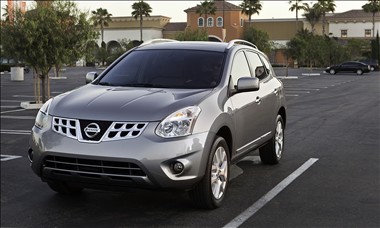
The first Nissan Rogue arrived for 2008 with a straightforward powertrain combination: a 2.5L QR25DE four-cylinder engine paired with a continuously variable transmission.
The engine is generally not the reason I'd hesitate to buy one. A well-maintained QR25DE can accumulate substantial mileage.
The CVT is the bigger issue.
Older Nissan CVTs developed a reputation for overheating, whining, hesitation, reduced acceleration and, in some cases, complete failure. Long highway trips, high temperatures and demanding use could make heat-related problems more apparent.
At this point, age adds another layer of risk. Even a first-generation Rogue with modest mileage is now an old vehicle with aging seals, suspension components, electronics, wheel bearings and rubber parts.
2008-2010 Nissan Rogue Reliability
The 2008 Rogue was the first model year, and I would generally prefer a later first-generation example when condition and price are similar.
The 2009 and 2010 models benefited from additional production experience, but CVT condition remains the dominant powertrain concern.
These early Rogues are now inexpensive enough to be tempting used-car purchases. The danger is paying several thousand dollars for the vehicle and then facing a transmission repair that represents a substantial percentage of its value.
There are also age-related electrical concerns worth checking. A recall covering 2008-2013 Rogues addressed the possibility of water and salt entering a driver-side wiring-harness connector and causing an electrical short. :contentReference[oaicite:2]{index=2}
2011-2013 Nissan Rogue Reliability
The 2011-2013 Rogue represents the mature end of first-generation production and would generally be my preference within this generation.
The 2.5L engine can be quite durable, and these years benefited from several years of production refinement.
That doesn't eliminate the CVT question. At today's age and mileage, I'd want to know whether the transmission has been serviced, whether it has ever been replaced, and how it behaves after the vehicle is completely warmed up.
A short test drive around a dealership parking lot isn't enough. Some transmission problems become more obvious after extended driving and higher operating temperatures.
Buyer Tip: If shopping for a first-generation Rogue, I'd generally favor a 2011-2013 with excellent maintenance history. But I would choose a documented higher-mileage vehicle with a healthy or previously replaced CVT over a lower-mileage example with unknown transmission history.
First-Generation Nissan Rogue CVT Problems
The CVT is the component that deserves the most attention on a 2008-2013 Rogue.
Unlike a conventional automatic transmission with fixed gears, a CVT continuously changes its effective ratio. This can provide smooth operation and good fuel economy, but it also means the transmission behaves differently from a conventional automatic.
Normal CVT behavior shouldn't be confused with actual trouble. However, certain symptoms deserve investigation:
- Pronounced whining that increases as the transmission gets hot
- Hesitation when accelerating
- Engine speed increasing without corresponding vehicle acceleration
- Shuddering or juddering
- Delayed engagement when selecting Drive or Reverse
- Reduced power after extended highway driving
- Transmission warning lights
- Abnormal vibration
- Evidence of overheating
A failing CVT can turn an otherwise inexpensive Rogue into a poor financial decision.
Buyer Tip: Don't buy an older Rogue simply because the engine sounds excellent. The transmission deserves at least as much attention as the engine.
First-Generation Rogue 2.5L Engine Reliability
The 2.5L QR25DE four-cylinder is generally one of the stronger parts of the first-generation Rogue.
With regular oil changes and proper cooling-system maintenance, the engine itself can reach 150,000 miles and beyond. High-mileage examples should still be checked for oil consumption, leaks, ignition problems, cooling-system issues and abnormal timing-chain noise.
The important point for used buyers is that engine life and vehicle life aren't necessarily the same thing. A Rogue can have an engine capable of another 75,000 miles while its CVT is approaching a very expensive repair.
Common 2008-2013 Nissan Rogue Problems
- CVT overheating or premature transmission failure
- CVT whining, hesitation and reduced acceleration
- Wheel-bearing noise and failure
- Suspension wear
- Oil leaks or oil consumption on higher-mileage engines
- Electrical problems
- Air-conditioning problems
- Door-lock and power-accessory issues
- AWD system and driveline concerns on higher-mileage vehicles
- Cooling-system deterioration with age
- Rust and corrosion in snow-belt vehicles
Buyer Tip: A first-generation Rogue can still make sense as inexpensive transportation, but I'd want the purchase price to reflect its age and transmission risk. A questionable CVT is enough reason for me to walk away.
2014-2020: Second-Generation Nissan Rogue
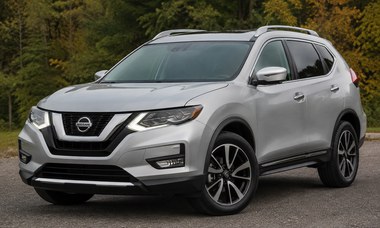
The redesigned 2014 Nissan Rogue became larger, more refined and more competitive with popular compact SUVs such as the Honda CR-V and Toyota RAV4.
Mechanically, however, Nissan retained the familiar formula: a 2.5L four-cylinder paired with a CVT.
The second-generation Rogue sold in enormous numbers, which means used examples are plentiful and often attractively priced. But the transmission remains the central reliability consideration.
The concern isn't merely anecdotal. Nissan later extended CVT warranty coverage on 2014-2018 Rogue vehicles from the original 60-month/60,000-mile term to 84 months/84,000 miles as part of a class-action settlement. :contentReference[oaicite:3]{index=3}
2014 Nissan Rogue Reliability
The 2014 Rogue was the first year of the second generation, and I'd generally give it more scrutiny than later examples.
It combines first-year redesign considerations with the continuing CVT reliability question.
There was also a 2014 Rogue Select, which was essentially the previous-generation Rogue sold alongside the redesigned model. Don't assume every vehicle registered as a 2014 Rogue is mechanically identical.
Buyer Tip: If choosing between similarly maintained 2014 and later second-generation Rogues, I'd usually take the later vehicle.
2015-2016 Nissan Rogue Reliability
The 2015 and 2016 Rogue benefited from additional second-generation production experience, but these aren't years where I'd stop worrying about the CVT.
Transmission behavior and maintenance records should still play a major role in the purchase decision.
Check for hesitation, juddering, abnormal noises and delayed engagement. Drive the vehicle long enough for the drivetrain to reach normal operating temperature.
2017-2018 Nissan Rogue Reliability
The 2017 and 2018 Rogue are later, more mature examples of the second generation and can be reasonable used choices when well maintained.
However, both years were still included in Nissan's CVT warranty extension. :contentReference[oaicite:4]{index=4}
That doesn't mean every 2017 or 2018 transmission is defective. It does mean I wouldn't treat these years as though the earlier CVT concerns had simply disappeared.
At higher mileage, documented transmission maintenance becomes increasingly valuable.
2019-2020 Nissan Rogue Reliability
The 2019 and 2020 Rogue are generally the second-generation years I'd investigate first.
They benefit from mature production, retain the familiar naturally aspirated 2.5L engine, and avoid the variable-compression turbo engine used on newer Rogues.
The CVT still needs careful evaluation. A late second-generation Rogue isn't automatically transmission-proof simply because it is newer.
But when comparing otherwise similar used Rogues, a well-maintained 2019 or 2020 is generally more appealing to me than an early second-generation example.
Buyer Tip: For someone seeking a conventional 2.5L Rogue, 2019-2020 can be among the more attractive years, provided the CVT behaves properly and maintenance history is convincing.
Second-Generation Rogue 2.5L Engine Reliability
The naturally aspirated 2.5L four-cylinder remained relatively straightforward compared with the turbocharged variable-compression engine that followed.
Regular oil changes matter, as do cooling-system maintenance and attention to oil level as mileage increases.
Potential engine-related concerns can include:
- Oil consumption on individual higher-mileage engines
- Oil leaks
- Ignition coils and spark plugs
- Sensors
- Cooling-system components
- Engine mounts
- Timing-chain-related noise on neglected engines
Again, I'd generally be more concerned about the CVT than the basic 2.5L engine when evaluating a second-generation Rogue.
Common 2014-2020 Nissan Rogue Problems
- CVT judder, hesitation or failure
- Transmission overheating or abnormal noise
- Delayed acceleration
- Air-conditioning problems
- Electrical and infotainment problems
- Power liftgate and accessory issues on equipped models
- Wheel-bearing wear
- Suspension noise and wear
- Oil leaks or consumption on higher-mileage vehicles
- Battery and charging-system issues
- AWD/driveline concerns on individual high-mileage vehicles
Buyer Tip: Don't assume a second-generation Rogue is a bad vehicle simply because it has a CVT. Many have accumulated substantial mileage. But the transmission's condition and maintenance history should directly affect how much you're willing to pay.
2021-2024: Third-Generation Nissan Rogue
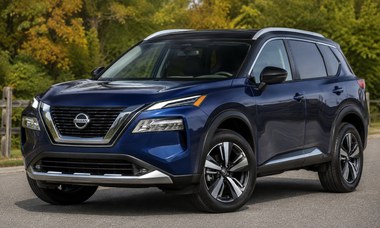
The 2021 Rogue introduced a completely redesigned third generation with a much more modern interior, improved technology and a more substantial overall feel.
From a reliability standpoint, however, it's important to separate the 2021 2.5L Rogue from the later models using Nissan's 1.5L VC-Turbo three-cylinder.
Those are substantially different engines and shouldn't be lumped together when evaluating long-term reliability.
2021 Nissan Rogue Reliability
The 2021 Rogue was the first year of the new generation and therefore deserves the normal caution associated with a complete redesign.
Its naturally aspirated 2.5L four-cylinder is more conventional than the VC-Turbo engine that became central to the lineup afterward.
For a buyer specifically concerned about long-term engine complexity, that makes the 2021 an interesting year despite its first-year status.
I'd still carefully inspect electronics, driver-assistance systems and the CVT, and I'd verify all recall work by VIN before purchase.
2022 Nissan Rogue Reliability
The 2022 Rogue marked a major powertrain change with widespread use of Nissan's 1.5L VC-Turbo three-cylinder.
VC-Turbo technology varies the engine's compression ratio in an effort to combine fuel economy, low-speed torque and performance. It's clever engineering, but it is also substantially more complicated than the naturally aspirated 2.5L four-cylinder it replaced.
For long-term used-car ownership, additional complexity matters because there are more components and operating variables involved.
2023-2024 Nissan Rogue Reliability
The 2023 and 2024 Rogue are newer and benefit from additional third-generation production experience, but an important engine issue now prevents me from simply labeling them the best Rogue years.
Nissan's 2026 recall covers certain 2023-2025 Rogue models equipped with the 1.5L VC-Turbo. Nissan reported that high engine-oil temperatures under certain operating conditions can degrade lubrication and contribute to bearing seizure, potentially resulting in engine damage or failure. :contentReference[oaicite:5]{index=5}
The same engine family had already been involved in an earlier recall related to possible engine-bearing manufacturing defects. :contentReference[oaicite:6]{index=6}
There is also a separate 2026 recall involving certain 2024-2025 Rogues in which electronic throttle-body gears may weaken and fracture, potentially causing loss of drive power. :contentReference[oaicite:7]{index=7}
These recalls don't mean every 2023 or 2024 Rogue will suffer engine failure. They do mean that anyone buying one should check the VIN for applicable recalls and verify that required work has been completed.
Buyer Tip: I would not buy a used 2023-2024 Rogue without checking its recall status. Nissan's engine-bearing actions are too important to treat as a minor footnote.
Nissan Rogue 1.5L VC-Turbo Reliability
The 1.5L VC-Turbo is one of the most important reliability questions facing newer Rogue buyers.
The engine uses three cylinders, turbocharging, direct injection and a variable-compression system. That allows a small engine to produce useful torque while delivering strong fuel economy, but it also creates considerably more mechanical complexity than the older naturally aspirated 2.5L.
The bearing-related recalls are particularly significant because the potential outcome isn't merely a warning light or minor drivability complaint. Bearing damage can result in engine failure and loss of power. Nissan's 2026 filing said it had identified hundreds of warranty claims associated with the condition covered by the expanded recall. :contentReference[oaicite:8]{index=8}
That doesn't justify predicting that the majority of these engines will fail. It does justify being more cautious about their long-term reliability than we would be with an established naturally aspirated engine.
Bottom Line: The 1.5L VC-Turbo may ultimately prove capable of high mileage in many Rogues, but I would not yet put it in the same proven long-term durability category as Nissan's older 2.5L four-cylinder.
Third-Generation Nissan Rogue CVT Reliability
Nissan continued using a CVT with the third-generation Rogue, but buyers shouldn't assume every Nissan CVT has exactly the same reliability history.
The newer transmission has benefited from years of development, and a 2023 Rogue shouldn't automatically be judged as though it has the identical transmission used in a 2009 Rogue.
At the same time, the basic used-car rules still apply. Check for smooth engagement, abnormal noises, juddering, hesitation and warning messages, and verify that maintenance has been performed properly.
On a newer Rogue, I'd also check for software updates, service campaigns and recalls by VIN rather than relying solely on the model year.
Common 2021-2024 Nissan Rogue Problems and Concerns
- 1.5L VC-Turbo engine-bearing concerns on affected vehicles
- Potential engine failure on vehicles covered by applicable recalls
- Electronic throttle-body concerns on certain 2024 models
- CVT behavior and long-term transmission durability
- Electrical and electronic glitches
- Infotainment and connectivity problems
- Driver-assistance sensor or warning issues
- Battery-related problems
- Fuel-system or engine-management concerns
- Higher potential repair complexity than older 2.5L Rogues
Buyer Tip: The third-generation Rogue is much more modern than its predecessors, but newer doesn't automatically mean lower-risk. A 2021 2.5L and a 2023-2024 1.5L VC-Turbo Rogue should be evaluated as meaningfully different used vehicles.
Nissan Rogue FWD vs. AWD Reliability
Both front-wheel-drive and all-wheel-drive Rogues can provide good service, but FWD is mechanically simpler.
If you don't need AWD for snow, poor roads or other traction requirements, the FWD version eliminates some additional driveline components that can eventually require maintenance or repair.
That doesn't make AWD Rogues unreliable. It simply means a high-mileage AWD vehicle deserves additional inspection of the rear driveline, bearings, seals and related components.
Tire condition is also important on AWD vehicles. Ideally, all four tires should be closely matched in size, type and wear.
Buyer Tip: I'd choose FWD for maximum simplicity if AWD isn't needed. But transmission condition, engine condition and maintenance history are much more important to Rogue reliability than the FWD-versus-AWD decision.
Which Nissan Rogue Generations Have the Biggest Reliability Differences?
- 2008-2013: Durable 2.5L engine, but aging first-generation CVTs are the primary financial risk.
- 2014-2018: More refined vehicle, but CVT concerns remained significant enough that Nissan later extended transmission warranty coverage on these years. :contentReference[oaicite:9]{index=9}
- 2019-2020: Mature second-generation models with the conventional 2.5L engine; among the years I'd investigate most closely as used buys.
- 2021: Redesigned vehicle but retains the more conventional naturally aspirated 2.5L powertrain.
- 2022: Major change to the more complex 1.5L VC-Turbo engine.
- 2023-2024: Newer and more refined, but engine-bearing recalls make VIN-specific history particularly important. :contentReference[oaicite:10]{index=10}
For more Nissan model reliability information, see our Nissan Reliability and Problems Guide. This comprehensive guide details the best used Nissan models and years, common problems to watch for, the best years to buy or those to avoid, and more.
Bottom Line: The Rogue's reliability story has changed over time. Older 2.5L models have a relatively durable engine but can be undermined by CVT problems. Later second-generation models, particularly 2019-2020, are worth considering when transmission history is strong. The 2021 offers the older naturally aspirated engine in the newer body, while 2022-2024 models introduce the more complicated VC-Turbo powertrain. For 2023-2024 examples, checking engine-recall status should be part of the buying process, not an afterthought.
Best Nissan Rogue Years to Buy
The best used Nissan Rogue years aren't necessarily the newest ones. For long-term ownership, I'd put considerable weight on powertrain simplicity, CVT history, maintenance records and whether the vehicle has already accumulated enough mileage to reveal major problems.
Among 2008-2024 Rogues, the later 2.5L models are particularly interesting because they combine a mature vehicle with Nissan's long-established naturally aspirated four-cylinder rather than the newer VC-Turbo engine.
| Rogue Years | Why They Stand Out |
|---|---|
| 2011-2013 | Mature first generation with durable 2.5L engine; CVT condition remains critical |
| 2019-2020 | Mature second generation, conventional 2.5L engine and generally among the more appealing used Rogue years |
| 2021 | New-generation design paired with the naturally aspirated 2.5L rather than the later 1.5L VC-Turbo |
| 2022 | Newer vehicle but introduction of the more complex 1.5L VC-Turbo makes long-term reliability less established |
| 2023-2024 | Modern and refined, but applicable VC-Turbo engine recalls must be investigated by VIN |
Best Older Rogue Years: If you're shopping inexpensively, a well-maintained 2011-2013 can still make sense. But at this age, I'd buy primarily on condition and CVT history rather than model year.
Best Second-Generation Years: The 2019-2020 Rogue is where I'd concentrate much of my search. These are mature second-generation vehicles with the familiar naturally aspirated 2.5L engine.
Interesting Newer Choice: The 2021 Rogue deserves consideration because it combines the redesigned third-generation vehicle with the older 2.5L engine. Its first-year status is a disadvantage, but some buyers may prefer that engine to the more complicated VC-Turbo used afterward.
Nissan Rogue Years Requiring Extra Caution
I wouldn't automatically reject every Rogue from any particular year. But several groups deserve more scrutiny because of transmission history, first-year redesigns or newer engine concerns.
| Rogue Years | Why Use More Caution |
|---|---|
| 2008-2010 | Early first-generation vehicles with aging CVTs and substantial vehicle age today |
| 2014 | First year of the redesigned second generation plus continuing CVT concerns |
| 2014-2018 | CVT problems significant enough that Nissan later extended warranty coverage on affected vehicles |
| 2021 | First year of a complete redesign, although its 2.5L engine is relatively conventional |
| 2022 | Introduction of the 1.5L VC-Turbo; long-term durability less established |
| 2023-2024 | Certain 1.5L VC-Turbo engines affected by bearing-related recall actions; VIN-specific history important |
Bottom Line: With an older Rogue, the biggest question is often the CVT. With a newer VC-Turbo Rogue, both the engine and transmission deserve careful consideration.
Which Nissan Rogue Generation Is Most Reliable?
If I were choosing strictly on the combination of age, proven engine design and overall used-car risk, I'd lean toward a later second-generation 2019-2020 Rogue.
The first generation uses the durable 2.5L engine, but those vehicles are now old enough that age and accumulated mileage create additional problems.
The third generation is newer and considerably more refined, but the 1.5L VC-Turbo used from 2022 onward introduces a powertrain whose long-term reliability isn't as well established. Engine-bearing recall actions add another reason for caution on affected vehicles.
The 2021 is an interesting exception because it combines the third-generation platform with the older naturally aspirated 2.5L engine.
Most Reliable Rogue Generation: I wouldn't give the entire second generation a blanket endorsement because of its CVT history. But 2019-2020 are among the Rogue years I'd investigate first when looking for a proven used example.
Which Nissan Rogue Engine Is Most Reliable?
For proven long-term durability, I'd choose the 2.5L naturally aspirated four-cylinder over the newer 1.5L VC-Turbo.
The 2.5L isn't flawless. Higher-mileage engines can develop oil consumption, leaks, ignition problems and other age-related issues. But it has a long real-world history, and the engine itself is frequently capable of substantially more mileage than the transmission attached to it.
The 1.5L VC-Turbo is more technologically ambitious. Turbocharging, direct injection and variable compression allow impressive output and fuel economy from a small engine, but they also create considerably more complexity.
More importantly, bearing-related recalls involving the VC-Turbo family prevent me from giving it the same confidence as the older 2.5L at this point.
Most Reliable Rogue Engine: Based on established durability rather than technology or fuel economy, the 2.5L naturally aspirated four-cylinder gets the advantage.
How Reliable Is the Nissan Rogue CVT?
The Rogue CVT is the biggest reason this vehicle requires more careful used-car shopping than some competitors.
It's also important not to oversimplify the issue. Nissan used different generations and revisions of CVTs over many years. A transmission in a 2021 Rogue shouldn't automatically be assumed to have the same failure rate or weaknesses as one installed in 2009.
Still, earlier Rogue CVTs established a sufficiently troublesome history that transmission condition should be treated as a major buying consideration.
Some CVTs provide well over 100,000 miles of service. Others develop shuddering, overheating, whining or internal failure considerably earlier.
Maintenance, driving conditions and individual transmission condition all matter.
How Long Does a Nissan Rogue CVT Last?
There isn't a dependable mileage at which every Rogue CVT fails. Some transmissions exceed 150,000 miles, while others require major repair or replacement much sooner.
That's why I'd be cautious about claims that a Rogue CVT is automatically "good for" a particular number of miles.
At 80,000 or 100,000 miles, maintenance records become increasingly important. At 150,000 miles, I'd want either convincing evidence that the original CVT remains healthy or documentation showing that it has already been replaced or professionally repaired.
Does Changing Nissan Rogue CVT Fluid Matter?
Yes. CVT fluid isn't something I'd treat as a lifetime fluid when long-term ownership is the goal.
Proper fluid condition helps with lubrication, cooling and hydraulic operation. Using the correct Nissan-specified fluid is also important because CVTs have specific friction and operating requirements.
On a used Rogue, documented CVT-fluid service is a positive sign because it shows that the previous owner paid attention to the transmission rather than ignoring it until symptoms appeared.
A fluid change can't repair an already damaged CVT, however. If a transmission is whining, slipping, juddering or showing other failure symptoms, fresh fluid shouldn't be viewed as a cure.
Signs a Nissan Rogue CVT May Be Failing
- Whining or humming that becomes louder as the vehicle warms up
- Juddering or shuddering during acceleration
- Hesitation when pulling away from a stop
- Engine speed rising without normal acceleration
- Delayed engagement into Drive or Reverse
- Loss of acceleration after extended driving
- Abnormal vibration
- Transmission overheating warnings
- Check-engine or transmission warning lights
- Stored transmission-related diagnostic codes
Buyer Tip: Test-drive a used Rogue long enough to get the transmission fully warm. A ten-minute drive around the block may not reveal a heat-related CVT problem.
Most Common Nissan Rogue Problems
Although the CVT receives most of the attention, there are several other problems worth checking when shopping for a used Rogue.
1. CVT Failure and Judder
Transmission problems remain the most important concern on many older Rogues.
Symptoms can range from hesitation and juddering to overheating, reduced performance and complete transmission failure.
A Rogue with suspicious CVT behavior is not a vehicle I'd buy hoping that a relatively inexpensive service will solve the problem.
2. 1.5L VC-Turbo Engine-Bearing Concerns
The newer 1.5L VC-Turbo requires a different kind of caution.
Certain vehicles have been subject to recalls involving engine-bearing conditions that can potentially result in internal engine damage or failure.
For a 2023-2024 Rogue, check the VIN through Nissan or NHTSA and verify completion of all applicable recall work before purchase.
3. Oil Consumption and Oil Leaks
Higher-mileage 2.5L engines should be checked for oil consumption and external leaks.
Ask the seller whether oil needs to be added between changes. A neglected engine that has repeatedly operated with low oil is a much greater risk than one that simply consumes a modest amount as it ages.
4. Wheel-Bearing Problems
Wheel-bearing wear can produce humming or growling that changes with vehicle speed or when the vehicle's weight shifts during turns.
Don't automatically assume a humming noise is coming from the CVT. A professional inspection can help distinguish transmission noise from a failing wheel bearing.
5. Suspension Wear
Struts, shocks, bushings, links and other suspension components eventually wear as mileage increases.
Clunking over bumps, poor ride control and uneven tire wear deserve investigation.
6. Air-Conditioning Problems
Air-conditioning complaints occur on individual Rogues and can involve anything from relatively inexpensive components to more costly compressor or evaporator repairs.
Test the system long enough to verify that it continues producing cold air rather than merely cooling briefly after startup.
7. Electrical and Infotainment Problems
Newer Rogues contain considerably more electronic equipment than early models.
Check the infotainment system, cameras, power liftgate, windows, locks, seats, driver-assistance features and dashboard for warning messages.
8. Battery Problems
A weak battery can cause starting problems and seemingly unrelated electronic symptoms, particularly on newer vehicles with extensive electronics.
Check battery age and charging-system performance if a Rogue displays intermittent warning messages or unusual electrical behavior.
9. AWD System and Driveline Problems
AWD Rogues add rear driveline components that aren't present on FWD models.
At higher mileage, listen for bearing or driveline noise and inspect for leaks. Make sure the tires are reasonably well matched in size and wear.
10. Rust and Corrosion
Older Rogues from northern climates deserve an underbody inspection.
Surface rust isn't unusual on an older vehicle, but significant corrosion affecting suspension mounting areas, brake lines, subframes or structural components is much more serious.
Nissan Rogue Maintenance and Repair Costs
Routine Rogue maintenance is generally affordable. The financial concern is the possibility of a major CVT or engine repair that can represent a large percentage of an older vehicle's value.
| Repair or Service | Typical Cost Range |
|---|---|
| Oil and filter change | $60-$120+ |
| CVT fluid service | $200-$400+ |
| Spark plugs | $250-$500+ |
| Brake service per axle | $400-$800+ |
| Wheel bearing/hub | $400-$750+ |
| Alternator | $600-$1,100+ |
| Air-conditioning repair | $300-$1,500+ |
| Struts/shocks | $700-$1,500+ |
| Cooling-system repair | $400-$1,200+ |
| CVT replacement | $4,000-$7,000+ |
| Major engine repair/replacement | $5,000-$9,000+ |
| VC-Turbo major engine repair | Potentially higher depending on the failure and warranty/recall coverage |
These are broad estimates rather than repair quotes. Labor rates, parts prices, model year and the exact repair can change costs substantially.
The important financial calculation on an older Rogue is whether a major transmission repair makes sense relative to the vehicle's market value.
Maintenance to Expect After 100,000 Miles
A Rogue with more than 100,000 miles can still have plenty of useful life remaining, but I'd expect maintenance to extend well beyond oil changes.
- Regular engine oil and filter changes
- CVT fluid service using the correct specification
- Coolant replacement
- Brake-fluid service
- Spark-plug replacement
- Serpentine-belt inspection or replacement
- Battery and charging-system inspection
- Engine and transmission mount inspection
- Wheel-bearing inspection
- Strut, shock and suspension-bushing inspection
- Cooling-system inspection
- Oil-leak and oil-consumption monitoring
- AWD driveline inspection where applicable
- Brake and tire inspection
- Diagnostic scan for stored engine and transmission codes
On a Rogue, I'd put CVT maintenance near the top of the list. A stack of oil-change receipts is useful, but it doesn't tell you whether the transmission was maintained.
What to Check Before Buying a Used Nissan Rogue
A thorough pre-purchase inspection is particularly worthwhile on a Rogue because transmission problems can quickly turn an inexpensive used SUV into an expensive one.
- Start it completely cold: Listen for abnormal engine or timing-chain noises.
- Check the engine oil: Verify level and condition and look for evidence of consumption or neglect.
- Drive it until fully warm: Some CVT symptoms become more apparent after extended driving.
- Accelerate gently and firmly: Look for hesitation, juddering, slipping sensations or unusual engine-speed behavior.
- Listen for CVT whine: Pronounced transmission noise deserves investigation.
- Check Drive and Reverse engagement: Excessive delay or harsh engagement isn't normal.
- Scan for diagnostic codes: Check engine and transmission modules rather than relying solely on dashboard warning lights.
- Ask for CVT service records: Documented maintenance adds confidence.
- Verify replacement-transmission paperwork: Find out when it was replaced and whether the work was performed by Nissan or a reputable transmission specialist.
- Check recall status: Particularly important on newer VC-Turbo Rogues.
- Inspect the suspension: Listen for clunks and check for uneven tire wear.
- Listen for wheel-bearing noise: A humming sound shouldn't automatically be blamed on the transmission.
- Test the air conditioning: Make sure it remains cold throughout the test drive.
- Test all electronics: Especially infotainment, cameras, driver-assistance systems and power accessories on newer models.
- Inspect underneath for rust: Particularly on older snow-belt vehicles.
- Inspect AWD models carefully: Check driveline condition and make sure all four tires are appropriately matched.
Buyer Tip: If the seller won't allow a pre-purchase inspection on an older high-mileage Rogue, I'd look for another one. There are enough used Rogues available that taking an unnecessary transmission risk rarely makes sense.
Nissan Rogue Pros and Cons
Pros
- Huge used-vehicle selection
- Generally affordable purchase prices
- Practical passenger and cargo space
- Good fuel economy
- Comfortable everyday transportation
- 2.5L four-cylinder has a long-established durability record
- 150,000 miles or more is realistic with proper maintenance
- 200,000 miles is possible on well-maintained older examples
- 2019-2020 models offer a mature second-generation design
- 2021 combines the newer body with the conventional 2.5L engine
Cons
- CVT reliability is the major weakness of many older Rogues
- CVT replacement can exceed the economic value of an older vehicle
- Transmission condition isn't always obvious during a short test drive
- 2014-2018 models had extended CVT warranty coverage
- Newer 1.5L VC-Turbo engine is considerably more complex than the older 2.5L
- VC-Turbo engine-bearing recalls create additional concern on affected vehicles
- Long-term 1.5L VC-Turbo durability isn't yet as well established
- 2021 is a first-year redesign
- AWD adds some additional long-term mechanical complexity
But Before You Buy Any Vehicle ...
Please learn:
- How to avoid giving the dealer the upper hand on a "used" car price
- How to avoid overpaying for a "new" car
Final Buyer Summary: Is the Nissan Rogue Reliable?
The Nissan Rogue can be a reliable and economical compact SUV, but it's one of those vehicles where a simple model-year recommendation doesn't tell the whole story.
The 2008-2013 first generation has a generally durable 2.5L engine, but its age and CVT history make careful inspection essential. I'd favor 2011-2013 within this generation, but only when transmission behavior and maintenance history are convincing.
The 2014-2020 second generation is newer and more refined, yet CVT concerns remained significant during much of its production run. For most used buyers, I'd investigate the 2019-2020 Rogue first. These later examples retain the established naturally aspirated 2.5L engine and benefit from mature second-generation production.
The 2021 Rogue is unusual because it introduces the redesigned third-generation vehicle while retaining the more conventional 2.5L engine. That makes it potentially attractive for someone who wants the newer Rogue without the VC-Turbo powertrain, although its first-year status still warrants extra inspection.
The 2022-2024 Rogue requires a different reliability calculation. Nissan's 1.5L VC-Turbo provides good torque and fuel economy, but its variable-compression design is substantially more complicated than the older engine. Bearing-related recall actions involving this engine family mean I wouldn't yet give it the same long-term durability confidence as the 2.5L.
If I were shopping for a Rogue primarily for reliability and long-term ownership, a documented 2019-2020 with a healthy CVT would be high on my list. A carefully inspected 2021 is another interesting choice because of its naturally aspirated engine.
At higher mileage, don't focus only on whether the engine can last. The 2.5L may be perfectly capable of 150,000 or 200,000 miles while CVT condition determines whether keeping the vehicle that long makes financial sense.
Buyer Takeaway: Favor documented maintenance over low mileage, test the CVT thoroughly after it is fully warmed up, investigate any transmission noise or hesitation before buying, and check newer VC-Turbo Rogues for applicable engine recalls by VIN. A good Rogue can provide many years of service, but choosing the right powertrain and individual vehicle matters more here than simply choosing the newest one you can afford.
Some Insider Insights:
Dealers Just Hate This Negotiation Technique