

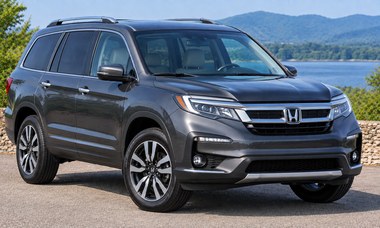
The Honda Pilot has earned a strong reputation as a durable three-row SUV, and a well-maintained Pilot can realistically remain useful for 200,000 miles or more. But Pilot reliability isn't identical from year to year. Transmission problems affected some early models, Honda's Variable Cylinder Management system became an important consideration on later V6 engines, and the third generation introduced both six-speed and nine-speed automatic transmissions with different reliability histories.
That makes choosing the right Pilot year more important than simply relying on Honda's overall reputation. Some generations contain particularly attractive used-car years, while others deserve a more careful inspection for transmission behavior, oil consumption, engine misfires, fuel-system problems or evidence of neglected timing-belt maintenance.
This guide covers 2003 through 2024 U.S.-market Honda Pilots, including two-wheel-drive and four-wheel-drive/AWD versions, the major transmission changes, and the newer TrailSport where its equipment or intended use affects what a used-car buyer should inspect.
In This Guide You'll Learn
- Which Honda Pilot years are generally the best used-car choices
- Which Pilot years deserve extra caution
- How long a Honda Pilot can realistically last
- Why transmission choice matters on certain Pilot years and trims
- What to know about Honda's VCM cylinder-deactivation system
- Which problems become more important after 100,000 miles
- What separates a good high-mileage Pilot from one likely to become expensive
However, if you're also considering a brand-new Pilot or another new vehicle, before you start negotiating you may want to take a look at how I approach getting a new car close to or even below invoice, or at least at the best price possible when demand is high.
Honda Pilot Reliability Overview
Overall Honda Pilot reliability is good, but there are meaningful differences among generations. The basic formula has remained remarkably consistent: a naturally aspirated 3.5-liter V6, three-row seating and either front-wheel drive or a Honda four-wheel-drive/AWD system. The details surrounding that formula, however, changed substantially over the years.
Early Pilots are simple by modern standards and many have accumulated very high mileage, but the oldest vehicles deserve particular attention for automatic-transmission condition. As these SUVs approach or exceed 20 years old, timing-belt history, oil leaks, engine mounts, suspension wear and general age also become major considerations.
The 2009–2015 second generation can be an excellent used SUV, but Honda's Variable Cylinder Management (VCM) system adds another consideration. Some vehicles developed oil consumption, spark-plug fouling and misfires associated with piston-ring problems. Honda issued service guidance for affected vehicles, so a history of misfires or unusual oil consumption shouldn't simply be dismissed as normal for an older Pilot.
The 2016–2022 third generation brought substantially more technology and introduced an important transmission distinction. Depending on year and trim, Pilots used either a six-speed automatic or a nine-speed automatic. That means two Pilots from the same model year can present somewhat different used-car considerations.
The redesigned 2023–2024 Pilot uses a 285-horsepower 3.5-liter V6 and 10-speed automatic. These vehicles are promising, but they're still too young to tell us as much about 150,000- or 200,000-mile durability as the earlier generations.
Honda Pilot Reliability at a Glance
| Category | Assessment |
|---|---|
| Overall Reliability | Good, with meaningful differences by generation and transmission |
| Best Used Years | Selected later first-generation, later second-generation and well-sorted third-generation models |
| Years Requiring Extra Inspection | Early first-generation models, VCM-related problem years, and certain early third-generation models |
| Engine | 3.5-liter naturally aspirated V6 throughout the Pilot's U.S. history |
| Major Maintenance Item | Timing-belt service at the applicable Maintenance Minder interval |
| Expected Lifespan | About 200,000–250,000 miles with good maintenance; exceptional examples can exceed 250,000 miles |
How Many Miles Can a Honda Pilot Last?
A well-maintained Honda Pilot can realistically last about 200,000 to 250,000 miles, and particularly good examples can exceed 250,000 miles. The 3.5-liter V6 itself can be very durable, but reaching those mileages depends heavily on transmission care, timing-belt maintenance, cooling-system condition and repairing problems before they create additional damage.
At 100,000 miles: A properly maintained Pilot can still have a great deal of useful life remaining. This is an important point to verify major maintenance, including applicable timing-belt service, and to inspect the transmission, engine mounts, suspension, cooling system and AWD components.
At 150,000 miles: We'd pay less attention to the odometer by itself and more attention to maintenance records. A documented 150,000-mile Pilot that has received proper transmission and engine maintenance can be preferable to a lower-mileage example with a questionable history.
At 200,000 miles: This isn't an unrealistic mileage for a Pilot. However, expect age-related repairs involving suspension components, wheel bearings, engine mounts, air-conditioning equipment, oil leaks and other accessories even if the engine and transmission remain healthy.
At 250,000 miles and beyond: Pilots can reach this territory, but we'd consider it a bonus rather than something every vehicle will achieve. The difference between a good 250,000-mile Pilot and an expensive one usually comes down to how consistently previous owners maintained it during the first 200,000 miles.
Honda Pilot Reliability by Generation
2003–2008 Honda Pilot: Durable V6, but Transmission History Matters
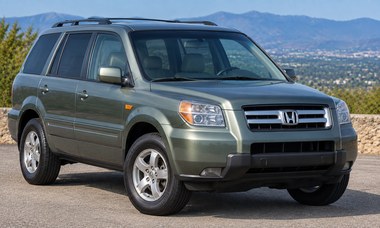
The first-generation Pilot established the formula that made the SUV successful: a roomy three-row interior, naturally aspirated 3.5-liter V6 and available four-wheel drive. Many are still on the road with very high mileage, which says something positive about the basic vehicle.
The automatic transmission is the area we'd investigate most carefully on an early Pilot, particularly the earliest model years. Honda automatic-transmission problems from this era are well known, and today the condition and repair history of the individual vehicle matter more than simply knowing whether a particular year was statistically better or worse.
By the later years of this generation, the Pilot had benefited from several years of development, making a well-maintained later first-generation example more attractive to us than an otherwise comparable early one.
The 3.5-liter V6 can be extremely durable, but timing-belt maintenance is critical. On a Pilot this old, we'd want documentation rather than accepting a seller's assumption that the work was probably done.
Age is now another major factor. Engine mounts, suspension bushings, wheel bearings, power-steering components, air-conditioning equipment, oil leaks and rubber components can all require attention regardless of how reliable the engine itself may be.
Buyer Tip: A clean later first-generation Pilot with documented timing-belt service and a smooth, properly maintained transmission can still be a useful inexpensive SUV. We'd be much more cautious about an early example with uncertain transmission history.
2009–2015 Honda Pilot: Strong Used-SUV Potential, but Watch VCM-Related Problems
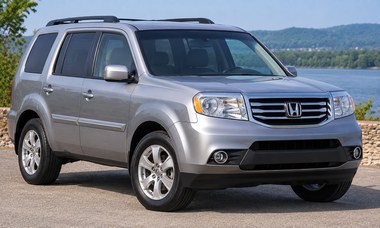
The second-generation Pilot became larger and more squared-off while retaining the familiar 3.5-liter V6 and five-speed automatic. Many examples have proven capable of substantial mileage, and this generation contains some very appealing used Pilots.
However, VCM-related oil consumption and misfires are important considerations on certain vehicles. Honda issued service procedures involving spark plugs, piston cleaning and, when diagnosis warranted it, piston-ring replacement for affected Pilots experiencing specific cylinder misfires.
This isn't a reason to reject every second-generation Pilot. It is a reason to ask whether the vehicle consumes significant oil, whether it has experienced repeated misfires, and whether related repairs have already been performed.
Timing-belt maintenance remains essential. A buyer should also inspect engine mounts because the vibration created as VCM changes operating modes can place additional demands on the Pilot's active mount system.
Transmission condition still matters, particularly as mileage rises, but the five-speed automatic in a properly maintained later second-generation Pilot can provide long service. We'd want smooth engagement, normal shifts and evidence that transmission-fluid maintenance wasn't ignored.
Buyer Tip: Don't automatically reject a high-mileage 2009–2015 Pilot. A documented example with no abnormal oil consumption, a healthy transmission and completed major maintenance can be one of the more attractive values in the used three-row SUV market.
2016–2022 Honda Pilot: Six-Speed vs. Nine-Speed Automatic Matters
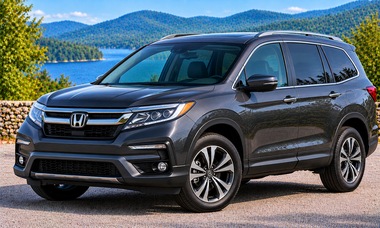
The third-generation Pilot was substantially more modern, with improved fuel economy, more safety technology and a more refined interior. It retained a 3.5-liter V6 but introduced direct fuel injection and, depending on year and trim, different automatic transmissions.
Transmission identification is especially important when shopping for a used 2016–2022 Pilot. Earlier lower trims generally used a six-speed automatic, while upper trims introduced a nine-speed automatic. Honda later expanded the nine-speed's availability.
The nine-speed can operate differently from a traditional Honda automatic, but genuinely harsh shifting, delayed engagement, warning messages or other abnormal behavior should be investigated rather than written off as a transmission characteristic.
Certain early nine-speed Pilots also received Honda attention for transmission-fluid-warmer problems that could allow coolant and transmission fluid to mix. This was vehicle-specific rather than something that happened to every Pilot, making VIN and service-history checks worthwhile on affected years.
Direct injection adds another layer of fuel-system complexity. Injector-related misfires and warning lights have occurred on some third-generation Pilots, so we'd want unexplained check-engine lights or rough running properly diagnosed before purchase.
Later third-generation Pilots benefited from years of refinement and can be very appealing used SUVs. As always, we'd favor a well-maintained example with complete records over a lower-priced vehicle with an uncertain history.
Buyer Tip: Before buying a 2016–2022 Pilot, identify which transmission it has and test-drive it thoroughly. Don't assume every Pilot from the same year has exactly the same drivetrain.
2023–2024 Honda Pilot: Redesigned SUV With a 10-Speed Automatic
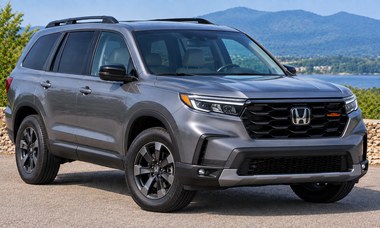
The fourth-generation Pilot arrived for 2023 with a redesigned platform, a newer version of Honda's 3.5-liter V6 producing 285 horsepower and a 10-speed automatic transmission across the lineup. Honda also expanded the Pilot's off-road capability, particularly with the TrailSport.
The new powertrain means we wouldn't simply assume that the reliability history of a 2015 or 2020 Pilot applies directly to a 2023 or 2024 model. The basic naturally aspirated V6 concept remains familiar, but the engine, transmission, electronics and AWD systems have continued to evolve.
These Pilots are also too new for meaningful 200,000-mile evidence. Early ownership experience can reveal defects and recurring problems, but it can't yet establish the same long-term durability record available for a 10- or 15-year-old Pilot.
For a used TrailSport, we'd pay additional attention to underbody condition, tires and evidence of serious off-road use. Its additional capability is valuable, but it also makes previous-owner treatment more relevant.
Late-model Pilots also retain enough value that a lightly used example can sometimes cost surprisingly close to a properly negotiated new Honda Pilot purchase, so it's worth comparing both alternatives rather than assuming the used vehicle automatically represents the better value.
Buyer Tip: We'd consider the 2023–2024 Pilot a promising modern choice, but wouldn't yet make definitive claims about very-high-mileage reliability. Buy primarily on condition, service history, price and how long you intend to keep it.
Honda Pilot Engine Reliability
3.5-Liter V6: The Foundation of Pilot Longevity
Every U.S.-market Pilot covered in this guide uses a version of Honda's 3.5-liter naturally aspirated V6. Honda used different versions of the engine over the years, so treating all of them as mechanically identical would be misleading.
Earlier versions are comparatively straightforward. Later engines added technologies such as VCM cylinder deactivation and direct fuel injection, while the redesigned 2023 Pilot introduced a significantly revised V6.
In general, the 3.5-liter V6 has the basic durability to support a 200,000-mile Pilot. What often determines whether the entire vehicle gets there economically is everything surrounding the engine: timing-belt maintenance, oil consumption, cooling-system care, transmission condition, engine mounts and whether previous owners addressed warning signs promptly.
Variable Cylinder Management (VCM)
VCM allows the engine to deactivate cylinders under light-load conditions to improve fuel economy. The system itself isn't automatically a reason to avoid a Pilot, but VCM-related oil consumption, spark-plug fouling and misfires have been documented on certain older Pilots.
Honda's own service information addressed specific misfire conditions with diagnostic procedures that could lead to spark-plug replacement, piston cleaning and piston-ring replacement. More recently, Honda extended coverage for certain 2013–2015 Pilots with qualifying VCM-related misfires.
For a used-car buyer, the practical questions are simple: Does the Pilot consume unusual amounts of oil? Has it experienced repeated misfires? Have piston-ring or related repairs been performed? Those answers are more useful than assuming every VCM-equipped Pilot will develop the same problem.
Direct-Injection V6: 2016–2022
The third-generation Pilot's direct-injected 3.5-liter V6 delivers strong performance and improved efficiency, but its fuel system is more complex than the earlier port-injected engines.
On a used example, we'd investigate repeated misfire codes, rough running or fuel-system warnings. A healthy engine should run smoothly, and a persistent warning light deserves diagnosis rather than a seller's reassurance that it's probably just a sensor.
Redesigned 3.5-Liter V6: 2023–2024
The fourth-generation Pilot continues with a naturally aspirated 3.5-liter V6, now rated at 285 horsepower. It's paired with Honda's 10-speed automatic rather than the six- and nine-speed transmissions found during the previous generation.
Because these vehicles are still young, we'd resist labeling this engine either exceptionally reliable or troublesome based on limited high-mileage experience. Long-term maintenance history will become much more informative as these Pilots age.
Common Honda Pilot Problems by Generation
2003–2008 Pilot
- Automatic-transmission problems: Particularly important to investigate on the earliest vehicles.
- Timing-belt maintenance: Verify replacement history rather than assuming the work was completed.
- Engine and transmission mounts: Worn mounts can cause excessive vibration and movement.
- Suspension and wheel-bearing wear: Increasingly common simply because of vehicle age and mileage.
- Oil leaks and age-related deterioration: Inspect seals, hoses and other rubber components carefully.
Buyer Tip: Transmission condition is one of our first priorities on an early Pilot. A bargain price isn't much of a bargain if the transmission is already showing warning signs.
2009–2015 Pilot
- Oil consumption and VCM-related misfires: Ask about oil usage, fouled spark plugs and previous piston-ring repairs.
- Engine mounts: Excessive vibration can indicate deteriorated mounts.
- Timing-belt maintenance: Particularly important as nearly all of these vehicles have now reached the age or mileage where major service should have been addressed.
- Transmission condition: Check for smooth operation and evidence of appropriate fluid maintenance.
- Suspension and steering wear: High-mileage examples may need bushings, struts, wheel bearings or other chassis work.
Buyer Tip: A later second-generation Pilot with excellent records can be a very strong used-SUV choice, but we'd specifically investigate oil consumption and misfire history before purchase.
2016–2022 Pilot
- Transmission behavior: Identify whether the Pilot has the six-speed or nine-speed automatic and investigate abnormal shifting.
- Fuel-injector and misfire problems: Rough running or recurring warning lights deserve proper diagnosis.
- Early nine-speed transmission-fluid-warmer concerns: Check the VIN and service history where applicable.
- Electronic and infotainment problems: Test cameras, audio, driver-assistance systems and other electronics.
- Timing-belt maintenance: Older and higher-mileage third-generation vehicles are now reaching major service points.
Buyer Tip: Don't buy a third-generation Pilot without a thorough test drive. Transmission behavior, warning lights and service records can tell you much more than the vehicle's appearance.
2023–2024 Pilot
- New-generation powertrain: The revised V6 and 10-speed automatic don't yet have a long high-mileage history.
- Electronics and driver-assistance systems: Verify that all cameras, sensors and convenience equipment operate correctly.
- Software and recall history: Check the VIN for applicable campaigns and completed updates.
- TrailSport condition: Inspect off-road-oriented examples for underbody damage and unusually hard use.
Buyer Tip: These vehicles are too new for age-related deterioration to be our main concern. We'd focus more on accident history, previous use, completed campaigns and whether the vehicle has been properly maintained from new.
What Are The Best Honda Pilot Years to Buy?
The best Honda Pilot years depend somewhat on budget. A carefully maintained older Pilot can provide a lot of SUV for the money, while later models offer substantially more safety technology and refinement. Across every generation, we'd put maintenance history ahead of finding the lowest-mileage example.
2006–2008: Better First-Generation Choices
If you're considering a first-generation Pilot, we'd generally favor 2006–2008 over the earliest years. These later models retain the relatively straightforward character that makes an older Pilot appealing while moving farther away from the transmission concerns associated with Honda's early-2000s vehicles.
They're now old enough that condition is critical. A documented timing-belt replacement, healthy transmission and well-maintained cooling and suspension systems matter much more than whether the odometer reads 120,000 or 170,000 miles.
2012–2015: Some of the Most Appealing Older Pilots
The later second-generation Pilots can offer an excellent combination of durability, interior space and used-car value. Their five-speed automatic is relatively straightforward compared with some later transmissions, and many of these vehicles have demonstrated the ability to accumulate substantial mileage.
We wouldn't buy one without investigating oil consumption and VCM-related misfire history. But a 2012–2015 Pilot that has been well maintained, doesn't consume excessive oil and has had its major services completed can be a strong used-SUV choice.
2019–2022: Our Preferred Third-Generation Years
The later third-generation Pilots benefit from several years of development while providing modern safety equipment, a comfortable interior and strong V6 performance. For someone who wants a relatively modern used Pilot without moving into the redesigned fourth generation, 2019–2022 is where we'd concentrate much of the search.
Transmission operation and maintenance history still deserve attention, as do fuel-injector history, warning lights and timing-belt service on higher-mileage examples. We'd also verify that applicable recalls and service campaigns have been completed.
2023–2024: Best Choice for Buyers Wanting the Newest Design
The redesigned 2023–2024 Pilot offers more interior space, newer technology, a revised 3.5-liter V6 and 10-speed automatic. These are attractive choices for buyers who value newer safety features and intend to keep the vehicle for many years.
Our only hesitation is simply that they haven't been on the road long enough to establish the same high-mileage record as older Pilots. We'd call them promising rather than proven 200,000-mile choices.
Which Honda Pilot Years Should You Avoid or Approach With Extra Caution?
We wouldn't classify every Pilot from a particular period as bad, but several groups deserve additional scrutiny. In many cases, the individual vehicle's history is more important than the year printed on the registration.
2003–2005: Transmission Condition Is Especially Important
The earliest Pilots deserve more caution because of automatic-transmission concerns from this period. Plenty survived to high mileage, so this isn't the same as saying every 2003–2005 Pilot will experience transmission failure.
At their present age, however, we'd need a compelling reason to choose one over a well-maintained later first-generation Pilot. Any slipping, delayed engagement, harsh shifting or questionable transmission history would make us walk away.
2009–2013: Investigate Oil Consumption and Misfire History
Some Pilots from this period developed oil consumption, fouled spark plugs and misfires associated with piston-ring problems and VCM operation. Honda issued service procedures addressing specific affected vehicles.
We wouldn't automatically avoid a 2009–2013 Pilot. Instead, we'd ask whether it consumes oil between changes, whether it has experienced recurring misfires and whether piston-ring or related repairs have already been performed.
2016–2018: Inspect the Transmission Carefully
The early third-generation Pilot deserves additional attention because this was the period in which the newer transmission configurations and other technology were being introduced.
On a 2016–2018 model, we'd identify the transmission, drive the vehicle long enough to evaluate it thoroughly and investigate harsh shifts, hesitation, delayed engagement, warning messages or an incomplete service history.
Which Honda Pilot Generation Is Most Reliable?
For buyers balancing proven durability, age and purchase price, we'd give the later second-generation 2009–2015 Pilot particularly strong consideration. By now there is extensive high-mileage experience with these vehicles, and the basic V6/five-speed-automatic combination can provide long service when properly maintained.
That recommendation comes with an important qualification: VCM-related oil consumption and misfires need to be investigated. We'd prefer a documented later second-generation Pilot with no significant oil-consumption history over one chosen simply because it has fewer miles.
The later 2019–2022 third-generation Pilot is probably the better overall choice for buyers with a larger budget. It combines a much newer vehicle with modern safety equipment and enough ownership history to make a more informed reliability judgment than we can yet make about the 2023–2024 generation.
Honda Pilot Transmission Reliability
Transmission reliability is one of the most important subjects when buying a used Pilot because Honda changed transmissions several times over the vehicle's history.
Five-Speed Automatic
First- and second-generation Pilots used five-speed automatics. The earliest first-generation vehicles deserve the most caution, while later versions have generally produced a better long-term record.
On any high-mileage Pilot, we'd check for delayed engagement when shifting into Drive or Reverse, slipping, shuddering, unusually harsh shifts and evidence that transmission-fluid maintenance wasn't neglected.
Six-Speed Automatic
The six-speed automatic used in third-generation Pilots can provide good service, but proper fluid maintenance remains important. If a vehicle shudders or shifts abnormally, we'd have the cause diagnosed rather than assuming a fluid change will automatically solve it.
When comparing two otherwise similar used Pilots, documented transmission maintenance would influence our decision considerably.
Nine-Speed Automatic
The nine-speed automatic appeared on upper-trim third-generation Pilots before becoming more widely used. Its shifting characteristics can feel different from Honda's older automatics, but severe hesitation, banging shifts, warning messages or persistent abnormal behavior aren't something we'd simply accept as normal.
Early applications also make service and recall history particularly important. If you're considering one, verify the VIN and make sure applicable repairs or campaigns have been addressed.
10-Speed Automatic: 2023–2024
The fourth-generation Pilot uses a 10-speed automatic across the lineup. It provides a much broader ratio spread than the older transmissions and contributes to the redesigned Pilot's improved responsiveness.
It's still too early to compare its 150,000- or 200,000-mile durability fairly with the older five- and six-speed units. For now, we'd focus on smooth operation, correct maintenance and whether applicable software updates or campaigns have been completed.
Most Serious Honda Pilot Problems
1. Automatic-Transmission Problems on Early Pilots
Transmission failure is one of the most expensive problems associated with older Pilots. The earliest first-generation vehicles deserve particular scrutiny because a major transmission repair can easily exceed the value of an inexpensive high-mileage SUV.
Any slipping, delayed engagement, harsh shifting or transmission warning should be investigated before purchase.
2. VCM-Related Oil Consumption and Misfires
Certain VCM-equipped Pilots have experienced excessive oil consumption, spark-plug fouling and cylinder misfires. Honda's own service procedures confirm that piston-ring problems were involved on qualifying vehicles.
A seller who says the Pilot "just uses a little oil" shouldn't automatically reassure you. Determine how much oil it's actually consuming and whether the vehicle has a history of misfires or related engine repairs.
3. Timing-Belt Maintenance
The Pilot's V6 makes timing-belt history especially important. This isn't a defect so much as a required maintenance item, but buying a high-mileage Pilot with unknown timing-belt history can immediately create a significant maintenance expense and unnecessary engine risk.
Documentation is much better than assuming a previous owner must have replaced it.
4. Fuel-Injector Problems on Third-Generation Pilots
Fuel-injector problems can cause misfires, rough running and warning lights on some direct-injected third-generation Pilots. If a vehicle has repeated misfire codes, we'd want an accurate diagnosis before buying it rather than replacing spark plugs and hoping the problem disappears.
5. Engine Mounts
Worn engine mounts can produce noticeable vibration, particularly on VCM-equipped Pilots. Mount replacement isn't comparable with an engine or transmission failure, but replacing multiple mounts can still add a meaningful repair bill to an older SUV.
6. AWD and Rear Differential Maintenance
Four-wheel-drive and AWD Pilots require additional drivetrain maintenance. Rear differential fluid shouldn't be ignored, and binding, unusual noises or vibration during low-speed turns deserve investigation.
On older high-mileage examples, we'd rather see documentation of routine drivetrain-fluid maintenance than hear that the fluids were considered "lifetime."
7. Suspension and Wheel-Bearing Wear
A Pilot is a relatively heavy family SUV, and suspension components eventually wear. Struts, control-arm bushings, links and wheel bearings can require replacement as mileage rises.
Clunks over bumps, uneven tire wear and humming or growling that changes with road speed are worth investigating.
Honda Pilot Maintenance and Repair Costs
Routine Pilot ownership costs are generally reasonable for a three-row SUV, but several major repairs can be expensive. The best defense is buying a vehicle whose previous owner performed scheduled maintenance rather than one that merely has an attractive asking price.
| Service or Repair | Approximate Cost |
|---|---|
| Oil and filter change | $60–$120+ |
| Brake service | $400–$900+ |
| Battery replacement | $180–$350+ |
| Wheel bearing | $400–$800+ |
| Engine mount replacement | $500–$1,500+ depending on mounts |
| Suspension repairs | $600–$1,800+ |
| Timing belt/water pump related service | $900–$1,600+ |
| Fuel-injector repair/replacement | $800–$1,800+ depending on repair |
| Major automatic-transmission repair or replacement | $3,500–$6,500+ |
These are broad estimates rather than repair quotes. Labor rates, location, model year and exactly what needs replacement can produce substantial differences in actual cost.
Typical Honda Pilot Maintenance After 100,000 Miles
A Pilot with 100,000 miles shouldn't automatically be considered near the end of its life. For a vehicle capable of reaching 200,000–250,000 miles, 100,000 miles can be closer to the middle of its useful life when maintenance has been excellent.
- Verify timing-belt and related major engine-service history
- Continue appropriate transmission-fluid maintenance
- Service rear differential and AWD components where applicable
- Monitor oil consumption between oil changes
- Inspect engine mounts for deterioration and excessive vibration
- Check suspension components, wheel bearings and steering parts
- Inspect the cooling system for leaks and aging components
- Investigate misfires and warning lights rather than repeatedly clearing codes
By 150,000 miles, we'd expect some wear-related repairs even on a good Pilot. That's normal. What concerns us more is a vehicle where multiple maintenance items have been postponed because the previous owner planned to sell it.
What to Check Before Buying a Used Honda Pilot
Rather than running through a generic used-car checklist, we'd concentrate on several Pilot-specific areas:
- Transmission operation and history: Particularly important on early first-generation Pilots and third-generation models with different transmission designs.
- Timing-belt documentation: Verify applicable major service rather than relying on mileage alone.
- Oil consumption and misfire history: Especially important on VCM-equipped second-generation vehicles.
- AWD system: Check rear-differential maintenance and listen for binding or unusual noises during tight turns.
- Third-generation fuel and transmission issues: Investigate recurring warning lights, rough running or abnormal shifting before purchase.
- Recall history: Run the VIN through Honda and NHTSA recall lookups because applicability can depend on the individual vehicle.
Honda Pilot Pros and Cons
Pros
- 200,000-mile lifespan is realistic with proper maintenance
- Durable naturally aspirated V6
- Useful three-row passenger capacity
- Strong resale value
- Many older examples have established high-mileage histories
- Good balance of comfort, practicality and performance
- Later generations offer extensive safety technology
Cons
- Early automatic-transmission problems can be extremely expensive
- VCM-related oil consumption and misfires affect certain vehicles
- Timing-belt service is an important recurring ownership expense
- Third-generation transmission choice requires additional research
- Fuel-injector problems can occur on some direct-injected models
- High resale values can make good used Pilots surprisingly expensive
Honda Pilot Reliability vs. Its Rivals
The Pilot competes with several strong three-row SUVs, and reliability differences become particularly important when shopping for an older vehicle that may already have 100,000 miles or more.
Honda Pilot vs. Toyota Highlander
If maximum long-term reliability is the priority, we'd give the Toyota Highlander a slight overall advantage. Both can reach very high mileage, but a carefully chosen Highlander has one of the strongest durability records in the three-row crossover segment.
The Pilot counters with excellent interior practicality, strong V6 performance and often more usable passenger space. We'd be comfortable owning either one at high mileage if its maintenance history were excellent.
Honda Pilot vs. Toyota 4Runner
The Toyota 4Runner is fundamentally different from the Pilot because of its truck-based construction and greater emphasis on off-road capability. Its reputation for extreme longevity is excellent, but used examples can command very high prices.
The Pilot is generally the more comfortable and efficient family vehicle, while the 4Runner makes more sense for buyers who genuinely need its rugged construction and off-road capability.
Honda Pilot vs. Ford Explorer
The Ford Explorer offers a wide range of engines and configurations, but we'd generally give the Pilot the advantage for long-term powertrain reliability. The Pilot's naturally aspirated V6 drivetrain is comparatively straightforward, although the exact year still matters.
The Explorer can offer stronger performance and different drivetrain choices, so we'd compare specific years rather than relying solely on brand reputation.
Honda Pilot vs. Nissan Pathfinder
The Nissan Pathfinder has changed dramatically over the years, including truck-based models, CVT-equipped crossovers and the later nine-speed-automatic generation. That makes year selection particularly important.
Across the broad used market, we'd generally favor the Pilot for long-term reliability, particularly when comparing it with CVT-equipped Pathfinder years. A well-chosen Pathfinder can still be a good value, but its generation and transmission deserve careful consideration.
Bottom Line: The Toyota Highlander is probably the Pilot's toughest direct reliability rival. The Pilot nevertheless remains one of our preferred used three-row SUVs because it combines strong longevity with passenger space, comfort and broad availability.
Final Honda Pilot Reliability and Buyer Summary
The Honda Pilot is one of the better choices for someone who wants a used three-row SUV capable of lasting 200,000 miles or more. The 3.5-liter V6 has demonstrated excellent basic longevity, but the smartest purchase depends on choosing the right year and carefully evaluating the transmission and maintenance history.
For an inexpensive older Pilot, we'd generally favor a 2006–2008 example over the earliest first-generation vehicles, provided the transmission is healthy and major maintenance is documented.
The 2012–2015 Pilot can represent an especially appealing combination of proven durability and used-car value. We'd investigate VCM-related oil consumption and misfire history carefully, but a good example can have considerable life remaining even with well over 100,000 miles.
For buyers wanting a newer vehicle, 2019–2022 Pilots are among our preferred choices. They provide substantially more safety and convenience technology while having enough ownership history to make a more informed reliability assessment than is currently possible with the redesigned fourth generation.
The 2023–2024 Pilot is a promising modern alternative with its revised V6 and 10-speed automatic, but it's simply too young for us to make definitive claims about 200,000-mile durability.
Regardless of year, we'd put unusually strong emphasis on maintenance records. Timing-belt service, transmission-fluid maintenance, AWD service and prompt attention to oil consumption or misfires can make an enormous difference as a Pilot ages.
With that care, 200,000–250,000 miles is a realistic lifespan for a good Honda Pilot, and exceptional examples can travel farther. That's one of the main reasons the Pilot continues to deserve a place near the top of the used three-row SUV shopping list.
Your Trade-In
Also, it's good to always know the value of your trade-in while you're evaluating your next possible purchase. Here's a good source for a quick and accurate appraisal: free trade-in appraisal.
What's Next?
If you may be buying soon, you may want to take a look at my most effective negotiation method for used cars. It explains a quick way to identify the dealerships most motivated to deal, no matter how busy they may seem, and how to follow up once you've found them. This can be the difference between getting a good price and getting a great one.
And beware of "Dealer Fees": Before agreeing to a dealer's numbers, see which dealer fees are legitimate, which can be negotiated, and which can be avoided.
Some Insider Insights: