

The Ford Escape has been one of the most popular compact SUVs in America for many years, and for good reason. It is easy to drive, practical, widely available, and usually less expensive than a comparable Toyota RAV4 or Honda CR-V. But when shopping for a used Escape, the model year and engine choice matter a great deal.
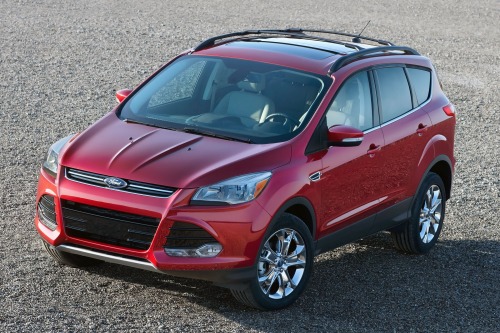
A 2011 Escape with the right maintenance history can be a simple, durable used SUV. A 2014 Escape with the wrong EcoBoost engine can be a much riskier purchase. A 2021 Escape Hybrid can be an excellent modern choice, while some non-hybrid versions require closer inspection before buying.
So the Ford Escape is not a vehicle that can be judged with one broad reliability rating. The best years can be very good used-car buys. The worst years can become expensive quickly if cooling system, transmission, turbocharger, or electrical problems appear.
This guide covers the Ford Escape from the 2008 through 2022 model years, focusing on long-term reliability, common problems, engines, trims, maintenance costs, model years to avoid, and the best versions to buy today.
Here is what you should know before buying one.
What You'll Learn
- Which Ford Escape model years from 2008-2022 are the most reliable
- Which Escape engines are best, and which ones require the most caution
- A "Special Alert" on the potentially serious and costly EcoBoost coolant intrusion problem
- How the 2008-2012, 2013-2019, and 2020-2022 generations compare
- Common problems by generation, including transmission, cooling system, turbo, rust, and electrical issues
- Which trims are best for long-term ownership
- What to expect after 100,000 miles
- Which model years are best to buy and which are best avoided
- How the Escape compares with the Toyota RAV4, Honda CR-V, Mazda CX-5, Subaru Forester, Hyundai Tucson, and Chevrolet Equinox
However, if you're also considering a brand-new Escape or another new vehicle, before you start negotiating you may want to take a look at how I approach getting a new car close to or even below invoice, or at least at the best price possible when demand is high.
Overall Ford Escape Reliability Verdict
Overall, the Escape has a mixed but very usable reliability record. The right version can be a dependable and affordable compact SUV. The wrong version can be a source of repeated cooling system, transmission, or electronic repairs.
The key is that Escape reliability varies sharply by generation and powertrain.
- Best overall reliability: 2009-2012 models with the 2.5L four-cylinder, and 2020-2022 hybrid models
- Best budget choice: 2010-2012 XLT with the 2.5L engine
- Best modern choice: 2020-2022 Escape Hybrid
- Most caution needed: 2013-2016 models with the 1.6L EcoBoost
- Most important inspection items: coolant loss, overheating history, transmission behavior, rust, and service records
The Escape is not as consistently bulletproof as a Toyota RAV4 or Honda CR-V, but it can be a very smart used buy because prices are often lower. The best examples are those with simpler engines, documented maintenance, no overheating history, and smooth transmission operation.
Ford Escape Generations Covered In This Guide
2008-2012: Second Generation
The 2008-2012 Escape is the most traditional version covered in this guide. It has a boxier shape, a simpler interior, and a more old-school SUV feel than later models.
From a reliability standpoint, this generation has a lot going for it. The 2.5L four-cylinder and 3.0L V6 are generally durable engines, parts are widely available, and repairs are usually less complicated than on later turbocharged models.
- Strengths: Simple design, durable engines, inexpensive parts, good used prices
- Weak spots: Transmission issues, electric power steering problems, rust, age-related suspension wear
- Best years: 2009-2012
- Best engine: 2.5L four-cylinder for most buyers
This generation is now old enough that condition matters more than the badge on the grille. A clean, well-maintained 2011 Escape can be a better buy than a newer neglected one.
2013-2019: Third Generation
The 2013 redesign changed the Escape dramatically. It became more car-like, more aerodynamic, more modern inside, and more fuel-efficient. It also introduced more turbocharged EcoBoost engines, which made reliability more complicated.
This generation is where buyers need to be the most careful. Some versions are perfectly good used SUVs, especially later models with proper maintenance. Others, particularly early 1.6L EcoBoost models, have a much higher risk profile.
- Strengths: Better handling, improved fuel economy, nicer interior, strong 2.0L EcoBoost performance
- Weak spots: Coolant loss, overheating, turbo-related repairs, transmission complaints, electronics
- Best years: 2017-2019, especially with careful service history
- Years needing the most caution: 2013-2016, especially 1.6L EcoBoost models
For this generation, the engine matters more than the trim. A base S model with the naturally aspirated 2.5L engine can be a safer reliability bet than a nicer SE or Titanium with a problematic turbo engine.
2020-2022: Fourth Generation
The 2020 redesign made the Escape softer, lighter, more rounded, and more fuel efficient. It also brought back a very appealing hybrid version.
The 2020-2022 Escape is generally a better modern used choice than many 2013-2016 models, but it is not perfect. Early fourth-generation models can have software glitches, electronics complaints, recall history, and some fit-and-finish concerns.
- Strengths: Excellent hybrid fuel economy, comfortable ride, modern safety features, improved interior space
- Weak spots: Early electronics glitches, software-related issues, some recall history, interior squeaks and rattles
- Best version: Hybrid models
- Best trims: SE Hybrid, SEL Hybrid, Titanium Hybrid
For long-term ownership, the hybrid versions are the most attractive. They offer excellent fuel economy and avoid some of the concerns associated with earlier EcoBoost engines.
Reliability By Engine
2.5L Four-Cylinder
The 2.5L naturally aspirated four-cylinder is one of the safest Escape engines to buy used. It does not offer exciting performance, but it has a reputation for being simple, durable, and relatively inexpensive to maintain.
- Best years: 2009-2012 and 2013-2019 base S models
- Best for: Reliability, low repair costs, budget ownership
- Common concerns: Age-related leaks, mounts, sensors, normal high-mileage wear
- Overall verdict: One of the best Escape engines for long-term ownership
For buyers who care more about dependability than acceleration, this is usually the engine to look for.
3.0L V6
The 3.0L V6 used in the older Escape is generally durable and gives the vehicle stronger acceleration than the four-cylinder. It is not as fuel-efficient, but it can be a good choice if it has been maintained well.
- Best for: Buyers who want more power in a 2008-2012 Escape
- Strengths: Stronger acceleration, generally proven design
- Weak spots: Higher fuel use, more expensive repairs than the four-cylinder, age-related leaks
- Overall verdict: Good engine, but the 2.5L is usually the better budget choice
1.6L EcoBoost
The 1.6L EcoBoost is the engine that requires the most caution. It helped improve fuel economy and performance, but it has a much more troubled long-term reputation than the naturally aspirated engines.
- Most common concern: Coolant loss and overheating (see Special Alert below)
- Other concerns: Turbocharger wear, sensors, hoses, engine bay heat, higher repair costs
- Model years to approach carefully: 2013-2016
- Overall verdict: Avoid unless the price is excellent and maintenance history is unusually strong
A used Escape with this engine should be inspected very carefully for coolant loss, overheating history, warning lights, and evidence of previous engine repairs.
2.0L EcoBoost
The 2.0L EcoBoost is stronger and generally more desirable than the 1.6L. It gives the Escape much better performance and can be a good engine when maintained properly.
- Best for: Buyers who want more power
- Strengths: Strong acceleration, better towing ability, smoother highway performance
- Weak spots: Turbo-related repair costs, cooling system concerns, fuel economy penalty
- Overall verdict: Acceptable to good, but maintenance history is very important
This engine is not as low-risk as the older 2.5L, but it is a much better choice than the early 1.6L EcoBoost for many buyers.
1.5L EcoBoost
The 1.5L EcoBoost replaced the 1.6L in many Escape models and is common in later third-generation and fourth-generation Escapes. It offers decent fuel economy and acceptable performance, but it is still a small turbocharged engine working fairly hard in an SUV.
- Best for: Buyers who want a newer Escape at a reasonable price
- Strengths: Good fuel economy, common availability, lower purchase prices than hybrids
- Weak spots: Cooling system concerns, turbo complexity, possible transmission pairing complaints
- Overall verdict: Better than the 1.6L, but not as reassuring as the hybrid or older 2.5L
2.5L Hybrid
The 2.5L hybrid powertrain is arguably the best modern Escape setup. It provides excellent fuel economy, a smoother driving experience, and less stress on some mechanical components.
- Best years: 2020-2022
- Best for: Fuel economy, daily commuting, long-term ownership
- Strengths: Efficient, smooth, generally less demanding on brakes and engine
- Weak spots: Software updates, hybrid system warnings, higher diagnostic complexity
- Overall verdict: Best modern Escape choice
For most used Escape shoppers who want a newer vehicle, the hybrid is the version I would try to buy first.
Special Alert: EcoBoost Coolant Intrusion Problem
One of the most serious concerns on some 2013-2019 Escape models is coolant intrusion in the EcoBoost engines. This issue is most often discussed with the 1.5L and 1.6L EcoBoost engines, although some 2.0L EcoBoost complaints have also been reported.
Coolant intrusion means engine coolant leaks internally into one or more cylinders instead of staying sealed inside the cooling system. Once that happens, the vehicle may begin losing coolant with no obvious external leak. At first, the symptoms can be easy to miss. Over time, however, the problem can progress into misfires, overheating, engine damage, and in many cases, complete engine replacement.
How The Problem Usually Starts
In the early stages, coolant intrusion may not look dramatic. The Escape may still start, run, and drive normally, but the coolant level slowly drops.
- Unexplained coolant loss: The coolant reservoir may need repeated topping off even though no puddle is visible under the vehicle.
- Rough cold starts: The engine may shake or stumble briefly after sitting overnight.
- White exhaust smoke: A small amount of white smoke may appear at startup if coolant is entering a cylinder.
- Check engine light: Misfire codes, especially on one cylinder, may appear as the problem worsens.
- Sweet coolant smell: Some owners notice a sweet smell from the exhaust or engine bay.
This is why a used Escape should not be dismissed as "fine" just because it drives well during a short test drive. A coolant intrusion problem may only show up after the vehicle sits overnight or after the cooling system is pressure-tested.
How It Progresses
Once coolant begins entering the combustion chamber, the problem usually does not fix itself. It tends to progress in stages.
- Stage 1: Slow coolant loss with no visible external leak.
- Stage 2: Rough cold starts, occasional misfire, or check engine light.
- Stage 3: More frequent misfires, overheating, coolant smell, or white smoke.
- Stage 4: Cylinder damage, head gasket failure symptoms, oil contamination, or severe overheating.
- Stage 5: Engine replacement becomes the practical repair.
The key point for buyers is that repeated coolant loss on an EcoBoost Escape is not a minor maintenance item. It can be an early warning sign of a very expensive engine problem.
How It Is Diagnosed
A mechanic should do more than simply refill the coolant. Proper diagnosis may include:
- Cooling system pressure test
- Borescope inspection inside the cylinders
- Checking spark plugs for signs of coolant exposure
- Scanning for misfire codes
- Checking for coolant contamination in the oil
- Monitoring whether coolant level drops after the vehicle sits
A single misfire code does not automatically prove coolant intrusion, but a misfire combined with unexplained coolant loss should be taken very seriously.
How It Is Fixed
The repair depends on how severe the problem is, but in many cases the true fix is not a simple hose, sensor, thermostat, or coolant flush. If coolant is entering the cylinders because of an internal engine design or block issue, the long-term repair usually involves replacing the short block or the entire engine.
- Minor external coolant leak: Repair may involve a hose, reservoir, thermostat housing, or water pump.
- Confirmed internal coolant intrusion: The usual serious repair is short-block replacement or engine replacement.
- Severe overheating or engine damage: Complete engine replacement is often the practical solution.
Ford issued a Customer Satisfaction Program for certain 2017-2019 vehicles with the 1.5L engine that provided a one-time short-block repair within specific time and mileage limits. However, many used Escapes on the market today may be outside any coverage window, so buyers should not assume Ford will pay for the repair.
Typical Repair Cost
Costs vary widely depending on engine, labor rates, parts availability, and whether the repair is done by a Ford dealer or an independent shop. As a general used-car buying estimate:
- Basic external cooling system repair: Often several hundred dollars to around $1,500, depending on the part.
- Diagnostic work: Usually a few hundred dollars if pressure testing, code scanning, and deeper inspection are needed.
- Short-block or engine replacement: Commonly several thousand dollars and often reported in the $5,000-$10,000 range.
That cost range is why coolant intrusion should be treated as a major buying red flag. A cheaper Escape with coolant loss may not be a bargain at all if it needs an engine.
Buyer Advice
If you are considering a 2013-2019 Escape with an EcoBoost engine, the cooling system deserves special attention. I would not buy one with unexplained coolant loss, repeated overheating, recent coolant top-offs, white smoke at startup, or a misfire that has not been fully diagnosed.
- Best approach: Have the vehicle inspected cold, not just after it has been warmed up.
- Ask directly: Has the coolant level been dropping? Has the engine ever overheated?
- Check records: Look for prior coolant repairs, engine work, short-block replacement, or Ford program repairs.
- Be cautious: A seller saying "it just needs coolant" should be treated as a warning sign.
- Walk away: If there is coolant loss plus misfire codes, there are usually safer Escapes to buy.
Bottom line: coolant intrusion is one of the clearest reasons to be cautious with early EcoBoost Escapes. If the vehicle has the right engine, clean service history, stable coolant level, and no overheating record, it may still be a good used SUV. But if there is any sign of internal coolant loss, the smartest move is usually to keep shopping.
Trim Level Breakdown
Trim level does not matter as much as engine, mileage, condition, and maintenance history. However, trims do affect long-term ownership costs because higher trims include more electronics, power accessories, and comfort features that can age poorly.
2008-2012 Trims: XLS, XLT, Limited
XLS
The XLS is the simplest version of the older Escape. It is basic, but that simplicity can be an advantage on a used vehicle.
- Best for: Lowest purchase price and lowest repair complexity
- Advantages: Fewer electronics, simple interior, durable basic equipment
- Watch for: Worn cloth seats, steel wheel corrosion, basic interior wear
- Verdict: A good budget choice if condition is strong
XLT
The XLT is often the sweet spot. It adds useful features without loading the vehicle with too many expensive luxury components.
- Best for: Most used Escape buyers
- Advantages: Better equipment, widely available, still reasonably simple
- Watch for: Suspension wear, rust, transmission behavior
- Verdict: Probably the best trim in the 2008-2012 generation
Limited
The Limited adds more comfort and luxury features, but also more potential repair items as the vehicle ages.
- Best for: Buyers who want leather and more comfort features
- Advantages: Nicer cabin, more equipment, often well-kept
- Watch for: Heated seats, power seats, climate control, premium audio issues
- Verdict: Good if well maintained, but not the cheapest to own
2013-2019 Trims: S, SE, SEL, Titanium
S
The S trim is important because many examples came with the naturally aspirated 2.5L engine. That makes it one of the safer reliability choices in this generation.
- Best for: Reliability-focused buyers
- Advantages: Simpler engine, fewer luxury electronics, lower repair costs
- Watch for: Basic equipment, fewer comfort features
- Verdict: One of the best third-generation Escapes for dependability
SE
The SE is very common and can be a good value, but the engine choice is critical.
- Best for: Buyers who want more equipment without Titanium-level complexity
- Advantages: Good feature mix, common availability, reasonable prices
- Watch for: 1.6L EcoBoost models, coolant loss, turbo issues, transmission behavior
- Verdict: Good with the right engine and maintenance history
SEL
The SEL sits between the SE and Titanium. It adds comfort features but is not usually as loaded as the Titanium.
- Best for: Buyers who want comfort without going fully loaded
- Advantages: Better interior, more convenience features, often nicer condition
- Watch for: Electronics, climate control, engine choice
- Verdict: A reasonable middle-ground trim
Titanium
The Titanium is the most luxurious version, but it also has the most equipment that can fail with age.
- Best for: Buyers who want luxury features and are willing to accept higher repair risk
- Advantages: Leather, premium audio, navigation, power liftgate, available panoramic roof
- Watch for: Sunroof drains, liftgate motors, sensors, infotainment, premium audio repairs
- Verdict: Nice to own, but inspect carefully
2020-2022 Trims: S, SE, SEL, Titanium
S
The S is the entry-level fourth-generation Escape. It is basic but includes modern safety equipment.
- Best for: Lowest-price newer Escape shoppers
- Advantages: Lower cost, fewer luxury features, modern safety tech
- Watch for: 1.5L EcoBoost issues, software updates, interior quality
- Verdict: Acceptable, but the SE Hybrid is usually more appealing
SE
The SE is one of the best trims because it offers a good feature mix and was available as a hybrid.
- Best for: Most modern Escape buyers
- Advantages: Good features, available hybrid drivetrain, strong value
- Watch for: Recall completion, software updates, infotainment glitches
- Verdict: Best modern value, especially as a hybrid
SEL
The SEL adds comfort features while avoiding some of the cost and complexity of the Titanium.
- Best for: Buyers who want comfort and value
- Advantages: Heated seats, nicer interior, better equipment
- Watch for: Electronics, trim wear, power accessories
- Verdict: A good choice if priced close to an SE
Titanium
The Titanium is the premium Escape, and the Titanium Hybrid is one of the most desirable versions of the entire 2008-2022 range.
- Best for: Buyers who want a well-equipped hybrid compact SUV
- Advantages: Leather, premium audio, digital display, adaptive cruise, available hybrid drivetrain
- Watch for: Electronics, sensors, power liftgate, higher repair costs later in life
- Verdict: Excellent as a hybrid, but inspect electronics carefully
Ford Escape Common Problems By Generation
2008-2012
The 2008-2012 Escape is generally simple and durable, but age has become the main issue. These vehicles are now old enough that rust, suspension wear, rubber parts, and deferred maintenance can matter more than original design quality.
- Transmission problems: Harsh shifting, slipping, delayed engagement, or fluid leaks can appear at higher mileage.
- Electric power steering issues: Some models can experience steering assist problems or warning lights.
- Rust: Rear wheel arches, underbody areas, suspension mounting points, and subframe areas should be inspected carefully.
- Throttle body issues: Rough idle, stalling, or limp-mode behavior can occur.
- Suspension wear: Clunks, loose steering feel, and uneven tire wear are common on neglected examples.
The biggest buying rule for this generation is simple: buy condition, not just mileage. A clean, rust-free, well-maintained 2011 Escape is usually a much better purchase than a cheaper one with corrosion or poor transmission behavior.
2013-2019
The 2013-2019 Escape is more refined than the older model, but it also introduced more complex engines and systems. Most of the serious concerns involve the cooling system, EcoBoost engines, and transmission behavior.
- Coolant loss and overheating: This is the major issue to watch for, especially on early EcoBoost models.
- Turbocharger wear: Turbo engines require better oil-change discipline and are more expensive to repair.
- Transmission hesitation: Some owners report delayed shifts, harsh engagement, or low-speed hesitation.
- Electrical issues: Sensors, infotainment glitches, warning lights, and accessory issues can occur.
- Wheel bearings and suspension noises: These are not unusual as mileage climbs.
This generation can be a good buy, but only if you choose carefully. A 2018 Escape with the right engine, clean service history, and no coolant issues can be a solid SUV. A 2014 Escape with a questionable overheating history is a much different story.
2020-2022
The 2020-2022 Escape is newer and more efficient, but early examples of a redesign often have some growing pains. Most concerns are less about catastrophic mechanical failure and more about software, electronics, recalls, and interior quality.
- Software and infotainment glitches: Screen freezing, blank screens, or system resets may occur.
- Recall history: Buyers should confirm that all applicable recall work has been completed.
- Interior squeaks and rattles: Some owners report trim noises or fit-and-finish complaints.
- Hybrid system warnings: Usually software-related, but still worth diagnosing before purchase.
- Power accessories: Liftgate, sensors, and driver-assistance features should be tested.
The hybrid models remain the most appealing, but a pre-purchase inspection and recall check are still important.
Which Ford Escape Model Years Should You Avoid?
Not every Escape from these years is bad, but some model years deserve more caution than others.
- 2013 Ford Escape: First year of the major redesign, with more reported early EcoBoost and recall-related concerns.
- 2014 Ford Escape: Still part of the early third-generation problem window, especially with the 1.6L EcoBoost.
- 2015 Ford Escape: Improved in some areas, but still worth avoiding with the 1.6L EcoBoost unless very well documented.
- 2016 Ford Escape: Better than 2013 in some ways, but still not the safest choice when compared with 2017-2019 or hybrid models.
- Any Escape with overheating history: Regardless of model year, documented overheating or repeated coolant loss is a major warning sign.
The most important point is not that every 2013-2016 Escape is doomed. It is that better choices exist, especially if you are shopping for long-term reliability.
What Are The Best Ford Escape Model Years To Buy?
2009-2012 Ford Escape
These are among the best budget Escapes if you want simplicity and low repair costs.
- Best engine: 2.5L four-cylinder
- Best trim: XLT
- Best buyer: Someone wanting inexpensive transportation
- Main caution: Rust and transmission condition
2017-2019 Ford Escape
The later third-generation models are generally better than the early 2013-2016 versions. They are newer, more refined, and often easier to find in good condition.
- Best engine: 2.0L EcoBoost if power is important, 2.5L if simplicity is preferred
- Best trim: SE or SEL
- Best buyer: Someone wanting a newer used Escape at a moderate price
- Main caution: Coolant system and transmission behavior
2020-2022 Ford Escape Hybrid
For a modern used Escape, this is the version that stands out.
- Best engine: 2.5L hybrid
- Best trims: SE Hybrid, SEL Hybrid, Titanium Hybrid
- Best buyer: Someone wanting fuel economy and modern safety features
- Main caution: Recall completion, software updates, electronics check
How Long Does A Ford Escape Last?
A well-maintained Escape can last a long time, but the expected lifespan varies by engine and generation.
- 2008-2012 2.5L: Often capable of 180,000-250,000 miles with good maintenance
- 2008-2012 3.0L V6: Also capable of high mileage, but fuel and repair costs are higher
- 2013-2016 1.6L EcoBoost: More unpredictable; condition and cooling history are critical
- 2017-2019 2.0L EcoBoost: Can last well if maintained carefully
- 2020-2022 Hybrid: Potentially one of the longest-lasting modern Escape versions
For most buyers, a realistic expectation is around 180,000 to 220,000 miles for a good Escape, with the best-maintained examples going beyond that.
Maintenance Cost Outlook
The Escape is usually less expensive to buy than a Toyota RAV4 or Honda CR-V, but maintenance costs depend heavily on the version.
- Lowest-cost Escapes: 2009-2012 2.5L models
- Moderate-cost Escapes: 2017-2019 2.0L EcoBoost models
- Highest-risk repair costs: 2013-2016 1.6L EcoBoost models with cooling or engine issues
- Best modern operating costs: 2020-2022 hybrids
The Escape's advantage is that parts are widely available and independent mechanics are familiar with them. The disadvantage is that certain EcoBoost-related repairs can quickly erase the savings from buying one cheaply.
Typical Maintenance And Repairs After 100,000 Miles
Once an Escape passes 100,000 miles, the maintenance conversation changes. At this point, buyers should assume that age-related repairs are normal, even on the more reliable models.
- Transmission service: Fluid condition and shift quality become very important.
- Cooling system service: Hoses, coolant level, water pump condition, and thermostat operation should be checked.
- Suspension repairs: Struts, control arms, sway bar links, and bushings may need replacement.
- Engine mounts: Vibration at idle or clunks during acceleration can point to worn mounts.
- Brake work: Pads, rotors, calipers, and brake hoses should be inspected.
- Wheel bearings: Humming or growling noises can indicate bearing wear.
- Rust inspection: Especially important on 2008-2012 models from northern climates.
- Turbo inspection: EcoBoost models should be checked for boost issues, oil leaks, smoke, or whining noises.
A high-mileage Escape is not automatically a bad buy. But it should be priced as a used vehicle that may need repairs, not as a maintenance-free bargain.
Pre-Purchase Inspection Checklist
Before buying any used Escape, a pre-purchase inspection is strongly recommended. This is especially true for the turbocharged models.
- Check for coolant loss, overheating history, or coolant smell
- Look for oil leaks around the engine and turbocharger
- Test transmission operation when cold and fully warmed up
- Check for delayed engagement from park to drive or reverse
- Inspect the underbody for rust, especially rear suspension mounting areas
- Scan for stored codes, even if the check engine light is off
- Test all electronics, including windows, locks, infotainment, backup camera, and power liftgate
- Check the air conditioning and heater operation
- Listen for suspension clunks over bumps
- Verify recall completion through a Ford dealer or vehicle history report
- Review oil change records, coolant service, transmission service, and repair receipts
For EcoBoost models, do not skip the cooling system inspection. For older 2008-2012 models, do not skip the rust inspection.
Used Escape Pros And Cons
Pros
- Usually more affordable than a comparable RAV4 or CR-V
- Wide used market availability
- Good practicality and cargo space
- Generally easy to repair compared with some European SUVs
- Strong hybrid fuel economy in 2020-2022 models
- Older 2.5L models can be simple and durable
Cons
- Reliability varies sharply by engine and year
- Early EcoBoost models can be risky
- Transmission complaints appear across multiple years
- Rust can be a major issue on older models
- Higher trims can bring more electronic repair costs
- Not as consistently reliable as the Toyota RAV4 or Honda CR-V
Competitor Comparison
Ford Escape vs Toyota RAV4
The Toyota RAV4 is generally the safer long-term reliability choice, especially for buyers who want the lowest possible risk. The Escape is often less expensive and may offer better value if you choose the right engine and year.
- Choose the RAV4 if: You want maximum reliability and resale value
- Choose the Escape if: You want a lower purchase price and can inspect carefully
Ford Escape vs Honda CR-V
The Honda CR-V is also more consistent overall, but used prices are usually higher. The Escape can be the better value, especially in 2009-2012 2.5L form or as a 2020-2022 hybrid.
- Choose the CR-V if: You want proven long-term dependability
- Choose the Escape if: You want more features for the money
Ford Escape vs Mazda CX-5
The Mazda CX-5 is more enjoyable to drive and has a nicer interior in many years. The Escape offers more variety, including hybrid choices and generally lower used pricing.
- Choose the CX-5 if: Driving feel and interior quality matter most
- Choose the Escape if: You want better affordability or a hybrid option
Ford Escape vs Subaru Forester
The Subaru Forester offers standard all-wheel drive and strong visibility, but it can have its own maintenance concerns. The Escape is usually less expensive and may be easier to service.
- Choose the Forester if: You need standard AWD and light-duty foul-weather ability
- Choose the Escape if: You want lower cost and more engine choices
Ford Escape vs Chevrolet Equinox
The Escape is generally the better used SUV than many Equinox years, especially when comparing engines and long-term ownership records. However, both require careful inspection.
- Choose the Equinox if: You find a very clean example with strong records
- Choose the Escape if: You want broader availability and better hybrid options
Ford Escape vs Hyundai Tucson
The Hyundai Tucson can offer good value, especially in later years, but engine reliability varies by generation. The Escape has more powertrain variety and a stronger hybrid option in 2020-2022 models.
- Choose the Tucson if: Warranty coverage or newer model value is the priority
- Choose the Escape if: You want a proven hybrid or lower used pricing
Should You Buy A Used Ford Escape?
Yes, but only if you buy the right one. The Ford Escape can be a very good used compact SUV, especially for buyers who want practical transportation at a lower price than a RAV4 or CR-V.
The safest choices are the simpler 2009-2012 models with the 2.5L engine and the newer 2020-2022 hybrid models. These versions offer the best combination of reliability, repair cost, and long-term value.
The versions requiring the most caution are early third-generation EcoBoost models, especially those with the 1.6L engine or any history of coolant loss or overheating.
- Best budget Escape: 2010-2012 XLT with the 2.5L engine
- Best modern Escape: 2020-2022 SE Hybrid or Titanium Hybrid
- Best performance choice: Later 2.0L EcoBoost with strong service records
- Best trim value: XLT on older models, SE or SEL on newer models
- Biggest warning sign: Any overheating, coolant loss, or rough transmission behavior
Buyer's Summary
- Overall reliability: Mixed, but good when the right year and engine are chosen
- Best generation: 2009-2012 for budget simplicity; 2020-2022 hybrid for modern ownership
- Best engine: 2.5L naturally aspirated four-cylinder or 2.5L hybrid
- Best budget choice: 2010-2012 Escape XLT 2.5L
- Best modern choice: 2020-2022 Escape Hybrid
- Years to avoid: 2013-2016 1.6L EcoBoost models are the highest-risk group
- Expected lifespan: 180,000-220,000 miles for many good examples; more possible with excellent maintenance
- Maintenance costs: Low to moderate for older 2.5L models; higher for EcoBoost repairs; favorable for hybrids
- Best suited for: Buyers who want a practical compact SUV and are willing to shop carefully
- Not ideal for: Buyers who want Toyota-level reliability with little inspection effort
Conclusion
The Ford Escape from 2008-2022 is not a single reliability story. It is several different vehicles wearing the same name. The older 2008-2012 models can be simple and durable if rust and transmission condition check out. The 2013-2019 generation is more refined but requires much more caution because of EcoBoost cooling and transmission concerns. The 2020-2022 models, especially the hybrids, bring the Escape back into more appealing territory for buyers who want a modern, efficient compact SUV.
For most used-car shoppers, the smartest choices are a clean 2010-2012 Escape XLT with the 2.5L engine or a 2020-2022 Escape Hybrid. Both offer the strongest balance of reliability, value, and ownership costs. The Escape can be a very good used SUV, but it rewards careful shopping and punishes rushed buying decisions.
Your Trade-In
Also, it's good to always know the value of your trade-in while you're evaluating your next possible purchase. Here's a good source for a quick and accurate appraisal: free trade-in appraisal.
What's Next?
If you may be buying soon, you may want to take a look at my most effective negotiation method for used cars. It explains a quick way to identify the dealerships most motivated to deal, no matter how busy they may seem, and how to follow up once you've found them. This can be the difference between getting a good price and getting a great one.
And beware of "Dealer Fees": Before agreeing to a dealer's numbers, see which dealer fees are legitimate, which can be negotiated, and which can be avoided.
Also, if you'd like to compare different Ford models, or years, be sure to read our Ford Reliability & Problems: Best Used Fords & Years Guide. It highlights the models, best years to buy, common problems, and helps you choose the right vehicle.