

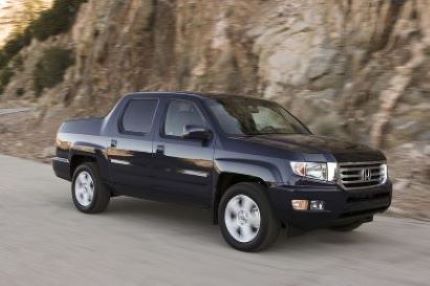
The Honda Ridgeline has always been a bit different. Instead of following the traditional body-on-frame pickup formula, Honda built the Ridgeline on a unibody platform shared with its SUVs. The result is a midsize truck that rides more comfortably, handles better on pavement, and offers innovative features like an in-bed trunk and dual-action tailgate.
That unique design has also contributed to one of the strongest reliability records in the midsize truck segment. While every vehicle has its weaknesses, the Ridgeline has consistently proven to be dependable, inexpensive to maintain, and capable of accumulating hundreds of thousands of miles with routine care.
This guide covers every Honda Ridgeline from the 2006 through 2023 model years, highlighting the best years to buy, common problems, maintenance costs, expected lifespan, and what to inspect before purchasing a used example.
In This Guide, You'll Learn
- Which Ridgeline generations have the strongest reliability record.
- How the available V6 engines compare for long-term ownership.
- The most common mechanical problems and repair costs.
- Which model years deserve extra inspection.
- How long a Honda Ridgeline can realistically last.
- What maintenance to expect after 100,000 miles.
- How the Ridgeline compares with competing midsize trucks.
- What to inspect before buying any used Ridgeline.
- Which model years offer the best value.
More On Reliability: Also, if you'd like to learn if the Ridgeline ranks among the top used trucks for reliability, and how others, rank, be sure to read our Most Reliable Vehicles Guide: Best Models & Years. This comprehensive guide on cars, trucks, and SUVs, highlights the best years to buy or avoid, common problems, potential maintenance costs, and more, and will likely help you make the right choice to meet your needs.
Whether you're shopping for an affordable early Ridgeline or a newer second-generation model, understanding the differences between the generations can help you buy with confidence and avoid expensive surprises.
Honda Ridgeline Reliability Overview
Overall, the 2006–2023 Honda Ridgeline earns an excellent reputation for long-term reliability. Few midsize pickups consistently require fewer major repairs, and many owners report well over 200,000 miles with little more than routine maintenance.
Unlike many competitors, the Ridgeline was never designed primarily for heavy towing or extreme off-road use. Instead, Honda focused on everyday usability, comfort, safety, and durability. That philosophy has paid dividends in long-term ownership costs.
The largest reliability differences come from the two generations and their engines. Early trucks use Honda's proven 3.5-liter V6 (J35A9), while later models feature newer versions of the 3.5-liter V6 (J35Y6 and J35Y8) paired with a more sophisticated nine-speed automatic transmission beginning in 2020.
Even the newer trucks remain remarkably dependable, although buyers should pay attention to transmission operation and verify that all software updates and recalls have been completed.
Honda Ridgeline Reliability at a Glance
- Overall Reliability: Excellent. One of the most dependable midsize pickups available.
- Best Used Years: 2009–2014, 2019, and 2021–2023.
- Years Requiring Extra Inspection: 2006, 2017, and 2020.
- Most Reliable Engine: 3.5-liter V6.
- Expected Lifespan: 250,000–300,000+ miles with proper maintenance.
Buyer Tip: Maintenance history is usually more important than mileage. A well-maintained Ridgeline with 180,000 miles is often a better purchase than a neglected truck showing half that distance.
Overall, the Ridgeline remains one of the safest used-truck purchases available. While it may not match the towing capability of some body-on-frame competitors, it consistently delivers lower repair costs, excellent reliability, and outstanding everyday comfort.
Also, if you're serious about buying soon, I'd highly recommend reading my most effective negotiation method for used cars, which details a quick way to identify the dealerships most motivated to "deal", no matter how busy they may seem, and how to follow up once you've found them. This can be the difference between getting a good price and getting a great one. And a variation of it is my top method for new cars, if you are also exploring that market.
You can see them here at used cars and new cars.
Reliability by Generation
Honda has produced only two Ridgeline generations since the truck debuted for the 2006 model year. Both have earned strong reliability reputations, but each has its own strengths, weaknesses, and buying considerations.
First Generation (2006–2014)
Generation at a Glance
- Production Years: 2006–2014
- Primary Engine: 3.5-liter V6 (J35A9)
- Transmission: 5-speed automatic
- Overall Assessment: Exceptionally durable with a proven drivetrain.
- Best For: Buyers seeking maximum value and long-term dependability.
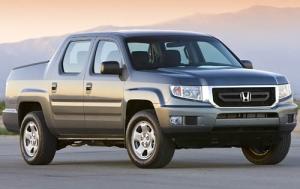
The original Ridgeline surprised traditional truck buyers when it debuted. Its unibody construction, fully independent suspension, and SUV-like ride were unlike anything else in the midsize pickup segment.
Although some truck enthusiasts questioned the design, the Ridgeline quickly earned a reputation for outstanding reliability. The drivetrain proved exceptionally durable, the interior aged well, and owners routinely accumulated high mileage with relatively few major repairs.
The 3.5-liter V6 provides smooth, dependable performance and pairs well with the proven five-speed automatic transmission. Neither is especially sophisticated by today's standards, but both have earned an excellent reputation for longevity.
Strengths
- Outstanding drivetrain reliability.
- Comfortable ride and handling.
- Excellent build quality.
- Innovative in-bed trunk and dual-action tailgate.
- Low long-term ownership costs.
- Many examples exceed 250,000 miles.
Watch For
- Timing belt maintenance every 100,000–105,000 miles.
- Rust in northern climates.
- Suspension wear on higher-mileage trucks.
- Normal age-related oil leaks.
- Radiator and cooling system wear on older vehicles.
Buyer Tip: A documented timing belt replacement is one of the most valuable maintenance records you can find on an early Ridgeline. If there's no proof it has been replaced, budget for the service immediately.
For buyers looking to maximize value, a well-maintained 2009–2014 Ridgeline remains one of the best used trucks on the market. It offers outstanding durability, relatively inexpensive repairs, and excellent everyday practicality.
Second Generation (2017–2023)
Generation at a Glance
- Production Years: 2017–2023
- Primary Engine: 3.5-liter V6 (J35Y6/J35Y8)
- Transmissions: 6-speed automatic (2017–2019) or 9-speed automatic (2020–2023)
- Overall Assessment: More refined while maintaining Honda's excellent reliability.
- Best For: Buyers wanting modern technology and SUV-like comfort.
After a two-year hiatus, Honda completely redesigned the Ridgeline for 2017. While it retained its unibody construction and independent suspension, nearly every major component was updated. The truck became quieter, safer, more refined, and noticeably more comfortable for everyday driving.
Once again, Honda prioritized real-world usability over maximum towing or extreme off-road capability. The result is arguably the easiest midsize pickup to live with on a daily basis.
Power comes from an updated 3.5-liter V6 that delivers more horsepower and improved fuel economy than the original engine. Most trucks use a six-speed automatic transmission, while 2020 and newer models received a smoother and more efficient nine-speed automatic.
Major Improvements
- Quieter cabin.
- Improved ride quality.
- Better fuel economy.
- Updated infotainment and safety technology.
- Improved crash-test performance.
- More refined interior.
The 2020 refresh deserves special mention. In addition to revised styling, Honda introduced the nine-speed automatic transmission, made all-wheel drive standard, improved the infotainment system, and increased overall refinement.
Although early software updates addressed minor transmission behavior, later examples have proven to be dependable long-term vehicles.
Strengths
- Excellent long-term reliability.
- Smooth and powerful V6.
- Outstanding ride comfort.
- Excellent safety ratings.
- Very low major repair frequency.
- Strong resale value.
Watch For
- Transmission software updates.
- Fuel injector recalls on some models.
- Infotainment glitches on early trucks.
- Normal suspension wear as mileage increases.
Buyer Tip: When shopping for a 2020 or newer Ridgeline, verify that all recall work and transmission software updates have been completed. Most updated trucks have proven exceptionally reliable.
Although the Ridgeline has always emphasized comfort and reliability, Honda steadily refined nearly every aspect of the truck over the years.
| Generation | Biggest Improvements |
|---|---|
| First Generation (2006–2014) | Introduced innovative truck features with exceptional drivetrain durability. |
| Second Generation (2017–2023) | Quieter cabin, improved safety, updated technology, stronger V6, smoother driving experience. |
Importantly, Honda achieved these improvements without sacrificing long-term dependability. Both generations rank among the most reliable midsize pickups sold during their respective production runs.
- The first generation offers exceptional value and simplicity.
- The second generation delivers significantly more refinement.
- Both generations routinely exceed 200,000 miles.
- Routine maintenance is straightforward and relatively inexpensive.
- Major drivetrain failures are uncommon.
Bottom Line: Unlike many vehicles that become more complex and less dependable over time, the Ridgeline successfully added technology and refinement while maintaining one of the strongest reliability records in its class.
Reliability by Engine
Honda offered only one engine throughout the Ridgeline's production, but it evolved significantly over the years. Fortunately for buyers, every version has earned an excellent reputation for durability.
Engine Reliability at a Glance
- 2006–2014: 3.5-liter V6 (J35A9) — Excellent reliability and outstanding long-term durability.
- 2017–2023: 3.5-liter V6 (J35Y6/J35Y8) — Excellent reliability with improved performance and fuel economy.
3.5-liter V6 (2006–2014)
The original Ridgeline uses Honda's proven 3.5-liter V6 (J35A9), an engine that has established an outstanding reputation across several Honda and Acura models. With routine maintenance, many examples exceed 250,000 miles without requiring internal engine repairs.
Strengths
- Exceptional long-term reliability.
- Smooth, refined operation.
- Inexpensive routine maintenance.
- Excellent parts availability.
Watch For
- Timing belt replacement every 100,000–105,000 miles.
- Valve cover gasket oil leaks with age.
- Cooling system maintenance.
Bottom Line: One of Honda's most dependable V6 engines, provided the timing belt is replaced on schedule.
3.5-liter V6 (2017–2023)
The second-generation Ridgeline introduced newer versions of Honda's 3.5-liter V6. Despite direct injection and additional technology, these engines have continued Honda's tradition of excellent durability while delivering stronger performance and improved fuel economy.
Strengths
- Excellent reliability.
- Strong acceleration.
- Good fuel economy.
- Lower maintenance costs than many competitors.
Watch For
- Fuel injector recalls on some model years.
- Transmission software updates.
- Routine direct-injection maintenance.
Bottom Line: The updated 3.5-liter V6 remains one of the best engines available in any midsize pickup.
Common Problems to Watch For
The Ridgeline has relatively few serious mechanical weaknesses. Most common issues are well understood, occur gradually, and are far less expensive than the transmission or engine failures seen in some competing trucks.
Timing Belt Service (First Generation)
Overview
The first-generation 3.5-liter V6 uses a timing belt that should be replaced approximately every 100,000 to 105,000 miles or according to Honda's maintenance schedule. Ignoring this service can result in catastrophic engine damage because the engine is an interference design.
Typical Symptoms
- No obvious warning signs before failure.
- Maintenance records become extremely important.
Typical Repair Cost
- Timing belt service with water pump: $900–$1,600
Buyer Tip: If there's no documentation showing the timing belt has been replaced, negotiate accordingly and plan to have the service completed immediately after purchase.
Fuel Injector Problems (Some Second-Generation Models)
Overview
Some second-generation Ridgelines were included in Honda fuel injector service campaigns and recalls. Most affected trucks have already been repaired, but buyers should verify that recall work has been completed.
Typical Symptoms
- Check Engine light.
- Rough idle.
- Occasional hesitation.
- Reduced fuel economy.
Typical Repair Cost
- Covered under applicable recalls.
- Outside warranty: approximately $800–$1,500.
Buyer Tip: Ask a Honda dealer to verify the vehicle's recall history using the VIN before purchasing.
Transmission Software Updates (2020–2023)
Overview
The nine-speed automatic transmission introduced for 2020 is generally reliable, but some early trucks received software updates to improve shift quality and drivability. These updates addressed occasional hesitation and shift timing rather than mechanical failures.
Typical Symptoms
- Occasional hesitation during acceleration.
- Harsh or delayed shifts.
- Inconsistent downshifts.
Typical Repair Cost
- Software update: Often performed under warranty or during dealer service.
- Transmission replacement: Rare.
Buyer Tip: During your test drive, the transmission should shift smoothly and predictably. Verify that all Honda software updates have been completed.
Suspension Wear
Overview
Like any pickup, suspension components eventually wear with age and mileage. Fortunately, Ridgeline suspension repairs are generally straightforward and significantly less common than on trucks that spend their lives towing heavy loads or driving off-road.
Typical Symptoms
- Clunking over bumps.
- Loose steering feel.
- Uneven tire wear.
- Reduced ride quality.
Typical Repair Cost
- Struts or shocks: $600–$1,200
- Control arms: $500–$1,200
- Ball joints: $400–$900
Buyer Tip: Suspension wear is normal on higher-mileage trucks. It isn't usually a reason to avoid buying an otherwise well-maintained Ridgeline.
Rust (Northern Climates)
Overview
Although the Ridgeline generally resists corrosion well, trucks driven in areas where road salt is common should still be inspected underneath for rust on the subframe, suspension components, brake lines, and exhaust system.
Typical Symptoms
- Surface rust underneath.
- Corroded brake lines.
- Rust on suspension components.
- Exhaust corrosion.
Typical Repair Cost
- Minor rust treatment: $200–$700
- Brake line replacement: $300–$1,000
- Major structural corrosion: Several thousand dollars.
Buyer Tip: Surface rust is common on older trucks. Heavy structural corrosion is not.
Maintenance & Repair Cost Outlook
The Ridgeline is one of the least expensive midsize pickups to maintain over the long term. Routine maintenance costs are modest, parts are readily available, and Honda's V6 engines have earned an outstanding reputation for durability.
The largest scheduled expense on first-generation trucks is timing belt replacement. After that service is completed, ownership costs are generally very predictable.
| Typical Ownership Expense | Estimated Cost |
|---|---|
| Routine annual maintenance | $350–$700 |
| Maintenance and repairs after 100,000 miles | $800–$1,500 annually |
| Brake replacement | $350–$800 |
| Timing belt service (first generation) | $900–$1,600 |
| Suspension repairs | $500–$1,500 |
| Replacement tires | $800–$1,400 |
Compared with many body-on-frame pickups, the Ridgeline often requires fewer expensive suspension, drivetrain, and steering repairs over its lifetime.
Bottom Line: Ownership costs are among the lowest in the midsize truck class, particularly if scheduled maintenance is performed on time.
How Long Does a Honda Ridgeline Last?
Longevity has become one of the Ridgeline's greatest strengths. It's common to find well-maintained trucks with 200,000 miles or more still serving as dependable daily drivers.
With regular maintenance, many owners report reaching 250,000 to 300,000 miles without requiring major engine or transmission repairs.
Expected Component Life
| Component | Typical Lifespan |
|---|---|
| 3.5-liter V6 | 250,000–300,000+ miles |
| Automatic transmission | 200,000–250,000+ miles |
| AWD system | Often the life of the truck with proper fluid changes. |
| Suspension components | 100,000–180,000 miles depending on use. |
| Body and chassis | 20+ years if rust is controlled. |
The key to reaching these mileages is regular maintenance. Oil changes, transmission fluid services, timing belt replacement on first-generation trucks, and rust prevention all contribute significantly to long-term durability.
Buyer Tip: Don't automatically dismiss a Ridgeline with 180,000 miles. If maintenance records are complete, it may still have many dependable years ahead of it.
Expected Maintenance After 100,000 Miles
Crossing 100,000 miles doesn't mean a Ridgeline is nearing the end of its life. Instead, it marks the point where several normal wear items begin requiring attention.
Maintenance You Should Expect
- Timing belt replacement (first generation).
- Spark plugs.
- Cooling system service.
- Brake components.
- Struts or shocks.
- Transmission fluid service.
- Differential fluid service (AWD models).
- Accessory drive belt replacement.
Most of these services are predictable and considerably less expensive than the major drivetrain repairs that affect some competing trucks.
Bottom Line: Preventive maintenance is the key to keeping a Ridgeline reliable well beyond 200,000 miles.
Model Years to Avoid or Inspect Carefully
No Ridgeline model year is considered a poor choice, but several deserve a closer inspection before purchase.
| Model Year | Reason |
|---|---|
| 2006 | First production year; inspect carefully for age-related wear and rust. |
| 2017 | First year of the second generation; verify recall completion. |
| 2020 | Early nine-speed automatic; confirm software updates. |
These years are not vehicles to avoid entirely—they simply deserve a more thorough inspection and complete maintenance documentation.
Recommended Model Years
Several Ridgeline model years consistently stand out for their reliability, value, and owner satisfaction.
| Recommended Years | Why We Like Them |
|---|---|
| 2009–2014 | Mature first-generation trucks with proven reliability. |
| 2019 | Well-sorted second-generation model before the transmission change. |
| 2021–2023 | Updated styling, refined nine-speed automatic, excellent reliability. |
Bottom Line: If your budget allows, the 2021–2023 Ridgeline offers the best combination of comfort, technology, and long-term ownership confidence. Buyers seeking maximum value should focus on well-maintained 2009–2014 trucks.
Best Ridgeline for Different Buyers
The best Honda Ridgeline depends on your budget and how you plan to use it. Fortunately, there are excellent choices across both generations.
| If You Want... | Our Recommendation |
|---|---|
| Best overall value | 2009–2014 first-generation Ridgeline |
| Best daily driver | 2021–2023 Ridgeline |
| Best budget purchase | 2009–2012 Ridgeline with complete service records |
| Best long-term ownership | 2021–2023 Ridgeline |
| Best value under $20,000 | 2012–2014 Ridgeline |
| Best all-around choice | 2021–2023 Ridgeline RTL or RTL-E |
Bottom Line: It's difficult to make a poor choice with a well-maintained Ridgeline. The biggest differences are equipment, refinement, and purchase price rather than reliability.
Buying a Used Honda Ridgeline: What Matters Most?
Unlike many midsize trucks, buying a used Ridgeline is usually more about verifying maintenance than worrying about chronic mechanical problems. Honda's V6 engines and drivetrains have proven exceptionally durable over time.
Instead of focusing solely on mileage, spend more time reviewing service records and inspecting the truck's overall condition.
Prioritize These Factors
- Complete maintenance records.
- Timing belt replacement documentation on first-generation trucks.
- Regular transmission fluid changes.
- Rust-free underbody.
- Smooth transmission operation.
- No accident damage or poor repairs.
One advantage of the Ridgeline is that relatively few have been subjected to the extreme towing, heavy commercial use, or aggressive off-road driving that many traditional pickups experience.
Buyer Tip: A Ridgeline with 180,000 miles and excellent maintenance records is often a better purchase than a neglected 90,000-mile truck with an unknown service history.
Pre-Purchase Inspection Checklist
Before purchasing any used Ridgeline, inspect the following items carefully.
- Review all maintenance records.
- Verify timing belt replacement on first-generation models.
- Inspect underneath for rust.
- Check for oil, coolant, or transmission leaks.
- Test-drive the truck at city and highway speeds.
- Confirm smooth transmission operation.
- Inspect suspension for clunks or excessive wear.
- Check AWD operation, if equipped.
- Test all electronics and infotainment features.
- Inspect the in-bed trunk and dual-action tailgate.
- Arrange a professional pre-purchase inspection whenever possible.
Bottom Line: Spending a few hundred dollars on an inspection can prevent thousands of dollars in future repairs.
What Should Increase or Lower the Price?
Not every Ridgeline with similar mileage is worth the same amount. The following factors should influence what you're willing to pay.
Worth Paying More For
- Complete maintenance records.
- Timing belt replacement documentation.
- One- or two-owner history.
- Rust-free underbody.
- Excellent interior condition.
- Recent tires and brakes.
- Documented transmission servicing.
Reasons to Negotiate a Lower Price
- Missing timing belt records.
- Transmission hesitation.
- Heavy rust.
- Oil or coolant leaks.
- Uneven tire wear.
- Poor accident repairs.
- Missing maintenance history.
Buyer Tip: If the timing belt has not been replaced on a first-generation truck, use the expected replacement cost during negotiations.
Overall Pros and Cons
Pros
- Outstanding long-term reliability.
- Comfortable SUV-like ride.
- Excellent resale value.
- Innovative in-bed trunk and dual-action tailgate.
- Low ownership costs.
- Excellent safety.
- Many examples exceed 250,000 miles.
Cons
- Lower towing capacity than some competitors.
- Less off-road capability than body-on-frame pickups.
- Timing belt replacement required on first-generation models.
- Some infotainment complaints on early second-generation trucks.
- Higher purchase prices due to strong resale value.
And another con ... even a good price on the vehicle doesn't necessarily mean you're getting a good deal.
There are other numbers besides price that can significantly affect the final out-the-door cost. A well-negotiated selling price can quickly lose its advantage if the dealer makes up for the concession with a below-market trade-in offer. Also, dealer fees and add-ons can further increase the final cost, making it important to learn which fees you must pay, can negotiate, or should avoid.
To become better informed about these important but often-confusing parts of the deal, be sure to see my articles on trade-ins and dealer fees.
Comparison with Key Competitors
| Vehicle | Strengths | Where the Ridgeline Wins |
|---|---|---|
| Toyota Tacoma | Excellent resale value and off-road capability. | Better ride quality, quieter cabin, lower everyday ownership costs. |
| Ford Ranger | Strong towing and turbocharged performance. | Long-term reliability and smoother everyday driving. |
| Chevrolet Colorado | Wide variety of engines and trims. | Lower repair frequency and better long-term durability. |
| Nissan Frontier | Simple, durable drivetrain. | Superior refinement, ride comfort, and interior practicality. |
Bottom Line: Buyers needing maximum towing or serious off-road capability may prefer another midsize truck. For everyday driving, comfort, and long-term reliability, the Ridgeline is one of the strongest choices available.
Should You Buy One?
Absolutely—provided it meets your needs.
If you're looking for a comfortable daily driver that occasionally hauls building materials, home improvement supplies, motorcycles, or camping gear, few pickups are as well-rounded as the Honda Ridgeline.
Its outstanding reliability, low ownership costs, excellent safety record, and comfortable ride make it one of the easiest trucks to recommend on the used market.
Final Verdict
The 2006–2023 Honda Ridgeline has earned one of the strongest reliability reputations in the midsize truck segment. While it may not satisfy buyers seeking maximum towing capacity or extreme off-road capability, it excels at the tasks most owners perform every day.
Both generations offer outstanding durability, and there are remarkably few model years that deserve serious concern. Instead, buyers should focus on maintenance history, overall condition, and scheduled services such as timing belt replacement on first-generation trucks.
For most shoppers, a well-maintained 2009–2014 Ridgeline offers exceptional value, while a 2021–2023 model delivers the most refined ownership experience.
Buyer Summary
- Best Overall Choice: 2021–2023 Honda Ridgeline.
- Best Value: 2009–2014 first-generation Ridgeline.
- Best Budget Choice: 2009–2012 Ridgeline with complete maintenance records.
- Years Requiring Extra Inspection: 2006, 2017, and 2020.
- Most Reliable Engine: 3.5-liter V6.
- Expected Lifespan: 250,000–300,000+ miles with proper maintenance.
- Biggest Buying Advice: Prioritize maintenance history—especially timing belt service on first-generation trucks—over mileage alone.
A carefully maintained Honda Ridgeline is capable of providing decades of dependable service. Choose one with documented maintenance, keep up with routine servicing, and there's every reason to expect hundreds of thousands of miles of reliable ownership.