


The Hyundai Genesis can offer an impressive amount of used-car comfort, performance and equipment for the money. But choosing one requires more than finding a low-mileage example at an attractive price. Engine differences, transmission condition, safety recalls and aging luxury equipment can substantially change the ownership experience.
There are also two very different vehicles carrying the name. The 2009–2016 Hyundai Genesis sedan is a comfortable luxury car available with V6 or V8 power. The 2010–2016 Genesis Coupe is a smaller rear-wheel-drive sports coupe with different engines, manual transmission options and a greater likelihood of modifications or hard use.
Important concerns include oil consumption on some early 5.0-liter V8 sedans, braking-system recalls, starter-related fire recalls on certain later sedans, automatic transmission shifting problems and manual gearbox complaints on the coupe. Infotainment faults, suspension wear and oil leaks also deserve attention as these cars age.
Those issues should not be applied indiscriminately to every Genesis. A maintained 3.8-liter sedan, an early 5.0 R-Spec and a modified turbocharged coupe are different buying decisions. This guide separates their reliability histories so you can recognize which problems matter to the particular car you are considering.
In This Guide
- Overall Hyundai Genesis reliability and potential lifespan
- First- and second-generation Genesis sedan problems
- V6 versus V8 reliability and early 5.0-liter oil consumption
- Brake-system, ABS fire and starter recalls
- Automatic transmission shifting and solenoid concerns
- Genesis Coupe engine, clutch and manual transmission problems
- Best years, repair costs and higher-mileage buying decisions
Hyundai Genesis Reliability Overview
A well-maintained Hyundai Genesis can be a worthwhile used luxury car, particularly when you choose the powertrain carefully and verify its repair history. However, its Hyundai badge should not lead you to expect economy-car repair costs for every component.
The sedan's naturally aspirated engines—engines that operate without turbochargers or superchargers—avoid some of the complexity found in competing luxury cars. That is an advantage, but it does not eliminate oil-consumption concerns, cooling-system repairs, transmission faults or expensive electronic equipment.
The first-generation sedan is now old enough that maintenance history and age-related deterioration carry considerable weight. The redesigned 2015–2016 sedan adds available AWD and more sophisticated equipment. Its safety recall history deserves particular attention.
The coupe needs a separate approach. Previous tuning, drifting, aggressive shifting and poorly installed modifications can materially affect reliability. A stock car with clear records can be a much better purchase than a more powerful example whose modifications are undocumented.
I would also be cautious about sweeping claims that every early Genesis has a defective oil pump or that every transmission complaint requires a replacement unit. Oil-pressure warnings and shifting faults need diagnosis, and Hyundai has issued component-specific repair procedures for some transmission problems.
Hyundai Genesis Reliability at a Glance
| Category | What Used Buyers Should Know |
|---|---|
| Sedan model years covered | 2009–2016 Hyundai Genesis, before the sedan transitioned to the Genesis-brand G80 |
| Coupe model years covered | 2010–2016 U.S.-market Genesis Coupe, evaluated separately from the sedan |
| Overall reliability | Potentially good on maintained examples, with meaningful differences by engine, transmission and previous use |
| V8 concern | Oil consumption deserves particular screening on early 2012 5.0-liter sedans |
| Earlier sedan recall concern | Brake-system corrosion campaign on certain 2009–2012 cars |
| Later sedan recall concerns | Separate ABS-module and starter-related fire campaigns on certain 2015–2016 cars |
| Automatic transmission concern | Harsh shifts, shift flare and solenoid faults on applicable eight-speed applications |
| Coupe-specific concerns | Manual gearbox grinding, clutch wear, drivetrain noise and modification history |
| Potential lifespan | 200,000 miles is possible; higher mileage depends on condition, maintenance and the practicality of continued repairs |
| Most useful buying evidence | Detailed service records, documented oil use, completed recalls and a thorough cold-to-warm road test |
How Many Miles Can a Hyundai Genesis Last?
A well-maintained Hyundai Genesis sedan can reach 200,000 miles, and some examples continue toward 250,000 miles or beyond. That is a potential vehicle lifespan, rather than a promise that its original engine, transmission and luxury equipment will all reach those mileages without repairs.
At 100,000 miles, review the maintenance schedule and invoices carefully. Spark plugs, fluid service, cooling-system condition and developing suspension wear become increasingly relevant. Check whether any previous transmission or engine concerns were properly resolved.
At 150,000 miles, oil consumption, leaks, transmission behavior and the condition of the entire car deserve more weight. A maintained example with substantial documented work can be preferable to a lower-mileage car with neglected service.
At 200,000 miles, continued ownership can still make sense, but several simultaneous repairs can outweigh the car's value to a budget-conscious buyer. Reaching 250,000 miles is a favorable outcome for an individual vehicle, rather than a mileage every Genesis shopper should expect.
For the Genesis Coupe, previous use has an especially large influence. A stock, carefully maintained coupe may remain useful at high mileage, while a lower-mileage car subjected to hard launches, overheating or poorly supported tuning can be a riskier purchase.
Hyundai Genesis Reliability by Generation and Body Style
First-Generation Sedan: 2009–2014 Hyundai Genesis
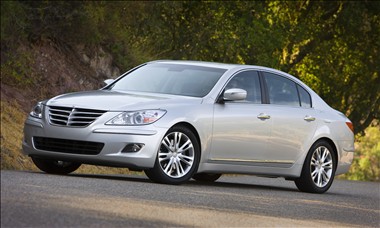
The 2009–2014 Genesis sedan established Hyundai's entry into the rear-wheel-drive luxury market. It offered a spacious interior, a comfortable highway ride and substantial equipment without requiring buyers to move into a separate luxury brand.
Early U.S. cars used a 3.8-liter V6 or a 4.6-liter V8. The V6 belongs to Hyundai's Lambda engine family, while the V8 belongs to the Tau family. These names identify different engine designs; the V8 should not be described as another version of the V6.
For 2012, the sedan received important powertrain changes. The 3.8-liter V6 adopted gasoline direct injection, which sprays fuel directly into the combustion chamber. An eight-speed automatic replaced the earlier six-speed automatics, and the 5.0-liter V8 R-Spec joined the lineup. The 4.6-liter V8 remained available for 2012 before leaving the U.S. sedan range.
The earlier port-injected 3.8-liter V6 is worth considering for buyers who prefer a comparatively straightforward engine configuration. Later V6 cars offer more power, but the move to direct injection and a different automatic transmission means their inspection needs are not identical.
Today, age-related condition is central to any first-generation purchase. Oil leaks, worn suspension components, deteriorated mounts and malfunctioning luxury equipment can turn an otherwise healthy powertrain into an expensive ownership experience.
Common Problems on 2009–2014 Hyundai Genesis Sedans
- Oil consumption on some early 5.0-liter V8 cars: Early 2012 R-Spec examples deserve particular questions about oil added between changes and any engine repairs.
- Brake-system corrosion recall on certain 2009–2012 cars: Affected hydraulic control units could develop valve problems and reduced braking effectiveness.
- Automatic transmission shifting concerns: Harsh shifts, delayed engagement or engine-speed flare require diagnosis appropriate to the fitted transmission.
- Startup rattles or oil-pressure warnings: Investigate the actual cause rather than assuming every noise indicates a failed oil pump.
- Audio and navigation faults: Depending on equipment, failures can involve software, the amplifier, display, controls or wiring.
- Suspension, steering and mount deterioration: Clunks, vibration, looseness and uneven tire wear become more relevant with age.
- Oil leaks and cooling-system repairs: Check for active leakage and evidence of overheating or repeated coolant loss.
Is the Hyundai Genesis 3.8 V6 More Reliable Than the V8?
For most buyers seeking manageable ownership costs, the 3.8-liter V6 is a sensible starting point, but neither V6 nor V8 reliability can be judged by cylinder count alone. Year, maintenance and the individual engine's condition still matter.
The 2009–2011 sedan's port-injected 3.8-liter V6 delivers ample everyday performance without the fuel-system differences introduced by direct injection. Its age now makes leaks, cooling-system condition and previous maintenance important considerations.
The 2012–2014 direct-injected 3.8-liter V6 provides stronger performance and is paired with the eight-speed automatic. Inspect both the engine and transmission rather than assuming that the newer powertrain automatically makes the entire car a safer purchase.
The 4.6-liter V8 can be an appealing choice for buyers wanting smooth power delivery, but it brings higher fuel use and potentially greater service expense. It should not automatically be assigned the early 5.0-liter engine's oil-consumption history.
A 5.0-liter car may also be worthwhile when its oil-use history is satisfactory and its condition supports the price. I would simply demand more evidence before buying an early example.
Do 2012 Hyundai Genesis 5.0 R-Spec Models Burn Oil?
Some early 2012 Genesis 5.0 R-Spec sedans have significant owner-reported oil-consumption problems, making oil-use history an important purchase check. That does not establish that every 2012 car burns oil or that every later V8 is free of the concern.
Ask the seller how much oil is added between changes, how frequently the level is checked and whether Hyundai or another shop performed a measured consumption test. Oil-change invoices alone do not tell you how much oil the engine used between those visits.
Check the level before the test drive and look for external leaks, but understand that a full dipstick does not prove low consumption. Freshly topped-up oil and a short road test can conceal the problem.
Some discussions identify production changes or particular build periods, but I would not use an unverified cutoff date as a substitute for records. Documented consumption testing or a clearly described engine repair is more useful than an assurance that the car was built “after the problem was fixed.”
Buyer Tip: If an early 5.0-liter seller cannot provide a credible oil-use history, price the uncertainty into the decision or choose another example. Running an engine low on oil can create damage beyond the original consumption problem.
What Does a Low Oil-Pressure Warning or Startup Rattle Mean on a Hyundai Genesis?
A low oil-pressure warning needs prompt attention, but it does not identify the oil pump as the failed component by itself. Low oil level, a pressure-sensor or wiring fault, filter-related issues, internal wear and pump problems are different possibilities.
If an oil-pressure warning remains on while the engine is running, stop safely and shut the engine off. Continuing to drive while actual oil pressure is inadequate can cause serious damage.
A startup rattle also needs diagnosis. Timing-chain tensioners and other oil-fed components can produce noise, but the sound alone does not establish a widespread defective-pump condition across all early Genesis V6 and V8 engines.
For a buyer, arrange a genuinely cold start and ask about previous investigations. Where pressure is in question, a technician should verify actual oil pressure rather than simply replacing a sensor or dismissing the warning.
What Is the Brake-System Recall on 2009–2012 Hyundai Genesis Sedans?
Certain 2009–2012 Genesis sedans were recalled because their brake fluid did not sufficiently inhibit corrosion inside the hydraulic brake-control unit. Corrosion-related buildup could interfere with valve operation, producing a low or soft pedal and reduced braking effectiveness.
The Hydraulic Electronic Control Unit, or HECU, is the assembly that helps control hydraulic braking functions such as anti-lock braking. Hyundai's campaign called for brake-system diagnosis, fluid replacement and flushing, with control-unit replacement when necessary.
This campaign is different from the later ABS-module fire recalls. Completing one Genesis brake recall does not establish that every other applicable recall has also been completed.
Check the VIN and obtain the repair history. Any soft pedal or inconsistent braking needs diagnosis even if the seller says the recall was performed years ago.
Why Does a Hyundai Genesis Have No Sound or a Frozen Navigation Screen?
The cause can be in the amplifier, display, control unit, software or electrical supply, so a frozen screen and complete loss of audio should not automatically receive the same diagnosis. The available systems also differ by year and equipment package.
Hyundai issued service information and campaigns addressing particular early audio systems, including an amplifier campaign on applicable cars. That does not mean every silent Genesis needs the same replacement part.
Before buying, test the radio, phone connection, steering-wheel controls, navigation where fitted and every speaker. Check the backup camera if equipped, and allow the system to operate long enough to reveal intermittent faults.
A reset or software update may resolve some problems, but it will not repair failed hardware. Ask for an installed repair estimate before assuming an inoperative system is a minor inconvenience.
Buyer Tip: On a first-generation sedan, verify the brake recall, review transmission behavior and check every major electronic feature. Give an early 5.0-liter V8 a more demanding oil-consumption review than a seller's statement that it “runs great.”
Bottom Line: A maintained first-generation Genesis can be a comfortable and appealing used luxury car. A regular V6 is a reasonable starting point, while early 5.0-liter cars and examples with braking, oil-pressure or transmission symptoms need more careful evaluation.
Second-Generation Sedan: 2015–2016 Hyundai Genesis
The 2015–2016 Genesis sedan introduced a more substantial redesign, with a quieter cabin, more modern styling and expanded safety and convenience equipment. It continued with a 3.8-liter V6 and 5.0-liter V8, both using direct injection and an eight-speed automatic.
The 3.8-liter model offered rear-wheel drive or HTRAC, Hyundai's available all-wheel-drive system. In the U.S. lineup, the 5.0-liter V8 sedan used rear-wheel drive.
The newer sedan can be a strong candidate for a buyer wanting a modern luxury-car experience, but its additional equipment requires inspection. AWD adds drivetrain components, and optional safety systems, powered accessories and infotainment equipment can be costly to repair.
Two separate fire-related recalls are particularly important: one involving the ABS module and another involving the starter assembly. Those should be verified individually by VIN rather than grouped into a general claim that “the recall was done.”
Common Problems on 2015–2016 Hyundai Genesis Sedans
- ABS-module fire recall: Certain cars were recalled for an internal electrical short that could cause an engine-compartment fire.
- Starter-solenoid fire recall: Moisture contamination under abnormally wet conditions could cause an electrical short over time.
- Eight-speed automatic shift flare or harsh shifts: Hyundai provides solenoid repair procedures for applicable vehicles and production periods.
- Oil leaks and oil-use concerns: Inspect the individual engine and review its history rather than assuming a newer sedan cannot develop these problems.
- AWD drivetrain condition: On equipped V6 cars, investigate leaks, vibration or abnormal noises and inspect tire compatibility.
- Infotainment and powered equipment faults: Test the display, audio, camera, seats, climate controls and fitted driver-assistance features.
- Suspension and cooling-system wear: Mileage and previous maintenance now influence these cars substantially.
What Is the ABS Fire Recall on 2015–2016 Hyundai Genesis Sedans?
Certain 2015–2016 Genesis sedans were recalled under NHTSA campaign 21V-160 because the ABS module could malfunction internally and short circuit. The resulting electrical overcurrent could cause an engine-compartment fire while parked or driving.
The campaign also included certain later Genesis G80 vehicles, but that does not make every Genesis-brand model part of the same recall. Hyundai's remedy for the affected sedan involves replacement ABS-module fuses.
The recall instructions advise owners of affected, unrepaired cars to park outside and away from structures until the remedy is completed. Check the VIN's current status and follow the applicable manufacturer instructions.
This is separate from 23V-651, the broader Hyundai ABS campaign that includes certain Genesis Coupes. Matching the campaign to the correct body style and year prevents an important safety-check mistake.
Why Were Certain Hyundai Genesis Sedans Recalled for Starter Fires?
Certain 2015–2016 Genesis sedans were recalled under campaign 24V-107 because water contamination inside the starter solenoid could cause an electrical short over time. Hyundai describes exposure to abnormally wet conditions, such as a flooded road, as the relevant circumstance.
The starter solenoid is the electrical switching mechanism associated with the starter motor. The recall concern is more serious than an ordinary worn starter that simply fails to crank the engine.
Hyundai's repair procedure installs a new starter relay kit in the engine-compartment electrical junction box and changes the related cover and labeling. A previous starter replacement does not, by itself, establish that this recall procedure was completed.
Check the VIN and the actual recall repair record. Follow the park-outside instructions for an affected car awaiting repair, and investigate smoke, a burning smell or starting difficulty promptly.
Why Does a Hyundai Genesis Shift Hard or Rev Between Automatic Gear Changes?
On applicable eight-speed Genesis automatics, harsh shifts or a brief rise in engine speed during a shift can involve transmission control solenoids rather than a failed complete transmission. Hyundai issued procedures for certain applications with harsh or flaring second-to-third, third-to-fourth or fourth-to-fifth upshifts.
A solenoid is an electrically controlled valve that helps regulate fluid flow inside the transmission. A shift flare occurs when engine speed rises during a gear change instead of the next gear engaging cleanly.
The service information applies to specified vehicles and production dates, including some first-generation sedans, 2015–2016 sedans and later Genesis Coupes. It should not be interpreted as proof that every eight-speed unit has the fault.
Other causes are possible, including fluid-level problems, electrical faults or internal wear. Hyundai has also issued guidance identifying particular codes for component repair, which makes a proper diagnosis more useful than immediately approving a replacement transmission.
Test the car both cold and fully warmed up. Ask whether previous work involved a software procedure, fluid service, solenoid replacement or a complete transmission, and whether the original symptom returned.
Is a 2015–2016 Hyundai Genesis the Same Car as a Genesis G80?
The 2015–2016 Hyundai Genesis sedan became the basis of the 2017 Genesis G80 when Genesis began operating as a separate luxury brand. That explains why some service information and recalls include both names.
However, later G80 changes and subsequent redesigns need their own reliability coverage. The Genesis G90 is a different, larger model associated with the Equus succession rather than simply another name for the Hyundai Genesis sedan.
When searching for repairs, match the model year, engine and VIN. A G80 discussion can be relevant to an earlier sedan, but it should not automatically be treated as applicable.
Buyer Tip: On a 2015–2016 sedan, verify both fire-related recalls separately, evaluate the warmed-up transmission and test the full equipment package. On AWD cars, inspect the additional drivetrain components and confirm appropriate matching tires.
Bottom Line: The second-generation Hyundai Genesis provides a more modern luxury experience, but completed recalls and functioning equipment are essential parts of its value. A maintained 3.8-liter example is a sensible starting point for most shoppers.
Genesis Coupe: 2010–2012 Hyundai Genesis Coupe

The 2010–2012 Genesis Coupe shares a name with the luxury sedan but serves a different purpose. It is a rear-wheel-drive sports coupe with a smaller cabin, firmer road manners and engines and transmissions that require separate evaluation.
U.S. buyers will encounter a 2.0-liter turbocharged four-cylinder or a 3.8-liter naturally aspirated V6. Both offered a six-speed manual. Automatic versions used a five-speed with the 2.0-liter turbo and a six-speed with the V6.
The early coupe's 3.8-liter V6 uses port injection. It should not be confused with the sedan's move to direct injection for 2012 or the coupe's later engine update.
For a used buyer, previous treatment can outweigh a small difference in mileage. Modifications, repeated hard launches and aggressive shifting can affect the engine, clutch, gearbox, differential and mounts.
Common Problems on 2010–2012 Genesis Coupes
- Manual gearbox grinding or difficult engagement: Investigate clutch operation, fluid specification and possible internal transmission wear.
- Clutch and drivetrain wear: Hard use can accelerate wear in the clutch, mounts, differential supports and related components.
- Turbocharged-engine condition: On 2.0-liter cars, check for oil leaks, smoke, boost faults and undocumented tuning.
- Engine noise or low oil level: A startup rattle or oil-pressure warning requires diagnosis, regardless of which engine is fitted.
- Water intrusion: Inspect the cabin and trunk, including areas around seals and fitted sunroof equipment.
- Applicable safety recalls: Check stop-lamp-switch campaigns and the ABS fire recall on affected 2011–2012 cars.
- Suspension, tires and brakes: Uneven wear or poorly installed aftermarket parts can affect both safety and ownership costs.
Why Does a Manual Genesis Coupe Grind Going Into Gear?
Grinding can result from incomplete clutch disengagement, incorrect or deteriorated fluid, shift-mechanism problems or wear inside the gearbox. Owner complaints make it a worthwhile inspection topic, but the sound alone does not establish a particular synchronizer failure.
Synchronizers are internal components that help match gear speeds during a shift. Wear can produce grinding, but clutch hydraulic problems can also prevent a clean shift.
Test engagement when cold and warm, including ordinary upshifts and downshifts without forcing the lever. Difficulty selecting reverse or several gears may suggest a different problem from grinding isolated to one gear.
Hyundai conducted a manual-transmission fluid campaign for certain early production vehicles. That was a specific campaign, not evidence that a fluid change will repair every grinding gearbox.
Use the correct specification for the particular transmission. An aftermarket fluid recommended in a forum may change shift feel, but it does not establish that worn internal components have been repaired.
Is the Genesis Coupe 2.0 Turbo or 3.8 V6 the Better Reliability Choice?
For a buyer prioritizing a stock, comparatively straightforward powertrain, the naturally aspirated 3.8-liter V6 is a reasonable starting point. However, a maintained 2.0-liter turbo can be preferable to an abused V6.
The turbocharged four-cylinder attracts tuning, which makes modification history particularly important. Ask about engine software, boost changes, turbocharger replacement and supporting fuel or cooling upgrades.
Do not assume the coupe's 2.0-liter engine has exactly the same failure history or warranty coverage as every Hyundai engine carrying a similar family name. Its application and any applicable campaigns must be checked specifically.
On either engine, oil level, cooling-system health and previous use matter. A seller claiming the car was “never raced” does not replace inspection or documentation.
Buyer Tip: Favor a stock coupe with clear records, clean gear engagement and sound drivetrain mounts. Price undocumented modifications as uncertainty rather than automatically treating them as added value.
Bottom Line: The early Genesis Coupe can be an enjoyable affordable sports car, but it needs a different inspection from the sedan. Gearbox behavior and evidence of hard use are particularly important.
Updated Genesis Coupe: 2013–2016 Hyundai Genesis Coupe
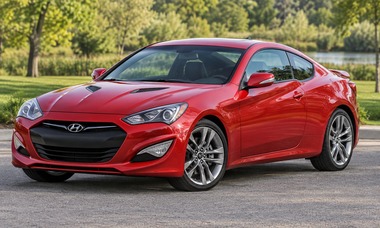
The 2013 Genesis Coupe update brought revised styling, stronger engines and an available eight-speed automatic. It was a major refresh of the existing coupe rather than a completely separate generation.
The 2013–2014 2.0-liter turbo received a substantial performance increase. The 2013–2016 3.8-liter V6 adopted direct injection and also gained power. For 2015–2016, the U.S. coupe lineup used the 3.8-liter V6 exclusively.
A six-speed manual remained available. Equipment varies by trim, so verify whether the particular car has a limited-slip differential, upgraded brakes and other performance components rather than assuming all coupes are mechanically identical.
The update improves performance, but it does not eliminate the need to examine transmission behavior, modifications and previous use. Later manual cars still warrant careful shifting checks, while applicable eight-speed automatics have component-specific service information.
Common Problems on 2013–2016 Genesis Coupes
- Manual transmission grinding and clutch wear: Diagnose persistent symptoms rather than accepting that every sports coupe should shift roughly.
- Eight-speed automatic shifting faults: Applicable cars may need solenoid-related diagnosis for harsh shifts or shift flare.
- Modification-related engine risk: Give tuned 2.0-liter turbo cars and modified V6 examples a more demanding inspection.
- Differential noise and worn mounts: Whine, clunks or vibration may come from different drivetrain components.
- Direct-injection running concerns: Misfires or hesitation on the later V6 require diagnosis; intake deposits are one possibility, not a universal explanation.
- ABS fire recall on certain 2013–2015 cars: Confirm the specific VIN's status and completion.
- Aging electronics and body equipment: Test audio, navigation where fitted, windows, locks and climate controls.
Does a Genesis Coupe Differential Whine Mean It Needs Replacement?
Not necessarily, but a persistent whine needs diagnosis before purchase. Differential bearings or gears are possible sources, while tires, wheel bearings and other driveline components can produce similar sounds.
Note whether the noise changes during acceleration, steady driving or deceleration. Clunks may involve mounts or driveline movement rather than the same component responsible for a whine.
A limited-slip differential, which helps distribute power between the rear wheels, also has specific lubricant requirements. Fluid history matters, but changing fluid is not a guaranteed repair for damaged bearings or gears.
On a modified or hard-driven coupe, inspect the differential mounting points and related supports as well as the unit itself.
Which Genesis Coupes Have the ABS Fire Recall?
Certain 2011–2015 Genesis Coupes are included in NHTSA campaign 23V-651 for an ABS-unit electrical-short and fire concern. This is separate from the 2015–2016 Genesis sedan's ABS campaign.
The recall addresses a condition that can create an engine-compartment fire while parked or driving. The remedy involves revised fuse protection, with the applicable procedure determined by the vehicle.
Check the VIN and current manufacturer instructions. Owners of affected, unrepaired cars were advised to park outside and away from structures until the recall remedy was completed.
A recall appearing in a vehicle-history report does not necessarily show that the repair has been performed. Obtain confirmation of completion rather than relying on the absence of warning lights.
Buyer Tip: On an updated coupe, confirm the engine and transmission before comparing reliability. Test manual gear engagement or automatic shift quality, investigate differential noise and verify the applicable ABS recall.
Bottom Line: A maintained later 3.8-liter coupe can be an appealing performance purchase, but the best example is usually the one with sound mechanical condition and documented care. Newer styling and more power do not compensate for an unresolved gearbox problem or poorly supported modifications.
What Are the Best Hyundai Genesis Years to Buy?
For the sedan, I would begin with a maintained 2013–2014 3.8-liter V6 or a 2016 3.8-liter V6 with completed recalls and smooth transmission operation. A well-kept 2010–2011 V6 is also worth considering if you prefer the earlier port-injected engine and can accept the car's greater age.
These are shopping recommendations based on powertrain, equipment and known concerns, rather than a statistical guarantee that one model year will outlast another. The actual service history and inspection results should determine the purchase.
For the coupe, I would look first for a stock, maintained 2014–2016 3.8-liter V6. An earlier car can also make sense, but clean transmission operation and evidence of responsible ownership matter more than whether it has the updated styling.
| Years or Version | Why I Would Consider It |
|---|---|
| 2010–2011 Genesis 3.8 sedan | Port-injected V6 and six-speed automatic; suitable when records and age-related condition are strong |
| 2013–2014 Genesis 3.8 sedan | Later first-generation car with stronger direct-injected V6; inspect the eight-speed automatic carefully |
| 2016 Genesis 3.8 sedan | More modern cabin and equipment; confirm both applicable fire-related recalls and transmission condition |
| Maintained 4.6-liter V8 sedan | An option for buyers wanting V8 refinement without automatically taking on the early 5.0-liter oil-consumption concern |
| 2014–2016 Genesis Coupe 3.8 | Updated coupe with strong performance; prioritize stock condition, gearbox health and recall completion |
A 2015 sedan with excellent records can be preferable to a neglected 2016. Likewise, a carefully maintained 2011 coupe can be a better purchase than a modified 2015 with a grinding gearbox.
Buyer Tip: Use the year range to organize your search, then compare the work already completed and the problems still unresolved.
Which Hyundai Genesis Years Should You Avoid?
The Genesis examples requiring the most caution are early 2012 5.0-liter sedans with unknown oil consumption, cars with unresolved braking or transmission symptoms, and modified coupes without credible supporting records. I would avoid the problem vehicle rather than reject every car from a particular year.
| Years or Condition | Reason for Extra Caution |
|---|---|
| Early 2012 Genesis 5.0 R-Spec | Significant oil-consumption reports make measured oil-use history particularly valuable |
| Certain 2009–2012 sedans with incomplete brake recall history | Verify the hydraulic control-unit corrosion campaign and investigate any soft pedal |
| Certain 2015–2016 sedans with open fire-related recalls | Check ABS and starter campaigns separately and arrange the applicable repairs |
| Applicable eight-speed cars with harsh shifts or shift flare | Determine whether the problem involves solenoids, fluid condition, controls or internal wear |
| 2010–2016 manual coupes with persistent grinding | Clutch, hydraulic or internal gearbox repairs may be needed |
| Certain 2011–2015 coupes with an open ABS recall | Confirm campaign eligibility and completion by VIN |
| Any car with overheating, low oil pressure or undocumented tuning | Potential damage may extend beyond what is apparent during a short drive |
A completed recall can resolve the particular recalled condition, but it does not establish that the rest of the vehicle is healthy. Conversely, an open recall does not necessarily make an otherwise sound car a permanent rejection; arrange completion and confirm its condition before purchase.
Bottom Line: An unexplained warning light, persistent transmission symptom or seller who will not permit diagnosis is a stronger reason to walk away than the year alone.
Which Hyundai Genesis Powertrain Would I Choose for a High-Mileage Used Car?
For an everyday sedan, I would generally choose a maintained 3.8-liter V6 with a healthy automatic transmission and a complete service history. It provides ample performance without requiring the fuel use and additional service expense of a V8.
The earlier port-injected V6 has a simpler fuel-delivery arrangement, but those cars are older. The later direct-injected V6 provides more power and newer equipment, while adding different inspection considerations. Neither advantage should outweigh poor condition.
If AWD is unnecessary, rear-wheel drive reduces the number of drivetrain components. On a 2015–2016 AWD V6, inspect the additional drive components and tires rather than assuming AWD is maintenance-free.
The 4.6-liter V8 can be worthwhile for someone who values its smoothness and accepts its running costs. I would be more demanding about oil-use documentation on an early 5.0-liter V8.
For a high-mileage coupe, I would favor a stock 3.8-liter V6 with clean gearbox operation. A manual is appealing when its clutch and transmission are healthy; an automatic is not automatically inferior simply because it is less engaging to drive.
Is a Manual Genesis Coupe More Reliable Than an Automatic?
Not automatically. A manual avoids some automatic-transmission components, but clutch wear, shifting problems and previous hard use can erase that advantage.
A clutch is a wear item, and a car with a healthy gearbox may still need a substantial clutch repair. Grinding, gear rejection or incomplete clutch disengagement requires diagnosis rather than being accepted as normal sports-car behavior.
The automatic options changed during production. Early cars used different five- and six-speed units depending on engine, while updated coupes offered an eight-speed automatic. Their service requirements and repair histories should be evaluated separately.
I would choose the transmission you prefer to drive, then buy an example that operates correctly. A documented, smooth-shifting automatic can be a better purchase than a manual with an unresolved second-gear problem.
Are All Hyundai Genesis Engines Affected by Hyundai's Other Engine Problems?
No. A recall, lawsuit or warranty extension involving another Hyundai engine does not automatically apply to a Genesis sedan or coupe. Engine family, design, installation, model year and VIN matter.
The sedan's 3.8-liter V6 and V8 engines are different from the four-cylinder engines used in many Hyundai economy cars. Even the coupe's 2.0-liter turbo should be researched as its specific application rather than assigned every problem associated with a similar engine-family name.
Before counting on engine coverage, obtain written confirmation for the particular vehicle. A service bulletin describes diagnosis or repair; it does not, by itself, create a free-repair warranty.
Hyundai Genesis Maintenance and Repair Costs
Routine Genesis maintenance can be manageable, but a luxury sedan's electronics or a coupe's clutch and drivetrain repairs can produce substantial bills. The sedan and coupe also have different components, so their estimates should not be treated as interchangeable.
The following are broad U.S. budgeting ranges for professional service. They show the possible scale of common maintenance and repairs rather than predict the price at every shop.
| Maintenance or Repair | Typical Budgeting Range |
|---|---|
| Oil and filter change | $70–$150+ |
| Brake pads and rotors, one axle | $350–$900+; upgraded coupe brakes may cost more |
| Spark plug replacement | $250–$600+ depending on engine and access |
| Automatic transmission fluid service | $250–$500+ depending on transmission and procedure |
| Manual transmission and differential fluid service | $200–$400+ combined, depending on application |
| Water pump replacement | $700–$1,200+ |
| Valve-cover gasket repair | $250–$700+ depending on engine and repair scope |
| Engine front-cover leak repair | $2,300–$3,500+ depending on access and related work |
| Engine or transmission mount repair | $350–$1,200+ depending on mounts replaced |
| Wheel bearing or hub replacement, one wheel | $350–$800+ |
| Struts, shocks or substantial suspension work | $800–$2,000+ depending on components and scope |
| Air-conditioning repair | $300–$1,800+ depending on the failed component |
| Audio amplifier or infotainment hardware repair | $300–$2,000+ depending on system and replacement source |
| Eight-speed transmission solenoid repair | $700–$1,800+ depending on diagnosis and parts required |
| Genesis Coupe clutch replacement | $2,000–$4,000+; flywheel and related work can increase the total |
| Differential repair or replacement | $1,200–$3,000+ depending on damage and parts source |
| Genesis Coupe 2.0-liter turbocharger replacement | $1,500–$3,000+ depending on parts and related damage |
| Major manual gearbox repair or replacement | $2,500–$5,000+ |
| Major automatic transmission repair or replacement | $3,500–$7,000+ |
| Engine replacement | $5,000–$10,000+ depending on engine and replacement source |
These figures are broad budgeting ranges rather than repair quotes. Labor rates, location, model year, engine, parts choice and whether the work is performed by a Hyundai dealer or an independent specialist can substantially change the final cost. Diagnostic charges, taxes and additional damage may increase the total.
A small oil leak and a labor-intensive front-cover leak can have very different costs. Similarly, replacing a transmission solenoid is different from repairing internal damage or replacing the complete unit. Obtain a diagnosis before comparing estimates.
Applicable safety recall repairs are generally performed without charge. Historical service campaigns, ordinary service bulletins and warranty coverage are separate matters; verify eligibility rather than assuming every documented problem qualifies for free work.
Is a Hyundai Genesis Expensive to Maintain?
Ordinary servicing is not necessarily unusually expensive, but deferred maintenance and major repairs can make an inexpensive Genesis costly to own. Its current purchase price does not determine the price of its original luxury equipment.
A sedan needing only routine service is a different proposition from one needing suspension work, a display replacement and transmission repairs at the same time. A coupe with a worn clutch and gearbox grinding can also consume a large portion of the initial purchase-price savings.
Recent repairs have value when they are documented and performed properly. Ask what was replaced, why it was replaced and whether the original symptom was resolved.
Buyer Tip: On an older Genesis, a seller who has already paid for tires, brakes, suspension repairs, cooling-system work or a correctly diagnosed transmission repair may be offering a better car than a lower-mileage example that needs all of those items soon.
Bottom Line: Leave room for repairs after the purchase. If one substantial unexpected bill would make ownership unmanageable, a simpler car may be a better fit.
What Maintenance Does a Hyundai Genesis Need After 100,000 Miles?
After 100,000 miles, identify overdue scheduled maintenance and inspect the systems most likely to be affected by age and use. There is no single service package that applies to every sedan, coupe, engine and transmission.
- Engine oil and consumption: Check the level between changes, record oil added and investigate leaks or increased consumption.
- Spark plugs and ignition condition: Verify service against the schedule for the specific engine and diagnose any misfire.
- Cooling system: Review coolant service and inspect the water pump, radiator, hoses and evidence of overheating.
- Transmission and differential: Check the applicable service requirements, fluid condition, leaks and operating symptoms.
- Suspension and mounts: Inspect worn bushings, dampers and drivetrain supports, particularly on hard-driven coupes.
- Brake system and recalls: Confirm completed campaigns and investigate pedal changes, warning lights or inconsistent braking.
The engines covered here use timing chains rather than a routine timing-belt replacement schedule. That does not make abnormal chain noise harmless or mean chains cannot wear. Diagnosis should determine whether timing components need attention.
Likewise, a fluid change is not a guaranteed repair for a slipping automatic or grinding manual. Establish the condition of the transmission and use the specified fluid and procedure.
Do Direct-Injection Genesis Engines Need Intake-Valve Cleaning?
Some direct-injected engines can develop intake deposits that contribute to running problems, but cleaning should be based on diagnosis rather than an assumed universal mileage interval.
Direct injection sprays fuel into the combustion chamber, so fuel does not wash the backs of the intake valves in the same way it does with port injection. That makes deposits a relevant consideration on the later direct-injected engines.
However, rough idle, hesitation and misfires can also involve ignition, injectors, air leaks or mechanical problems. Confirm the cause before authorizing cleaning, and do not assume a fuel-tank additive will remove deposits from surfaces the fuel does not contact.
Should You Buy a Hyundai Genesis With Over 100,000 or 150,000 Miles?
A Genesis with over 100,000 miles can be worth buying when its condition, records and price support the decision. At 150,000 miles or more, I would become increasingly selective about oil use, transmission symptoms and the amount of deferred work.
A 120,000-mile sedan with documented maintenance and functioning equipment can be preferable to an 80,000-mile car with years of neglected service. Low mileage does not prevent seal deterioration, corrosion or electronic faults.
At 150,000 miles, ask which major components have already received attention and which remain original. A healthy engine does not settle the question if the suspension, transmission and infotainment system all need work.
For the coupe, examine previous use even more closely. Mileage alone cannot distinguish a carefully maintained commuter from a car subjected to repeated aggressive launches or poorly supported modifications.
How Long Does a Hyundai Genesis Automatic Transmission Last?
A Genesis automatic can remain serviceable beyond 150,000 miles, and some reach 200,000 miles or more, but there is no dependable mileage at which every unit fails. Different transmissions were used across the sedan and coupe.
The vehicle's potential to reach 200,000–250,000 miles does not promise that its original transmission will do so without repairs. Operating history, overheating, fluid condition and previous work all influence the outcome.
On applicable eight-speed cars, a solenoid repair may address a specific shifting problem without replacing the unit. That distinction is useful, but it should not be used to dismiss slipping or assume internal damage is impossible.
For a higher-mileage purchase, evaluate cold engagement, normal shifts and warmed-up operation. Obtain a written diagnosis of any persistent harsh shift, flare, delayed response or warning code.
Would I Buy a Hyundai Genesis With 200,000 Miles?
Only when the car's overall condition and documented maintenance justify the price and leave room for continued repairs. At that mileage, I would prefer a maintained regular V6 sedan over an unknown-history modified coupe or oil-consuming V8.
Look at the combined picture: engine health, transmission behavior, braking, suspension, cooling system, interior equipment and corrosion. Several simultaneous repairs can make a mechanically running car a poor purchase.
A high-mileage Genesis can still be useful, but it would rarely be my first recommendation for someone seeking transportation with minimal financial surprises.
Hyundai Genesis Used-Car Inspection Checklist
These are the Genesis-specific checks I would prioritize:
- Identify the exact vehicle and powertrain: Distinguish sedan from coupe, port injection from direct injection, and the fitted manual or automatic transmission.
- Check oil use and cold-start behavior: Give early 5.0-liter sedans particular attention, and investigate any persistent rattle or oil-pressure warning.
- Verify the correct recall campaigns: Separate the earlier sedan brake-corrosion campaign, later sedan ABS and starter campaigns, and coupe ABS campaign.
- Test the transmission cold and warm: Check automatic shift flare and harsh shifts, or manual grinding and clutch disengagement.
- Inspect drivetrain condition and modifications: Include differential noise, mounts and AWD components where fitted; request documentation for tuning.
- Test expensive equipment and check for dampness: Include audio, navigation, camera, powered accessories, climate controls, cabin and trunk.
A shop familiar with the particular Genesis powertrain can help distinguish a component repair from a major mechanical problem. That is especially valuable when the seller has already offered an inexpensive explanation for a serious symptom.
Hyundai Genesis Pros and Cons
| Pros | Cons |
|---|---|
| Sedan offers comfortable highway travel and substantial equipment | Luxury electronics and powered equipment can be expensive to repair |
| Regular V6 sedan provides ample everyday performance | Year and transmission differences require specific research |
| V8 models offer smooth, strong power delivery | Higher running costs and early 5.0-liter oil-consumption concerns |
| Coupe provides rear-wheel-drive performance and manual options | Hard use, tuning and gearbox problems can materially affect reliability |
| Used prices can make well-maintained examples appealing | Several deferred repairs can erase the purchase-price advantage |
| Capable of substantial mileage when maintained | High mileage does not guarantee economical continued ownership |
Hyundai Genesis Alternatives to Consider
Lexus ES or GS: The ES is worth considering if comfort and everyday ownership matter more than rear-wheel-drive handling. The GS is a closer match to the Genesis sedan's layout and character. Research their individual years and powertrains in the used Lexus overview.
Cadillac CTS: The Cadillac CTS offers a more athletic alternative to the Genesis sedan. Its engine, transmission and generation differences deserve careful review, and a low purchase price still needs to leave room for luxury-car repairs.
BMW 5 Series: The BMW 5 Series is another option for buyers wanting a comfortable luxury sedan with engaging handling. Choose its engine and generation carefully and compare maintenance histories rather than badges alone.
Ford Mustang: For a Genesis Coupe buyer, the Ford Mustang provides a useful alternative with a broad range of engines and years. Modification history and previous use are equally important when evaluating a used performance example.
Final Verdict: Is a Used Hyundai Genesis Worth Buying?
A used Hyundai Genesis can be worth buying when you find a maintained example and budget for the vehicle's actual equipment and powertrain. The sedan and coupe both offer value, but they serve different buyers and require different reliability checks.
For an everyday luxury sedan, I would generally start with the 3.8-liter V6. A maintained 2013–2014 car or a 2016 with completed recalls and a healthy transmission can be an appealing choice. Earlier port-injected V6 cars also deserve consideration when their age-related condition is strong.
The V8s can be rewarding, but early 5.0-liter oil-use history deserves particular scrutiny. On the coupe, stock condition, clean shifting and documented care are more persuasive than a long list of modifications.
Buy the example whose records and condition support its price. A car with properly completed recalls, sound mechanical operation and functioning equipment can be a much better purchase than a cheaper Genesis carrying several unresolved problems.
Your Trade-In
It's good to always know the value of your trade-in while you're evaluating your next possible purchase. Here's a good source for a quick and accurate appraisal: free trade-in appraisal.
What's Next?
If You're Buying Used
If you may be buying a used car soon, see how to identify the dealerships most motivated to get your sale, and therefore most ready to lower their price more than the rest. This is often the difference between getting a good price and getting a great one.
You'd Consider A New Car If ...
Would "new" be worth a look if you could buy close to or even below invoice, or at least at the best possible price even when demand is high?