

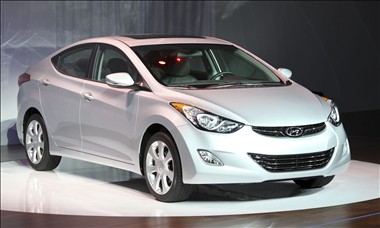
The 2012 Hyundai Elantra can be an economical and practical used compact car, but reliability is more mixed than its attractive fuel economy and relatively simple design might suggest. Many examples have accumulated well over 150,000 miles, and a carefully maintained Elantra can exceed 200,000 miles. However, engine condition deserves particular attention because some cars develop piston slap, oil consumption, abnormal engine noise, or eventual internal engine wear.
The 2012 Elantra is powered by a naturally aspirated 1.8-liter four-cylinder engine paired with either a six-speed manual or six-speed automatic transmission. The lack of a turbocharger or CVT keeps the drivetrain relatively straightforward, and the conventional six-speed automatic is generally one of the stronger components of the car.
The 1.8-liter engine uses a timing chain rather than a timing belt, eliminating scheduled timing belt replacement. That is an advantage, but regular oil changes remain extremely important. A neglected engine, particularly one that has repeatedly operated with a low oil level, can develop significantly greater wear than a well-maintained example.
One issue worth listening for is abnormal knocking, tapping, or piston-slap-like noise, especially during a cold start. Some engines can become noisier as mileage increases. Not every ticking or tapping sound means the engine is failing, but pronounced knocking or persistent internal engine noise should be professionally diagnosed before purchase.
Oil consumption is another concern on higher-mileage cars. Buyers should check the oil level before starting the engine and ask whether oil needs to be added between changes. An Elantra that consumes some oil but has always been monitored may still provide substantial service, while an engine repeatedly driven several quarts low is a much greater risk.
Outside the engine, most problems are typical of an aging economy car: suspension components, steering couplers, wheel bearings, engine mounts, air conditioning equipment, and electrical accessories can require attention. Parts are widely available, and most routine repairs are relatively affordable.
Overall, I would rate the 2012 Elantra as average for reliability rather than exceptional. It can be a good inexpensive commuter, but engine condition and maintenance history should play a major role in deciding whether a particular example is worth buying.
- Overall reliability: Average
- Expected lifespan: 175,000 to 225,000+ miles with proper maintenance
- Best choice: Well-maintained 1.8-liter engine with a quiet cold start, correct oil level, and documented service history
- Watch for: Engine knocking or piston slap, oil consumption, steering noises, suspension wear, transmission operation, and evidence of neglected maintenance
Bottom line: The 2012 Hyundai Elantra can be a worthwhile budget used car, but I wouldn't buy one based on mileage or appearance alone. A healthy, quiet engine with consistent oil-change records is much more important. Find a well-maintained example and it can provide inexpensive transportation for many additional miles.
- Why it's a good choice: Good fuel economy, inexpensive parts, conventional automatic transmission, practical interior, and affordable used prices
- Biggest concern: Internal engine wear or oil consumption on a poorly maintained example
- Best version: Stock, well-maintained car with complete oil-change records and no abnormal engine noise
- Buy only if: The engine sounds healthy when cold and warm, oil level is correct, transmission operates smoothly, and the vehicle passes a pre-purchase inspection
Is the 2012 Hyundai Elantra a Good Year or One to Avoid?
The 2012 Hyundai Elantra is best described as a "buy selectively" year. I wouldn't automatically avoid it, because plenty of these cars have delivered long and economical service. But I also wouldn't put it in the same reliability category as the strongest Toyota Corolla or Honda Civic years.
The biggest reason for caution is the engine. A well-maintained 1.8-liter Elantra that runs quietly, doesn't consume excessive oil, and has received frequent oil changes can be a perfectly sensible purchase. An example with pronounced engine knocking, an unusually low oil level, blue exhaust smoke, or little maintenance documentation is one I'd approach very differently.
The conventional six-speed automatic is a positive. Buyers don't have to evaluate an aging CVT, and serious transmission problems aren't the defining weakness of this model. As with any higher-mileage car, however, delayed engagement, slipping, harsh shifts, or shuddering should be investigated.
Price also matters. The Elantra can make more sense when it costs substantially less than a comparable Corolla or Civic. If prices are nearly identical, I'd generally favor the stronger long-term reliability record of the Toyota or Honda. At a meaningful discount, a well-maintained Elantra becomes much more compelling.
Buyer Takeaway: The 2012 Elantra isn't a year I'd automatically avoid, but engine condition should determine whether you buy it. A quiet, well-maintained example at an attractive price can be good economical transportation. Don't take a chance on a noisy or oil-starved engine simply because the car looks clean or has relatively low mileage.
2012 Hyundai Elantra Common Mechanical Problems
The 2012 Elantra has several problems worth checking before purchase, with engine condition at the top of the list. Some issues are inexpensive age-related repairs, while significant internal engine damage can make a low-priced Elantra uneconomical to repair.
- Engine knocking and piston slap: Some 1.8-liter engines can develop knocking, tapping, or piston-slap-like noises associated with internal wear. Noise may be particularly noticeable when the engine is cold. A slight injector tick shouldn't be confused with a serious knock, so any pronounced or persistent internal engine noise should be evaluated by a qualified technician.
- Oil consumption: Higher-mileage engines may begin consuming oil between changes. Check the dipstick before starting the vehicle and ask the owner directly how frequently oil must be added. Excessive consumption is concerning, but an even bigger warning sign is evidence that the engine has repeatedly been operated with insufficient oil.
- Engine oil leaks: Valve cover gaskets and other seals can begin leaking with age. Minor seepage isn't unusual, but significant leakage can lower the oil level and create additional problems if ignored. Look underneath the engine and check for a burning-oil smell after driving.
- Timing-chain noise: The engine's timing chain is designed for long service life, but chains, guides, and tensioners can wear, particularly when oil maintenance has been poor. Persistent rattling during startup or timing-related trouble codes deserve professional diagnosis.
- Ignition coil and spark plug problems: Worn plugs or failing coils can cause rough running, hesitation, misfires, or a check-engine light. These are generally manageable repairs, but persistent misfires should be diagnosed rather than repeatedly replacing ignition parts without identifying the underlying cause.
- Automatic transmission shift problems: The six-speed automatic is generally dependable, but higher-mileage examples can develop harsh shifts, hesitation, or delayed engagement. Drive the car both cold and fully warmed up and make sure shifts remain smooth under different throttle conditions.
- Steering coupler wear: A worn flexible coupler in the electric power steering system can produce clicking or clunking noises when turning the steering wheel. The part itself is relatively inexpensive, although labor is required to access and replace it.
- Electric power steering concerns: Beyond coupler noise, warning lights or inconsistent steering assistance should be diagnosed before purchase. The steering should operate smoothly and consistently without binding or unexpected changes in effort.
- Front suspension wear: Sway bar links, control arm bushings, ball joints, struts, and other components eventually wear. Clunks over bumps, vague steering, uneven tire wear, or excessive bouncing can indicate that suspension repairs are approaching.
- Wheel bearing wear: A failing wheel bearing may produce a humming or growling noise that becomes louder as road speed increases. This is a normal higher-mileage repair but should still be included when determining what the car is worth.
- Engine mount deterioration: Worn mounts can cause excessive vibration at idle or a noticeable thump when shifting between Reverse and Drive. The underlying engine may be running normally even though failed mounts make the car feel rough.
- Brake wear and sticking calipers: Older cars can develop uneven brake wear, corroded hardware, sticking calipers, or rotor vibration. Check for pulling during braking, steering-wheel vibration, or excessive heat from one wheel after the test drive.
- Air conditioning problems: Compressors, switches, relays, and refrigerant leaks can cause inconsistent cooling. Run the air conditioning throughout the test drive rather than simply confirming that cold air comes out immediately after startup.
- Electrical accessory problems: Door locks, power windows, switches, audio components, sensors, and other accessories can fail with age. These usually aren't serious reliability problems, but several small repairs can substantially affect the value of an inexpensive used car.
- Rust and underbody corrosion: Cars that have spent many winters in road-salt climates should be inspected underneath. Pay particular attention to suspension mounting areas, brake components and lines, exhaust hardware, and structural sections of the underbody.
The engine should receive more attention than any individual minor problem on this list. An Elantra needing a wheel bearing, sway bar link, or steering coupler may still be an excellent inexpensive purchase. A car with persistent engine knock, substantial oil consumption, and evidence of repeatedly running low on oil is a much greater financial risk.
Buyer Tip: Ask the seller not to start the Elantra before you arrive. Check the engine oil level first and then listen carefully during the initial cold start. Continue listening after the engine warms because serious internal noise shouldn't simply be dismissed because it becomes quieter. A pre-purchase inspection should specifically evaluate engine noise and oil consumption rather than only checking whether warning lights are illuminated.
2012 Hyundai Elantra Pros and Cons
The 2012 Elantra's biggest strengths are affordability, fuel economy, and simplicity. It offers more styling and equipment than many economy cars of its era while remaining relatively inexpensive to maintain when the drivetrain is healthy. Its primary disadvantage is that engine reliability isn't as consistently strong as the best Japanese competitors.
Pros
- Good fuel economy: The 1.8-liter engine provides economical commuting without requiring a hybrid system or turbocharger.
- Conventional six-speed automatic: Buyers who prefer a traditional geared transmission may appreciate that the Elantra doesn't rely on a CVT.
- No turbocharger: The naturally aspirated engine avoids the additional heat, lubrication requirements, and replacement expense associated with an aging turbocharger.
- Timing chain instead of timing belt: There is no routine timing belt replacement interval, reducing scheduled maintenance compared with some older compact cars.
- Affordable used prices: Elantras often cost less than comparable Corollas and Civics, which can make a carefully selected example a strong value.
- Inexpensive routine maintenance: Common service parts are widely available, and most independent shops can work on the car without specialized equipment.
- Useful interior space: The Elantra provides good passenger room and trunk space for a compact sedan.
- Good standard equipment for its age: Hyundai offered a competitive level of comfort and convenience equipment, helping the Elantra feel less basic than some economy-car alternatives.
Cons
- Engine noise can signal significant wear: Pronounced knocking or piston-slap-like sounds deserve careful diagnosis and can make an otherwise attractive car a poor purchase.
- Oil consumption requires monitoring: An engine that consumes oil can remain usable if carefully monitored, but neglecting the oil level can accelerate serious internal damage.
- Reliability isn't class-leading: A good Elantra can last a long time, but the model doesn't offer quite the consistency of the best Corolla and Civic years.
- Steering coupler problems: Clicking or clunking from the steering system is a relatively common annoyance as these cars age.
- Ride and road noise: The Elantra doesn't provide the isolation or refinement of a larger midsize sedan, particularly on rough pavement.
- Age-related suspension repairs: Struts, bushings, links, bearings, and other chassis components may now require replacement even on otherwise dependable cars.
- Maintenance history can be difficult to verify: Because used Elantras became relatively inexpensive, some examples have gone through multiple owners and received minimal preventive maintenance.
- A low price isn't enough reason to buy: The savings compared with a Corolla or Civic disappear quickly if the Elantra needs significant internal engine work shortly after purchase.
Buyer Takeaway: The 2012 Hyundai Elantra can be a good inexpensive commuter when you find the right one, but this is a model where I would listen to the engine as carefully as I look at the odometer. The ideal example has consistent oil-change records, a correct oil level, no excessive consumption, a quiet cold start, and a smooth-shifting transmission. If it's also priced meaningfully below a comparable Corolla or Civic, the Elantra can offer very good value. If the engine knocks or the maintenance history is questionable, there are enough other used compact cars available that I'd keep shopping.
Your Trade-In
Also, it's good to always know the value of your trade-in while you're evaluating your next possible purchase. Here's a good source for a quick and accurate appraisal: free trade-in appraisal.
What's Next?
If you may be buying soon, I'd recommend reading my most effective negotiation method for used cars. It explains a quick way to identify the dealerships most motivated to deal, no matter how busy they may seem, and how to follow up once you've found them. That can be the difference between getting a good price and getting a great one.
And beware of "Dealer Fees": Before agreeing to a dealer's numbers, see which dealer fees are legitimate, which can be negotiated, and which can be avoided.
Other Hyundai Models: If you may be looking at other Hyundai models, visit our Hyundai Reliability Guide to compare reliability, common problems, and the best years to buy across Hyundai's most popular cars and SUVs.
Some Insider Insights:
Is Your Car Insurance Expensive? Some Answers