

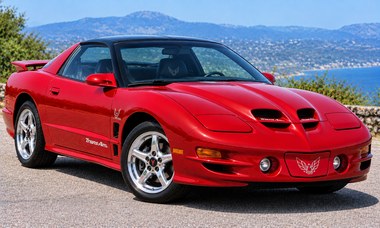
The Pontiac Trans Am isn't just an old performance car anymore. With the last one built in 2002 and Pontiac itself gone, the Trans Am has become an established enthusiast and collector car — particularly in desirable V8, manual-transmission, WS6 and special-edition configurations.
That changes the buying equation. Reliability still matters, but so do originality, engine and transmission choice, previous modifications, accident history and whether you're paying a premium for a genuinely desirable Trans Am or simply an ordinary example with an ambitious asking price.
This guide covers the 1982-2002 Pontiac Firebird Trans Am, encompassing the third and fourth generations. Earlier 1969-1981 Trans Ams are unquestionably important collector cars, but they belong to a substantially different classic-car market. For someone shopping for a Trans Am that can still realistically be driven regularly, the 1982-2002 cars make a more useful reliability comparison.
Overall, I'd rate the 1982-2002 Trans Am as having average to above-average drivetrain reliability for an American performance car of its era, with the later V8 cars making an especially strong case. The engines can be very durable. Age, previous abuse, modifications and neglected peripheral components are usually bigger concerns today than the basic V8 architecture.
In This Guide You'll Learn
- Which Pontiac Trans Am years are generally the best to buy
- Which years and powertrains deserve more caution
- How many miles a Trans Am can realistically last
- The reliability differences between third- and fourth-generation cars
- How the LT1 and LS1 V8 Trans Ams compare
- Whether a six-speed manual or automatic is the better choice
- What makes a WS6 different from a regular Trans Am
- Why originality and modifications matter so much when buying one
- Which Trans Ams command collector premiums and why
Pontiac Trans Am Reliability Overview
The Trans Am's reliability story is better than its aggressive image might suggest. These cars were built to be driven hard, and the V8 engines used in the better versions are capable of substantial mileage when maintained properly.
The 1982-1992 third-generation Trans Am is mechanically straightforward by modern standards, but age has become its biggest liability. These cars are now well over 30 years old. Cooling systems, fuel systems, electrical components, seals, weatherstripping, suspension parts and interior components can require considerable attention even when the engine itself remains healthy.
The 1993-2002 fourth generation is generally the more practical choice for someone who wants a Trans Am to drive regularly. The 1993-1997 cars use the 5.7-liter LT1 V8, while the 1998-2002 cars received the aluminum 5.7-liter LS1 V8. Both can be durable, but the LS1 cars combine substantially stronger performance with a very robust basic engine design.
That makes the 1998-2002 Trans Am particularly appealing today. A well-maintained LS1 car can exceed 150,000 miles without requiring internal engine work, and 200,000 miles isn't unreasonable. But mileage alone tells only part of the story.
A 70,000-mile Trans Am that spent years being drag raced, heavily modified or poorly tuned may be a much riskier purchase than a stock 130,000-mile car owned by someone who maintained it carefully. With these cars, how the miles were accumulated matters almost as much as how many miles are showing.
Pontiac Trans Am Reliability at a Glance
| Category | Assessment |
|---|---|
| Overall Reliability | Average to above average for an older American performance car |
| Expected Lifespan | About 150,000-200,000+ miles with good maintenance |
| Best All-Around Years | 1998-2002 |
| Strongest Overall Engine Choice | 1998-2002 5.7-liter LS1 V8 |
| Strong Earlier Choice | 1993-1997 5.7-liter LT1 V8 with good maintenance history |
| Most Desirable Later Configuration | LS1, six-speed manual and WS6 Ram Air package |
| Major Buying Concern | Previous abuse, modifications and poor-quality performance work |
| Collector Potential | Already established, with substantial differences among configurations |
If you may be buying a vehicle soon, I'd also recommend reading my most effective negotiation methods for either new cars or used cars. Each explains a quick way to identify the dealerships most motivated to deal, no matter how busy they may seem, and how to follow up once you've found them. That can be the difference between getting a good price and getting a great one.
Finding a Trans Am for sale isn't necessarily difficult if you're willing to search nationwide. Finding the particular Trans Am you want can be a very different matter. Once you narrow the search to a particular generation or year, V8, six-speed manual, WS6 package, mileage range, color, originality and condition, the realistic selection can become quite small. Buyers seeking an exceptional car may need to search far beyond their local area, make a long drive, or even get on a plane to inspect one.
Before traveling, ask detailed questions about modifications and accident history, request extensive photos of the body, underside, interior and engine compartment, and obtain whatever maintenance documentation the seller has. With a collector-quality Trans Am, originality and condition can affect value by thousands of dollars, making a careful long-distance search worthwhile.
How Many Miles Can a Pontiac Trans Am Last?
A properly maintained Pontiac Trans Am can realistically last 150,000 to 200,000 miles or more, and the later 5.7-liter V8 engines are capable of exceeding those numbers when they haven't been abused or poorly modified.
At 100,000 miles, I wouldn't consider a good fourth-generation Trans Am worn out. An LT1 or LS1 V8 can have substantial life remaining. I'd be more interested in oil pressure, cooling-system condition, transmission behavior, maintenance records and evidence of previous performance modifications.
Between 120,000 and 150,000 miles, expect more age- and mileage-related repairs around the engine rather than necessarily inside it. Water pumps, ignition components, seals, engine mounts, suspension parts, wheel bearings and accessories may require attention.
At 200,000 miles, condition becomes highly individual. A stock LS1 car that received regular oil changes and sensible maintenance can still run very well, while a much lower-mileage car subjected to repeated hard launches, poor tuning and questionable modifications can already be mechanically tired.
Would I buy a 150,000-mile Trans Am? Yes — particularly an LS1 car — if it were structurally sound, ran properly, had good maintenance history and showed evidence of responsible ownership. I would choose that over a 70,000-mile example with an unknown tune, extensive engine modifications and signs of repeated drag-strip use.
Pontiac Trans Am Reliability by Generation
1982-1992 Pontiac Trans Am: Third Generation
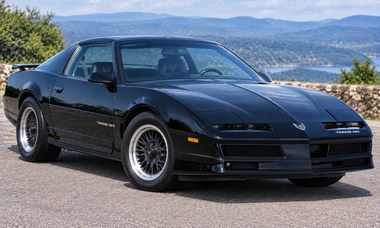
The 1982-1992 third-generation Trans Am marked a dramatic break from the much larger second-generation cars. It was lighter, more aerodynamic and increasingly sophisticated as electronic fuel injection and more advanced engine-management systems appeared during the decade.
Powertrain choices changed considerably over this generation, so I wouldn't treat every third-generation Trans Am as mechanically equivalent. Chevrolet-sourced 5.0-liter V8s were common, while 5.7-liter V8 versions offered stronger performance later in the generation. The rare 1989 20th Anniversary Turbo Trans Am used a turbocharged Buick-derived V6 and belongs in a much more specialized collector category.
The basic V8 drivetrains can be durable, but these cars are now old enough that age-related deterioration dominates the reliability discussion. Fuel injectors, sensors, electrical connections, cooling components, vacuum lines, seals and suspension parts can all create trouble independent of engine mileage.
Rust and structural condition deserve particular attention. T-top cars also need careful inspection for water leaks and deteriorated seals. Interior plastics, switches and trim pieces can be difficult to replace in excellent original condition.
Common 1982-1992 Pontiac Trans Am Problems
- Cooling-system deterioration: Radiators, hoses, water pumps and related components may have been replaced multiple times by now.
- Oil and fluid leaks: Aging engine, transmission and differential seals commonly develop seepage or leaks.
- Electrical problems: Sensors, switches, grounds, wiring connections and aging electronics can produce intermittent faults.
- T-top leaks: Weatherstripping deteriorates with age and can allow water into the cabin.
- Suspension wear: Bushings, steering components, shocks and other chassis parts may need substantial renewal.
- Previous modifications: Many cars have received aftermarket engines, exhaust systems, suspension parts or wiring work of widely varying quality.
Buyer Tip: I'd shop for preservation rather than horsepower. An original third-generation Trans Am with a solid body, intact interior and documented history is usually a much better starting point than a faster car assembled from decades of aftermarket modifications.
Bottom Line: Third-generation Trans Ams can still be enjoyable and mechanically durable, but they're now classic cars. Condition, originality and previous restoration work matter considerably more than the model's original reliability reputation.
1993-1997 Pontiac Trans Am: Fourth Generation LT1
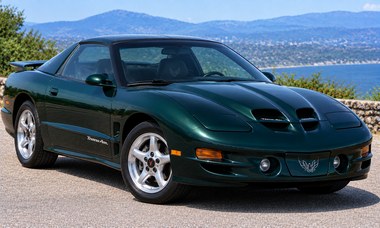
The redesigned 1993 Trans Am brought a major performance improvement with its 5.7-liter V8 and available six-speed manual transmission. These cars provided serious performance for their era while retaining a fundamentally durable pushrod V8 drivetrain.
The engine itself can last a long time, but one component deserves special attention: the ignition system. The distributor is mounted at the front of the engine, where moisture and contamination can cause problems, and water-pump leakage can make matters worse because of its location nearby.
Cooling-system condition therefore matters particularly on these cars. An LT1 that has been maintained carefully can be a very strong engine, but an overheating history or neglected cooling system would make me considerably more cautious.
The WS6 Ram Air package arrived during this period, adding both performance and desirability. Today, an authentic WS6 in excellent original condition can command a premium, so verifying that the car is genuinely equipped with the package becomes important rather than relying on a hood or badges that can be added later.
Common 1993-1997 Pontiac Trans Am Problems
- Distributor/ignition problems: The front-mounted ignition system is one of the best-known LT1 trouble areas.
- Water-pump leaks: Leakage is especially undesirable because of the ignition components positioned nearby.
- Cooling-system problems: Overheating should never be dismissed on an LT1 car.
- Oil leaks: Aging gaskets and seals become increasingly relevant as these cars pass 30 years old.
- Manual-transmission wear: Clutch and synchro condition depend heavily on how the car was driven.
- Window and electrical issues: Motors, switches and other aging electrical components can require attention.
Buyer Tip: Don't reject an LT1 Trans Am simply because the later LS1 is more powerful and desirable. A documented, original LT1 car can be an excellent purchase — and potentially a better one than a heavily modified LS1 at the same price.
Bottom Line: The 1993-1997 Trans Am combines strong V8 durability with serious performance, but cooling and ignition-system maintenance matter. These cars are also old enough that originality and preservation are increasingly important to value.
1998-2002 Pontiac Trans Am: Fourth Generation LS1
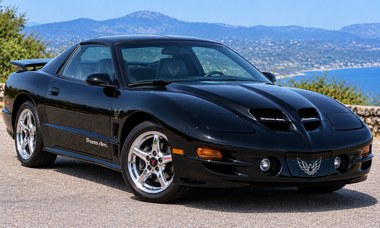
The 1998 model year transformed the fourth-generation Trans Am with a revised appearance and an all-new aluminum 5.7-liter V8. These final Trans Ams combined excellent straight-line performance with one of GM's most durable modern performance-engine designs.
This is the generation-within-a-generation I'd favor for someone who wants a Trans Am to drive regularly. The engine responds well to maintenance, parts and specialist knowledge remain widely available, and the drivetrain can tolerate high mileage surprisingly well when kept close to stock.
The six-speed manual is particularly desirable, both because of the driving experience and because manual cars attract strong enthusiast interest. The four-speed automatic is also capable of good service, although modified engines, repeated hard launches and added power can shorten its life.
WS6 cars occupy an especially interesting position. The Ram Air package added functional and performance equipment and created the aggressive hood appearance many people now associate with the final Trans Am. By the end of production, WS6 was far from an obscure package, but genuine, original examples — especially six-speed cars in exceptional condition — remain particularly desirable.
Common 1998-2002 Pontiac Trans Am Problems
- Oil leaks and seepage: Aging gaskets and seals can develop leaks even when the engine remains mechanically healthy.
- Cooling-system and water-pump wear: Age-related replacement should be expected on many cars.
- Rear-axle wear: Hard launches, increased engine output and sticky tires can be hard on the factory rear axle.
- Manual clutch and synchro wear: Six-speed cars deserve careful evaluation for evidence of aggressive use.
- Automatic-transmission wear: Modified or repeatedly raced cars can place substantial additional stress on the transmission.
- Window motors and aging electronics: Electrical accessories can become troublesome as the cars age.
- Aftermarket modifications: Poor tunes, aggressive camshaft installations, forced induction and amateur wiring can turn a fundamentally reliable drivetrain into an expensive project.
Buyer Tip: A stock LS1 Trans Am with 100,000 miles wouldn't concern me nearly as much as a 50,000-mile car with a long list of unexplained performance modifications. With these cars, modifications need to be evaluated as carefully as mileage.
Bottom Line: The 1998-2002 LS1 Trans Am is the strongest all-around combination of performance, reliability, parts support and collector interest in the 1982-2002 range. That's also why excellent original examples increasingly command a premium.
Which Pontiac Trans Am Engine Is Most Reliable?
For a buyer who wants the best combination of durability, performance and parts support, my choice is the 1998-2002 5.7-liter LS1 V8. The LS1's aluminum construction and strong basic architecture helped make it one of GM's most important modern performance engines, and it can accumulate substantial mileage without internal engine work.
The earlier 1993-1997 5.7-liter LT1 V8 is also fundamentally durable. Its biggest disadvantage isn't the core engine but the surrounding systems, particularly the distinctive front-mounted ignition arrangement and its relationship to the nearby water pump. A well-maintained LT1 can still be an excellent engine.
Third-generation 5.0- and 5.7-liter V8s are relatively simple and can also last a long time. But at this point, I'd buy those cars based on overall condition rather than choosing one solely because of engine displacement.
For technical identification, the later fourth-generation engines are commonly known by their LT1 and LS1 engine codes. Those names are useful because they divide the 1993-2002 cars into two distinctly different mechanical eras, but the plain-language distinction is simple: 1993-1997 uses the earlier 5.7-liter V8, while 1998-2002 gets the newer aluminum 5.7-liter V8.
Which would I buy? For regular driving, I'd choose a well-maintained 1998-2002 LS1 car. For a collector purchase, however, I wouldn't automatically reject an earlier Trans Am simply because it has less power. Originality, rarity, specification and condition can matter much more to long-term desirability than another 20 or 50 horsepower.
How Reliable Are Pontiac Trans Am Transmissions?
Both manual and automatic Trans Ams can be durable, but previous use makes an enormous difference. These are powerful rear-wheel-drive cars that were frequently driven exactly as Pontiac intended, so transmission condition deserves more attention than it would on an ordinary sedan.
The six-speed manual used in fourth-generation cars is generally strong and is the transmission I'd prefer in an enthusiast Trans Am. Check for clutch slippage, difficult shifts, grinding synchros and evidence that the car has spent considerable time at the drag strip.
The automatic can also be a perfectly good choice, particularly in a largely stock car. But modifications that substantially increase engine output can expose weaknesses more quickly, and repeated hard launches generate considerably more stress than normal street driving.
Third-generation cars require a more individual assessment because several transmission and engine combinations were offered over the years. On a car that old, documentation of rebuilds or replacement components can actually be an advantage when the work was performed correctly.
Which transmission would I buy? If I wanted a Trans Am primarily to drive and enjoy, I'd choose the six-speed manual. If I found an exceptional original automatic car with excellent history, however, I wouldn't reject it solely because of the transmission. For collector value, the manual can command additional enthusiast interest, but originality and the complete configuration matter more than the transmission alone.
Best Pontiac Trans Am Years to Buy
The best Trans Am year depends heavily on what you want from the car. Someone looking for a V8 performance car to drive regularly may make a very different choice from someone buying an original car partly for its collector value.
1998-2002 Trans Am: Best All-Around Choice
For the best combination of performance, reliability, parts availability and enthusiast appeal, I'd concentrate on the 1998-2002 LS1 cars. The 5.7-liter V8 is extremely capable, and these final Trans Ams are new enough to remain realistic recreational drivers rather than requiring the compromises associated with a much older classic.
Condition varies enormously, however. These cars were inexpensive performance bargains for many years, which encouraged modifications and hard use. I'd pay more for a stock or thoughtfully modified car with documentation rather than automatically chasing the lowest mileage.
2001-2002 Trans Am: Especially Desirable Final Years
The 2001 and 2002 models are particularly attractive because they combine the later LS1 drivetrain with the final years of fourth-generation production. The 2002 model also carries obvious significance as the last Trans Am built before the nameplate disappeared.
That doesn't mean a 2002 is automatically worth more than every 1998-2001 car. WS6 equipment, transmission, mileage, originality, color, condition and special-edition status can have a much greater effect on an individual car's desirability.
1996-1997 Trans Am: Strong LT1 Alternatives
A good 1996-1997 LT1 Trans Am can offer a lot of the fourth-generation experience for a buyer who doesn't insist on an LS1. I'd pay particular attention to cooling-system and ignition-system history, but the basic 5.7-liter V8 can be very durable.
These years also include desirable WS6 cars. An unusually original LT1 WS6 shouldn't be dismissed simply because the later LS1 cars are faster.
Pontiac Trans Am Years to Approach With More Caution
I wouldn't designate an entire 1982-2002 Trans Am generation as one to avoid. At this age, condition and previous ownership usually matter more than the calendar. There are, however, groups that require additional scrutiny.
1982-1984 Trans Am: Age and Early-Generation Considerations
The earliest third-generation cars are now over 40 years old and generally provide much less performance than the later V8 Trans Ams. That doesn't make them bad cars, and an exceptional original example may be interesting precisely because relatively few have survived untouched.
For someone primarily interested in dependable driving, however, I'd favor a later car. Early third-generation examples can require substantial attention to fuel, cooling, electrical, suspension, weather-sealing and interior components simply because of age.
1993-1995 Trans Am: Buy Carefully, Not Automatically Avoid
The early LT1 cars can be very good performers, but I'd inspect the ignition and cooling systems carefully and look for evidence of overheating or neglected repairs. By now, maintenance history matters much more than the fact that a particular car was built in 1993 rather than 1997.
A properly maintained 1993-1995 Trans Am can still be a better purchase than a neglected later car.
What Is the Most Reliable Pontiac Trans Am Generation?
For someone who wants to actually drive the car regularly, the 1998-2002 portion of the fourth generation is my first choice. The LS1 V8 provides an excellent combination of durability and performance, while parts availability and specialist knowledge remain strong.
The 1993-1997 LT1 cars aren't dramatically less durable at the core-engine level, but their ignition and cooling-system arrangement adds another potential trouble area. Third-generation cars have relatively straightforward mechanical systems, but their age now outweighs much of that simplicity.
Which would I buy? For a weekend car I planned to drive frequently, I'd look for an original or lightly modified 1998-2002 LS1 Trans Am. If I were buying partly as a collectible, I'd widen the search considerably because an exceptional WS6, special edition or unusually original earlier car could be more interesting than an ordinary later Trans Am.
Major Pontiac Trans Am Problems and Expensive Repairs
The Trans Am's basic V8 engines aren't usually what makes ownership expensive. The bigger risks are cooling and ignition problems on LT1 cars, drivetrain damage from hard use, aging components, and poorly executed performance modifications.
LT1 Ignition Problems
The 1993-1997 LT1's front-mounted distributor is one of the best-known fourth-generation trouble areas. Moisture or contamination can cause misfires, difficult starting and poor running.
Its location near the water pump makes water-pump leakage particularly undesirable. If I were considering an LT1 car, I'd want to know when both components were last serviced and whether replacement parts were of good quality.
Cooling-System Problems
Cooling-system condition matters on every old Trans Am, but especially on LT1 cars. Radiators, hoses, fans, thermostats and water pumps are all old enough to have required replacement by now.
An overheating history deserves investigation. I'd much rather buy a car whose owner proactively replaced aging cooling components than one advertised as completely original but still running decades-old parts.
Rear-Axle Damage
Fourth-generation Trans Ams can place considerable stress on the factory rear axle, particularly when horsepower has been increased or the car has repeatedly been launched hard on high-traction tires.
Listen for whining, clunks and other differential noise, and look underneath for evidence that the rear end has already been repaired or replaced. A properly upgraded rear axle isn't necessarily a negative on a modified car if the work is documented and appropriate for its intended use.
Transmission and Clutch Wear
Manual cars should shift smoothly without grinding, reluctance or popping out of gear. A worn clutch is normal maintenance on an older performance car, but transmission damage can be considerably more expensive.
Automatic cars deserve the same scrutiny. Added horsepower, aggressive tuning and repeated hard launches can shorten transmission life considerably.
Performance Modifications
Modifications are one of the biggest variables when buying a Trans Am. Exhaust systems and modest bolt-on changes don't automatically concern me. Internal engine work, aggressive camshafts, forced induction, aftermarket tuning, nitrous systems and extensively modified fuel or electrical systems require much more investigation.
Ask who performed the work, what parts were installed, who tuned the car and whether receipts or dyno information exist. "Built motor" shouldn't automatically be interpreted as an advantage.
Pontiac Trans Am Maintenance and Repair Costs
Routine maintenance on a Trans Am can remain surprisingly reasonable because these cars use well-known GM mechanical components and have substantial enthusiast support. Costs can rise quickly, however, when you're correcting previous modifications or restoring model-specific cosmetic components.
Actual costs vary by year, location, labor rate and the quality of parts used, but approximate repair ranges can include:
| Service or Repair | Approximate Cost |
|---|---|
| Oil and Filter Change | $60-$120+ |
| Brake Pads and Rotors | $400-$900+ per axle |
| Water Pump | $500-$1,000+ |
| LT1 Ignition/Distributor Repair | $600-$1,300+ |
| Alternator | $400-$800+ |
| Clutch Replacement | $1,200-$2,200+ |
| Suspension Repairs | $600-$1,800+ depending on components |
| Rear-Axle/Differential Repair | $1,000-$3,000+ depending on damage and upgrades |
| Major Engine or Transmission Repair | Potentially several thousand dollars |
Cosmetic restoration can sometimes be more frustrating than mechanical repair. Original interior pieces, body components, wheels, decals and model-specific trim can matter considerably on a collectible Trans Am, and restoring the wrong car can become expensive quickly.
Pontiac Trans Am Maintenance After 100,000 Miles
A 100,000-mile Trans Am isn't inherently near the end of its life. On a good LT1 or LS1 car, I'd focus on bringing the entire vehicle up to a high maintenance standard rather than assuming the engine needs major work.
- Inspect the cooling system: Radiator, hoses, water pump, thermostat and fans become increasingly important as these cars age.
- Check for fluid leaks: Engine, transmission, differential and power-steering leaks deserve attention.
- Evaluate the ignition system: This is particularly important on 1993-1997 LT1 cars.
- Inspect the drivetrain: Check the clutch or automatic transmission, driveshaft, differential and rear axle for evidence of hard use.
- Renew aging suspension components: Bushings, shocks, steering components and wheel bearings can transform how an older Trans Am drives.
- Review modifications: Make sure aftermarket tuning and performance components are properly installed and appropriate for the drivetrain.
What to Check Before Buying a Used Pontiac Trans Am
A Trans Am deserves a somewhat different inspection from an ordinary used car. These six checks can reveal a great deal about both its reliability and whether the asking price is justified:
- Verify what the car actually is: If you're paying extra for WS6 equipment or a special edition, confirm the car's original configuration rather than relying on badges, wheels or body components.
- Look for evidence of racing or abuse: Inspect the rear axle, clutch, transmission, tires and underside and ask directly about drag-strip use.
- Document modifications: Identify the camshaft, tune, exhaust, intake, forced-induction or other performance changes and who installed them.
- Check LT1 ignition and cooling history: On 1993-1997 cars, these deserve specific attention.
- Inspect T-tops and weather seals: Look for leaks, water staining and deteriorated seals.
- Evaluate originality: On a collector-quality car, original drivetrain, interior, body panels, wheels, documentation and factory equipment can materially affect value.
Pontiac Trans Am Pros and Cons
Pros
- Strong V8 performance
- LT1 and especially LS1 engines can be very durable
- 1998-2002 cars remain practical enough for regular recreational driving
- Strong parts and enthusiast support
- Six-speed manual provides an engaging driving experience
- WS6 cars have distinctive appearance and enthusiast appeal
- Established collector interest
- Many configurations provide substantially more performance than similarly priced classic cars
Cons
- Many surviving cars have been modified or driven hard
- LT1 ignition and cooling-system problems require attention
- Factory rear axles can suffer from hard launches and increased horsepower
- Age-related electrical, suspension and weather-sealing problems are increasingly common
- Original cosmetic and trim components can be difficult or expensive to replace
- Collector premiums can make desirable cars substantially more expensive
- Finding a particular WS6, manual or unusually original car may require a nationwide search
And another con ... even a good price on the vehicle doesn't necessarily mean you're getting a good deal.
There are other numbers besides price that can significantly affect the final out-the-door cost. A well-negotiated selling price can quickly lose its advantage if the dealer makes up for the concession with a below-market trade-in offer. Also, dealer fees and add-ons can further increase the final cost, making it important to learn which fees you must pay, can negotiate, or should avoid.
To become better informed about these important but often-confusing parts of the deal, be sure to see my articles on trade-ins and dealer fees.
Pontiac Trans Am vs. Other Performance Cars
The Trans Am's combination of V8 power, rear-wheel drive and increasingly strong collector interest puts it in a different category from many inexpensive sport coupes. Its closest alternative depends on whether performance, handling, rarity or long-term collectibility matters most.
- Ford Mustang: Far easier to find and available in many more configurations. The Trans Am offers greater rarity and a more distinctive ownership experience, particularly in later V8 form.
- Chevrolet Camaro: The closest mechanical relative to the Trans Am. Comparable Camaro and Trans Am models share much of their underlying drivetrain, so styling, equipment, condition and collectibility can become the deciding factors.
- Chevrolet Corvette: More purpose-built as a sports car and generally superior dynamically, but it doesn't provide the same muscle-car character or four-seat hatchback configuration.
- Dodge Challenger: A newer alternative for buyers attracted to American V8 performance and muscle-car styling. Challengers are generally easier to find than desirable Trans Ams and offer more modern comfort and safety features, while the discontinued Trans Am provides greater rarity and a distinctly different late-1990s and early-2000s performance-car experience.
- Toyota Celica: Considerably slower in mainstream form but more economical and generally simpler to own. Desirable Celicas are also developing enthusiast value, although the Trans Am has a much more established American collector following.
Which would I buy? If I wanted the best sports car of the group, I'd lean toward the Corvette. If I wanted an American V8 performance car with unmistakable late-20th-century character and an established collector following, a good Trans Am — particularly an LS1 six-speed — would be very difficult to replace with anything else.
Which Pontiac Trans Ams Are Most Collectible?
The Trans Am is already an established collector car, but that doesn't mean every Trans Am carries the same collector premium. Generation, engine, transmission, factory equipment, special-edition status, mileage, originality and condition can create enormous differences between two cars from the same model year.
Among 1982-2002 cars, special versions naturally attract attention. The 1989 20th Anniversary Turbo Trans Am occupies a particularly distinctive position because of its turbocharged drivetrain and limited-production nature. Later WS6 Ram Air cars are also highly desirable, especially when combined with a six-speed manual transmission, excellent condition and a high degree of originality.
Final-year 2002 cars have additional appeal simply because they mark the end of Trans Am production. Special-edition cars from the final years can command another level of interest, but documentation becomes particularly important when the seller is asking a substantial premium.
A regular Trans Am can still be collectible. An unusually original, low-mileage V8 car in an attractive specification may be more desirable than a rarer version that has been heavily modified, damaged or poorly restored.
This is also why I'd be cautious about using a general Firebird price guide to determine what a particular Trans Am is worth. A V6 Firebird, regular V8 Trans Am, WS6 six-speed and documented special edition may share a basic body shell while appealing to very different buyers.
Is a WS6 Trans Am Worth More?
A genuine WS6 Trans Am can command a meaningful premium because the package combines additional performance equipment with some of the most recognizable styling associated with the later Trans Am. The Ram Air hood in particular became one of the defining visual features of the final cars.
But the word genuine matters. Hoods, wheels, badges and other WS6-style components have been installed on non-WS6 cars over the years. If a seller is asking a collector premium because a car is represented as a factory WS6, verify its original equipment rather than judging it from appearance alone.
I'd also resist paying a huge premium merely for the option code if the underlying car isn't exceptional. A beautifully preserved regular Trans Am can be a better purchase than a tired WS6 requiring extensive restoration.
Manual vs. Automatic Trans Am: Which Is More Desirable?
For an enthusiast or collector purchase, the six-speed manual is generally the configuration I'd seek first. It suits the character of the car, gives the driver greater involvement and is particularly appealing when paired with an LS1 and desirable equipment such as WS6.
That doesn't make automatic cars undesirable. An exceptionally original automatic Trans Am can still be valuable, and an automatic may even have experienced less drivetrain abuse than a manual car that spent years being aggressively launched and shifted.
I'd therefore use transmission choice as one part of the valuation rather than a substitute for condition. A pristine documented automatic can be a much better car than a worn-out six-speed.
Is a High-Mileage Pontiac Trans Am a Good Buy?
A high-mileage Trans Am can be a surprisingly good purchase if the car has remained close to stock and received consistent maintenance. I'd have little objection to a well-documented 120,000- or 150,000-mile LS1 car that runs properly and passes a careful inspection.
For a car intended primarily for driving, that can actually represent an attractive part of the market. You aren't paying the same premium demanded for an ultra-low-mileage collector example, and you can enjoy the car without worrying about adding every additional mile.
The calculation changes when you're paying collector-car money. If the seller is asking a large premium for low mileage, WS6 equipment, a six-speed transmission or special-edition status, I'd expect the condition, originality and documentation to support that premium.
Buyer comparison: Given a choice between a stock 120,000-mile LS1 Trans Am with extensive records and a modified 60,000-mile car with an unknown tune and little documentation, I'd generally take the higher-mileage stock car. Mileage is only one part of the Trans Am buying equation.
Final Pontiac Trans Am Reliability Verdict
The 1982-2002 Pontiac Trans Am can be a much more reliable enthusiast car than its age and performance reputation might suggest. The V8 drivetrains are generally durable, and the 1998-2002 LS1 cars in particular can combine serious performance with 150,000 to 200,000 miles or more of useful life.
The 1993-1997 LT1 cars are also worth considering, especially when well maintained, although their ignition and cooling systems require more attention. Third-generation cars have become sufficiently old that preservation, restoration quality and originality now matter more than simply choosing the supposedly most reliable year.
If I wanted a Trans Am primarily to drive, I'd concentrate on a clean, mostly stock 1998-2002 LS1 car and wouldn't be frightened by reasonable mileage. If I wanted one partly as a collectible, I'd become much more selective about WS6 equipment, transmission, special-edition status, originality, documentation and condition.
Most importantly, I wouldn't confuse the number of Firebirds advertised for sale with the number of Trans Ams that actually fit a particular buyer's requirements. Once you specify the generation, engine, transmission, WS6 equipment, mileage, originality and condition you want, the realistic selection can become surprisingly small.
That's one case where expanding the search radius makes sense. For the right Trans Am, I'd rather travel several hundred miles — or even fly to inspect an exceptional car — than compromise on a heavily modified or questionable example simply because it happened to be nearby.
Some Insider Insights:
How Smart Buyers Get Better Trade-In Prices