

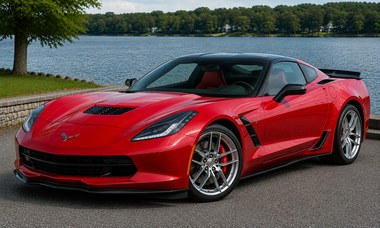
Is a used Chevy Corvette a reliable sports car? Yes, and probably more reliable than many buyers expect. The Corvette has a long history of durable V8 engines, exceptional performance, and ownership costs that can be surprisingly reasonable compared with European sports cars offering similar capabilities.
I've always considered the Corvette one of the more appealing used performance-car purchases. Depreciation can put an extraordinarily fast car within reach of someone shopping on a relatively modest budget. And unlike many exotic sports cars, older Corvettes use engines and mechanical components familiar to experienced American performance-car mechanics.
But there's an important distinction I'd make before recommending one. A standard Corvette with a naturally aspirated V8 is a different ownership proposition from a specialized Z06 or ZR1. The higher-performance versions can be wonderful cars, but their engines, brakes, cooling systems, and other components can make repairs considerably more expensive.
For most buyers, my favorite would be a well-maintained 2008–2013 C6 Corvette with the naturally aspirated 6.2-liter V8. It offers exceptional performance, a proven engine, and relatively manageable mechanical complexity.
The 2002–2004 C5 is another excellent choice for buyers on a smaller budget. For a newer Corvette, I particularly like the 2017–2019 C7 Stingray, although automatic-transmission operation deserves attention. The 2021–2024 C8 offers an entirely different mid-engine driving experience, with additional technology and more specialized repair considerations.
One thing I'd emphasize is that mileage doesn't tell the whole story with a Corvette. A carefully maintained car driven regularly on the street may be a better purchase than a low-mileage example subjected to frequent track use, aggressive driving, or questionable modifications.
This guide covers the 1997–2024 Corvette, including the C5, C6, C7, and C8 generations.
In This Guide
- How many miles a Corvette can last
- The best Corvette model years to buy
- Years and versions requiring extra inspection
- Reliability differences between the C5, C6, C7, and C8
- Stingray, Grand Sport, Z06, and ZR1 considerations
- Engine and transmission reliability
- Maintenance and repair costs
- Alternatives worth considering
How Many Miles Can a Chevy Corvette Last?
A properly maintained Chevy Corvette can realistically last 150,000–200,000 miles, and some C5 and C6 Corvettes exceed 200,000 miles. Their naturally aspirated V8 engines are often capable of considerable mileage, although keeping the entire car in good condition may require age-related repairs along the way.
I wouldn't automatically hesitate to buy a Corvette with 100,000 miles. In fact, a regularly driven, well-maintained example can be a better purchase than a 40,000-mile car that has spent much of its life sitting or has been subjected to aggressive track use.
At higher mileages, I'd pay particular attention to the transmission, clutch, suspension, cooling system, and evidence of previous modifications. Tires and rubber components can also deteriorate simply from age, even on cars that aren't driven very often.
The Corvette's potential longevity doesn't mean every original component will last 200,000 miles. Water pumps, suspension parts, electrical equipment, and other components may eventually need replacement. But when those repairs are handled properly, the basic engine and drivetrain can often continue providing enjoyable service.
For the newer C8, I'd be more cautious about predicting 200,000-mile durability. Its mid-engine layout and dual-clutch transmission haven't accumulated the same extensive high-mileage history as the earlier generations.
With any used Corvette, I'd put maintenance history and evidence of how the car was driven ahead of mileage alone. A mostly stock example with complete records is generally a better starting point than one with undocumented performance modifications.
What Are the Best Chevy Corvette Model Years to Buy?
The best Corvette depends on whether you're looking for an affordable weekend sports car, a more refined performance coupe, or the modern mid-engine driving experience.
| Model Years | Why They're Worth Considering |
|---|---|
| 2002–2004 C5 | Durable 5.7-liter V8 engines, relatively straightforward mechanical design, and excellent used performance value. |
| 2008–2013 C6 | Highly regarded naturally aspirated 6.2-liter V8, exceptional performance, and manageable complexity in standard models. |
| 2017–2019 C7 Stingray | Modern styling, improved interior, strong 6.2-liter V8, and excellent performance. |
| 2021–2024 C8 Stingray | Mid-engine handling, remarkable acceleration, and newer technology, although specialized repair costs remain a consideration. |
The 2008–2013 C6 would be my first choice for most used Corvette buyers. Its naturally aspirated 6.2-liter V8 (LS3) delivers more performance than most drivers will ever need, without the added complexity of supercharging or the newer engine technologies found in later generations.
For an affordable older Corvette, the 2002–2004 C5 is also appealing. Its 5.7-liter V8 has an excellent durability reputation, and parts and experienced mechanics remain widely available. The biggest concern today is the age of the car rather than an inherently weak engine.
The 2017–2019 C7 Stingray makes sense if you want more modern styling, technology, and refinement. Its 6.2-liter V8 is generally strong, although I'd pay attention to transmission operation on automatic models.
The 2021–2024 C8 Stingray is worth considering if you want the mid-engine Corvette experience. Its performance is extraordinary, but the dual-clutch transmission and specialized drivetrain components make maintenance history and warranty records especially important.
For someone planning to keep a Corvette for many years, I'd generally favor a standard, naturally aspirated model over a specialized performance version unless the additional capability is something you specifically want and are prepared to maintain.
What Chevy Corvette Model Years Should You Avoid or Inspect More Carefully?
There are relatively few Corvette years I'd automatically reject. However, certain models deserve closer investigation because of recognized mechanical concerns or the additional complexity of specialized performance equipment.
- 1997 C5: First-year production and considerable age make electrical condition, steering-column recalls, and maintenance history especially important.
- 2005 C6: The first year of the redesigned generation deserves careful inspection, although well-maintained examples can still be good purchases.
- 2006–2013 C6 Z06: The 7.0-liter V8 has a recognized cylinder-head and valve-guide concern that can lead to expensive engine repairs.
- 2014 C7: First-year redesign with additional technology and potential early-production issues.
- 2015–2019 C7 eight-speed automatic: Some cars developed torque-converter shudder. Check for documented corrective service and smooth transmission operation.
- 2015–2019 C7 Z06: Investigate previous track use, cooling-system performance, modifications, and maintenance history.
- 2020 C8: First year of the mid-engine generation. Review warranty repairs, transmission history, and electronic-system operation.
The C6 Z06 deserves particular attention. Its naturally aspirated 7.0-liter V8 is an extraordinary engine, but some developed cylinder-head and valve-guide problems that can result in expensive repairs. I wouldn't buy one without an inspection by a Corvette specialist familiar with this engine.
The C7's eight-speed automatic transmission is another concern worth understanding. Some 2015–2019 cars developed a vibration or shudder during light-throttle driving, sometimes described as feeling like driving over rumble strips. GM issued revised transmission-fluid service procedures for affected vehicles. I'd want documentation of any relevant service and a thorough test drive.
For the C8, I'd pay particular attention to the dual-clutch transmission. Some owners have reported warning messages, engagement problems, or transmission repairs. These problems don't affect every C8, but major transmission work can be expensive.
I'd also investigate previous track use on any Z06 or ZR1. A carefully maintained performance model can be an excellent purchase, but aggressive driving, modifications, and deferred maintenance can substantially increase ownership costs.
Also, evaluating a Corvette for a possible purchase is a very important first step. The next step would be learning how to actually get an excellent used Corvette price, and I have some important tips on that.
Chevy Corvette Reliability by Generation
The Corvette has changed dramatically since 1997, but its reputation for strong V8 performance has remained consistent. The biggest reliability differences involve engine choice, transmission design, previous use, and the increasing complexity of newer generations.
Fifth Generation: 1997–2004 C5 Corvette Reliability
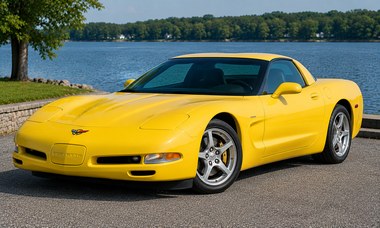
The C5 Corvette remains one of the best performance bargains on the used market. It combines a durable V8 engine, excellent acceleration, and a relatively straightforward mechanical design that makes long-term ownership more approachable than many buyers might expect.
The standard Corvette uses a naturally aspirated 5.7-liter V8 (LS1), an engine with an excellent reputation for durability. The higher-performance 2001–2004 Z06 uses an upgraded version of the 5.7-liter V8 (LS6), providing additional performance while retaining much of the basic engine's proven design.
Both engines can provide long service when properly maintained. At this age, I'd be more concerned about neglected maintenance, cooling-system condition, and oil leaks than the fundamental durability of either engine.
One of the more important C5 Corvette problems to investigate involves its electronic braking and traction-control systems. Some cars develop faults involving the electronic brake-control module, and repairs can be complicated by parts availability. Certain vehicles also experienced steering-column lock problems, making recall history important.
The engine's harmonic balancer, which helps control crankshaft vibration, can deteriorate and develop a visible wobble or unusual noise. I'd also inspect the cooling system, suspension bushings, wheel bearings, and other components that may have aged considerably.
Convertible models deserve an inspection of the top, weatherstripping, and water seals. On coupes, I'd check the removable roof panel and its seals. Electrical accessories, headlight mechanisms, and interior controls should also be tested.
The C5 Z06 can be a wonderful purchase for an enthusiast, but I'd investigate previous track use more carefully than I would on an ordinary Corvette. Its performance encourages aggressive driving, and that can affect clutch, brake, tire, and suspension wear.
I'd favor a well-maintained 2002–2004 C5 that remains largely stock. Complete maintenance records and evidence of completed age-related repairs would make an individual car particularly attractive. The C5's biggest disadvantage today is age, not an inherently weak mechanical design.
Sixth Generation: 2005–2013 C6 Corvette Reliability
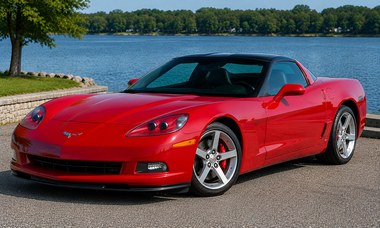
The C6 is probably my favorite Corvette generation for someone who wants exceptional performance without taking on the complexity and expense of the newest models. It improved refinement and everyday usability while retaining Chevrolet's proven naturally aspirated V8 formula.
Standard 2005–2007 Corvettes use a 6.0-liter V8 (LS2), while 2008–2013 models received the highly regarded naturally aspirated 6.2-liter V8 (LS3). Both engines are durable, but I'd generally favor the later LS3 for its excellent combination of performance, reliability, and relative simplicity.
Some of the more important C6 Corvette engine problems to check involve harmonic-balancer deterioration, oil leaks, and cooling-system wear as the cars age. A failing balancer may wobble or produce unusual vibration, while neglected coolant leaks can eventually lead to overheating. These concerns are generally manageable when identified early.
Electrical accessories, suspension bushings, wheel bearings, and clutch components also deserve attention, particularly on cars driven aggressively. A well-maintained standard C6 can provide years of enjoyable driving, and its mechanical design remains familiar to many experienced performance-car specialists.
The C6 Grand Sport, introduced for 2010, is particularly interesting. It combines the naturally aspirated LS3 engine with wider bodywork, upgraded brakes, and additional performance equipment. For buyers who want a more capable Corvette without moving to the specialized Z06 engine, it can be an excellent compromise. However, its wider tires and performance components can increase running costs.
One of the most important 2006–2013 C6 Corvette Z06 engine problems to investigate involves the 7.0-liter V8 (LS7) and its cylinder-head valve guides. Excessive valve-guide wear or related valve-train problems can lead to serious engine damage. Not every LS7 develops this problem, and many have provided reliable service, but I'd want a specialist familiar with this engine to evaluate the car before purchase.
The 2009–2013 ZR1 takes performance even further with a supercharged 6.2-liter V8 (LS9). These cars can be durable when properly maintained, but their specialized engines, cooling systems, brakes, and other components make them considerably more expensive to own than standard Corvettes.
Transmission choice is another consideration. Both manual and automatic C6 models can be dependable, but I'd evaluate clutch condition on manuals and look for smooth, consistent operation from automatics. Evidence of aggressive launches or poorly executed performance modifications would make me cautious.
For most buyers, I'd begin with a clean 2008–2013 LS3-powered C6. It offers more than enough performance without the additional ownership risks associated with the Z06 or ZR1.
Seventh Generation: 2014–2019 C7 Corvette Reliability
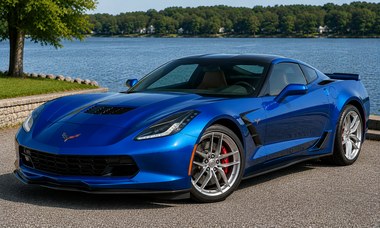
The C7 Corvette introduced a more sophisticated interior, modern technology, and considerably improved performance. It feels more refined than the C5 or C6 while retaining the traditional front-engine, rear-wheel-drive Corvette layout.
Standard Stingray and Grand Sport models use a naturally aspirated 6.2-liter V8 (LT1). This engine is generally strong and provides exceptional performance, although its direct fuel injection and cylinder-deactivation technology introduce additional complexity compared with the older LS3.
For someone seeking a newer Corvette with manageable long-term ownership costs, I'd generally favor a standard Stingray. It offers extraordinary performance without the additional expense associated with supercharging and specialized high-performance components.
One of the most important 2015–2019 C7 Corvette transmission problems to investigate is torque-converter shudder in the eight-speed automatic. Some cars developed a vibration during steady, light-throttle driving. GM issued revised transmission-fluid service procedures intended to address the problem on affected vehicles.
I'd want documentation of any relevant transmission service and a thorough test drive. A manual-transmission C7 avoids this particular issue, although clutch condition and previous driving habits remain important.
The C7 also has more electronic equipment than earlier Corvettes, so I'd check the infotainment display, cameras, sensors, climate controls, and other features. Battery condition deserves attention on cars that spend long periods parked, and cooling-system maintenance remains important as mileage accumulates.
The Grand Sport combines the naturally aspirated LT1 engine with wider bodywork, upgraded brakes, and additional performance equipment. It's an attractive middle ground between the Stingray and Z06, although its performance tires and brakes can be more expensive to replace.
The C7 Z06 uses a supercharged 6.2-liter V8 (LT4) and delivers extraordinary performance. Some cars experienced elevated temperatures during extended track driving, particularly under demanding conditions. A street-driven example may never encounter those circumstances, but I'd still investigate cooling-system condition, previous track use, and modifications.
The 2019 ZR1 is even more specialized, using a supercharged 6.2-liter V8 (LT5). It's an impressive performance car, but I'd approach one as an enthusiast purchase with potentially substantial maintenance and repair costs.
A well-maintained 2017–2019 Stingray would generally be my choice for someone wanting a newer front-engine Corvette. It provides an excellent combination of performance, refinement, and everyday usability without the additional costs associated with the more specialized versions.
Eighth Generation: 2020–2024 C8 Corvette Reliability
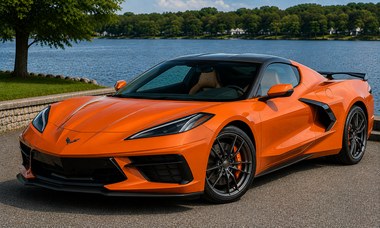
The C8 Corvette represented the most dramatic change in the model's history. Chevrolet moved the engine behind the passenger compartment, transforming the Corvette into a mid-engine sports car with performance that rivals much more expensive vehicles.
The standard Stingray uses a naturally aspirated 6.2-liter V8 (LT2) paired with an eight-speed dual-clutch transmission. The engine follows Chevrolet's familiar V8 formula, but the drivetrain layout and transmission are considerably different from earlier Corvettes.
The C8 delivers exceptional acceleration and handling, and many owners have enjoyed reliable service. Nevertheless, I'd be more cautious about making long-term durability predictions than I would with the older C5 or C6 generations.
One of the most important 2020–2024 C8 Corvette drivetrain problems to investigate involves its dual-clutch transmission. Some owners have reported warning messages, unusual engagement, or transmission-related repairs. Major work can be expensive, and I'd want complete maintenance records, including the required transmission-fluid and filter services.
Not every unfamiliar low-speed sensation indicates a failing dual-clutch transmission. These transmissions can behave differently from conventional automatics. However, persistent harsh engagement, warning messages, or abnormal noises should be investigated by a technician familiar with the C8.
Modern electronics introduce other potential repair considerations. I'd check the infotainment system, cameras, sensors, battery condition, and all electronic features. Cooling-system maintenance is also important, particularly on cars used for demanding performance driving.
The 2023–2024 Z06 uses a specialized, naturally aspirated 5.5-liter V8 (LT6) with a flat-plane crankshaft and exceptionally high engine speeds. It's mechanically different from the standard Stingray's engine, and I'd evaluate it as a specialized performance car rather than assume identical ownership costs.
The 2024 E-Ray combines the Stingray's V8 with an electric front-drive system, creating an all-wheel-drive hybrid Corvette. Its additional electrical and drivetrain components make it a different ownership proposition, and its long-term reliability history remains limited.
For buyers seeking a C8, I'd generally begin with a well-maintained 2021–2024 Stingray. Later production provides some additional manufacturing experience compared with the first-year 2020 model, although I'd still judge each car primarily on its individual history and condition.
Before buying any used C8, I'd have it inspected by a technician familiar with the mid-engine Corvette and its dual-clutch transmission. Warranty repairs, transmission service records, and evidence of previous modifications are especially important.
Chevy Corvette Maintenance and Repair Costs
One of the Corvette's advantages is that a standard model can be surprisingly affordable to maintain compared with European sports cars offering similar performance. Chevrolet's naturally aspirated V8 engines are familiar to many mechanics, and replacement parts for older generations are generally available.
However, that doesn't mean a Corvette is inexpensive to own. Performance tires, brakes, clutches, cooling-system repairs, and specialized drivetrain components can become costly, particularly on Z06 and ZR1 models.
RepairPal gives the Chevrolet Corvette a reliability rating of 3.0 out of 5.0, with an estimated average annual repair and maintenance cost of $737. Its data indicates relatively infrequent unscheduled repair visits, but a higher probability of major repairs than the average vehicle. That helps explain why a Corvette can be mechanically dependable yet still require a substantial repair budget.
The following are RepairPal estimates for common Corvette services and repairs. They represent general U.S. averages across model years rather than quotes for a particular generation or performance package.
| Maintenance or Repair | Estimated Cost |
|---|---|
| Average annual maintenance and repairs | $737 |
| Oil and filter change | $106–$132 |
| Spark-plug replacement | $427–$561 |
| Brake-pad replacement | $642–$699 |
| Water-pump replacement | $1,234–$1,416 |
| Alternator replacement | $640–$1,098 |
| Manual-transmission clutch replacement | $2,756–$3,465 |
| Suspension shock or strut replacement | $2,445–$2,732 |
Actual costs vary by model year, engine, location, labor rates, and the extent of the repair. Brake-pad replacement doesn't include new rotors, and the suspension estimate should not be interpreted as the cost of replacing every shock absorber on the car.
These averages can also understate the expense of certain specialized Corvettes. Carbon-ceramic brakes, performance tires, sophisticated suspension components, and major C8 dual-clutch transmission repairs can cost considerably more than ordinary service on a standard C5 or C6.
On older Corvettes, I'd budget for age-related maintenance even when mileage is low. Cooling components, rubber seals, suspension parts, and tires can deteriorate over time. A car that has spent years sitting in a garage may need attention despite showing relatively few miles.
I'd also investigate tire and brake replacement costs before buying a Grand Sport, Z06, or ZR1. These expenses can be substantially higher than on a standard Corvette, particularly when specialized performance equipment is involved.
A relatively inexpensive Corvette needing several major repairs can quickly become a poor value. I'd get estimates for any necessary work before negotiating the purchase price and buy the best-maintained example I could reasonably afford rather than simply the cheapest one available.
Speaking of possible unexpected costs, before agreeing to a dealer's numbers, see which dealer fees are legitimate, which can be negotiated, and which can be avoided.
Chevy Corvette Alternatives to Consider
The Corvette offers a particularly appealing combination of V8 performance, handling, and value, but several other sports cars deserve consideration depending on your priorities.
- Ford Mustang Reliability Guide — The Mustang GT offers strong V8 performance, broad parts availability, and generally lower purchase prices. It also provides rear seats, although the Corvette is the more focused sports car.
- Chevy Camaro Reliability Guide — The V8 Camaro SS is a natural alternative for buyers who appreciate Chevrolet small-block performance. It offers excellent acceleration and capable handling, although visibility and everyday practicality can be drawbacks.
- Porsche Cayman — An appealing choice for buyers who value precise handling and a more compact sports-car experience. Maintenance and major repairs can be more expensive than on a standard Corvette.
- Nissan 370Z Reliability — The Nissan 370Z offers a naturally aspirated V6, rear-wheel drive, and a relatively straightforward sports-car formula. It generally costs less to purchase than a newer Corvette but can't match the Corvette's V8 performance.
If I wanted the strongest combination of outright performance and value, the Corvette would be difficult to beat. If I needed rear seats or more everyday practicality, I'd give the Mustang GT or Camaro SS serious consideration.
Considering Other Chevrolet Models? Visit our Chevrolet Reliability and Problems Guide to compare other Chevy cars, trucks, and SUVs, including their best years and important mechanical concerns.
Final Verdict: Is a Used Chevy Corvette a Good Car to Buy?
Yes. A well-maintained Chevy Corvette can be a remarkably dependable sports car, particularly considering its performance capabilities. Its naturally aspirated V8 engines have generally been durable, and standard models can provide years of enjoyable driving without the maintenance costs associated with many exotic sports cars.
For buyers seeking the best combination of performance, reliability, and manageable ownership costs, I'd begin with a 2008–2013 C6 equipped with the naturally aspirated 6.2-liter V8. A well-maintained 2002–2004 C5 is another excellent choice for someone on a smaller budget.
The later C7 Stingray offers more refinement and technology, provided the transmission and maintenance history check out. The C8 delivers extraordinary mid-engine performance, although its long-term durability record is still developing.
Specialized Z06 and ZR1 models deserve a more cautious buying approach. Their performance can be exceptional, but certain engine concerns, previous track use, and potentially expensive repairs make a knowledgeable inspection essential.
Above all, buy the Corvette with the best history and condition, not simply the lowest mileage. A carefully maintained, mostly stock Corvette is generally a better long-term bet than a neglected or poorly modified example, regardless of how attractive the asking price looks.
Also, How Much Is Your Car Worth?
It's good to always know the value of your trade-in whether you may trade it, sell it, or are just keeping tract of the value of one of your assets.
I think the two most accurate trade-in appraisal services are Edmunds and Kelley Blue Book.
By averaging the two appraisals you'll have a very good idea of what your car is actually worth. They're both free, of course, and only take a couple minutes.