

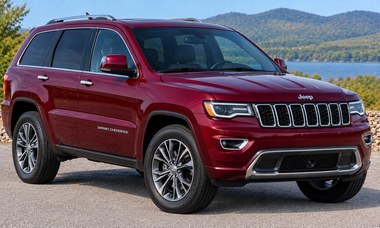
The Jeep Grand Cherokee is one of the most capable and versatile midsize SUVs on the used market, but Grand Cherokee reliability varies enormously depending on the year, engine, transmission and four-wheel-drive system. A relatively simple older Grand Cherokee with the 4.0-liter inline-six is a very different ownership proposition from a Hemi-powered WK2, EcoDiesel, supercharged Trackhawk or newer 4xe plug-in hybrid.
That variety is part of the Grand Cherokee's appeal, but it also means you shouldn't buy one based on model year alone. Some combinations have proven capable of very high mileage, while others can develop expensive engine, electrical, air-suspension, diesel-emissions or drivetrain problems as they age.
This guide covers 1999 through 2024 U.S.-market Jeep Grand Cherokees, including the major gasoline engines, EcoDiesel, performance models and 4xe where their reliability differs meaningfully from the mainstream versions.
In This Guide You'll Learn
- Which Jeep Grand Cherokee years are generally the best used-car choices
- Which Grand Cherokee years and powertrains deserve extra caution
- How many miles a Jeep Grand Cherokee can realistically last
- Which Grand Cherokee engines have the strongest reliability records
- What to know about the 3.6-liter Pentastar V6 and 5.7-liter Hemi V8
- Why the EcoDiesel, SRT, Trackhawk and 4xe require different buying considerations
- Which problems become particularly important on high-mileage Grand Cherokees
Jeep Grand Cherokee Reliability Overview
Overall Grand Cherokee reliability ranges from below average to good depending on the generation and powertrain. The Grand Cherokee has never been a particularly simple vehicle across its entire lineup. Four-wheel-drive hardware, numerous engine choices, extensive electronics and, on some models, air suspension and high-performance components can create more potential repair points than you'd find in a simpler crossover.
That doesn't mean Grand Cherokees can't last. Many do. The older 4.0-liter inline-six has an especially strong reputation for durability, and properly maintained examples can accumulate impressive mileage. Later 3.6-liter Pentastar V6 models can also be good long-term vehicles when their known trouble spots are addressed.
The 5.7-liter Hemi V8 provides considerably more power and towing ability but adds its own maintenance and repair considerations. EcoDiesel models offer excellent highway range and low-end torque but introduce diesel emissions and fuel-system complexity. SRT and Trackhawk models need to be evaluated as high-performance vehicles rather than ordinary family SUVs.
The newest 4xe adds a turbocharged gasoline engine, high-voltage battery, electric motors and hybrid electronics. That technology can provide useful electric driving and strong performance, but it also makes the 4xe fundamentally different from the traditional V6 and V8 Grand Cherokee.
Jeep Grand Cherokee Reliability at a Glance
| Category | Assessment |
|---|---|
| Overall Reliability | Mixed; highly dependent on generation, engine, drivetrain and maintenance |
| Best Used Choices | Well-maintained 4.0-liter WJ models and selected later 3.6-liter WK2 models |
| Versions Requiring Extra Inspection | Early WK2 models, EcoDiesel, neglected Hemi models, air-suspension-equipped vehicles and 4xe |
| Notable Durable Engine | 4.0-liter naturally aspirated inline-six |
| Best Mainstream Modern Engine | Later 3.6-liter Pentastar V6 |
| Expected Lifespan | About 175,000–225,000 miles for a well-maintained mainstream model; exceptional examples can exceed 250,000 miles |
How Many Miles Can a Jeep Grand Cherokee Last?
A well-maintained Jeep Grand Cherokee can realistically last about 175,000 to 225,000 miles, while particularly durable examples can exceed 250,000 miles. The engine and generation make a major difference, however. An older 4.0-liter six-cylinder Grand Cherokee and a newer turbocharged plug-in-hybrid 4xe shouldn't be expected to have identical long-term ownership patterns.
At 100,000 miles: A good Grand Cherokee can still have substantial useful life remaining. This is where we'd pay close attention to transmission and transfer-case maintenance, cooling-system condition, oil leaks, suspension components and the known trouble spots of the specific engine.
At 150,000 miles: Maintenance history becomes increasingly important. A properly maintained 150,000-mile Grand Cherokee can be a better purchase than a neglected 90,000-mile example with multiple developing problems.
At 200,000 miles: This is achievable with several Grand Cherokee powertrains, particularly the older 4.0-liter inline-six and well-maintained mainstream V6 and V8 models. Expect suspension, cooling-system, drivetrain, electrical and other age-related repairs even if the engine remains healthy.
At 250,000 miles and beyond: Some Grand Cherokees reach this mileage, but we'd consider it exceptional rather than something every example should achieve. Older, mechanically simpler versions generally provide a clearer path to extreme mileage than models equipped with air suspension, complicated diesel emissions equipment or hybrid systems.
Jeep Grand Cherokee Reliability by Generation
1999–2004 Grand Cherokee WJ: The Durable 4.0-Liter Six Stands Out
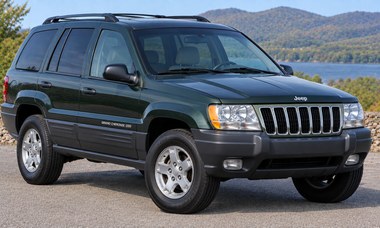
The 1999–2004 WJ Grand Cherokee is now an old SUV, but it remains interesting to reliability-focused buyers because of its 4.0-liter inline-six. This engine traces its roots to an earlier era of Jeep engineering and has earned a strong reputation for durability.
The alternative 4.7-liter V8 provides more power and a smoother driving experience, but we'd generally give the 4.0-liter six the advantage for long-term simplicity and durability. The V8 can provide good service when properly maintained, but overheating and poor maintenance can be particularly damaging.
The problem today is age. Even an excellent engine doesn't prevent a 20-plus-year-old SUV from developing cooling-system leaks, worn suspension components, electrical problems, HVAC blend-door failures, oil leaks, axle or driveline issues and deteriorated rubber components.
Four-wheel-drive system condition also matters. Different WJ configurations used different transfer cases and axle arrangements, so unusual binding, driveline noise or evidence of mismatched tires deserves investigation.
Buyer Tip: If your priority is durability rather than maximum power, a well-maintained 4.0-liter WJ can still be an appealing inexpensive Grand Cherokee. Buy on condition and maintenance history, not low mileage alone.
2005–2010 Grand Cherokee WK: More Engines and More Complexity
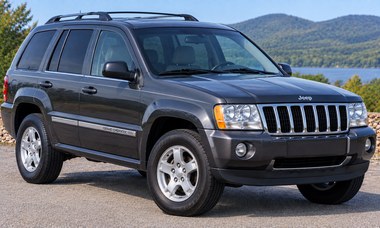
The 2005 redesign moved the Grand Cherokee into a more modern era. Mainstream gasoline choices included a 3.7-liter V6, 4.7-liter V8 and 5.7-liter Hemi V8, while the performance-oriented SRT8 used a 6.1-liter Hemi. A 3.0-liter diesel was also offered for a limited period.
The 3.7-liter V6 is relatively straightforward but doesn't provide especially strong performance in a vehicle this heavy. The 4.7-liter V8 offers more power but requires careful cooling-system and maintenance history. The 5.7-liter Hemi provides the strongest mainstream performance and towing capability but adds greater fuel consumption and additional mechanical complexity.
By today's standards, we'd be more concerned with the condition of the individual WK than trying to identify one universally trouble-free engine. Cooling-system health, transmission operation, four-wheel-drive components, front suspension, electrical equipment and evidence of previous neglect all deserve attention.
The SRT8 belongs in a separate category. Its 6.1-liter V8 delivers substantially more performance, but an older SRT8 may also have experienced aggressive driving, modifications and expensive performance-component wear.
Buyer Tip: Don't buy an inexpensive WK simply because it offers a lot of V8 SUV for the money. Deferred maintenance can easily exceed the difference between a cheap example and a well-kept one.
2011–2021 Grand Cherokee WK2: The Most Important Used Generation
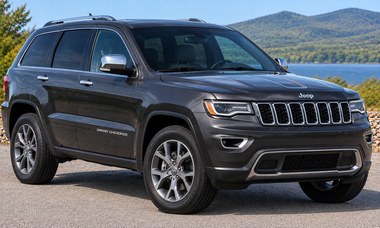
The WK2 generation is especially important because it lasted more than a decade and represents a huge portion of the Grand Cherokees currently on the used market. It also offered an unusually broad selection of powertrains and luxury, off-road and performance configurations.
The mainstream engine is the 3.6-liter Pentastar V6. Early versions developed several known problems, including cylinder-head issues on some engines and oil-cooler/filter-housing leaks. Later versions benefited from years of development and can be solid high-mileage engines when properly maintained.
The 5.7-liter Hemi V8 provides considerably stronger towing performance and effortless power. It can also last a long time, but we'd listen carefully for abnormal valvetrain noise and investigate any history suggesting lifter or camshaft problems rather than assuming every Hemi tick is harmless.
A major drivetrain improvement arrived with the 2014 model-year refresh, when the Grand Cherokee adopted eight-speed automatic transmissions. The newer transmission helped performance and fuel economy, although proper servicing and software condition remain relevant when evaluating a used example.
The available 3.0-liter EcoDiesel offers excellent torque and highway range but adds significant emissions-system and fuel-system complexity. For buyers primarily concerned with low-risk long-term ownership, we'd generally favor a good gasoline V6 over an EcoDiesel unless there is a specific reason to own the diesel.
Higher trims may also use Jeep's Quadra-Lift air suspension. It provides useful adjustable ride height and additional off-road capability, but compressors, air springs, lines and related components create additional repair possibilities as the vehicle ages.
Performance versions became increasingly extreme. The SRT uses a 6.4-liter Hemi, while the Trackhawk combines the Grand Cherokee with a supercharged 6.2-liter V8 producing more than 700 horsepower. These are fascinating vehicles, but they should be inspected and budgeted for as high-performance SUVs rather than ordinary Grand Cherokees.
Buyer Tip: For most shoppers, we'd concentrate on a later WK2 with the 3.6-liter V6 and a strong maintenance history. It provides much of the Grand Cherokee's comfort and capability without some of the additional expense associated with the diesel, air suspension or high-performance powertrains.
2022–2024 Grand Cherokee WL: New Technology Changes the Reliability Equation
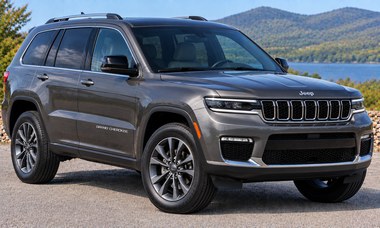
The WL generation brought a redesigned platform, much newer interior technology and substantially more electronic complexity. Mainstream versions continued with the 3.6-liter Pentastar V6, while the 5.7-liter Hemi remained available on certain configurations during the early part of the generation.
The biggest powertrain change is the Grand Cherokee 4xe plug-in hybrid. It combines a turbocharged 2.0-liter four-cylinder engine with electric motors and a high-voltage battery system. It offers strong torque and the ability to drive shorter distances using electricity, but it also introduces components that don't exist on a conventional V6 Grand Cherokee.
For that reason, we'd evaluate a used 4xe separately from a V6. Recall history, software updates, charging operation, hybrid-system warnings and the condition of both the gasoline and electric sides of the powertrain deserve attention.
The newest Grand Cherokees are also too young to tell us much about 150,000- or 200,000-mile durability. Early ownership data can reveal recurring defects, but it can't establish the same long-term record we have for the WJ or WK2.
Late-model Grand Cherokees can also retain enough value that a lightly used example may cost surprisingly close to a properly negotiated new Jeep Grand Cherokee purchase. It's worth comparing both alternatives rather than assuming the used vehicle automatically represents the better value.
Buyer Tip: We'd consider a conventional V6 WL the simpler long-term ownership proposition. The 4xe can make sense for the right buyer, but we'd want its recall, software and hybrid-system history thoroughly documented.
Also, if you're serious about buying soon, I'd recommend my most effective negotiation methods for either new cars or used cars. Each explains a quick way to identify the dealerships most motivated to deal, no matter how busy they may seem, and how to follow up once you've found them. That can be the difference between getting a good price and getting a great one.
Jeep Grand Cherokee Engine Reliability
4.0-Liter Inline-Six: The Old-School Durability Choice
The 4.0-liter inline-six is arguably the Grand Cherokee engine with the strongest reputation for sheer longevity. It's not powerful or fuel-efficient by modern standards, but its relatively simple design helped many examples reach very high mileage.
Today, however, the newest 4.0-liter Grand Cherokee is more than two decades old. Cooling-system condition, oil leaks, sensors, accessory components and overall vehicle deterioration can matter more than the basic durability of the engine itself.
4.7-Liter V8
The 4.7-liter V8 was offered in both WJ and WK Grand Cherokees. It provides stronger performance than the older six-cylinder but is less tolerant of overheating and poor maintenance.
We'd inspect the cooling system carefully and look for evidence of previous overheating. A properly maintained 4.7-liter V8 can provide substantial mileage, but we'd generally choose an equally well-maintained 4.0-liter six if simplicity and longevity were our only priorities.
3.7-Liter V6
The 3.7-liter V6 powered many 2005–2010 Grand Cherokees. It's relatively simple compared with later turbocharged and hybrid powertrains, but its modest output means it has to work fairly hard in the Grand Cherokee.
At today's age, we'd concentrate on cooling-system condition, oil leaks, smooth operation and maintenance history rather than seek out the 3.7 specifically.
3.6-Liter Pentastar V6
The 3.6-liter Pentastar V6 is the most important modern Grand Cherokee engine because it powered the majority of WK2 models and continued into the WL generation.
Early engines experienced cylinder-head problems on some vehicles, while oil leaks from the oil-cooler/filter-housing assembly became another well-known concern. Neither issue means every Pentastar will fail.
Later versions benefited from continued development, and a properly maintained Pentastar can accumulate substantial mileage. For most buyers seeking a used WK2, a later 3.6-liter V6 is our preferred balance of performance, fuel economy, availability and repair risk.
5.7-Liter Hemi V8
The 5.7-liter Hemi is one of the Grand Cherokee's defining engines. It provides strong acceleration, useful towing capability and the relaxed power many buyers want from a larger SUV.
The tradeoff is greater fuel consumption and somewhat greater repair exposure. Lifter and camshaft wear can occur, so we'd investigate persistent ticking, misfires or valvetrain-related trouble codes rather than assuming unusual engine noise is normal.
A well-maintained Hemi can exceed 200,000 miles, but we'd choose it because we wanted its additional capability rather than because we expected it to be cheaper to own than the 3.6-liter V6.
3.0-Liter EcoDiesel V6
The EcoDiesel combines strong low-speed torque with excellent highway range, characteristics that make it appealing for towing and long-distance driving. But it isn't our first recommendation for a buyer whose primary goal is simple, inexpensive long-term ownership.
Diesel emissions equipment, fuel-system components and engine-specific maintenance can produce substantial repair bills. Recall and emissions-modification history should also be checked by VIN.
6.4-Liter SRT and Supercharged 6.2-Liter Trackhawk V8s
The SRT and Trackhawk deserve to be treated separately from mainstream Grand Cherokees. Their engines provide extraordinary performance, particularly the Trackhawk's supercharged V8, but tires, brakes, cooling, drivetrain components and previous-owner behavior become major considerations.
Service history, modifications and evidence of track use or repeated hard launches matter more here than they would on a typical V6 family SUV.
2.0-Liter Turbocharged 4xe Plug-In Hybrid
The 4xe pairs a turbocharged 2.0-liter gasoline engine with electric motors and a high-voltage battery. It therefore has more potential systems to evaluate than a conventional V6 Grand Cherokee.
Because the 4xe is relatively new, we wouldn't make confident predictions about 200,000-mile durability yet. We'd put unusual emphasis on recall completion, software history, charging operation and remaining applicable warranty coverage when shopping for one used.
Which Jeep Grand Cherokee Engine Is Most Reliable?
For sheer proven durability, we'd give the 4.0-liter inline-six the advantage. Its long service history and relatively simple construction make it the Grand Cherokee engine most closely associated with extreme mileage.
Age changes the buying decision, however. Every 4.0-liter Grand Cherokee is now old enough that rust, wiring, cooling systems, suspension and numerous other components can overshadow the engine's durability.
For a more modern used Grand Cherokee, we'd generally favor a later 3.6-liter Pentastar V6. It doesn't have the mechanical simplicity of the old inline-six, but it provides a good compromise among power, fuel economy, parts availability and long-term ownership costs.
The 5.7-liter Hemi is worthwhile for buyers who genuinely want V8 power or towing ability. We'd be more selective about the EcoDiesel, SRT, Trackhawk and 4xe because each adds complexity or expense that isn't necessary for the typical reliability-focused buyer.
Common Jeep Grand Cherokee Problems by Generation
1999–2004 WJ
- Cooling-system problems: Radiators, water pumps, hoses and related components become increasingly important with age.
- HVAC blend-door failures: Heating and air-conditioning distribution problems are common enough to deserve specific testing.
- Electrical problems: Aging wiring, sensors, windows and other accessories can require attention.
- Suspension and steering wear: Bushings, ball joints and other chassis components may be worn after two decades of use.
- Driveline and axle issues: Listen for binding, humming, vibration or other unusual noises from 4WD components.
Buyer Tip: The 4.0-liter engine may be extremely durable, but don't let its reputation distract you from inspecting the rest of a 20-plus-year-old SUV.
2005–2010 WK
- Cooling-system problems: Particularly important on V8 models where previous overheating deserves investigation.
- Electrical and electronic problems: The WK contains considerably more electronics than the generation it replaced.
- Front suspension wear: Clunks, looseness and uneven tire wear deserve inspection.
- Transmission and transfer-case condition: Evaluate operation carefully on high-mileage 4WD examples.
- Performance-model abuse: SRT8 models require additional scrutiny for modifications and hard previous use.
Buyer Tip: At this age, a complete service history is more valuable than finding the most powerful engine or highest trim level.
2011–2021 WK2
- Pentastar oil-cooler/filter-housing leaks: Inspect for oil accumulation and previous repairs on 3.6-liter models.
- Early Pentastar cylinder-head problems: Particularly relevant to some early-production engines.
- Hemi valvetrain problems: Persistent ticking, misfires or lifter/camshaft concerns deserve diagnosis.
- Air-suspension failures: Quadra-Lift compressors, air springs and related components can become expensive as vehicles age.
- Electrical and electronic problems: Warning lights, infotainment faults and other electronic issues can occur.
- EcoDiesel problems: Diesel emissions, fuel-system and recall history require powertrain-specific evaluation.
Buyer Tip: A later WK2 3.6-liter V6 without air suspension is one of the configurations we'd investigate first when reliability and ownership cost are the priorities.
2022–2024 WL
- Electronic and software problems: The WL's extensive technology makes proper operation and completed updates important.
- Air-suspension concerns: Equipped models retain the additional complexity of adjustable air suspension.
- 4xe hybrid-system issues: Verify recall completion, charging operation and the absence of hybrid-system warnings.
- New-generation reliability: These vehicles haven't accumulated enough age or mileage for definitive long-term conclusions.
Buyer Tip: We'd approach a used WL differently from an older Grand Cherokee. Rather than worrying primarily about age-related wear, we'd concentrate on electronics, software, recall history and the exact powertrain and equipment fitted to the vehicle.
Best Jeep Grand Cherokee Years to Buy
There isn't one single best Grand Cherokee year for every buyer. The best choice depends heavily on whether you want an inexpensive older SUV, a comfortable modern daily driver, serious towing ability or one of the performance versions.
1999–2004: Best for Old-School Simplicity
A well-maintained WJ with the 4.0-liter inline-six remains one of the most appealing choices for buyers who value mechanical simplicity and proven engine durability. Among these older Grand Cherokees, condition is more important than selecting one particular year.
We'd generally favor a later 2002–2004 example with a strong maintenance history, but a carefully maintained earlier WJ can be just as worthwhile. At this age, rust, cooling-system condition, suspension wear and electrical problems matter more than a small difference between model years.
2008–2010: Better Choices From the WK Generation
If you want a first-generation WK, we'd generally look toward the later years. By 2008–2010, the platform had been in production for several years, and these vehicles can represent inexpensive ways to get traditional Grand Cherokee capability.
They still require careful inspection. A cheap V8 Grand Cherokee with deferred maintenance can become expensive very quickly.
2017–2021: Our Preferred Mainstream WK2 Years
For most used Grand Cherokee buyers, 2017–2021 is where we'd start looking. These later WK2 models benefit from years of refinement while retaining the well-established 3.6-liter V6 and eight-speed automatic combination.
We particularly like a conventional-suspension V6 with documented maintenance. Buyers who need more towing capacity or simply want V8 power can consider the 5.7-liter Hemi, but should budget accordingly for fuel and potential repairs.
Within this group, 2019–2021 models are especially attractive if the purchase price makes sense. They provide much of the equipment and refinement of a newer SUV while belonging to a generation with a much longer reliability history than the redesigned WL.
2022–2024: Newest, But Not Yet the Most Proven
The WL Grand Cherokee offers a more modern interior, improved technology and numerous comfort and safety features. A conventional 3.6-liter V6 version would be our starting point for a reliability-focused buyer.
We wouldn't call 2022–2024 the "most reliable" Grand Cherokee years yet. They simply haven't been on the road long enough to establish the high-mileage history available for older generations.
Jeep Grand Cherokee Years That Require Extra Caution
2005–2007
These aren't automatic years to avoid, but they're now old enough that early-WK age, maintenance and condition can create substantial ownership costs. We'd be particularly cautious of bargain-priced examples with incomplete service histories.
2011–2013
We'd inspect 2011–2013 Grand Cherokees more carefully than later WK2 models. These are the earliest years of a new generation and include early versions of the 3.6-liter Pentastar V6, along with greater potential for early-generation electrical and mechanical issues.
A good 2011–2013 Grand Cherokee shouldn't automatically be rejected. The price should simply reflect the additional inspection and repair risk compared with a later WK2.
EcoDiesel Models
We wouldn't classify every EcoDiesel year as bad, but we'd put them in a separate risk category. The combination of diesel emissions equipment, fuel-system components and engine-specific repairs can make an inexpensive used EcoDiesel considerably more expensive than expected.
Buy one because its torque, towing characteristics or highway efficiency suit your needs—not simply because the purchase price looks attractive.
4xe Models
The 4xe is also not something we'd label an automatic "avoid." It's simply too different and too new to judge by the same standards as a conventional Pentastar V6.
A used 4xe deserves careful verification of recall completion, software updates, charging performance and hybrid-system operation. Long-term battery and hybrid-component durability will become clearer as these vehicles accumulate substantially more mileage.
What Is the Most Reliable Jeep Grand Cherokee Generation?
If we're judging primarily by proven mechanical durability and simplicity, the 1999–2004 WJ with the 4.0-liter inline-six has a strong claim to being the most durable Grand Cherokee combination. The problem is that every WJ is now old enough for age-related deterioration to become a major factor.
For the typical buyer today, we'd choose a later 2017–2021 WK2 with the 3.6-liter V6. It provides a better combination of modern safety, comfort, parts availability, performance and established reliability than either a very old WJ or a relatively new WL.
That doesn't mean every 2017–2021 Grand Cherokee is equally desirable. We'd still favor a well-maintained mainstream configuration over a neglected high-trim example loaded with expensive equipment.
Jeep Grand Cherokee Transmission Reliability
Transmission reliability varies substantially across more than two decades of Grand Cherokee production. This is another reason broad statements such as "Grand Cherokee transmissions are bad" aren't particularly useful.
Older Four- and Five-Speed Automatics
WJ and WK Grand Cherokees used several automatic transmissions depending on engine and model year. By now, maintenance history, fluid condition and actual operation are more important than the transmission's reputation when new.
During a test drive, check engagement from Park into Drive and Reverse, low-speed shifting, highway shifts and kickdowns. Slipping, delayed engagement, harsh shifts or unexplained transmission warning codes deserve diagnosis before purchase.
2011–2013 WK2 Automatics
The earliest WK2 models predate the eight-speed transmission that later became one of the generation's major improvements. We wouldn't reject an early WK2 solely because of its transmission, but the overall early-generation reliability picture makes these years less attractive than later examples.
Eight-Speed Automatic: 2014 and Later
The eight-speed automatic introduced for 2014 improved both performance and fuel economy and became an important part of the later WK2 driving experience.
A good eight-speed should shift smoothly and predictably. Software updates can affect shift quality, and fluid leaks or abnormal shifting shouldn't be dismissed as simply a characteristic of the transmission.
Later WK2 models combining the 3.6-liter V6 and eight-speed automatic are among our preferred mainstream Grand Cherokee configurations.
Major Jeep Grand Cherokee Problems to Know About
3.6-Liter Pentastar Oil-Cooler Housing Leaks
The oil filter and cooler assembly sits high in the engine and can develop leaks. Oil may collect in the engine valley before becoming obvious underneath the vehicle.
Previous repair isn't necessarily bad news if the job was completed properly. Evidence of an active leak, however, should be factored into the purchase price.
Early Pentastar Cylinder-Head Problems
Some early Pentastar engines developed cylinder-head and valvetrain-related problems. Symptoms can include a check-engine light, misfires and rough operation.
This is one reason we generally prefer later WK2 V6 models rather than automatically choosing an early one because it's cheaper.
Hemi Lifter and Camshaft Wear
The 5.7-liter Hemi can be a durable engine, but lifter and camshaft wear is one of the expensive problems we'd keep in mind when evaluating a higher-mileage example.
Listen for persistent abnormal ticking and investigate misfires or valvetrain-related codes. Diagnosis matters because not every ticking Hemi has a failed camshaft or lifter.
Quadra-Lift Air Suspension
Quadra-Lift gives the Grand Cherokee adjustable ride height and can improve off-road capability. It also adds air springs, a compressor, valves, lines and electronic controls that aren't present on conventional suspension.
Check that the vehicle raises and lowers properly and that it doesn't sag after sitting. For a buyer prioritizing low long-term repair costs, we'd generally choose conventional suspension.
Cooling-System Problems
Cooling-system condition matters on every older Grand Cherokee but is particularly important on engines that may have suffered serious consequences from overheating.
Inspect for coolant leaks, overheating history, deteriorated hoses, radiator problems and evidence of neglected coolant service.
Electrical and Electronic Problems
Grand Cherokees became progressively more electronically sophisticated. Depending on year, problems can involve sensors, power accessories, warning lights, infotainment systems, control modules and other electronic components.
Operate everything during a pre-purchase inspection. A warning light that a seller describes as "just a sensor" should still be diagnosed.
EcoDiesel Emissions and Fuel-System Complexity
EcoDiesel ownership can involve components that don't exist on a gasoline Grand Cherokee. Diesel emissions systems in particular can turn what appears to be an economical used SUV into an expensive repair proposition.
Before buying, verify the vehicle's VIN-specific recall and emissions history and have the diesel system evaluated by someone familiar with the powertrain.
Jeep Grand Cherokee Maintenance and Repair Costs
The Grand Cherokee generally costs more to maintain than a simple compact crossover, and the spread between versions is unusually large. A V6 Laredo with conventional suspension and an SRT, Trackhawk, EcoDiesel or air-suspension-equipped luxury trim shouldn't be expected to have similar running costs.
| Typical Repair or Service | Approximate Cost |
|---|---|
| Oil and filter service | $70–$150+ |
| Brake pads and rotors | $450–$1,000+ per axle |
| Battery replacement | $180–$400+ |
| Wheel bearing/hub | $400–$850+ |
| Cooling-system repair | $300–$1,500+ |
| Pentastar oil-cooler housing repair | $600–$1,200+ |
| Suspension repair | $600–$2,000+ |
| Air-suspension repair | $1,000–$3,000+ depending on components |
| Major Hemi valvetrain repair | $2,500–$5,000+ |
| Major transmission repair/replacement | $3,500–$7,000+ |
These are broad estimates rather than quotes. Labor rates, location, engine, trim and the extent of the repair can change the actual cost considerably. SRT, Trackhawk, EcoDiesel and 4xe repairs can fall well outside mainstream Grand Cherokee costs.
Grand Cherokee Maintenance After 100,000 Miles
A Grand Cherokee can have plenty of life remaining at 100,000 miles, but this is where neglected maintenance begins to become expensive. We'd want to know what has already been serviced rather than simply assume everything is current.
- Engine oil: Consistent oil changes become particularly important on the Pentastar and Hemi engines.
- Cooling system: Inspect coolant condition, hoses, radiator, water pump and evidence of previous overheating.
- Transmission: Review service history and investigate leaks, delayed engagement or abnormal shifting.
- Transfer case and differentials: Proper fluid maintenance matters on four-wheel-drive models.
- Spark plugs and ignition components: Verify service appropriate to the specific engine and mileage.
- Suspension and steering: Inspect bushings, control arms, ball joints, wheel bearings, shocks and related components.
- Air suspension: On Quadra-Lift models, test every ride-height setting and watch for overnight sagging.
At 150,000 miles and beyond, we'd also budget for age-related repairs even on an otherwise excellent vehicle. A high-mileage Grand Cherokee can still be worth buying, but it shouldn't be purchased with the expectation that routine oil changes will be the only expense.
What to Check Before Buying a Used Jeep Grand Cherokee
Rather than running through a generic used-car checklist, these are the Grand Cherokee-specific items we'd emphasize:
- Identify the exact engine and drivetrain: A 3.6 V6, Hemi, EcoDiesel, Trackhawk and 4xe have dramatically different repair risks.
- Test the four-wheel-drive system: Listen for binding, vibration, grinding or unusual transfer-case and differential noises.
- Inspect Pentastar and Hemi trouble spots: Check V6 models for oil-cooler housing leakage and investigate abnormal Hemi ticking or misfires.
- Test Quadra-Lift thoroughly: Make sure air-suspension-equipped vehicles raise, lower and remain level after sitting.
- Scan every control module: A full diagnostic scan can reveal stored powertrain, 4WD, suspension and electronic faults even when no warning light is currently illuminated.
- Check VIN-specific recall history: This is particularly important on EcoDiesel, 4xe and other models affected by powertrain- or equipment-specific campaigns.
Jeep Grand Cherokee Pros and Cons
Pros
- Excellent combination of comfort and genuine four-wheel-drive capability
- Wide selection of engines, trims and performance levels
- Older 4.0-liter six-cylinder has excellent longevity potential
- Later 3.6-liter WK2 models can be good all-around used SUVs
- Available V8 power and substantial towing capability
- More upscale interior and road manners than many traditional off-road SUVs
Cons
- Reliability varies substantially by year and powertrain
- More electronic and drivetrain complexity than simpler crossover SUVs
- Air suspension can become expensive with age
- Hemi and EcoDiesel repairs can be costly
- Performance versions have much higher running costs
- 4xe long-term durability isn't yet well established
Grand Cherokee vs. Its Used-SUV Rivals
The Grand Cherokee occupies an unusual position because it combines the comfort of a midsize crossover with considerably more off-road and towing capability than many competitors.
The Toyota 4Runner generally has the advantage for proven long-term durability and resale value, but its truck-like ride, fuel economy and older interior designs make it less refined than many Grand Cherokees.
The Honda Pilot is the stronger choice for buyers primarily interested in family transportation, three-row practicality and lower ownership risk. The Grand Cherokee counters with better off-road ability, available V8 power and considerably more performance variety.
The Ford Explorer offers similar midsize-SUV practicality and numerous powertrains, but we'd still evaluate both carefully by generation and engine rather than assume either nameplate is universally more reliable.
The Jeep Wrangler provides even greater dedicated off-road capability, but the Grand Cherokee is usually the better highway vehicle and everyday family SUV.
Our take: If maximum reliability is the only priority, we'd generally lean toward a good 4Runner or Pilot. If you want a combination of comfort, towing ability, four-wheel-drive capability and available V8 performance, a carefully selected Grand Cherokee offers something those alternatives don't.
And another con ... even a good price on the vehicle doesn't necessarily mean you're getting a good deal.
There are other numbers besides price that can significantly affect the final out-the-door cost. A well-negotiated selling price can quickly lose its advantage if the dealer makes up for the concession with a below-market trade-in offer. Also, dealer fees and add-ons can further increase the final cost, making it important to learn which fees you must pay, can negotiate, or should avoid.
To become better informed about these important but often-confusing parts of the deal, be sure to see my articles on trade-ins and dealer fees.
Final Buyer Summary: Is a Used Jeep Grand Cherokee Reliable?
A Jeep Grand Cherokee can be a reliable used SUV, but choosing the right year, engine and equipment matters more here than it does with many competitors. We'd never recommend buying one simply because the mileage is low or the price looks attractive.
For an inexpensive older Grand Cherokee, the 1999–2004 WJ with the 4.0-liter inline-six remains appealing because of its proven engine durability, provided the rest of the vehicle hasn't deteriorated badly with age.
For most buyers seeking something newer, our preferred starting point is a 2017–2021 WK2 with the 3.6-liter Pentastar V6, eight-speed automatic and conventional suspension. It avoids some of the complexity of the EcoDiesel and Quadra-Lift while benefiting from years of WK2 development.
The 5.7-liter Hemi is worth considering when V8 performance or towing ability genuinely matters. We'd be more selective with EcoDiesel, SRT, Trackhawk and 4xe models because their additional capability comes with additional complexity and potential expense.
A properly maintained Grand Cherokee can realistically reach 175,000–225,000 miles, and particularly good examples can exceed 250,000 miles. But maintenance records, powertrain choice and previous-owner care will usually tell you more about a used Grand Cherokee's future than the Jeep badge or odometer alone.