

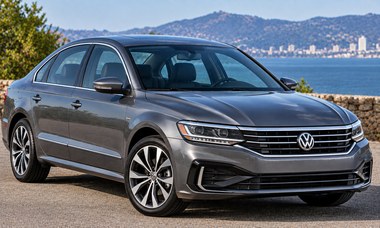
The Volkswagen Passat has always offered something a little different from the typical Camry, Accord, or Altima. Depending on the year, buyers could get turbocharged four-cylinder engines, a five-cylinder, V6 or VR6 power, diesel engines, manual transmissions, conventional automatics, Volkswagen's DSG dual-clutch transmission, and even the unusual W8.
That variety also makes Volkswagen Passat reliability highly dependent on the year and powertrain. Some Passats are relatively simple and can provide long service with good maintenance. Others have expensive failure points involving oil sludge, turbocharged engines, direct injection, timing components, fuel-system parts, emissions equipment, cooling systems, or neglected transmission maintenance.
This guide covers U.S.-market Volkswagen Passats from 2001 through the final 2022 model year. Because European-market Passats used different generations and powertrains during portions of this period, problems associated with overseas models should not automatically be assumed to apply to a U.S. Passat.
In This Guide You'll Learn
- Which Volkswagen Passat years are the most reliable
- Which Passat years and engines deserve extra caution
- How long a Volkswagen Passat can last
- Common Passat engine and transmission problems
- Which Passat engines are better choices for high-mileage ownership
- Why some older 1.8T Passats developed oil sludge
- Problems associated with the 2.0T, 1.8T, 2.5-liter five-cylinder, VR6, and TDI engines
- What to know about DSG and conventional automatic transmissions
- What to inspect before buying a used Volkswagen Passat
However, if you are also considering the purchase of a brand new Passat, before you start negotiating, be sure to see how I approach buying a new car near or even below invoice, or at least at the best possible price during a period of high demand.
Volkswagen Passat Reliability Overview
The Volkswagen Passat can be a reliable used car, but choosing the right engine and finding evidence of proper maintenance are unusually important. A well-maintained Passat can last well beyond 150,000 miles, while a neglected example can become expensive much earlier.
Volkswagen's engineering is part of the attraction. Passats often feel solid on the highway, offer comfortable interiors, and provide powertrains that are more interesting than those in many mainstream sedans. But that engineering can also make deferred maintenance more costly. Oil specifications, timing-system maintenance, transmission servicing, cooling-system repairs, and warning lights should not be treated casually.
The model's reliability history also isn't uniform. A 2003 1.8T, 2007 2.0T, 2013 2.5-liter five-cylinder, 2014 TDI, 2017 1.8T, and 2022 2.0T may all say Passat on the trunk, but they present very different ownership risks.
Volkswagen Passat Reliability at a Glance
| Years | Overall Assessment | Main Things to Watch |
|---|---|---|
| 2001-2005 | Condition-dependent | 1.8T oil sludge, timing-belt history, suspension, leaks, age-related problems |
| 2006-2010 | Mixed | 2.0T cam follower/fuel-system issues, carbon buildup, PCV problems, electronics |
| 2012-2015 | Varies greatly by engine | Turbo-engine issues, TDI complexity, heater-core problems, transmission maintenance |
| 2016-2022 | Generally improved, but not trouble-free | Turbo-engine cooling issues, oil consumption, carbon buildup, electronics |
How Many Miles Can a Volkswagen Passat Last?
A properly maintained Volkswagen Passat can often last 150,000 to 200,000 miles, and some reach 200,000 miles or considerably more. The important qualification is that a Passat usually rewards preventive maintenance more than neglect-and-repair ownership.
At 100,000 miles, a well-maintained Passat can still have substantial useful life remaining. By this point, however, the maintenance records should tell you far more than the odometer alone. Engine oil history, transmission servicing, cooling-system repairs, timing-belt or timing-chain condition where applicable, and evidence that warning lights were properly diagnosed become increasingly important.
At 150,000 miles, engine choice begins to matter even more. A simpler engine with documented maintenance may be a much safer purchase than a lower-mileage turbocharged or diesel Passat with missing records and several unresolved problems.
Reaching 200,000 miles is realistic for the right Passat, but I wouldn't buy one merely because other owners have achieved that mileage. By then, suspension, cooling, air-conditioning, electrical, transmission, turbocharger, emissions, and oil-leak repairs can determine whether keeping the car makes financial sense.
Buyer comparison: Given a choice between a 130,000-mile Passat with excellent service records and an 80,000-mile example with an unknown history, I would usually investigate the higher-mileage car first. With an older Volkswagen, proof of correct maintenance can be more valuable than an unusually low odometer reading.
Volkswagen Passat Reliability by Generation and Year
2001-2005: B5 and B5.5 Volkswagen Passat
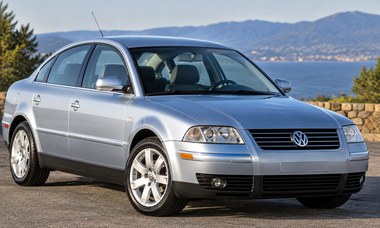
The 2001-2005 Passat is very different mechanically from the later U.S.-built Passat. These cars have a more traditional European Volkswagen feel, and well-preserved examples can still be enjoyable to drive. Today, however, you're buying a 20-plus-year-old European sedan, so condition and maintenance history dominate the decision.
The most common gasoline choices were the 1.8-liter turbocharged four-cylinder and 2.8-liter V6. Volkswagen also offered the TDI diesel during part of this period and the rare W8, along with front-wheel drive and 4Motion all-wheel drive depending on configuration.
The 1.8T can run for high mileage, but oil maintenance is critical. The V6 avoids the 1.8T's specific sludge history but brings its own maintenance costs and tighter packaging. The W8 is fascinating but should be viewed very differently from an ordinary used Passat: rarity and mechanical complexity can make repairs disproportionately expensive relative to the car's market value.
These Passats also use a relatively sophisticated multi-link front suspension. It contributes to the car's excellent ride and handling, but multiple worn control arms, bushings, or ball joints can make an inexpensive older Passat surprisingly costly to put right.
Common Problems on 2001-2005 Volkswagen Passats
- 1.8T oil sludge: Inadequate oil maintenance can restrict lubrication and cause serious engine damage.
- Timing-belt maintenance: Missing documentation is a significant concern because belt failure can cause major engine damage.
- Front suspension wear: Multiple control arms, bushings, and joints can develop looseness, clunks, or uneven tire wear.
- Oil and coolant leaks: Aging seals, gaskets, hoses, and plastic cooling-system components become increasingly important at this age.
- Turbocharger and PCV-related problems: Older 1.8T engines can develop boost, vacuum, ventilation, and turbo-related issues.
- Electrical problems: Door locks, windows, sensors, displays, switches, and other electrical equipment should all be tested.
- Automatic-transmission problems: Delayed engagement, harsh shifting, slipping, or poor service history should make you cautious.
- Rust and age deterioration: Inspect underneath the car rather than judging it only by exterior paint condition.
Why Is Oil Sludge Such a Concern on the 1.8T Volkswagen Passat?
Oil sludge can restrict lubrication in the 1.8T engine and potentially lead to severe engine damage. The problem became significant enough that Volkswagen provided extended warranty coverage for sludge-related engine damage on certain 2001-2004 Passat 1.8T models.
The 1.8T is not automatically a bad engine, and many have accumulated very high mileage. The critical distinction is maintenance. Correct oil, appropriate change intervals, and evidence that the engine has not spent years operating with restricted oil flow are important when evaluating one today.
Warning signs can include an oil-pressure warning, valvetrain noise, visible sludge beneath the oil cap, or an engine with a suspiciously vague maintenance history. An oil-pressure warning on an older 1.8T should never be treated as something to ignore until the next service.
Buyer Tip: Service records matter more than claims that the previous owner "always changed the oil." On a 1.8T Passat, I'd strongly favor a car with documented oil maintenance and evidence that major scheduled work was completed.
Bottom Line: A well-maintained 2001-2005 Passat can still be rewarding, but these cars are now old enough that buying the cheapest example is usually a mistake. The 1.8T demands documented oil and timing-belt maintenance, while the V6, 4Motion, and especially W8 versions add complexity that should be reflected in your repair budget.
2006-2010: B6 Volkswagen Passat

The redesigned 2006 Passat became roomier and more modern while moving to a very different mechanical platform. In the U.S., the important gasoline engines were the 2.0-liter turbocharged four-cylinder and 3.6-liter VR6. The 2.0T is much more common and combines strong performance with good fuel economy, but it introduced several failure points a used buyer should understand.
Direct fuel injection improved performance but added high-pressure fuel-system components and made intake-valve deposits more relevant. Earlier 2.0T engines also have a particularly important cam-follower issue that can damage the high-pressure fuel pump and camshaft if wear progresses far enough.
The 3.6-liter VR6 provides considerably stronger performance and avoids some of the four-cylinder's specific problems, but it is not the inexpensive alternative. Fuel consumption, tighter packaging, drivetrain complexity, and the cost of major repairs all matter on an older VR6 Passat.
This generation also introduced considerably more electronic equipment than its predecessor. Electronic parking-brake faults, sensors, convenience electronics, ignition-related issues, and other electrical problems can become frustrating on neglected examples.
Common Problems on 2006-2010 Volkswagen Passats
- 2.0T cam-follower wear: Wear between the camshaft and high-pressure fuel pump can damage expensive components if ignored.
- PCV system failures: Problems can contribute to rough running, vacuum leaks, poor idle, or other drivability symptoms.
- Direct-injection carbon buildup: Deposits on intake valves can contribute to rough idle, misfires, or declining performance as mileage accumulates.
- Fuel-system problems: High-pressure fuel-system components deserve attention on the direct-injected 2.0T.
- Oil and coolant leaks: Aging seals, cooling-system components, and plastic fittings become increasingly relevant.
- Electronic parking-brake and electrical faults: Test the parking brake, warning lights, locks, windows, climate system, and other electronic features.
- Suspension wear: Clunks, poor alignment, vibration, and uneven tire wear can indicate overdue chassis repairs.
- Transmission concerns: Verify the actual transmission fitted to the car and its required service history rather than assuming every automatic Passat uses the same gearbox.
Can Cam Follower Wear Damage the Fuel Pump on a 2.0T Passat?
Yes. On affected early 2.0T Passats, excessive cam-follower wear can damage the high-pressure fuel pump and the camshaft that drives it. Volkswagen provided extended warranty coverage for the camshaft, cam follower, and high-pressure fuel pump on certain 2006-2007 Passat 2.0T applications.
This is a good example of why a seemingly small component can matter so much on a used Volkswagen. If the follower wears through, the damage is no longer limited to replacing an inexpensive wear component.
A buyer considering an early 2.0T should look for records showing that the fuel-system and cam-follower issue received appropriate attention. Poor acceleration, fuel-pressure faults, a check-engine light, or unexplained drivability problems warrant proper diagnosis rather than assuming the car merely needs a tune-up.
How Do You Know if a Direct-Injection Passat Has Carbon Buildup?
Rough cold starts, intermittent misfires, an uneven idle, hesitation, and declining performance can be signs of intake-valve carbon buildup on a direct-injected Passat. These symptoms can have other causes, so carbon buildup shouldn't be diagnosed from symptoms alone.
Direct injection sprays fuel into the combustion chamber rather than across the backs of the intake valves. That means the fuel doesn't provide the same valve-cleaning effect found in a conventional port-injected engine, allowing deposits to accumulate over time.
For a used-car buyer, a persistent cold-start misfire or rough idle deserves investigation. Carbon cleaning is a manageable maintenance repair; repeatedly replacing ignition components without identifying the actual cause can become an expensive guessing game.
Buyer Tip: A 2006-2010 Passat should be driven from a genuinely cold start if possible. Listen to the engine, watch for warning lights, check idle quality, verify smooth acceleration, and scan the car for stored trouble codes. A five-minute drive in an already-warm car can hide problems you would notice immediately the following morning.
Bottom Line: The B6 Passat is comfortable, capable, and often inexpensive to buy, but the 2.0T requires more mechanical due diligence than its low used price may suggest. A documented, well-maintained example can still be worthwhile; one with fuel-pressure faults, persistent misfires, neglected maintenance, and multiple electrical problems can become expensive quickly.
2012-2015: Early North American Volkswagen Passat

The Passat changed dramatically for the 2012 model year. Volkswagen introduced a larger Passat specifically designed for the North American market, with more rear-seat room, a simpler model lineup, and a different character from the European Passat. There was no regular U.S. 2011 Passat model between the outgoing B6 and the new 2012 car.
This generation is especially important for used buyers because its engines offer very different reliability propositions. Early cars could be equipped with a 2.5-liter naturally aspirated five-cylinder, 2.0-liter TDI diesel, or 3.6-liter VR6. Volkswagen later replaced the 2.5 with a 1.8-liter turbocharged four-cylinder.
The 2.5-liter five-cylinder deserves particular attention from reliability-minded shoppers. It lacks a turbocharger and avoids some of the additional hardware found on the later turbo four-cylinder and TDI. It isn't problem-free, but its relative simplicity makes a well-maintained 2.5 Passat an appealing used-car configuration.
The 1.8T offers better fuel economy and strong low-speed torque but adds turbocharging and direct-injection-related considerations. The TDI can deliver excellent highway fuel economy and impressive range, but emissions-system complexity and the history surrounding Volkswagen diesels make service history particularly important. The VR6 is smooth and powerful but relatively uncommon and paired with higher fuel and potential repair costs.
Common Problems on 2012-2015 Volkswagen Passats
- Turbo-engine oil consumption: Oil level should be monitored carefully on 1.8T examples, particularly if the previous owner reports adding oil between changes.
- Carbon buildup: Direct-injected engines can develop intake deposits that contribute to rough running or misfires.
- TDI emissions-system problems: Diesel particulate filters, EGR-related components, sensors, and other emissions hardware can make an older TDI expensive when problems accumulate.
- TDI heater-core restriction: Some diesel Passats can develop poor cabin heat, including noticeably different temperatures from the driver's and passenger's vents.
- Clock-spring problems: A failed steering-wheel clock spring can affect the airbag warning system, horn, and steering-wheel controls.
- Cooling-system leaks: Any recurring low-coolant warning deserves diagnosis rather than repeated topping-off.
- Transmission maintenance: DSG-equipped cars require the correct scheduled servicing, while other Passats use different transmissions with different maintenance requirements.
- Electrical and convenience-system faults: Check warning lights, locks, windows, infotainment, climate controls, and steering-wheel functions.
Is the 2.5-Liter Five-Cylinder the Most Reliable Passat Engine?
The naturally aspirated 2.5-liter five-cylinder is one of the Passat engines I would investigate first if long-term simplicity and reliability are priorities. It eliminates the turbocharger found on the later 1.8T and avoids the diesel emissions hardware of the TDI.
That doesn't make every 2.5 Passat a good purchase. Vacuum-pump oil leaks, ignition and sensor problems, cooling-system maintenance, and normal high-mileage wear still matter. But the engine's relatively straightforward design makes it an attractive configuration for someone shopping for an older Passat primarily as transportation rather than for maximum performance or fuel economy.
Buyer comparison: Given similarly maintained examples, I would generally investigate a 2.5-liter Passat before a turbocharged or diesel version if my primary goal were minimizing mechanical complexity at high mileage. The condition and service history of the individual cars can easily outweigh that preference.
Why Does a TDI Passat Have Heat on One Side but Not the Other?
A restricted heater core can cause some 2013-2014 Passat TDI models to produce inadequate heat, including a noticeable temperature difference between the driver's and passenger's sides. Volkswagen issued technical guidance addressing restricted heater cores on these cars.
This is a useful used-car symptom because it can be easy to dismiss as a climate-control setting or actuator problem. During a test drive in cool weather, set both sides to the same temperature and make sure the car produces consistent heat from the vents.
Can a Bad Clock Spring Cause the Passat Airbag Light to Come On?
Yes. A failing steering-wheel clock spring can illuminate the airbag warning light and may also cause the horn or steering-wheel controls to stop working. Volkswagen extended warranty coverage for the clock spring on certain Passats and other models.
If several steering-wheel functions fail at approximately the same time, the combination is particularly useful diagnostically. For a buyer, an illuminated airbag light should never be accepted as a harmless electrical quirk simply because the car otherwise drives normally.
Buyer Tip: The engine badge matters enormously on a 2012-2015 Passat. Don't shop these cars simply by year and mileage. Identify whether you're looking at a 2.5, 1.8T, TDI, or VR6, because each has a substantially different maintenance and repair profile.
Bottom Line: The 2012-2015 Passat can be a very good used-car value, but powertrain selection matters. For a buyer prioritizing simplicity, a well-maintained 2.5-liter five-cylinder is particularly worth investigating. The 1.8T provides better efficiency, the TDI offers exceptional highway economy, and the VR6 provides the strongest performance, but each adds considerations that the simpler 2.5 largely avoids.
2016-2022: Later North American Volkswagen Passat
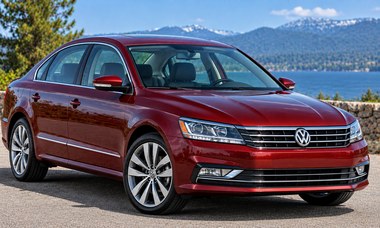
The later North American Passat kept the spacious basic platform introduced for 2012 but received updated styling, technology, safety equipment, and powertrains over its remaining years. The 1.8-liter turbocharged four-cylinder became the mainstream engine before Volkswagen transitioned the Passat to a 2.0-liter turbocharged four-cylinder for its final years.
These later Passats generally benefit from years of development, but they should not be treated like maintenance-free appliances. Turbocharged direct-injection engines bring excellent torque and efficiency while making oil consumption, cooling-system condition, ignition problems, carbon deposits, and proper oil maintenance more important.
One advantage for used-car shoppers is that the later U.S. Passat is mechanically less exotic than its badge might suggest. Most mainstream gasoline versions use a conventional automatic rather than the DSG transmission many buyers automatically associate with Volkswagen. That makes it important to identify the actual powertrain rather than applying advice from a GTI, European Passat, or TDI to every U.S. Passat.
Common Problems on 2016-2022 Volkswagen Passats
- Coolant leaks: Water-pump, thermostat-housing, hose, and related cooling-system leaks deserve attention on turbocharged engines.
- Oil consumption: A car that requires frequent topping-off needs investigation rather than accepting excessive consumption as normal.
- Carbon buildup: Direct injection can contribute to intake-valve deposits as mileage increases.
- Ignition problems: Coils, spark plugs, and related faults can produce misfires, rough running, or a check-engine light.
- PCV and vacuum-system problems: Failures can contribute to poor idle quality, oil leaks, or drivability symptoms.
- Electrical and infotainment problems: Test the touchscreen, cameras, sensors, climate controls, warning systems, and all convenience features.
- Clock-spring-related symptoms on applicable cars: Airbag warnings combined with horn or steering-wheel-control problems deserve investigation.
- Normal high-mileage chassis wear: Engine mounts, suspension components, wheel bearings, brakes, and other wear items can become significant as these cars age.
Why Do Some 1.8T and 2.0T Passat Engines Consume So Much Oil?
Oil consumption on a turbocharged Passat can result from several causes, so frequent oil loss should be diagnosed rather than automatically blamed on one component. Piston-ring wear or deposits can contribute on some engines, but PCV-system problems, turbocharger issues, external leaks, and normal engine wear can also increase consumption.
A used Passat that needs occasional oil added over a long interval is very different from one consuming a quart every 1,000 miles. Ask the seller how often oil is added between changes and check the service history for previous oil-consumption testing or engine repairs.
Also check the oil level yourself. A seller who describes frequent oil additions as "normal for Volkswagens" may be accurately describing what that particular car has been doing, but that doesn't mean you should accept the underlying condition without understanding its cause.
Why Does a VW Passat Keep Losing Coolant With No Obvious Leak?
Slow coolant loss on a turbocharged Passat can come from the water pump, thermostat housing, connections, or other cooling-system components even when there isn't a large puddle beneath the car. Small leaks can leave dried coolant residue or occur primarily when the engine is hot and the cooling system is pressurized.
Repeatedly topping off the reservoir isn't a repair. Look for dried residue around cooling-system components, ask whether the water pump or thermostat assembly has already been replaced, and investigate any low-coolant warning before buying the car.
Overheating is much more serious than the initial leak. A relatively manageable cooling-system repair can become an engine problem if a previous owner repeatedly drove the car with insufficient coolant.
How Do You Tell Normal Passat Transmission Behavior From a Problem?
First identify which transmission the Passat actually has. Volkswagen used conventional automatics, manuals, and DSG dual-clutch transmissions across different Passat years and powertrains, and they do not all behave the same way.
A DSG can feel different from a conventional torque-converter automatic at very low speeds because it operates clutches rather than relying on a torque converter in the same way. Slight differences in low-speed feel therefore aren't automatically evidence of failure. Pronounced shuddering, repeated hesitation, warning messages, delayed engagement, or harsh behavior still deserves diagnosis.
DSG service history is especially important on cars equipped with one. Required fluid and filter services shouldn't be skipped merely because the transmission appears to shift normally today.
On a conventional automatic, look for prompt engagement into Drive and Reverse, smooth shifts under light and heavier throttle, and no slipping, flaring, banging into gear, or transmission warning messages.
Buyer Tip: Don't assume a 2016-2022 Passat is automatically safer because it's newer. A later turbocharged car with 80,000 miles and little maintenance history can be a worse purchase than an older Passat with 120,000 miles and a thick folder of service records. Check coolant level, oil level, cold-start behavior, transmission operation, warning lights, and maintenance documentation before judging the car by mileage.
Bottom Line: The 2016-2022 Passats are among the first years I would investigate for someone who wants a newer example, but the turbocharged engines still reward attentive maintenance. A clean car with documented oil changes, a healthy cooling system, smooth transmission operation, and no unresolved warning lights is much more attractive than a lower-priced example with several small problems waiting for the next owner.
Which Volkswagen Passat Engine Is the Most Reliable?
For a buyer primarily concerned with mechanical simplicity and high-mileage ownership, the naturally aspirated 2.5-liter five-cylinder used in early North American Passats is one of the strongest engines to investigate. It avoids a turbocharger, avoids the TDI's diesel emissions equipment, and doesn't carry the same oil-sludge history as the older 1.8T.
The later 1.8T and 2.0T engines offer better efficiency and stronger low-rpm torque, and a properly maintained example can last a long time. But cooling-system condition, oil consumption, direct-injection deposits, PCV components, and turbo-related hardware give the buyer more potential failure points to consider.
The older 1.8T can also be durable when meticulously maintained, but its oil-sludge history makes documentation especially important. The VR6 engines provide excellent performance but aren't the versions I'd seek first if low operating costs were the priority. The TDI can accumulate very high mileage, but modern diesel emissions hardware changes the cost equation considerably.
Which Passat Engine Would I Choose for a High-Mileage Used Car?
If I were shopping primarily for an inexpensive high-mileage Passat, I'd start with a well-maintained 2.5-liter five-cylinder. I'd still have the individual car inspected, because choosing the more straightforward engine doesn't erase 100,000 or 150,000 miles of previous ownership.
If I wanted a newer Passat, I wouldn't rule out the later 1.8T or 2.0T. Instead, I'd put much more weight on service records, oil consumption, cooling-system history, cold-start behavior, and evidence that previous owners repaired problems when they appeared rather than simply clearing warning lights.
That distinction is important throughout the Passat lineup: the best engine on paper cannot compensate for years of neglected maintenance.
What Are the Best Volkswagen Passat Model Years to Buy?
The best Volkswagen Passat years depend partly on which engine you choose, but 2012-2014 models with the 2.5-liter five-cylinder and well-maintained later 2016-2022 gasoline models are among the Passats I would investigate first. Condition and maintenance history still matter enough that I wouldn't choose a Passat by model year alone.
2012-2014 2.5-liter five-cylinder: These are particularly interesting because the naturally aspirated five-cylinder avoids a turbocharger and much of the added complexity associated with some other Passat powertrains. They're now old enough that leaks, cooling-system condition, suspension wear, and general maintenance still need close inspection.
2016-2018: These later North American Passats combine a roomy interior with a more mature version of the platform. The 1.8T can provide a good balance of performance and fuel economy, but check carefully for coolant loss, oil consumption, misfires, and incomplete maintenance.
2020-2022: The final Passats are appealing if you want a newer example with fewer years of age-related deterioration. They use a 2.0-liter turbocharged four-cylinder and conventional automatic transmission. They still require proper maintenance and shouldn't receive an automatic reliability pass simply because they're newer.
A particularly clean 2001-2010 Passat can still be worthwhile, but I'd buy one based primarily on the condition of the individual car rather than because it falls into a supposedly desirable model year.
Which Volkswagen Passat Model Years Should You Avoid?
There isn't one block of Passat years that every buyer should automatically avoid, but some combinations deserve considerably more scrutiny than others. The engine, transmission, maintenance history, and unresolved problems can matter more than the number printed on the registration.
2001-2004 1.8T: These cars deserve extra caution because of their oil-sludge history. A well-maintained survivor with excellent documentation is very different from a cheap 1.8T with an unknown oil-change history.
2006-2007 2.0T: Early B6 2.0T cars deserve careful investigation of the cam follower, high-pressure fuel pump, camshaft, PCV system, direct-injection-related problems, and overall maintenance history.
Older TDI models: A diesel Passat isn't automatically one to avoid, but I'd be cautious about buying a high-mileage example with unresolved emissions-system faults or incomplete repair history. Excellent fuel economy can be quickly overshadowed by expensive diesel emissions repairs.
Any Passat with unexplained oil or coolant consumption: Regardless of year, don't let a seller normalize frequent topping-off without determining why it's necessary. The underlying problem matters far more than whether the car currently runs well.
Any neglected bargain: A Passat with several warning lights, rough cold starts, deferred cooling-system work, transmission problems, and missing records can become expensive even if the purchase price looks irresistible.
What Are the Most Expensive Volkswagen Passat Problems?
The problems that make a Passat financially painful are generally those that involve internal engine damage, major transmission work, turbocharger failure, diesel emissions hardware, or several neglected systems failing at approximately the same time.
Can Oil Sludge Destroy a Passat 1.8T Engine?
Yes. Severe oil sludge can restrict lubrication enough to cause oil-pressure loss and major internal engine damage. That's why the oil-sludge history of the 2001-2004 1.8T deserves more attention than an ordinary oil leak.
If an older 1.8T displays an oil-pressure warning, unusual valvetrain noise, or evidence of heavy sludge, don't assume an oil change will solve the problem. The engine needs to be properly evaluated for restricted oil flow and any damage that has already occurred.
How Expensive Are Volkswagen Passat Timing Problems?
Timing-system problems can range from scheduled maintenance costing hundreds of dollars to several thousand dollars if a belt, chain, tensioner, or related component fails and causes internal engine damage. The exact timing system and failure risk depend on the Passat engine and year.
That's why I wouldn't apply one generic "Passat timing chain" rule to every generation. Some engines use timing belts, others use chains, and the maintenance requirements and known trouble areas differ.
On an engine with a required timing-belt service, missing records should be treated as unfinished maintenance. On a chain-driven engine, persistent startup rattling, cam/crank correlation faults, or other timing-related symptoms deserve diagnosis rather than assuming a chain is automatically maintenance-free.
How Expensive Are Volkswagen Passat Transmission Problems?
A transmission problem can cost anywhere from several hundred dollars for a smaller repair or service-related issue to roughly $3,000-$6,000 or more for major internal work or replacement. The first step is identifying which transmission the particular Passat actually uses.
Conventional automatics, manuals, and DSG dual-clutch transmissions have different maintenance requirements and failure modes. A DSG that has received its required fluid and filter services is a very different used-car proposition from one with no transmission-service records.
During a test drive, look for delayed engagement, slipping, repeated harsh shifts, abnormal shuddering, warning messages, or engine speed rising without a corresponding increase in vehicle speed. Don't assume an unusual shift characteristic is "just how Volkswagens drive" without determining whether it's normal for that particular transmission.
How Expensive Are Passat Turbocharger and Cooling-System Repairs?
A cooling-system leak may initially be a manageable repair, while turbocharger replacement can become a four-figure expense. The danger is allowing a relatively ordinary coolant or oil problem to progress until it damages more expensive components.
Water pumps, thermostat housings, hoses, PCV components, oil leaks, and related parts should therefore be viewed as more than annoyances on a turbocharged Passat. A low coolant warning or rapidly falling oil level deserves an explanation.
Volkswagen Passat Maintenance and Repair Costs
Routine Passat maintenance doesn't have to be unusually expensive, but neglected maintenance and major repairs can cost substantially more than the low purchase price of an older example suggests. These are reasonable general ranges rather than quotes for a particular car or repair shop.
| Service or Repair | Approximate Cost |
|---|---|
| Oil and filter change | $70-$150 |
| Spark plugs | $150-$350 |
| Ignition coil replacement | $150-$500+ |
| Brake pads and rotors | $450-$1,000 per axle |
| Carbon cleaning | $500-$1,200+ |
| Water pump / thermostat-related repair | $700-$1,500+ |
| Timing-belt service on applicable engines | $800-$1,500+ |
| Suspension / control-arm repairs | $500-$2,000+ |
| DSG service on applicable models | $350-$700+ |
| Turbocharger replacement | $1,500-$3,000+ |
| Major transmission repair / replacement | $3,000-$6,000+ |
| Major engine repair / replacement | $4,000-$8,000+ |
Independent Volkswagen specialists can often make an older Passat considerably more economical to own than relying exclusively on dealership labor. The more important point is to budget realistically. Buying a $5,000 Passat doesn't turn a $1,500 repair into a $300 repair.
What Maintenance Does a Volkswagen Passat Need After 100,000 Miles?
A Passat with more than 100,000 miles should have its maintenance needs evaluated by engine and transmission rather than following one generic high-mileage checklist. At this age and mileage, previous service history becomes as important as the next scheduled service.
- Verify oil-change history and continue using the correct Volkswagen-approved oil specification for the engine.
- Confirm timing-belt replacement where applicable, including related tensioners and water-pump service when appropriate.
- Evaluate timing-chain condition on applicable engines if there are startup noises, timing faults, or other symptoms.
- Verify DSG fluid and filter service history on DSG-equipped Passats.
- Inspect conventional automatic-transmission operation and check available service history.
- Check the cooling system for leaks, dried coolant residue, aging hoses, and previous water-pump or thermostat repairs.
- Inspect spark plugs, ignition coils, PCV components, and vacuum hoses.
- Investigate persistent misfires or rough cold starts rather than repeatedly replacing parts without diagnosis.
- Inspect suspension bushings, control arms, struts, wheel bearings, engine mounts, brakes, and tires.
- On TDI models, evaluate the condition of the emissions system and investigate any related warning lights before purchase.
What Should You Check Before Buying a Used Volkswagen Passat?
A pre-purchase inspection is particularly valuable on a Passat because a car that looks excellent cosmetically can still have several expensive mechanical needs. I would concentrate on issues specific to the actual engine and transmission rather than paying for nothing more than a generic safety inspection.
- Start it cold: Listen for abnormal timing noise, watch for smoke, and check for rough idle or persistent misfires.
- Identify the engine: Know whether you're buying a 1.8T, 2.0T, 2.5 five-cylinder, TDI, VR6, V6, or another configuration before evaluating its known risks.
- Check oil and coolant: Low levels, repeated topping-off, contamination, or dried coolant residue deserve an explanation.
- Verify major maintenance: Timing-belt work, DSG services, cooling-system repairs, and other powertrain-specific maintenance should be documented when applicable.
- Scan for trouble codes: Stored or pending faults can reveal problems even when the dashboard warning light has recently been cleared.
- Test the entire car: Check the airbag light, horn, steering-wheel controls, electronic parking brake where applicable, climate control, windows, locks, infotainment, and other electrical equipment.
Is a Volkswagen Passat With 100,000 Miles a Good Buy?
Yes, a 100,000-mile Passat can be a good used-car purchase when it has the right maintenance history and passes a thorough inspection. The odometer alone wouldn't discourage me.
At this mileage, however, I'd expect evidence that the owner treated maintenance as more than oil changes. Depending on the powertrain, that may include transmission servicing, timing-system maintenance, cooling-system repairs, ignition work, carbon cleaning, or diesel emissions-system repairs.
A 100,000-mile 2.5-liter five-cylinder with excellent records can be particularly interesting. A 100,000-mile turbocharged or diesel Passat can also be a good car, but I'd want more information about the expensive systems specific to that powertrain.
Is 150,000 Miles Too Much for a Used Volkswagen Passat?
Not necessarily. A documented 150,000-mile Passat can be a better purchase than a neglected car with substantially fewer miles. By this point, however, I would buy almost entirely on condition, maintenance history, and the results of an inspection.
At 150,000 miles, several normal wear items may have already been replaced—or may all be waiting for the next owner. Suspension, engine mounts, wheel bearings, cooling components, air-conditioning, oil leaks, transmission condition, turbocharger health, and electrical systems can matter as much as the engine itself.
This is also where a low purchase price can become misleading. If a $4,500 Passat immediately needs $3,000 of accumulated maintenance and repairs, the supposedly more expensive $7,000 example with extensive records may have been the better value.
Can a Volkswagen Passat Last 200,000 Miles?
Yes. A Volkswagen Passat can reach 200,000 miles, and well-maintained examples can go beyond it. The question is not simply whether the engine can physically reach that mileage, but whether the owner has maintained the entire car well enough to make continued ownership economical.
The simpler powertrains can be particularly attractive for high-mileage ownership, but there are also turbocharged and diesel Passats with very high mileage. The common denominator is usually maintenance rather than a magic model year.
Volkswagen Passat Pros and Cons
Pros
- Comfortable ride and excellent highway manners
- Roomy cabin, especially in 2012-2022 North American models
- Often inexpensive on the used market
- Wide range of engines and powertrains
- 2.5-liter five-cylinder offers an appealing relatively simple configuration
- Turbocharged engines provide strong low-rpm torque
- TDI models can deliver excellent highway fuel economy
- Generally more European driving character than many mainstream midsize sedans
Cons
- Reliability varies considerably by engine and year
- Older 1.8T models have an important oil-sludge history
- Some turbo engines can develop oil-consumption, carbon, PCV, fuel-system, or cooling problems
- DSG-equipped cars require proper transmission servicing
- TDI emissions-system repairs can be expensive
- Electrical problems can accumulate as cars age
- Some major repairs cost disproportionately more than the value of an older Passat
- Neglected examples can become expensive very quickly
Volkswagen Passat vs. Other Used Midsize Sedans
A Toyota Camry is usually the more obvious choice for someone whose highest priority is straightforward long-term ownership. Used Camrys can cost more because of that reputation, while an older Passat can offer more car for the purchase price if you choose carefully.
The Honda Accord combines a strong reliability reputation with responsive handling. Like the Passat, individual Accord generations and powertrains have their own problems, so the badge alone shouldn't determine the decision.
A Mazda6 is worth considering if driving feel is important. It provides some of the Passat's enthusiast appeal without duplicating Volkswagen's particular mix of turbo, DSG, diesel, and European-engineering considerations.
The Hyundai Sonata often offers strong equipment for the money, although its own engine history means buyers should research the specific year and powertrain just as carefully as they would with a Passat.
Is the Volkswagen Passat a Reliable Used Car?
The Volkswagen Passat can be a reliable used car, but it is one model where I'd choose the powertrain and maintenance history before choosing the model year. The best Passat isn't necessarily the newest or lowest-mileage example; it's the one whose previous owners properly maintained the particular engine and transmission it was built with.
For someone prioritizing simplicity, the 2012-2014 2.5-liter five-cylinder is one of the configurations I'd investigate first. Later 2016-2022 gasoline Passats can also be attractive if their turbocharged engines have been properly maintained and show no concerning oil-consumption, cooling-system, or drivability problems.
I'd approach an older 1.8T, early B6 2.0T, TDI, VR6, or W8 with more powertrain-specific scrutiny—not because every one is unreliable, but because buying the wrong example can expose you to repairs that overwhelm the low used-car purchase price.
Final Buyer Summary: Don't shop for a used Passat by mileage and price alone. Identify the engine and transmission, obtain the maintenance history, start the car cold, check oil and coolant levels, scan for trouble codes, and have a Volkswagen-knowledgeable mechanic inspect it. A carefully chosen Passat can be an exceptionally comfortable and satisfying used sedan; a neglected bargain can quickly demonstrate why it was so cheap.
For more Volkswagen model reliability information, see our Volkswagen Reliability and Problems Guide. This comprehensive guide details the best used VW models and years, common problems to watch for, the best years to buy or those to avoid, and more.
Your Trade-In
Also, it's good to always know the value of your trade-in while you're evaluating your next possible purchase. Here's a good source for a quick and accurate appraisal: free trade-in appraisal.
What's Next?
If you may be buying soon, you may want to take a look at my most effective negotiation method for used cars. It explains a quick way to identify the dealerships most motivated to deal, no matter how busy they may seem, and how to follow up once you've found them. This can be the difference between getting a good price and getting a great one.
And beware of "Dealer Fees": Before agreeing to a dealer's numbers, see which dealer fees are legitimate, which can be negotiated, and which can be avoided.