

For many used luxury car shoppers, the BMW 3 Series remains one of the most desirable sports sedans ever built. It combines excellent handling, refined engines, comfortable interiors, and a driving experience that few competitors can match. Even older examples still feel modern, making them popular choices on the used market.
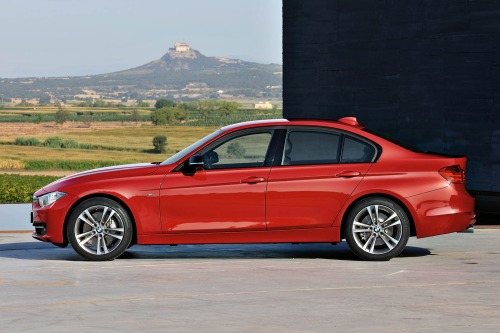
However, buying a used BMW requires a different approach than shopping for a typical economy car. Reliability depends heavily on the engine, maintenance history, and the specific model year. Two identical-looking 3-Series cars can have dramatically different ownership costs depending on what's under the hood and how well the vehicle has been maintained.
The good news is that BMW made significant reliability improvements throughout this period. While early turbocharged models developed a reputation for expensive repairs, later versions—particularly from 2017 onward—are generally considered among BMW's most dependable modern vehicles.
In this guide, we'll break down how the BMW 3-Series has held up in the real world and help you identify which model years offer the best long-term value.
What You'll Learn
- Which 2010-2022 BMW 3 Series model years have proven the most reliable—and which ones are best avoided.
- How reliability differs between the different generations.
- The strengths and weaknesses of all the engine choices.
- The most common mechanical problems owners report as these cars age.
- What sort of maintenance cost outlook should be expected.
- How the BMW 3 Series compares with competitors such as the Lexus IS, Audi A4, Mercedes-Benz C-Class, Acura TLX, and Infiniti Q50.
- Whether a high-mileage 3 Series is still worth buying today and how long these cars can realistically last.
- Our recommendations on the best model years to buy, the years to avoid, and what to inspect before making a purchase.
Other BMWs: Also, if you may be looking at other BMW models, visit our BMW Reliability Hub to compare reliability, common problems, and the best years to buy across BMW's most popular cars and SUVs.
BMW 3 Series Reliability Overview (2010-2022)
Overall Reliability Rating: 7.5/10
The 2010-2022 BMW 3 Series can be divided into three distinct generations, each with its own strengths and weaknesses.
- 2010-2011 (E90 generation): Final years of one of BMW's best-built platforms, although aging components become an issue.
- 2012-2018 (F30 generation): Introduced new turbocharged engines with improved fuel economy but some early reliability concerns.
- 2019-2022 (G20 generation): One of the most reliable modern BMW platforms thanks to improved engineering and the excellent B48 and B58 engines.
When properly maintained, many models easily exceed 200,000 miles, although maintenance costs are considerably higher than mainstream brands such as Toyota or Honda.
2010-2011 BMW 3 Series Reliability (E90)
Many BMW enthusiasts consider the E90 generation to be one of the company's high points. Steering feel, chassis balance, and overall build quality remain excellent.
The naturally aspirated inline-six engines (328i) have developed an excellent reputation for longevity. They avoid many of the high-pressure turbocharger problems that affected some later engines.
The twin-turbocharged 335i delivers outstanding performance but carries significantly higher maintenance costs.
Common Problems
- Electric water pump failures
- Thermostat failures
- Valve cover gasket oil leaks
- Oil filter housing gasket leaks
- Oil pan gasket leaks
- Cooling system component failures
- VANOS solenoid issues
- Carbon buildup on direct-injection turbo engines
- High-pressure fuel pump issues (primarily earlier turbo models)
Overall, the 328i is widely regarded as the safer long-term purchase.
2012-2018 BMW 3 Series Reliability (F30)
The F30 introduced turbocharged four-cylinder engines as the volume powertrain for the first time in the United States.
Early four-cylinder 328i models (2012-2015) use the N20 engine, which offers excellent performance and fuel economy but also introduced one of BMW's most well-known reliability concerns.
Beginning in 2016, BMW replaced the N20 with the newer B48 engine, representing a substantial improvement in long-term reliability.
Likewise, six-cylinder models transitioned from the N55 engine to the outstanding B58 beginning in 2016-2017 depending on model.
Common Problems
- Timing chain guide wear (N20 engines)
- Timing chain stretch
- Oil filter housing gasket leaks
- Valve cover gasket leaks
- Electric water pump failures
- Cooling system leaks
- Ignition coil failures
- Turbocharger wastegate wear on higher-mileage vehicles
- Carbon buildup on direct-injection engines
- Suspension bushing wear
BMW largely addressed many of these issues with the introduction of the B48 and B58 engine families.
2019-2022 BMW 3 Series Reliability (G20)
The current G20 generation has become one of the most reliable BMW platforms in decades.
BMW refined nearly every major system while continuing to use the highly regarded B48 four-cylinder and B58 six-cylinder engines.
While maintenance costs remain above average, catastrophic mechanical failures are considerably less common than on earlier turbocharged BMWs.
Common Problems
- Occasional cooling system leaks
- Electronic module glitches
- Battery registration issues
- Oil filter housing seepage on higher-mileage vehicles
- Suspension wear after extended mileage
- Adaptive suspension component failures (where equipped)
Overall reliability is significantly better than previous generations.
3 Series Reliability by Engine
One of the biggest factors affecting the long-term reliability of a used BMW 3 Series is the engine. During the 2010-2022 model years, BMW offered several different four- and six-cylinder engines, and some have proven considerably more dependable than others.
N52 3.0L Naturally Aspirated Inline-Six (2010-2011 328i)
The N52 is widely regarded as one of BMW's most reliable modern engines. Without turbochargers or high-pressure direct injection, it avoids many of the expensive problems found in later powerplants.
Common repairs include electric water pumps, thermostat failures, valve cover gasket leaks, and oil filter housing gasket leaks, but catastrophic engine failures are uncommon. With proper maintenance, many N52-powered cars exceed 250,000 miles.
N54 Twin-Turbo Inline-Six (335i)
The N54 delivers exceptional performance and has become popular among enthusiasts because of its tuning potential. However, it is also one of BMW's most maintenance-intensive engines.
Owners frequently report high-pressure fuel pump failures, turbocharger wastegate wear, fuel injector issues, carbon buildup, and cooling system repairs. A well-maintained N54 can be rewarding to own, but it is generally not the best choice for buyers seeking inexpensive long-term ownership.
N55 Turbocharged Inline-Six
The N55 simplified the twin-turbo N54 design by using a single turbocharger. Reliability improved noticeably, although owners should still expect oil leaks, electric water pump replacement, ignition coil failures, and occasional turbocharger-related repairs as mileage increases.
Many enthusiasts consider the N55 a good balance between performance and reliability.
N20 Turbocharged Four-Cylinder (2012-2015 328i)
The N20 provides strong performance and good fuel economy, but its reputation has been overshadowed by timing chain guide failures.
If the timing chain components have not been updated, repairs can become extremely expensive if failure occurs. Buyers should verify documented timing chain replacement before purchasing one of these vehicles.
B48 Turbocharged Four-Cylinder (2016-2022 330i)
The B48 represented a major step forward in BMW reliability. It eliminated many of the concerns associated with the N20 while maintaining excellent fuel economy and strong performance.
Routine maintenance remains important, but widespread catastrophic engine problems have been relatively uncommon.
B58 Turbocharged Inline-Six (2016-2022 M340i and selected models)
The B58 has quickly earned a reputation as one of BMW's best modern engines. It combines smooth power delivery, impressive performance, and excellent durability when serviced regularly.
Many independent BMW technicians consider the B58 one of the company's finest engines produced in the past two decades.
Expected Maintenance After 100,000 Miles
Many models remain reliable well beyond 100,000 miles, but buyers should expect maintenance costs to increase as vehicles age.
Repairs commonly seen after the 100,000-mile mark include:
- Electric water pump replacement
- Thermostat replacement
- Valve cover gasket replacement
- Oil filter housing gasket replacement
- Suspension bushings and control arms
- Shock and strut replacement
- Engine mounts
- Transmission fluid service
- Differential fluid service
- Cooling hoses and expansion tank replacement
These repairs are largely considered normal aging items rather than design defects and can often restore the vehicle to many additional years of dependable service.
How the 3 Series Compares to Its Competitors
The 3 Series competes with several well-established luxury sport sedans.
- Audi A4: Comfortable and refined but generally features higher long-term repair costs related to electronics and all-wheel-drive systems.
- Mercedes-Benz C-Class: Offers a luxurious interior but can become expensive to maintain as electronic systems age.
- Lexus IS: Typically the most reliable luxury sport sedan, although it is generally less engaging to drive than the BMW.
- Acura TLX: Usually offers lower maintenance costs but lacks the rear-wheel-drive balance that makes the BMW enjoyable.
- Infiniti G37/Q50: Excellent naturally aspirated V6 reliability, though interior quality and technology often trail the BMW.
For buyers prioritizing driving enjoyment, the BMW remains difficult to match. Those seeking the absolute lowest ownership costs may prefer the Lexus IS.
How Many Miles Does a 3-Series Last?
When serviced properly, many models remain dependable for well over 200,000 miles.
The biggest factor affecting longevity is maintenance rather than mileage alone. Vehicles that receive regular oil changes, cooling system service, transmission maintenance, and prompt repair of oil leaks typically last significantly longer than neglected examples.
Later models equipped with the B48 and B58 engines appear capable of matching or exceeding the longevity of BMW's well-regarded naturally aspirated engines.
Is a High-Mileage 3-Series Worth Buying?
A BMW with 120,000 or even 150,000 miles should not automatically be dismissed.
In many cases, a higher-mileage vehicle with detailed maintenance records is a better purchase than a lower-mileage example that has been neglected.
Buyers should focus on documented servicing, cooling system repairs, transmission maintenance, suspension condition, and overall vehicle care rather than mileage alone.
A comprehensive pre-purchase inspection remains one of the best investments before buying any used luxury vehicle.
Tips for Reaching 200,000 Miles
Owners who hope to maximize lifespan should follow several best practices.
- Change engine oil more frequently than BMW's maximum service intervals.
- Replace cooling system components before they fail.
- Repair oil leaks promptly.
- Service the transmission despite "lifetime fluid" recommendations.
- Use high-quality OEM or equivalent replacement parts.
- Address warning lights immediately instead of delaying repairs.
- Keep detailed maintenance records.
- Have the vehicle inspected periodically by an experienced independent BMW specialist.
Following these maintenance habits can significantly reduce unexpected repair costs and improve the chances of reaching 200,000 miles or more.
Most Common BMW 3 Series Problems
Although no model year is perfect, these are the repairs owners most frequently encounter as mileage increases.
Cooling System Repairs
BMW electric water pumps typically last between 70,000 and 120,000 miles before replacement becomes necessary.
Oil Leaks
Valve cover gaskets, oil filter housing gaskets, and oil pan gaskets eventually leak on nearly every high-mileage BMW.
Timing Chain Issues
The biggest concern affects 2012-2015 328i models equipped with the N20 engine.
Premature timing chain guide wear can lead to catastrophic engine damage if ignored.
Carbon Buildup
Direct-injection engines eventually accumulate carbon deposits on intake valves.
Walnut blasting is often recommended between 70,000 and 100,000 miles.
Suspension Wear
Control arm bushings, ball joints, shocks, and struts wear more quickly than many economy cars due to BMW's performance-oriented suspension tuning.
Maintenance Cost Outlook
Routine maintenance is one area where ownership costs differ substantially from mainstream sedans.
Owners should budget for:
- Synthetic oil changes every 5,000-7,500 miles
- Cooling system service around 80,000-100,000 miles
- Spark plugs approximately every 60,000 miles
- Ignition coils as needed
- Brake fluid every two years
- Transmission service despite BMW's "lifetime fluid" claims
- Differential and transfer case fluid service on xDrive models
Annual maintenance expenses can range from $800 to over $2,000, depending on mileage, repairs, and whether work is performed at an independent BMW specialist or dealership.
Which BMW 3-Series Model Years to Avoid
Not every model year carries the same risk. These are the years buyers should inspect especially carefully.
2012 BMW 328i
This was the first model year using the turbocharged N20 engine.
Early timing chain guide failures have made it one of the least desirable years for long-term ownership.
2013 BMW 328i
Many vehicles continued to experience timing chain guide wear along with occasional oil leaks and cooling system repairs.
Unless documentation shows the timing chain has been replaced with updated components, buyers should proceed cautiously.
2014 BMW 328i
Reliability improved somewhat, but timing chain failures still occurred often enough to remain a concern.
A documented repair history greatly increases buyer confidence.
Better Choices
If shopping within this range, these years generally offer the best combination of reliability and value:
- 2010 328i
- 2011 328i
- 2016 330i
- 2017 330i
- 2018 330i
- 2019-2022 330i
- 2016-2022 M340i (B58 engine)
What to Check Before Buying
Maintenance history matters more than mileage.
Before purchasing, inspect for:
- Complete service records
- Cooling system repairs
- Timing chain replacement (2012-2015 328i)
- Oil leaks underneath the engine
- Suspension noises
- Check engine lights
- Smooth automatic transmission operation
- Turbocharger noises
- Evidence of regular oil changes
- Battery age and charging system condition
A pre-purchase inspection by an independent BMW specialist is highly recommended.
Pros
- Outstanding driving dynamics
- Excellent engine choices
- Comfortable interior
- Strong highway fuel economy
- High safety ratings
- Premium fit and finish
- Later B48 and B58 engines are among BMW's most reliable modern powerplants
Cons
- Higher maintenance costs than mainstream brands
- Expensive repairs outside warranty
- Oil leaks become common with age
- Cooling system repairs are inevitable
- Early N20 engines have timing chain concerns
- Luxury-car parts prices remain high
Should You Buy a 2010-2022 BMW 3 Series?
The answer depends largely on the model year and engine.
For buyers seeking the lowest ownership costs, the naturally aspirated 2010-2011 328i remains an excellent choice. These cars have fewer major engine concerns and continue to earn a reputation for long-term durability when maintained properly.
Among newer models, the 2016-2022 cars equipped with the B48 or B58 engines represent the sweet spot. They offer modern technology, excellent performance, and substantially improved reliability over the earliest turbocharged models.
Buyers should exercise caution with 2012-2015 328i models unless timing chain repairs have already been completed and documented.
As with any used luxury vehicle, paying more for a well-maintained example is almost always less expensive than purchasing a neglected bargain.
Conclusion
The BMW 3 Series remains one of the benchmark luxury sport sedans, offering a blend of performance, comfort, and refinement that has made it a favorite among enthusiasts for decades. While maintenance costs are undeniably higher than those of mainstream competitors, choosing the right model year can significantly improve the ownership experience.
Overall, the 2010-2011 328i and 2016-2022 models powered by the B48 or B58 engines stand out as the strongest long-term choices. They combine proven engineering with fewer major mechanical concerns than the early turbocharged N20-powered cars.
No matter which model year you choose, a documented maintenance history, a thorough pre-purchase inspection, and evidence of regular servicing are far more important than finding the lowest purchase price. A well-maintained BMW 3 Series can provide many years of rewarding ownership, while a neglected one can quickly become an expensive project.
Also, it's good to always know the value of your trade-in while you're evaluating your next possible purchase. Here's a good source for a quick and accurate appraisal: free trade-in appraisal.
What's Next?
If you may be buying soon, I'd recommend reading my most effective negotiation method for used cars. It explains a quick way to identify the dealerships most motivated to deal, no matter how busy they may seem, and how to follow up once you've found them. That can be the difference between getting a good price and getting a great one.
Or, if you'd consider buying a brand-new vehicle if you could get a lower-than-expected price, learn how to shop the dealer, not just the car.
Lastly, beware of "Dealer Fees": Before agreeing to a dealer's numbers, see which dealer fees are legitimate, which can be negotiated, and which can be avoided.