

The BMW 5 Series has been the standard-bearer when it comes to premium sport sedans and wagons for a long time. Making its debut in the U.S. in 1972, it quickly earned a superlative reputation for its appealing combination of performance, luxurious features, and interior roominess.
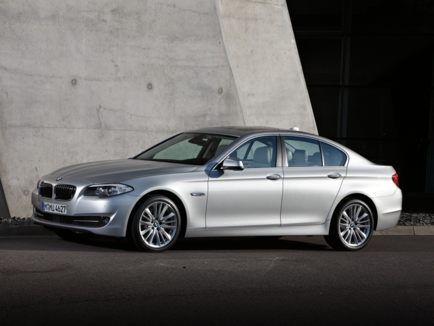
For consumers shopping for a used 5 Series today, it's important to know that their history for reliability is mixed. Some owners have had positive experiences long-term, but there are others who have run into problems.
Another important factor is that they can be expensive to maintain and repair, and this needs to be budgeted for as well. They may be solidly built, but they are also highly-engineered and complex, making both parts and labor expertise more costly than non-luxury brands.
In addition, how reliable a specific model actually is can also vary greatly depending on how well the vehicle has been maintained, its mileage, the driving habits of the owner, and the driving conditions its been subjected to. And then throw it a little luck as well.
This guide focuses on real-world long-term ownership outcomes from 2004 through the 7th generation ending with the 2023 model, highlighting common failures, maintenance expectations, and the best models to consider in 2026.
This guide will help you separate the best used BMW 5 Series models from the ones that could become expensive ownership experiences.
Here's Some Of What You'll Learn in This BMW 5 Series Reliability Guide
The 5 Series has earned a reputation as one of the world's best luxury sport sedans, but not every generation delivers the same ownership experience. Some model years are capable of providing well over 200,000 miles with proper maintenance, while others are known for expensive engine, cooling system, and electronic repairs. This guide breaks down the strengths and weaknesses of every generation so you can make a more informed buying decision.
- How the 5th, 6th, and 7th generations compare for long-term reliability.
- Why the 3.0-liter naturally aspirated inline-six (N52), 3.0-liter turbocharged inline-six (N55), and the 3.0-liter turbocharged inline-six (B58 - used in the 540i) engines are generally considered BMW's most dependable modern powerplants.
- Which engines, including certain 2.0-liter turbocharged four-cylinder (N20) and 4.4-liter twin-turbo V8 (N63) variants, have developed reputations for costly repairs.
- The most common problems owners report, including oil leaks, cooling system failures, suspension wear, timing chain concerns, and electronic issues.
- Which BMW 5 Series model years offer the best value on today's used market—and which ones are worth approaching with caution.
- How much maintenance and repairs typically cost after 100,000 miles.
- What to inspect before buying a used 5 Series, including service records, cooling system components, suspension, and drivetrain condition.
- Whether a used BMW 5 Series is a smarter purchase than rivals like the Mercedes-Benz E-Class, Audi A6, or Lexus GS.
Other BMWs: Also, if you may be looking at other BMW models, visit our BMW Reliability Hub to compare reliability, common problems, and the best years to buy across BMW's most popular cars and SUVs.
E60/E61 (2004–2010) – 5th Generation
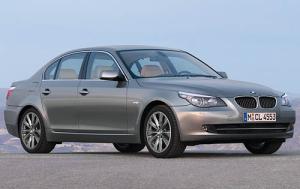
The E60 generation marked a major design shift with heavy electronics and early iDrive systems. While engaging to drive, it is widely considered the least reliable modern iteration.
Common Problems
- Electric water pump failure (60k–100k miles)
- Valve cover and oil filter housing leaks
- Transmission wear and rough shifting in higher mileage units
- Electrical and iDrive system malfunctions
- Front suspension wear (control arms, bushings)
Engine Reliability Notes
- N52 inline-6: Most reliable E60 engine option
- N54 twin-turbo: High performance but fuel pump, turbo, and carbon buildup issues
- N62 V8: Known for expensive valve stem seal failures
F10/F11 (2011–2016)- Sixth Generation: Improved but Still Complex
The F10 generation refined ride quality and build consistency but retained BMW’s growing mechanical and electronic complexity.
Common Problems
- Oil leaks (valve cover, oil filter housing)
- Timing chain guide wear (especially early N20 engines)
- Cooling system failures (water pump, thermostat)
- Electronic suspension issues (adaptive dampers)
Engine Reliability Notes
- N20 4-cylinder: Efficient but timing chain risk in early years
- N55 inline-6: Strong, reliable, and preferred choice
- N63 V8: Early versions suffer from heat and oil consumption issues
Best buy: 2014–2016 BMW 5 Series 535i with the N55 engine.
G30/G31 (2017–2023) - Seventh Generation: Most Reliable Modern 5 Series
The G30 generation significantly improves reliability and driving refinement. It is the strongest modern version overall, especially with inline-6 engines.
Common Problems
- Minor sensor and electronics glitches
- Infotainment/software bugs
- Normal suspension bushing wear over time
- Cooling system component aging at higher mileage
Engine Reliability Notes
- B48 4-cylinder: Solid modern turbo engine
- B58 inline-6: One of BMW’s most reliable engines ever built
- Diesel variants: Durable but emissions-system sensitive
Best overall pick: G30 540i with the B58 engine.
Pros And Cons Summary
Pros:
Strong Value Potential: Given the depreciation curve of luxury vehicles like the BMW 5 Series, older models may offer excellent value for the money. Buyers may find well-maintained examples with relatively low mileage at attractive prices.
Classic Styling: Some buyers appreciate the classic styling of older BMW models, such as the E60 or F10. These designs have aged gracefully and still offer a premium and timeless aesthetic.
Performance and Driving Dynamics: An older 5 Series is still known for its engaging driving dynamics and performance-oriented characteristics. They offer a balance of sportiness and comfort, making them enjoyable to drive.
Innovative Technology: Older models were equipped with various advanced technologies for its time, including the iDrive infotainment system, adaptive headlights, active cruise control, and active steering.
Powerful Engine Options: The E60 offered a range of powerful engine choices, including inline-four, inline-six, V8, and even a high-performance V10 engine in the M5 variant. These engines provide impressive performance and acceleration.
Bold Design: The E60 features a bold and distinctive design, characterized by its aggressive front fascia, sweeping lines, and muscular stance. While somewhat polarizing, it makes a statement on the road and sets it apart from competitors.
Cons:
Maintenance and Repair Costs: Older vehicles typically require more maintenance and repairs as components wear out over time. BMWs, in particular, can be expensive to maintain, especially when it comes to parts and labor costs.
Reliability Concerns: The 5 Series has had reported reliability issues, ranging from engine-related problems to electrical gremlins. While some issues may have been addressed through recalls or service bulletins, potential buyers should be aware of the potential for unexpected repairs.
Fuel Efficiency: Older models may not be as fuel-efficient as newer ones, especially if equipped with the larger, more powerful engines. This can be more of an issue if a buyer has a long commute or drives frequently.
Outdated Technology: Despite its advancements, compared to newer models, older 5 Series vehicles may lack some of the latest technology features and safety advancements. This could include infotainment systems, driver assistance features, and connectivity options that have become standard in more recent vehicles.
Less Engaging Handling: While still capable, the sixth generation has been criticized by some enthusiasts for its less engaging driving dynamics compared to the fifth.
Styling Controversy: Although less radical than its predecessor, the sixth generation's design also received mixed reviews, with some finding it less distinctive compared to rivals.
Electronics Complexity: While improved for the sixth generation, some drivers still found the iDrive system and other electronic features to be complex and potentially distracting.
Interior Quality: While the interior specifically of the fifth generation was generally well-appointed and comfortable, some consider the interior design and quality to be lacking compared to other luxury sedans in its class.
Maintenance Cost Outlook
- $1,000–$2,000/year average after 60k miles
- Higher costs for V8 models and older generations
- Cooling system and gasket repairs are recurring expenses
Typical Maintenance and Repair Costs After 100,000 Miles
Most BMW 5 Series models become noticeably more expensive to maintain after reaching 100,000 miles, although the actual costs vary considerably depending on the generation, engine, and how well previous owners maintained the vehicle. A well-cared-for inline-six model can often remain reasonably dependable for many years, while neglected examples or certain V8-powered models can require several thousand dollars in repairs within a short period.
Owners should generally budget approximately $1,500 to $2,500 per year for maintenance and repairs on a well-maintained six-cylinder BMW 5 Series after 100,000 miles. Vehicles requiring major suspension work, cooling system repairs, turbocharger replacement, or significant engine work can exceed those figures in a single year.
Repairs Commonly Needed Beyond 100,000 Miles
- Cooling system components (electric water pump, thermostat, hoses)
- Valve cover gasket and oil filter housing gasket leaks
- Control arms, bushings, shocks, and other suspension components
- Engine mounts and transmission mounts
- Battery replacement and occasional electronic module failures
- Spark plugs and ignition coils
- Transmission servicing or repairs, depending on maintenance history
The good news is that many of these repairs are age-related maintenance items rather than catastrophic failures. Buyers who purchase a BMW 5-Series with documented service records showing these components have already been replaced often enjoy significantly lower ownership costs during the following several years.
What Are The BMW 5-Series Model Years to Avoid?
- 2004–2007 5th Generation (E60) models equipped with the 4.4-liter naturally aspirated V8 (N62)
- 2011–2013 6th Generation (F10) models equipped with the 2.0-liter turbocharged four-cylinder (N20) due to timing chain concerns
- Early 2011–2014 6th Generation (F10) models equipped with the 4.4-liter twin-turbocharged V8 (N63)
What BMW 5-Series Model Years Are The Best To Buy?
- 2008–2010 5th Generation (E60) models equipped with the 3.0-liter naturally aspirated inline-six (N52)
- 2014–2016 6th Generation (F10) models equipped with the 3.0-liter turbocharged inline-six (N55)
- 2017–2023 7th Generation (G30) models equipped with the 3.0-liter turbocharged inline-six (B58)
Pre-Purchase Inspection Checklist
- Check for oil leaks
- Cold start timing chain noise
- Transmission smoothness
- Cooling system pressure test
- Full electronic system scan
Competitor Comparison
- Mercedes-Benz E-Class: More comfort-focused, slightly more durable in some years
- Audi A6: Similar complexity and repair costs
- Lexus GS: More reliable but less engaging
Is the BMW 5 Series a Better Used Buy Than Its Main Competitors?
If you're shopping for a midsize luxury sedan, chances are you're also considering the Mercedes-Benz E-Class, Audi A6, or Lexus GS. Each offers its own strengths, but they differ significantly in long-term reliability, maintenance costs, driving character, and overall ownership experience.
BMW 5 Series vs. Mercedes-Benz E-Class
The BMW 5 Series generally offers sharper handling and a more engaging driving experience, particularly in six-cylinder models. The Mercedes-Benz E-Class places a greater emphasis on ride comfort, interior luxury, and a quieter highway ride. Reliability between the two depends heavily on the specific model year and engine, but maintenance costs are typically similar once both vehicles reach higher mileage.
BMW 5 Series vs. Audi A6
The Audi A6 offers excellent interior quality, advanced technology, and confident all-weather capability with quattro all-wheel drive. However, it can also be one of the more expensive vehicles in this class to repair as it ages. Buyers seeking lower long-term ownership costs often find the BMW's inline-six engines to be a better choice than some of Audi's more complex powertrains.
BMW 5 Series vs. Lexus GS
The Lexus GS is widely regarded as the reliability leader in this segment. It typically requires fewer repairs, has lower maintenance costs, and routinely reaches very high mileages with relatively few major mechanical problems. The trade-off is that many drivers find the BMW 5 Series considerably more rewarding to drive, with more responsive handling and a sportier personality.
Which One Should You Choose?
- Choose the BMW 5 Series if driving enjoyment, performance, and balanced handling are your top priorities.
- Choose the Mercedes-Benz E-Class if you prefer a more comfort-oriented luxury sedan.
- Choose the Audi A6 if all-wheel-drive capability and technology are most important to you.
- Choose the Lexus GS if your primary goal is long-term reliability and the lowest likelihood of expensive repairs.
For many buyers, a well-maintained BMW 540i equipped with the 3.0-liter turbocharged inline-six engine (B58) represents one of the best compromises in the segment, combining strong performance with a better long-term reliability record than many earlier BMW engines while still delivering the driving dynamics that have made the 5 Series famous.
How Long Can A BMW 5-Series Last?
With proper maintenance, most
Should You Buy a Used BMW 5 Series?
The BMW 5 Series has long been one of the best-driving luxury sedans on the market, but buying one used requires more research than simply choosing the newest or least expensive example you can find. Reliability varies considerably depending on the generation, engine, maintenance history, and even the specific model year. A well-maintained 5 Series can provide years of enjoyable ownership, while a neglected one can quickly become an expensive project.
For most used-car shoppers, the best value lies in six-cylinder models. BMW's naturally aspirated and turbocharged inline-six engines have generally proven to be more durable and less expensive to own than the company's V8 engines. Likewise, vehicles with complete maintenance records are almost always a better purchase than lower-priced examples with little documented service history.
If your budget allows, not surprisingly the seventh-generation G30 (2017–2023) represents the best overall combination of performance, comfort, technology, and long-term reliability. Models equipped with the B58 turbocharged inline-six engine have earned an excellent reputation among both BMW enthusiasts and independent repair specialists for their durability and relatively low rate of major mechanical failures.
Buyers shopping for older vehicles should focus on later 5th Generation (E60) models equipped with the 3.0-liter naturally aspirated inline-six (N52) or later 6th Generation (F10) models powered by the 3.0-liter turbocharged inline-six (N55). These combinations avoid many of the costly problems associated with BMW's earlier 2.0-liter turbocharged four-cylinder (N20) engines and several V8 variants.
On the other hand, if you're considering an early 5th Generation (E60) model equipped with the 4.4-liter naturally aspirated V8 (N62) or an early 6th Generation (F10) model powered by the 2.0-liter turbocharged four-cylinder (N20), it is wise to budget for potentially significant repairs or continue shopping for a better-equipped alternative. Even if these vehicles appear inexpensive initially, deferred maintenance and known mechanical issues can easily erase any upfront savings.
Who Should Buy One?
- Drivers who value handling and driving enjoyment over the absolute lowest ownership costs.
- Buyers willing to follow BMW's maintenance schedule—or even exceed it with shorter oil-change intervals.
- Owners who can verify complete service records and evidence of preventative maintenance.
- Enthusiasts looking for one of the best luxury sport sedans available on the used market.
Who May Want to Consider Something Else?
- Buyers looking for low maintenance and repair costs.
- Anyone planning to skip preventative maintenance or postpone repairs.
- Shoppers considering older V8-powered models without documented service history.
- Owners who intend to rely exclusively on dealership repairs after the factory warranty has expired.
Bottom Line: If reliability is your highest priority, a well-maintained 2017–2023 7th Generation (G30) BMW 540i equipped with the 3.0-liter turbocharged inline-six (B58) is the standout choice. Buyers with smaller budgets can still find excellent value in later 5th Generation (E60) models powered by the 3.0-liter naturally aspirated inline-six (N52) or 2014–2016 6th Generation (F10) models equipped with the 3.0-liter turbocharged inline-six (N55), provided they have been maintained properly. Regardless of generation, purchasing the best-maintained example you can find is almost always more important than finding the lowest price or the newest model year.
Used BMW 5 Series Car Buyer's Summary
| Overall Reliability | ★★★★☆ (Above Average when properly maintained) |
| Best Generation | G30 (2017–2023) |
| Best Engine | B58 3.0L Turbo Inline-Six (540i) |
| Best Budget Choice | 2014–2016 535i (3.0-liter turbocharged inline-six (N55)) |
| Years to Avoid | 2004–2007 5th Generation (E60) models equipped with the 4.4-liter naturally aspirated V8 (N62), early 6th Generation (F10) models equipped with the 4.4-liter twin-turbocharged V8 (N63), and 2011–2013 6th Generation (F10) models equipped with the 2.0-liter turbocharged four-cylinder (N20). |
| Typical Lifespan | 180,000–250,000+ miles with proper maintenance. |
| Typical Annual Maintenance After 100,000 Miles | Approximately $1,500–$2,500 per year for well-maintained six-cylinder models. |
| Who Should Buy One? | Drivers who enjoy sporty handling and are willing to stay ahead of maintenance. |
| Who Should Consider Something Else? | Buyers looking for the lowest long-term ownership costs or who prefer minimal maintenance. |
Your Trade-In
Also, it's good to always know the value of your trade-in while you're evaluating your next possible purchase. Here's a good source for a quick and accurate appraisal: free trade-in appraisal.
What's Next?
If you may be buying soon, I'd recommend reading my most effective negotiation method for used cars. It explains a quick way to identify the dealerships most motivated to deal, no matter how busy they may seem, and how to follow up once you've found them. That can be the difference between getting a good price and getting a great one.
Or, if you'd consider buying a brand-new 5-Series if you could get a lower-than-expected price, learn how to shop the dealer, not just the car.
And beware of "Dealer Fees": Before agreeing to a dealer's numbers, see which dealer fees are legitimate, which can be negotiated, and which can be avoided.