

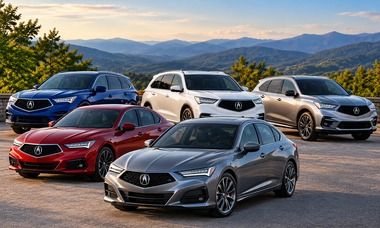
Acura has long been one of the better choices for used luxury-car buyers who want upscale features without the potentially high repair bills associated with many European brands. Built on Honda's engineering experience, many Acura sedans and SUVs have earned strong reputations for durability, comfortable everyday driving, and relatively reasonable long-term ownership costs.
But which used Acura models are the most reliable, and what are the best years to buy? The answer depends on the particular model, engine, transmission, and generation. Some Acuras have proven exceptionally durable, while others have experienced specific mechanical issues that deserve closer attention before purchase.
This guide compares nine popular Acura models, from the older TL and TSX sedans to the newer RDX, MDX, TLX, and Integra. We'll identify promising model years, explain potential problems worth checking, and help you decide which Acura best fits your budget and driving needs.
Or, Looking For "New"?
If you're also considering a new Acura, you may want to come back to this and take a look at a handy technique that locates the dealer in your area most ready to make price concessions.
Are Used Acuras Reliable?
Yes. Acura is generally one of the more reliable luxury brands, and many well-maintained examples can deliver 150,000 to 200,000 miles or more. Models such as the TSX, TL, and certain generations of the RDX and MDX have established particularly good long-term records.
Acura also benefits from sharing some engineering, components, and service knowledge with Honda. This can make maintenance and repairs more manageable than those of some European luxury competitors, although Acura-specific electronics, all-wheel-drive systems, and performance components can still be expensive to repair.
There are important exceptions to Acura's strong overall reputation. Certain older TL and MDX automatic transmissions have experienced failures, some V6 engines have been affected by connecting-rod bearing recalls, and selected models have had oil-consumption or transmission-performance concerns.
Those problems should be evaluated by the specific vehicle and model year rather than treated as weaknesses affecting every Acura. A well-maintained example from a strong production year can still be an excellent used-car purchase.
Used Acura Reliability at a Glance
The following table summarizes the Acura models covered in this guide. Recommended years are starting points for shopping, not guarantees of trouble-free ownership. Always check the vehicle's maintenance history, recall status, and mechanical condition.
| Acura Model | Years Covered | Years Worth Considering | Potential Problems to Check |
|---|---|---|---|
| Acura TLX | 2015–2025 | 2018–2020 four-cylinder; selected 2022–2025 models | V6 transmission, connecting-rod bearing recalls, electronics |
| Acura RDX | 2007–2025 | 2013–2018 V6; selected 2022–2025 models | Turbocharger, transmission behavior, infotainment, fuel-system recalls |
| Acura MDX | 2001–2025 | 2009–2013; selected 2017–2020 and 2022–2025 models | Older transmissions, V6 bearing recalls, oil consumption, electronics |
| Acura ILX | 2013–2022 | 2016–2022 | Dual-clutch transmission behavior, electronics, suspension wear |
| Acura RL | 1996–2012 | 2005–2008; 2011–2012 | Timing-belt maintenance, SH-AWD components, aging electronics |
| Acura TL | 2004–2014 | 2007–2008; 2012–2014 | Earlier automatic transmissions, oil consumption, power steering |
| Acura TSX | 2004–2014 | 2006–2008; 2011–2014 | Power steering, air conditioning, suspension, oil consumption |
| Acura RLX | 2014–2020 | 2016–2020, subject to recall checks | V6 engine recalls, hybrid-system complexity, electronics |
| Acura Integra | 2023–2025 | 2024–2025, subject to recall checks | Steering-system recalls, infotainment, turbo-engine maintenance |
Acura TLX Reliability (2015–2025)
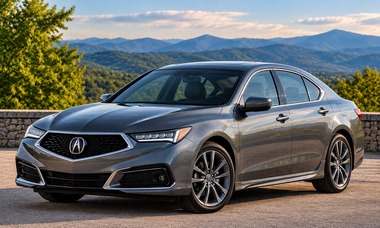
The Acura TLX is a comfortable, well-equipped sport sedan that combines upscale features with generally reasonable ownership costs. Introduced for 2015 as the replacement for the TL and TSX, it has offered several distinct engine and transmission combinations, making powertrain choice particularly important when shopping used.
First-generation TLX models were available with a 2.4-liter four-cylinder engine and eight-speed dual-clutch automatic transmission, or a 3.5-liter V6 paired with a nine-speed automatic. The four-cylinder version is often an appealing choice for buyers prioritizing long-term simplicity and fuel economy. The V6 offers stronger acceleration but has a more complicated transmission and a significant engine-recall history affecting certain vehicles.
The redesigned 2021 TLX introduced a turbocharged 2.0-liter four-cylinder with a ten-speed automatic, while the Type S uses a turbocharged 3.0-liter V6. These newer models offer stronger performance and more advanced technology, but they have less long-term high-mileage history than the earlier naturally aspirated four-cylinder cars.
Potential Acura TLX Problems
- V6 transmission hesitation: Some first-generation V6 models exhibit rough shifts, delayed engagement, or hesitation from the nine-speed automatic. Check for software updates and evaluate shifting during a thorough test drive.
- V6 connecting-rod bearing concerns: Certain 2015–2020 TLX V6 models were included in an engine recall involving potential bearing failure. Verify the specific vehicle's VIN and completed repairs.
- Electrical and infotainment issues: Screen freezes, Bluetooth problems, and intermittent electronic warnings have been reported on some vehicles.
- Suspension and brake wear: Higher-mileage examples may need bushings, brake components, or other routine chassis repairs.
What Are the Best Acura TLX Years to Buy?
The 2018–2020 TLX with the 2.4-liter four-cylinder is a particularly sensible used-car choice for shoppers who value dependability over maximum performance. These later first-generation models benefit from several years of production experience and avoid the V6's connecting-rod bearing recall exposure.
Newer 2022–2025 TLX models are also worth considering, especially for buyers who want more modern technology and sharper handling. However, their long-term reliability is less established, and the 2021 redesign brought additional complexity.
Buyer Takeaway
The TLX can be an excellent used luxury sedan, particularly in four-cylinder form. Buyers considering a V6 should pay special attention to transmission operation, engine recall completion, and service history. A carefully selected TLX offers a strong combination of comfort, performance, and value.
Acura RDX Reliability (2007–2025)

The Acura RDX has been one of the brand's most appealing used luxury SUVs, offering a comfortable cabin, useful cargo space, and generally strong durability. Its reliability record is particularly attractive in the second generation, produced from 2013 through 2018, which uses a naturally aspirated 3.5-liter V6 and a conventional six-speed automatic transmission.
The original 2007–2012 RDX was a sportier, more specialized vehicle powered by a turbocharged 2.3-liter four-cylinder. Although many have held up well, the turbocharger, premium-fuel requirements, and age-related maintenance make it a more demanding purchase today.
The third-generation RDX, introduced for 2019, returned to turbocharged four-cylinder power, this time using a 2.0-liter engine with a ten-speed automatic. It offers considerably more modern technology and refinement, but buyers should distinguish its more complex electronics and powertrain from the relatively straightforward 2013–2018 V6 models.
Potential Acura RDX Problems
- Turbocharger and oil-related issues: On older 2007–2012 models, neglected oil changes can contribute to turbocharger wear and expensive repairs.
- Transmission and driveline behavior: Check for harsh shifting, vibration, or unusual noises, particularly on higher-mileage vehicles.
- Infotainment problems: Some 2019-and-newer models have experienced display, audio, or connectivity glitches.
- Fuel-system concerns: Certain model years have been included in fuel-pump-related recalls. Check the VIN before purchase.
- Suspension and brake wear: Listen for clunks over bumps and inspect for uneven tire wear or brake vibration.
What Are the Best Acura RDX Years to Buy?
The 2013–2018 Acura RDX is one of the strongest used-Acura SUV choices, especially for buyers who want a proven V6 engine and a relatively uncomplicated drivetrain. The 2016–2018 facelift models add updated styling and equipment while retaining the generation's basic mechanical strengths.
For buyers wanting a more modern RDX, the 2022–2025 models deserve consideration, although electronic systems, recall history, and service records warrant careful review. The 2019 model was the first year of a major redesign and merits a particularly thorough inspection.
Buyer Takeaway
A well-maintained 2013–2018 RDX is among the easiest used luxury SUVs to recommend for buyers prioritizing proven mechanical durability. Newer turbocharged models offer more technology and sharper handling, but the older V6 generation remains especially attractive for long-term ownership.
For a more detailed breakdown of model-year reliability, potential problems, and what to inspect before buying, see our Acura RDX Reliability Guide.
Acura MDX Reliability (2001–2025)
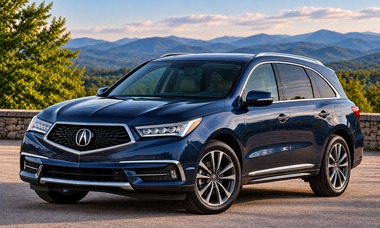
The Acura MDX has been a popular three-row luxury SUV for more than two decades, and many generations have earned favorable reliability records. It combines a comfortable ride, strong V6 performance, available Super Handling All-Wheel Drive (SH-AWD), and family-friendly practicality at prices often below comparable European SUVs.
However, the MDX's reliability history varies substantially by generation. The original 2001–2006 models experienced notable automatic transmission problems, making them more challenging purchases today. The 2007–2013 generation improved considerably and remains a promising choice for buyers seeking an older, affordable luxury SUV.
The 2014–2020 MDX introduced more advanced technology and, beginning in 2016, a nine-speed automatic transmission that generated some complaints about hesitation and shifting quality. Certain 2016–2020 V6 models also fall within a connecting-rod bearing recall population. The redesigned 2022-and-newer MDX uses a ten-speed automatic and provides a more modern interior and driving experience.
Potential Acura MDX Problems
- Early automatic transmission failures: The 2001–2006 models deserve particular caution because of their transmission history. Repairs can exceed the value of an inexpensive example.
- Nine-speed transmission behavior: Some 2016–2020 models exhibit hesitation, harsh shifting, or delayed engagement. Software updates and maintenance records are important.
- Connecting-rod bearing recall: Certain 2016–2020 MDX V6 engines were recalled for possible internal engine damage. Verify recall applicability and completion using the VIN.
- Oil consumption: Some older V6 models have experienced excessive oil use. Review maintenance records and check for signs of low-oil operation.
- SH-AWD and suspension wear: On higher-mileage all-wheel-drive models, inspect differential operation, fluid-service history, suspension bushings, and wheel bearings.
What Are the Best Acura MDX Years to Buy?
The 2009–2013 MDX is an appealing older used-SUV choice, provided its timing-belt service and other maintenance are documented. These models have a generally good durability record, although age-related repairs must be considered.
The 2017–2020 MDX offers a more modern cabin and safety features, but the transmission and engine-recall history make individual vehicle screening essential. Newer 2022–2025 models are also attractive, particularly for buyers seeking updated technology, but they have less established long-term mileage history.
Buyer Takeaway
The MDX remains a strong contender among used three-row luxury SUVs. The key is choosing the right generation and confirming its service history. For an older budget purchase, a carefully maintained second-generation MDX can offer considerable value; newer models provide greater refinement but require closer attention to recalls and electronics.
For a more detailed breakdown of model-year reliability, potential problems, and what to inspect before buying, see our Acura MDX Reliability Guide.
“It's important to always know the value of your trade-in while you're evaluating your next vehicle purchase.”
— Josh Rosenberg, Former Auto Broker
Acura ILX Reliability (2013–2022)
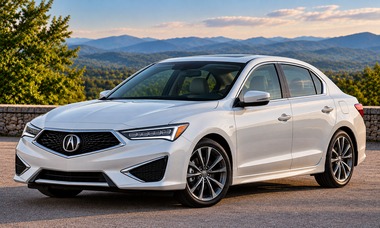
The Acura ILX is a compact luxury sedan that offers one of the more affordable ways to own an Acura. Based on Honda's compact-car engineering, it has generally proven dependable, particularly in later production years. Its relatively simple design, fuel-efficient four-cylinder engines, and modest running costs make it an appealing alternative to more expensive European compact luxury sedans.
The 2013–2015 ILX was available with a 2.0-liter four-cylinder and conventional five-speed automatic, while some early models offered a sportier 2.4-liter engine with a six-speed manual transmission. Beginning in 2016, Acura standardized a 2.4-liter four-cylinder paired with an eight-speed dual-clutch automatic transmission that uses a torque converter to improve low-speed smoothness.
The later combination provides good performance and fuel economy, although its transmission characteristics can feel different from those of a traditional automatic. The ILX's biggest compromises are limited rear-seat space, a somewhat dated cabin, and a firmer ride than some luxury buyers may expect.
Potential Acura ILX Problems
- Dual-clutch transmission behavior: Some 2016–2022 models may exhibit low-speed hesitation or occasional abrupt shifts. Distinguish normal operating characteristics from excessive slipping or harsh engagement.
- Infotainment and electronics: Check the audio system, touchscreen functions, Bluetooth connection, and dashboard warning lights.
- Suspension wear: Higher-mileage examples may develop worn bushings, struts, or other components that produce noises or uneven tire wear.
- Engine oil leaks: Inspect older or high-mileage vehicles for seepage around engine seals and gaskets.
What Are the Best Acura ILX Years to Buy?
The 2016–2022 Acura ILX models are generally the best starting point, with the 2019–2022 facelift versions offering more contemporary styling and updated features. The naturally aspirated 2.4-liter engine has a good reputation for durability when maintained properly.
Earlier 2013–2015 models can also be worthwhile budget choices, particularly if their condition and service history are strong. However, their older technology and comparatively modest performance may make later versions more appealing.
Buyer Takeaway
The ILX is a sensible used luxury sedan for buyers who value dependability, affordability, and manageable maintenance costs more than cutting-edge technology or a spacious interior. A well-maintained later-model ILX can provide much of the Acura ownership experience at a relatively modest price.
Acura RL Reliability (1996–2012)

The Acura RL is an often-overlooked used luxury sedan that offers impressive build quality, a comfortable interior, and a strong reputation for long-term durability. Although it never achieved the sales success of the smaller TL, the RL can be an excellent value for buyers who want a well-equipped luxury car without paying European luxury-car maintenance prices.
The first-generation 1996–2004 RL used a 3.5-liter V6 and front-wheel drive. These cars were generally durable, although their age now makes maintenance history and parts availability especially important. The redesigned 2005–2012 RL introduced Acura's Super Handling All-Wheel Drive (SH-AWD) system, improved handling, and a more sophisticated interior.
The 2005–2008 models used a 3.5-liter V6, while the 2009–2012 versions received a more powerful 3.7-liter V6. The later engine provides stronger performance, but its oil-consumption history deserves additional attention.
Potential Acura RL Problems
- Oil consumption: Some 2009–2012 models equipped with the 3.7-liter V6 may consume excessive oil. Check the oil level, maintenance records, and evidence of frequent topping off.
- SH-AWD system wear: Inspect the rear differential and related drivetrain components for unusual noises, vibration, or neglected fluid changes.
- Power steering concerns: Older RL models may develop pump noise, leaks, or steering-system wear.
- Electrical accessories: Aging navigation systems, audio components, climate controls, and power accessories can require repairs.
- Timing-belt maintenance: Both V6 engine families require scheduled timing-belt replacement. Missing documentation is a significant negotiating and maintenance consideration.
What Are the Best Acura RL Years to Buy?
The 2005–2008 Acura RL is particularly appealing because it combines the improved second-generation chassis and SH-AWD system with the earlier 3.5-liter V6. These models can provide excellent value when properly maintained.
The 2011–2012 RL also deserves consideration because of its updated six-speed automatic transmission and later-production refinements. However, buyers should investigate oil consumption on the 3.7-liter engine and confirm that major maintenance has been completed.
Buyer Takeaway
A well-maintained RL can be a surprisingly good used luxury sedan, especially for buyers who value comfort, build quality, and all-weather handling over modern styling. Because these cars are now older and relatively uncommon, prioritize service history, mechanical condition, and the availability of replacement parts over low mileage alone.
Acura TL Reliability (2004–2014)

The Acura TL is one of the brand's most successful luxury sedans and remains a strong choice for buyers seeking an affordable combination of performance, comfort, and durability. Its well-built interior, responsive V6 engines, and relatively manageable maintenance costs have helped many examples remain on the road well beyond 150,000 miles.
The third-generation 2004–2008 TL offered a 3.2-liter V6, while the performance-oriented 2007–2008 Type-S used a 3.5-liter V6. The Type-S is particularly desirable among enthusiasts because of its stronger acceleration, sport-tuned suspension, and available six-speed manual transmission.
The fourth-generation 2009–2014 TL introduced a roomier cabin, a standard 3.5-liter V6, and an available 3.7-liter V6 with SH-AWD. These later cars offer greater refinement, although the 3.7-liter engine has a more concerning oil-consumption history than the standard 3.5-liter version.
Potential Acura TL Problems
- Automatic transmission failures: The 2004–2006 TL deserves closer inspection because some vehicles experienced premature transmission wear or failure. Later third-generation models generally have a better record.
- Oil consumption: Some 2009–2014 TL models equipped with the 3.7-liter V6 consume excessive oil. Ask about oil use between changes and check service documentation.
- Power steering leaks: Older models may develop leaking hoses, noisy pumps, or other steering-system problems.
- Dashboard and interior deterioration: Cracked dashboards, worn leather, and aging electronic components are worth checking, especially in hot climates.
- Timing-belt service: The V6 engines require scheduled timing-belt replacement. Verify that the belt and related components have been serviced at the appropriate intervals.
What Are the Best Acura TL Years to Buy?
The 2007–2008 Acura TL is an excellent starting point, particularly for buyers who appreciate the third generation's styling and driving characteristics. These later models generally have a more favorable transmission record than the earliest 2004–2006 examples.
The 2012–2014 TL is another strong choice, especially with the standard 3.5-liter V6 and front-wheel drive. The updated six-speed automatic transmission and later-production refinements make these cars attractive for buyers seeking a newer, more comfortable sedan.
For a closer examination of the different generations, model-year differences, and mechanical issues worth checking, see our Acura TL Reliability Guide.
Buyer Takeaway
The TL is one of the better older luxury sedans to consider, provided you choose carefully. Favor the later third-generation models or a well-maintained 2012–2014 example with the 3.5-liter V6. Check transmission operation, oil consumption, and timing-belt records before making an offer.
Acura TSX Reliability (2004–2014)

The Acura TSX is one of the most dependable used luxury sedans from its era. Based on Honda's proven four-cylinder engineering, it offers responsive handling, a well-finished interior, good fuel economy, and the potential for exceptionally long service life when properly maintained.
The first-generation 2004–2008 TSX used a naturally aspirated 2.4-liter four-cylinder engine, available with a six-speed manual or five-speed automatic transmission. These cars earned an especially favorable reputation for mechanical durability and engaging driving characteristics.
The redesigned 2009–2014 TSX continued with an updated 2.4-liter four-cylinder and introduced an optional 3.5-liter V6 for 2010. The four-cylinder remains the preferred choice for buyers primarily concerned with reliability and operating costs, while the V6 delivers stronger acceleration at the expense of fuel economy and additional maintenance.
Potential Acura TSX Problems
- Oil consumption: Some higher-mileage 2.4-liter engines may begin consuming oil between changes. Check the oil level and ask about topping-off frequency.
- Power steering problems: Older examples can develop steering pump noise, fluid leaks, or related component wear.
- Air conditioning failures: Compressors, condensers, relays, and other climate-control components may require replacement as the vehicle ages.
- Suspension and engine mounts: Worn mounts, bushings, struts, and related components can cause vibration, clunks, or reduced ride quality.
- Electrical accessories: Test the navigation system, Bluetooth, door locks, windows, and other electronic features.
What Are the Best Acura TSX Years to Buy?
The 2006–2008 Acura TSX is an excellent choice for buyers seeking a durable, enjoyable older sedan with relatively straightforward mechanical components.
The 2011–2014 TSX is also attractive, offering a more spacious interior and newer equipment. For long-term ownership, the 2.4-liter four-cylinder is generally preferable to the V6 because of its simpler maintenance requirements and lower operating costs.
Buyer Takeaway
A well-maintained four-cylinder TSX is among the strongest used Acura choices for buyers who prioritize durability and affordable ownership. Its biggest concerns today are often ordinary age-related repairs rather than serious inherent engine or transmission weaknesses. A documented maintenance history is especially valuable.
Acura RLX Reliability (2014–2020)
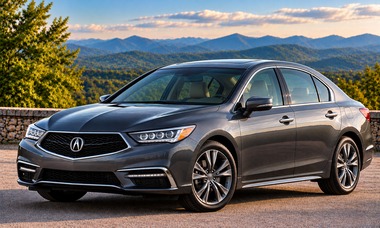
The Acura RLX replaced the RL as the brand's flagship sedan for 2014. Although it never became a major sales success, it offers a spacious, quiet interior, comfortable ride, and generous luxury features. Used prices can be surprisingly attractive compared with those of similarly equipped European luxury sedans.
Most RLX models use a naturally aspirated 3.5-liter V6 with front-wheel drive. Acura also offered a Sport Hybrid version combining the V6 with electric motors and an advanced all-wheel-drive system. The hybrid provides impressive acceleration and handling, but its added complexity deserves consideration as the vehicles age.
Overall, the RLX has a reasonably favorable reputation for build quality, but its limited production volume means long-term reliability information is less extensive than for the TL or TSX. Certain V6 models also require careful recall screening.
Potential Acura RLX Problems
- V6 connecting-rod bearing recall: Certain 2014–2020 RLX models were included in an engine recall involving possible bearing damage. Verify recall applicability and completed repairs using the VIN.
- Hybrid-system complexity: Sport Hybrid models have additional electric motors, battery components, and specialized drivetrain systems. Have these inspected by a technician familiar with Acura hybrids.
- Infotainment and electronics: Check the dual-screen controls, navigation, audio system, and driver-assistance features for proper operation.
- Transmission behavior: Evaluate shifting and engagement carefully, especially on vehicles with incomplete service histories.
- Replacement-part availability: Because relatively few RLX sedans were sold, certain model-specific body, interior, and electronic parts may be more difficult or expensive to obtain.
What Are the Best Acura RLX Years to Buy?
The 2016–2020 Acura RLX models are reasonable starting points, particularly for buyers seeking a comfortable flagship sedan at a substantial discount from its original price. However, no single year stands out as a clearly superior reliability choice.
The 2018–2020 facelift models offer updated styling and equipment. Buyers considering the Sport Hybrid should weigh its performance advantages against potentially higher long-term repair costs.
Buyer Takeaway
The RLX can be an excellent value for buyers who want a comfortable, understated luxury sedan. A well-maintained conventional V6 model is generally the simpler ownership proposition. Before buying, verify engine recall status, test every electronic feature, and investigate the availability of specialized replacement parts.
Acura Integra Reliability (2023–2025)
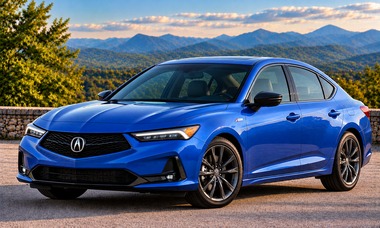
The modern Acura Integra returned for 2023 as a sporty compact luxury hatchback. Sharing much of its engineering with the Honda Civic, it combines practical cargo space, sharp handling, good fuel economy, and an upscale interior. It is especially appealing to buyers who want a smaller, more engaging Acura rather than a traditional luxury sedan.
Most Integra models use a turbocharged 1.5-liter four-cylinder engine with a continuously variable transmission (CVT), while a six-speed manual transmission is available on selected trims. The performance-oriented Type S, introduced for 2024, uses a more powerful turbocharged 2.0-liter four-cylinder paired exclusively with a six-speed manual.
Because the modern Integra is relatively new, its long-term high-mileage reliability is not yet as well established as that of older models such as the TSX. Its shared Honda engineering is encouraging, but buyers should still evaluate recalls, maintenance records, and the condition of the specific vehicle.
Potential Acura Integra Problems
- Steering-system recalls: Certain 2023–2025 Integra models were included in a recall involving possible increased steering effort. Verify completion of the applicable repair.
- Infotainment and electronics: Some owners have reported intermittent connectivity, display, or electronic-control glitches.
- Turbocharged engine maintenance: Regular oil changes are particularly important for long-term turbocharger and engine durability. Investigate unusual noises, leaks, or incomplete maintenance records.
- CVT operation: On automatic-equipped models, check for abnormal shuddering, hesitation, or unusual noises during acceleration.
- Manual-transmission and clutch wear: On six-speed manual models, inspect clutch engagement and shifting quality, particularly if the vehicle may have been driven aggressively.
What Are the Best Acura Integra Years to Buy?
The 2024–2025 Integra models are reasonable starting points for buyers seeking a nearly new sport compact, although there is not yet enough long-term reliability history to establish a definitive best year.
The 2023 model can also be a worthwhile purchase if priced attractively and properly maintained. Regardless of year, verify completion of applicable steering recalls and inspect the transmission carefully.
Buyer Takeaway
The Integra is a promising used Acura for buyers who value sporty handling, practicality, and modern safety technology. The standard 1.5-liter turbo provides a good balance of performance and efficiency, while the Type S appeals to enthusiasts willing to accept higher purchase and operating costs. Long-term reliability remains a developing picture.
Acura Alternatives to Consider
Lexus: If long-term reliability and relatively low luxury-car maintenance costs are your highest priorities, used Lexus models deserve serious consideration. The Lexus ES is a particularly strong alternative to the TLX and RLX, while the RX competes with the RDX and MDX. Lexus generally emphasizes comfort and durability more than sporty handling.
Infiniti: Buyers looking for powerful engines and appealing used-car prices may want to consider an Infiniti. The Q50 competes with Acura's sport sedans, while the QX50 and QX60 offer SUV alternatives. However, Infiniti reliability varies considerably by engine and transmission, making model-year research especially important.
BMW: Drivers who place a higher priority on performance and handling should compare used BMW models. The 3 Series competes with the TLX, while the X3 and X5 are alternatives to the RDX and MDX. BMWs can deliver a more engaging driving experience, but maintenance and repair expenses are generally higher.
Mercedes-Benz: Buyers seeking a more traditional luxury experience may prefer used Mercedes-Benz models. The C-Class and E-Class compete with Acura sedans, while the GLC and GLE offer alternatives to Acura SUVs. Mercedes models often provide more sophisticated interiors and technology, although long-term ownership costs can be considerably greater.
Final Verdict: Is a Used Acura a Good Car to Buy?
Yes. A carefully chosen used Acura is one of the better luxury-vehicle purchases for buyers who value reliability, comfort, and manageable long-term ownership costs. The brand's Honda engineering foundation has helped many Acura sedans and SUVs remain dependable well beyond 150,000 miles, with properly maintained examples sometimes exceeding 200,000 miles.
For buyers prioritizing proven mechanical durability, the four-cylinder TSX, later ILX, 2013–2018 RDX, and selected TL models are particularly attractive. Families seeking a three-row SUV should consider the MDX, while the TLX offers a compelling balance of modern luxury and driving enjoyment.
Still, Acura's reputation should not replace careful research. Certain older automatic transmissions, V6 oil-consumption concerns, engine recalls, and increasingly complex electronics make individual model-year and powertrain selection important. A pre-purchase inspection and complete service history are worth far more than a luxury badge alone.
Ultimately, the best used Acura is not necessarily the newest or lowest-mileage example. It's the one with a strong reliability record, appropriate maintenance, completed recalls, and a purchase price that leaves room for future ownership expenses.
Pricing
Knowing you may want an Acura is step 1. Step 2 is knowing how to actually get an excellent used Acura price.
Also, one of the biggest factors in what you'll ultimately pay for your next car is how much you get for your trade-in. See KBB vs. Edmunds Appraisals: Which Is Better? to learn how the two services compare and how to use them to maximize your offer from a dealer.
Some Insider Insights:
Understand Car Loans And The Better Choices