

When people look at a car like the 2010 Infiniti G37 today, the question is no longer whether it was impressive when new. It clearly was. The more relevant question in 2026 is how it behaves after 15+ years of aging, miles, ownership history, and deferred maintenance cycles.
This is where the G37 becomes interesting. It sits in that category of early-2010s luxury performance cars that still feel mechanically solid, but no longer benefit from “new car” engineering margins. What you’re really buying today is the long-term durability of Nissan’s VQ37VHR V6 platform, plus whatever condition the specific example has been kept in.
How It Has Aged in the Real World
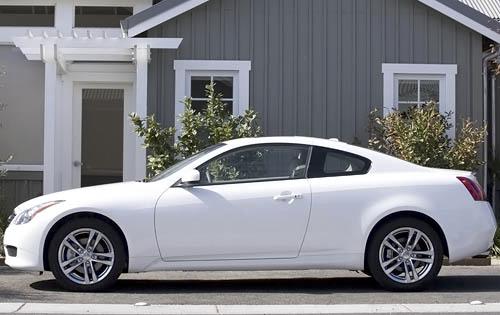
The 2010 G37 has aged better than many of its European rivals from the same era, largely because of its mechanically simple, overbuilt powertrain and relatively conservative electronics.
The core strength remains the 3.7L V6, which has proven durable when oil changes and cooling system maintenance are kept up. Unlike many luxury coupes or sedans that age into expensive electrical or turbo-related failures, the G37 generally aged in a more predictable pattern.
However, it is not immune to age-related degradation. Rubber components, suspension wear, cooling system aging, and electrical accessory failures become more relevant after the 120k–180k mile range. At this stage, condition matters more than model reputation.
Reliability: Still Above Average for Its Class
The 2010 G37 continues to hold up better than most. Historically, it has been rated above average for its segment, with relatively low annual repair costs compared to other luxury midsize cars of its era.
Key reasons it still performs well:
- Naturally aspirated V6 (no turbo complexity)
- Proven Nissan FM platform engineering
- Fewer transmission failures than many competitors
- No widespread catastrophic design flaws
That said, “reliable” does not mean “no worries.” Most of these surviving G37s today have aged into a phase where any deferred maintenance becomes the key issue.
2010 Infiniti G37 Mechanical Problem Watchlist:
Despite its very good reputation for reliability, the 2010 G37, like any car model, has had its share of reported mechanical issues. But importantly, not widespread. These more common problems reported by owners and mechanics should be checked before buying:
Steering: There were occasional complaints about power steering issues, such as leaks or failure, which could result in the loss of power steering assistance.
Brake Problems: Some owners reported premature brake wear or issues with the brake system, including brake pads wearing out faster than expected.
Radiator and Cooling System: There were instances of radiator leaks or failures, leading to overheating. Cooling system problems were also reported by some owners.
Electrical Issues: Certain electrical components, like window motors, door locks, or dashboard electronics, were occasionally reported to malfunction or fail.
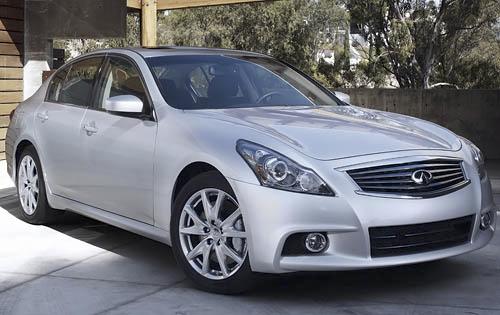
Transmission Problems: Not typically failure-prone, but rough shifting or delayed engagement can appear in higher-mileage units.
Suspension Components: One of the most common “feels fine until it doesn’t” categories—bushings and struts often wear gradually.
None of these are unusual for a car of this age. The key variable is whether they’ve already been addressed.
Multiple dealers → compete for your business → you save
More On Reliability: Also, if you'd like to learn if this model and year ranks among the top used cars, trucks, and SUVs for reliability, be sure to read our Most Reliable Vehicles Guide: Best Models & Years. This comprehensive guide highlights the best years to buy or avoid, common problems, potential maintenance costs, and more, and will likely help you make the right choice to meet your needs.
Overall Pros And Cons
Pros:
Powerful Engine: The G37 typically comes with a potent V6 engine that delivers strong acceleration and performance, and with proven longevity.
Handling: It has responsive and sporty handling even by modern standards, making it enjoyable to drive, especially on winding roads.
Luxurious Interior: The interior is well-crafted with high-quality materials and offers a comfortable and upscale cabin.
Tech Features: Infiniti equipped the G37 with various tech features like a navigation system, Bluetooth connectivity, and a premium audio systems.
Reliability Generally better reliability than many European rivals of the same era.
Good Value: Compared to some competitors in its class, this G37 has offered good value for the performance, luxury, and solid build quailty it provides.
Cons:
Fuel Economy: The G37's powerful engine comes at the cost of fuel efficiency, which is somewhat lower than some rivals in its class.
Limited Rear Legroom: The rear seats might feel cramped for taller passengers, especially in the coupe, and also when compared to other luxury cars in the same segment.
Outdated Infotainment: While it had decent tech for its time, the infotainment system might feel outdated compared to more modern systems in newer cars.
Ride Comfort: The sporty suspension might make the ride feel a bit firm or rough, which might not suit everyone's preferences, especially on rough roads.
Maintenance:Age-related repairs become increasingly likely after 120k+ miles.
And another con ...
There are other numbers besides price that can significantly affect the final out-the-door cost. A well-negotiated selling price can quickly lose its advantage if the dealer makes up for the concession with a below-market trade-in offer. Also, dealer fees and add-ons can further increase the final cost, making it important to learn which fees you must pay, can negotiate, or should avoid.
To become better informed about these important but often-confusing parts of the deal, be sure to see my articles on trade-ins and dealer fees.
Maintenance Cost Outlook (2026 Ownership Reality)
One of the G37’s strengths is that it does not behave like a typical “expensive to maintain luxury car”. Still, repairs should be expected.
Typical ownership cost profile today:
- Moderate annual maintenance if well maintained: still reasonable
- Higher costs if deferred maintenance exists (very common in 15+ year old examples)
- Parts availability remains good due to shared Nissan platform components
- Labor costs rise mainly due to age-related repairs, not complexity
Where money usually goes at this age:
- Suspension refresh (struts, bushings, control arms)
- Cooling system aging (radiator, hoses, thermostat)
- Oil leaks (valve covers, seals)
- Brake system wear
- Electrical accessory failures (windows, door locks, sensors)
A well-maintained example can still be relatively economical. A neglected one can quickly become unpredictable.
Driving Experience and Mechanical Character
This G37 still feels like a genuinely strong driver’s car even by modern standards.
The 3.7L V6 delivers smooth, linear power with strong midrange acceleration. The 7-speed automatic (or 6-speed manual in some trims) prioritizes responsiveness over refinement. Steering feedback is heavier and more mechanical than modern electric systems, which many buyers still prefer.
Ride quality is firmly on the sport side. That means stability and control at speed, but a firmer low-speed experience, especially on worn suspension components.
In short: it hasn’t aged into a “soft luxury cruiser”—it has aged into a more raw, mechanical-feeling performance sedan/coupe.
Interior and Technology: The Most Obvious Aging Point
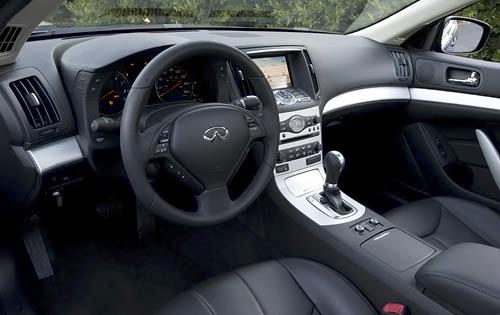
This is where the gap between 2010 and modern vehicles is most visible.
The cabin still feels upscale in material quality, especially leather and trim durability, but the tech is clearly dated:
- Older navigation interface
- Basic Bluetooth integration by modern standards
- Limited driver assistance (essentially none by today’s baseline)
- Infotainment responsiveness feels slow compared to modern systems
What has held up better than expected are the physical durability—buttons, switches, and seating surfaces that generally age better than the electronics.
Should You Buy a 2010 Infiniti G37 in 2026?
A 2010 G37 can still make sense, but only under specific conditions.
It is a good buy if:
- Maintenance history is documented
- Cooling system and suspension have been addressed or are in good shape
- You want a naturally aspirated performance car with simple mechanics
- You accept older tech and firmer ride characteristics
It becomes a risky buy if:
- Service history is unclear
- You are trying to minimize all maintenance spending
- You expect modern comfort, infotainment, or driver assistance features
- You are buying purely based on mileage instead of condition
At this age, the 2010 G37 is less about the model itself and more about whether you are buying a well-preserved example or a deferred-maintenance project.
Conclusion
The 2010 Infiniti G37 has aged in a fairly predictable and mostly favorable way mechanically. Its V6 engine and overall platform durability are the main reasons it remains relevant in the used luxury market.
But its long-term ownership reality in 2026 is no longer defined by its original reputation. It is defined by aging components, maintenance history, and whether previous owners treated it as a performance car or simply deferred upkeep.
In good condition, it still offers a strong blend of performance and reliability. In poor condition, it becomes just another aging luxury car with compounding repair needs.
Also, if you're serious about buying soon, I'd highly recommend reading my most effective negotiation method for used cars, which details a quick way to identify the dealerships most motivated to "deal", no matter how busy they may seem, and how to follow up once you've found them. This can be the difference between getting a good price and getting a great one. And a variation of it is my top method for new cars, if you are also exploring that market.
You can see them here at used cars and new cars.