


2010 Audi A4 Reliability
The 2010 Audi A4 is an appealing used luxury sedan, but reliability is considerably more mixed than with many of the other vehicles we've covered. Its combination of a refined interior, excellent road manners, available quattro all-wheel drive, and strong turbocharged performance still makes it attractive today, but the 2010 model's 2.0-liter turbocharged engine has several known problems that can become expensive as mileage increases.
Most 2010 A4 models sold in the United States use Audi's turbocharged 2.0-liter four-cylinder engine. It provides strong low-end torque and good fuel economy, but this generation is particularly important to inspect for excessive oil consumption. Some engines can consume substantial amounts of oil between changes, and a car that has repeatedly been driven with insufficient oil presents considerably greater risk.
Timing-chain system condition is another major consideration. Although the engine uses a timing chain rather than a timing belt, that doesn't mean the system can simply be ignored for the life of the vehicle. Problems involving the chain tensioner and related components can allow the chain to become loose or jump timing, potentially causing severe internal engine damage.
The engine also uses direct fuel injection, which can lead to carbon accumulation on the intake valves. As deposits build, the engine may develop rough idle, hesitation, misfires, or reduced performance. Cleaning the intake valves can restore performance, but it adds another maintenance consideration that buyers of simpler naturally aspirated sedans don't face.
Transmission reliability depends partly on configuration. Quattro models commonly use a conventional automatic transmission, while front-wheel-drive versions may use Audi's Multitronic continuously variable transmission. For long-term ownership, I would generally favor a quattro model with the conventional automatic over a front-wheel-drive car equipped with the Multitronic CVT.
The A4's suspension, steering, electronics, cooling system, and luxury accessories also become increasingly important with age. None automatically makes the car unreliable, but repair costs can be significantly higher than those for a mainstream sedan. A neglected A4 bought cheaply can therefore become expensive very quickly.
Overall, I would rate the 2010 Audi A4 as below average for long-term reliability compared with the best cars in its class. It can still be a satisfying used car, but maintenance history and evidence of important engine repairs or updates should carry far more weight than mileage alone.
- Overall reliability: Below Average
- Expected lifespan: 150,000 to 200,000+ miles is realistic with excellent maintenance, with some well-maintained examples going farther
- Best choice: Quattro model with documented maintenance and evidence that known engine concerns have been addressed
- Watch for: Excessive oil consumption, timing-chain tensioner problems, carbon buildup, water pump leaks, PCV problems, transmission operation, and electrical faults
Bottom line: The 2010 Audi A4 can be enjoyable to own, but it isn't a used luxury sedan I'd recommend buying casually. The 2.0-liter turbo engine's oil-consumption and timing-chain concerns make service history particularly important. A properly maintained example with important problem areas already addressed can be worthwhile; a cheap A4 with an unknown history can easily become an expensive project.
- Why it's a good choice: Excellent interior, strong turbocharged performance, good fuel economy, refined road manners, and impressive quattro all-wheel-drive capability
- Biggest concern: Expensive engine damage related to oil consumption or timing-chain system problems
- Best version: Quattro-equipped car with extensive records and documented attention to known engine issues
- Buy only if: Oil consumption is acceptable, timing-chain condition has been evaluated, the transmission operates correctly, and an Audi/VW specialist performs a pre-purchase inspection
Other A4 Model Year Reliability
If you'd like to compare this A4 model year to the reliability of other model years, be sure to read Audi A4 Reliability & Problems: Best Used Models & Years. This comprehensive guide highlights the best years to buy or avoid, common problems, potential maintenance costs, and more, and will likely help you make the right choice for your needs.
Is the 2010 Audi A4 a Good Year or One to Avoid?
The 2010 Audi A4 is a year I would approach cautiously rather than classify as one of the better used A4 years. It isn't an automatic "never buy," because well-maintained examples can provide substantial mileage and excellent driving characteristics. However, the potential combination of oil consumption, timing-chain problems, carbon buildup, cooling-system repairs, and aging electronics creates more financial risk than many competing used sedans.
The condition of the individual engine is especially important. An A4 with documentation showing that major known issues were professionally addressed may actually be a better purchase than a lower-mileage example still running entirely original components. On a car of this age, evidence of appropriate repairs can be an asset rather than something that should automatically scare you away.
I would also favor quattro over a front-wheel-drive version equipped with the Multitronic CVT. Quattro is one of the A4's defining advantages anyway, and avoiding the Multitronic removes another potential long-term concern.
Buyer Takeaway: I would classify the 2010 A4 as a "buy only after careful inspection" year. There are safer choices if maximum reliability and minimum repair costs are your priorities. But if you specifically want an Audi A4, a well-documented 2010 with known engine concerns addressed can be considerably more attractive than its reputation might initially suggest.
2010 Audi A4 Common Mechanical Problems
The 2010 Audi A4 has several problems that deserve more attention than ordinary age-related wear. Some can result in expensive engine repairs, which is why a specialist inspection and complete service history are particularly valuable before buying one.
- Excessive oil consumption: This is one of the most important concerns with the 2.0-liter turbocharged engine. Some engines can consume significant amounts of oil because of piston and piston-ring related issues. Ask the owner specifically how much oil the engine uses between changes rather than simply asking whether it "uses oil." Frequent topping-off or a history of low oil levels should be taken seriously.
- Piston and piston-ring problems: Significant oil consumption can ultimately require much more than replacing a gasket or seal. In severe cases, internal engine work involving pistons and rings may be necessary. Documentation showing that an affected engine received appropriate corrective work can substantially change the desirability of a particular car.
- Timing-chain tensioner failure: The timing-chain tensioner is a particularly important component on this engine. A failing or outdated tensioner can allow excessive chain slack and potentially permit the chain to jump timing. Because the engine is an interference design, this can result in major internal damage. Verification of tensioner condition or replacement history is highly desirable.
- Timing-chain stretch and startup rattle: Chain and related component wear can produce rattling during cold startup or timing-related diagnostic codes. Persistent rattling shouldn't be dismissed as normal behavior. Timing-system condition should be evaluated by a technician familiar with these engines.
- Intake valve carbon buildup: Direct injection means gasoline doesn't continually wash deposits from the backs of the intake valves. Carbon can therefore accumulate over time, causing rough idle, hesitation, reduced power, poor fuel economy, or misfires. Mechanical intake-valve cleaning may eventually be necessary.
- PCV system failure: Problems with the positive crankcase ventilation system can contribute to vacuum leaks, rough idle, unusual whistling noises, oil consumption, or other drivability symptoms. PCV components aren't necessarily catastrophic or exceptionally expensive, but they are common enough to deserve attention.
- Water pump and thermostat problems: Cooling-system components can develop leaks or fail, sometimes at relatively modest mileage. Check the coolant level and inspect for dried coolant residue. Any history of overheating deserves careful investigation because overheating can compound other engine problems.
- Ignition coil failures: Failing ignition coils can cause misfires, rough running, reduced power, and a flashing or illuminated check-engine light. Coil replacement is relatively straightforward, but repeated misfires should be properly diagnosed rather than automatically blamed on the coils.
- Turbocharger and wastegate wear: Higher-mileage vehicles can develop turbocharger-related problems, including wastegate wear, boost-control faults, unusual noises, or reduced performance. Turbo replacement can be expensive, so inconsistent boost or abnormal turbo noises deserve professional diagnosis.
- Front-wheel-drive Multitronic CVT problems: Front-wheel-drive versions may be equipped with Audi's continuously variable transmission. Shuddering, hesitation, slipping, delayed engagement, or unusual transmission behavior should be treated cautiously. For an older A4, I would generally prefer the conventional automatic used with quattro.
- Automatic transmission service: Quattro models with a conventional automatic transmission are generally preferable, but they still benefit from proper fluid servicing. Harsh shifts, delayed engagement, or shuddering should be investigated before purchase.
- Control arm and suspension bushing wear: Audi's sophisticated suspension provides excellent ride and handling but uses numerous joints and bushings that eventually wear. Clunking over bumps, vague steering, uneven tire wear, or poor alignment can indicate that multiple suspension components need replacement.
- Wheel bearing wear: A humming or growling noise that increases with road speed can indicate a worn wheel bearing. This is relatively normal on an older car, but several suspension and bearing repairs together can become costly.
- Electrical and electronic problems: Window regulators, door locks, sensors, infotainment components, electronic parking brake components, lighting systems, and other accessories can develop faults. Test every feature because diagnostic labor can sometimes cost more than the failed component itself.
- Oil and coolant leaks: Valve cover areas, vacuum pump seals, cooling-system components, and other gaskets can begin leaking with age. Minor seepage is different from a substantial leak, but multiple leaks can create a surprisingly large repair bill.
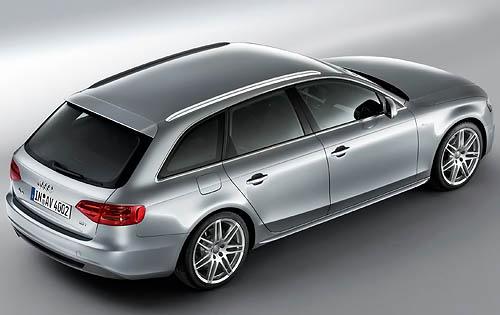
The 2010 A4 is a good example of why the number of previous repairs shouldn't necessarily determine whether you buy a used car. An A4 with documented piston-related corrective work, an updated timing-chain tensioner, a recently serviced cooling system, and regular maintenance may be considerably safer than an apparently untouched lower-mileage example.
Buyer Tip: Have the car inspected by an independent Audi/VW specialist rather than relying only on a general used-car inspection. Ask specifically about oil consumption, timing-chain tensioner condition, timing-chain adaptation or wear, carbon buildup, cooling-system leaks, and transmission type. Scan all vehicle modules for stored faults even if no warning lights are currently illuminated.
2010 Audi A4 Pros and Cons
The 2010 A4 illustrates the difference between an inexpensive luxury car and an inexpensive car to own. Depreciation has made these Audis surprisingly affordable to purchase, and they still provide a level of interior quality, handling, and refinement that many mainstream sedans can't match. The downside is that one major engine repair can easily erase the savings from a low purchase price.
Pros
- Excellent interior quality: Materials, design, seating, and controls give the A4 a genuinely premium feel, and well-maintained interiors can age impressively.
- Strong turbocharged performance: The 2.0-liter turbo provides useful low-rpm torque and good everyday acceleration without requiring a large engine.
- Good fuel economy: Considering the performance and available all-wheel drive, fuel economy can be quite respectable.
- Excellent quattro system: Audi's all-wheel-drive system provides impressive traction in rain and snow and is one of the strongest reasons to choose the A4 over some competitors.
- Refined handling: The A4 combines secure handling with good highway stability and a substantially more sophisticated driving feel than many mainstream sedans.
- Attractive used prices: Depreciation makes the 2010 A4 available for a fraction of its original price, sometimes placing it in the same price range as ordinary economy cars.
- Strong specialist support: Because Audi and Volkswagen products are popular, experienced independent specialists and aftermarket parts are widely available in many areas.
- Repairs already completed can add value: A documented example with major known trouble areas professionally addressed can be much more attractive than an untouched car with fewer miles.
Cons
- Excessive oil consumption can be serious: This isn't merely an inconvenience on some engines. Severe consumption can involve internal engine components and become very expensive to correct.
- Timing-chain problems carry major consequences: A failed tensioner or jumped chain can result in extensive internal engine damage.
- Carbon buildup requires additional maintenance: Direct injection introduces an intake-valve maintenance concern not found on many simpler port-injected engines.
- Cooling-system components can fail: Water pumps and related components add another known repair area to investigate.
- Front-wheel-drive CVT is less desirable: The Multitronic transmission introduces additional risk on an older vehicle and makes quattro versions more appealing for long-term ownership.
- Suspension repairs can be expensive: The sophisticated chassis that gives the A4 excellent road manners contains numerous components that eventually wear.
- Luxury electronics add complexity: A collection of relatively minor electronic faults can become expensive to diagnose and repair.
- A cheap purchase price can be misleading: Buying a neglected A4 for several thousand dollars less than a comparable Lexus doesn't save money if it immediately requires several thousand dollars in engine and chassis work.
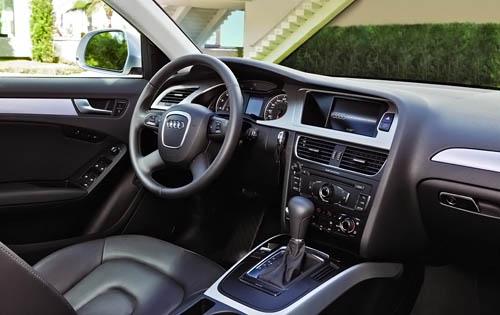
Buyer Takeaway: The 2010 Audi A4 is best suited to someone who values its driving experience, interior quality, and quattro all-wheel drive enough to accept greater maintenance risk. If your primary goal is inexpensive, trouble-free transportation, there are better choices. If you specifically want an A4, however, don't automatically seek the lowest-mileage car. Look for a quattro example with extensive service documentation and evidence that the oil-consumption and timing-chain issues have been properly evaluated or addressed. With this particular model, paying more for the right maintenance history can be far less expensive than buying the cheapest car.
If you're considering other Audi models, our Used Audi Reliability Guide compares nine popular Audi cars and SUVs, including their most common mechanical problems, the best years to buy, and model years that deserve closer inspection. It's a useful way to compare your options before deciding which used Audi is right for you.
Your Trade-In
Also, it's good to always know the value of your trade-in while you're evaluating your next possible purchase. Here's a good source for a quick and accurate appraisal: free trade-in appraisal.
What's Next?
If you may be buying soon, I'd recommend reading my most effective negotiation method for used cars. It explains a quick way to identify the dealerships most motivated to deal, no matter how busy they may seem, and how to follow up once you've found them. That can be the difference between getting a good price and getting a great one.
Or, if you'd consider buying a brand-new vehicle if you could get a lower-than-expected price, learn how to shop the dealer, not just the car.
Lastly, beware of "Dealer Fees": Before agreeing to a dealer's numbers, see which dealer fees are legitimate, which can be negotiated, and which can be avoided.