

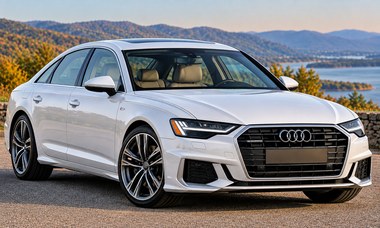
The Audi A6 can be an excellent used luxury sedan, but reliability varies considerably by generation, engine and drivetrain. The best A6s combine strong engines, excellent highway comfort and Audi's quattro all-wheel drive with reasonable long-term durability. The wrong one can expose a used-car buyer to expensive oil-consumption, cooling-system, transmission, electrical or suspension repairs.
A properly maintained Audi A6 can realistically last 150,000 to 200,000 miles, and some exceed 200,000 miles. The important distinction is that an A6 usually requires more preventive maintenance and a larger repair budget to reach that mileage than a simpler mainstream sedan.
This guide covers the 2005-2024 Audi A6 sold in the U.S., including four-cylinder, V6 and V8 gasoline engines and both front-wheel-drive and quattro versions where applicable. The goal isn't simply to identify good and bad years, but to distinguish the engines, transmissions and mechanical problems that can make two similar-looking A6s very different used-car purchases.
In This Guide You'll Learn
- Which Audi A6 years are generally the best to buy
- Which A6 years deserve more caution
- How many miles an Audi A6 can realistically last
- Which Audi A6 generation is most reliable
- Which A6 engines are the better high-mileage choices
- Which years have excessive oil-consumption concerns
- Why some A6 models develop coolant leaks
- What to know about CVT, Tiptronic and S tronic transmissions
- What can go wrong with the C8 48-volt mild-hybrid system
- What to check before buying a high-mileage Audi A6
Audi A6 Reliability Overview
Overall Audi A6 reliability is best described as highly dependent on powertrain and maintenance history. The A6 has used everything from turbocharged four-cylinder engines and naturally aspirated V6s to supercharged V6s, V8s and newer turbocharged mild-hybrid engines. Transmission choices have also changed substantially.
The 2005-2011 A6 is now primarily an age-and-condition purchase. The basic engines can last, but timing components, oil leaks, cooling-system problems, electronics and neglected maintenance can make a cheap example expensive quickly.
The 2012-2018 generation contains some particularly attractive used A6 configurations. The supercharged 3.0-liter V6 is a strong performer with good high-mileage potential when maintained correctly, while the 2.0-liter turbocharged four-cylinder requires more careful attention to oil-consumption and cooling-system history, especially among earlier examples.
The 2019-2024 A6 is considerably more sophisticated. Turbocharged engines, mild-hybrid electrical systems, extensive electronics and dual-screen infotainment make it a much more modern luxury sedan, but also introduce additional systems that can fail outside warranty.
With any A6, service history matters enormously. Regular oil changes are only the beginning. Cooling-system repairs, transmission servicing, ignition components, engine-specific maintenance and prompt attention to warning lights can determine whether an A6 becomes a satisfying 180,000-mile car or an expensive problem at half that mileage.
Audi A6 Reliability at a Glance
| Category | Assessment |
|---|---|
| Overall Reliability | Average; highly dependent on engine and maintenance |
| Expected Lifespan | About 150,000-200,000+ miles with good maintenance |
| Strong Used-Car Choice | Well-maintained C7 models, particularly selected 3.0T versions |
| Notable Older Engine Concern | Oil consumption on certain 2.0 TFSI engines |
| Common Mechanical Concerns | Cooling-system leaks, oil leaks and aging suspension components |
| Transmission Consideration | Reliability varies substantially by transmission type |
| Newer-Model Concern | 48-volt electrical and electronic complexity |
| Most Important Buying Factor | Engine, transmission and documented maintenance history |
How Many Miles Can an Audi A6 Last?
A well-maintained Audi A6 can realistically last 150,000 to 200,000 miles, with some examples exceeding 200,000 miles. Engine choice and previous maintenance become increasingly important as mileage rises.
At 100,000 miles, a properly maintained A6 can still have substantial useful life remaining. I'd want evidence of consistent oil changes and would also investigate cooling-system, transmission, ignition and engine-specific maintenance.
At 150,000 miles, condition matters much more than the odometer alone. An A6 with documented cooling-system repairs, transmission maintenance and replacement of aging components may be a better purchase than a lower-mileage car still approaching all of those expenses.
At 200,000 miles, continued ownership is certainly possible, particularly with one of the stronger engine and drivetrain combinations. But suspension, electronics, oil leaks and other age-related repairs increasingly determine whether keeping the car makes financial sense.
Buyer comparison: I'd rather buy a 120,000-mile A6 with detailed service records and evidence that known engine-specific problems were addressed than an 80,000-mile example whose maintenance history consists mostly of oil-change receipts.
Audi A6 Reliability by Generation
2005-2011: Third-Generation Audi A6

The third-generation Audi A6, sold in the U.S. for 2005-2011, was offered with several engines over its lifespan, including V6 and V8 powertrains and later supercharged and turbocharged choices. Audi's quattro all-wheel drive was a major attraction, although some front-wheel-drive versions used a very different transmission arrangement.
These cars can still be enjoyable and surprisingly durable, but age now overshadows much of their original reliability record. Rubber seals, suspension components, cooling-system parts, electronics and engine accessories can all require attention on a vehicle approaching or exceeding 20 years old.
I'd be especially cautious about buying one simply because the purchase price looks inexpensive. A cheap older German luxury sedan can require several thousand dollars of deferred maintenance before it becomes a genuinely good car.
Common Third-Generation Audi A6 Problems
- Oil leaks: Aging gaskets and seals can produce increasingly significant leaks.
- Timing-system concerns: Certain engines can make timing-chain or related repairs extremely labor-intensive and expensive.
- Cooling-system problems: Water pumps, thermostats, hoses and other aging components can require replacement.
- Front suspension wear: Control arms and bushings can produce clunks, looseness and uneven tire wear.
- Electrical problems: MMI, convenience electronics, sensors and other components can develop age-related faults.
- Transmission concerns: The specific transmission matters, particularly when comparing front-wheel-drive and quattro cars.
Buyer Tip: On a 2005-2011 A6, I'd shop by engine, drivetrain and maintenance history rather than simply by model year. Have the car scanned for stored faults and inspect it for oil leaks, cooling-system problems and suspension wear before purchase.
Bottom Line: The third-generation A6 can still offer a lot of luxury for relatively little money, but it makes the most sense for a buyer prepared for the maintenance needs of an aging European luxury sedan.
2012-2018: Fourth-Generation Audi A6
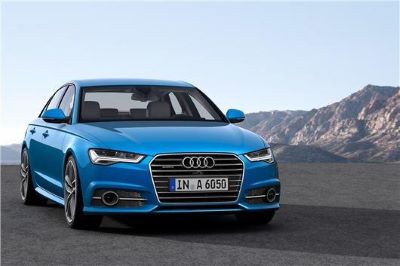
The fourth-generation Audi A6, sold for 2012-2018, is one of the most interesting generations for used buyers. It offers modern safety, excellent highway comfort and a high-quality interior without the full electronic complexity of the later C8.
The two engines most used-car shoppers will encounter are the 2.0-liter turbocharged four-cylinder and the supercharged 3.0-liter V6. The technical engine-family names commonly encountered when researching them are EA888 for the four-cylinder and EA837 for the supercharged V6; I'll use the simpler 2.0T and 3.0T descriptions from here on.
The 3.0T is particularly appealing. It provides effortless performance and can accumulate substantial mileage when maintained properly. The 2.0T can also be a good engine, but earlier versions deserve closer scrutiny for oil-consumption history.
Transmission choice matters as well. U.S.-market A6 configurations did not all use the same automatic. Depending on engine, drivetrain and year, buyers may encounter different transmission designs, so broad claims that every C7 A6 has a troublesome "DSG" or S tronic transmission are misleading.
Common Fourth-Generation Audi A6 Problems
- Oil consumption: Earlier 2.0T engines deserve particular scrutiny for excessive oil use.
- Water pump and thermostat problems: Coolant leaks are an important issue on both four- and six-cylinder cars, although the components and repair details differ by engine.
- PCV/crankcase ventilation problems: Failure can contribute to oil consumption, vacuum-related symptoms and drivability problems.
- Engine mounts: Worn mounts can produce noticeable vibration at idle.
- Suspension wear: Control arms and bushings eventually require attention.
- Electronics: MMI and other luxury electronics can develop faults as the cars age.
Which Audi A6 Years Are Known for Excessive Oil Consumption?
Earlier 2.0T A6 models deserve the closest attention for excessive oil consumption. Audi issued technical procedures for measuring oil consumption on affected 2.0 TFSI engines, so this isn't merely an internet-forum concern.
When inspecting an early C7 2.0T, ask how frequently oil has been added between services. A seller who routinely carries spare oil in the trunk or says that adding a quart every few hundred miles is simply "normal for an Audi" deserves further investigation.
Possible causes and previous repairs matter. Crankcase-ventilation components can contribute to oil consumption, while severe cases involving piston rings are much more expensive to correct.
The supercharged 3.0T can also consume oil, particularly as mileage accumulates, and PCV-system problems are relevant. But I wouldn't automatically put every 3.0T in the same risk category as the earlier 2.0T oil-consumption problem.
Buyer Tip: Ask for actual oil-consumption history rather than merely checking the dipstick or electronic level display once. Freshly topped-off oil tells you nothing about how much the engine used during the previous 1,000 miles.
What Causes Coolant Loss on the Audi A6 2.0T and 3.0T?
Water-pump and thermostat-related leaks are important causes of disappearing coolant on C7 Audi A6 engines, but the 2.0T and supercharged 3.0T shouldn't be treated as though they use one identical cooling-system assembly.
Audi issued service information addressing coolant leakage around the coolant pump and thermostat housing on certain 2.0T A6 models. A leak may leave dried pink or white coolant residue rather than a large puddle beneath the car, particularly when coolant reaches hot engine components and evaporates.
The 3.0T also deserves careful cooling-system inspection. Water-pump and thermostat repairs are familiar maintenance items as these cars age, and access can make seemingly ordinary cooling-system work more expensive than on a mainstream sedan.
If an A6 repeatedly displays a low-coolant warning, don't assume that occasionally topping off the reservoir solves the problem. Finding the source matters because overheating can turn a cooling-system repair into a much larger engine expense.
Buyer Tip: Among fourth-generation A6s, a well-documented 3.0T quattro is one of the configurations I'd investigate most seriously for long-term ownership. The 2.0T can be worthwhile too, but I'd want particularly good documentation concerning oil consumption and cooling-system history.
Bottom Line: The fourth-generation A6 offers one of the better balances of performance, luxury and used-car value in the A6 lineup, provided you choose the powertrain carefully rather than buying solely by year or price.
2019-2024: Fifth-Generation Audi A6
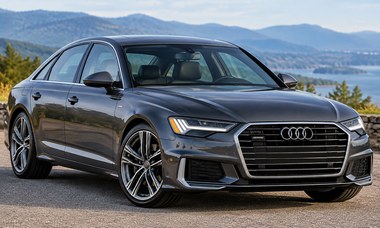
The fifth-generation Audi A6, sold in the U.S. beginning with the 2019 model year, introduced a much more technology-intensive approach. U.S. buyers have primarily encountered turbocharged 2.0-liter four-cylinder and 3.0-liter V6 gasoline engines, along with increasingly sophisticated electrical, drivetrain and infotainment systems.
The C8 is quieter, quicker and more technologically advanced than its predecessor, but complexity is the major long-term reliability consideration. Mild-hybrid hardware, dual-touchscreen MMI systems, extensive driver-assistance electronics and sophisticated drivetrain controls add systems that simply don't exist on an older A6.
Common Fifth-Generation Audi A6 Problems
- Starter-generator/electrical problems: Certain early C8 A6s were subject to an Audi safety recall involving the starter generator.
- MMI problems: Screens can freeze, restart or go blank, and connectivity problems can occur.
- Cooling-system leaks: Water-pump and thermostat-related problems remain worth checking on modern turbocharged engines.
- Electronic faults: Cameras, sensors, driver-assistance systems and control modules increase potential failure points.
- Transmission behavior: Hesitation or low-speed behavior should be evaluated according to the actual transmission fitted rather than assuming every A6 uses the same gearbox.
Why Do Some 2019-2020 Audi A6 Models Have Starter-Generator Problems?
Certain 2019-2020 Audi A6 models were recalled because moisture could enter the starter generator and cause an electrical short. Audi's U.S. safety recall covered 5,471 A6 vehicles and called for replacement of the starter generator. :contentReference[oaicite:0]{index=0}
This is more precise than saying every C8 A6 has a generic 48-volt alternator problem. The original U.S. recall specifically identified certain 2019-2020 A6 models equipped with mild-hybrid technology and the 2.0 TFSI engine. Audi has also published subsequent service information concerning starter-alternator diagnosis and replacement on A6-family vehicles. :contentReference[oaicite:1]{index=1}
For a used 2019 or 2020 A6, check the VIN for completed recall work rather than relying on the seller's memory. Electrical-system or starter-system warnings also deserve diagnosis before purchase.
Buyer Tip: A completed starter-generator recall wouldn't make me avoid the car. I'd be more concerned about an affected vehicle with incomplete records or unresolved electrical warnings.
Why Does the MMI Screen Freeze or Go Black on a C8 Audi A6?
A frozen, rebooting or blank MMI screen on a C8 A6 can result from software, communication or hardware problems, so the repair isn't always as simple as resetting the system.
Because the C8 concentrates so many functions in its dual-screen interface, an infotainment fault can affect far more than music or navigation. Before buying, test both displays, Bluetooth and phone integration, navigation, cameras and climate-control functions rather than assuming a temporary black screen is harmless.
Occasional software glitches and a persistent screen failure aren't the same thing. If the problem repeatedly returns after restarting the vehicle, I'd want it diagnosed before purchase rather than budgeting on the assumption that a software update will definitely cure it.
Buyer Tip: On a 2019-2024 A6, run every major electronic feature during the inspection and scan the car for stored faults. A dashboard without warning lights doesn't prove that intermittent electrical or infotainment problems aren't stored in the vehicle's modules.
Bottom Line: The fifth-generation A6 is an outstanding modern luxury sedan, but its long-term ownership equation increasingly depends on electronics and mild-hybrid systems as well as traditional engine and transmission reliability.
Which Audi A6 Generation Is Most Reliable?
For a used buyer who wants modern refinement without the maximum amount of electronic complexity, the 2012-2018 fourth-generation A6 is the generation I'd investigate first. It has enough ownership history to identify its important problems, while good examples can still provide many years of service.
The 2005-2011 generation is mechanically interesting but increasingly difficult to recommend broadly because age itself creates so many potential repairs. The 2019-2024 generation is much newer and more advanced, but its additional electronics and mild-hybrid hardware introduce another level of complexity.
Which would I buy? For long-term used ownership, I'd favor a well-documented fourth-generation car with the right engine over a neglected newer A6 simply because it has fewer miles.
Which Audi A6 Engine Is Most Reliable?
Among the engines commonly found in the 2005-2024 U.S. Audi A6, the supercharged 3.0-liter V6 used in the fourth generation is one of the most appealing combinations of performance and proven high-mileage potential.
It isn't maintenance-free. PCV-system repairs, thermostats, water pumps, engine mounts and other age-related work can become expensive. But the underlying engine can be very durable when serviced correctly, and its known problem areas are now well understood by Audi specialists.
The 2.0T can also provide long service, particularly in later applications, but engine year matters because earlier versions have a more concerning oil-consumption history.
The newer turbocharged 3.0-liter V6 provides excellent performance but adds mild-hybrid hardware and more electronics. It's a much newer design in A6 applications, so it doesn't yet have the same depth of 150,000- to 200,000-mile ownership history as the supercharged 3.0T.
Buyer comparison: If I were choosing between an excellent 120,000-mile fourth-generation 3.0T with extensive records and a cheaper 80,000-mile A6 with questionable history, I'd strongly favor investigating the documented 3.0T. On an A6, maintenance history can easily matter more than a 40,000-mile difference on the odometer.
Audi A6 Transmission Reliability: CVT vs. Tiptronic vs. S Tronic
Audi A6 transmission reliability can't accurately be summarized by saying that the model has a "DSG problem." Different A6 engines, drivetrains, years and markets used different transmissions, and they don't share the same design or failure modes.
Some older front-wheel-drive A6 models used Audi's Multitronic continuously variable transmission. Quattro models commonly used conventional Tiptronic automatics in several important U.S. applications. S tronic is Audi's dual-clutch transmission and appears in other A6 configurations, particularly as the model evolved.
That's important when researching a used car. Jerky low-speed engagement can have very different significance in a dual-clutch transmission than slipping or delayed engagement in a conventional automatic or CVT.
Before buying, identify the actual transmission in the specific A6 you're considering. Then check its service history and test it from cold through full operating temperature. Hesitation selecting Drive or Reverse, shuddering, slipping, warning messages or increasingly harsh shifts all deserve diagnosis rather than a generic explanation that "Audis just shift like that."
Buyer comparison: I'd rather buy an A6 with a known transmission type, documented servicing and completely normal operation than choose one generation based on internet claims that lump CVT, Tiptronic and S tronic gearboxes together.
What Are the Best Audi A6 Model Years to Buy?
The best Audi A6 years depend partly on which engine you want, but I'd generally concentrate on later fourth-generation models from about 2015-2018. By this point the A6 was a mature design, and these years avoid some of the concerns associated with earlier 2.0T engines while retaining the relatively well-understood mechanical layout of the fourth generation.
2015-2018 A6 3.0T models are especially interesting used-car choices. The supercharged V6 provides excellent performance and has demonstrated good high-mileage potential when properly maintained. Water pumps, thermostats, PCV components, engine mounts and other repairs can still be expensive, but these are generally better-understood risks than those associated with buying an unknown or neglected car.
Later 2.0T models can also make sense, particularly for buyers who don't need the additional power of the V6. I'd still investigate oil-consumption history, cooling-system repairs and maintenance carefully rather than assuming every later 2.0T is problem-free.
The 2019-2024 A6 shouldn't automatically be avoided. These cars offer considerably newer technology and safety features, but they haven't accumulated the same depth of high-mileage history and their additional electronics and mild-hybrid systems add potential repair points.
Which Audi A6 Model Years Should You Avoid?
There isn't one range of Audi A6 years that every buyer should automatically avoid. The more useful approach is identifying the combinations with enough additional risk that I'd require especially strong maintenance records and a thorough pre-purchase inspection.
- 2005-2011: Not necessarily poor cars, but age, deferred maintenance, oil leaks, cooling-system deterioration, suspension wear and expensive engine-specific repairs can overwhelm a low purchase price.
- Early fourth-generation 2.0T models: Deserve additional scrutiny for excessive oil consumption, PCV-system history and cooling-system repairs.
- 2019-2020: Check carefully for completed starter-generator campaigns and investigate any electrical-system warnings rather than assuming they are minor.
- Any inexpensive A6 with incomplete records: A suspiciously cheap luxury car can become the most expensive A6 to own once deferred maintenance is included.
Buyer comparison: I'd generally prefer a higher-mileage A6 from a stronger year with complete records over a lower-mileage example from a more troublesome configuration with little evidence of maintenance.
What Are the Most Expensive Audi A6 Problems?
The repairs most likely to turn an inexpensive used A6 into an expensive purchase involve major engine work, transmission problems, serious electrical faults and neglected cooling-system failures. The exact risks vary substantially by generation.
Can Audi A6 Timing Chain Problems Cause Engine Damage?
Timing-chain problems can become extremely expensive on certain Audi A6 engines because component location and labor requirements can make repair unusually difficult. The risk isn't identical across every A6 engine, which is why engine identification matters when buying an older example.
Abnormal rattling at startup, timing-related fault codes or evidence of camshaft/crankshaft correlation problems deserve immediate investigation. Don't assume that a startup rattle on an older Audi is simply normal engine noise.
On an older A6, a major timing-system repair can approach or exceed a substantial portion of the vehicle's market value. This is one reason an unusually inexpensive older A6 isn't necessarily a bargain.
How Serious Is an Audi A6 PCV Valve Failure?
A failed crankcase-ventilation or PCV system can cause oil consumption, vacuum problems, rough running and other symptoms, and it is particularly relevant when evaluating the supercharged 3.0T.
Symptoms can include increased oil consumption, unusual whistling or suction noises, rough idle and fault codes. Because some of these symptoms overlap with other problems, diagnosis is preferable to replacing parts based solely on an internet description.
For a 3.0T buyer, documentation showing that PCV-related work has already been performed can actually be useful information, particularly on a higher-mileage car.
Are Audi A6 Water Pump and Thermostat Problems Expensive?
Water-pump and thermostat failures are common enough on several A6 powertrains that cooling-system history should be part of virtually every used-A6 inspection. The repair itself varies by engine, but labor and access can make the bill considerably higher than buyers accustomed to mainstream cars may expect.
Look for coolant residue, a low reservoir, a sweet coolant smell, temperature fluctuations and records showing repeated coolant additions. A seller who says the car "just needs a little coolant occasionally" may be describing an unresolved leak.
More importantly, don't continue driving an A6 that is overheating. A manageable water-pump or thermostat repair can become a major engine repair if overheating is ignored.
How Much Does an Audi A6 Cost to Maintain and Repair?
An Audi A6 is generally more expensive to maintain than a mainstream sedan, and repair costs become increasingly important once the factory warranty has expired. Independent Audi/VW specialists can often reduce costs substantially compared with dealer service, but parts, diagnostic equipment and labor requirements still make this a relatively expensive car to own.
| Repair or Service | Typical Cost Range |
|---|---|
| Oil and filter service | $100-$200 |
| Ignition coils and spark plugs | $300-$700 |
| Water pump/thermostat work | $800-$1,800+ |
| PCV/crankcase ventilation repair | $700-$1,500+ |
| Control arms/suspension repairs | $800-$2,000+ |
| Engine mounts | $800-$1,800+ |
| Major transmission repair | $3,000-$7,000+ |
| Major timing-system repair | $3,000-$6,000+ depending on engine |
These are approximate independent-shop ranges rather than quotes. Engine, model year, labor rates and the number of related components replaced at the same time can change the actual bill considerably.
The larger lesson is that a $10,000 used A6 is still maintaining the mechanical and electronic systems of a car that originally cost far more. Depreciation lowers the purchase price; it doesn't make the parts or labor inexpensive.
What Maintenance Does an Audi A6 Need After 100,000 Miles?
An Audi A6 with more than 100,000 miles can still be a good purchase, but I'd want evidence that maintenance has gone beyond routine oil changes.
- Cooling system: Inspect the water pump, thermostat, hoses, reservoir and surrounding areas for leakage or previous repairs.
- Transmission: Determine which transmission the car actually has and review its service history rather than assuming the fluid is permanently maintenance-free.
- Ignition system: Check spark-plug history and investigate misfires rather than automatically replacing coils without diagnosis.
- PCV system: Especially important on higher-mileage 3.0T engines and any car displaying unusual oil consumption or vacuum-related symptoms.
- Suspension: Inspect control arms, bushings, shocks, wheel bearings and tire wear.
- Oil leaks: Small seepage can become considerably more expensive as seals and gaskets continue to age.
- Electronics: Scan all modules for stored faults, not merely the engine computer.
At this mileage, I'd rather see receipts for substantial maintenance than a seller proudly advertising that the car has "needed nothing but oil changes." On a 100,000-mile A6, needing absolutely nothing can sometimes mean that expensive maintenance is still waiting for the next owner.
What Should You Check Before Buying a Used Audi A6?
A pre-purchase inspection by a shop familiar with Audi vehicles is especially valuable because several important A6 problems can be difficult to identify during a short test drive.
- Check actual oil consumption: Ask how much oil is added between changes, particularly on earlier 2.0T cars.
- Inspect for coolant loss: Look for dried coolant residue and investigate a low reservoir rather than simply topping it off.
- Identify the transmission: Don't rely on a generic online listing that calls every Audi automatic a DSG.
- Scan every control module: Audi diagnostic equipment can reveal intermittent or stored faults that aren't currently illuminating a warning light.
- Test the electronics: On newer cars, operate the MMI screens, cameras, phone connectivity, climate controls and driver-assistance equipment.
- Check recalls and campaigns: This is particularly important on early C8 cars with starter-generator concerns.
Is a 100,000-Mile Audi A6 a Good Buy?
A 100,000-mile Audi A6 can be a very good used car if it has the right powertrain and strong maintenance history. Mileage alone wouldn't discourage me from a well-maintained example.
In fact, a 100,000-mile car that has already received cooling-system, PCV, suspension and other age-related work may have fewer immediate needs than a 70,000-mile car approaching all of those repairs for the first time.
The danger is buying solely on price. At 100,000 miles, I'd want enough room in the budget for an unexpected four-figure repair without turning the purchase into a financial problem.
Is a 150,000-Mile Audi A6 Too High Mileage?
150,000 miles isn't automatically too high for an Audi A6, particularly with one of the stronger engines, but maintenance history becomes more important than model reputation at this point.
A well-maintained 3.0T with extensive records can remain an excellent highway car at 150,000 miles. But I'd expect some combination of cooling-system, suspension, engine-mount, PCV, oil-leak or electronic work to have occurred by this mileage.
If none of it has been done, I wouldn't interpret that as proof of extraordinary reliability. I'd consider how many of those repairs might be approaching.
Can an Audi A6 Last 200,000 Miles?
Yes. An Audi A6 can exceed 200,000 miles, and the stronger engine and drivetrain combinations are mechanically capable of doing so. The bigger question is usually whether the owner continues investing in the car as expensive age-related repairs accumulate.
At 200,000 miles, a sound engine doesn't mean the rest of the car is new. Suspension components, cooling systems, electronics, seals, accessories and drivetrain components have all accumulated the same mileage.
For someone who maintains the car proactively and has access to a good independent Audi specialist, keeping an A6 beyond 200,000 miles can make sense. For a buyer who wants Toyota-like repair costs and minimal maintenance involvement, it probably doesn't.
Audi A6 Pros and Cons
Pros
- Excellent highway comfort and refinement
- Strong performance, particularly with V6 engines
- Quattro provides excellent all-weather traction
- High-quality interiors that generally age well
- Fourth-generation 3.0T has strong high-mileage potential
- Heavy depreciation can create substantial used-car value
Cons
- Maintenance and repair costs are higher than mainstream sedans
- Some 2.0T years deserve scrutiny for oil consumption
- Water-pump, thermostat and PCV repairs can be expensive
- Older cars can accumulate costly suspension and electrical problems
- Transmission type and reliability vary by configuration
- Newer A6s add significant electronic and mild-hybrid complexity
Audi A6 vs. Other Used Luxury Cars
The Audi A6 competes with several excellent midsize luxury sedans, and each presents a somewhat different reliability and ownership equation.
- BMW 5 Series: Another excellent driver's luxury sedan with a similarly strong need to choose the engine and generation carefully.
- Mercedes-Benz E-Class: Comfortable and refined, but like the A6 can become expensive as sophisticated systems age.
- Lexus ES: Generally the easier choice for buyers prioritizing lower repair risk, although it doesn't provide the same combination of quattro traction and European driving character.
- Lexus GS: A particularly interesting alternative for buyers who want a rear- or all-wheel-drive luxury sedan with a reputation for long-term durability.
The A6 makes the most sense for someone who specifically values its combination of refinement, performance, interior quality and available quattro all-wheel drive enough to accept higher maintenance costs.
Is the Audi A6 a Reliable Used Luxury Car?
Yes, the Audi A6 can be a reliable used luxury car, but choosing the right engine and maintenance history matters much more than simply choosing an A6 with low mileage.
If long-term ownership were my priority, I'd start with well-maintained fourth-generation cars, particularly the 3.0T, and compare individual examples based on records and condition. I'd be more cautious with an early 2.0T showing signs of oil consumption, an older car with extensive deferred maintenance, or a newer C8 with unresolved electrical warnings.
The A6 is not the used luxury sedan I'd recommend to someone whose highest priority is avoiding repair bills. But for a buyer who understands European-car maintenance and chooses carefully, a good A6 can provide an impressive combination of performance, comfort and durability for far less than its original price.
Final Audi A6 Buyer Summary
The Audi A6 is a good example of why reliability shouldn't be judged by the badge alone. There are substantial differences among generations, engines, transmissions and individual maintenance histories.
The 2012-2018 generation is the range I'd investigate first, with a well-maintained 3.0T being particularly appealing. Earlier A6s can still be worthwhile but are increasingly condition-dependent, while 2019-2024 models bring impressive technology along with greater electrical and mild-hybrid complexity.
Expect roughly 150,000 to 200,000 miles from a properly maintained A6, with 200,000+ miles possible from good examples. But don't confuse mechanical longevity with inexpensive ownership. Cooling-system work, PCV repairs, suspension components, electronics and other age-related expenses are part of keeping a sophisticated luxury sedan on the road.
The best used Audi A6 isn't necessarily the newest one or the one with the fewest miles. It's the car with the right engine and drivetrain, documented maintenance, no unresolved warning signs and a condition that confirms the records.
Your Trade-In
Also, it's good to always know the value of your trade-in while you're evaluating your next possible purchase. Here's a good source for a quick and accurate appraisal: free trade-in appraisal.
What's Next?
If you may be buying soon, I'd recommend reading my most effective negotiation method for used cars. It explains a quick way to identify the dealerships most motivated to deal, no matter how busy they may seem, and how to follow up once you've found them. That can be the difference between getting a good price and getting a great one.
Or, if you'd consider buying a brand-new A4 if you could get a lower-than-expected price, learn how to shop the dealer, not just the car.
And beware of "Dealer Fees": Before agreeing to a dealer's numbers, see which dealer fees are legitimate, which can be negotiated, and which can be avoided.
Some Insider Insights:
Step-By-Step Guide To Car Buying Savings
What's The Scoop On Repossessed Cars?