

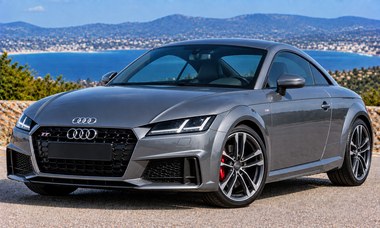
The Audi TT can be a reliable used sports car, but choosing the right year, engine, and transmission matters considerably more than it does with something like a Mazda Miata. Sold in the U.S. from 2000 through 2023, the TT evolved from a relatively simple turbocharged coupe and roadster into a much more sophisticated performance car with direct injection, dual-clutch transmissions, quattro all-wheel drive, and increasingly complex electronics.
That complexity doesn't automatically make the TT unreliable. Some versions have proven quite durable when properly maintained, and later cars corrected or reduced several problems associated with earlier engines. But neglected maintenance can be expensive, particularly when timing-system, turbocharger, transmission, cooling-system, and all-wheel-drive work begin overlapping.
The first-generation (8N) 2000-2006 TT is now old enough that condition often matters more than mileage. The second-generation 2008-2015 cars provide a more modern driving experience but include some years that deserve additional engine scrutiny. The third-generation 2016-2023 TT benefits from newer powertrains and is generally the easiest generation to recommend for buyers who can afford one.
Overall, I'd rate Audi TT reliability as average for a European sports car, with some versions considerably better choices than others. A well-maintained TT can reach high mileage, but this isn't a car I'd buy cheaply with incomplete service history and assume I could catch up on maintenance later.
In This Guide You'll Learn
- Which Audi TT years are generally the best to buy
- Which TT years and engines deserve more caution
- How many miles an Audi TT can realistically last
- The reliability differences among all three generations
- Which Audi TT engine is the better long-term choice
- What to know about manual and dual-clutch transmission reliability
- How quattro all-wheel-drive maintenance affects ownership
Audi TT Reliability Overview
The Audi TT's underlying mechanical components can last a long time, but maintenance discipline is unusually important. Many TTs use turbocharged engines, and most U.S. cars were available with or equipped with quattro all-wheel drive. Later versions also rely heavily on direct injection and dual-clutch automatic transmissions.
The result is a car that can be dependable when maintained correctly but isn't particularly forgiving of neglect. Oil-change history matters. Timing-belt or timing-chain condition matters depending on the engine. Transmission fluid service matters on dual-clutch cars, and the quattro system has its own maintenance requirements.
Engine choice also changes the risk considerably. Early 1.8-liter turbo engines are fundamentally durable but are now old enough that timing belts, cooling systems, oil leaks, turbocharger condition, vacuum hoses, and previous maintenance become major considerations. Some second-generation 2.0-liter turbo engines deserve more caution because of oil-consumption and timing-chain-related concerns.
Later third-generation cars generally provide the strongest combination of performance, refinement, and reliability, although they're still sophisticated European performance cars rather than inexpensive economy cars underneath attractive bodywork.
I'd rather buy a 100,000-mile TT with complete records showing proper engine, transmission, and quattro maintenance than a 60,000-mile example whose owner treated every service as optional. On an Audi TT, documented maintenance can be worth more than a surprisingly low odometer reading.
Audi TT Reliability at a Glance
| Category | Assessment |
|---|---|
| Overall Reliability | Average for a European sports car; strongly dependent on engine and maintenance |
| Expected Lifespan | About 150,000-200,000 miles; 200,000+ possible with excellent maintenance |
| Best Older Choice | Well-maintained later first-generation cars can be durable and relatively straightforward |
| Second-Generation Concern | Some 2.0-liter turbo engines deserve extra scrutiny for oil consumption and timing-related problems |
| Strong Modern Choice | Later 2016-2023 third-generation cars with documented maintenance |
| Transmission Concern | Dual-clutch transmissions require proper fluid service and can be expensive if neglected |
| Quattro Concern | All-wheel-drive system requires proper servicing and matched tires |
| Biggest Used-Car Variable | Maintenance history and whether expensive scheduled services were performed |
How Many Miles Can an Audi TT Last?
A properly maintained Audi TT can realistically last around 150,000 to 200,000 miles, and particularly well-maintained examples can exceed 200,000 miles. The limiting factor is often not the basic engine itself but the cost of maintaining everything surrounding it as mileage and age increase.
A TT with 100,000 miles isn't necessarily near the end of its useful life. On the right car, the turbocharged engine can still have substantial life remaining. The more important questions are whether oil changes were performed consistently, the timing belt or chain received appropriate attention, the transmission was serviced, and the cooling and all-wheel-drive systems were maintained.
Between roughly 120,000 and 150,000 miles, I'd expect more age-related repairs involving suspension components, wheel bearings, cooling-system parts, engine mounts, seals, sensors, turbocharger-related hardware, and other supporting components. A dual-clutch transmission that hasn't received proper fluid service would also concern me at this mileage.
Beyond 150,000 miles, maintenance history becomes increasingly important. A TT whose owner steadily replaced worn components can continue to be enjoyable and dependable. A neglected car can reach the same mileage while accumulating enough deferred repairs to exceed its market value.
Would I buy a 120,000-mile Audi TT? Yes, if it had excellent records and the expensive maintenance appropriate to its particular engine and drivetrain had already been addressed. I'd choose that car over an undocumented 70,000-mile TT with unknown transmission, timing-system, and quattro service history.
Audi TT Reliability by Generation
2000-2006 Audi TT: First Generation
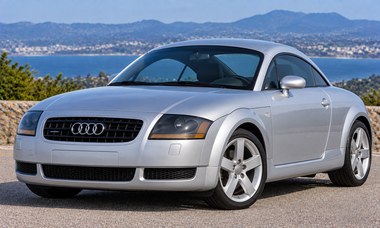
The 2000-2006 first-generation Audi TT established the car's distinctive design and was offered in the U.S. as both a coupe and roadster. Most cars use versions of Audi's turbocharged 1.8-liter four-cylinder, while the 3.2-liter VR6 arrived later as the more powerful alternative.
The 1.8-liter turbo can be a durable engine, but these cars are now roughly two decades old or more. Timing-belt history is particularly important because failure can cause serious engine damage. Cooling-system components, oil and vacuum leaks, ignition coils, turbocharger condition, and age-related rubber and plastic parts also deserve attention.
Oil-change history matters because neglected 1.8-liter turbo engines can develop sludge and lubrication problems. I'd be much more comfortable buying one with evidence of frequent oil changes than relying on a seller's statement that the car has always "run fine."
The later 3.2-liter six-cylinder eliminates the turbocharger but introduces its own complexity. It was also paired with Audi's early dual-clutch transmission in U.S. applications. A properly maintained example can be appealing, but transmission service history becomes especially important.
Quattro-equipped cars use a Haldex-based all-wheel-drive system that requires its own maintenance. Buyers sometimes treat quattro as maintenance-free because it operates automatically, but neglecting its fluid service can create avoidable problems.
Common 2000-2006 Audi TT Problems
- Timing-belt failure: The 1.8-liter turbo requires careful attention to timing-belt and related component replacement history because a failure can cause major engine damage.
- Oil sludge and lubrication problems: Poor oil-change history can be especially damaging to the turbocharged 1.8-liter engine.
- Cooling-system problems: Water pumps, thermostats, hoses, plastic fittings, and related components become increasingly important with age.
- Ignition and boost problems: Coil packs, vacuum hoses, diverter valves, sensors, and other turbo-related components can cause drivability problems.
- Instrument-cluster and electrical issues: Aging displays, gauges, switches, and other electronics can develop faults.
- Quattro maintenance: Haldex fluid service should not be ignored on all-wheel-drive cars.
Buyer Tip: On a 2000-2006 TT with the 1.8-liter turbo, I'd want documentation showing when the timing belt and related components were last replaced. If that history couldn't be established, I'd budget for the service rather than assume it was done.
Bottom Line: A properly maintained first-generation TT can still be a durable and distinctive sports car, but age now matters as much as original design. Service records are far more valuable than simply finding the lowest-mileage example.
2008-2015 Audi TT: Second Generation
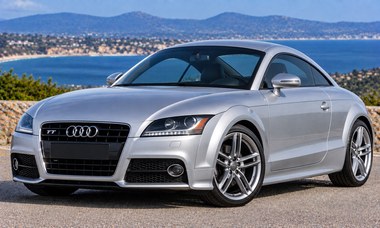
The 2008-2015 second-generation TT became lighter, more refined, and substantially more modern. U.S. models primarily used turbocharged 2.0-liter four-cylinder engines, while higher-performance TTS and TT RS versions added considerably more power.
This is the generation where I'd pay particularly close attention to the exact model year and engine. Earlier 2.0-liter turbo engines can develop oil-consumption problems, and timing-system concerns on some versions make maintenance history especially important.
Carbon buildup is another consideration because these engines use direct fuel injection. Deposits on the intake valves can eventually contribute to rough running, misfires, reduced performance, or the need for intake-valve cleaning.
The dual-clutch automatic transmission is excellent when operating properly and contributes substantially to the TT's performance. But it requires regular fluid and filter service. A car with no evidence of transmission maintenance would make me considerably less enthusiastic, particularly at higher mileage.
The high-performance TT RS deserves separate consideration. Its turbocharged five-cylinder engine is one of the model's most interesting powerplants and can be very strong, but an RS is also more likely to have been driven aggressively, modified, or tuned. I'd evaluate previous use just as carefully as mileage.
Common 2008-2015 Audi TT Problems
- Oil consumption: Some earlier 2.0-liter turbo engines can consume excessive oil, making oil-level history and engine condition important.
- Timing-system problems: Certain 2.0-liter turbo versions deserve careful attention to timing-chain tensioner and related component history.
- Carbon buildup: Direct injection can allow deposits to accumulate on intake valves as mileage rises.
- Water-pump and cooling problems: Cooling-system components can develop leaks or failures.
- Dual-clutch transmission maintenance: Proper fluid and filter servicing is important for long-term transmission reliability.
- Modified performance models: Tuned TTS and TT RS examples can place additional stress on engines, transmissions, clutches, and drivetrain components.
Buyer Tip: For a 2008-2015 TT, don't settle for knowing that it's a "2.0 turbo." Verify the model year, maintenance history, oil consumption, timing-system history where applicable, and transmission service. Those details can separate a very good used TT from an expensive mistake.
Bottom Line: The second generation offers an excellent balance of performance, styling, and affordability, but it contains some of the TT's most important engine-related buying concerns. This is a generation where careful selection pays off.
2016-2023 Audi TT: Third Generation
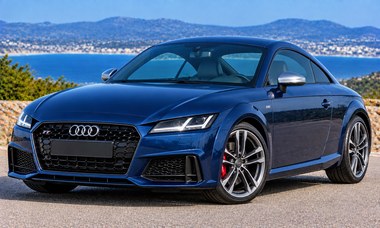
The 2016-2023 third-generation TT is generally the easiest version to recommend to buyers who want a modern example. U.S. models continued to rely heavily on turbocharged 2.0-liter four-cylinder engines, while the TT RS retained the distinctive turbocharged five-cylinder formula.
The newer 2.0-liter turbo engine family addressed or reduced several concerns associated with earlier versions, although water pumps, thermostat housings, oil leaks, ignition components, carbon buildup, and other modern turbo-engine issues can still occur.
The dual-clutch transmission remains an important maintenance item. Properly serviced examples can be very durable, but this isn't a conventional automatic that I'd buy at high mileage without asking when its transmission fluid was last changed.
The quattro system also remains part of the maintenance equation. Fluid service and proper tire matching matter, particularly because many TTs are purchased by owners who focus more on performance than preventive drivetrain maintenance.
The 2016-2023 generation also contains increasingly sophisticated electronics, including Audi's Virtual Cockpit and numerous integrated control systems. These make the car feel far more modern than the original TT but create additional potential repair points as the vehicles age.
Common 2016-2023 Audi TT Problems
- Water-pump and thermostat-housing leaks: Cooling-system leaks remain one of the more important areas to inspect on the 2.0-liter turbo.
- Carbon buildup: Direct-injected engines can still accumulate intake-valve deposits with mileage.
- Ignition problems: Coil packs and spark plugs can contribute to misfires, particularly on tuned or aggressively driven cars.
- Dual-clutch transmission service: Proper fluid maintenance remains important for long-term reliability.
- Quattro maintenance: All-wheel-drive servicing and properly matched tires shouldn't be overlooked.
- Electronics: Sensors, infotainment, digital displays, and other electronic systems add complexity compared with older TTs.
Buyer Tip: If I wanted a TT as a regular driver rather than an inexpensive weekend project, I'd generally favor a well-maintained third-generation car. It costs more to buy, but you're starting with a newer vehicle and a more developed version of Audi's turbocharged powertrain.
Bottom Line: The third generation provides the strongest overall combination of performance, modern technology, and reliability in the TT lineup. Maintenance still matters, but I would generally choose a good later TT over an equivalently priced earlier car whose lower purchase price came with substantial deferred repairs.
Which Audi TT Engine Is Most Reliable?
The TT used several engines over its U.S. lifespan, so there isn't one answer that applies to every budget. For technical identification, the later third-generation 2.0-liter belongs to Audi's EA888 engine family. That's the only place the code really matters; for most buyers, the useful distinction is simply which generation of 2.0-liter turbo they're considering.
The first-generation 1.8-liter turbo can be very durable when oil changes and timing-belt services have been performed properly. Its problem today is age rather than an inherently weak basic design. I'd happily consider one with exceptional records, but I wouldn't buy an undocumented example simply because the engine has a good reputation among enthusiasts.
The 2.0-liter turbo engines in the 2008-2015 second generation require more careful selection. Oil consumption, timing-system concerns on certain versions, carbon buildup, and cooling-system problems mean I'd want a knowledgeable inspection and good records before buying one.
The later 2016-2023 2.0-liter turbo is my preferred mainstream engine if the budget allows. It combines excellent performance with a more mature design and avoids some of the more troubling concerns associated with earlier 2.0-liter versions.
The turbocharged five-cylinder in the TT RS is also a fundamentally strong and impressive engine, but an RS shouldn't be evaluated like an ordinary TT. Previous tuning, modifications, launch use, and aggressive driving become especially important.
Which would I buy? For an inexpensive older TT, I'd consider a well-documented first-generation 1.8-liter turbo. For the best combination of modern performance and lower engine risk, I'd choose a later third-generation 2.0-liter. I'd buy a TT RS because I specifically wanted its exceptional performance and five-cylinder character, not because I was trying to minimize ownership costs.
How Reliable Are Audi TT Transmissions?
Transmission reliability varies substantially because the TT has used conventional manuals, traditional automatics on some early cars, and Audi's dual-clutch transmission across many later models.
The manual transmissions found in older TTs are generally durable, although clutch wear, dual-mass flywheel condition, synchros, and previous driver behavior become increasingly important with age. A clutch replacement on a 20-year-old sports car isn't necessarily evidence of poor reliability.
The dual-clutch transmission, commonly known by Audi and Volkswagen terminology such as DSG or S tronic, provides exceptionally quick shifts but depends on proper maintenance. Fluid and filter changes are important, and neglected examples can develop expensive mechatronic, clutch, or internal problems.
When looking at a used dual-clutch TT, I'd want the transmission to engage smoothly from a stop, shift cleanly in both automatic and manual modes, and have documentation showing the required services were performed.
Which transmission would I buy? On an older TT, a good manual has obvious appeal for simplicity and driving involvement. On a later TT, I wouldn't hesitate to buy the dual-clutch transmission if its maintenance history were documented. I'd be much more concerned about an inexpensive dual-clutch car with no service records than about the transmission design itself.
What Are The Best Audi TT Years to Buy?
The best Audi TT years depend partly on your budget. For an inexpensive older TT, condition and maintenance history can outweigh model year. Among newer cars, I generally favor the third generation because it combines a more mature 2.0-liter turbo engine with newer construction and fewer of the engine concerns associated with some earlier cars.
2004-2006 Audi TT: Strong Older Choices
The final 2004-2006 first-generation cars can make appealing older choices if they've been maintained properly. By this point Audi had years of experience with the TT, while the basic 1.8-liter turbo drivetrain remained relatively straightforward compared with later direct-injected models.
Age is now the major qualification. A 2005 TT may be a good model year, but it's still a roughly 20-year-old European sports car. Timing-belt history, cooling-system condition, oil leaks, turbocharger health, quattro servicing, suspension wear, and electrical condition matter more than the year alone.
2013-2015 Audi TT: Better Later Second-Generation Choices
If you want a 2008-2015 second-generation TT, I'd generally lean toward the later years rather than the earliest cars. They benefit from years of development while retaining the lighter, relatively compact character that makes this generation attractive.
They aren't maintenance-free. Direct-injection carbon buildup, water-pump problems, dual-clutch transmission servicing, quattro maintenance, and oil consumption still deserve attention. But I'd rather start with a well-documented later example than gamble on a cheaper early car with questionable engine history.
2018-2023 Audi TT: Best Modern Choices
The later third-generation cars are my strongest overall recommendation if purchase price isn't the primary concern. The 2018-2023 TT combines a more developed 2.0-liter turbo engine with strong performance and a much newer vehicle surrounding it.
These cars can still experience cooling-system leaks, carbon buildup, ignition problems, electronics issues, and neglected transmission or quattro service. But compared with an aging early TT or one of the more troublesome earlier 2.0-liter turbo applications, I'd generally prefer to begin here.
Knowing which model years to concentrate on is step 1. Step 2 is knowing how to get a good used TT price.
Which Audi TT Years Should You Avoid Or Approach With More Caution?
There isn't an entire TT generation I'd automatically avoid. The greater risks are concentrated around particular engines, early versions of certain components, and cars with poor maintenance histories.
2000-2002 Audi TT
The earliest 2000-2002 TTs deserve additional scrutiny primarily because they're now the oldest cars in the lineup. Timing-belt history is critical on the 1.8-liter turbo, and neglected oil changes can contribute to sludge and lubrication problems.
Cooling components, ignition coils, vacuum and boost hoses, instrument clusters, suspension pieces, and other age-sensitive parts can also overlap. A properly maintained early TT can still be enjoyable and durable, but I wouldn't buy one simply because the purchase price was low.
2008-2012 Audi TT
The earlier years of the 2008-2015 second generation deserve more careful engine investigation. Depending on the particular 2.0-liter turbo version, oil consumption and timing-system problems can turn an otherwise attractive TT into a costly purchase.
That doesn't make every 2008-2012 TT a bad car. It means I'd want to know its oil-consumption behavior, timing-system history, cooling-system history, and transmission maintenance before deciding that a low-mileage example was a bargain.
What Is the Most Reliable Audi TT Generation?
For the best overall combination of age, engine development, and reliability, I'd give the advantage to the 2016-2023 third-generation Audi TT. Its later 2.0-liter turbo powertrain avoids or reduces some of the more serious concerns associated with earlier versions while delivering substantially better performance and refinement than the original car.
The 2000-2006 first generation has an argument in its favor because its 1.8-liter turbo engine can be extremely durable when properly maintained. But even the newest first-generation TT is now an old car, so reliability depends increasingly on what has already been replaced.
The 2008-2015 second generation is the one I'd shop most selectively. A good later example can be an excellent used sports car, but the earlier 2.0-liter turbo cars give the buyer more engine-related issues to investigate.
Which would I buy? If I wanted an inexpensive weekend TT and found an exceptionally maintained first-generation car, I wouldn't hesitate because of its age alone. If I wanted a TT as a regular driver and could afford the higher purchase price, I'd choose a later third-generation 2.0-liter car.
Major Audi TT Problems and Expensive Repairs
The TT's expensive problems vary considerably by generation. That's why simply searching for "Audi TT problems" can be misleading: a timing-belt concern on an early 1.8-liter car is very different from a timing-chain problem on a later engine or a dual-clutch transmission fault.
Timing-Belt Failure on 2000-2006 1.8-Liter Turbo Engines
The 1.8-liter turbo used extensively in the 2000-2006 first-generation TT relies on a timing belt. If the belt or associated components fail, serious internal engine damage can result.
When buying one today, I'd want documentation showing when the timing belt, tensioner, and related components were serviced. If the seller can't establish that history, I'd treat the service as due rather than gamble on an unknown belt.
Oil Sludge on Poorly Maintained Early TTs
The turbocharged 1.8-liter engine can be durable, but poor oil-change history can contribute to sludge and restricted lubrication. Turbocharged engines place substantial demands on their oil, making neglected service particularly undesirable.
A thick stack of oil-change records would mean more to me on an older TT than unusually low mileage accompanied by almost no documentation.
Oil Consumption on Some 2008-2015 TTs
Some 2.0-liter turbo engines used during the 2008-2015 second generation can consume excessive oil. The severity varies from car to car, so ask how frequently oil must be added between changes rather than merely checking whether the oil level is correct on the day of the test drive.
Significant consumption can become much more than an inconvenience if internal engine repairs are required to correct it.
Timing-Chain and Tensioner Problems on Some Second-Generation Cars
Certain 2.0-liter turbo engines in the 2008-2015 generation also deserve scrutiny for timing-chain tensioner and related timing-system problems. A serious timing failure can cause extensive engine damage.
This is an area where the exact engine and service history matter more than a broad statement that all second-generation TTs have the same problem. Documentation of updated or previously replaced components can substantially improve the case for an individual car.
Water Pumps and Cooling-System Leaks
Water-pump and thermostat-related problems can affect later turbocharged TTs, while older cars have their own age-related cooling-system concerns. Coolant loss, staining, warning messages, overheating history, or evidence of repeated topping-off deserves investigation.
The repair itself may be manageable. Continuing to drive a turbocharged engine with an unresolved cooling problem can make it much less manageable.
Dual-Clutch Transmission Problems
The dual-clutch transmission used in many later TTs is excellent when maintained properly, but repairs involving clutch assemblies, mechatronic components, or internal transmission problems can be expensive.
Service records are important. I'd be reluctant to buy a high-mileage dual-clutch TT with no evidence that its required fluid and filter services were performed.
Quattro All-Wheel-Drive Problems
Most quattro-equipped TTs use a Haldex-type system that requires periodic fluid servicing. Neglect can contribute to pump or coupling problems and may prevent the system from operating as intended.
Tire condition matters too. Keeping four appropriately matched tires is good practice on an all-wheel-drive performance car and also tells you something about how carefully the previous owner maintained it.
Audi TT Maintenance and Repair Costs
The TT generally costs more to maintain than a Mazda Miata or Honda S2000, although routine maintenance isn't necessarily excessive. The larger financial risk is allowing several neglected Audi-specific repairs to accumulate at once.
Actual costs vary substantially by model year, engine, location, labor rates, and parts choice, but approximate repair ranges can include:
| Service or Repair | Approximate Cost |
|---|---|
| Oil and Filter Change | $100-$180+ |
| Brake Pads and Rotors | $500-$1,200+ per axle |
| Timing-Belt Service | $900-$1,800+ depending on included components |
| Water Pump/Thermostat Repair | $700-$1,500+ |
| Carbon Cleaning | $500-$1,000+ |
| Dual-Clutch Transmission Service | $400-$700+ |
| Haldex/Quattro Service | $200-$450+ |
| Suspension Repairs | $600-$1,800+ depending on components |
| Turbocharger-Related Repair | $1,500-$3,500+ depending on failure |
| Major Transmission or Engine Repair | Potentially several thousand dollars or more |
The important lesson is that a cheap TT isn't necessarily a cheap sports car. Paying more for one with documented timing-system, transmission, quattro, cooling-system, and other major maintenance can easily be less expensive than catching up after purchase.
In addition, your trade-in allowance, if you are doing that, will also affect the overall potential cost analysis of moving into a TT (KBB versus Edmunds Appraisals - Which Is Better).
Audi TT Maintenance After 100,000 Miles
An Audi TT can remain a good car beyond 100,000 miles, but I'd want evidence that its maintenance became more thorough rather than less thorough as it aged.
- Timing system: Verify timing-belt history on applicable early engines and investigate timing-chain history on versions where tensioner problems are a concern.
- Engine oil: Maintain appropriate oil-change intervals and monitor consumption rather than assuming the level remains constant between services.
- Dual-clutch transmission: Confirm fluid and filter services were completed at the proper intervals.
- Quattro system: Verify Haldex servicing rather than assuming the all-wheel-drive hardware is maintenance-free.
- Cooling system: Inspect the water pump, thermostat, hoses, fittings, coolant level, and any evidence of previous leaks.
- Carbon buildup: On direct-injected engines, rough running or performance loss may justify checking intake-valve deposits.
- Suspension and mounts: Bushings, shocks, wheel bearings, and engine or transmission mounts become increasingly relevant with mileage.
At this mileage, I'd consider documented replacement of expensive wear components a positive rather than evidence that the car is becoming unreliable.
What to Check Before Buying a Used Audi TT
I'd concentrate on issues specific to the TT's particular engine and drivetrain rather than relying on a long generic inspection list:
- Identify the exact engine and its timing system: Determine whether the car requires timing-belt scrutiny or has a timing-chain design with known concerns.
- Ask specifically about oil consumption: Find out whether oil must be added between changes and how much, particularly on second-generation 2.0-liter turbo cars.
- Verify dual-clutch transmission service: On equipped cars, records matter almost as much as how smoothly the transmission operates during the test drive.
- Check quattro maintenance: Look for Haldex service history and inspect whether the car has four properly matched tires.
- Inspect for coolant leaks: Look for low coolant, dried residue, warning messages, or a history of water-pump and thermostat repairs.
- Investigate modifications: Engine software tunes, increased boost, intake and exhaust modifications, lowered suspension, and other performance changes can materially change the reliability equation.
Audi TT Pros and Cons
Pros
- Distinctive styling that has aged particularly well
- Available quattro all-wheel drive
- Strong turbocharged performance
- Practical hatchback cargo area in the coupe
- Later 2.0-liter turbo engines offer an excellent performance/economy balance
- Manual transmissions available on many older models
- TT RS offers exceptional five-cylinder performance
- 150,000-200,000 miles is realistic with proper maintenance
Cons
- Maintenance costs are higher than simpler Japanese sports cars
- Some second-generation engines have significant oil-consumption or timing-system concerns
- Dual-clutch transmission repairs can be expensive
- Quattro adds another system requiring maintenance
- Cooling-system problems occur across multiple versions
- Direct-injected engines can develop carbon buildup
- Modified or poorly maintained examples can become expensive quickly
Audi TT vs. Its Main Rivals
The TT is unusual because it combines sports-car styling with all-weather capability and considerably more everyday practicality than many traditional two-seat roadsters.
- BMW Z4: The more traditional rear-wheel-drive roadster, particularly appealing with one of BMW's six-cylinder engines. The TT offers available quattro, a more practical coupe body, and better poor-weather usability, while the Z4 delivers a more classic sports-car layout.
- Mazda MX-5 Miata: Considerably simpler, lighter, and less expensive to maintain. I'd choose the Miata if reliability and low ownership costs were the priorities, but the TT provides more power, refinement, weather capability, and coupe practicality.
- Honda S2000: A much more focused rear-wheel-drive sports car with an extraordinary high-rpm engine and generally lower mechanical complexity. The TT is easier to use year-round and substantially more refined.
- Chrysler Crossfire: Usually cheaper to buy and mechanically less complicated than many later TTs. The Audi offers better everyday practicality, available all-wheel drive, and much newer technology in its later generations.
Which would I buy? If I wanted the least expensive long-term ownership, I'd choose the Miata. For pure sports-car involvement, I'd lean toward the S2000 or a six-cylinder Z4. But if I needed one sporty car that could handle bad weather, carry a useful amount of luggage, and still be enjoyable every day, the TT makes an unusually strong case for itself.
Is an Older or High-Mileage Audi TT a Good Buy?
Yes, but I'd buy a high-mileage TT based primarily on maintenance history rather than mileage. A 120,000-mile car whose owner documented timing-system, transmission, quattro, cooling-system, and other maintenance can be much safer than a 70,000-mile TT with almost no records.
The first-generation 1.8-liter turbo is a good example. The engine can last a long time, but a high-mileage car with documented timing-belt replacements and consistent oil changes is fundamentally different from one whose belt age and oil history are unknown.
The same principle applies to later cars. A dual-clutch transmission that has received regular fluid services doesn't concern me simply because the odometer has crossed 100,000 miles. One with no service history would concern me at considerably lower mileage.
Low mileage isn't immunity from age either. An older TT that has spent years parked can still need tires, seals, cooling-system components, suspension parts, batteries, fluids, and other age-sensitive items.
I'd therefore rank a used TT's maintenance records, correct engine-specific preventive work, transmission and quattro servicing, current mechanical condition, and then mileage when deciding whether it is worth buying.
Final Audi TT Reliability Verdict
The Audi TT can be a reliable and enjoyable used sports car when the right version is maintained properly. A realistic lifespan is around 150,000-200,000 miles, and carefully maintained examples can exceed that.
The 2000-2006 first generation can still make a good inexpensive sports car, particularly when its 1.8-liter turbo has excellent oil-change and timing-belt history. At this point, however, age and previous maintenance are more important than simply choosing the best year.
The 2008-2015 second generation requires more selective shopping. Some earlier 2.0-liter turbo engines deserve additional scrutiny for oil consumption and timing-system problems, while dual-clutch and quattro maintenance should be verified rather than assumed.
For most buyers who can afford one, I'd favor a later 2016-2023 third-generation TT. Its more developed 2.0-liter turbo engine, newer construction, strong performance, and improved overall refinement make it the easiest version to recommend as a regular driver.
The TT ultimately rewards buyers who understand that maintenance is part of the purchase decision. Don't choose one simply because depreciation has made a sophisticated Audi surprisingly affordable. Find the right engine, verify that the expensive services were actually performed, and a good TT can provide an appealing combination of performance, practicality, all-weather ability, and distinctive styling for many years.
If you're considering other Audi models, our Used Audi Reliability Guide compares nine popular Audi cars and SUVs, including their most common mechanical problems, the best years to buy, and model years that deserve closer inspection. It's a useful way to compare your options before deciding which used Audi is right for you.
Your Trade-In
It's good to always know the value of your trade-in while you're evaluating your next possible purchase. Here's a good source for a quick and accurate appraisal: free trade-in appraisal.
Some Insider Insights:
Best Car Negotiation: Shop The Dealer Not Just The Car