

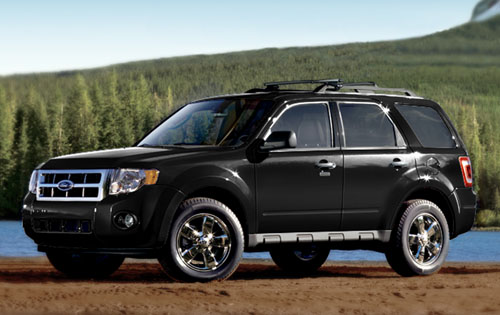
The 2010 Escape remains an appealing used compact SUV for buyers who want straightforward mechanicals, useful cargo space, available four-wheel drive, and relatively affordable repair costs. Its upright design provides good visibility and a surprisingly roomy interior without the size or fuel expense of a larger SUV.
But is the 2010 Escape a good year to buy? The answer is somewhat mixed. Its naturally aspirated engines can last well beyond 200,000 miles, but buyers need to watch for transmission problems, electric power-steering failures, rust, and age-related suspension wear. At this point, the condition and maintenance history of the individual vehicle matter more than the model’s general reputation.
In this guide, you'll learn:
- How reliable the 2010 Ford Escape really is
- Whether it is a good year to buy or one to avoid
- The most common problems and likely repair costs
- Which engine and drivetrain offer the best long-term value
- What maintenance to expect after 100,000 miles
- What to inspect before buying one
- How much negotiating room you may have
- Whether the Escape Hybrid is worth considering
Whether you're considering a four-cylinder Escape for inexpensive transportation, a V6 for additional power, or a Hybrid for better fuel economy, this guide will help you identify the versions worth buying and avoid examples that could become expensive.
If you'd like to compare this Escape to the reliability of other model years, be sure to read Ford Escape Reliability & Problems: Best Used Models & Years. This comprehensive guide highlights the best years to buy or avoid, common problems, potential maintenance costs, helps you choose the right Escape for your needs, and more.
2010 Ford Escape Reliability
The 2010 Escape earns an average overall reliability rating. Its basic engine designs are durable, parts remain widely available, and most independent repair shops are familiar with the vehicle. However, several recurring issues prevent it from ranking alongside the most dependable compact SUVs of the same era.
The standard engine is a 2.5-liter naturally aspirated inline-four (Duratec 25/L5-VE) producing 171 horsepower. It is generally the best conventional engine choice for buyers focused on longevity and reasonable ownership costs. The engine uses a timing chain rather than a timing belt and commonly reaches 200,000 miles when oil and cooling-system maintenance are kept current.
The available 3.0-liter naturally aspirated V6 (Duratec 30/AJ30) produces 240 horsepower and gives the Escape much stronger acceleration. The V6 itself is generally durable, but it uses more fuel, maintenance and repair costs are generally a little higher because some components are more difficult to access, and it may develop oil leaks and ignition-related problems as mileage increases.
The Escape Hybrid combines a 2.5-liter Atkinson-cycle inline-four (Duratec 25/L5-VE Hybrid) with an electric motor and electronically controlled continuously variable transmission. Its hybrid drivetrain has developed a respectable long-term reputation, but the age and condition of the high-voltage battery must now be considered.
- Overall Reliability: ★★★☆☆
- Expected Lifespan: Approximately 180,000–250,000 miles with consistent maintenance
- Best Conventional Engine: 2.5-liter naturally aspirated inline-four (Duratec 25/L5-VE)
- Best for Performance: 3.0-liter naturally aspirated V6 (Duratec 30/AJ30)
- Best for Fuel Economy: 2.5-liter gas-electric hybrid system
- Watch For: Automatic-transmission behavior, electric power steering, rust, oil leaks, suspension wear, and incomplete maintenance records
Reliability Scorecard
| Category | Rating |
|---|---|
| Overall Reliability | ★★★☆☆ |
| Four-Cylinder Engine | ★★★★☆ |
| V6 Engine | ★★★★☆ |
| Automatic Transmission | ★★★☆☆ |
| Hybrid Drivetrain | ★★★★☆ |
| Maintenance Costs | ★★★★☆ |
| Value Today | ★★★★☆ |
Bottom Line: The 2010 Ford Escape can be a dependable and inexpensive used SUV, but it is not a vehicle to buy without a careful inspection. The engines are generally stronger than the vehicle's overall reliability reputation suggests; transmission condition, steering operation, and rust are usually the more important concerns.
Is the 2010 Ford Escape a Good Year or One to Avoid?
The 2010 Escape is not a model year we would automatically avoid, but it should be approached more carefully than a comparable Toyota RAV4 or Honda CR-V. A clean Escape with maintenance records can represent excellent value, while a neglected one can quickly require repairs worth a large percentage of its purchase price.
The biggest concern is the six-speed automatic transmission used with most gasoline-powered models. Some vehicles develop delayed engagement, harsh shifting, slipping, or internal transmission failure. A transmission that shifts smoothly when cold may behave differently once fully warmed up, so an extended test drive is important.
Electric power-steering failure is another significant concern. Certain Escapes were included in a Ford safety recall involving a steering torque sensor that could result in the loss of power assistance. Before buying one, check the VIN to confirm that all applicable recall work has been completed.
Rust may ultimately determine whether a 2010 Escape is worth purchasing. Vehicles from northern states should be inspected underneath, particularly around the rear wheel wells, rocker panels, suspension mounting areas, subframes, brake lines, and rear hatch.
- Consider It If: You want an affordable, practical SUV and can find a well-maintained example with minimal rust.
- Use Extra Caution If: The automatic transmission shifts harshly, the steering warning light is illuminated, or the underside shows structural corrosion.
- Best Conventional Choice: A front-wheel-drive four-cylinder Escape with documented maintenance and a smooth-shifting transmission.
- Best Specialty Choice: A well-maintained Hybrid with a healthy high-voltage battery and complete service history.
- Overall Value: Good when priced below comparable Japanese compact SUVs and supported by a professional inspection.
Buyer Takeaway: The 2010 Escape is a condition-dependent buy rather than a universally good or bad year. A strong engine cannot compensate for a failing transmission or serious rust, so shop the individual vehicle rather than relying on mileage alone.
2010 Ford Escape Common Problems to Watch For
The most important problems involve the transmission, electric power steering, throttle control, rust, and ordinary age-related wear. None affects every vehicle, but several can be costly enough to change whether a particular Escape is worth buying.
Six-Speed Automatic Transmission Problems
The six-speed automatic transmission may develop delayed engagement, hard shifts, slipping, flaring between gears, or hesitation when accelerating. Some problems can be related to fluid condition, software, valve-body wear, or solenoids, while severe cases may require transmission replacement.
- Transmission fluid service: Approximately $200–$350
- Valve-body or solenoid repairs: Approximately $800–$1,800
- Rebuilt or replacement transmission: Approximately $3,500–$6,000
Buyer Tip: Drive the vehicle for at least 20–30 minutes and test it from a complete stop, during moderate acceleration, at highway speed, and after it is fully warmed up.
Electric Power-Steering Failure
The electric power-steering system can lose assistance because of a torque-sensor or steering-column fault. Manual steering remains possible, but the wheel may suddenly become much heavier, particularly at low speeds. Verify through the VIN that the applicable Ford recall has been completed.
- Torque-sensor or related repair: Often covered if an applicable recall remains open
- Steering-column replacement outside recall coverage: Approximately $1,000–$2,000
Throttle-Body and Electronic Throttle Problems
Some Escapes experience hesitation, reduced-power mode, stalling, or an illuminated wrench light caused by an electronic throttle-body fault. The vehicle may restart normally after being turned off, but the problem can return unexpectedly.
- Throttle-body cleaning or diagnosis: Approximately $150–$300
- Throttle-body replacement: Approximately $400–$750
Rust and Structural Corrosion
Rust is one of the most important concerns on Escapes that have spent years in snow-belt states. Cosmetic rust around the rear wheel arches is common, but corrosion affecting subframes, suspension mounting points, rocker panels, brake lines, or the underside of the body is much more serious.
- Minor surface-rust treatment: Approximately $300–$800
- Brake-line replacement: Approximately $500–$1,500
- Structural rust repair: Often $2,000–$5,000 or more and may not be economically worthwhile
Buyer Tip: Serious structural rust is usually a reason to walk away, regardless of how well the Escape runs.
Oil and Fluid Leaks
Higher-mileage engines may develop leaks from the valve cover gasket, oil pan, timing cover, crankshaft seals, or powertrain seals. Small seepage is not unusual at this age, but active dripping should be diagnosed before purchase.
- Valve cover gasket: Approximately $300–$650
- Oil-pan or timing-cover repair: Approximately $600–$1,500 depending on the source
Engine and Transmission Mounts
Worn mounts may cause vibration at idle, clunking when shifting between Drive and Reverse, or excessive engine movement during acceleration.
- Single engine or transmission mount: Approximately $250–$550
- Several mounts: Approximately $700–$1,400
Suspension and Wheel-Bearing Wear
Struts, control arms, sway bar links, ball joints, and wheel bearings commonly require attention as mileage increases. Listen for clunks over rough roads, humming at highway speed, looseness in the steering, and uneven tire wear.
- Sway bar links or bushings: Approximately $200–$500
- Control arms or ball joints: Approximately $500–$1,200
- Struts and shocks: Approximately $900–$1,800
- Wheel bearing: Approximately $400–$750 per wheel
Air-Conditioning Problems
Air-conditioning performance may deteriorate because of refrigerant leaks, compressor wear, a failed blend-door actuator, or electrical problems. Test both heating and cooling modes and make sure air exits from the selected vents.
- Minor refrigerant leak or recharge: Approximately $200–$500
- Blend-door actuator: Approximately $250–$600
- Air-conditioning compressor replacement: Approximately $1,000–$1,800
Hybrid Battery Age
The Escape Hybrid's high-voltage battery has generally proven durable, and many original batteries have lasted well beyond 150,000 miles. Nevertheless, every 2010 model is now old enough that battery condition should be evaluated rather than assumed.
- Hybrid battery diagnostic test: Approximately $150–$300
- Reconditioned replacement battery: Approximately $2,000–$3,500
- New replacement battery: Potentially $4,000–$6,000 or more
Buyer Tip: Do not reject the Hybrid solely because of battery age. Instead, have the battery's condition and stored diagnostic codes evaluated by a shop familiar with Ford hybrid systems.
Overall Buyer Tip: A professional pre-purchase inspection is particularly important for the 2010 Escape. The engines can be durable, but transmission trouble, steering faults, or structural rust can turn an inexpensive SUV into an uneconomical purchase.
Maintenance Cost Outlook
The 2010 Ford Escape is generally inexpensive to maintain compared with many midsize SUVs, and replacement parts remain widely available. Most repairs can be performed by independent repair shops, helping owners keep long-term costs under control.
The largest ownership risk is not routine maintenance—it's the possibility of an expensive transmission repair or severe rust. Buyers who find a well-maintained Escape and continue servicing it regularly can often enjoy many years of dependable ownership.
| Expense | Typical Cost |
|---|---|
| Routine annual maintenance | $500–$900 |
| Annual maintenance & repairs (150,000+ miles) | $1,000–$1,800 |
| Independent repair shop | Typically 20–35% less than a Ford dealer |
| Parts availability | Excellent |
Buyer Budget Recommendation: If purchasing a higher-mileage Escape, budgeting approximately $1,200 per year for maintenance and occasional repairs is realistic. Most years you'll spend less, but having a repair reserve makes ownership far less stressful.
What to Expect After 100,000 Miles
Many 2010 Escapes continue well beyond 200,000 miles, but by 100,000 miles buyers should expect normal wear items to begin requiring replacement.
Common maintenance after 100,000 miles includes:
- Brake pads and rotors
- Struts and shocks
- Control arms, ball joints and sway bar links
- Wheel bearings
- Spark plugs
- Battery
- Cooling hoses and belts
- Transmission fluid service
Higher mileage alone shouldn't discourage buyers. We'd much rather purchase a 170,000-mile Escape with excellent maintenance records than a neglected 90,000-mile example with transmission problems or significant rust.
Buyer Tip: Pay far more attention to transmission operation, steering feel, and underbody condition than the odometer.
Pre-Purchase Inspection Checklist
Before purchasing a 2010 Escape, inspect the following items carefully or have the vehicle evaluated by an independent mechanic.
- Drive the vehicle at least 20–30 minutes and verify smooth transmission operation when cold and fully warmed up.
- Confirm the electric power steering operates normally and check that all recall work has been completed.
- Inspect underneath for rust, particularly around the rear subframe, rocker panels, suspension mounting points, and brake lines.
- Look for engine oil leaks and transmission fluid leaks.
- Listen for suspension clunks and wheel bearing noise.
- Check tire wear for alignment or suspension problems.
- Verify the air conditioning blows cold.
- Review maintenance records, especially transmission servicing.
- Scan the vehicle for stored diagnostic trouble codes before purchase.
Inspection Tip: A professional pre-purchase inspection costing $150–250 is inexpensive insurance against buying an Escape with hidden transmission or rust problems.
How Much Can You Negotiate on a 2010 Ford Escape?
The 2010 Escape is now an older SUV, giving buyers considerably more negotiating leverage than they would have on newer compact SUVs. Maintenance history and condition often have a greater impact on value than mileage alone.
| Seller | Typical Negotiating Room |
|---|---|
| Ford Dealer | 5–12% |
| Independent Dealer | 7–15% |
| Private Seller | 8–18% |
If a dealer is asking $9,995:
- Excellent deal: $8,800–$9,300
- Typical purchase price: $9,300–$9,700
- Paying full asking price: Only if the Escape has below-average mileage, excellent maintenance records, minimal rust, recent transmission service, and passes a comprehensive pre-purchase inspection.
If you follow my preferred negotiating method, detailed in my Used Car Negotiation Price Guide, you'll often do better.
(For "new" cars, see my "New" Car Negotiation Price Guide.)
Additional negotiating leverage may come from documented maintenance needs such as:
- Transmission service overdue (fluid service: $200–$350)
- Harsh or delayed shifting (possible transmission repairs: $800–$6,000)
- Suspension wear (struts, ball joints, control arms or sway bar links: $500–$1,800)
- Wheel bearing noise ($400–$750 per wheel)
- Oil leaks ($300–$1,500 depending on source)
- Rust repairs needed (from several hundred dollars to several thousand depending on severity)
- Missing service records (adds uncertainty and should justify a lower offer)
Should You Consider the Escape Hybrid?
The 2010 Escape Hybrid deserves consideration if fuel economy is one of your top priorities. It combines a 2.5-liter Atkinson-cycle four-cylinder engine with an electric motor and has proven to be one of the more dependable hybrid SUVs from its era.
| Model | Reliability | Ownership Costs | Best For |
|---|---|---|---|
| 2.5L Four-Cylinder | ★★★★☆ | Low | Everyday transportation |
| 3.0L V6 | ★★★★☆ | Moderate | Buyers wanting additional power |
| Escape Hybrid | ★★★★☆ | Moderate | Maximum fuel economy |
The Hybrid generally delivers excellent long-term reliability, but buyers should verify the health of the high-voltage battery before purchasing. A battery diagnostic is inexpensive compared with replacement costs and can provide valuable peace of mind.
Bottom Line: We'd recommend all three powertrains when properly maintained. Overall condition, transmission operation, and rust are considerably more important than engine choice.
Overall 2010 Escape Pros and Cons
Pros
- Durable engines capable of high mileage
- Comfortable driving position and good visibility
- Reasonably inexpensive maintenance
- Excellent parts availability
- Hybrid model offers impressive fuel economy
- Simple, practical interior with generous cargo space
Cons
- Automatic transmission can become expensive to repair
- Electric power steering failures on some vehicles
- Rust can be a serious concern in northern climates
- Ride quality is less refined than newer compact SUVs
- Road noise is higher than many competitors
Final Verdict
The 2010 Ford Escape is a practical compact SUV that still offers excellent value for buyers willing to shop carefully. Its engines are generally durable, repair costs remain reasonable, and parts are easy to find, making it an attractive option for budget-conscious shoppers.
However, this is not a vehicle to purchase without a thorough inspection. Transmission condition, steering operation, and rust can have a much greater impact on ownership costs than the engine itself.
We especially recommend the four-cylinder model for buyers seeking dependable daily transportation, while the V6 is worthwhile for those wanting additional performance. The Escape Hybrid also deserves consideration for buyers prioritizing fuel economy.
If you find a clean, rust-free example with complete maintenance records and smooth transmission operation, the 2010 Escape can still provide many years of dependable service.
Overall Recommendation: Buy with a thorough inspection. A good example represents excellent value, but condition matters far more than mileage.
Your Trade-In
It's good to always know the value of your trade-in while you're evaluating your next possible purchase. Here's a good source for a quick and accurate appraisal: free trade-in appraisal.
Also, More On Ford Reliability
If you'd like to compare different Ford models, or years, including the Escape, be sure to read our Ford Reliability & Problems: Best Used Fords & Years Guide. It highlights the models, best years to buy, common problems, and helps you choose the right vehicle.