

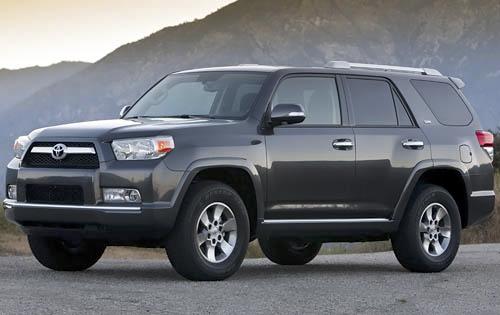
2010 Toyota 4Runner Reliability
The 2010 Toyota 4Runner is one of the more reliable body-on-frame SUVs of its era and remains an excellent choice for buyers who prioritize durability, off-road capability, and long-term ownership. As the first year of the fifth-generation 4Runner, it introduced a major redesign, but Toyota retained much of the rugged, relatively simple mechanical engineering that helped earlier 4Runners develop their reputation for exceptional longevity.
The primary engine is Toyota's naturally aspirated 4.0-liter V6, a proven powerplant known for durability when properly maintained. Unlike some competing SUVs that moved toward smaller turbocharged engines, the 4Runner's V6 is relatively straightforward and can routinely exceed 200,000 miles. Well-maintained examples reaching 250,000 to 300,000 miles are not unusual.
A naturally aspirated 2.7-liter four-cylinder was also offered on a limited number of rear-wheel-drive 2010 models. It is mechanically durable, but its modest output makes it feel underpowered in a vehicle as heavy as the 4Runner. For most buyers, the 4.0-liter V6 is the better choice because it provides substantially stronger performance without introducing significant additional reliability concerns.
The five-speed automatic transmission paired with the V6 has also developed an excellent reputation. It isn't as sophisticated as the transmissions found in newer SUVs, but that simplicity is arguably an advantage for long-term ownership. With periodic fluid servicing and reasonable use, major transmission failures are relatively uncommon.
The 4Runner's four-wheel-drive systems are another strength. Properly maintained transfer cases, differentials, and driveline components can provide very long service lives. However, buyers should remember that many 4Runners have actually been used for towing, off-road driving, or winter transportation. A vehicle's previous use can therefore be just as important as its mileage.
Rust is one of the most important things to investigate. The 4Runner's body-on-frame construction is extremely durable when the frame is sound, but vehicles exposed repeatedly to road salt can develop substantial frame and underbody corrosion. A mechanically excellent engine and transmission don't compensate for serious structural rust.
Overall, the 2010 4Runner earns an excellent reliability rating. It may require normal suspension, brake, wheel bearing, cooling-system, and accessory repairs as it ages, but catastrophic powertrain failures are relatively uncommon compared with many competing SUVs.
For more on the 4Runner's reliability, including best years, years to avoid, common problems, and much more, be sure to see our comprehensive Toyota 4Runner Reliability Guide.
- Overall reliability: Excellent
- Expected lifespan: 250,000 to 300,000+ miles with proper maintenance
- Best choice: 4.0-liter V6 with documented maintenance and a rust-free frame
- Watch for: Frame corrosion, four-wheel-drive operation, suspension wear, water pump and cooling-system condition, and evidence of hard off-road or towing use
Bottom line: The 2010 Toyota 4Runner is one of the strongest choices for someone looking for an older SUV capable of extremely high mileage. The 4.0-liter V6 and five-speed automatic are a particularly durable combination. At this age, frame condition and previous maintenance should matter more than finding the lowest odometer reading.
- Why it's a good choice: Exceptionally durable drivetrain, genuine off-road capability, strong resale value, excellent parts availability, and very high potential lifespan
- Biggest concern: Frame and underbody corrosion on vehicles exposed extensively to road salt
- Best version: 4.0-liter V6 with complete maintenance records, minimal corrosion, and no evidence of abusive off-road use
- Buy only if: The frame is structurally sound, the drivetrain operates properly, and the vehicle passes a thorough pre-purchase inspection
Is the 2010 Toyota 4Runner a Good Year or One to Avoid?
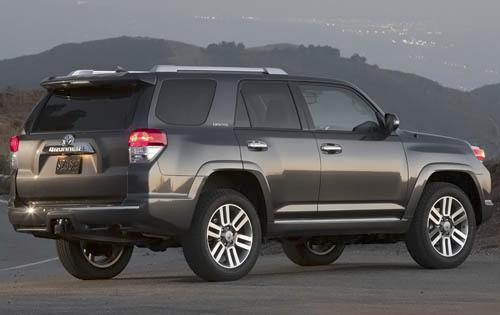
The 2010 Toyota 4Runner is generally a good year to buy, despite being the first year of the fifth-generation design. First-year redesigns sometimes deserve extra caution, but Toyota retained proven mechanical components and avoided introducing a highly complicated new powertrain. As a result, the 2010 model has aged remarkably well.
The 4.0-liter V6 is the version I would favor for nearly every buyer. The rare 2.7-liter four-cylinder can be dependable, but the fuel-economy advantage is modest relative to the performance sacrificed. The V6 is much better suited to the 4Runner's weight, towing capability, and intended use.
Condition is especially important because 4Runners attract owners who actually use their capabilities. A 120,000-mile vehicle that spent years off-road or launching boats into salt water may be a worse purchase than a carefully maintained highway-driven example with 180,000 miles.
Buyer Takeaway: The 2010 4Runner is a good year and one I'd comfortably consider, particularly with the 4.0-liter V6. Don't let Toyota's reliability reputation eliminate the inspection, though. Put the vehicle on a lift, examine the frame carefully, verify four-wheel-drive operation, and prioritize maintenance history and overall condition over mileage alone.
Also, if you're serious about buying soon, I'd highly recommend reading my most effective negotiation method for used cars, which details a quick way to identify the dealerships most motivated to "deal", no matter how busy they may seem, and how to follow up once you've found them. This can be the difference between getting a good price and getting a great one. And a variation of it is my top method for new cars, if you are also exploring that market.
You can see them here at used cars and new cars.
2010 Toyota 4Runner Common Mechanical Problems
The 2010 Toyota 4Runner has relatively few serious powertrain weaknesses, but age, mileage, corrosion, and hard use can create significant repair needs. Many of the problems below are normal for an older body-on-frame SUV rather than reasons to avoid the model, but identifying several at once can dramatically change what a particular 4Runner is worth.
- Frame and underbody corrosion: Rust should be one of the first things checked on any 2010 4Runner from a road-salt climate. Inspect the frame rails, crossmembers, suspension mounting points, skid plate areas, brake and fuel lines, and other structural components. Light surface corrosion is very different from heavy scaling, perforation, or weakened mounting areas. Significant structural rust can turn an otherwise excellent 4Runner into a vehicle you should walk away from.
- Water pump and cooling-system leaks: Higher-mileage 4.0-liter V6 engines can eventually develop water pump leakage or other cooling-system problems. Look for coolant residue, a declining reservoir level, overheating history, or evidence of previous leakage. A water pump replacement is manageable; an engine repeatedly overheated because the problem was ignored is much more concerning.
- Four-wheel-drive actuator problems: On four-wheel-drive models, actuators can become reluctant to engage if the system is rarely used. Warning lights may flash or the vehicle may fail to shift properly between drive modes. During the inspection, operate every available four-wheel-drive setting according to the owner's manual rather than simply assuming the system works.
- Transfer case and differential leaks: Seals can begin leaking as mileage and age increase. Small leaks are usually repairable, but long-term operation with insufficient lubricant can damage expensive drivetrain components. Inspect the transfer case, front differential, and rear differential for leakage.
- Driveshaft and driveline clunk: Some 4Runners develop a noticeable bump or clunk when stopping or accelerating from a stop. Driveshaft slip joints and related driveline components may require lubrication or service. Mild driveline movement isn't necessarily serious, but pronounced clunking deserves inspection.
- Front wheel bearing wear: Wheel bearings can eventually become noisy, particularly on vehicles subjected to oversized tires, rough roads, or off-road use. A humming or growling noise that increases with road speed is a common symptom. Replacement is routine but can add to the immediate cost of purchasing a high-mileage example.
- Suspension wear: Shocks, control arm bushings, ball joints, sway bar links, and other suspension components eventually wear. Off-road use and larger aftermarket wheels and tires can accelerate the process. Clunking, loose steering, excessive bouncing, or uneven tire wear indicate that chassis work may be approaching.
- KDSS system leaks or problems: Some models are equipped with Toyota's Kinetic Dynamic Suspension System. KDSS improves on-road handling while allowing substantial suspension articulation off-road, but its hydraulic components can become expensive if they leak or fail. Inspect equipped vehicles carefully for fluid leakage and uneven vehicle stance.
- Brake caliper problems: Brake calipers can eventually stick or seize, particularly in areas with heavy winter road-salt use. Symptoms include pulling during braking, uneven pad wear, excessive brake dust on one wheel, unusual heat, or reduced fuel economy from brake drag.
- Oil seepage and gasket leaks: The 4.0-liter V6 is generally very durable, but gaskets and seals can begin seeping oil with age. Minor seepage isn't unusual on a high-mileage SUV. Significant leakage, however, should be diagnosed so the repair cost can be considered before purchase.
- Steering component wear: Tie rods, steering rack components, and related parts can develop looseness or leakage as mileage accumulates. Oversized tires can place additional stress on steering and suspension components. The vehicle should track straight without excessive steering play or unusual noises.
- Air conditioning and accessory problems: Compressors, blower motors, door lock actuators, window components, switches, and other accessories can fail as the vehicle ages. These aren't usually reasons to reject a good 4Runner, but test every feature because several smaller repairs can become expensive.
- Aftermarket modification problems: Lift kits, oversized tires, altered suspension geometry, aftermarket wheels, and off-road accessories are extremely common on 4Runners. High-quality modifications aren't necessarily harmful, but poorly engineered or installed modifications can cause premature wheel bearing, suspension, steering, tire, and driveline wear.
One of the 2010 4Runner's greatest strengths is what's largely missing from the list: widespread catastrophic engine and automatic transmission failures. The fundamental powertrain is exceptionally robust. Most expensive purchases go wrong because of corrosion, neglected maintenance, previous abuse, or accumulated chassis repairs rather than an inherently weak engine or transmission.
Buyer Tip: Put the 4Runner on a lift before purchasing it. A clean-looking body can hide substantial frame corrosion underneath. Check every four-wheel-drive mode, inspect for differential and transfer-case leaks, look for evidence of off-road impacts, and examine any aftermarket suspension modifications carefully. A stock or professionally modified 4Runner with a clean frame and excellent maintenance history is worth paying more for.
2010 Toyota 4Runner Pros and Cons
The 2010 4Runner is different from many midsize SUVs because it is built more like a traditional truck than a car-based crossover. That construction contributes to its durability, towing capability, and off-road performance, but it also produces compromises in fuel economy, handling, and everyday comfort.
Pros
- Exceptional long-term durability: The 4.0-liter V6, five-speed automatic, and basic drivetrain are capable of extremely high mileage when properly maintained.
- Excellent 4.0-liter V6: Toyota's naturally aspirated V6 provides strong everyday performance without the added complexity of turbochargers or other highly stressed components.
- Proven conventional automatic transmission: The five-speed automatic may seem old-fashioned compared with newer transmissions, but its durability and relative simplicity are major advantages on an older SUV.
- Genuine off-road capability: Four-wheel-drive models offer capability well beyond most car-based crossovers, making the 4Runner particularly useful for trails, snow, camping, and difficult terrain.
- Excellent potential lifespan: A properly maintained 4Runner can remain useful well beyond 200,000 miles, and 250,000 to 300,000-mile examples are entirely realistic.
- Strong resale value: Used 4Runners command unusually high prices because buyers recognize their durability and capability. That hurts when buying but helps when it's eventually time to sell.
- Excellent parts and repair support: Toyota's large dealer network, aftermarket support, and enormous enthusiast community make parts and technical knowledge readily available.
- Useful towing and hauling ability: Body-on-frame construction and the V6 powertrain make the 4Runner better suited to demanding use than many similarly sized crossover SUVs.
Cons
- Poor fuel economy: The 4Runner's weight, body-on-frame construction, and V6 engine mean fuel consumption is substantially higher than a Toyota Highlander, RAV4, or other car-based crossover.
- Used prices are unusually high: Toyota reliability has become part of the 4Runner's market value. Buyers often pay considerably more for a high-mileage 4Runner than for competing SUVs of the same age.
- Rust can destroy an otherwise excellent vehicle: The drivetrain may be capable of 300,000 miles, but severe frame corrosion can end the useful life of the vehicle much sooner.
- Truck-like ride and handling: The body-on-frame platform is excellent for durability and off-road use but doesn't provide the same smooth ride or responsive road manners as many unibody crossovers.
- Some models have expensive suspension hardware: KDSS-equipped vehicles provide impressive capability, but hydraulic suspension components can add significant repair expense as they age.
- Off-road use complicates used-car shopping: Scraped skid plates, damaged suspension components, water exposure, and driveline wear may not be immediately apparent from a clean exterior.
- Aftermarket modifications require careful inspection: Lifted 4Runners can look appealing but may suffer from poor alignment, altered suspension geometry, accelerated component wear, or low-quality installation.
- It's more SUV than many buyers actually need: Someone who primarily drives paved suburban roads may get better fuel economy, comfort, and value from a Highlander or RAV4 without sacrificing meaningful everyday utility.
And another con ... even a good price on the vehicle doesn't necessarily mean you're getting a good deal.
There are other numbers besides price that can significantly affect the final out-the-door cost. A well-negotiated selling price can quickly lose its advantage if the dealer makes up for the concession with a below-market trade-in offer. Also, dealer fees and add-ons can further increase the final cost, making it important to learn which fees you must pay, can negotiate, or should avoid.
To become better informed about these important but often-confusing parts of the deal, be sure to see my articles on trade-ins and dealer fees.
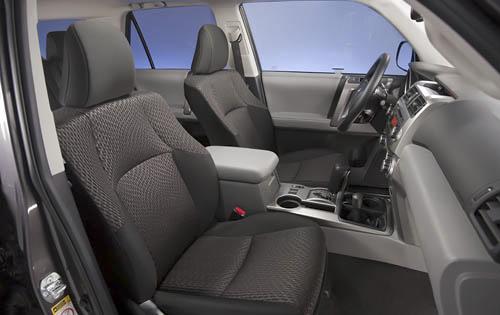
Buyer Takeaway: The 2010 Toyota 4Runner is an excellent choice for someone who genuinely values durability, towing ability, four-wheel-drive capability, and the potential to keep a vehicle for hundreds of thousands of miles. For most buyers, the 4.0-liter V6 is clearly the engine to choose. The biggest mistake is paying a premium simply because the vehicle says Toyota on the grille. Inspect the frame, verify the four-wheel-drive system, evaluate any modifications, and review maintenance history carefully. A clean, well-maintained 2010 4Runner may still have an enormous amount of useful life ahead of it, even when the odometer already shows substantial mileage.
Comparing Toyota models? See our Toyota reliability guide for the best used Toyota models and years, common problems to watch for, and how the major Toyota models compare.
Reliability Ratings
Also, if you'd like to see if the 4Runner ranks among the top used SUVs for reliability, and how others rank, be sure to read our Most Reliable Vehicles Guide: Best Models & Years. This comprehensive guide on cars, trucks, and SUVs, highlights the best years to buy or avoid, common problems, potential maintenance costs, and more, and will likely help you make the right choice to meet your needs.
Some Insider Insights:
The Best Method For Toyota Negotiating