

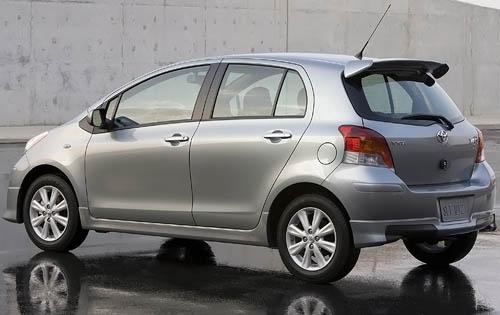
The 2010 Yaris has earned a reputation as one of the most dependable subcompact cars ever sold in North America. While it lacks the power, refinement and features of larger Toyota models like the Corolla or Camry, it excels where many buyers need it most: low ownership costs, excellent fuel economy and outstanding long-term reliability.
Powered by Toyota's proven 1.5-liter inline-four (1NZ-FE) engine, the 2010 Yaris is mechanically simple, inexpensive to maintain and capable of exceptionally high mileage. With regular oil changes and routine maintenance, it's not uncommon for these cars to exceed 300,000 miles without requiring major engine or transmission repairs. Age-related issues such as suspension wear, water pumps and wheel bearings are beginning to appear on higher-mileage vehicles, but serious drivetrain failures remain uncommon.
In this guide you'll learn:
- Whether the 2010 Toyota Yaris is a reliable used car.
- The most common mechanical problems to watch for.
- Typical maintenance and repair costs.
- How much you should negotiate before buying.
- Whether the 2010 Yaris is still worth purchasing today.
If your priorities are reliability, fuel economy and low ownership costs rather than performance or luxury, the 2010 Toyota Yaris remains one of the safest used-car purchases in its price range.
Relative Reliability: Also, if you'd like to see which are the most historically reliable cars, trucks, and SUVs, be sure to read our Most Reliable Vehicles Guide: Best Used Models & Years. This comprehensive guide highlights the top-rated models, best years to buy or avoid, common problems, potential maintenance costs, and more, and may help you make the right choice to meet your needs.
2010 Toyota Yaris Reliability
Overall Reliability Rating: 9.5/10
The 2010 Yaris is widely regarded as one of Toyota's most reliable modern vehicles. Its naturally aspirated 1.5-liter inline-four (1NZ-FE) engine has an excellent long-term track record, and both the five-speed manual and four-speed automatic transmissions routinely last well beyond 200,000 miles with regular maintenance.
Unlike many newer vehicles, the Yaris avoids direct fuel injection, turbochargers, continuously variable transmissions (CVTs) and other complex systems that can become expensive as vehicles age. Its mechanical simplicity is one of the biggest reasons so many examples remain on the road today.
That doesn't mean maintenance can be ignored. Rubber suspension components, wheel bearings, cooling system parts and engine accessories eventually wear out, but these repairs are generally predictable and relatively inexpensive compared with many other used vehicles.
- Engine: Outstanding long-term durability.
- Transmission: Both the five-speed manual and four-speed automatic are exceptionally reliable.
- Expected Lifespan: 300,000+ miles with proper maintenance. Many owners have exceeded this milestone with only routine repairs.
- Best For: Buyers seeking dependable, inexpensive transportation.
Is the 2010 Toyota Yaris a Good Year or One to Avoid?
The 2010 model is considered one of the best years of the second-generation Yaris. By this point, Toyota had already addressed most early production issues, and the drivetrain had established an excellent reliability record.
There are no widespread catastrophic problems associated with the 2010 model year. Instead, buyers should focus on finding a vehicle with documented maintenance history and minimal rust rather than worrying about major design flaws.
- Buy One If: It has been serviced regularly and shows no evidence of accident damage or significant rust.
- Think Twice If: Maintenance records are missing or corrosion is extensive.
- Comparable Alternative: A well-maintained 2011 or 2012 Toyota Yaris if similarly priced.
- Value Rating: Excellent value for buyers prioritizing reliability and low operating costs.
Possibly Buying Soon? Avoid These Dealer Traps
Before you sign, learn:
- What you don't know about dealer trade-in offers could cost you - Which dealer fees you must pay, can negotiate, or should avoid - How to avoid giving the dealer the upper hand on a used car price - How to avoid overpaying for a new car
Common Problems to Watch For
1. Water Pump Leaks
One of the more common repairs on higher-mileage Yaris models involves the engine water pump. Over time, the pump bearings and seals can wear, allowing coolant to leak from the weep hole.
Fortunately, replacement is straightforward and much less expensive than on many newer vehicles.
- Typical Repair Cost: $350-$700
- Symptoms: Coolant leaks, bearing noise or engine overheating.
- Buyer Tip: Inspect the front of the engine for dried coolant residue and verify coolant level before purchasing.
2. Front Suspension Wear
After well over 100,000 miles, front struts, sway bar links and lower control arm bushings commonly begin wearing out. These repairs are expected on a vehicle of this age and generally do not indicate poor reliability.
- Typical Repair Cost: $400-$1,200 depending on components replaced.
- Symptoms: Clunking noises, uneven tire wear or reduced ride quality.
3. Wheel Bearing Wear
Some higher-mileage Yaris models eventually develop noisy front wheel bearings. While not especially common, replacement becomes more likely as mileage approaches or exceeds 200,000 miles.
- Typical Repair Cost: $300-$700 per bearing.
- Symptoms: Humming or growling noise that changes with vehicle speed.
4. Ignition Coil Failure
Individual ignition coils occasionally fail as the vehicle ages, resulting in engine misfires and an illuminated check engine light.
- Typical Repair Cost: $150-$350 per coil.
- Symptoms: Rough idle, hesitation and reduced fuel economy.
5. Air Conditioning Performance
Older Yaris models may eventually require air conditioning repairs due to compressor wear, leaking seals or refrigerant loss. Most issues develop gradually rather than suddenly.
- Typical Repair Cost: $200-$1,000 depending on the repair required.
- Buyer Tip: Test the air conditioning thoroughly during a long test drive, especially in warm weather.
6. Rust (Snow Belt Vehicles)
In northern climates where road salt is common, rust can become a bigger concern than mechanical reliability. Pay particular attention to the rocker panels, rear wheel arches, suspension mounting points and underbody.
- Repair Cost: Highly variable.
- Buyer Tip: Minor surface rust is usually manageable, but structural corrosion is often not worth repairing.
Buyer Tip
The biggest advantage of the 2010 Toyota Yaris isn't that it never breaks—it's that most repairs are relatively inexpensive when they do occur. A well-maintained example with 180,000 miles is often a safer purchase than many competing subcompact cars with significantly lower mileage. Focus on maintenance history, accident history and rust condition rather than the odometer alone.
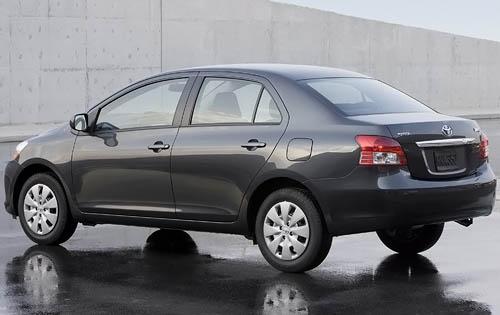
Maintenance Cost Outlook
The 2010 Toyota Yaris is one of the least expensive vehicles on the road to maintain. Its simple drivetrain, excellent parts availability and proven reliability help keep repair costs well below those of most compact and subcompact competitors.
Routine maintenance is straightforward, and most independent repair shops are very familiar with the Yaris. Many owners perform basic maintenance themselves, further reducing ownership costs.
| Maintenance Item | Typical Cost |
|---|---|
| Oil change | $50–$90 |
| Front brake pads and rotors | $300–$600 |
| Battery replacement | $180–$280 |
| Spark plug replacement | $180–$350 |
| Transmission service | $180–$300 |
| Coolant service | $150–$250 |
| Water pump replacement | $350–$700 |
| Front strut replacement (pair) | $700–$1,200 |
Owners should expect to spend approximately $400–$800 per year on routine maintenance for a well-maintained Yaris. A neglected higher-mileage example may require $1,000–$2,000 during the first year to catch up on overdue maintenance and wear items.
Typical Maintenance After 100,000 Miles
Reaching 100,000 miles is only the beginning for a well-maintained Toyota Yaris. Many examples continue providing reliable transportation for another 150,000 miles or more with routine servicing.
As mileage increases, buyers should expect normal age-related maintenance rather than major mechanical failures.
- Inspect the water pump for leaks.
- Replace worn front struts and suspension bushings.
- Service the automatic transmission if maintenance history is unknown.
- Replace spark plugs if overdue.
- Inspect wheel bearings for noise.
- Check serpentine belt condition.
- Inspect the exhaust system for corrosion.
- Examine the underbody carefully for rust in northern vehicles.
Buyer Tip: Service records are far more important than mileage. A properly maintained Yaris with 220,000 miles can easily be a better purchase than a neglected example with half that mileage.
Pre-Purchase Inspection Checklist
Although the Yaris is highly reliable, every used vehicle deserves a thorough inspection before purchase.
- Inspect underneath for rust, especially in snow-belt states.
- Check for coolant leaks around the water pump.
- Test both heating and air conditioning systems.
- Listen for wheel bearing noise during the test drive.
- Inspect suspension components for excessive wear.
- Verify smooth transmission operation.
- Look for uneven tire wear that may indicate alignment or suspension issues.
- Check for fluid leaks underneath the engine.
- Review maintenance records for regular oil changes and coolant service.
- Confirm that all electrical accessories function properly.
How Much Can You Negotiate?
The Toyota Yaris enjoys an excellent reputation for reliability, so clean examples often sell quickly. Even so, buyers should still negotiate based on maintenance history, tire condition and upcoming repairs rather than simply accepting the asking price.
| Seller Type | Typical Negotiation Range |
|---|---|
| Franchise Dealer | 3–7% |
| Independent Dealer | 5–10% |
| Private Seller | 8–15% |
If a dealer is asking $8,995:
- Excellent deal: $7,900–$8,300
- Typical purchase price: $8,300–$8,700
- Paying full asking price: Only if the vehicle has unusually low mileage, complete maintenance records, excellent tires and brakes, minimal rust, and passes a professional pre-purchase inspection.
If you follow my preferred negotiating method, detailed in my Used Car Negotiation Price Guide, you'll often do better.
(For "new" cars, see my "New" Car Negotiation Price Guide.)
Items that can justify a lower offer include:
- Water pump showing signs of leakage ($350–$700).
- Worn tires ($500–$800).
- Front suspension repairs needed ($400–$1,200).
- Air conditioning repairs needed ($200–$1,000).
- Rust requiring attention.
- Incomplete maintenance records.
Negotiating from documented inspection findings rather than simply asking for a discount is usually the most effective approach.
Overall Pros and Cons
Pros
- Outstanding long-term reliability.
- Very low maintenance and repair costs.
- Excellent fuel economy.
- Simple, proven mechanical design.
- Inexpensive replacement parts.
- Capable of exceeding 250,000 miles with proper maintenance.
Cons
- Modest acceleration.
- Road and wind noise are noticeable at highway speeds.
- Basic interior compared with newer competitors.
- Limited cargo space in hatchback and sedan.
- Fewer standard safety and convenience features than newer subcompacts.
Final Verdict
The 2010 Yaris remains one of the smartest used-car purchases available for buyers who prioritize reliability and affordability over performance or luxury. Its dependable 1.5-liter inline-four (1NZ-FE) engine, simple design and low maintenance costs have allowed countless examples to remain on the road for well over 250,000 miles, even 300,000.
While buyers should expect normal age-related repairs such as suspension components, water pumps and wheel bearings, there are few widespread mechanical weaknesses that should discourage purchase. As with any older vehicle, maintenance history and overall condition are far more important than mileage alone.
Overall, we'd rate the 2010 Yaris as a highly recommended buy for shoppers seeking dependable, economical transportation with excellent long-term ownership prospects.
Buying a 2010 Toyota Yaris: What Matters Most
When buying a Yaris, focus first on overall condition rather than finding the lowest-mileage example. A car that has received regular oil changes, coolant services and suspension maintenance will almost always provide a better ownership experience than one that has simply been driven fewer miles.
Pay close attention to rust if you're shopping in areas where road salt is common. Surface corrosion is usually manageable, but structural rust affecting the frame or suspension mounting points can quickly turn an inexpensive car into a poor investment.
Finally, compare several examples before making a decision. Because the Yaris has an excellent reputation, prices vary widely based on condition rather than model year alone. Spending slightly more for a clean, well-maintained vehicle often saves thousands of dollars in future repairs.
Buyer Tip: The best 2010 Toyota Yaris isn't necessarily the cheapest one for sale ... it's the one with documented maintenance, minimal rust, a clean inspection report and evidence that it has been cared for throughout its life.
Comparing Toyota models? See our Toyota reliability guide for the best used Toyota models and years, common problems to watch for, and how the major Toyota models compare.