

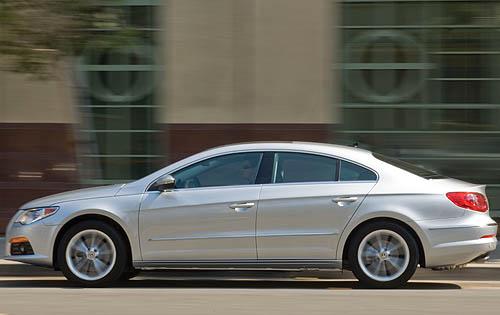
The 2010 Volkswagen CC is an attractive and enjoyable used sport sedan, but reliability is mixed and buyers should approach higher-mileage examples carefully. Mechanically, the CC shares much with other Volkswagen and Audi products of the period, which means it offers excellent road manners and strong performance but also inherits several well-known engine and drivetrain trouble areas.
Most 2010 CC models are powered by Volkswagen's turbocharged 2.0-liter four-cylinder engine. It delivers strong low-rpm torque, good acceleration, and respectable fuel economy, but this engine has several important weaknesses. Timing-chain tensioner problems are among the most serious because a failed tensioner can allow the chain to jump timing and cause major internal engine damage.
The 2.0-liter turbo engine also uses direct fuel injection, which can allow carbon deposits to accumulate on the intake valves. As deposits become substantial, the engine may develop rough idle, hesitation, misfires, or reduced performance. The positive crankcase ventilation system, diverter valve, water pump, ignition coils, and other related components can also require attention as mileage increases.
A naturally aspirated 3.6-liter VR6 was available in higher-performance CC models. The VR6 provides considerably stronger acceleration and avoids some of the 2.0-liter turbo's specific problems, but it is less fuel efficient and can develop its own expensive timing-chain and cooling-system concerns as mileage accumulates. Because the timing-chain components are labor-intensive to access, significant chain-related work can be costly.
Transmission choice is another important consideration. Some 2.0-liter cars were available with a six-speed manual, while others use Volkswagen's six-speed DSG dual-clutch transmission. The DSG can be durable and provides excellent performance, but it requires regular fluid and filter servicing. A DSG-equipped CC without documentation of scheduled transmission maintenance is considerably less attractive.
The CC's stylish frameless doors, sophisticated electronics, upscale interior, and relatively complex suspension also introduce additional potential repair areas. None necessarily makes the car a poor purchase, but this isn't a vehicle I'd recommend buying solely because the asking price seems low.
Overall, the 2010 Volkswagen CC rates below average to average for long-term reliability. A properly maintained example with important known problems already addressed can provide substantial mileage, but neglected cars can become expensive quickly.
- Overall reliability: Below Average to Average
- Expected lifespan: 150,000 to 200,000+ miles with excellent maintenance
- Best choice: Well-documented 2.0-liter turbo with updated timing-chain components and complete maintenance records
- Watch for: Timing-chain tensioner problems, carbon buildup, DSG maintenance, water pump leaks, PCV failure, oil consumption, and electrical problems
Bottom line: The 2010 Volkswagen CC can be a rewarding used car, but it requires more careful shopping than a Camry or Accord. Maintenance history is critical, particularly on 2.0-liter turbo models. A car with documented timing-chain work, regular oil changes, and proper DSG servicing can be worth considering; an inexpensive CC with an unknown history can easily become an expensive purchase.
- Why it's a good choice: Stylish design, upscale interior, strong turbocharged performance, excellent highway manners, and attractive used-car pricing
- Biggest concern: Timing-chain system failure on the 2.0-liter turbo can result in severe engine damage
- Best version: Properly maintained example with extensive service documentation and known problem areas already addressed
- Buy only if: The timing-chain system has been evaluated, the transmission operates correctly, and a Volkswagen/Audi specialist performs a pre-purchase inspection
Is the 2010 Volkswagen CC a Good Year or One to Avoid?
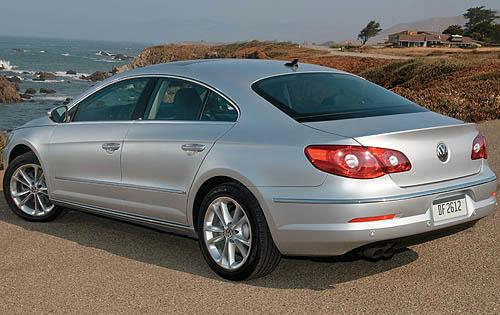
The 2010 Volkswagen CC is best described as a "buy carefully" year rather than a model I'd broadly recommend to reliability-focused shoppers. It can be an excellent value for someone who wants European styling and driving characteristics at a relatively low purchase price, but several potentially expensive mechanical problems mean the individual vehicle's history matters enormously.
The 2.0-liter turbo is the most common version and can be perfectly serviceable when maintained properly. The timing-chain tensioner deserves particular attention. A car with documentation showing that updated components have already been installed may actually be a substantially better purchase than a lower-mileage example still relying on older components.
The 3.6-liter VR6 shouldn't automatically be considered the safer choice simply because it eliminates the turbocharger. It offers excellent performance but brings higher fuel consumption, greater mechanical complexity in some areas, and potentially expensive timing-chain repairs of its own.
For buyers considering a DSG-equipped 2.0T, transmission service records should be treated as an important part of the vehicle's maintenance history. Volkswagen's DSG is fundamentally different from a conventional automatic and depends on proper periodic servicing.
Buyer Takeaway: I wouldn't automatically avoid a 2010 CC, but I would be selective. This is one of those vehicles where a well-maintained 130,000-mile car with extensive repair documentation may be substantially safer than an apparently pristine 80,000-mile example with almost no service history.
2010 Volkswagen CC Common Mechanical Problems
The 2010 CC has several known trouble areas that deserve specific investigation before purchase. Some repairs are relatively routine, while others can cost enough to exceed a substantial portion of the car's current value.
- Timing-chain tensioner failure: This is one of the most important concerns on the 2.0-liter turbo engine. Earlier tensioner designs can fail and allow the timing chain to become loose or jump timing. Because the engine is an interference design, the resulting piston-to-valve contact can cause severe internal engine damage. Documentation showing updated timing components is highly desirable.
- Timing-chain stretch and startup rattle: Even apart from tensioner failure, chains and related components can wear. Rattling during cold startup, timing-related diagnostic codes, poor running, or abnormal camshaft timing readings deserve immediate investigation. A Volkswagen specialist can evaluate the timing system more accurately than a simple visual inspection.
- Intake valve carbon buildup: Direct fuel injection allows carbon deposits to accumulate on the intake valves because gasoline doesn't continually wash across them. Heavy buildup can cause rough idle, hesitation, reduced performance, poor fuel economy, or misfires. Mechanical intake-valve cleaning may eventually be required.
- Water pump failure and coolant leaks: Water pumps and related cooling-system components are known trouble areas. Look for a declining coolant level, dried coolant residue, overheating warnings, or coolant odors after driving. Repeated coolant loss should never be ignored.
- PCV system failure: A failed positive crankcase ventilation valve can create vacuum problems, rough idle, oil leaks, unusual noises, or increased oil consumption. The repair itself is generally manageable, but PCV problems can sometimes produce symptoms that resemble more serious engine faults.
- Oil consumption: Some 2.0-liter turbo engines begin using noticeable amounts of oil between changes. Ask specifically how frequently oil needs to be added. Consistently operating the engine with insufficient oil can accelerate timing-chain, turbocharger, and internal engine wear.
- Ignition coil failures: Failed coils can cause rough running, hesitation, misfires, and check-engine lights. Coils and spark plugs are relatively straightforward repairs, but persistent or recurring misfires should be properly diagnosed rather than assuming ignition components are always responsible.
- Turbocharger and diverter valve problems: Boost-control components can fail and produce reduced power, inconsistent acceleration, or diagnostic trouble codes. Higher-mileage turbochargers may also develop wastegate or bearing wear. Significant turbocharger repairs can become expensive.
- DSG maintenance and problems: The six-speed DSG requires periodic fluid and filter servicing. A neglected transmission may develop rough engagement, hesitation, shuddering, or other problems. Some faults involve clutch packs or mechatronic components and can be expensive to repair. Service documentation is particularly important.
- Manual transmission clutch wear: The available six-speed manual eliminates DSG-specific concerns but introduces a conventional clutch and dual-mass flywheel. Slipping, chatter, vibration, or unusual noises can indicate an approaching clutch or flywheel replacement.
- 3.6-liter VR6 timing-chain wear: The VR6 uses timing chains that can eventually stretch or develop tensioner and guide problems. Repairs can be labor-intensive because of the location of the timing components. Startup noise or timing-related diagnostic codes deserve careful investigation.
- Intake manifold problems: Intake manifold runner mechanisms and related components can develop faults, potentially causing check-engine lights or drivability problems. Proper diagnosis is important because similar symptoms can result from carbon buildup or other engine issues.
- Suspension and control arm wear: Bushings, control arms, sway bar links, struts, and other components eventually deteriorate. Clunking, uneven tire wear, poor alignment, or vague steering can indicate that several chassis components need attention.
- Wheel bearing wear: A humming or growling noise that increases with vehicle speed can indicate a failing wheel bearing. This is a relatively normal higher-mileage repair but should still be considered when evaluating the purchase price.
- Electronic parking brake problems: Faults involving switches, motors, wiring, or control electronics can trigger warning messages or prevent proper parking brake operation. Test the system repeatedly during the inspection.
- Frameless window and door problems: The CC's frameless windows contribute to its distinctive appearance but rely on regulators, switches, seals, and electronics that can develop problems. Make sure every window lowers and raises correctly when the doors are opened and closed.
- Electrical and accessory faults: Door locks, window regulators, seat controls, sensors, infotainment equipment, climate-control components, and other electronics can fail as the car ages. Test every feature before purchasing.
With the CC, repair history can actually make an older vehicle more attractive. A car that has already received updated timing components, a water pump, intake cleaning, and proper DSG services may be a better prospect than a low-mileage example on which none of those items has ever been addressed.
Buyer Tip: Have the CC inspected by an independent Volkswagen/Audi specialist and start the engine completely cold. Ask specifically about the timing-chain tensioner, timing-chain wear, oil consumption, water pump, carbon buildup, and transmission service. If the car has a DSG, request documentation of its scheduled fluid and filter changes rather than accepting a statement that the transmission has been "maintenance free."
2010 Volkswagen CC Pros and Cons
The 2010 CC's strongest appeal is that it still looks and feels considerably more expensive than its current used-car price suggests. It offers European road manners, an upscale cabin, and distinctive styling for surprisingly little money. The tradeoff is considerably greater mechanical risk than you'd encounter with many mainstream Japanese sedans.
Pros
- Distinctive styling: The CC's coupe-like roofline and frameless doors still give it a more upscale appearance than many midsize sedans of the same age.
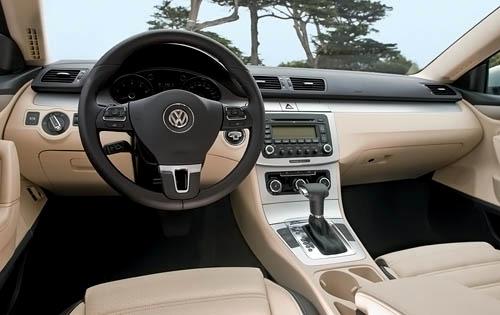
- Excellent interior: Cabin materials, seats, dashboard design, and overall fit and finish give the CC a genuinely premium feel.
- Strong 2.0-liter turbo performance: The turbocharged four-cylinder produces excellent low-rpm torque and makes the car feel quicker than its displacement suggests.
- Good fuel economy: The 2.0T provides a useful balance between performance and fuel consumption when operating properly.
- Enjoyable handling: Steering and chassis tuning give the CC a more engaging and substantial driving feel than many mainstream midsize sedans.
- Excellent highway car: Stable road manners, supportive seats, and good power make the CC particularly comfortable on longer trips.
- Available manual transmission: Buyers who enjoy shifting for themselves can avoid DSG-specific concerns while getting a more engaging driving experience.
- Attractive used-car price: Heavy depreciation means the CC can provide a great deal of style, performance, and equipment for relatively little initial money.
Cons
- Timing-chain tensioner risk: Failure can cause catastrophic engine damage, making this one of the most important items to investigate before purchase.
- Carbon buildup: Direct injection introduces an additional maintenance requirement that simpler port-injected engines generally avoid.
- Water pump problems: Cooling-system repairs are common enough to deserve specific attention when reviewing service history.
- DSG requires proper maintenance: The transmission performs extremely well but isn't tolerant of owners ignoring its service requirements.
- Potentially expensive turbo-related repairs: Turbochargers, wastegates, diverter valves, and boost-control components introduce complexity absent from naturally aspirated competitors.
- Electrical complexity: Frameless windows, electronic parking brake equipment, luxury accessories, and numerous control modules create additional potential failure points.
- Rear-seat practicality is compromised: The stylish roofline sacrifices some rear headroom and everyday practicality compared with a conventional sedan.
- A cheap CC can become expensive quickly: Timing-chain work, a DSG repair, water pump, carbon cleaning, and suspension repairs can easily cost more than the apparent savings from buying a neglected example.
Buyer Takeaway: The 2010 Volkswagen CC can be a terrific value for someone who specifically wants its styling, upscale interior, and European driving character and is willing to accept higher maintenance risk. It is not one of my first choices for a buyer whose only priorities are reliability and inexpensive transportation.
If you do want one, maintenance documentation should matter more than mileage. A well-cared-for 2.0T with updated timing components, proper DSG service where applicable, controlled oil consumption, and evidence that cooling-system and carbon-buildup issues have been addressed can be worth buying. A bargain-priced CC with little service history is one I'd approach very cautiously.
Reliability Ratings
Also, if you'd like to see the top used cars for reliability in this category, be sure to read our Most Reliable Vehicles Guide: Best Models & Years. This comprehensive guide on cars, trucks, and SUVs, highlights the best years to buy or avoid, common problems, potential maintenance costs, and more, and will likely help you make the right choice to meet your needs.
Rivals
Possible worthy competitors from the same time period maybe worth considering include the Acura TL SH-AWD, BMW 328i xDrive and Audi A4 2.0T Quattro.
Also, it's good to always know the value of your trade-in while you're evaluating your next possible purchase. Here's a good source for a quick and accurate appraisal: free trade-in appraisal.
Other Issues
If you may be buying soon, I'd recommend reading my most effective negotiation method for used cars. It explains a quick way to identify the dealerships most motivated to deal, no matter how busy they may seem, and how to follow up once you've found them. That can be the difference between getting a good price and getting a great one.
Or, if you'd consider buying a brand-new vehicle if you could get a lower-than-expected price, learn how to shop the dealer, not just the car.
Lastly, beware of "Dealer Fees": Before agreeing to a dealer's numbers, see which dealer fees are legitimate, which can be negotiated, and which can be avoided.