

Is the 2011 Toyota Camry Still a Good Used Car in 2026?
The 2011 Camry is now a long-established used vehicle, meaning buyers are evaluating it as a car with more than a decade of real-world ownership history behind it. This long time on the road provides insight into how the vehicle actually holds up under years of commuting, highway mileage, family use, and general wear.
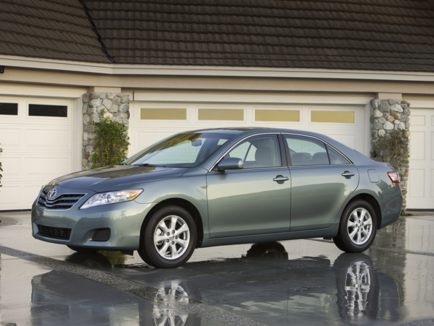
In this guide, we focus on how the 2011 Camry performs as an aging vehicle, including long-term reliability trends, common owner-reported issues, known mechanical weak points, and whether it still makes sense as a used purchase in today’s high-priced car market.
Overall, the 2011 Camry has developed a strong reputation for durability and predictable ownership costs. Many examples remain on the road well past 200,000 miles. However, at this age, condition and maintenance history matter far more than brand reputation alone, and individual examples can vary significantly.
More On Reliability: Also, if you'd like to compare this Camry model year to the reliability of other model years, be sure to read Toyota Camry Reliability & Problems: Best Used Models & Years. This comprehensive guide highlights the best years to buy or avoid, common problems, potential maintenance costs, and more, and will likely help you make the right choice for your needs.
2011 Toyota Camry Reliability
This model year is widely regarded as one of the most reliable midsize sedans on the used market. As one of the final model years of the sixth-generation Camry, Toyota had refined the platform over several years, resulting in excellent long-term durability, low ownership costs, and a reputation for dependable transportation. With proper maintenance, many examples easily surpass 250,000 miles.
The standard 2.5-liter four-cylinder engine is exceptionally reliable and provides an excellent balance of fuel economy, performance, and low maintenance costs. The optional 3.5-liter V6 is also among the most dependable V6 engines available, offering strong performance with only slightly higher maintenance expenses. Both engines are paired with proven automatic transmissions that have excellent reliability records.
Most reported issues are relatively minor and typical of an aging vehicle. Buyers should inspect for water pump leaks, suspension wear, worn engine mounts, and routine maintenance history. Overall, the 2011 Camry has very few widespread mechanical problems and remains one of the most dependable used family sedans available.
- Overall reliability: Excellent
- Expected lifespan: 250,000 to 300,000+ miles with proper maintenance
- Best choice: 2.5-liter four-cylinder for the best balance of reliability, fuel economy, and ownership costs
- Watch for: Water pump leaks, suspension wear, engine mounts, and complete maintenance records
Bottom line: The 2011 Toyota Camry is one of the most dependable midsize sedans ever built. A well-maintained example offers exceptional reliability, excellent resale value, and low ownership costs, making it an outstanding used-car purchase.
Is the 2011 Toyota Camry a Good Year or One to Avoid?
The 2011 Camry is clearly considered one of the best years to buy and is definitely not a year to avoid. As one of the final years before the next redesign, it benefits from years of engineering improvements and has earned an excellent reputation for long-term dependability.
The 2.5-liter four-cylinder is the best choice for buyers seeking the lowest ownership costs, while the 3.5-liter V6 provides excellent performance without sacrificing much reliability. Regardless of engine choice, a documented maintenance history is more important than mileage alone.
- Why it's a good choice: Proven powertrains, outstanding long-term reliability, and inexpensive ownership
- Biggest concern: Verify routine maintenance and inspect for normal age-related wear items
- Best version: 2.5-liter four-cylinder with documented service records
- Buy only if: The vehicle has been well maintained and passes a pre-purchase inspection
Bottom line: The 2011 Camry is not a year to avoid. It remains one of the best used midsize sedans available and is an excellent choice for buyers looking for dependable, low-cost transportation that can provide many years of reliable service.
What History Has Proven
- Engine durability: The 2.5L four-cylinder has proven to be one of the most stable long-term engines in this class, often reaching high mileage when oil changes and cooling system maintenance are kept up.
- Transmission behavior over time: While generally reliable, some higher-mileage examples develop slight hesitation or shifting inconsistency as fluid ages or wear accumulates in internal components.
- Chassis longevity: The suspension system is durable but not immune to age. Rubber bushings and struts gradually degrade, especially in hot climates, leading to ride quality changes rather than sudden failure.
- Electrical aging: As with most vehicles of this era, sensors, batteries, and alternators become more common replacement items after the 10–15 year mark.
Overall, the Camry’s long-term reliability is not about being maintenance-free, but about avoiding catastrophic failures when properly cared for.
Pros (From a Long-Term Ownership Perspective)
- Predictable long-term durability: The drivetrain is known for avoiding major failure modes, which makes it appealing as a low-risk used purchase compared to many competitors of the same era.
- Comfort-oriented ride that holds up over time: The suspension tuning prioritizes comfort, and while it can feel soft compared to modern vehicles, it tends to age gracefully without becoming harsh.
- Low parts and repair complexity: The Camry’s widespread use means parts remain affordable and widely available, helping keep long-term ownership costs manageable.
- Strong high-mileage survivability: Many examples remain functional beyond 200,000 miles, provided routine maintenance has been followed.
- Stable resale demand: Even older Camrys tend to maintain demand in the used market due to reputation and familiarity.
Cons (How It Shows Its Age)
- Interior wear becomes noticeable over time: Seat bolsters, dash materials, and trim pieces often show visible aging in higher-mileage or sun-exposed vehicles.
- Not a modern driving experience: Steering feel and handling are comfort-focused rather than responsive, and this becomes more noticeable when compared to newer vehicles.
- Technology is outdated by today’s standards: Infotainment, safety systems, and connectivity features lag far behind modern expectations.
- Suspension aging effects: Ride quality can degrade gradually as bushings and struts wear, even if no major failure occurs.
Mechanical Problem Watchlist (What to Inspect Before Buying)
While the 2011 Camry is generally dependable, age introduces predictable wear patterns that buyers should check carefully before purchase.
- Transmission behavior: Look for hesitation, delayed shifting, or rough downshifts, especially in higher-mileage vehicles where fluid service history is unknown.
- Suspension wear: Worn struts, control arm bushings, and sway bar links can create clunks, uneven tire wear, or a loose driving feel.
- Oil consumption (less common but important): Some vehicles may show increased oil usage as mileage rises, making regular monitoring important.
- Cooling system aging: Water pumps, hoses, and radiators become more failure-prone simply due to age rather than design issues.
- Accessory component wear: Alternators, batteries, and A/C components are common replacement items in this age range.
Maintenance Cost Outlook
One reason the 2011 Toyota Camry remains popular in the used-car market is its relatively predictable long-term ownership cost profile. While no 15-year-old vehicle is maintenance-free, it tends to remain less expensive to operate than many competitors when properly maintained.
Most owners should expect annual maintenance and repair expenses of approximately $800 to $1,500 per year, depending on mileage, condition, and usage patterns.
- Routine maintenance: Oil changes, brakes, tires, batteries, and fluids remain relatively affordable and widely available.
- Age-related repairs: Suspension components, cooling system parts, and rubber bushings are the most common long-term wear items.
- Engine longevity factor: The 2.5L four-cylinder remains one of the strongest assets of this model when properly maintained.
- Unexpected repairs: Owners should still budget for occasional component failures such as alternators, sensors, or A/C system parts due to age.
Overall, the Camry remains one of the lower-cost midsize sedans to maintain in its age range, particularly compared with newer vehicles that carry higher depreciation, insurance, and repair complexity.
How Much Can You Negotiate on a 2011 Toyota Camry?
The negotiating room is usually about average. While the Camry has an outstanding reputation for reliability, its age means many examples now have higher mileage or require some maintenance, giving buyers a bit more negotiating leverage than on newer models.
Here's what I'd consider realistic:
| Seller Type | Typical Negotiating Room |
|---|---|
| Private seller | 5–10% |
| Independent used-car dealer | 4–8% |
| Franchised Toyota dealership | 3–7% |
| Low-mileage, exceptionally clean example | 0–3% |
| High-mileage or needs maintenance | 8–12% |
Example
If a dealer is asking $9,995:
- Excellent deal: $8,900–$9,300
- Typical purchase price: $9,300–$9,800
- Paying full asking price: Only if the car is exceptionally clean, has unusually low mileage, and comes with excellent service records.
What Creates Negotiating Room?
You may be able to negotiate several hundred dollars more if the vehicle needs:
- New tires ($600–$1,000)
- Brake work ($300–$800)
- Struts or suspension repairs
- Water pump or cooling system service
- Cosmetic scratches or dents
- Has multiple previous owners or an accident history
- Has been on the dealer's lot for 45–60 days or longer
If you follow my preferred negotiating method, detailed in my Used Car Negotiation Price Guide, you'll often do better.
(For "new" cars, see my "New" Car Negotiation Price Guide.)
My rule of thumb: For a typical 2011 Toyota Camry priced between $7,500 and $11,000, I'd usually expect a successful buyer to negotiate about $500 to $1,200 off at a dealership. Larger discounts are certainly possible on higher-mileage vehicles or those needing maintenance.
Although the Camry remains one of the most desirable used sedans, its age gives buyers more negotiating leverage than with newer examples. Your best strategy is to compare several similar Camrys at different dealerships and let them compete for your business rather than negotiating against just one seller. In my experience, that's where buyers usually achieve the biggest savings.
Should You Buy a 2011 Toyota Camry in 2026?
The 2011 Camry can still be a strong used-car choice in 2026, but only when evaluated through the lens of current condition rather than original reputation. Well-maintained examples can still deliver reliable, low-stress transportation, while poorly maintained vehicles can quickly become costly.
- Good buy if: The vehicle has documented maintenance history and no signs of transmission or major suspension issues.
- Best suited for: Buyers prioritizing dependable transportation over modern features or driving excitement.
- Avoid if: There is evidence of neglected maintenance, transmission hesitation, or unknown service history.
- Always recommended: A pre-purchase inspection to evaluate age-related wear that may not be immediately obvious.
2011 Camry Conclusion
This model year has largely lived up to its reputation for long-term durability and practical ownership. While age-related wear is now the primary consideration rather than original build quality, the model continues to offer predictable reliability, manageable maintenance costs, and strong high-mileage survivability when properly maintained.
As with any older vehicle, the most important factor is not the nameplate, but the condition and maintenance history of the specific example being considered.
Also, it's good to always know the value of your trade-in while you're evaluating your next possible purchase. Here's a good source for a quick and accurate appraisal: free trade-in appraisal.
Comparable Vehicles
If you're considering a 2011 Camry, these similar midsize sedans from the same era are also worth comparing:
- 2011 Honda Accord Reliability
- 2011 Mazda6 Reliability
- 2011 Hyundai Sonata Reliability
- 2010 Toyota Corolla Reliability
What's Next?
If you may be buying soon, I'd recommend reading my most effective negotiation method for used cars. It explains a quick way to identify the dealerships most motivated to deal, no matter how busy they may seem, and how to follow up once you've found them. That can be the difference between getting a good price and getting a great one.
Lastly, Comparing Toyota models? See our Toyota reliability guide for the best used Toyota models and years, common problems to watch for, and how the major Toyota models compare.