

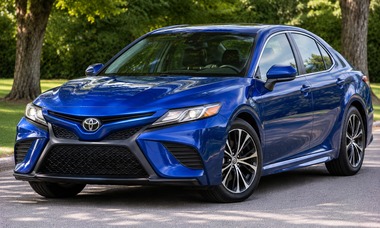
Is a used Toyota Camry a reliable car? Absolutely. The Camry has long been one of my favorite recommendations for buyers who want comfortable, dependable transportation without spending a fortune on maintenance and repairs.
There's a reason so many Camrys remain on the road after 200,000 miles. Toyota has consistently used durable engines, dependable transmissions, and mechanical designs that generally hold up very well over time. With proper maintenance, a Camry can often last 200,000–300,000 miles, sometimes even longer.
One of the Camry's greatest advantages is that you don't need to buy a particularly expensive or recent model to get a good car. Older examples can still provide years of reliable service, while newer generations offer improved safety technology, better fuel economy, and more refined interiors.
For buyers on a limited budget, the 2004–2006 and 2010–2011 models are worth considering. The 2015–2017 Camry is particularly appealing for overall value, while the 2019–2023 models combine modern features with excellent long-term reliability potential.
There are a few problems worth understanding, particularly excessive oil consumption in certain 2007–2009 four-cylinder engines and transmission torque-converter shudder in some 2012–2014 models. But these concerns involve specific vehicles and powertrains rather than a fundamental weakness in the Camry's overall design.
The available V6 engines have also earned strong durability reputations, and Toyota's hybrid system has proved itself over many years of service. My advice is to concentrate on finding a well-maintained Camry with a good history rather than worrying excessively about minor differences between otherwise dependable model years.
In This Guide
- How many miles a Camry can last
- The best Camry model years to buy
- Years requiring extra inspection
- Reliability differences between generations
- Four-cylinder, V6, and hybrid considerations
- Maintenance and repair costs
- Other dependable midsize sedans worth considering
Or, Looking For "New"?
If you're also considering a new Camry, you may want to come back to this and take a look at a handy technique that identifies the dealer in your area most ready to make price concessions. Also, here's the 2027 Toyota Camry's invoice prices by trim.
How Many Miles Can a Toyota Camry Last?
A properly maintained Toyota Camry can realistically last 200,000–300,000 miles, and some examples exceed 300,000 miles. Its durable engines, affordable repairs, and widely available replacement parts make it one of the better choices for buyers planning to keep a car for many years.
I wouldn't automatically hesitate to buy a Camry with 100,000 or even 150,000 miles if it had a good maintenance history and passed a thorough inspection. At higher mileages, I'd pay particular attention to transmission operation, suspension condition, cooling-system maintenance, and evidence of oil consumption. On older V6 models, documented timing-belt replacement is also important.
Of course, a Camry capable of reaching 250,000 miles won't necessarily do so without repairs. Water pumps, suspension components, starters, and other wear items may eventually need replacement. But when these repairs are handled promptly, the basic engine and drivetrain can often continue providing dependable transportation for many additional years.
What Are the Best Toyota Camry Model Years to Buy?
Fortunately, Toyota has produced enough dependable Camry generations that buyers have several excellent choices. The best one depends largely on your budget and how much you value newer technology.
| Model Years | Why They're Worth Considering |
|---|---|
| 2004–2006 | Comfortable, mechanically straightforward sedans with durable engines and affordable maintenance. |
| 2010–2011 | Dependable 2.5-liter four-cylinder and 3.5-liter V6 engines, good fuel economy, and reasonable used prices. |
| 2012–2014 | Strong engines and good long-term value, provided the automatic transmission operates smoothly. |
| 2015–2017 | Excellent overall value, refreshed styling, improved refinement, and proven mechanical components. |
| 2019–2023 | Modern safety technology, excellent fuel economy, improved handling, and strong reliability potential. |
For an inexpensive older sedan, I'd begin with the 2004–2006 or 2010–2011 Camry. Both can provide excellent service when properly maintained. The 2010–2011 four-cylinder is especially appealing because it uses Toyota's dependable 2.5-liter engine rather than the earlier 2.4-liter engine associated with some oil-consumption complaints.
For overall value, the 2015–2017 Camry would be one of my first choices. Toyota refreshed the styling and interior for 2015 while retaining proven engines and transmissions. You get a comfortable, dependable sedan that still feels reasonably modern without paying the premium for a much newer model.
If your budget permits, the 2019–2023 Camry deserves serious consideration. These cars offer improved handling, excellent fuel economy, and modern safety features. The standard four-cylinder is a particularly sensible choice, while the V6 and hybrid versions are also attractive.
I wouldn't overlook a well-maintained Camry from another year, either. A clean LE or SE with a documented service history can be a better purchase than a newer, more expensive example that hasn't been properly cared for.
What Toyota Camry Model Years Should You Avoid or Inspect More Carefully?
There are remarkably few Camry years I'd automatically avoid. Most have strong reliability records, but several deserve closer attention before purchase.
- 2002–2003: Generally durable cars, but age makes cooling-system condition, oil leaks, suspension wear, and maintenance history particularly important.
- 2007–2009 with the 2.4-liter four-cylinder: Some developed excessive oil consumption related to piston and piston-ring problems. Check for documented repairs and unexplained oil loss.
- 2012–2014 gasoline models: Certain six-speed automatic transmissions developed torque-converter shudder. Check for smooth operation and any completed repairs.
- Early 2018 models: As the first year of a redesign, these deserve careful test drives for transmission shift quality and verification of applicable recalls or service updates.
The most important engine concern involves certain 2007–2009 Camrys equipped with the 2.4-liter four-cylinder. Some experienced excessive oil consumption because of piston and piston-ring problems. Toyota established extended warranty coverage for eligible vehicles, although that program has expired.
I'd ask whether the engine requires oil between changes and look for documentation of previous repairs. A Camry that received the appropriate repair can still be an excellent purchase. The available 3.5-liter V6 does not share this particular four-cylinder problem.
On certain 2012–2014 gasoline Camrys, torque-converter shudder can produce a vibration during light acceleration. Toyota issued service guidance and extended coverage for eligible vehicles. A thorough test drive and evidence of any completed repairs are important.
The redesigned 2018 Camry also deserves attention to transmission behavior. Some owners reported hesitation or abrupt shifts from the new eight-speed automatic. Many cars operate normally, and some concerns were addressed through software updates. I'd evaluate the individual car rather than dismissing the entire year.
Also, evaluating a Camry for a possible purchase is a very important first step. The next step would be learning how to actually get an excellent used Camry price, and I have some important tips on that.
Toyota Camry Reliability by Generation
The Camry has evolved considerably over the years, but its basic appeal has remained consistent: comfortable transportation, dependable mechanical components, and reasonable ownership costs. The biggest differences between generations involve engine choices, transmissions, and the technology introduced along the way.
Fifth Generation: 2002–2006 Toyota Camry Reliability
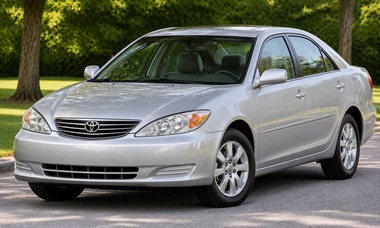
The fifth-generation Camry remains one of the better inexpensive used sedans available. It's comfortable, easy to drive, and mechanically straightforward by modern standards. For someone who simply wants dependable transportation without spending heavily, a clean example can still make considerable sense.
Most models use a naturally aspirated 2.4-liter four-cylinder engine, while V6 versions offer either a 3.0-liter or, on certain later models, a 3.3-liter engine. All can provide long service when maintained properly.
The four-cylinder is economical and generally durable, although I'd check for oil leaks, cooling-system neglect, and any unusual oil consumption. The V6 engines are smooth and dependable, but they use timing belts that require scheduled replacement. A missing timing-belt service record is something I'd address before purchasing, particularly on a high-mileage car.
At this age, normal wear becomes a bigger concern than the basic mechanical design. Suspension bushings, struts, engine mounts, radiators, water pumps, and other components may need attention. Rust and previous accident repairs can also affect whether an older Camry is worth buying.
One advantage is that replacement parts remain widely available and most independent repair shops are familiar with these cars. That helps keep ownership costs manageable even when age-related repairs become necessary.
I'd favor a 2004–2006 Camry with documented maintenance and recently completed wear-item repairs over a lower-mileage example with an uncertain history. A good fifth-generation Camry can still be a bargain, but at this age, condition is everything.
Sixth Generation: 2007–2011 Toyota Camry Reliability

The sixth-generation Camry introduced more interior room, improved safety features, and stronger performance while retaining the comfort and practicality that made the model so popular.
Overall reliability remained very good, although engine selection became more important. The 2007–2009 gasoline four-cylinder models used Toyota's 2.4-liter engine, and some developed excessive oil consumption associated with piston-ring problems. Many of these cars have provided excellent service, but I'd investigate any history of unusually frequent oil additions or previous engine repairs.
For 2010, Toyota replaced the regular gasoline Camry's 2.4-liter four-cylinder with a newer naturally aspirated 2.5-liter engine. This became one of the company's most dependable powerplants, offering good performance, excellent fuel economy, and impressive long-term durability.
The available 3.5-liter V6 is another excellent choice. It provides considerably stronger acceleration than the four-cylinder while maintaining a very good reliability record. Unlike the older Camry V6 engines, it uses a timing chain rather than a scheduled-replacement timing belt.
The Camry Hybrid also arrived with this generation, combining a 2.4-liter gasoline engine with Toyota's hybrid system and an electronically controlled continuously variable transmission, or eCVT. The hybrid drivetrain is generally durable, although battery condition becomes increasingly important as these vehicles age. A hybrid-system inspection is worthwhile before buying an older example.
Beyond the engines, I'd check for steering-column noises, water-pump leaks, suspension wear, and normal age-related maintenance needs. These aren't reasons to avoid the generation, but they're practical items to consider when deciding what a particular car is worth.
For someone who wants an affordable, dependable sedan, the later sixth-generation Camry is an appealing choice. I'd lean toward the 2.5-liter four-cylinder for everyday economy or the V6 for buyers who appreciate stronger performance.
Seventh Generation: 2012–2017 Toyota Camry Reliability
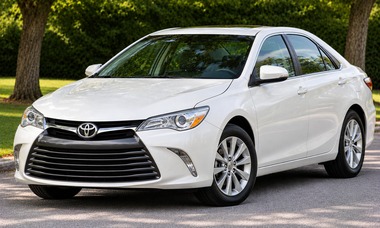
The seventh-generation Camry is one of my favorite used midsize sedans. It combines Toyota's proven mechanical reliability with comfortable seating, good fuel economy, and relatively low maintenance costs.
The standard naturally aspirated 2.5-liter four-cylinder is particularly appealing. It has an excellent durability record and provides more than enough performance for everyday driving. The available 3.5-liter V6 offers substantially stronger acceleration while remaining a very dependable engine.
Both gasoline engines use timing chains rather than timing belts. Conventional gasoline models have a six-speed automatic transmission, while the Camry Hybrid combines a 2.5-liter four-cylinder with Toyota's well-established hybrid system and eCVT.
Some 2012–2014 gasoline Camrys experienced torque-converter shudder, usually felt as a vibration during light acceleration. Toyota issued service guidance and extended coverage for eligible vehicles. I'd check repair records and make sure the transmission operates smoothly during a thorough test drive.
Otherwise, these Camrys generally age very well. Water-pump leaks, suspension wear, and other routine maintenance items can occur as mileage accumulates, but serious engine problems are relatively uncommon on properly maintained examples.
The 2015 refresh made this generation even more attractive. Toyota updated the styling, improved interior materials, and refined the suspension without substantially changing the proven engines and transmissions.
For buyers seeking a dependable sedan that still feels reasonably modern, the 2015–2017 Camry is difficult to beat. It's comfortable enough for long trips, economical to maintain, and available with either a durable four-cylinder or a smooth, powerful V6. I'd consider the hybrid just as seriously if fuel economy were a priority.
Eighth Generation: 2018–2023 Toyota Camry Reliability
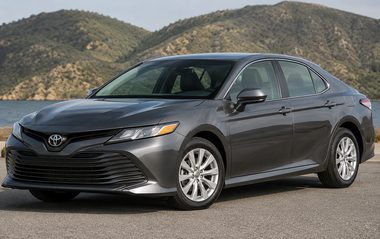
The redesigned 2018 Camry represented a major improvement in driving dynamics, interior design, and safety technology. It became more responsive and enjoyable to drive without abandoning the comfort and dependability that have always been central to its appeal.
The standard naturally aspirated 2.5-liter Dynamic Force four-cylinder provides an excellent combination of performance and fuel economy. It has developed a favorable reliability record and is a particularly sensible choice for buyers planning to keep their cars for many years.
The available 3.5-liter V6 offers impressive acceleration and remains an attractive choice for buyers who want more performance. The Camry Hybrid combines a different version of the 2.5-liter engine with Toyota's dependable hybrid technology, providing outstanding fuel economy.
Gasoline models use an eight-speed automatic transmission, while hybrids use an eCVT. Toyota also introduced all-wheel drive on certain four-cylinder Camrys beginning with the 2020 model year, providing another option for buyers who regularly drive in snow or other slippery conditions.
Some owners of early eighth-generation Camrys reported hesitation or abrupt shifting from the eight-speed automatic. Many cars operate normally, and I'd make sure the transmission shifts smoothly under different driving conditions and that any applicable software updates have been completed.
Certain Camrys were also included in fuel-pump recall campaigns involving components that could fail and cause stalling. I'd verify recall completion using the vehicle's VIN rather than assuming that every car from a particular year was affected.
The hybrid models are especially appealing for buyers who drive frequently or want to minimize fuel costs. Toyota's hybrid systems have an excellent reputation, and their eCVTs are mechanically different from the belt-driven CVTs used in some competing vehicles. On a higher-mileage hybrid, I'd still want a qualified technician to evaluate the battery and related systems.
These newer Camrys haven't all accumulated the same ultra-high-mileage history as earlier generations, but the overall outlook is excellent. I'd concentrate on maintenance records, accident history, transmission operation, and completion of applicable recalls.
For a modern used Camry, I'd give particular consideration to a 2019–2023 four-cylinder or hybrid. The V6 is also an excellent choice if you value stronger performance and don't mind its higher fuel consumption.
Toyota Camry Maintenance and Repair Costs
Affordable maintenance is one of the Camry's greatest strengths. Replacement parts are widely available, independent repair shops are familiar with the car, and major mechanical failures are relatively uncommon on properly maintained examples.
RepairPal gives the Toyota Camry a reliability rating of 4.0 out of 5.0, ranking it third among 24 midsize cars. Its estimated average annual repair and maintenance cost is $388, compared with $526 for midsize cars overall. That's an excellent ownership-cost record, although an individual older car can certainly require more expensive repairs.
The following are updated RepairPal estimates for common Camry services and repairs. They are general U.S. averages across model years rather than quotes for a particular vehicle.
| Maintenance or Repair | Estimated Cost |
|---|---|
| Average annual maintenance and repairs | $388 |
| Oil and filter change | $130–$162 |
| Brake-pad replacement, one axle | $304–$368 |
| Automatic-transmission fluid change | $254–$328 |
| Water-pump replacement | $625–$807 |
| Spark-plug replacement | $151–$223 |
| Suspension shock or strut replacement | $831–$998 |
Actual costs vary by model year, engine, location, labor rates, and the extent of the repair. Brake-pad replacement doesn't include new rotors, and the suspension estimate should not be interpreted as a guaranteed price for replacing every strut on the car.
Older V6 Camrys with timing belts also need scheduled belt replacement, while high-mileage hybrids deserve attention to battery condition. Those costs vary enough by vehicle and repair scope that I'd obtain a specific estimate rather than rely on a single broad figure.
One reason I like the Camry as a used-car purchase is that its relatively modest maintenance costs make it easier to keep properly serviced. Regular oil changes, appropriate transmission maintenance, and prompt attention to cooling-system problems can help prevent more expensive repairs later.
When comparing two Camrys, look beyond the odometer. A well-maintained 140,000-mile example with documented repairs and recently replaced wear items can be a better value than a neglected car showing only 90,000 miles.
Speaking of possible unexpected costs, before agreeing to a dealer's numbers, see which dealer fees are legitimate, which can be negotiated, and which can be avoided.
Toyota Camry Alternatives to Consider
The Camry is one of my strongest recommendations for dependable midsize transportation, but several competitors deserve consideration before making a final decision.
- Honda Accord Reliability Guide — Probably the Camry's closest competitor for long-term dependability. The Accord generally offers more engaging handling, while the Camry emphasizes comfort and predictable ownership costs.
- Mazda6 Reliability Guide — An attractive alternative for buyers who enjoy driving. The Mazda6 offers responsive handling and appealing styling, while the Camry has a particularly strong reputation for long-term durability.
- Nissan Altima Reliability Guide — Often available at attractive used prices, although certain Altima CVT transmissions have a less favorable reliability history than the Camry's conventional automatics and hybrid eCVTs.
- Hyundai Sonata Reliability Guide — Frequently offers generous equipment and competitive prices. Reliability varies considerably by engine and model year, so careful selection is especially important.
If long-term dependability and low ownership costs were my highest priorities, I'd begin by comparing the Camry and Accord. Both are excellent choices, and the condition of the individual vehicles would probably influence my decision more than the badge on the trunk.
Considering Other Toyota Models? Visit our Toyota Reliability Guide to compare other Toyota cars and SUVs, their reliability histories, and the best years to buy.
Final Verdict: Is a Used Toyota Camry a Good Car to Buy?
Absolutely. The Toyota Camry remains one of the best used midsize sedans available. Its durable engines, comfortable ride, relatively low maintenance costs, and impressive longevity make it an outstanding choice for dependable everyday transportation.
I'd be comfortable recommending a well-maintained Camry from almost any of the generations covered here. The important exceptions involve particular engine or transmission concerns that should be investigated before purchase, not an overall lack of dependability.
Find a car that fits your budget, review its maintenance history, and have it professionally inspected. A good Camry can provide many years of comfortable, economical transportation without requiring you to spend heavily on repairs.
Also, How Much Is Your Car Worth?
It's good to always know the value of your trade-in whether you may trade it, sell it, or are just keeping tract of the value of one of your assets.
I think the two most accurate trade-in appraisal services are Edmunds and Kelley Blue Book.
By averaging the two appraisals you'll have a very good idea of what your car is actually worth. They're both free, of course, and only take a couple minutes.