

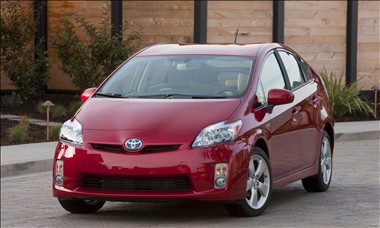
The 2011 Toyota Prius has an excellent reputation for fuel economy and can accumulate very high mileage, but it requires a little more caution than the Prius name alone might suggest. The basic hybrid system is remarkably durable, and many examples exceed 200,000 miles, but third-generation Prius models have several known trouble areas that become increasingly important as mileage climbs.
Every 2011 Prius uses a 1.8-liter four-cylinder gasoline engine paired with Toyota's Hybrid Synergy Drive system and an electronically controlled continuously variable transmission (eCVT). Unlike a conventional belt-driven CVT, Toyota's hybrid transaxle uses a planetary gearset and electric motor-generators. It has proven exceptionally durable and should not be confused with the more failure-prone conventional CVTs used in some other vehicles.
The hybrid battery is another component that often worries used-car shoppers, but Toyota's battery packs have generally demonstrated excellent longevity. Many original batteries last well beyond 150,000 miles and sometimes beyond 200,000 miles. However, a 2011 Prius is now old enough that battery age matters regardless of mileage. A professional hybrid battery health test is worthwhile before purchasing.
The bigger long-term concern is the gasoline engine and its related emissions and cooling systems. Higher-mileage third-generation Prius models can develop excessive oil consumption, exhaust gas recirculation (EGR) system carbon buildup, and eventually head gasket problems. These issues are not present on every car, but they deserve careful attention when evaluating a Prius approaching or exceeding 150,000 miles.
The brake system also uses an electrically assisted brake booster and actuator rather than a simple conventional setup. These components generally last a long time, and regenerative braking helps conventional brake pads last exceptionally well, but brake actuator failure can be expensive when it occurs.
Overall, the 2011 Prius can still be an excellent high-mileage used car. Its hybrid drivetrain is one of the most proven in the industry, fuel economy remains outstanding even by modern standards, and routine maintenance costs are generally low. The key is understanding that a 15-year-old Prius should be evaluated as an aging hybrid rather than assuming Toyota reliability makes every example a safe purchase.
- Overall reliability: Above Average
- Expected lifespan: 200,000 to 300,000+ miles with proper maintenance
- Best choice: Well-maintained example with documented service and a healthy hybrid battery
- Watch for: Oil consumption, EGR carbon buildup, head gasket symptoms, hybrid battery condition, brake actuator problems, and cooling system maintenance
Bottom line: The 2011 Toyota Prius remains one of the most economical high-mileage used cars available, and its hybrid transaxle is exceptionally durable. However, buyers should pay particular attention to oil consumption, EGR system condition, head gasket symptoms, and the age of the hybrid battery. A carefully inspected example can still provide years of inexpensive transportation.
- Why it's a good choice: Outstanding fuel economy, durable hybrid drivetrain, long potential lifespan, excellent practicality, and low routine maintenance costs
- Biggest concern: Expensive engine or hybrid-related repairs can substantially change the economics of an inexpensive older Prius
- Best version: A well-maintained, unmodified Prius with complete service history and a strong hybrid battery
- Buy only if: The engine shows no signs of head gasket trouble or excessive oil consumption, the hybrid battery tests well, and the car passes a hybrid-knowledgeable pre-purchase inspection
Also, Reliability Of Other Prius Model Years
For reliability information on other Prius model years, see our Toyota Prius Reliability Guide which covers common problems, best years to buy, years to avoid, maintenance costs, and much more.
Is the 2011 Toyota Prius a Good Year or One to Avoid?
The 2011 Toyota Prius falls somewhere between a clear "good year" and a year that deserves extra inspection. It can be extremely durable, and there are many high-mileage examples still in daily use. However, it belongs to the third Prius generation, where oil consumption, EGR carbon accumulation, and head gasket problems have become well-known concerns as these cars age.
That doesn't mean every 2011 Prius will develop a failed head gasket or consume excessive amounts of oil. Maintenance history, driving conditions, mileage, and previous repairs all matter. A Prius that has received consistent oil changes and preventive EGR and cooling-system attention can be a much better purchase than a lower-mileage example with no service documentation.
The hybrid battery shouldn't automatically scare buyers away either. Battery deterioration is a legitimate age-related concern, but replacement and repair options are much more widely available today than when the Prius was new. What matters is knowing the battery's condition before agreeing on a purchase price.
Buyer Takeaway: I would classify the 2011 Prius as a "buy carefully" year rather than one to automatically avoid. It can deliver tremendous fuel savings and exceptionally high mileage, but a pre-purchase inspection should specifically address the engine, EGR system, cooling system, brake actuator, and hybrid battery rather than treating it like an ordinary gasoline-powered Toyota.
2011 Toyota Prius Common Mechanical Problems
The 2011 Prius has an unusually durable hybrid transmission and relatively few conventional drivetrain problems, but several specific issues can become expensive at higher mileage. Knowing these trouble areas is particularly important because a Prius can continue driving normally while some problems are developing.
- Head gasket failure: Head gasket problems are one of the most important concerns on higher-mileage third-generation Prius models. Symptoms can include rough shaking immediately after a cold start, unexplained coolant loss, misfire codes, white exhaust vapor, or repeated engine overheating. A failing head gasket can become an expensive repair and should be ruled out before purchasing a high-mileage example.
- EGR system carbon buildup: The exhaust gas recirculation system, EGR cooler, intake passages, and intake manifold can accumulate substantial carbon deposits over time. Restricted EGR flow can contribute to rough running and uneven combustion and is often discussed in connection with eventual head gasket problems. Evidence that the EGR system has been inspected or cleaned is valuable on a higher-mileage Prius.
- Oil consumption: Some 1.8-liter engines begin consuming significant amounts of oil as mileage increases. Check the dipstick before starting the vehicle and ask the owner how often oil must be added. A Prius that has repeatedly been driven with insufficient oil represents considerably more risk than one whose oil level has been carefully monitored.
- Hybrid battery deterioration: The high-voltage battery can eventually lose capacity or develop weak modules simply because of age and use. Symptoms may include rapidly changing battery charge levels, reduced fuel economy, frequent engine operation, warning lights, or diagnostic trouble codes. A battery health test is much more useful than guessing its condition based on mileage alone.
- Brake booster and actuator failure: The Prius uses an electronically controlled brake system that can develop internal faults. Symptoms can include warning lights, unusual pump operation, changes in brake pedal feel, or the brake pump cycling excessively. Replacement can be costly enough that the system deserves specific attention during a pre-purchase inspection.
- Engine water pump failure: The electrically driven engine water pump can eventually fail or develop problems. Warning lights, overheating, or stored cooling-system codes should be investigated immediately because overheating can contribute to serious engine damage.
- Inverter cooling system concerns: The hybrid inverter has its own cooling requirements. Pumps and related components should be functioning correctly because excessive inverter temperatures can lead to warning lights or hybrid-system problems. Verify that there are no hybrid warning messages or cooling-system fault codes.
- Intake manifold contamination: Oil vapor and EGR deposits can accumulate inside the intake manifold and passages. Uneven restriction can contribute to rough running or cylinder-to-cylinder differences in EGR flow. Cleaning may be worthwhile as preventive maintenance on higher-mileage cars.
- Ignition coil and spark plug problems: Worn spark plugs or failing ignition coils can cause misfires and rough running. However, repeated misfires—particularly accompanied by coolant loss—should not automatically be blamed on ignition components because they can also indicate a developing head gasket problem.
- 12-volt auxiliary battery failure: In addition to the large hybrid battery, the Prius has a conventional 12-volt battery that powers computers and accessories. A weak battery can create unusual electrical symptoms or prevent the vehicle from entering READY mode. Replacement is considerably less serious than hybrid battery failure.
- Wheel bearing wear: Higher-mileage Prius models may develop noisy wheel bearings. A humming or growling sound that increases with road speed is typical. This is generally a straightforward repair and not a reason to reject an otherwise good vehicle.
- Suspension wear: Struts, shocks, control arm bushings, sway bar links, and other suspension components eventually wear. A Prius used extensively as a commuter or rideshare vehicle may have substantially more chassis wear than its appearance suggests.
- Combination meter and electrical accessories: Displays, switches, door lock actuators, and other electrical components can develop age-related faults. Test all dashboard displays and accessories before purchasing.
- Catalytic converter concerns: A worn or contaminated catalytic converter can trigger emissions-related warning lights. Prius catalytic converters have also historically been theft targets, so inspect the exhaust system for evidence of replacement, poor-quality repairs, or aftermarket components.
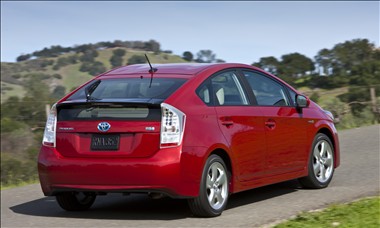
One of the most encouraging aspects of the 2011 Prius is the durability of its hybrid transaxle. Toyota's eCVT does not use the belts, pulleys, or conventional friction clutches associated with many traditional automatic and continuously variable transmissions, and major transaxle failures are relatively uncommon.
Buyer Tip: Always inspect a Prius completely cold if possible. A pronounced shake or misfire during the first few seconds after startup can be an important warning sign. Check the coolant and engine oil levels, scan the vehicle for stored diagnostic codes, and have the hybrid battery evaluated. For a high-mileage example, ask whether the EGR cooler and intake system have ever been cleaned.
2011 Toyota Prius Pros and Cons
The 2011 Prius still has a compelling argument as an inexpensive commuter because few older vehicles combine its fuel economy, interior versatility, and potential lifespan. The tradeoff is that some hybrid and engine repairs can be expensive enough to overwhelm the value of a neglected car.
Pros
- Outstanding fuel economy: Real-world fuel economy remains exceptional even compared with many much newer gasoline-powered cars, making the Prius particularly attractive to high-mileage drivers.
- Exceptionally durable hybrid transaxle: Toyota's eCVT design has proven to be one of the strongest components in the Prius drivetrain and generally requires little attention beyond proper fluid maintenance.
- Long potential lifespan: Properly maintained examples frequently exceed 200,000 miles, and 300,000-mile Priuses are far from unheard of.
- Hybrid battery durability is generally good: Although eventual deterioration is inevitable, many original Toyota battery packs provide surprisingly long service lives.
- Low brake wear: Regenerative braking reduces reliance on conventional friction brakes, allowing pads and rotors to last considerably longer than they might on a traditional car.
- Practical hatchback design: The rear hatch and folding seats provide much more cargo flexibility than a conventional compact sedan.
- Low routine maintenance requirements: There is no conventional alternator, starter motor, or accessory drive arrangement like you'll find on many ordinary gasoline cars, eliminating several traditional maintenance concerns.
- Excellent parts and repair support: The enormous number of Priuses sold means independent hybrid specialists, replacement batteries, used components, and aftermarket repair options are widely available.
Cons
- Head gasket risk: Higher-mileage third-generation Prius models can develop an expensive head gasket failure, particularly if warning symptoms are ignored.
- EGR maintenance becomes important: Carbon accumulation in the EGR and intake systems introduces a maintenance concern that many owners may never have addressed.
- Oil consumption: Some engines begin using substantial amounts of oil as mileage increases, requiring regular monitoring between oil changes.
- Aging hybrid battery: Even an exceptionally durable battery is ultimately a wear item, and age becomes increasingly important on a 2011 vehicle.
- Brake actuator repairs can be expensive: The sophisticated regenerative braking system works extremely well but contains components that are costly when they eventually fail.
- Performance is modest: The Prius is designed around efficiency rather than acceleration or sporty driving, and buyers seeking an engaging driving experience may find it uninspiring.
- Road and engine noise: The cabin isn't as quiet or refined as some conventional midsize sedans, and the gasoline engine can become noticeably vocal during hard acceleration.
- Cheap examples can be deceptive: A low purchase price isn't necessarily a bargain if the vehicle simultaneously needs a hybrid battery, head gasket, brake actuator, and suspension work.
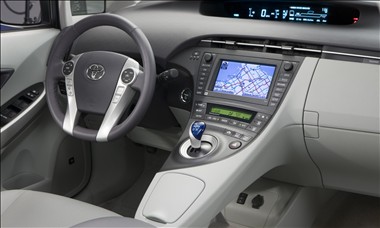
Buyer Takeaway: The 2011 Toyota Prius can still be one of the smartest older cars to own for someone who drives a lot and values fuel economy above performance, but it should no longer be purchased solely on Toyota's reputation for reliability. The ideal example has consistent maintenance records, minimal oil consumption, no coolant loss or cold-start misfire, a healthy hybrid battery, and evidence that its EGR and cooling systems have received appropriate attention. Find one in that condition and 200,000 miles doesn't necessarily mean the end of its useful life; buy a neglected one because it's cheap and a few major repairs can quickly erase years of potential fuel savings.
Your Trade-In
Also, it's good to always know the value of your trade-in while you're evaluating your next possible purchase. Here's a good source for a quick and accurate appraisal: free trade-in appraisal.
What's Next?
If you may be buying soon, I'd recommend reading my most effective negotiation method for used cars. It explains a quick way to identify the dealerships most motivated to deal, no matter how busy they may seem, and how to follow up once you've found them. That can be the difference between getting a good price and getting a great one.
Or, if you'd consider buying a brand-new Prius if you could get a lower-than-expected price, learn how to shop the dealer, not just the car.
And beware of "Dealer Fees": Before agreeing to a dealer's numbers, see which dealer fees are legitimate, which can be negotiated, and which can be avoided.
Also, comparing Toyota models? See our Toyota reliability guide for the best used Toyota models and years, common problems to watch for, and how the major Toyota models compare.