

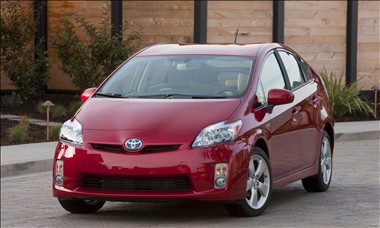
Which Toyota Prius years are the most reliable? Which years should you avoid? How long does the hybrid battery last, and is an older Prius still worth buying once it reaches 150,000 or 200,000 miles?
The Prius has earned a strong reputation for longevity, and high-mileage examples are common. But reliability isn't identical across every generation. Some older Priuses are remarkably durable, while certain model years have expensive problems that can turn an inexpensive used hybrid into a poor purchase.
The biggest concerns also change as the Prius ages. On an older 2001-2009 car, hybrid battery condition may be more important than mileage alone. The 2010-2015 generation adds concerns involving oil consumption, EGR-related problems, and head-gasket failure at higher mileage. The 2016-2022 generation is generally a stronger used-car choice, while the redesigned 2023 Prius is considerably newer and has less long-term high-mileage history.
This guide covers U.S.-market Toyota Prius model years from 2001 through 2023, including reliability by generation, hybrid battery lifespan, common problems, years to avoid or inspect carefully, repair costs, expected vehicle lifespan, and the best years to buy.
In This Guide You'll Learn
- How reliable the Toyota Prius is over the long term
- Which Toyota Prius years are the best choices
- Which Prius years require extra inspection
- The most common problems by generation
- How long a Prius hybrid battery can last
- What hybrid battery replacement can mean for an older Prius
- Why some 2010-2015 models deserve additional caution
- How head-gasket and EGR problems can affect third-generation cars
- How much common Prius repairs can cost
- How long a Toyota Prius can realistically last
Is the Toyota Prius Reliable?
Overall, the Toyota Prius is one of the more durable hybrid vehicles on the used-car market. Its gasoline engines operate differently from those in conventional cars, the hybrid transaxle eliminates many components found in a traditional automatic transmission, and regenerative braking can reduce wear on conventional brake components.
The hybrid system itself has also proven far less troublesome than many early hybrid-car shoppers feared. The high-voltage battery does eventually deteriorate, but battery failure shouldn't be confused with failure of the entire hybrid drivetrain.
Age is especially important when evaluating an older Prius. Hybrid battery condition depends on more than odometer mileage. Calendar age, climate, temperature exposure, usage patterns, and individual battery condition all matter.
That means a 2008 Prius with only 65,000 miles isn't automatically a safer hybrid-battery bet than one with 150,000 miles. Both batteries are now quite old, and the lower-mileage car may have spent long periods sitting unused.
The Prius also demonstrates why buyers shouldn't assume every Toyota generation has identical reliability. The second-generation 2004-2009 Prius developed an excellent reputation for durability, while the 2010-2015 generation introduced a 1.8-liter Atkinson-cycle inline-four and an EGR system as part of a substantially redesigned hybrid powertrain. Toyota itself documented EGR-related rough-running and misfire conditions affecting 2010-2015 Prius models.
Owner complaint data also show excessive oil consumption as a notable issue on early third-generation cars, particularly the 2010 and 2011 model years, while head-gasket failures have been reported on higher-mileage examples.
The fourth-generation 2016-2022 Prius addressed many of the concerns that make earlier cars more complicated used purchases. Toyota redesigned the hybrid system with smaller and lighter components, and later versions use either nickel-metal hydride or lithium-ion battery technology depending on configuration.
Bottom Line: The Prius is generally an excellent long-term vehicle, but we'd evaluate a 2008, 2012, and 2019 Prius very differently. On the oldest cars, hybrid battery age becomes a major consideration. On 2010-2015 cars, engine condition deserves additional attention. The 2016-2022 generation is one of the strongest places to start if your budget allows.
Reliability at a Glance
| Category | Our Assessment |
|---|---|
| Overall Reliability | Above Average to Excellent |
| Strong Older Years | 2006-2009 |
| Strong Newer Years | 2016-2022 |
| Years Requiring Extra Inspection | 2001-2003 due largely to age; 2010-2012 due to engine-related concerns |
| Major Older-Prius Concern | Hybrid battery age and condition |
| Major Third-Generation Concern | Oil consumption, EGR/misfire issues, and potential head-gasket problems |
| Expected Vehicle Lifespan | 200,000-300,000+ miles with excellent maintenance |
| Best Overall Used Generation | 2016-2022 for buyers prioritizing reliability and lower age-related risk |
Buyer Tip: Never evaluate an older Prius solely by mileage. A hybrid-system diagnostic and battery-health evaluation can tell you considerably more than the odometer about whether an older Prius is a good purchase.
Reliability by Generation
2001-2003: First-Generation Toyota Prius
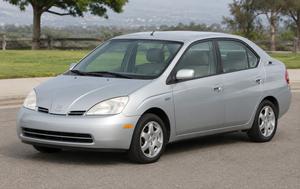
The first-generation Prius introduced many American buyers to the idea that a gasoline-electric hybrid could function like a normal everyday car. Toyota identifies the 2001-2003 models as the first U.S. Prius generation. :contentReference[oaicite:3]{index=3}
These cars are historically important and can be surprisingly durable, but in today's used-car market their age creates a significant disadvantage.
A 2001 Prius is now more than two decades old. Even if the gasoline engine remains healthy, buyers have to consider the hybrid battery, inverter and hybrid electronics, cooling system, suspension, air conditioning, rubber components, electrical equipment, and general deterioration associated with age.
Parts availability and the number of repair shops familiar with these earliest cars can also be less favorable than with later generations.
Common 2001-2003 Prius Concerns
- Aging high-voltage hybrid battery
- 12-volt battery problems
- Cooling-system deterioration
- Suspension and steering wear
- Electrical and accessory failures associated with age
- Reduced availability of certain generation-specific components
- General deterioration of rubber seals, hoses, mounts, and bushings
Buyer Tip: A first-generation Prius can still be usable transportation, but we'd buy one based on exceptional condition and service history rather than simply because the asking price is low.
Bottom Line: The 2001-2003 Prius demonstrated that Toyota's hybrid concept could be durable, but these cars are now old enough that age-related repair exposure makes later generations more attractive for most buyers.
2004-2009: Second-Generation Toyota Prius
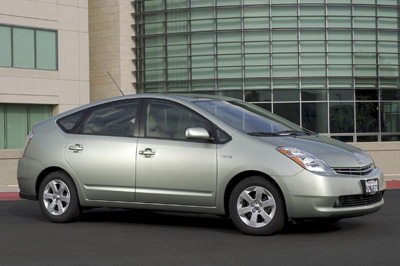
The 2004 redesign created the Prius most people came to associate with Toyota's hybrid success. The larger hatchback offered exceptional fuel economy, useful cargo capacity, and a hybrid system that proved capable of accumulating very high mileage.
This generation uses a 1.5-liter Atkinson-cycle inline-four working with Toyota's electric motor/generator system and electronically controlled hybrid transaxle.
One of the Prius's durability advantages is the hybrid transaxle. It doesn't operate like a conventional belt-and-pulley continuously variable transmission, nor does it use a conventional stepped automatic transmission with multiple friction clutches and gear changes.
That relatively elegant drivetrain design is one reason high-mileage Priuses are so common.
The gasoline engine can also be extremely durable. With proper oil and cooling-system maintenance, 200,000 miles shouldn't automatically discourage a buyer from considering a second-generation Prius.
At this point, however, battery age matters enormously. Even the newest 2009 examples have hybrid batteries that are many years old if still original.
Hybrid Battery Condition on a 2004-2009 Prius
The high-voltage battery is the component many used-Prius buyers worry about most, but an aging battery doesn't necessarily make the entire car worthless.
Replacement and reconditioned battery options exist, and many Priuses remain on the road after battery replacement. The key is incorporating battery condition into the purchase price rather than assuming an original battery will last indefinitely.
Warning signs can include rapidly changing battery-charge readings, declining fuel economy, unusual hybrid-system behavior, frequent engine operation, warning lights, or diagnostic trouble codes related to battery modules.
A professional battery-health test is preferable to judging the battery solely by how the car feels during a short test drive.
Buyer Tip: If a seller says the hybrid battery has been replaced, ask for the invoice. There's an important difference between installation of a complete new battery and a less expensive repair involving individual modules or a reconditioned battery.
Other 2004-2009 Prius Problems
The hybrid battery isn't the only expensive component worth checking. Brake actuator and related braking-system problems can become costly on an older Prius, and dashboard/display electronics can fail on some cars.
Catalytic-converter theft has also become an ownership consideration for this generation because older Priuses have been frequent targets. When inspecting a used car, look underneath for evidence of crude exhaust repairs or previous theft damage.
Common 2004-2009 Prius Problems
- Hybrid battery deterioration with age
- Brake actuator and brake-system problems
- Combination meter or instrument-display failures
- 12-volt battery problems
- Cooling-system component wear
- Oil consumption on some higher-mileage cars
- Wheel bearing and suspension wear
- Catalytic-converter theft or previous exhaust-system damage
Buyer Tip: A 2008 Prius with a documented replacement hybrid battery, strong service history, and healthy braking system may be a much better purchase than a lower-mileage example still running every major original component.
Bottom Line: The 2004-2009 Prius is one of the most proven older hybrids available. We'd particularly consider 2006-2009 examples, but at this age condition and repair history matter considerably more than small differences between model years.
2010-2015: Third-Generation Toyota Prius
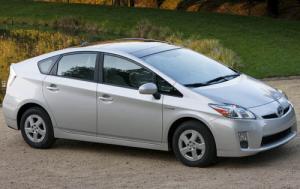
The third-generation Prius arrived for 2010 with a larger 1.8-liter Atkinson-cycle inline-four, redesigned hybrid components, and a new EGR system. Toyota described the hybrid transaxle, inverter, electric motor, and related components as lighter and more efficient than those of the previous generation.
In many respects, these cars are excellent. They're efficient, practical, comfortable enough for long trips, and capable of accumulating enormous mileage.
However, this generation requires more careful used-car shopping than the Prius reputation might suggest.
Early cars have a notable history of oil consumption complaints. CarComplaints' owner-reported data identifies excessive oil consumption as the most reported problem for both the 2010 and 2011 Prius, with the 2010 model accumulating particularly high complaint volume.
EGR-related rough running and misfires are another documented issue. Toyota issued a technical service bulletin covering certain 2010-2015 Prius models equipped with the 2ZR-FXE engine that could exhibit rough running or misfire codes during light acceleration while the EGR system was active.
Higher-mileage third-generation cars also deserve careful inspection for head-gasket symptoms. Owner complaints document failures on 2010 cars, sometimes well beyond 150,000 miles, although failures can occur earlier.
Head-Gasket Problems
A failing head gasket can initially resemble a relatively minor ignition problem. The engine may shake or knock when first started, misfire briefly, or trigger a check-engine light.
Replacing spark plugs or ignition coils may temporarily appear to address a misfire, but recurring rough startup combined with coolant loss deserves much deeper investigation.
Possible Head-Gasket Warning Signs
- Rough or violent engine startup
- Repeated cylinder misfire codes
- Unexplained coolant loss
- White exhaust smoke
- Overheating
- Engine knocking or shaking immediately after startup
- Recurring misfires after ignition components have been replaced
A head-gasket repair can erase much of the financial advantage of buying an inexpensive high-mileage Prius, especially if overheating or coolant contamination has already damaged the engine.
Buyer Tip: Start a 2010-2015 Prius completely cold whenever possible. If the seller has warmed the car before you arrive, you may not get to observe the startup behavior that can reveal an intermittent misfire or developing head-gasket problem.
EGR System and Intake Problems
The third-generation Prius uses an exhaust gas recirculation system as part of its efficiency strategy. Toyota's own technical bulletin confirms that some 2010-2015 cars can experience rough running and misfire codes while the EGR system is operating.
Carbon accumulation in the EGR and intake system deserves attention on higher-mileage cars. If a Prius repeatedly misfires, runs roughly, or has an uncertain maintenance history, we'd want the cause diagnosed rather than assuming it simply needs spark plugs.
This is also why a high-mileage third-generation Prius with extensive maintenance records can be more attractive than a lower-mileage car whose owner has done little beyond oil changes.
Oil Consumption
Some early third-generation Priuses develop increasing oil consumption as mileage accumulates. The 2010 model in particular has a substantial history of owner complaints involving excessive oil use.
Oil consumption becomes dangerous when owners don't check the dipstick between oil changes. Running the engine chronically low on oil can accelerate wear and turn a manageable consumption problem into an engine failure.
Ask the seller whether oil needs to be added between changes. An owner who knows exactly how much the engine uses is giving you useful information; an owner who says "I never check it" isn't.
Common 2010-2015 Prius Problems
- Oil consumption on some cars, particularly earlier model years
- EGR and intake-system problems
- Rough running and misfire conditions
- Head-gasket failure on some higher-mileage cars
- Hybrid battery deterioration as the cars age
- Brake actuator or booster-related repairs
- 12-volt battery problems
- Wheel bearing and suspension wear
Buyer Tip: We'd be especially cautious about an inexpensive 2010-2012 Prius with 150,000+ miles, unexplained coolant loss, rough cold starts, or a history of adding substantial oil between changes. A low asking price doesn't compensate for an engine that may soon require major work.
Bottom Line: The 2010-2015 Prius can still be an excellent high-mileage car, but it's the generation where we'd be least comfortable buying solely on Toyota's general reputation for reliability. Engine condition matters.
2016-2022: Fourth-Generation Toyota Prius
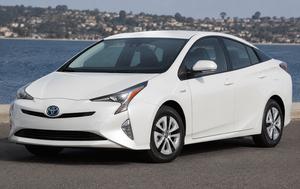
The fourth-generation Prius represents an important improvement for used-car shoppers. Toyota redesigned the hybrid system with smaller, lighter components and continued using a 1.8-liter gasoline engine paired with its electronically controlled planetary-type hybrid transaxle.
Depending on model and configuration, Toyota used nickel-metal hydride or lithium-ion hybrid batteries. The smaller battery packaging also allowed Toyota to move the battery beneath the rear seat on many versions.
From a reliability standpoint, this generation is appealing because it combines a more mature hybrid system with substantially less age than the earlier cars.
It also avoids making the buyer choose between a very old second-generation car and the engine concerns associated with some third-generation examples.
That doesn't mean every 2016-2022 Prius is trouble-free. Buyers still need to check hybrid-system operation, battery health, electronics, cooling systems, brakes, accident history, and maintenance records.
But if someone asked us which Prius generation we'd start with for long-term used ownership, this would be near the top of the list.
Toyota also increased hybrid battery warranty coverage beginning with the 2020 model year to 10 years or 150,000 miles from the vehicle's original in-service date, whichever comes first. Warranty eligibility depends on the individual vehicle and applicable terms.
Common 2016-2022 Prius Concerns
- Normal hybrid battery deterioration as mileage and age accumulate
- 12-volt battery failures
- Electronic and infotainment issues
- Brake and suspension wear
- Wheel bearing wear at higher mileage
- Accident damage on heavily used commuter or rideshare vehicles
- Deferred maintenance on extremely high-mileage examples
Buyer Tip: Don't assume a newer Prius with 120,000 highway miles is a worse purchase than a 60,000-mile older-generation car. Prius reliability is good enough that age, generation, maintenance, and battery condition can matter more than mileage alone.
Bottom Line: The 2016-2022 Prius is arguably the strongest overall generation for used buyers who want proven hybrid technology without taking on the age of a 2004-2009 car or the additional engine concerns of the 2010-2015 generation.
2023: Fifth-Generation Toyota Prius
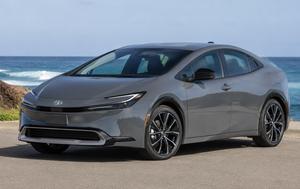
The Prius was completely redesigned again for 2023, beginning the fifth generation with substantially different styling, greater performance, and an updated hybrid system.
From a used-car reliability perspective, however, the 2023 model belongs in a different category from the older generations covered here.
There simply hasn't been enough time for 2023 cars to accumulate the 150,000-250,000 miles that allow us to judge long-term durability in the same way we can with a 2008 or 2015 Prius.
That's not a reason to avoid the 2023 model. It simply means we'd distinguish between Toyota's established hybrid reputation and proven long-term results for this particular generation.
The 2023 Prius also benefits from Toyota's 10-year/150,000-mile hybrid battery warranty from the original in-service date, subject to Toyota's warranty terms and conditions.
Buyer Tip: A used 2023 Prius should be evaluated more like a relatively new car than a traditional high-mileage Prius. Accident history, proper maintenance, remaining warranty coverage, tire condition, and purchase price may matter more immediately than battery aging.
Bottom Line: The 2023 Prius looks promising, but it's too new to place ahead of the proven 2016-2022 generation purely on long-term reliability. For a buyer prioritizing established durability rather than newer styling and performance, the fourth-generation Prius remains the more proven choice.
Best Toyota Prius Years to Buy
The best Toyota Prius years depend partly on your budget. An older second-generation Prius can still provide remarkably inexpensive transportation, while the 2016-2022 generation offers a much better combination of proven reliability, newer hybrid components, modern safety features, and lower age-related risk.
For shoppers on a tight budget, we'd generally look first at 2006-2009 cars with strong maintenance histories. If the budget allows a substantially newer Prius, however, the 2016-2022 generation is our preferred place to shop.
| Model Years | Why We Recommend Them |
|---|---|
| 2006-2009 | Proven second-generation Prius with an extremely durable hybrid drivetrain. Excellent inexpensive choices when battery and brake-system condition are good. |
| 2014-2015 | Later third-generation cars can be preferable to earlier 2010-2012 examples, but we'd still inspect carefully for oil consumption, EGR, coolant-loss, and head-gasket symptoms. |
| 2016-2019 | Among our favorite used Prius years. Newer design, excellent fuel economy, and fewer of the engine concerns associated with the previous generation. |
| 2020-2022 | Excellent overall choices if the purchase price fits your budget. These also benefit from Toyota's longer original hybrid-battery warranty. |
Toyota increased hybrid battery warranty coverage beginning with the 2020 model year from 8 years/100,000 miles to 10 years/150,000 miles from the original date of first use, whichever comes first. Warranty coverage is subject to Toyota's terms and the individual vehicle's eligibility.
Buyer Tip: Don't overlook a 2006-2009 Prius simply because it has 150,000 miles. If the hybrid battery has been properly replaced, the braking system is healthy, and the car has been maintained well, it may have considerably more useful life remaining.
Bottom Line: For maximum value at a low purchase price, 2006-2009 models are worth considering. For the strongest overall combination of reliability, age, efficiency, and lower repair exposure, we'd favor 2016-2022.
Toyota Prius Years to Avoid or Inspect Carefully
There are relatively few Prius years we'd automatically tell someone never to buy. However, certain years deserve much more careful inspection because the potential repair costs can erase the savings of buying an inexpensive hybrid.
| Model Years | Why Extra Inspection Is Important |
|---|---|
| 2001-2003 | Not necessarily unreliable, but age now creates substantial hybrid-battery, electrical, suspension, cooling-system, and parts-availability concerns. |
| 2010-2012 | Our greatest caution area. Check carefully for oil consumption, EGR-related problems, rough cold starts, coolant loss, misfires, and possible head-gasket trouble. |
| 2013-2015 | Can be good purchases, but third-generation engine concerns shouldn't be ignored simply because these are later model years. |
| Any Older Prius With Its Original Hybrid Battery | Battery age should be incorporated into the purchase price even if the car currently drives normally. |
We'd be particularly cautious about a 2010-2012 Prius with high mileage and an uncertain maintenance history. These cars can certainly reach 200,000 miles and beyond, but the combination of oil consumption on some examples, EGR-related problems, and potential head-gasket failure makes a thorough inspection especially important.
Buyer Tip: Don't let a Prius reputation for 250,000-mile longevity convince you to ignore warning signs. Rough startup, repeated misfire codes, unexplained coolant loss, heavy oil consumption, or hybrid-system warnings should be diagnosed before you buy.
Bottom Line: The 2010-2012 Prius would be our primary group to approach cautiously. We'd much rather buy an exceptionally maintained 2008 or a good 2016 than a neglected 2010 simply because the 2010 falls between them chronologically.
How Many Miles Does a Toyota Prius Hybrid Battery Last?
Hybrid battery lifespan is probably the biggest concern for someone considering an older Prius, but there isn't a single mileage at which the battery automatically fails.
A Prius battery can last well beyond 100,000 miles, and many remain functional beyond 150,000 or 200,000 miles. Some last considerably longer. Others deteriorate sooner.
Age matters just as much as mileage. Heat, climate, charging cycles, usage patterns, prolonged periods of inactivity, and individual cell deterioration all influence battery life.
This is why we'd hesitate to describe a 15- or 20-year-old original battery as "good" simply because the car has low mileage.
Hybrid Battery Warning Signs
- Hybrid-system warning lights
- Diagnostic codes identifying battery deterioration
- Rapid swings in the battery charge display
- Noticeably declining fuel economy
- Gasoline engine running more frequently than expected
- Reduced hybrid assistance
- Battery cooling fan running unusually often or loudly
A diagnostic scan capable of reading the hybrid battery system is much more valuable than simply driving the car around the block.
Buyer Tip: Ask exactly what was done if a seller advertises a "new hybrid battery." A complete new Toyota battery, a professionally remanufactured battery, and replacement of one or two failing modules are very different repairs.
How Much Does a Prius Hybrid Battery Cost to Replace?
Hybrid battery replacement doesn't automatically mean an older Prius should be scrapped. There are now several repair options, ranging from individual module repairs and reconditioned batteries to complete replacement battery assemblies.
Prices vary considerably depending on generation, battery type, whether the battery is new or reconditioned, labor rates, warranty coverage, and the repair facility.
| Battery Repair Option | Typical Cost Range |
|---|---|
| Limited module or battery repair | $500-$1,200+ |
| Reconditioned replacement battery | $1,000-$2,000+ |
| New replacement hybrid battery installed | Approximately $2,000-$4,000+ |
These should be treated as general budgeting ranges rather than quotes. Battery pricing varies substantially by generation, supplier, region, warranty, and installation method.
A cheap module-level repair may restore operation without providing the same long-term expectation as replacing an aging battery assembly. That's why documentation matters.
For 2020 and newer Toyota hybrids, Toyota increased original hybrid-battery warranty coverage to 10 years or 150,000 miles from the original date of first use, whichever comes first.
Buyer Tip: Don't automatically reject an older Prius because it needs a battery. If the rest of the car is exceptionally good and the purchase price reflects the repair, installing a quality replacement battery can sometimes make more financial sense than buying a substantially more expensive vehicle.
Toyota Prius Repair & Maintenance Costs
Routine Prius maintenance can be surprisingly inexpensive. The gasoline engine requires conventional oil and filter changes, while regenerative braking can help conventional friction brakes last longer than they might on a comparable non-hybrid car.
The hybrid transaxle also eliminates some of the complexity associated with a traditional automatic transmission.
The financial risk comes from a handful of expensive components. Hybrid battery replacement, brake actuator repairs, inverter-related problems, and major engine repairs on a third-generation Prius can each cost enough to change the economics of owning an older car.
| Maintenance or Repair | Typical Cost |
|---|---|
| Oil change | $60-$120 |
| 12-volt battery replacement | $200-$400 |
| Brake pads and rotors | $400-$900 |
| Wheel bearing replacement | $400-$800 |
| EGR/intake cleaning | $300-$700+ |
| Brake actuator/booster repair | $1,000-$2,500+ |
| Head-gasket repair | $2,000-$4,000+ |
| Hybrid battery replacement | $1,000-$4,000+ depending on battery type and repair method |
Actual prices vary by model year, location, labor rates, parts selection, and whether the work is performed by a Toyota dealer, independent hybrid specialist, or general repair shop.
Buyer Tip: If you're considering an older Prius, locating a reputable independent shop that specializes in Toyota hybrids can significantly improve the ownership experience. Hybrid expertise is particularly valuable when diagnosing battery, brake actuator, inverter, and third-generation engine problems.
How Long Does a Toyota Prius Last?
A well-maintained Toyota Prius can realistically reach 200,000 miles, and 250,000-300,000 miles is achievable for good examples. Some Priuses travel substantially farther, particularly vehicles that accumulate large amounts of highway mileage and receive consistent maintenance.
But vehicle lifespan and hybrid battery lifespan shouldn't be treated as the same thing.
A Prius may need a hybrid battery during its lifetime and then continue operating for many additional years. Similarly, brake actuators, wheel bearings, suspension components, cooling-system parts, and other wear items can be replaced without meaning the entire vehicle has reached the end of its useful life.
Typical Prius Lifespan
- 150,000 miles: Not unusually high for a well-maintained Prius.
- 200,000 miles: A realistic expectation for a good example.
- 250,000 miles: Achievable with strong maintenance and timely repairs.
- 300,000+ miles: Possible for exceptionally well-maintained cars.
Once a Prius reaches very high mileage, the question becomes less about whether the basic hybrid design can continue running and more about whether the accumulated repairs still make financial sense.
A 230,000-mile Prius that has already received a quality replacement hybrid battery and has a healthy engine may actually have fewer immediate needs than a 140,000-mile car approaching several expensive original-component repairs.
Bottom Line: We'd consider 200,000-250,000 miles a realistic lifespan for a properly maintained Prius, with 300,000 miles or more entirely possible for particularly good examples.
Buying a Used Toyota Prius: What Matters Most?
A Prius requires a slightly different pre-purchase inspection than a conventional gasoline car.
Engine condition still matters, but you also want information about the high-voltage battery, hybrid-system fault codes, brake actuator, inverter cooling system, and other hybrid components.
On a 2010-2015 car, we'd add a particularly careful cold-start evaluation and inspection for coolant loss, oil consumption, EGR-related symptoms, and possible head-gasket trouble.
Before You Buy
- Review maintenance and repair records.
- Determine whether the hybrid battery is original.
- Ask for documentation of any hybrid battery replacement.
- Perform a hybrid battery health evaluation.
- Scan all vehicle systems for stored diagnostic trouble codes.
- Start the gasoline engine completely cold.
- Listen for rough running, knocking, or misfires during startup.
- Check engine oil level and condition.
- Ask whether the engine consumes oil between changes.
- Inspect coolant level and look for unexplained coolant loss.
- Check brake actuator operation and warning lights.
- Verify the air conditioning operates properly.
- Inspect the underside for catalytic-converter replacement or theft damage.
- Check tires for even wear.
- Inspect suspension and wheel bearings on higher-mileage cars.
- Check accident history, especially on former rideshare vehicles.
- Verify applicable recalls and service campaigns.
- Have a hybrid-experienced mechanic perform a pre-purchase inspection.
Buyer Tip: A pre-purchase inspection on a Prius should ideally be performed by someone who understands Toyota hybrid systems. A conventional mechanical inspection that never evaluates the high-voltage battery or scans the hybrid control system leaves out some of the most valuable information.
Pros & Cons of Buying a Used Toyota Prius
Pros
- Excellent overall long-term reliability
- Outstanding fuel economy
- 200,000-300,000 miles possible with good maintenance
- Proven Toyota hybrid technology
- Durable hybrid transaxle design
- Reduced conventional brake wear through regenerative braking
- Practical hatchback cargo space on most generations
- Large supply of used vehicles and replacement parts
- Independent hybrid repair specialists are increasingly common
- 2016-2022 models are particularly strong used-car choices
Cons
- Hybrid batteries eventually deteriorate
- Battery age can make very old low-mileage cars deceptively risky
- 2010-2015 cars deserve additional engine scrutiny
- Head-gasket repairs can be expensive on third-generation cars
- Brake actuator repairs can be costly
- Catalytic-converter theft has affected many older Priuses
- Some older cars may have extremely high commercial or rideshare mileage
- Major repairs can exceed the value of an inexpensive older Prius
Final Verdict
The Toyota Prius deserves much of its reputation for longevity. The hybrid system that once made buyers nervous has proven capable of extremely high mileage, and the absence of a conventional automatic transmission removes one expensive failure point found in many older cars.
But buying a used Prius intelligently requires looking beyond Toyota's overall reliability reputation.
For an inexpensive older hybrid, the 2006-2009 Prius remains appealing. These cars have an extremely well-established durability record, but their age means hybrid battery condition, brake-system condition, and maintenance history should heavily influence what you're willing to pay.
We'd approach the 2010-2012 models more cautiously. They can still be excellent cars and many have accumulated enormous mileage, but oil consumption, EGR-related problems, rough-running concerns, and potential head-gasket failure create greater repair exposure.
The 2013-2015 cars can also be worth considering, particularly with excellent records, but we'd still evaluate them as members of the third generation rather than assuming the later model year eliminates every concern.
If your budget allows it, the 2016-2022 Prius is our favorite overall generation in this group. It combines Toyota's mature hybrid technology with a newer vehicle and avoids much of the age-related risk of the second generation and some of the engine concerns associated with the third.
The 2020-2022 cars have another advantage: Toyota increased original hybrid battery warranty coverage beginning with the 2020 model year to 10 years or 150,000 miles from the original date of first use, whichever comes first, subject to warranty terms.
The redesigned 2023 Prius is attractive as well, but it's simply too new to have the same long-term, high-mileage track record as earlier generations. We wouldn't call that a reliability weakness; we'd call it an unknown that only time and mileage can resolve.
Ultimately, the best used Prius isn't necessarily the one with the lowest mileage. We'd rather own a well-maintained car with documented repairs, a healthy hybrid battery, and a clean diagnostic scan than a lower-mileage Prius whose maintenance history and battery condition are unknown.
Choose carefully, and a Toyota Prius can realistically provide 200,000-300,000 miles of economical transportation, making it one of the stronger high-mileage used-car choices available.
Also, it's good to always know the value of your trade-in while you're evaluating your next possible purchase. Here's a good source for a quick and accurate appraisal: free trade-in appraisal.
What's Next?
If you may be buying soon, I'd recommend reading my most effective negotiation method for used cars. It explains a quick way to identify the dealerships most motivated to deal, no matter how busy they may seem, and how to follow up once you've found them. That can be the difference between getting a good price and getting a great one.
Or, if you'd consider buying a brand-new Pruis if you could get a lower-than-expected price, learn how to shop the dealer, not just the car.
Also, beware of "Dealer Fees": Before agreeing to a dealer's numbers, see which dealer fees are legitimate, which can be negotiated, and which can be avoided.
Lastly, still comparing Toyota models? See our Toyota reliability guide for the best used Toyota models and years, common problems to watch for, and how the major Toyota models compare.