

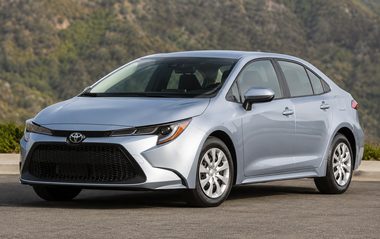
Is a used Toyota Corolla a good car to buy? Yes. For buyers who want dependable, economical transportation, the Corolla is one of the strongest used-car choices. Most 2003–2023 models have durable engines, manageable maintenance costs, and a realistic chance of lasting well beyond 200,000 miles when properly cared for.
That doesn't mean every Corolla is equally appealing. A 2006 model can be an excellent inexpensive commuter, a 2017 model offers a particularly attractive balance of price and modern features, and a 2021 model adds newer safety technology. Some 2009–2013 cars deserve extra attention for possible oil consumption. The important distinction is that an issue worth checking is not the same as a reason to reject an entire generation.
This guide helps you narrow the years, understand the problems that actually matter, and decide what to inspect before spending money. If you're already shopping, you can use the recommendations near the top and consult the more detailed generation and engine sections as needed.
In This Guide
- The best Corolla years for different budgets
- How long a Corolla can last
- Reliability and problems by generation
- Which Corolla engines are most reliable
- Maintenance and repair costs
- What to check before buying
Toyota Corolla Reliability Overview
The Corolla's greatest strength isn't that nothing ever breaks. It's that major engine and transmission problems are relatively uncommon compared with many competing compact cars, and ordinary repairs are usually straightforward. Older cars will need suspension, cooling-system, and electrical components replaced eventually; those are ownership costs, not evidence that the Corolla is inherently unreliable.
Our strongest recommendations are the 2016–2019 Corolla for overall value, the 2020–2023 Corolla for a newer car, and the 2005–2008 Corolla for an inexpensive commuter. The 2009–2013 cars can also be worthwhile, but engine oil consumption deserves more attention during inspection.
Reliability at a Glance
- Overall assessment: Excellent long-term reliability across most years.
- Best value: 2016–2019 sedan.
- Best newer choice: 2020–2023 gasoline or hybrid sedan.
- Best budget choice: 2005–2008, if condition and maintenance history are good.
- Years to inspect more carefully: Especially 2009–2010 for oil consumption; verify the history of any 2009–2013 example.
- Typical vehicle lifespan: Roughly 200,000–300,000 miles is a reasonable planning range; some carefully maintained cars go farther.
- Most important buying factor: The individual car's service history and present condition.
What Are the Best Toyota Corolla Model Years to Buy?
Rather than chase one supposedly perfect year, start with what you want to spend and which features matter. These are the Corolla groups I'd put on a used-car shopping list:
| Your priority | Years to consider | Why |
|---|---|---|
| Lowest purchase price | 2005–2008 | Simple drivetrain, inexpensive parts; age and safety equipment are the trade-offs. |
| Best overall used-car value | 2016–2019 | Proven 1.8-liter engine, good economy, more modern comfort and safety. |
| Newer features and refinement | 2020–2023 | Updated platform, available 2.0-liter engine, and hybrid option. |
| Maximum fuel economy | 2020–2023 Hybrid | Toyota's established hybrid technology and low fuel use. |
What about the 2009–2013 Corolla? Don't automatically cross it off. Many are reliable, affordable cars. Just make oil-consumption history part of your buying decision, particularly on earlier examples. A clean, well-maintained 2011 can be a better buy than a neglected 2017.
What Toyota Corolla Model Years Should You Avoid or Inspect More Carefully?
There are very few Toyota Corolla model years between 2003 and 2023 that deserve to be avoided outright. However, some are worth approaching more cautiously because of specific mechanical concerns or the effects of age.
- 2009–2010: These are the years I'd inspect most carefully for excessive engine oil consumption, particularly on cars equipped with the 1.8-liter four-cylinder engine. Ask how frequently the owner adds oil, check maintenance records, and look for evidence of unusually high oil use between changes.
- 2011–2013: Generally dependable, but some examples may also develop oil consumption problems. Don't automatically reject these years, but verify the engine's oil-use history before purchasing.
- 2003–2004: These older Corollas can still be excellent inexpensive transportation, but age-related deterioration is now a major consideration. Inspect for rust, suspension wear, fluid leaks, and neglected maintenance. Their older safety equipment is another reason to weigh the purchase carefully.
Bottom Line: If I were shopping for a used Corolla, I'd be most cautious about a 2009–2010 example with an uncertain oil consumption history. But a well-maintained car from any of these years can still be a good purchase. Condition, maintenance records, and a thorough inspection matter more than the model year alone.
Pricing
Knowing which Corolla model years to concentrate on is step 1. Step 2 is knowing how to actually get an excellent used Corolla price.
Also, getting a strong trade-in allowance often has the biggest impact on your final price. See KBB versus Edmunds Appraisals - Which Is Better to learn about getting accurate and fair trade-in values before negotiating with a dealer.
How Many Miles Can a Toyota Corolla Last?
A properly maintained Corolla can often last 200,000–300,000 miles, and some exceed 300,000. That's the lifespan of the vehicle as a whole, not a promise that its original water pump, struts, battery, or every other component will last that long. On older cars, predictable replacement of wear items is part of reaching high mileage.
- 100,000 miles: Not unusually high for a Corolla with a good service history.
- 150,000 miles: A sensible point to assess suspension, cooling-system condition, and prior maintenance.
- 200,000 miles: Still potentially a good commuter, but condition matters much more than reputation.
- 250,000 miles and beyond: Achievable, especially with attentive maintenance; budget for age-related repairs.
Consistent oil changes, attention to coolant leaks, appropriate transmission service, and prompt repairs matter more than hoping for a particular odometer number. A documented 160,000-mile Corolla may be a smarter purchase than an unknown 80,000-mile one.
Toyota Corolla Reliability by Generation
Here is where the differences become important. The sections below focus on what each generation does well, what might actually change a buying decision, and what tends to be ordinary wear rather than a design defect.
Ninth Generation Toyota Corolla (2003–2008)
Buying assessment: An excellent basic transportation choice if you value low cost over modern safety and convenience features. The 2005–2008 models are particularly appealing, but a clean 2003–2004 can also be worthwhile.
The standard 1.8-liter four-cylinder engine and conventional automatic or manual transmission are relatively simple and well understood. Many have accumulated high mileage. The biggest issue today is age: a car from this generation may need hoses, mounts, suspension work, seals, or a radiator regardless of how dependable its original design was.
Common Problems on 2003–2008 Toyota Corollas
- Worn struts and bushings: Clunks, uneven tire wear, or a loose ride can indicate suspension repairs are due.
- Engine mount deterioration: Excess vibration at idle can come from aging mounts.
- Cooling-system wear: Inspect the radiator, water pump, hoses, and coolant condition.
- Minor oil leaks: Valve-cover gaskets and old seals can seep with age.
- Starting or charging components: Starters and alternators may need replacement on very old examples.
Buyer tip: Look underneath for rust and evidence of deferred maintenance. A cheap Corolla stops being a bargain if it immediately needs tires, struts, cooling-system repairs, and several other items.
Bottom line: The 2005–2008 Corolla remains one of the better inexpensive used cars, but buy the individual vehicle, not just the Toyota badge.
Tenth Generation Toyota Corolla (2009–2013)
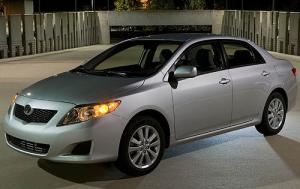
Buying assessment: Still a generally dependable Corolla, with one engine concern that deserves more investigation. These cars gained interior space and comfort, and many provide excellent service well into high mileage.
Some examples equipped with the 1.8-liter four-cylinder engine have been reported to use excessive oil. That does not mean every 2009–2013 Corolla burns oil, or that every oil-burning car needs an immediate engine replacement. It does mean you should ask specific questions and check the evidence before buying.
Why Do Some 2009–2013 Toyota Corollas Burn Oil?
Excessive oil consumption can occur when oil passes the piston rings and burns during operation. The warning signs include repeated top-offs between oil changes, low oil on the dipstick, and sometimes blue exhaust smoke. A dashboard oil-pressure warning is not an acceptable substitute for checking the dipstick; operating with too little oil can damage an otherwise durable engine.
Ask the seller whether oil must be added between changes, review service receipts if available, and have an independent mechanic evaluate suspicious symptoms. A short test drive cannot prove an engine never consumes oil.
Common Problems on 2009–2013 Toyota Corollas
- Excessive oil consumption: Worth investigating on some 1.8-liter cars, particularly early examples.
- Water pump leaks: Check for coolant seepage, crusty residue, or an unexplained falling coolant level.
- Suspension wear: Struts, links, and bushings may need replacement at higher mileage.
- Accessory-drive noise: Worn belts or tensioners can produce squealing or rattling.
Buyer tip: A good inspection and credible maintenance history can make a 2009–2013 Corolla a sensible value. If a seller cannot explain frequent oil additions, move on to another example.
Bottom line: These aren't blanket “avoid” years. They are years where careful selection matters.
Eleventh Generation Toyota Corolla (2014–2019)
Buying assessment: My favorite value range for many shoppers, especially 2016–2019. This generation offers a more modern driving experience without abandoning the Corolla's straightforward ownership formula.
Most sedans use Toyota's 1.8-liter four-cylinder engine. Many have a continuously variable transmission (CVT), while some configurations use a conventional automatic or manual transmission. Toyota's CVT has generally earned a better reputation than some competitors' designs, but any used transmission still deserves a careful test drive and service-history review.
Is the 2014–2019 Toyota Corolla CVT Reliable?
Generally, yes. Widespread catastrophic CVT failure is not a defining problem of this generation. During a test drive, check for unusual whining, hesitation, shuddering, warning lights, or erratic engine speed. Have concerning symptoms diagnosed rather than assuming every unfamiliar CVT sensation is normal.
Common Problems on 2014–2019 Toyota Corollas
- Water pump seepage: Possible as mileage rises; inspect for coolant leaks.
- Suspension wear: Struts, bushings, and links are ordinary higher-mileage repair items.
- 12-volt battery deterioration: Age and climate influence replacement intervals.
- Interior rattles and trim wear: Annoying but generally not a major reliability concern.
Buyer tip: Compare condition and service history among several cars rather than paying a large premium solely for a later model year.
Bottom line: A well-kept 2016–2019 Corolla is an especially strong combination of purchase price, reliability, and usable modern features.
Twelfth Generation Toyota Corolla (2020–2023)
Buying assessment: The strongest all-around choice if your budget permits. The redesigned sedan offers better handling, updated safety equipment, and a choice of efficient gasoline and hybrid powertrains. The 2.0-liter engine is especially attractive if you want a little more performance.
These are newer vehicles, so their complete 20-year durability record is not yet known. Toyota's engineering history is encouraging, but claims that every 2020–2023 Corolla will reach 300,000 miles would be premature.
Is the 2020–2023 Toyota Corolla Hybrid Reliable?
The Corolla Hybrid uses Toyota's well-established hybrid approach, combining a gasoline engine with electric drive components. It is a strong choice for fuel economy and has a promising reliability record. When shopping for a used hybrid, check for warning lights, confirm regular maintenance, and evaluate the hybrid system as part of a professional inspection. A hybrid battery is a separate component with its own service life; it should not be assumed to last forever simply because the vehicle can reach high mileage.
Common Problems on 2020–2023 Toyota Corollas
- 12-volt battery issues: Check starting and electrical-system condition, especially on lightly used cars.
- Infotainment glitches: Some complaints involve software or connectivity rather than mechanical breakdowns.
- Brake and tire wear: Ordinary ownership expenses; hybrid regenerative braking may reduce friction-brake wear.
- Service-history gaps: Even newer Corollas should have documented maintenance and any applicable recalls checked by VIN.
Buyer tip: Compare the cost of a newer Corolla with a clean 2017–2019 example. The newer car may justify its price through safety and refinement, but the older one could offer better value.
Bottom line: The 2020–2023 Corolla is easy to recommend, provided the price and condition make sense.
If you're considering a late-model Corolla, you may also be thinking about buying a brand-new one. If so, knowing how to get the best possible price on a new Corolla can make a substantial difference in what you ultimately pay.
Which Toyota Corolla Engine Is Most Reliable?
There isn't one engine that makes every other Corolla a poor choice. The simpler older engines have long track records; newer engines offer improved performance or efficiency but have had less time to establish extreme-mileage durability.
| Engine | Where you'll find it | Buying assessment |
|---|---|---|
| 1.8L 1ZZ-FE | 2003–2008 sedan | Proven and inexpensive to maintain; focus on age and condition. |
| 1.8L 2ZR-FE / related 1.8L variants | Many 2009–2019 sedans | Generally durable; investigate oil consumption on earlier examples. |
| 2.0L M20A-FKS | Certain 2020–2023 gasoline models | More responsive performance; encouraging but shorter long-term record. |
| 1.8L 2ZR-FXE hybrid | 2020–2023 Hybrid | Excellent efficiency and mature hybrid design; inspect hybrid components. |
Which would I choose? For value, a well-maintained 2016–2019 Corolla with the 1.8-liter engine is hard to beat. For newer features and stronger acceleration, consider the 2.0-liter gasoline model. For commuters who put on lots of miles, the hybrid deserves a serious look.
Engine codes are included here to help identify configurations, not because you need to memorize them. Verify the exact engine and transmission in any vehicle you're considering, particularly when comparing trims or hatchback versions.
Toyota Corolla Maintenance and Repair Costs
Low ownership costs are one of the Corolla's strongest selling points. Parts are widely available, many independent mechanics know these cars well, and most routine repairs are not unusually complicated. Still, an older Corolla can need several wear-item repairs close together, so leave room in the budget after purchase.
The following are broad illustrative repair-shop ranges, not guaranteed quotes; costs vary by year, region, parts, and labor.
| Service or repair | Illustrative cost |
|---|---|
| Oil change | $60–$100 |
| Brake pads and rotors | $350–$700 per axle |
| Pair of struts | $700–$1,300 |
| Water pump | $500–$900 |
| Alternator | $500–$900 |
| 12-volt battery | $180–$350 |
How does this affect what you should pay? If one Corolla needs $1,200 in tires and suspension work while another has recent receipts for those repairs, their asking prices shouldn't be compared as though the cars are identical. A professional inspection gives you a better basis for deciding whether to negotiate or walk away.
What Should You Inspect Before Buying a Used Corolla?
In addition to the normal used-car inspection items, pay particular attention to these potential Corolla-specific trouble spots:
- 2009–2013 engine oil use: Ask about top-offs, check the dipstick, and review oil-change records.
- Water pump and cooling system: Look for coolant seepage or evidence of past overheating.
- Higher-mileage suspension: Listen for clunks and check tire wear and steering feel.
- CVT-equipped cars: Test acceleration, steady cruising, and low-speed operation for unusual behavior.
- Older 2003–2008 cars: Inspect for corrosion, dried rubber components, and accumulated deferred maintenance.
- Hybrid models: Check for hybrid-system warnings and obtain an inspection from a shop familiar with Toyota hybrids.
- All model years: Check open recalls using the VIN and confirm maintenance records match the car.
Buying takeaway: Most of these checks are ways to distinguish a well-kept Corolla from a neglected one, not reasons to fear the model. A good inspection can help you confidently buy the right car—or confidently reject the wrong one.
Once you've found a Corolla that passes inspection, there's one more thing to examine: the dealership's final numbers. "Dealer Fees" including documentation charges and additional fees can make an attractive advertised price considerably less attractive. My guide to dealer fees and which charges deserve scrutiny explains what to watch for before agreeing to the deal.
Toyota Corolla Alternatives to Consider
The Corolla is especially appealing for reliability and economy, but another compact car might better fit your priorities.
Honda Civic — A close competitor for durability, often with more engaging handling. Compare specific engines and model years rather than assuming all Civics are identical.
Mazda3 — Worth considering if you want a more enjoyable driving experience while keeping ownership costs reasonable.
Hyundai Elantra — Sometimes less expensive on the used market, though its reliability varies more by engine and year.
Nissan Sentra — Comfortable and economical, but transmission history is especially important on older CVT-equipped cars.
Volkswagen Jetta — Offers a different driving feel and interior character, often with higher maintenance considerations.
Chevrolet Cruze — Can cost less initially, but its potential repair exposure deserves closer study.
Final Verdict: Is a Used Toyota Corolla a Good Car to Buy?
Yes—strongly recommended. The Corolla remains one of the safest starting points for someone shopping for affordable, dependable transportation. Its reputation comes from a long record of durable mechanical components and generally reasonable upkeep, not from being completely trouble-free.
For the best blend of price and features, I would start with a 2016–2019 Corolla. For a newer car with more safety technology and an available hybrid, look at 2020–2023. If the budget is tight, a carefully maintained 2005–2008 can still be an excellent purchase.
Don't reject a 2009–2013 Corolla automatically, but do investigate oil consumption. On any year, an inspection and credible service history matter more than a reassuring badge or a low odometer reading.
Once you find a Corolla you like, compare similar vehicles and their total prices before committing. The best used Corolla is not simply the one with the strongest reliability reputation—it's the one in good condition that you can buy on sensible terms.
Still considering other Toyotas? Our Toyota Reliability Guide compares other models and years.
Also, Know Your Trade-In Value
While you're narrowing down your next vehicle choice, it's also highly recommended that you know the value of your trade-in. Having a realistic appraisal in hand can help you establish your budget and negotiate a better overall deal. Here's a good source for a quick and accurate appraisal: free trade-in appraisal.