

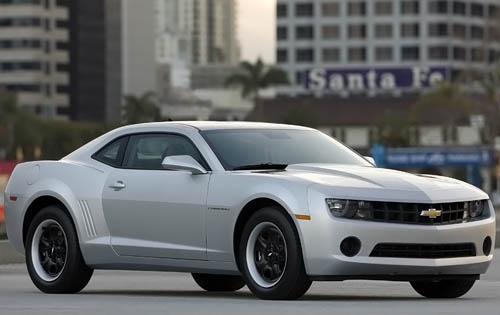
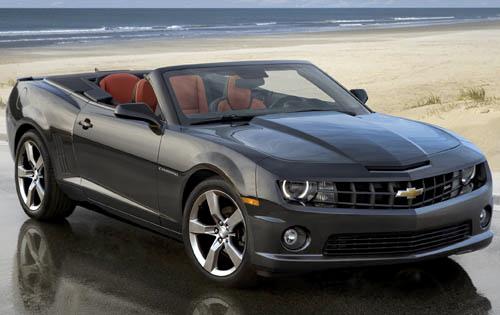
The 2012 Chevrolet Camaro remains one of the most desirable modern muscle cars for buyers who want aggressive styling, strong performance, and rear-wheel-drive handling without spending new sports-car money. Available as a coupe or convertible, it ranges from the surprisingly capable V6 models to the V8-powered SS and the high-performance supercharged ZL1.
But is the 2012 Camaro actually a good year to buy? Overall, yes. The 2012 model introduced the improved 3.6-liter LFX V6, continued offering the excellent LS3 V8 in manual-transmission SS models, and marked the debut of the legendary ZL1. However, reliability depends heavily on maintenance history, previous modifications, and how the car was driven.
In this guide, you'll learn:
- How reliable the 2012 Chevrolet Camaro really is
- Whether it is a good year to buy or one to avoid
- The most common problems and likely repair costs
- How the V6, SS and ZL1 models differ
- What maintenance to expect after 100,000 miles
- What to inspect before buying one
- How modifications affect reliability and value
- What you should reasonably expect to pay
Whether you're shopping for an affordable V6 daily driver, a traditional V8-powered SS, or the supercharged ZL1, this guide will help you identify the versions worth buying and avoid examples that could become expensive ownership mistakes.
More On Camaro Reliability
For more detailed reliability information on the Camaro, visit our Used Chevy Camaro Reliability Guide, a more comprehensive look at the model years, engines, common problems, maintenance costs, expected lifespan, and the best years to buy or avoid.
2012 Chevrolet Camaro Reliability
The 2012 Chevrolet Camaro earns an above-average reliability rating for a performance car of its age. Its engines and drivetrains are generally durable, parts remain widely available, and the aftermarket provides excellent support. More than anything else, the long-term reliability of a Camaro depends on whether it has been properly maintained and responsibly driven.
LS and LT models use the 3.6-liter naturally aspirated V6 (LFX), producing 323 horsepower. New for 2012, the LFX replaced the earlier LLT engine and is generally considered the better long-term choice. It offers more power, better fuel economy, and fewer timing-chain concerns than its predecessor.
The Camaro SS is available with two versions of the 6.2-liter V8. Manual-transmission cars receive the 6.2-liter naturally aspirated V8 (LS3), producing 426 horsepower. Automatic models use the 6.2-liter naturally aspirated V8 (L99), producing 400 horsepower and equipped with Active Fuel Management cylinder deactivation.
For buyers planning long-term ownership, we generally prefer the LS3. It delivers slightly more power, uses a simpler valvetrain, and avoids the Active Fuel Management system found on the L99.
The all-new 2012 Camaro ZL1 introduced the 6.2-liter supercharged V8 (LSA) with 580 horsepower. While extremely capable, the ZL1 also brings substantially higher maintenance, tire, brake, suspension, and repair costs than the standard Camaro.
- Overall Reliability: ★★★★☆
- Expected Lifespan: 150,000–200,000+ miles with proper maintenance
- Best Everyday Engine: 3.6-liter naturally aspirated V6 (LFX)
- Best V8 Choice: 6.2-liter naturally aspirated V8 (LS3)
- Highest Ownership Costs: 6.2-liter supercharged V8 (LSA)
- Watch For: Previous modifications, clutch wear, oil leaks, cooling-system problems, differential noise, transmission wear, and neglected maintenance.
Reliability Scorecard
| Category | Rating |
|---|---|
| Overall Reliability | ★★★★☆ |
| 3.6L V6 (LFX) | ★★★★☆ |
| 6.2L V8 (LS3) | ★★★★★ |
| 6.2L V8 (L99) | ★★★★☆ |
| 6.2L Supercharged V8 (LSA) | ★★★★☆ |
| Manual Transmission | ★★★★☆ |
| Automatic Transmission | ★★★★☆ |
| Maintenance Costs | ★★★☆☆ to ★★★★☆ |
| Value Today | ★★★★★ |
Bottom Line: The 2012 Camaro is mechanically stronger than many buyers expect. A stock or lightly modified example with complete maintenance records can be a dependable performance car for many years. The greatest risks usually come from previous abuse, racing, or poorly executed aftermarket modifications rather than inherent mechanical weaknesses.
Is the 2012 Chevrolet Camaro a Good Year or One to Avoid?
Overall, the 2012 Camaro is one of the better fifth-generation model years to purchase. The improved LFX V6, proven LS3 V8, and introduction of the ZL1 make it one of the strongest years in the lineup.
Multiple dealers → compete for your business → you save
The V6 models deserve more credit than they often receive. With over 320 horsepower, they provide excellent performance while delivering lower insurance, fuel, tire, and maintenance costs than the V8 models.
For enthusiasts seeking traditional muscle-car performance, the manual-transmission SS equipped with the LS3 remains our favorite. It combines exceptional performance with one of General Motors' most respected modern V8 engines.
The automatic SS using the L99 is also a solid choice, but buyers should verify regular oil changes and listen carefully for abnormal valvetrain noise associated with Active Fuel Management components.
- Consider It If: You want a modern muscle car with strong engines, excellent aftermarket support, and proven long-term durability.
- Use Extra Caution If: The vehicle has extensive modifications, aftermarket tuning, evidence of drag racing, or incomplete maintenance records.
- Best Daily Driver: A stock V6 equipped with the 3.6-liter naturally aspirated V6 (LFX).
- Best Enthusiast Choice: A manual-transmission SS with the 6.2-liter naturally aspirated V8 (LS3).
- Best Investment: A low-mileage, largely original ZL1 with documented maintenance history.
- Overall Value: Excellent, provided condition matches the asking price.
Buyer Takeaway: We consider the 2012 Camaro one of the better years to buy. We'd rather own a well-maintained stock 2012 Camaro with 120,000 miles than a lower-mileage example that has been heavily modified or poorly maintained.
More On Reliability: Also, if you'd like to learn if this model and year ranks among the top used cars, trucks, and SUVs for reliability, be sure to read our Most Reliable Vehicles Guide: Best Models & Years. This comprehensive guide highlights the best years to buy or avoid, common problems, potential maintenance costs, and more, and will likely help you make the right choice to meet your needs.
Common Problems to Watch For
The 2012 Camaro does not suffer from one widespread design flaw that affects every model. Instead, buyers should concentrate on maintenance history, evidence of previous abuse, and several recurring issues that become more common as these cars age.
Previous Modifications
Perhaps the single biggest reliability risk is buying a Camaro that has been heavily modified. Engine tuning, camshaft upgrades, superchargers, suspension modifications, oversized wheels, and racing use can all shorten the life of major drivetrain components if not professionally installed.
- Professional inspection: $150–300
- Returning mild modifications to stock: $500–2,000
- Correcting major tuning or engine problems: $2,000–10,000+
Buyer Tip: An original, unmodified Camaro with complete maintenance records is almost always worth paying more for.
Cooling System Problems
Water pumps, thermostats and cooling-system components eventually wear with age. Watch engine temperatures during a lengthy test drive and inspect carefully for coolant leaks.
- Thermostat replacement: $400–800
- Water pump replacement: $700–1,300
- Radiator replacement: $800–1,500
Oil Leaks
Higher-mileage Camaros may develop oil leaks from valve cover gaskets, oil pans or engine seals. Small seepage is common, but active dripping deserves further inspection.
- Valve cover gasket: $350–900
- Oil pan gasket: $800–1,800
- Rear main seal: $1,200–2,500
Clutch Wear (Manual Transmission)
Aggressive launches and spirited driving can significantly shorten clutch life. During the test drive, verify smooth engagement and check for slipping under hard acceleration.
- Clutch replacement: $1,800–3,000
Active Fuel Management (L99 Automatic SS)
The automatic-transmission SS uses the 6.2-liter naturally aspirated V8 (L99), which includes Active Fuel Management. Although many owners experience no problems, lifter or valvetrain issues can occur, particularly on neglected or modified engines.
- Diagnosis: $150–300
- Lifter repair: $2,500–5,000
- Major engine repairs: $4,000–8,000+
Differential and Driveline Noise
Listen for whining, clunking or vibration from the rear axle during acceleration, deceleration and low-speed turns. Performance driving can accelerate wear of differential components.
- Differential fluid service: $200–350
- Differential rebuild: $1,800–3,500
Suspension and Tire Wear
Large performance tires, aggressive alignments and enthusiastic driving contribute to suspension wear and expensive tire replacement.
- Performance tires: $900–1,800 per set
- Wheel bearing: $450–800 per wheel
- Control arms or bushings: $600–1,500
- Shocks and struts: $1,000–2,500
Buyer Tip: Don't focus solely on engine reliability. The best 2012 Camaro is usually the one with the most complete maintenance records, the fewest modifications, and clear evidence that it has been cared for throughout its life.
Maintenance Cost Outlook
The 2012 Chevrolet Camaro is generally less expensive to maintain than many European performance cars, but ownership costs vary considerably depending on the engine you choose. The V6 models are relatively affordable to own, while the SS and especially the ZL1 require larger maintenance budgets due to higher tire, brake, and drivetrain costs.
Routine maintenance is straightforward, parts remain widely available, and most independent repair shops are familiar with the Camaro. However, buyers should budget for premium performance tires, larger brakes, and occasional suspension work as these vehicles age.
| Expense | Typical Cost |
|---|---|
| Routine annual maintenance (V6) | $500–900 |
| Routine annual maintenance (SS) | $700–1,200 |
| Annual maintenance & repairs (150,000+ miles) | $1,200–2,200 |
| Independent repair shop | Typically 20–35% less than a Chevrolet dealer |
| Parts availability | Excellent |
Buyer Budget Recommendation: Budget approximately $1,000–1,500 annually for an older SS and somewhat less for a V6. The ZL1 should be purchased only if you're prepared for substantially higher ownership costs.
What to Expect After 100,000 Miles
A properly maintained 2012 Camaro is capable of well over 150,000 miles and many exceed 200,000 miles. However, performance cars naturally experience greater wear on driveline and suspension components than ordinary passenger cars.
Common maintenance after 100,000 miles includes:
- Brake pads and rotors
- Shock absorbers
- Suspension bushings
- Wheel bearings
- Spark plugs
- Cooling-system components
- Drive belts
- Differential and transmission fluid service
Buyer Tip: High mileage alone shouldn't discourage you. We'd much rather purchase a stock Camaro with 150,000 miles and meticulous maintenance records than a heavily modified 80,000-mile example.
Pre-Purchase Inspection Checklist
Before purchasing a 2012 Chevrolet Camaro, inspect the following items carefully or have the vehicle evaluated by an independent mechanic familiar with performance vehicles.
- Review maintenance records and verify regular oil changes.
- Inspect carefully for aftermarket modifications or computer tuning.
- Look underneath for oil or coolant leaks.
- Listen for differential, wheel-bearing or driveline noise.
- Verify smooth transmission operation.
- Check clutch engagement on manual-transmission models.
- Inspect tire wear for evidence of aggressive driving or poor alignment.
- Confirm the air conditioning blows cold.
- Scan the vehicle for stored diagnostic trouble codes.
- Inspect the body carefully for accident repairs or repainting.
Inspection Tip: Spending $200–300 on a professional pre-purchase inspection is inexpensive insurance when buying a performance car.
How Much Can You Negotiate on a 2012 Chevrolet Camaro?
The 2012 Camaro remains a desirable used performance car, but buyers still have meaningful negotiating leverage, particularly on higher-mileage vehicles or examples needing maintenance. Overall condition, originality, and documented service history usually have a greater impact on value than mileage alone.
| Seller | Typical Negotiating Room |
|---|---|
| Chevrolet Dealer | 5–12% |
| Independent Dealer | 7–15% |
| Private Seller | 8–18% |
For example, if a dealer is asking $24,995 for a clean Camaro SS:
- Excellent deal: $22,000–23,000
- Typical purchase price: $23,500–24,300
- Paying full asking price: Only if the car has exceptionally low mileage, complete maintenance records, no accident history, and passes a thorough inspection.
If you follow my preferred negotiating method, detailed in my Used Car Negotiation Price Guide, you may do better.
(For "new" cars, see my "New" Car Negotiation Price Guide.)
Additional negotiating leverage may come from documented maintenance needs such as:
- Performance tires nearing replacement ($900–1,800)
- Brake pads and rotors ($700–2,000 depending on model)
- Oil leaks ($350–2,500 depending on source)
- Suspension wear ($600–2,500)
- Clutch wear ($1,800–3,000)
- Missing maintenance records (should justify a lower offer)
- Evidence of previous modifications or racing (often the strongest negotiating point)
V6, SS or ZL1: Which Should You Buy?
Unlike many vehicles, engine choice significantly changes the ownership experience, operating costs, and long-term value of the 2012 Camaro.
| Model | Reliability | Ownership Costs | Best For |
|---|---|---|---|
| 3.6L V6 (LFX) | ★★★★☆ | Low to Moderate | Daily driving |
| SS (LS3 Manual) | ★★★★★ | Moderate | Performance enthusiasts |
| SS (L99 Automatic) | ★★★★☆ | Moderate | Drivers wanting effortless V8 performance |
| ZL1 (LSA) | ★★★★☆ | High | Maximum performance |
The V6 delivers excellent performance while keeping ownership costs relatively low. For most enthusiasts, however, we'd choose the manual-transmission SS with the LS3 because it offers outstanding performance with one of General Motors' best modern V8 engines.
The ZL1 is an incredible performance car but should be purchased with a realistic understanding of its significantly higher maintenance, tire, brake, and repair costs.
Bottom Line: We'd happily recommend any of these models when properly maintained. Overall condition, originality, and maintenance history matter far more than engine choice alone.
Pros and Cons
Pros
- Excellent engine reliability
- Outstanding LS3 V8 performance
- Improved LFX V6 is powerful and efficient
- Excellent aftermarket and parts availability
- Strong resale values
- Timeless muscle-car styling
Cons
- Poor rear-seat space
- Limited outward visibility
- Large tires and brakes increase ownership costs
- Heavily modified examples are common
- ZL1 maintenance can be expensive
Final Verdict
The 2012 Chevrolet Camaro is one of the strongest years of the fifth-generation Camaro and remains an excellent used performance car. The improved LFX V6, outstanding LS3 V8, and introduction of the ZL1 make it one of the most desirable model years for buyers seeking modern American muscle.
The biggest risk isn't the Camaro itself, it's buying one that has been abused, heavily modified, or poorly maintained. A careful inspection and complete maintenance records are far more important than simply finding the lowest advertised price.
For most buyers, we'd recommend either a stock V6 or a manual-transmission SS equipped with the LS3. Both provide an excellent combination of performance, reliability, and long-term ownership satisfaction.
Overall Recommendation: Buy. A well-maintained 2012 Camaro remains one of the best performance-car values available today.
It should be noted that the 2011 Chevy Camaro is also generally well regarded, while mechanical problems have been more common with the 2010 model while 2013 and newer models have had more interior complaints.
Also bear in mind ... There are also other numbers that can significantly affect the final out-the-door cost. A well-negotiated selling price can quickly lose its advantage if the dealer makes up for the concession with a below-market trade-in offer. Also, dealer fees and add-ons can further increase the final cost, making it important to learn which fees you must pay, can negotiate, or should avoid.
To become better informed about these important but often-confusing parts of the deal, be sure to see my articles on trade-ins and dealer fees.
In addition, used-car interest rates are typically higher than new-car rates, and can leave you owing much more than the vehicle is worth. Before buying, it's a good idea to review how car-loan rates affect your total cost and your alternative choices for substantial savings.
Also, More On Chevrolet Reliability
If you'd like to compare different Chevy models, or years, be sure to read our Chevrolet Reliability & Problems: Best Used Chevys & Years Guide. It highlights the models, best years to buy, common problems, and helps you choose the right Chevrolet for your needs.
Rivals
All told, the 2012 Chevy Camaro is a very serious contender in this class and one that is again bound to please driving enthusiasts. Nevertheless, it's still always wise to consider worthy rivals such as the Dodge Challenger, the Dodge Charger and the Ford Mustang in order to make the most informed final buying decision.
Some Insider Insights: